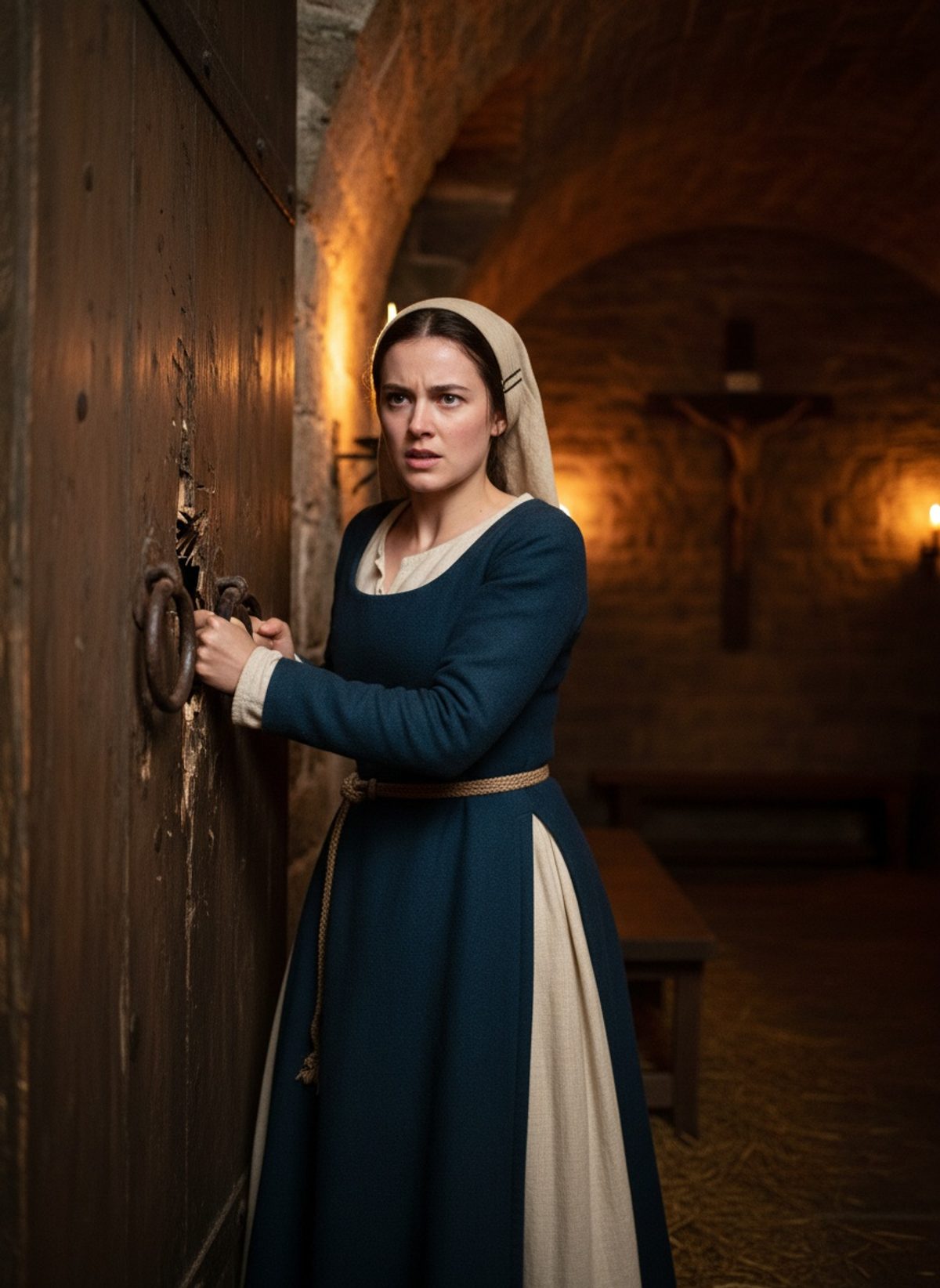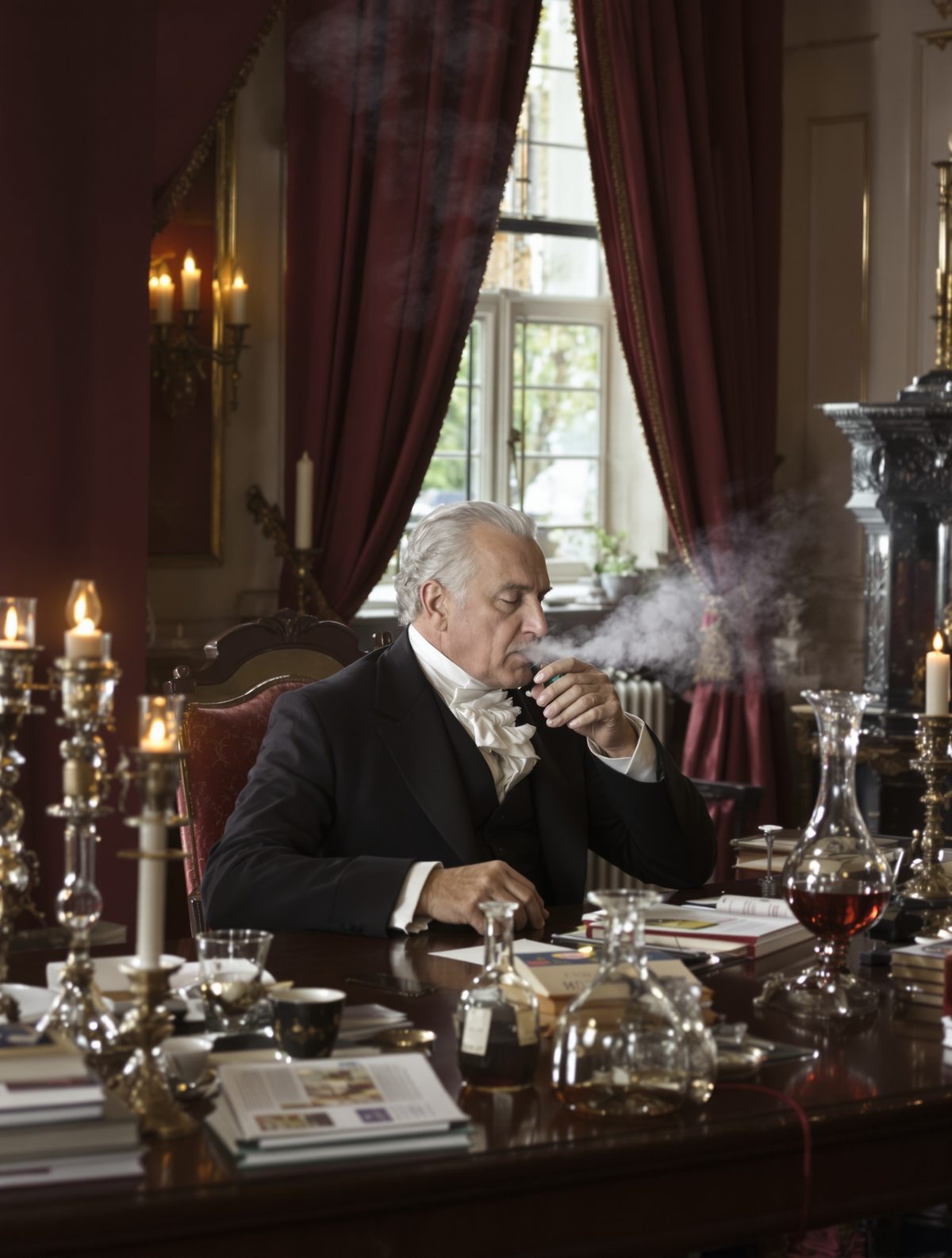
The scream echoed through the stone corridors of Edinburgh's Royal Maternity Hospital, a sound that had haunted these walls for centuries. But on this November evening in 1847, just a few streets away in a Georgian townhouse at 52 Queen Street, three men were about to risk their lives to silence such screams forever. Dr James Young Simpson, along with his colleagues Dr Duncan and Dr Keith, sat around a mahogany dining table laden not with fine china, but with an array of glass bottles containing liquids that could kill them.
What happened next would change the course of medicine—and save millions of mothers from unimaginable agony.
The Doctor Who Couldn't Sleep
James Young Simpson was a man possessed. At just 36 years old, he was already Professor of Midwifery at the University of Edinburgh, but professional success hadn't dulled the horror he felt every time he attended a difficult birth. The screams of labouring women echoed in his mind long after he'd left their bedsides. In Victorian Scotland, the phrase "in sorrow thou shalt bring forth children" from Genesis wasn't just scripture—it was accepted medical doctrine. Pain in childbirth was considered not just inevitable, but divinely ordained.
But Simpson refused to accept this. He had already begun using ether as an anaesthetic during labour, inspired by reports from America where it had been successfully used in surgery. Yet ether was problematic—it was highly flammable, had an unpleasant smell, and often made patients violently sick. Simpson knew there had to be something better. Something that could render a woman unconscious to pain without endangering her life or that of her child.
Read next: The Day a Scots Girl Thrust Her Arm Through a Door to Save a King
Night after night, Simpson pored over chemistry textbooks in his study, surrounded by the portraits of Edinburgh's medical luminaries. He corresponded with chemists across Europe, seeking compounds that might hold the key. His obsession was becoming legendary among Edinburgh's medical community, but Simpson didn't care. Every day of delay meant more women would endure agony that he believed was entirely preventable.
The Dinner Party That Changed History
November 4th, 1847, was a typical Edinburgh evening—cold, damp, and dark by four o'clock. But inside Simpson's dining room, an extraordinary scene was unfolding. The three doctors had gathered not for a social dinner, but for what can only be described as a gentleman's suicide pact. On the table before them sat several glass bottles, each containing a different chemical compound. Their plan was simple, if terrifying: they would systematically inhale the vapours from each substance until they found one that induced unconsciousness safely—or until they died trying.
They had already tested several compounds that evening, each one proving either ineffective or unpleasantly toxic. Dr Duncan's notebook records their methodical approach: a few drops of each liquid would be placed on a handkerchief, then held beneath their noses while they breathed deeply. Some substances did nothing; others burned their throats or made them dizzy without providing the clean unconsciousness they sought.
Then Simpson reached for a small bottle labelled "chloroform"—a clear, sweet-smelling liquid that had been discovered by three independent chemists in the 1830s but had found little practical use. The compound, whose chemical name is trichloromethane, had been sitting in laboratories across Europe, waiting for someone to unlock its potential.
Unconsciousness and Epiphany
What happened next was recorded by Dr Keith, though his account wasn't written until the following morning for obvious reasons. Simpson poured a small amount of chloroform onto his handkerchief and inhaled deeply. The sweet, ethereal smell was pleasant—nothing like the harsh ether they'd been using. He took another breath, then another. Dr Duncan and Dr Keith followed suit.
Within moments, the conversation around the table became increasingly animated and jovial. The three learned physicians began to laugh uncontrollably at things that weren't particularly funny. Dr Duncan later recalled feeling euphoric, as if he were floating. Simpson stood up, swaying slightly, and declared the experiment a great success—just as his knees buckled and he crashed to the floor, taking his chair with him.
Dr Keith lasted a few seconds longer, just long enough to see his colleagues collapsed on the Turkish carpet, before he too succumbed to the chloroform's embrace. For several minutes, three of Scotland's most distinguished doctors lay unconscious on a dining room floor, their lives hanging in the balance. Had Mrs Simpson chosen that moment to check on her husband's "meeting," she would have found what appeared to be three corpses.
But Simpson had calculated correctly. One by one, the men began to stir. Simpson was the first to regain consciousness, and his first words, according to Keith's account, were: "This is far stronger and better than ether." Even through his grogginess, he knew they had found their answer.
Battling the Establishment
Simpson's euphoria over his discovery was short-lived. When he began using chloroform in his obstetric practice just days later, the backlash was swift and fierce. The Church of Scotland denounced him from pulpits across the country, arguing that God had intended women to suffer in childbirth as punishment for Eve's sin. Prominent theologians wrote pamphlets with titles like "The Blessing of Pain" and "On the Sinfulness of Preventing the Sorrows of Women."
Even more surprisingly, many of Simpson's own medical colleagues opposed him. The established physicians of Edinburgh argued that pain served an important purpose during labour—it told women when to push, when to rest, and indicated the progress of birth. Without pain, they claimed, more mothers and babies would die, not fewer. The medical journal The Lancet published articles questioning both the safety and morality of obstetric anaesthesia.
Simpson fought back with characteristic vigour. He wrote pamphlets, gave lectures, and even engaged in theological debates, pointing out that God had caused a "deep sleep" to fall upon Adam during the creation of Eve—surely the first recorded use of anaesthesia! His 1848 pamphlet "Answer to the Religious Objections Advanced Against the Employment of Anaesthetic Agents in Midwifery and Surgery" became a bestseller, though it failed to convince his harshest critics.
The Queen's Seal of Approval
The turning point came in 1853, when Queen Victoria herself requested chloroform during the birth of her eighth child, Prince Leopold. Dr John Snow, the same physician who would later track down the source of London's cholera outbreak, administered the anaesthetic to the Queen at Buckingham Palace. The birth was successful, the Queen recovered quickly, and most importantly for Simpson's cause, she publicly praised the "blessed chloroform."
If anaesthesia in childbirth was good enough for the Queen-Empress, it was difficult for even the most conservative physicians to argue against it. Almost overnight, "chloroform à la reine" became fashionable among the upper classes. Simpson's practice in Edinburgh was overwhelmed with requests from women who had heard about the "miraculous" painless births.
By the 1860s, chloroform was being used in maternity hospitals across Britain and Europe. Simpson had lived to see his discovery transform obstetrics, though he continued to refine the technique and train other physicians in its safe administration until his death in 1870. Queen Victoria herself ordered that he be given a baronetcy—the first physician ever to be knighted purely for services to medicine.
A Legacy Written in Silence
Today, when a woman enters a modern delivery room, she does so knowing that effective pain relief is not only available but considered a fundamental right. Epidurals, gas and air, and other anaesthetic techniques can trace their lineage directly back to that November evening when Simpson risked everything on his dining room floor. The screams that once echoed through maternity wards have been replaced by the controlled calm of modern obstetrics.
But Simpson's legacy extends beyond anaesthesia. His willingness to experiment on himself—a practice that would horrify modern medical ethics boards—embodied the Victorian spirit of scientific heroism. In an age when medical knowledge advanced through personal risk-taking and intuitive leaps, Simpson's dinner party represents something profound: the moment when human compassion overcame both religious dogma and medical conservatism.
Perhaps most remarkably, Simpson's discovery reminds us that some of history's greatest breakthroughs have come not from grand laboratories or royal institutions, but from ordinary rooms where extraordinary people dared to ask: "What if we tried something different?" Every painless birth today carries an echo of that November evening when a Scottish doctor literally fell unconscious in pursuit of ending centuries of unnecessary suffering.