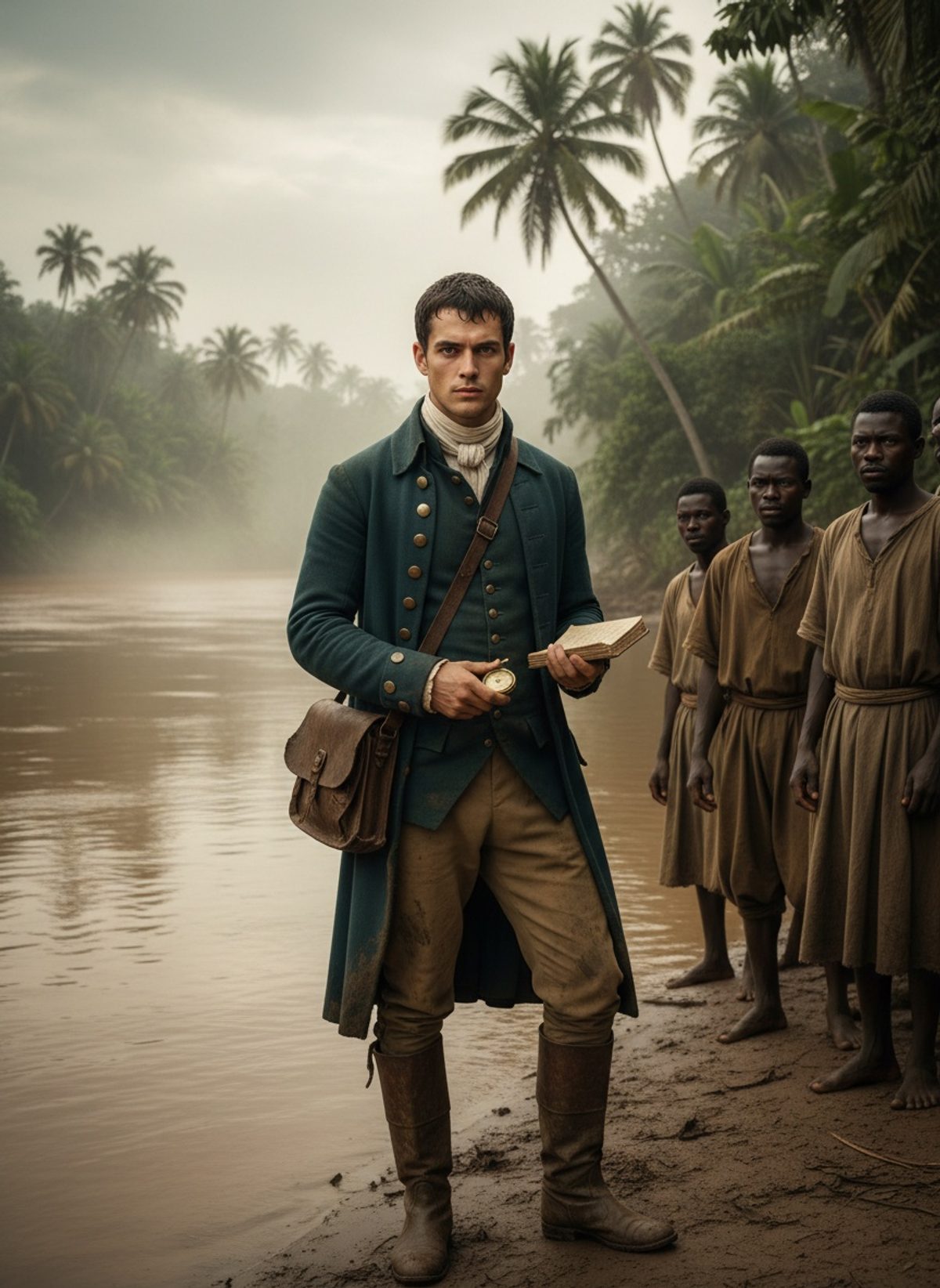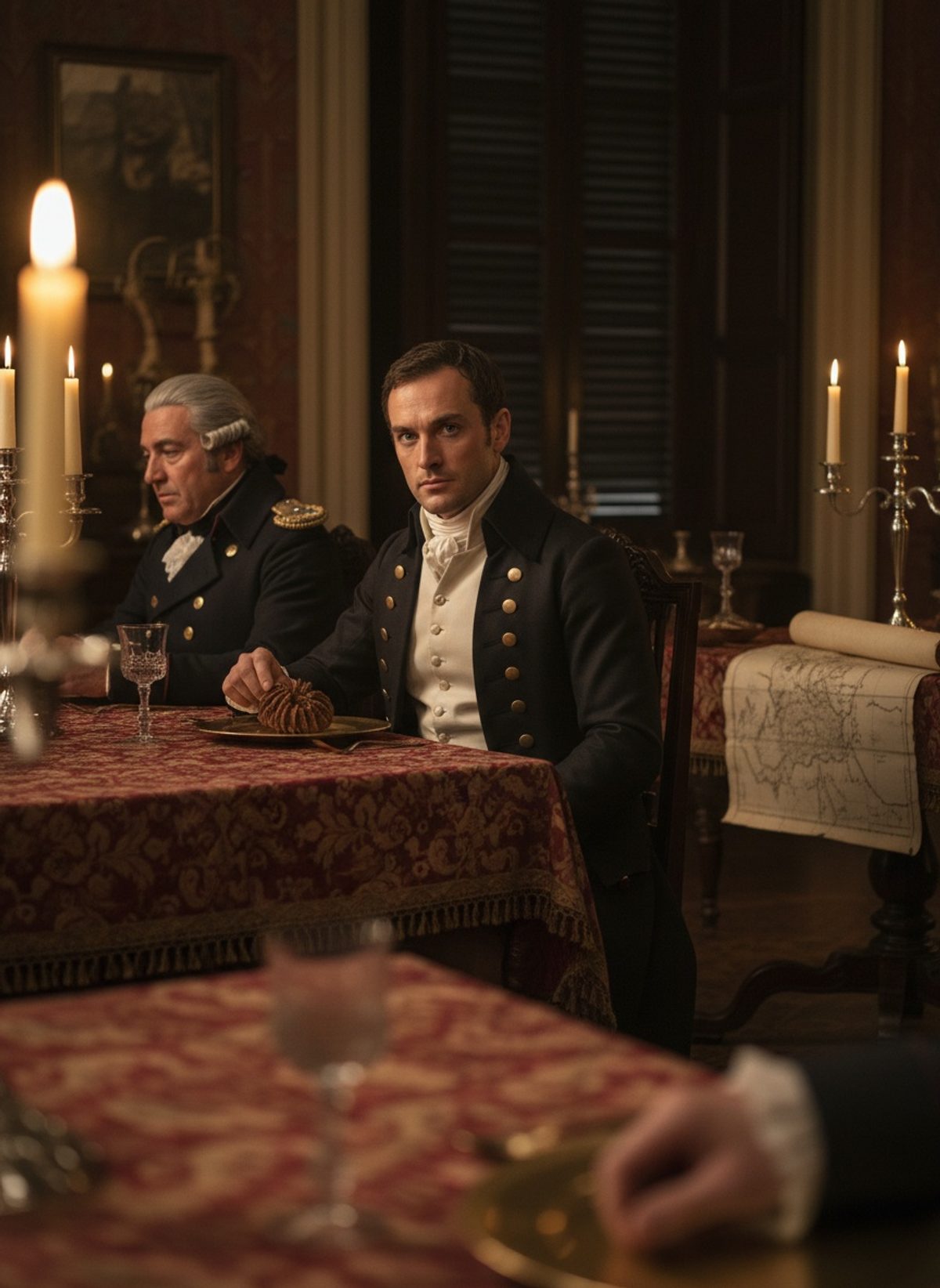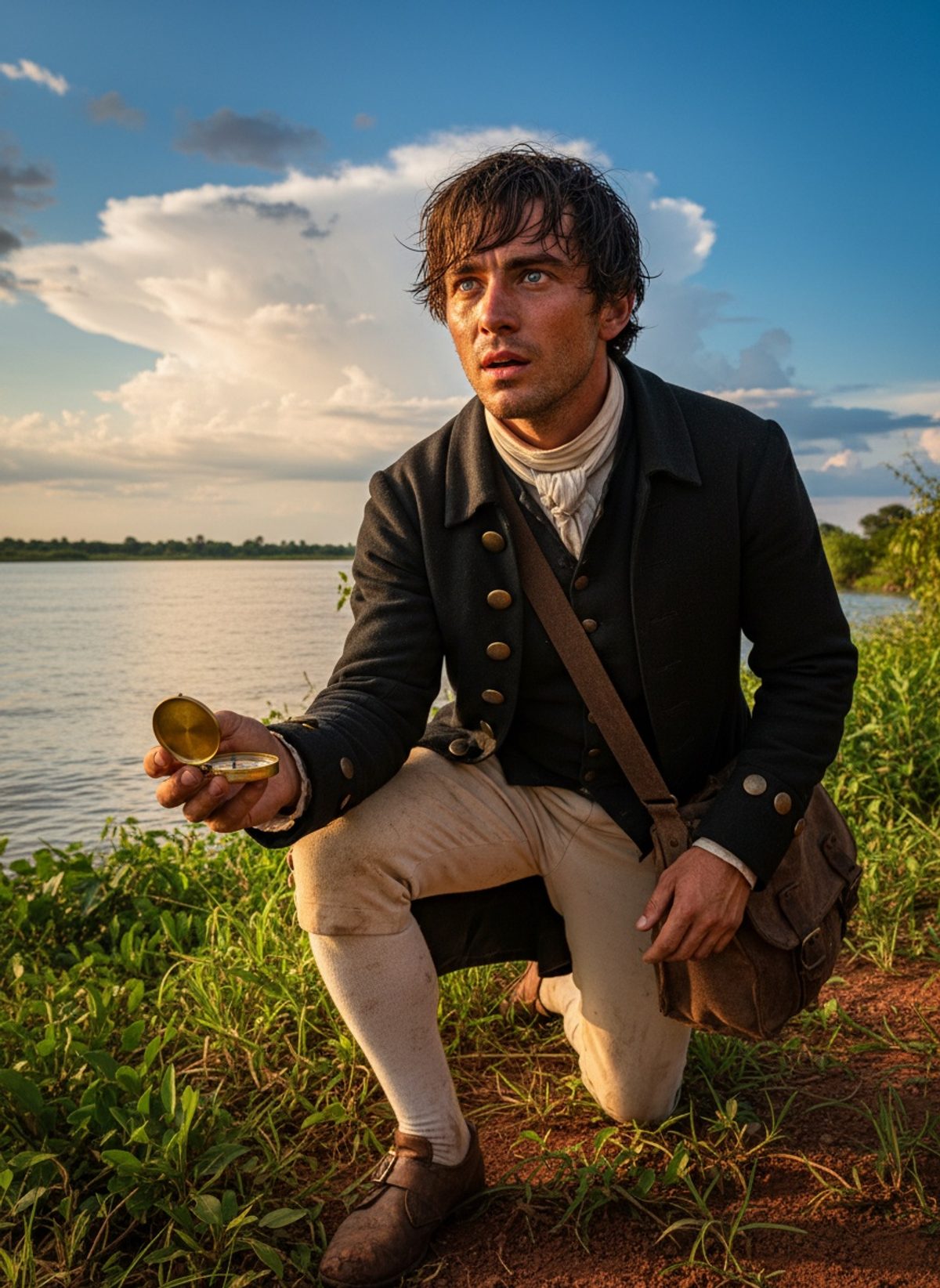
John Davis is a name often overlooked in the grand chronicles of exploration. Yet his journey into the Arctic seas paved the way for centuries of discovery.
The Making of an Explorer
In the summer of 1587, John Davis, a skilled mariner from Devon, embarked on a voyage that would lead him into the treacherous waters of the Arctic. Davis was a seasoned navigator, having spent years honing his skills along the coasts of the known world. However, his heart yearned for the uncharted and the mysterious. The thrill of the unknown called to the Elizabethan spirit of discovery, and Davis was determined to answer.
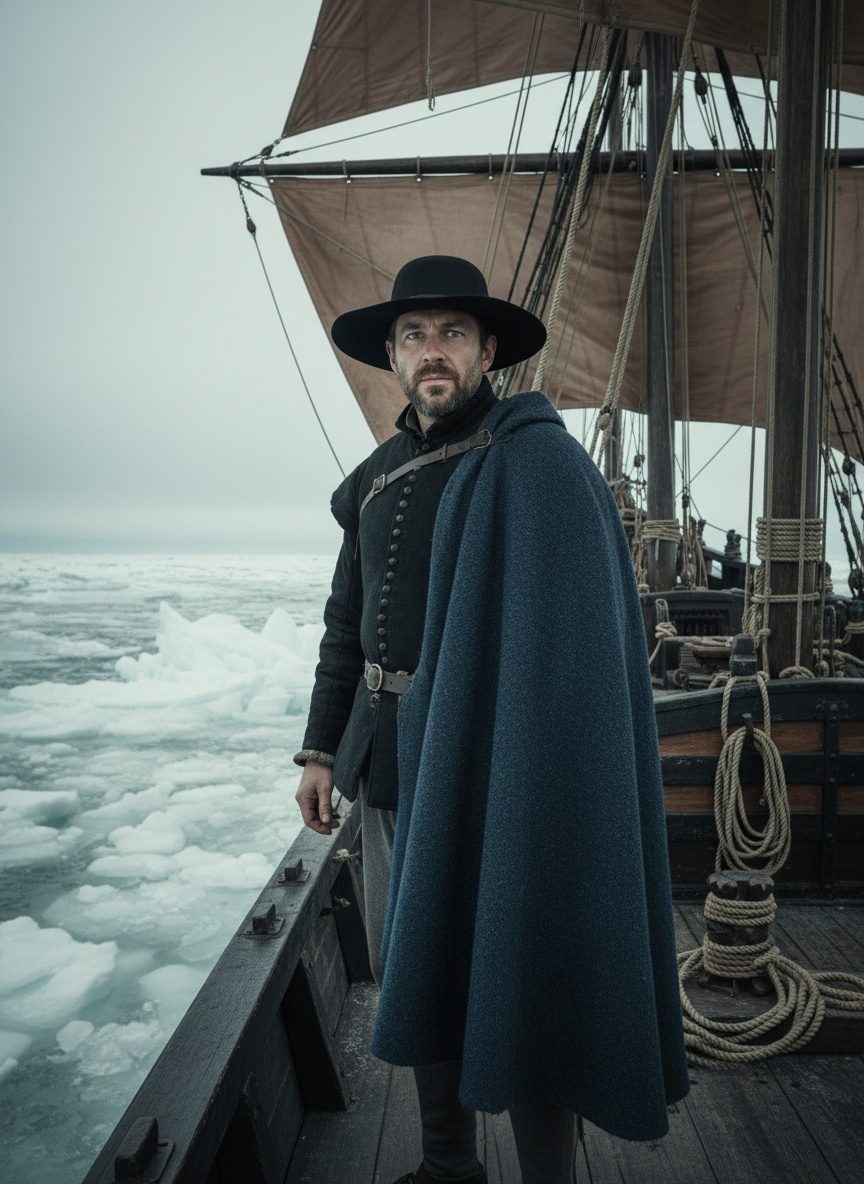
His expedition, backed by the Venetian adventurer Sir Edward Dyer and counselled by renowned mathematician John Dee, was aimed at cracking one of the era's most tantalizing mysteries — the elusive Northwest Passage. This fabled route was believed to be a shortcut to the riches of Asia, a direct path that had eluded many daring explorers. With only two tiny barks, the Sunshine and the Moonshine, and a crew on the brink of mutiny due to harsh conditions and dwindling supplies, Davis set sail northwards. The size of his vessels was unimposing amid vast icy expanse, yet their mission was grand.
Armed with a conviction in his quest and instruments crafted for precision, Davis navigated through waters that seemed as hostile as they were mysterious. The harsh Arctic conditions troubled his crew, who were men accustomed to more temperate climates. Why push beyond the limits of known maps? For Davis, it was about more than just finding a new trade route; it was about rewriting the boundaries of his world. Scotland had stood as the known northern frontier for Englishmen, but Davis aimed higher, into latitude realms shadowed by ice and uncertainty.
Read next: The Day a Scots Surgeon Walked Into Timbuktu Alone
A Frozen World Unveiled
As Davis sailed further into this desolate expanse in August 1587, he found himself at the helm of a revelation. Before him opened a vast waterway, at once foreboding and inviting. To his amazement, it was free of the pack ice that had turned back many before him. Davis named this passage the 'Strait of Cumberland', after George, the earl who was one of his biggest supporters in this venture. Today, we know it as the Davis Strait, the sea passage separating Greenland from Canada.
The strait appeared to hold the secrets of the Northwest Passage. Here was a realm not just unexplored but eerily otherworldly. The ice-clad landscapes that stretched beyond vision, coupled with the midnight sun casting its cold glow, formed a vista unlike any recorded before. The very air was biting, the wind carrying tales of untraversed realms. But the humans who forged their way into this near-mythical land were not deterred. Arctic birds wheeled against a dim sky, their cries deafening in the strange silence of this polar wilderness.
Yet the passage was no straightforward open door to Asia; its complexity and perilous nature became clear as icebergs loomed and the cold deepened. Davis's charts whispered of a world partially unveiled yet still shrouded in mystery. Even more pressing were the realities of his mission. Supplies dwindled as enthusiasm waned, and the threat of mutiny simmered beneath the icy surface. Although Davis yearned to press further, the practicalities of survival and the faces of his men forced him to make the prudent decision to turn back.
Echoes Through Time
Davis returned to England later that year, tales of strange lands and possibilities trailing him like a wake. While he did not find the fabled passage, his voyage added critical pieces to the map of the Arctic, stirring curiosity and fueling future explorations. The Arctic landscape, unforgiving yet enigmatic, had been breached by the English for the first time, signifying more than just a geomorphological discovery; it emerged as a symbol of human tenacity against the vastness of nature.
His maps and journals subsequently guided future explorers who dared to probe the Arctic mysteries Davis had first witnessed. Though it would take centuries more before the true Northwest Passage would be successfully navigated, Davis's passage opened new avenues for commerce and colonization. The north no longer seemed an impenetrable wall; instead, it became a new frontier to challenge and conquer.
This journey into the ice was merely one tale within the rich tapestry of exploration during the Elizabethan era. Yet it stands out as a reminder of humankind's relentless quest to chart the unseen, to conquer the sublimely inhospitable, and to weave the web of connections that defines our world. Today's Arctic voyages echo those early strokes of Davis's oars, as we continue to grapple with the legacy of exploration in a rapidly changing world. In finding an Arctic strait, Davis forged a bridge to the future, one of inspiration and peril that continuously reshapes our maps and our minds. For explorers of old and today, the quest to discover remains what defines us.