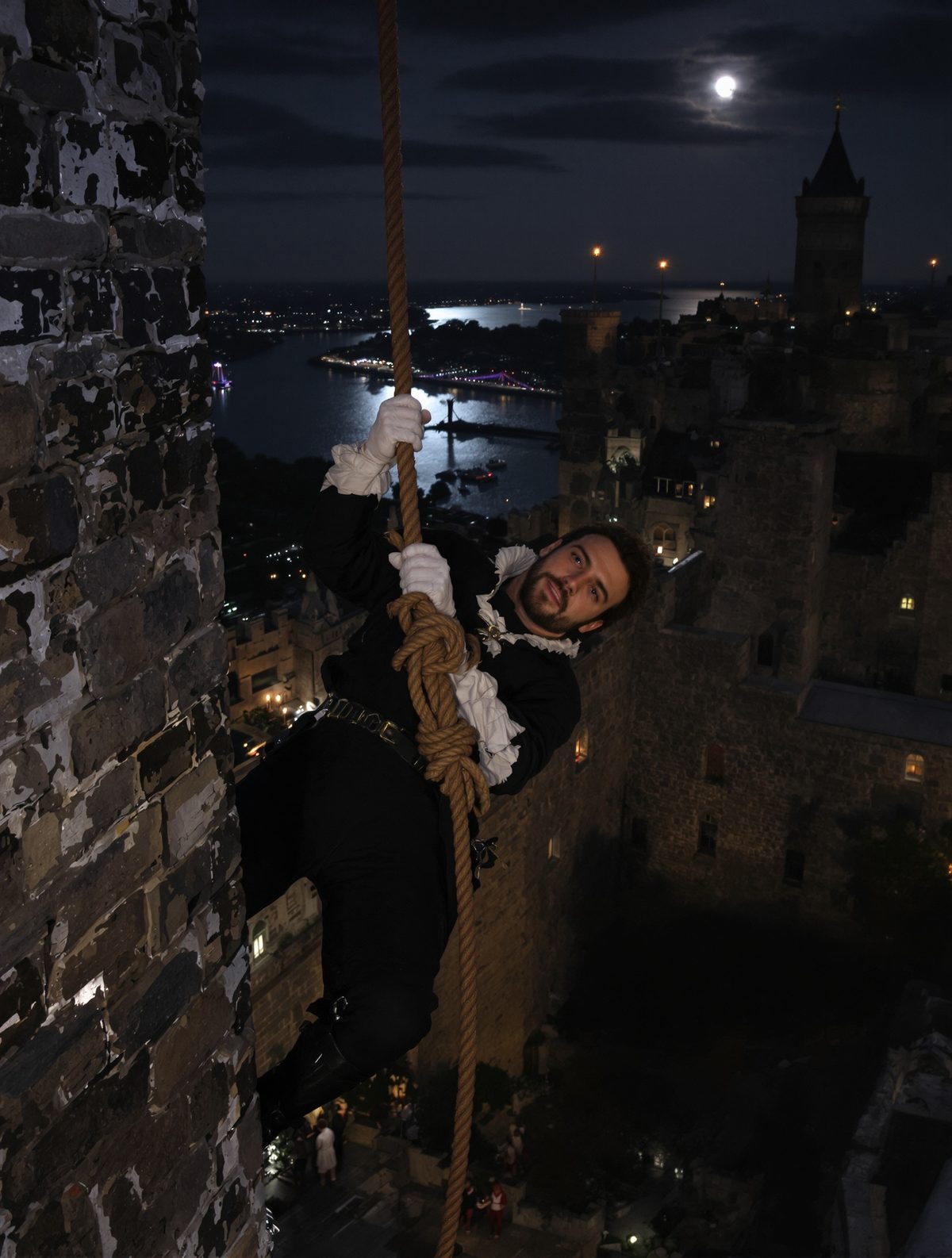
The rope was thinner than a man's thumb, yet upon it hung not just the weight of a human body, but the hopes of an entire underground movement. On the night of October 4th, 1597, Father John Gerard pressed his palms against the cold stone of the Tower of London's outer wall, 100 feet above the black waters of the Thames. Behind him lay three years of imprisonment, interrogation, and unimaginable torture. Ahead lay either freedom or a bone-shattering plunge into the river below.
What happened next would become one of the most audacious prison breaks in British history—a feat so improbable that even Gerard's fellow prisoners thought he'd lost his mind.
The Priest Who Wouldn't Break
John Gerard wasn't supposed to be in England at all. Born into a wealthy Lancashire family in 1564, he had converted to Catholicism and fled to the continent to train as a Jesuit priest—a calling that, under Elizabeth I's increasingly draconian laws, made him an enemy of the state. When he secretly returned to England in 1588, the same year as the Spanish Armada, he carried a death sentence on his head.
For six years, Gerard lived a shadow existence, moving between safe houses and conducting clandestine masses for England's persecuted Catholic minority. He was a master of disguise, equally comfortable posing as a country gentleman or a merchant. His network of supporters stretched from London's back alleys to the great estates of Warwickshire, where he would arrive under cover of darkness to perform marriages, baptisms, and confessions.
Read next: The Day Britain Voted to Keep a King — and Lost Him Anyway
But every spy's luck runs out eventually. On April 23rd, 1594—ironically, St. George's Day—Gerard was betrayed by an informant and dragged to the Tower of London in chains. He was 30 years old, and few expected him to see 31.
The Art of Agony
The Tower's interrogators were artists of pain, and they had three years to perfect their craft on Gerard. The rack was their instrument of choice—a devilish contraption that slowly stretched its victims until joints popped and tendons snapped. Gerard endured this torture repeatedly, his arms stretched so severely that he lost all feeling in his hands and could no longer feed or dress himself.
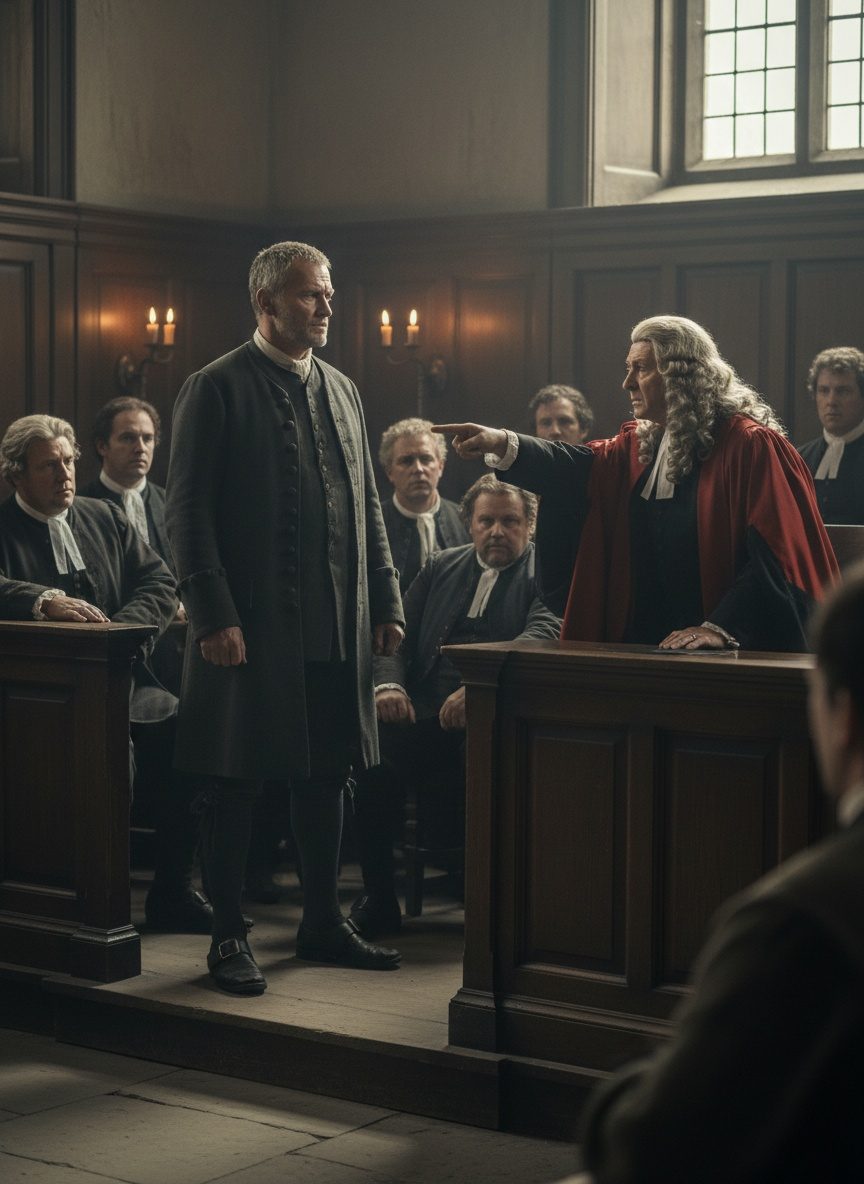
But here's what the history books rarely mention: Gerard's torturers weren't just trying to break his body. They were conducting sophisticated psychological warfare. Between sessions on the rack, he was kept in comparative comfort, given good food and wine, and visited by 'concerned' officials who suggested that a simple signature renouncing his faith would end his suffering immediately.
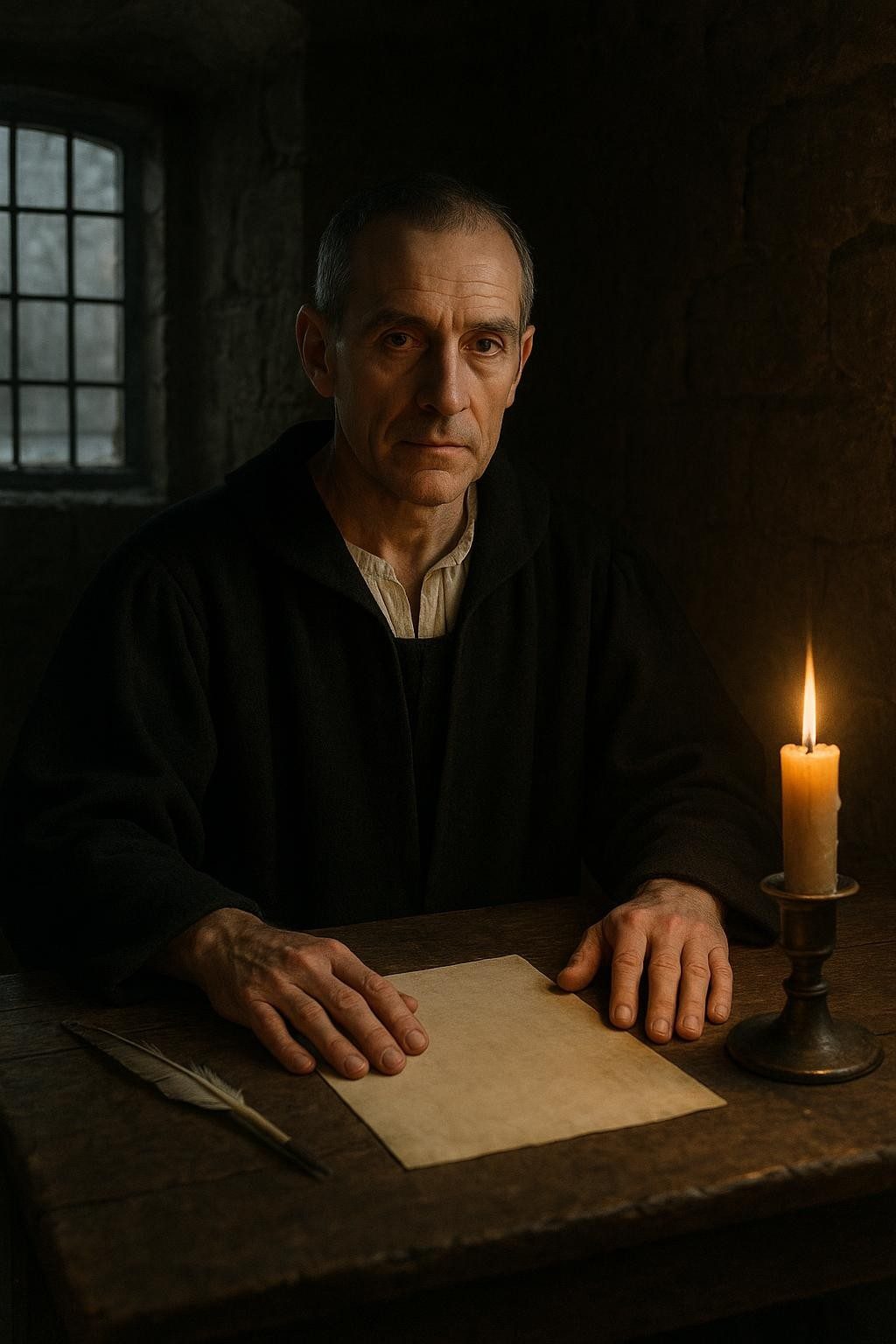
Gerard never signed. More remarkably, he never betrayed a single name from his vast network of supporters. Prison records show that while dozens of other Catholics were arrested during his captivity, none were caught through information extracted from Gerard. His silence saved countless lives—and it drove his captors to distraction.
Plotting in Plain Sight
By 1597, Gerard's situation had changed in an unexpected way. His hands had partially healed, and his steadfast refusal to cooperate had earned him grudging respect from some guards. More importantly, he had gained access to the Tower's salt tower, where he could exercise on the roof under minimal supervision.
It was during these exercise periods that Gerard began plotting the impossible. The salt tower sat on the Tower's outer wall, directly above the Thames. If he could somehow get down that wall, the river offered a potential escape route. But the logistics were staggering: the wall was 100 feet high, constantly patrolled, and any rope strong enough to support his weight would be impossible to conceal.
The solution came from an unexpected source. John Arden, a fellow Catholic prisoner who had been recently released, had maintained contact with Gerard's supporters on the outside. Through an intricate network of coded letters and secret meetings, they devised a plan that sounds like something from a modern thriller.
Here's the ingenious part: Gerard's supporters would pose as everyday citizens taking evening strolls along the Thames foreshore. On a predetermined night, they would position a boat directly below the salt tower. Meanwhile, they smuggled Gerard not just a rope, but specific tools—a knife to cut through window leads, and a substance to darken the rope so it wouldn't gleam in the moonlight.
One Hundred Feet of Faith
October 4th, 1597, arrived with mercifully cloudy skies. Gerard had spent weeks observing the guards' routines, timing their rounds to the minute. He knew he would have perhaps twenty minutes between patrols—barely enough time to descend the wall and disappear into the London streets.
At approximately 11 PM, Gerard tied his rope to a cannon positioned on the salt tower's roof. The irony wasn't lost on him—using the Crown's own artillery as an anchor for his escape. What happened next required not just courage, but extraordinary physical strength. Remember, this was a man whose arms had been nearly destroyed by torture just years earlier.
Hand over hand, Gerard began his descent into the darkness. The rope bit into his still-tender palms, and the Thames wind threatened to slam him against the stone wall. Halfway down, his strength began to fail. Later, he would write that only divine intervention kept his grip from loosening entirely.
But perhaps the most terrifying moment came near the bottom. As Gerard neared the water, he realized the rope was too short. He would have to drop the final fifteen feet, hoping to land in the boat rather than the Thames. In the darkness, with his supporters frantically maneuvering their small vessel beneath him, Gerard let go.
He crashed into the boat with such force that both he and his rescuers thought he had broken bones. But within minutes, they were rowing hard for the opposite shore, leaving the Tower of London—that seemingly impregnable fortress—empty of its most valuable prisoner.
The Ripple Effect of One Man's Courage
Gerard's escape sent shockwaves through Elizabeth's government. Sir John Peyton, the Tower's Constable, was hauled before the Privy Council to explain how a crippled priest had simply vanished from the realm's most secure prison. Several guards were dismissed, security procedures were overhauled, and a massive manhunt was launched across London.
They never found him. Gerard lived another eight years in hiding before finally escaping to continental Europe, where he would eventually become an advisor to Pope Paul V. More importantly, his escape proved that Elizabeth's persecution apparatus, seemingly omnipotent, could be defeated by ordinary people with extraordinary courage.
In our age of surveillance cameras and electronic monitoring, Gerard's escape might seem like a relic from a simpler time. But the fundamental elements remain unchanged: an authoritarian state, a man of conscience who refused to abandon his principles, and a network of supporters willing to risk everything for justice. In Tudor England, helping Gerard meant risking the rack and the gallows. His supporters did it anyway.
The rope that carried John Gerard to freedom was thin indeed. But the thread of resistance it represents—the idea that no prison is strong enough to hold the human spirit indefinitely—has proven far more durable than the Tower's walls. In every generation, in every country where conscience conflicts with power, someone faces that same choice: surrender or take the leap. Gerard's story reminds us that sometimes, impossibly, people choose to jump.