The year was 699 AD, and something extraordinary was about to unfold in the most godforsaken corner of Anglo-Saxon England. As autumn mists rolled across the treacherous Lincolnshire fens, a lone coracle cut through the black waters toward an island that locals whispered about in terror. At the oars sat a young nobleman who had traded his warrior's sword for a hermit's staff—and he was heading straight into what medieval minds believed was the mouth of hell itself.
Guthlac of Mercia was about to begin the most harrowing spiritual battle in English history, one that would pit human faith against supernatural fury for fifteen years of unrelenting torment. What happened next would become legend—though the Church made sure it was the right kind of legend.
The Warrior Who Walked Away from Glory
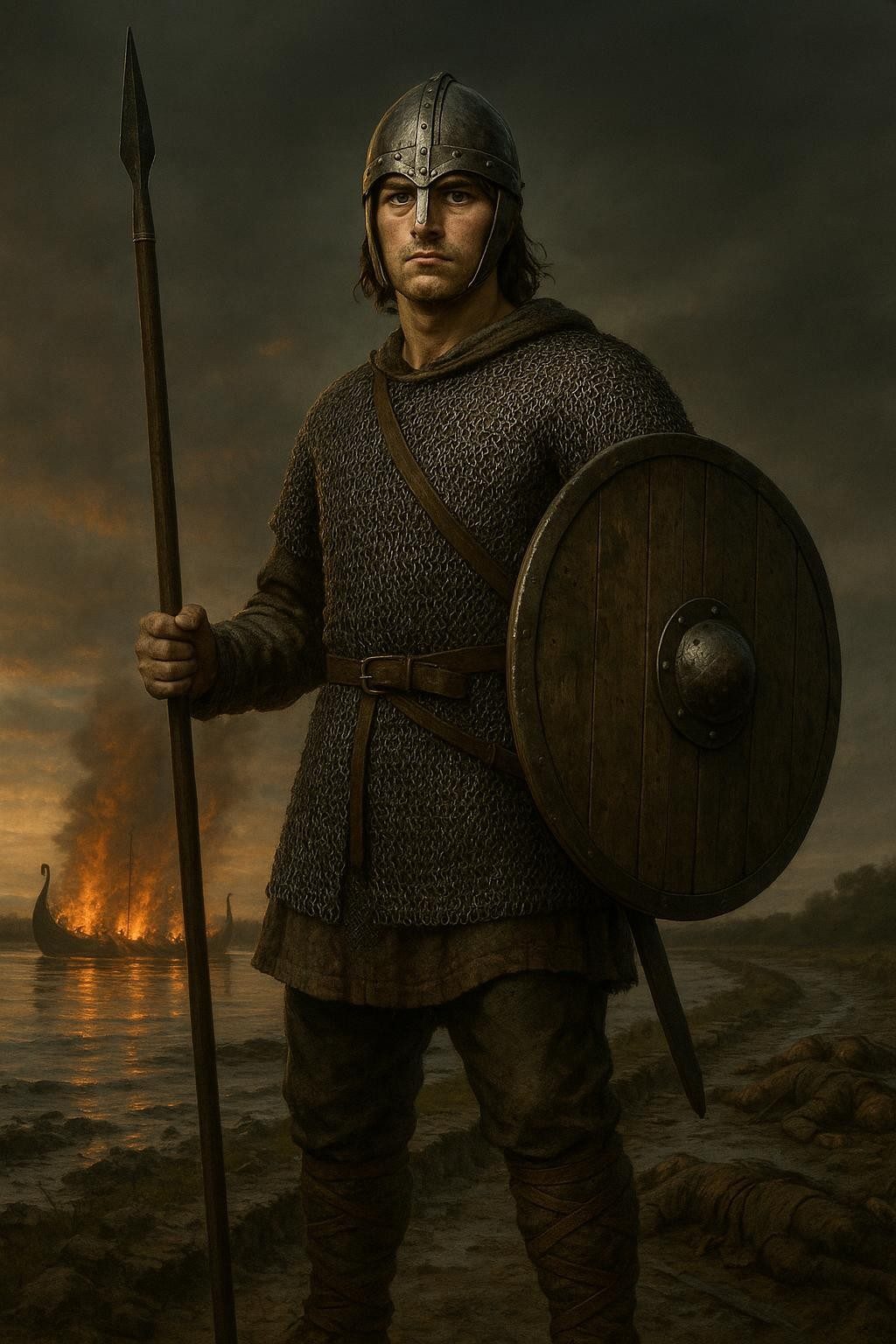
To understand the magnitude of Guthlac's decision, you need to picture Anglo-Saxon society at its brutal peak. This was an age when a nobleman's worth was measured in gold rings distributed to warriors, when kings carved out kingdoms with blood and iron, and when dying gloriously in battle was the highest honor imaginable. Guthlac had it all—royal Mercian blood, a warband of devoted followers, and a growing reputation as a formidable war-leader.
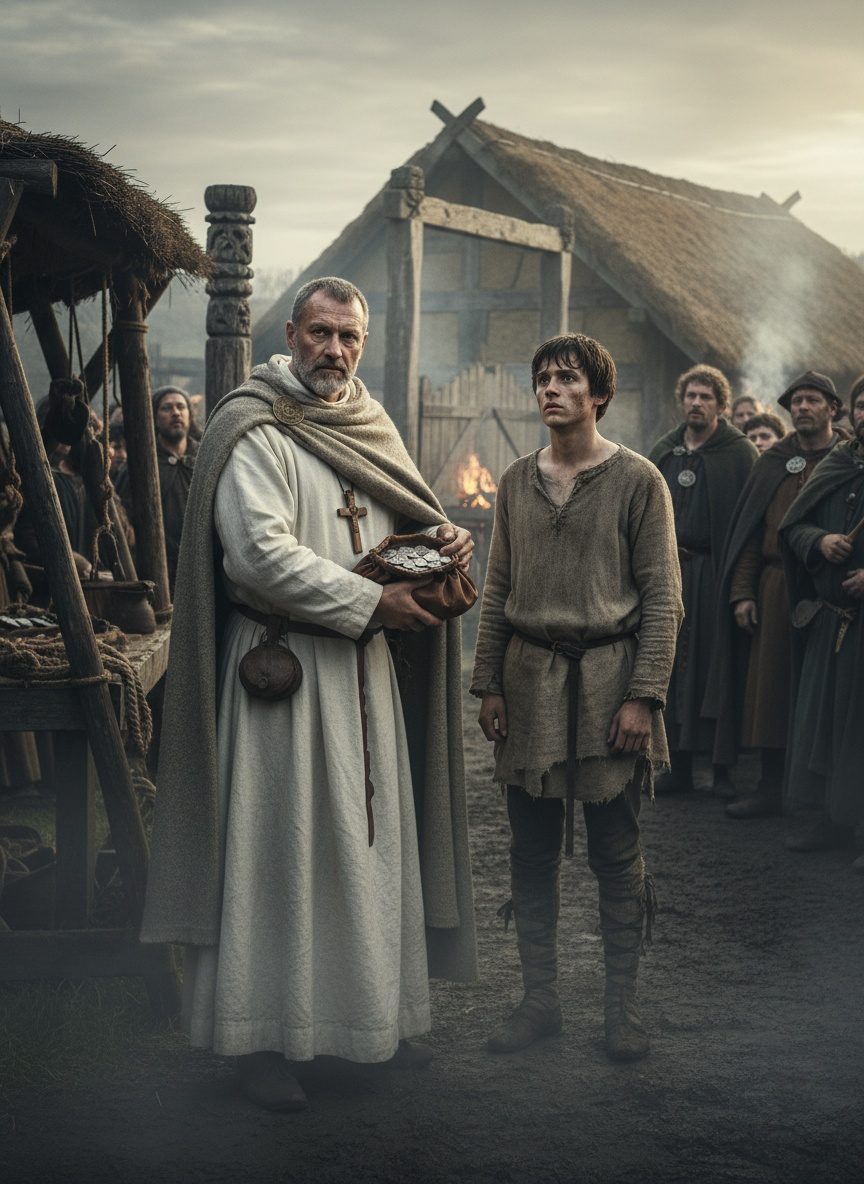
For nine years, he had lived the warrior's dream, raiding enemies and accumulating treasure. But on his twenty-fourth birthday, something snapped. Perhaps it was the weight of countless dead faces, or maybe a spiritual awakening that historians can only speculate about. Whatever the cause, Guthlac shocked his contemporaries by abandoning everything—his weapons, his wealth, his followers—to become a monk at Repton Abbey.
Read next: The Day a Saxon King Knelt and Washed a Leper's Feet
But even monastic life couldn't contain whatever was driving him. Within two years, this restless soul was seeking something more extreme, more isolated, more dangerous. He had heard whispers of an island in the fens where no human dared to dwell, a place so haunted that even the most desperate outcasts avoided it. For Guthlac, it sounded perfect.
Into the Mouth of Hell
The Lincolnshire fens of the 8th century were unlike anywhere else in England. Imagine a vast watery wilderness stretching for hundreds of square miles, where solid ground dissolved into treacherous bog without warning, where will-o'-the-wisps danced through the perpetual mists, and where the boundaries between the physical and spiritual worlds seemed dangerously thin.
At the heart of this aquatic maze lay Crowland—a small island that the Anglo-Saxons believed was actively cursed. Local folklore insisted that demons had claimed it as their own, driving away anyone foolish enough to attempt settlement. The few who had tried to establish homes there reported terrifying nocturnal visitations, objects moving by themselves, and voices speaking in languages that predated human memory.
What made Guthlac's destination even more ominous was its history. Archaeological evidence suggests the island had been used for pre-Christian religious practices, possibly including ritual sacrifice. To medieval minds, such places retained a spiritual contamination that only the strongest faith could overcome—if indeed it could be overcome at all.
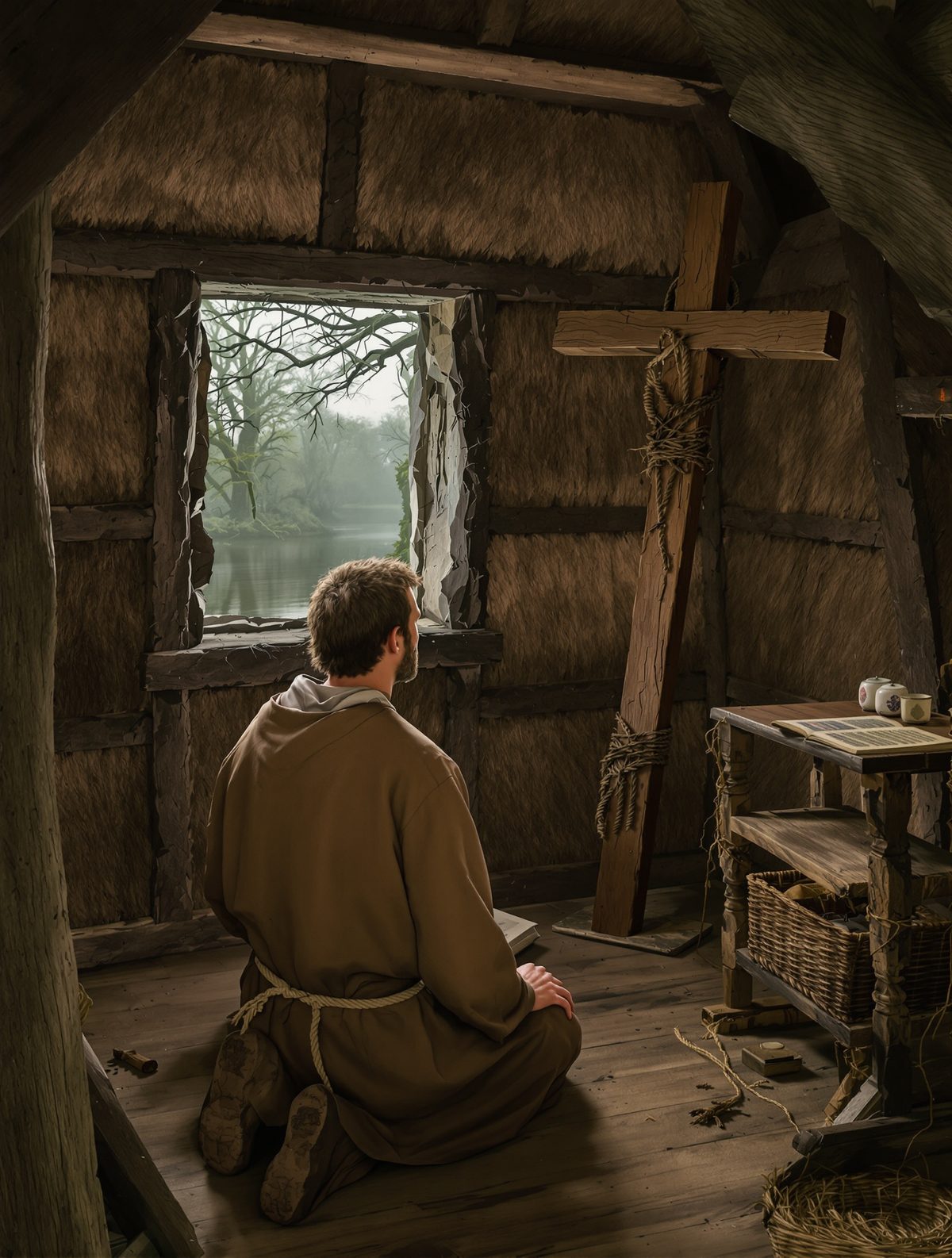
When Guthlac's coracle scraped against the muddy shore of Crowland in late 699, he found the crumbling remains of a ancient burial mound. Rather than flee this obvious sign of supernatural occupation, he did something that would have horrified his contemporaries: he dug into the mound and made it his home.
The Fifteen-Year War
What followed was spiritual warfare on a scale that defied comprehension. According to the Vita Sancti Guthlaci, written by the monk Felix around 730-740 AD, the demons of Crowland launched an immediate and relentless assault on their unwelcome guest. But these weren't the vague, metaphorical demons of later Christian allegory—Felix's account reads like a detailed military report from the front lines of supernatural conflict.
The attacks began almost immediately. Guthlac reported being physically assaulted by invisible forces, dragged from his makeshift cell, and subjected to terrifying visions designed to break his sanity. The demons spoke to him in British—the language of the native Britons whom the Anglo-Saxons had conquered—a detail that reveals the complex ethnic tensions underlying this spiritual narrative.
But perhaps most unnervingly, the demons offered him everything he had given up. They promised to restore his warrior status, to make him a king, to give him riches beyond imagination. When bribery failed, they escalated to torture. Felix describes Guthlac being carried through the air to witness the torments of hell, being beaten unconscious, and enduring psychological warfare that would have broken lesser men within days.
Yet every morning, Guthlac remained. His weapon was prayer, his armor was faith, and his strategy was simply to outlast his supernatural enemies. Night after night, year after year, the battle raged. The demons never relented, and neither did he.
The Unexpected Ally
The most fascinating twist in Guthlac's story involves an unlikely ally who emerged from this spiritual battlefield. Among the demons tormenting him was one who claimed to be different—a fallen angel named Beccel who had grown weary of evil. This entity began secretly helping Guthlac, warning him of planned attacks and revealing the demons' strategies.
Modern scholars have interpreted this relationship in various ways. Some see it as Guthlac's psychological adaptation to his isolated circumstances, others as evidence of the complex syncretism between Christian and pagan beliefs in early medieval England. But perhaps most intriguingly, the Beccel narrative suggests that Guthlac's approach to spiritual warfare was more nuanced than simple confrontation—he was actually converting his enemies.
This wasn't just about enduring supernatural assault; it was about transforming the spiritual landscape of the fens themselves. By maintaining his presence and his faith, Guthlac was gradually cleansing a place that had been associated with darkness for centuries.
The Saint Who Rewrote the Rules
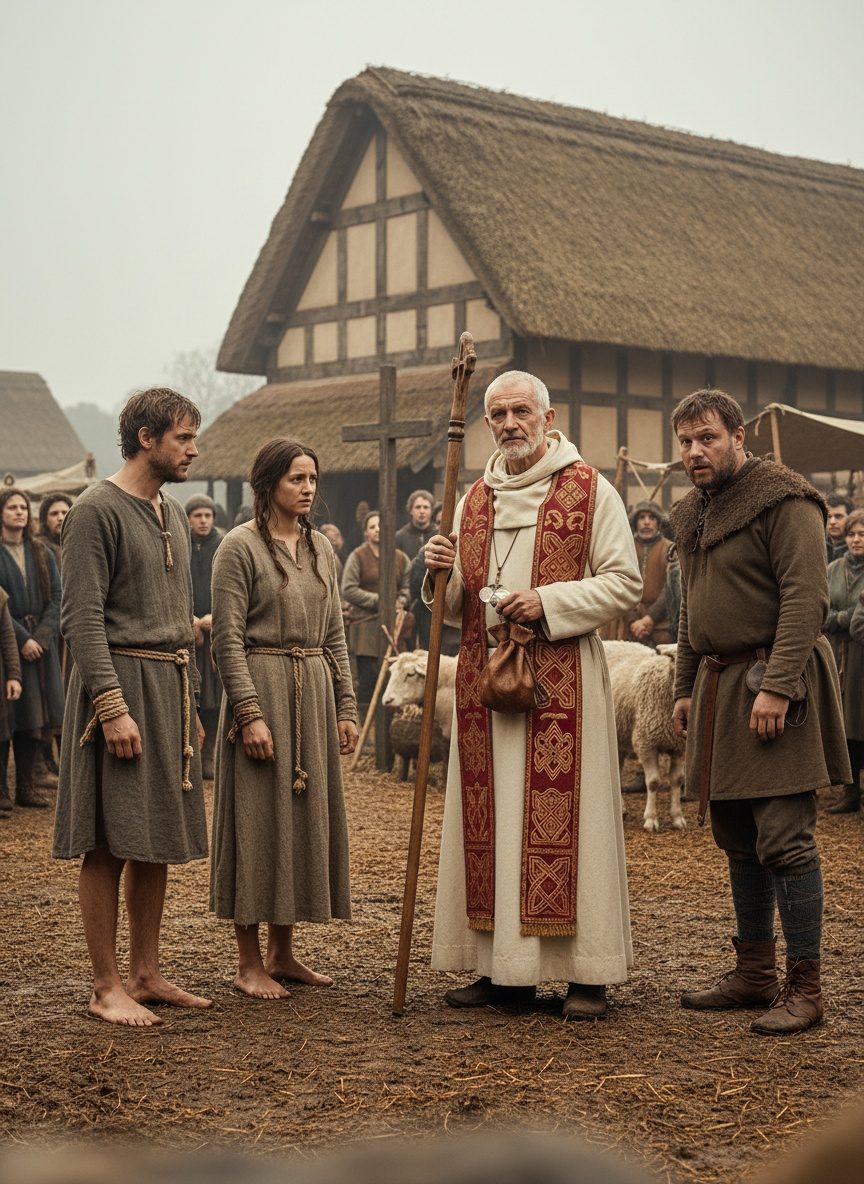
As word of Guthlac's extraordinary endurance spread, something remarkable happened. Visitors began making the dangerous journey to Crowland, seeking his counsel and blessing. Kings, nobles, and common folk alike braved the haunted fens to consult with the hermit who had tamed demons through sheer persistence.
King Æthelbald of Mercia became one of his most devoted followers, crediting Guthlac with prophetic visions that guided his eventual rise to power. This royal patronage would prove crucial to Guthlac's posthumous reputation—and to the wealth of the monastery that would later be built on his island sanctuary.
By 714, after fifteen years of nightly spiritual combat, something had fundamentally changed on Crowland. The demons that had once ruled the island were either converted or driven away. Guthlac had achieved something unprecedented in early medieval spirituality: he had conquered supernatural evil not through exorcism or holy relics, but through pure, stubborn endurance.
When Guthlac died on April 11, 714, aged just forty, his sister Pega found his body completely uncorrupted—a sign of sanctity that the Church would later use as evidence for his canonization. But perhaps more significantly, Crowland itself had been transformed from a place of terror into a destination of pilgrimage.
The Legacy That Echoes Through Time
Guthlac's story matters today precisely because it challenges our assumptions about how change happens. In an age obsessed with quick fixes and instant results, his fifteen-year war against the demons of Crowland offers a radically different model of transformation. He didn't achieve victory through force or cleverness, but through the simple decision to remain present in a difficult place until that place itself was changed.
The psychological truth buried in this medieval legend is profound: sometimes the only way to overcome the demons—whether supernatural, personal, or societal—is to face them day after day, night after night, until persistence itself becomes a form of power. Guthlac's triumph wasn't spectacular or swift; it was the quiet victory of someone who refused to abandon his post, no matter how terrifying the opposition.
In our modern world of abandoned commitments and shortened attention spans, perhaps we need more of Guthlac's stubborn faith—not necessarily in supernatural battles, but in the slow work of transformation that real change demands. The demons of Crowland were conquered not by a single heroic gesture, but by fifteen years of simply showing up.