Picture this: a scrawny Scottish boy stands on the deck of a ship in 1849, salt spray stinging his face as the coast of America materializes through the morning mist. Eleven-year-old John Muir clutches a worn Bible and the few coins his father allows him to keep. He has no idea that decades later, he'll walk a thousand miles through America's wildest places—or that his footsteps will echo through history, saving millions of acres of wilderness for generations yet unborn.
This is the story they don't tell you in school: how a harsh Scottish upbringing forged America's greatest conservationist, and how one epic walk changed the soul of a nation forever.
The Boy Who Heard Nature's Call
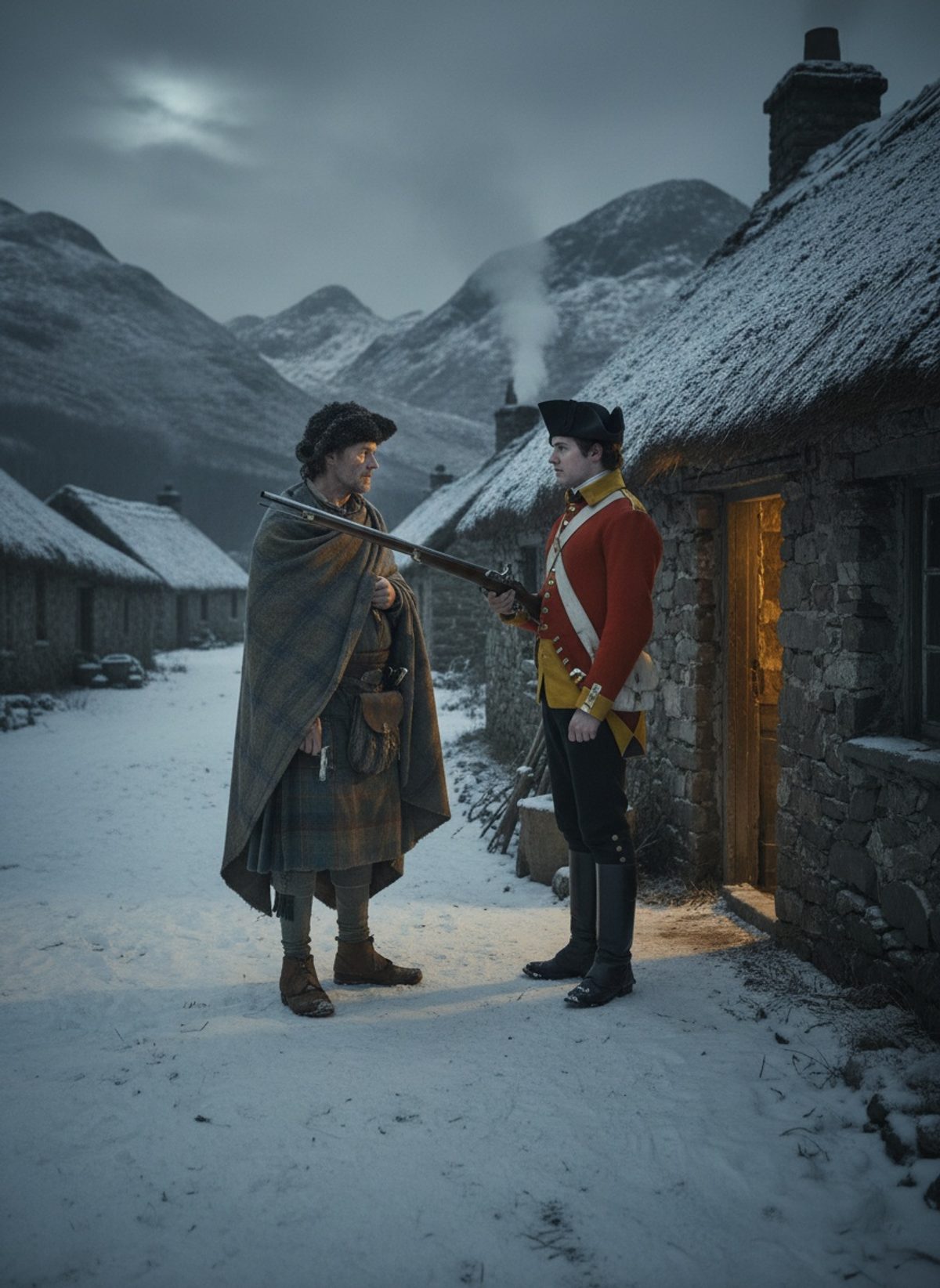
John Muir's childhood in Dunbar was anything but gentle. Born in 1838 above his father's grain shop, young John lived under the iron fist of Daniel Muir—a religious zealot who believed that sparing the rod meant spoiling the child. By age eleven, John had memorized three-quarters of the Bible, beaten into his memory through daily recitations that earned him thrashings for every forgotten verse.
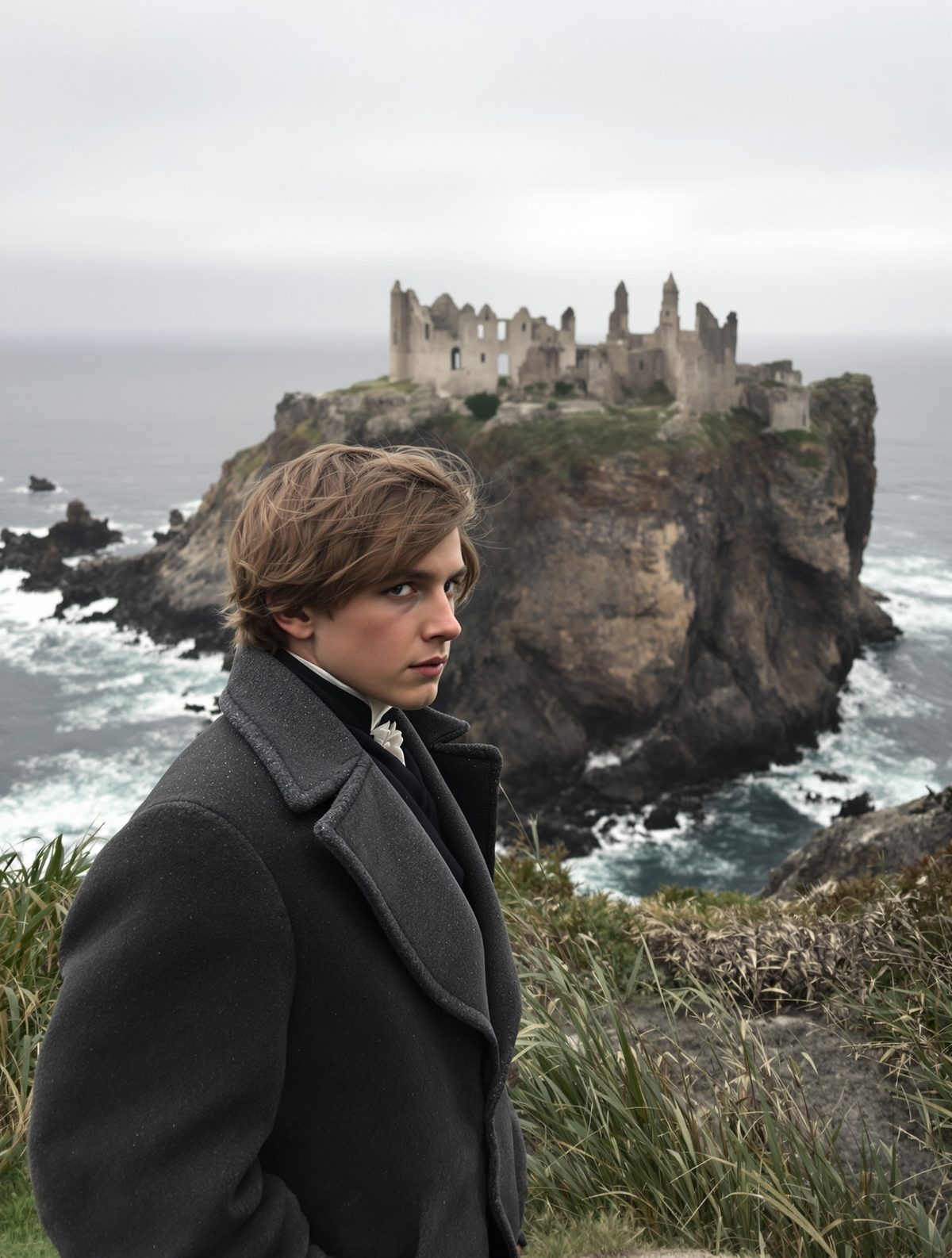
But here's what Daniel Muir couldn't beat out of his son: an insatiable curiosity about the natural world. While other children played with toys, John collected birds' nests, studied flowers, and watched the North Sea crash against Dunbar's ancient rocks. The boy who would one day save Yosemite was already falling in love with wild places.
Read next: The Day a Scots Village Chose Its Own Name and Kept It
When Daniel Muir announced they were sailing to America to start a new life, he painted pictures of endless farmland ripe for the taking. What he didn't mention was that they'd be trading Scotland's harsh beauty for Wisconsin's brutal frontier—and that young John would spend his teenage years clearing forests with his bare hands, one tree at a time.
Forged by Fire and Ice
The Muir family's 160-acre homestead near Portage, Wisconsin, was paradise and hell rolled into one. For John, every sunrise brought wonder—new birds to observe, prairies stretching to the horizon, flowers he'd never seen blooming in impossible profusion. But it also brought back-breaking labor that would have broken lesser spirits.
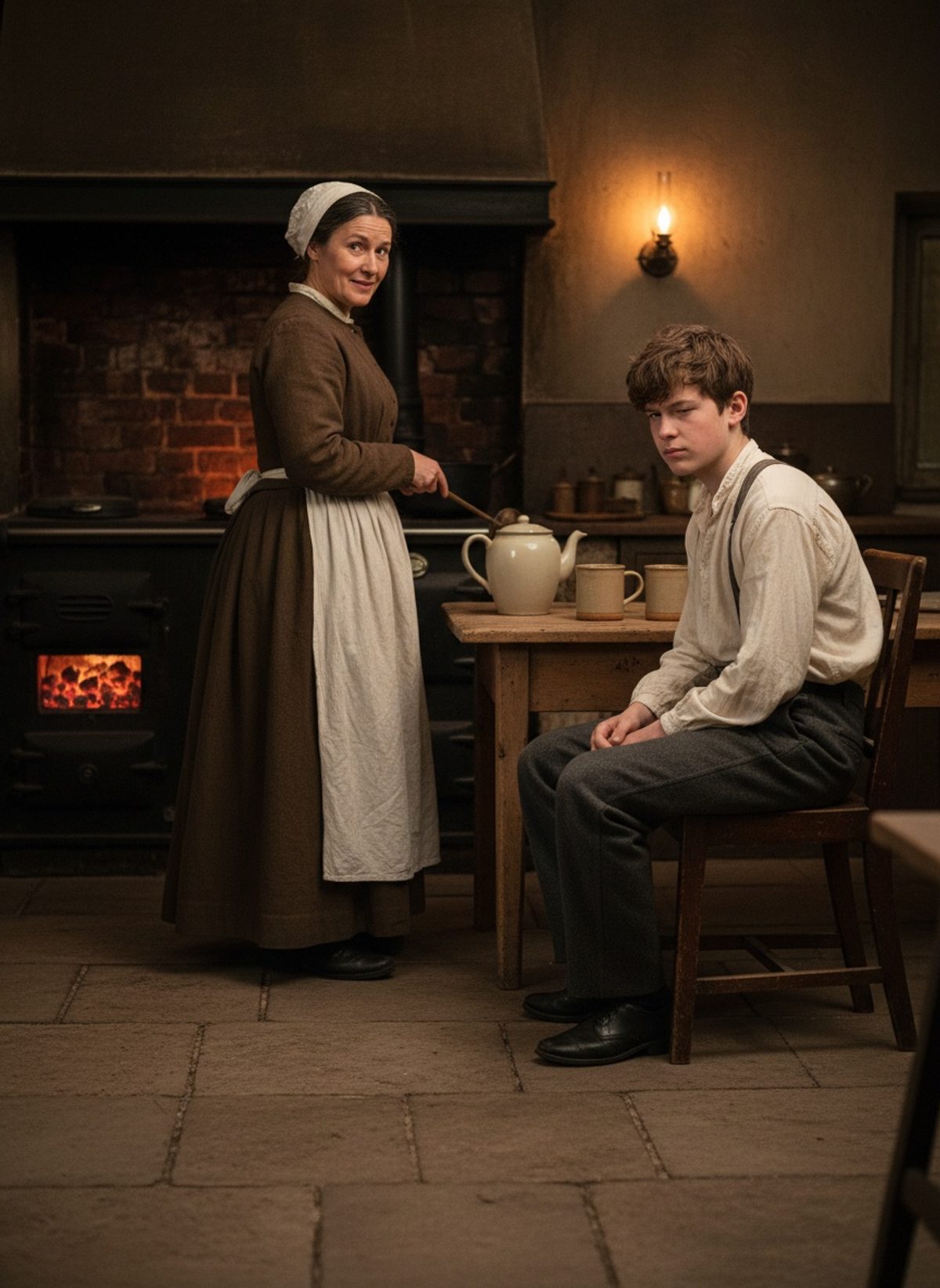
Daniel Muir worked his children like oxen. John spent entire days swinging an axe, reducing ancient oaks to stumps. When the family needed a well, ninety feet deep through solid sandstone, guess who got lowered down on a rope with hammer and chisel? At age sixteen, John Muir was chipping away at rock by candlelight, nearly dying from carbonic acid gas poisoning when he collapsed unconscious at the bottom.
But here's the remarkable thing: instead of breaking his spirit, this brutal existence honed it like steel. John learned to find joy in the smallest details—the way morning light hit prairie grass, how birds adapted to Wisconsin's harsh winters, the intricate patterns of frost on his windowpane. He was becoming something new: an American who saw wilderness not as an enemy to conquer, but as a cathedral to preserve.
At twenty-two, John finally broke free. He walked to the University of Wisconsin with fifteen dollars and a sack of oatmeal, sleeping outdoors and surviving on bread and milk. Though he never graduated, those university years awakened his scientific mind and introduced him to botany, geology, and the radical idea that nature had intrinsic value beyond its usefulness to humans.
The Walk That Changed Everything
September 1867. A twenty-nine-year-old John Muir stood in Louisville, Kentucky, recovering from temporary blindness caused by a factory accident. The near-loss of his sight had shattered something inside him—or perhaps revealed what was always there. He made a decision that seemed insane to everyone who knew him: he would walk to the Gulf of Mexico. Alone. Through a South still reeling from Civil War devastation.
What happened next reads like fiction, but it's gloriously true. Muir bought a plant press, packed some tea and crackers, and set off on what he called his "Thousand-Mile Walk to the Gulf." His only guide was a hand-drawn map, his only compass an unshakeable belief that wilderness held answers civilization couldn't provide.
For six weeks, Muir walked through a landscape that might as well have been another planet. He traversed the Cumberland Mountains, where Confederate deserters still hid in caves. He slept in graveyards when townsfolk wouldn't give him shelter. In Georgia's Okefenokee Swamp, he spent days wading through cypress forests that hadn't changed since the dawn of time, discovering rare orchids and carnivorous plants that existed nowhere else on earth.
The walk nearly killed him. In Florida, he contracted malaria and spent weeks delirious with fever, cared for by strangers who had every reason to distrust a wild-eyed Northern wanderer. But something profound was happening during those feverish nights: John Muir was shedding his old skin and emerging as America's first true environmental prophet.
Finding His Cathedral in California
When Muir finally reached California in 1868, he experienced what can only be described as a religious conversion. Stepping off the boat in San Francisco, he asked the first person he met for directions to "anywhere that's wild." Those directions led him to Yosemite Valley, and the moment he laid eyes on those granite cathedrals soaring toward heaven, his life's mission crystallized.
For the next decade, Muir lived like a holy hermit in the Sierra Nevada. He built a cabin near Yosemite Falls where he could fall asleep to the thunder of cascading water. He climbed peaks that had never felt human footsteps, survived avalanches, and once rode out a fierce storm by climbing to the top of a hundred-foot Douglas fir and swaying with the wind for hours, laughing with joy at nature's raw power.
But Muir wasn't just a mountain mystic—he was becoming a scientist of the first order. Through careful observation, he proved that Yosemite Valley had been carved by glaciers, not earthquakes as the experts claimed. He discovered living glaciers in the Sierra, mapped uncharted wilderness areas, and documented hundreds of plant species. His writings began appearing in magazines, introducing Americans to their own wild heritage with prose so vivid it made them feel they were walking beside him on mountain trails.
The President, the Scotsman, and Three Days That Saved America
By 1903, sixty-five-year-old John Muir had founded the Sierra Club, written bestselling books, and become America's most famous wilderness advocate. But California's ancient sequoia groves were still being cut down for lumber, and even Yosemite faced constant threats from development. That's when fate delivered an unlikely ally: President Theodore Roosevelt.
Roosevelt was supposed to spend one day in Yosemite during his Western tour, surrounded by politicians and park officials. Instead, Muir convinced him to ditch the entourage and spend three days camping alone in the wilderness—just a president and a Scottish immigrant, sleeping under the stars.
Those three nights changed American history. Around crackling campfires, Muir shared his vision of wilderness preservation with the most powerful man in the world. He showed Roosevelt ancient sequoias that were saplings when Christ walked the earth, granite domes sculpted by ice ages, meadows carpeted with wildflowers that might vanish forever if left unprotected.
"This has been the greatest day of my life!" Roosevelt declared as they watched sunrise paint Yosemite's walls gold. True to his word, the president returned to Washington and began creating an unprecedented system of national parks, monuments, and forests. By the end of his presidency, Roosevelt had protected 230 million acres of American wilderness—an area larger than Texas and California combined.
The Scottish Soul of American Conservation
John Muir died in 1914, but his legacy grows stronger with each passing year. The boy who memorized Bible verses by candlelight in Dunbar became the man who taught America to see wilderness as sacred. His thousand-mile walk through the post-Civil War South became a pilgrimage that awakened the nation's environmental conscience.
Today, as climate change and development pressure threaten wild places worldwide, Muir's vision feels more urgent than ever. He understood something that many still struggle to grasp: we don't inherit the earth from our ancestors—we borrow it from our children.
The next time you stand in Yosemite Valley or hike through a national park, remember the Scottish boy who sailed to America with nothing but dreams and determination. His footsteps echo through every protected wilderness, his voice whispers in every ancient tree saved from the axe. John Muir proved that one person's passion for wild places can indeed change the world—you just have to be willing to walk the distance, no matter how long the road.