The winter wind howled through the stone corridors of Scone Palace as servants lit candles in the pre-dawn darkness of New Year's Day, 1651. In England, Oliver Cromwell slept peacefully, confident that his iron grip on Britain had crushed the Stuart monarchy forever. He was wrong. Just 400 miles north, in a freezing Scottish castle, the most dangerous ceremony in Europe was about to begin.
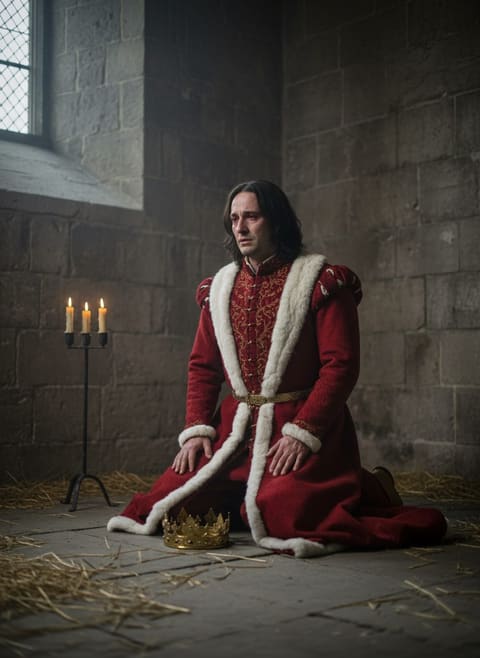
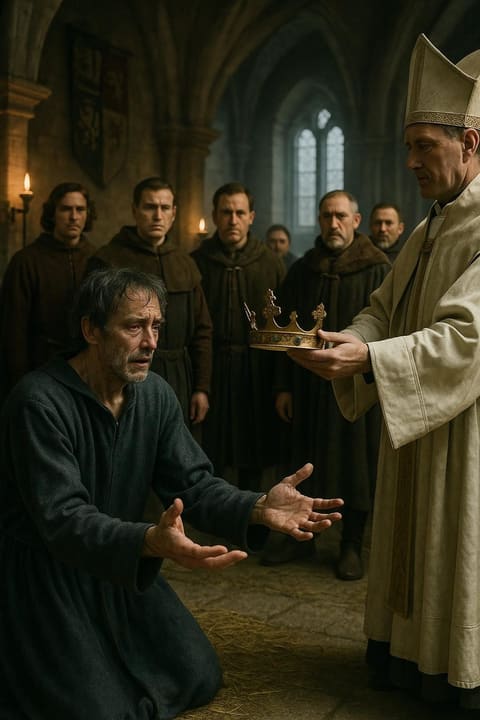
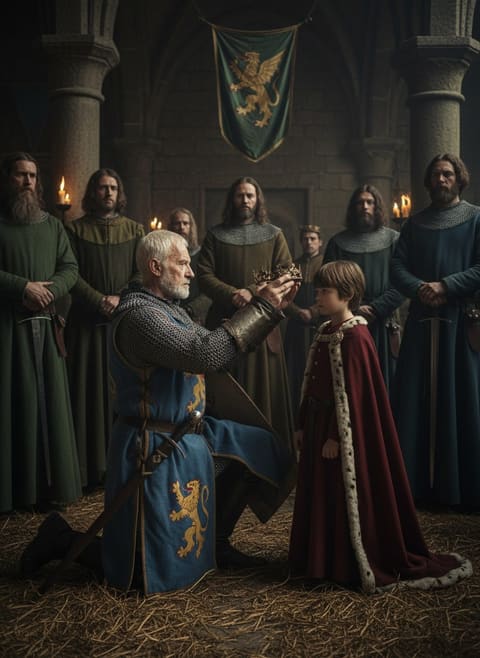
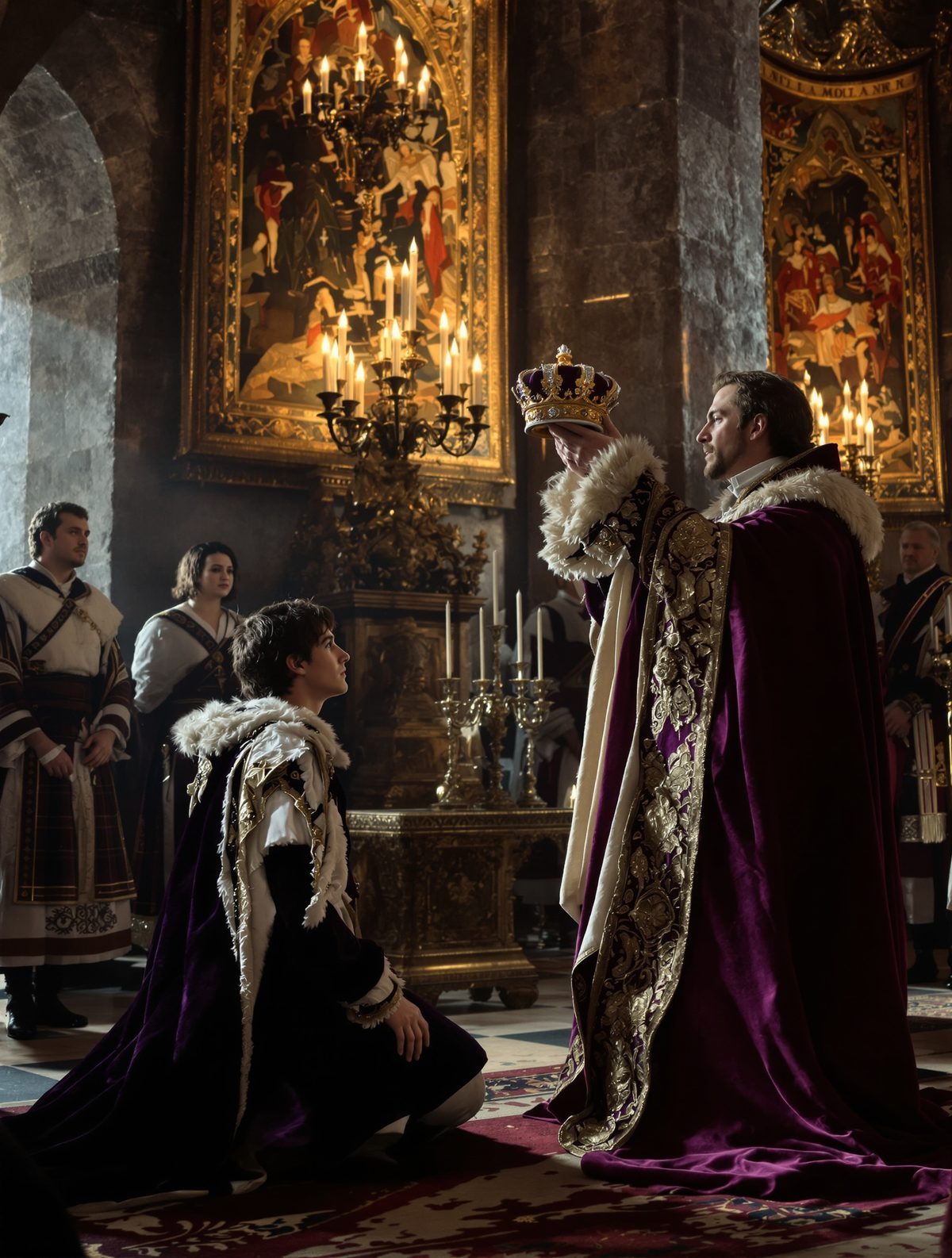
Twenty-year-old Charles Stuart stood shivering in robes that seemed far too grand for his circumstances. Around him, Scottish nobles whispered prayers and watched the doors nervously. They were about to crown a king in direct defiance of the English Parliament—a act of treason that could cost them their heads. But the crown jewels of Scotland, hidden for months from Cromwell's forces, gleamed in the candlelight. History was about to take an extraordinary turn.
A King Without a Kingdom
To understand the audacity of this moment, we must step back to the chaos that preceded it. Charles I had been executed just two years earlier, his head severing not just from his body but the very concept of divine kingship from English soil. His eldest son, Charles Stuart, had fled to France, then to Holland, a king in name but ruler of nothing more than a handful of loyal courtiers and an ever-dwindling purse.
But Scotland had different ideas. The Scots had never agreed to regicide—they had handed Charles I over to Parliament expecting negotiation, not execution. When news of the king's death reached Edinburgh, the Scottish Parliament did something remarkable: they immediately proclaimed his son Charles II as their rightful king. It was a declaration that sent shockwaves through Cromwell's government and turned the young exile into the most wanted man in Britain.
Read next: The Day a King Wept and Gave His Crown to His People
The invitation to Scotland came with strings attached, however. Charles would have to accept the Covenant—a strict Presbyterian religious settlement that would make him king of Scotland, but a king bound by their rules, their faith, and their limitations. For a young man raised in the elaborate ceremonies of continental courts, it was a bitter pill to swallow.
The Secret Journey North
Charles landed at Garmouth, near Speymouth, on June 23, 1650, after a treacherous voyage across the North Sea. The Scotland that greeted him was barely recognizable as a royal kingdom. Cromwell's armies had already invaded, and the country was effectively under siege. The young king found himself in the extraordinary position of being both crowned sovereign and hunted fugitive.
For months, Charles lived a shadow existence in Scotland. He was kept under virtual house arrest by his own supporters, who feared his Anglican upbringing and cavalier instincts would compromise their Presbyterian cause. The Kirk (Scottish Church) subjected him to hours of sermons about his family's religious failings. They made him publicly repent for his father's "sins" against true religion. It was a humiliating education in the price of power.
Meanwhile, Cromwell's forces closed in. The Lord Protector himself had marched north with 16,000 veteran soldiers, declaring his intention to crush Scottish resistance once and for all. Time was running out for Charles's supporters to legitimize their cause through the ancient ritual of coronation.
Crown Jewels in the Shadows
The Scottish crown jewels—known as the Honours of Scotland—had their own dramatic story during this period. As Cromwell's armies advanced, the precious regalia had to be smuggled away from Edinburgh Castle in the dead of night. The crown, scepter, and sword of state were hidden in various locations, sometimes buried in church floors, sometimes concealed in the walls of remote castles.
The Stone of Destiny, upon which Scottish kings had been crowned for centuries, had already been moved to Scone Palace for safekeeping. This ancient block of sandstone, steeped in legend and political symbolism, would serve as the foundation for Charles's controversial coronation. Every precaution was taken to ensure Cromwell's spies couldn't locate the ceremony or the regalia.
What makes this story even more remarkable is that the Scottish nobles were risking everything for a king they barely trusted. Charles had spent less than six months in Scotland, spoke with an English accent, and showed little appreciation for Scottish customs. Yet the principle of legitimate monarchy ran so deep that they were prepared to stake their lives on this shivering young man in their midst.
A Coronation in Defiance
The coronation ceremony on January 1, 1651, was unlike any royal crowning before or since. Scone Palace, normally filled with hundreds of nobles and dignitaries for such occasions, held barely fifty people. Every man present knew that English spies might be watching, that Cromwell's soldiers could arrive at any moment, and that they were committing an act that the English government would consider tantamount to declaring war.
The Marquis of Argyll placed the crown on Charles's head while the young king knelt on the Stone of Destiny. The ancient words of the Scottish coronation oath were spoken in whispers rather than the usual ceremonial grandeur. Outside, guards watched the frozen landscape for any sign of approaching English forces.
Charles swore to uphold the Presbyterian faith—an oath that must have tasted like ashes in his mouth, given his personal Anglican beliefs. But he was now, indisputably, King of Scots. It was a title that carried both tremendous legitimacy and enormous danger. Cromwell's government had just witnessed the birth of a rival claim to authority that threatened everything they had built.
The most extraordinary aspect of this coronation was its secrecy from the English people. While Charles was being crowned king in Scotland, most of England had no idea they even had a king. Cromwell's censorship and the chaos of war meant that news traveled slowly and unreliably. Many English subjects wouldn't learn about Charles's Scottish coronation until years later.
Read next: The Scots Girl Who Became Britain's Most Loved Queen
The Price of a Crown
Charles's reign as King of Scots lasted exactly eight months. Cromwell's decisive victory at the Battle of Worcester in September 1651 shattered Scottish resistance and sent the young king fleeing for his life once again. The famous escape that followed—six weeks of disguises, hiding in oak trees, and narrow escapes—has become the stuff of legend. But it marked the end of Charles's first attempt at kingship.
For eleven long years, Charles remained in exile, his Scottish coronation a distant memory that sustained him through poverty, betrayal, and despair. The crown that had been placed on his head at Scone Palace existed more in hope than reality. Yet it never lost its legal and symbolic power.
When Charles finally returned to claim his English throne in 1660—in what history calls the Restoration—he insisted on a second coronation. On April 23, 1661, Westminster Abbey witnessed a ceremony of unprecedented magnificence as Charles II was crowned King of England, Scotland, and Ireland. The contrast with that freezing morning at Scone Palace could not have been greater: thousands of spectators, elaborate processions, and a king finally secure in his power.
The Crown That Changed Everything
Why does this forgotten coronation matter today? Charles's Scottish crowning represents something profound about the nature of political legitimacy and the power of symbols. In an age when governments rise and fall through elections and opinion polls, it's easy to forget that there was once a time when the right to rule was considered divinely ordained and virtually unshakeable.
The ceremony at Scone Palace also reveals the complex relationship between England and Scotland that continues to shape British politics today. The Scots crowned Charles not out of love for him personally, but as an assertion of their right to choose their own path, independent of English domination. It's a theme that resonates strongly in contemporary debates about Scottish independence.
Perhaps most importantly, Charles's secret coronation reminds us that history's most pivotal moments often happen in shadows, away from public attention. While Cromwell believed he had extinguished monarchy forever, a handful of determined Scots were quietly ensuring its survival. The crown placed on Charles's head in that freezing palace would eventually return to Westminster, but it carried with it the memory of a day when Scotland said "no" to English authority and crowned a king in defiance of the world.
The young man who shivered through his coronation on New Year's Day 1651 would go on to become one of England's most fascinating monarchs. But he never forgot the lesson learned in Scotland: that crowns, like the loyalty that sustains them, must sometimes be won in the darkest hours, far from the cheering crowds and glittering ceremonies that we imagine define royal power.