In the dim light of Gloucester Cathedral on 28 October 1216, a nine-year-old boy stood trembling before an altar draped in crimson silk. Outside, the autumn wind howled through the streets of a kingdom in chaos. French soldiers occupied London, rebel barons controlled vast swaths of the countryside, and the body of England's most hated king lay cold in Worcester Cathedral. The boy's name was Henry Plantagenet, and in the next few minutes, he would perform a miracle that would save England itself.
What happened that day was nothing short of extraordinary. A child who should have been playing with wooden toys instead received a crown that was barely more than a simple gold band. Yet this makeshift coronation would transform a crumbling kingdom into one of medieval Europe's greatest powers, and set in motion events that would shape English law and governance for centuries to come.
When England Nearly Became French
To understand the magnitude of what young Henry achieved, we must first grasp just how close England came to disappearing entirely. By October 1216, the kingdom that William the Conqueror had seized 150 years earlier was disintegrating before everyone's eyes.
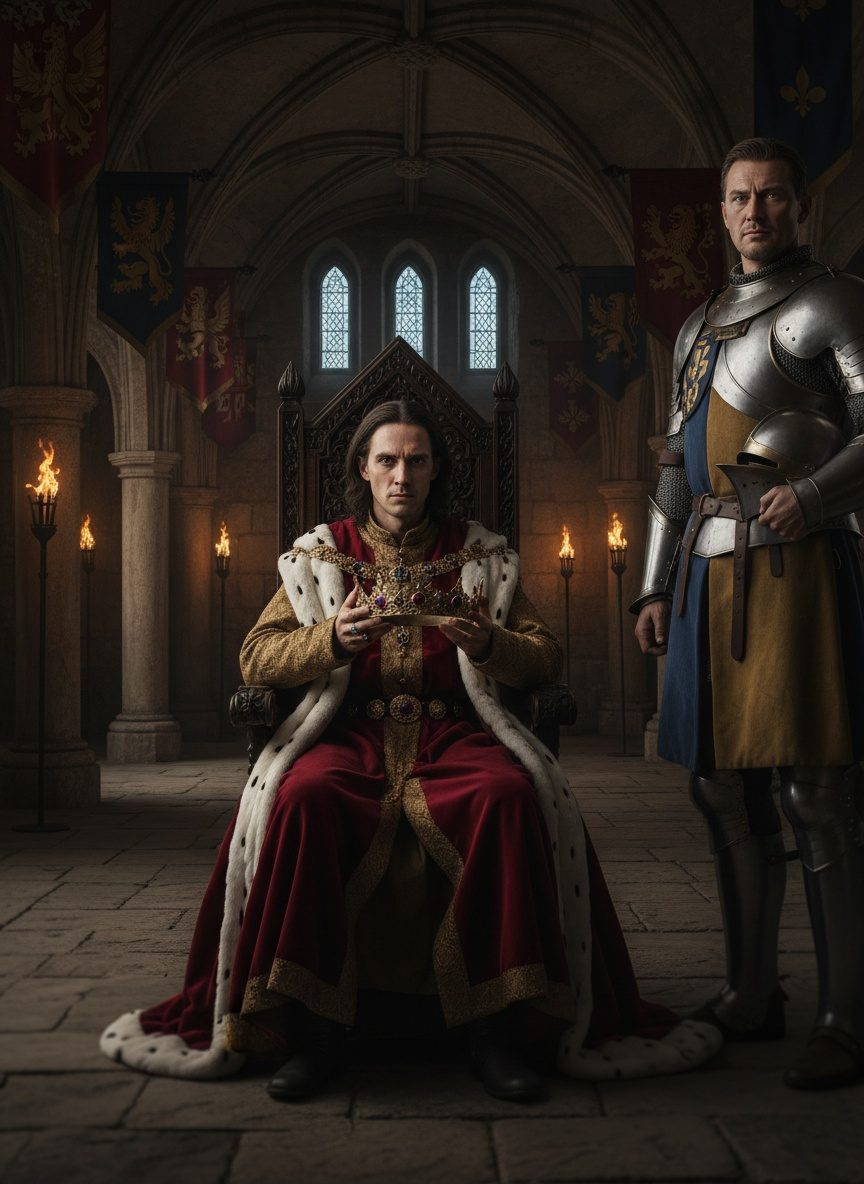
King John, Henry's father, had managed the seemingly impossible feat of uniting nearly everyone against him. The barons despised his arbitrary taxes and casual cruelty. The Church excommunicated him for defying the Pope. The common people cursed his name in the streets. Even his continental territories had slipped from his grasp – Normandy, Anjou, and most of the Plantagenet lands in France were gone, earning him the cruel nickname "John Lackland."
Read next: The Day a Defeated King Sailed Away and Never Looked Back
But John's greatest catastrophe came in 1215 when his barons forced him to sign Magna Carta at Runnymede. Rather than accept this limitation on his power, John immediately appealed to the Pope to annul the charter. The result was civil war on a scale that would make the Wars of the Roses look like a minor family dispute.
Here's where the story takes a truly shocking turn: the rebel barons actually invited the French to invade. Prince Louis of France, son of Philip Augustus and husband to John's niece Blanche of Castile, had a tenuous claim to the English throne. More importantly, he had an army. In May 1216, Louis landed in Kent with 7,000 French soldiers and was welcomed with open arms by John's enemies.
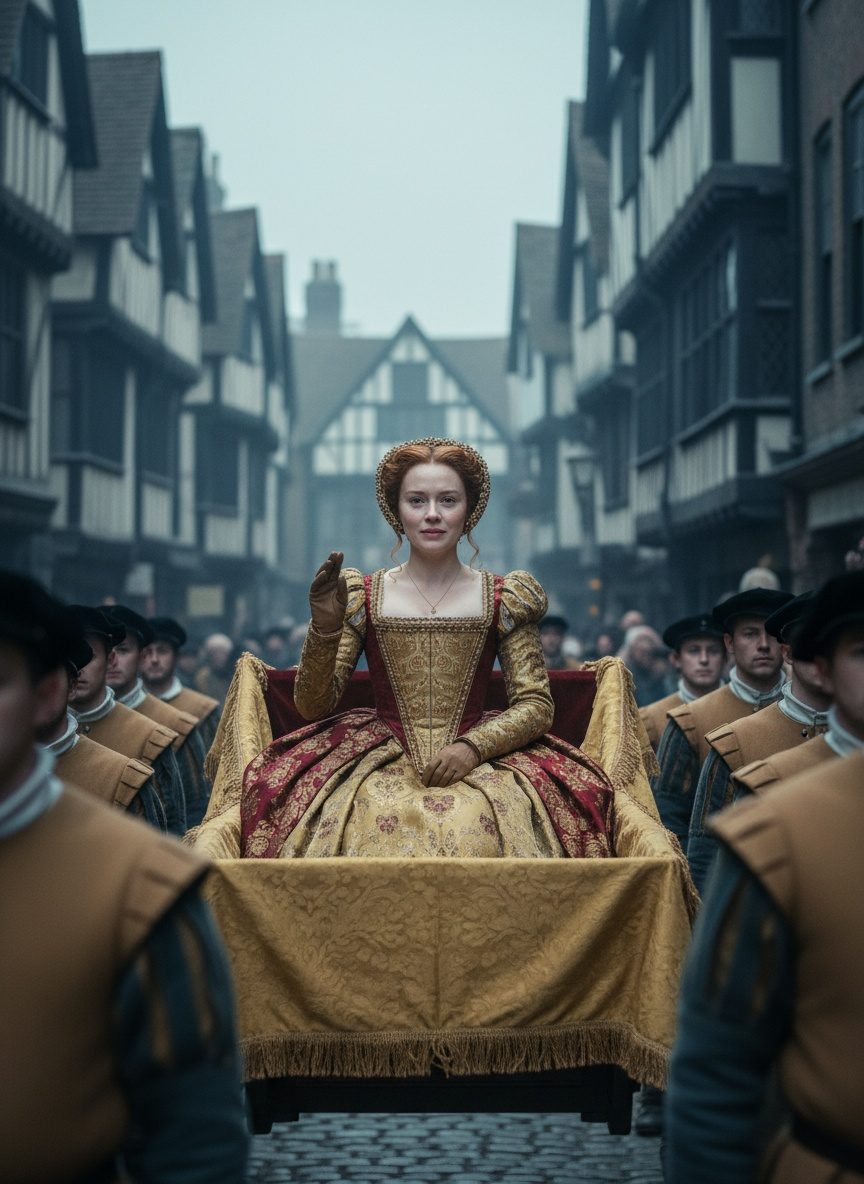
Within months, French forces controlled London, Winchester, and most of eastern England. Louis held court in the capital as if he were already king. The Plantagenet dynasty that had ruled England for over sixty years seemed finished.
The Death That Changed Everything
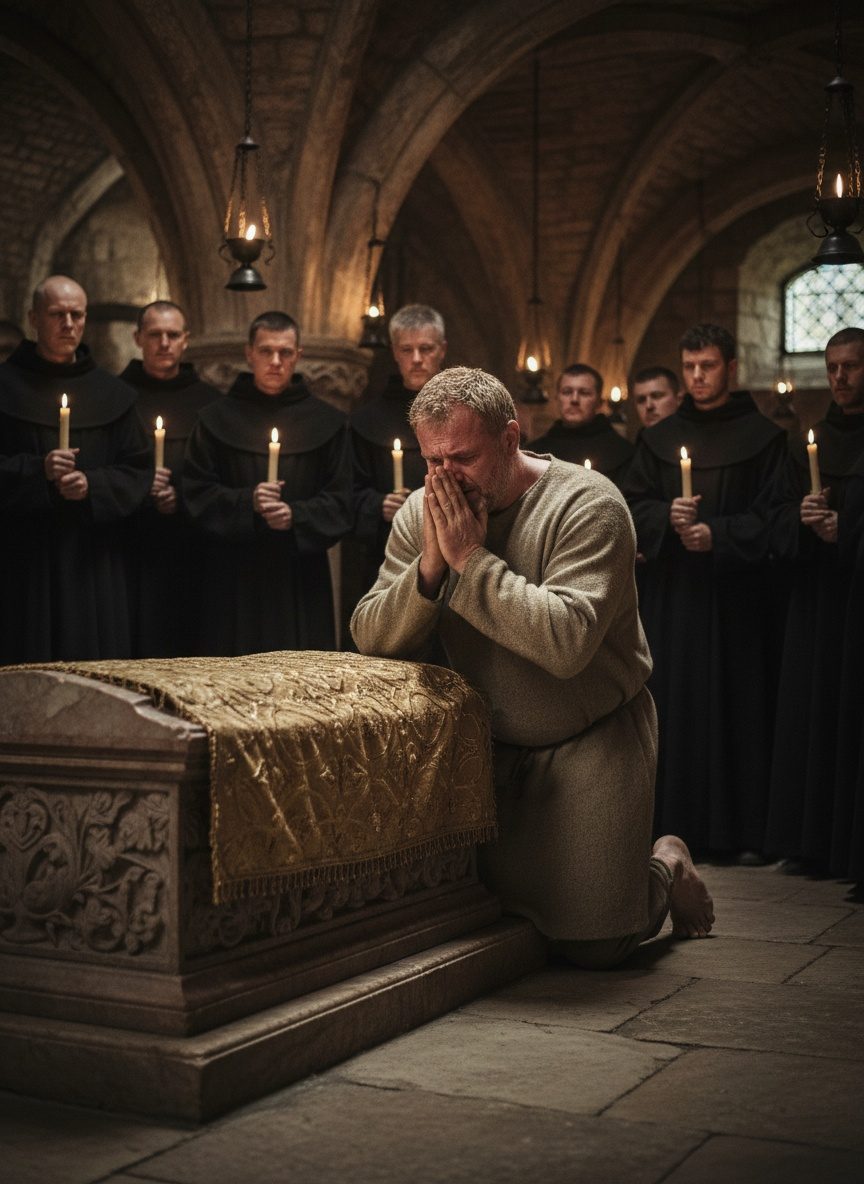
Then fate intervened in the most medieval way possible. On 19 October 1216, while traveling through the marshlands near Newark, King John contracted what chroniclers called "a fever and dysentery." Some whispered of poison – specifically, that a monk at Swineshead Abbey had slipped ground glass into the king's food and drink. Whether murder or misfortune, John died in agony at Newark Castle, reportedly clutching his belly and crying out for mercy.
His death should have been the final nail in England's coffin. After all, what remained to resist Prince Louis now? The answer lay in an unexpected place: a nine-year-old boy who had been quietly living under the protection of William Marshal, the greatest knight in Christendom.
Henry Plantagenet was not supposed to be king. As John's eldest son, he had a claim, certainly, but he was a child in an age when kingship meant leading armies into battle and commanding through physical presence and force of personality. Medieval kings didn't babysit – they conquered.
Yet Henry possessed something his father had utterly lacked: legitimacy. While Prince Louis was a foreign invader backed by rebels and opportunists, Henry was the rightful heir to a dynasty that, for all its faults, had brought England unprecedented prosperity and power. The question was whether anyone would rally to a boy who barely reached a grown man's waist.
The Makeshift Coronation That Saved a Kingdom
William Marshal, now in his seventies but still sharp as a blade, immediately grasped what needed to happen. England required a king, and it required one immediately. Every day of delay allowed Prince Louis to consolidate his hold on the kingdom.
The problem was that coronations were supposed to be magnificent affairs held at Westminster Abbey, with the Archbishop of Canterbury officiating and all the ancient regalia on display. But Westminster was in Louis's hands, Canterbury was vacant due to political turmoil, and many of the crown jewels were scattered or lost. Most devastatingly, John had managed to lose the royal crown itself during his disastrous retreat across the Wash earlier that year.
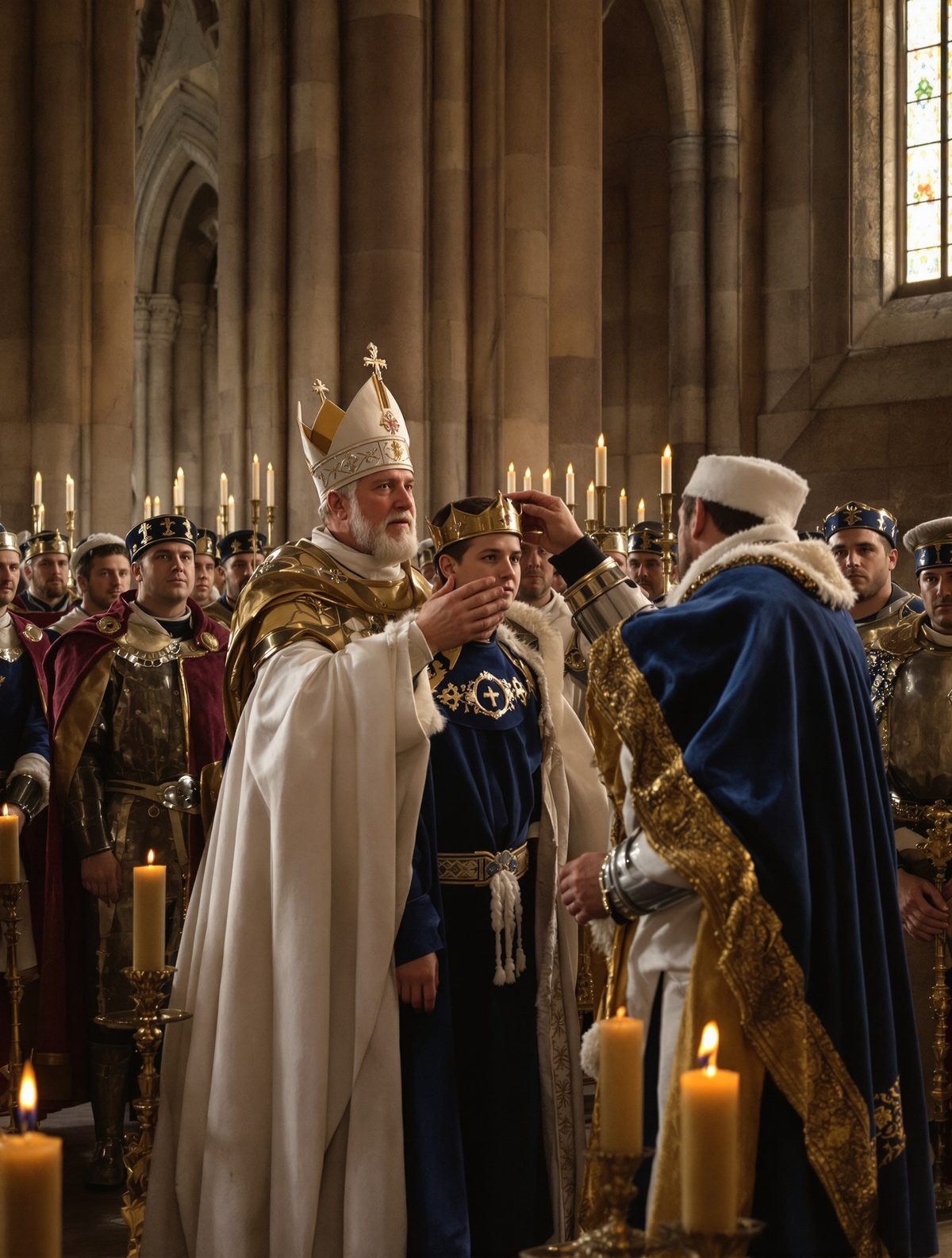
Marshal's solution was audacious in its simplicity: they would crown Henry anyway, with whatever they had and whoever was available. Gloucester Cathedral would substitute for Westminster. Guala Bicchieri, the Pope's representative in England, would perform the ceremony in place of the Archbishop. And instead of the ancient crown of England, young Henry would wear a simple golden circlet borrowed from his mother, Queen Isabella.
On 28 October 1216, barely a week after his father's death, Henry III was crowned in what must rank as history's most improvised coronation. The cathedral was packed with the handful of loyalists who had remained true to the Plantagenet cause. Many were battle-scarred veterans who had witnessed decades of warfare and political upheaval.
Picture the scene: a small boy, probably overwhelmed and certainly frightened, standing in robes too large for his slight frame. Archbishop Guala placed the makeshift crown on Henry's head and spoke the ancient words of consecration. At that moment, something magical happened. The assembled lords, knights, and clergy knelt as one and proclaimed their allegiance to their new king.
The Child King Who Defeated an Army
What followed Henry's coronation was nothing short of miraculous. The boy king didn't defeat Prince Louis through military genius – he couldn't even lift a proper sword. Instead, his mere existence began to drain away Louis's support like water from a broken cistern.
The brilliant strategy came from William Marshal, who effectively served as regent while allowing Henry to be the visible symbol of English legitimacy. Marshal issued a masterful proclamation in the new king's name, confirming Magna Carta and promising to rule according to its principles. This stroke of political genius immediately addressed the barons' primary grievance against the monarchy.
More importantly, it meant that rebels no longer had to choose between supporting a foreign invader or accepting royal tyranny. They could now rally to an English king who had promised to respect their rights. The effect was immediate and devastating to Louis's cause.
The military turning point came at the Battle of Lincoln in May 1217. William Marshal, despite being past seventy, personally led the royalist forces in what he called "the finest day of his life." The French suffered a crushing defeat, losing over 300 knights captured and their hold on central England shattered.
But the truly decisive blow came at sea. Hubert de Burgh's English fleet intercepted French reinforcements off Sandwich in August 1217, sinking or capturing most of Louis's supply ships. Cut off from France and facing an increasingly hostile English population, Prince Louis finally accepted reality.
In September 1217, Louis signed the Treaty of Lambeth, renouncing his claim to the English throne in exchange for 10,000 marks and safe passage home. England was English once again, saved by a child who had never drawn a sword in anger.
The Legacy of the Nine-Year-Old King
Henry III would go on to rule England for 56 years, one of the longest reigns in English history. More importantly, his childhood coronation established principles that would echo through the centuries. The idea that legitimacy mattered more than force, that even a child could embody the nation's sovereignty, and that the crown was bound by law – these concepts, forged in desperation at Gloucester Cathedral, became foundations of the English constitutional system.
The boy king's story reminds us that history's greatest turning points often hang on the slenderest of threads. In October 1216, the difference between England remaining English and becoming a French province came down to the courage of a nine-year-old child and the wisdom of those who believed in him. Sometimes, the most powerful weapon is simply the courage to stand up and say: "This is who we are, and this is where we belong."
In our own age of uncertainty and division, perhaps there's something to be learned from that frightened boy in Gloucester Cathedral, who discovered that sometimes the greatest strength comes not from force, but from the simple act of showing up and claiming your rightful place in history.