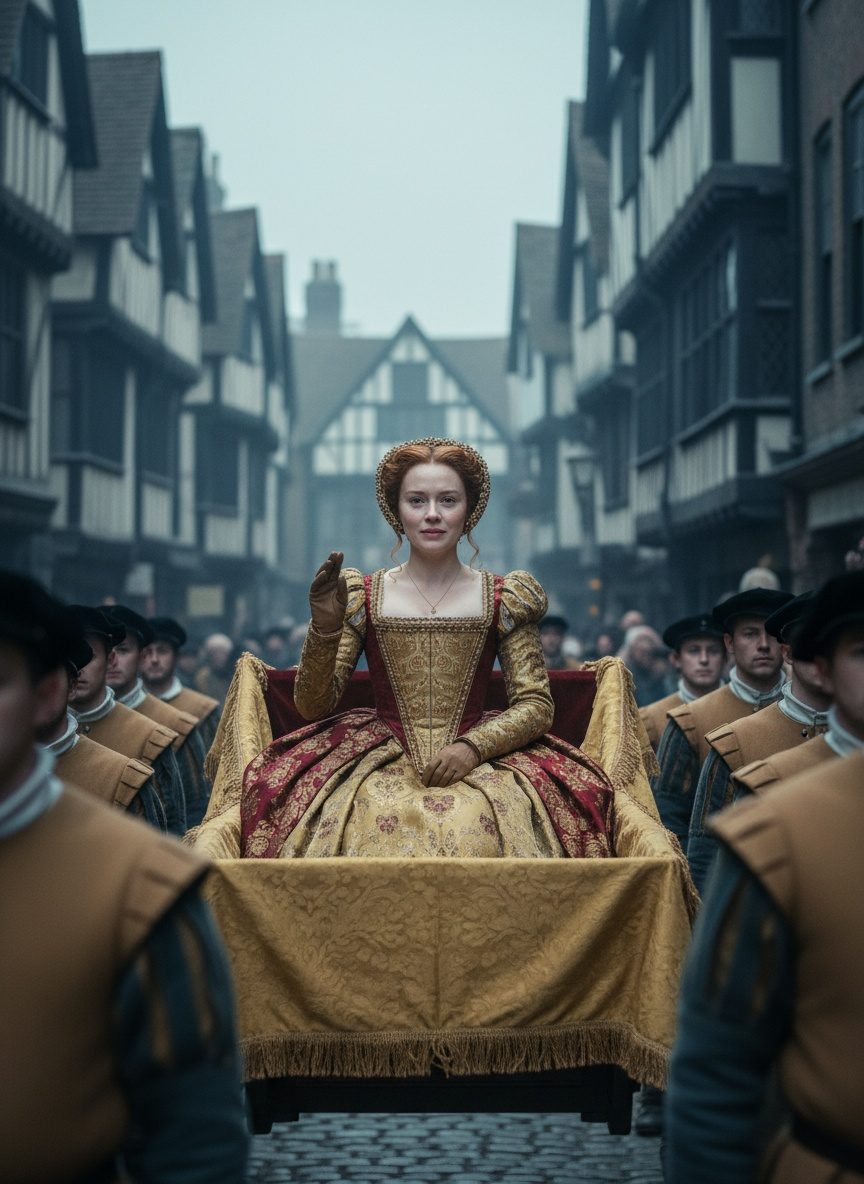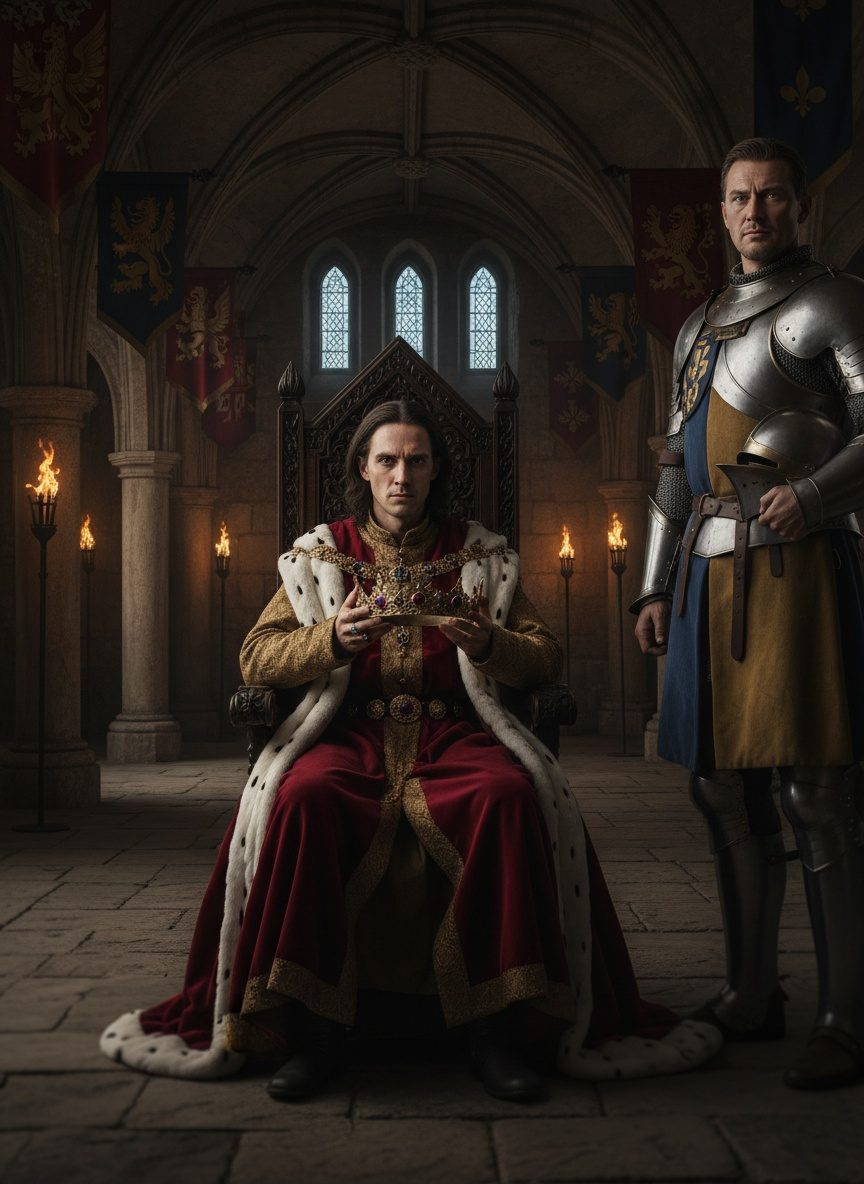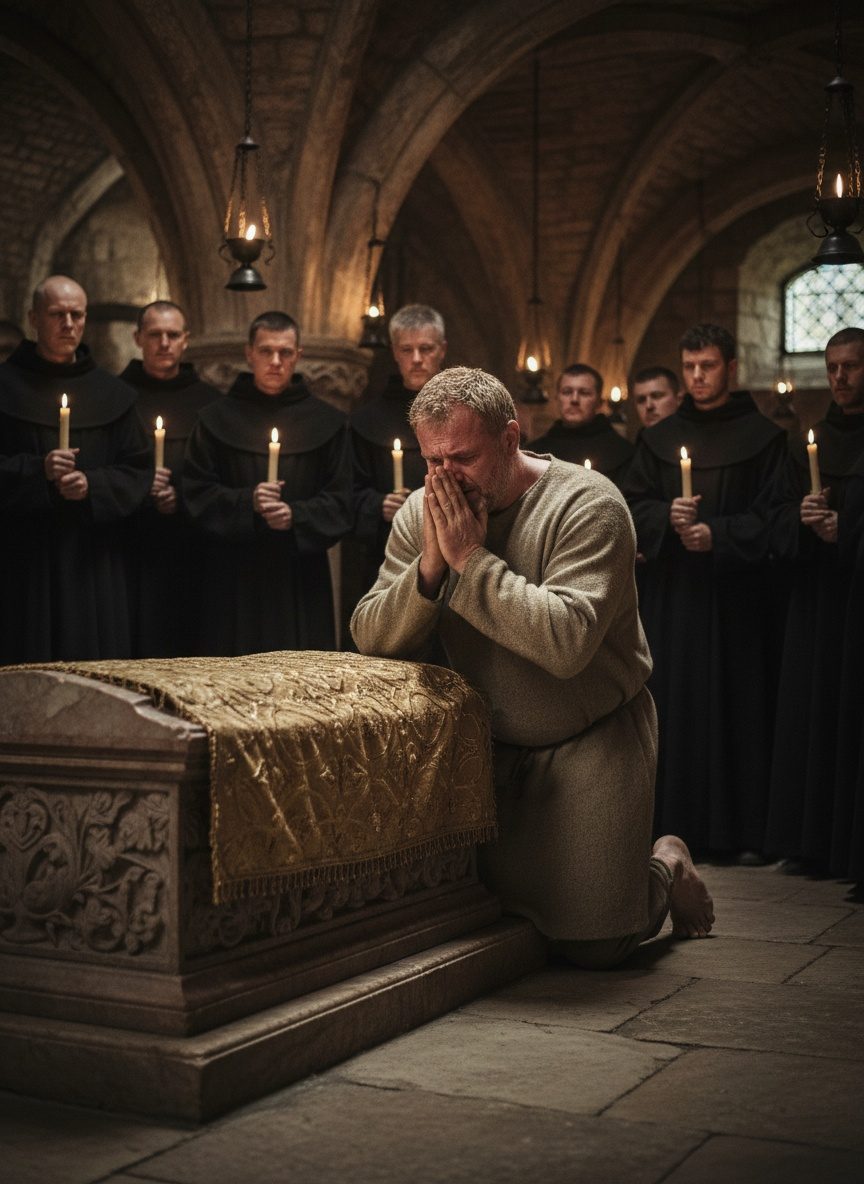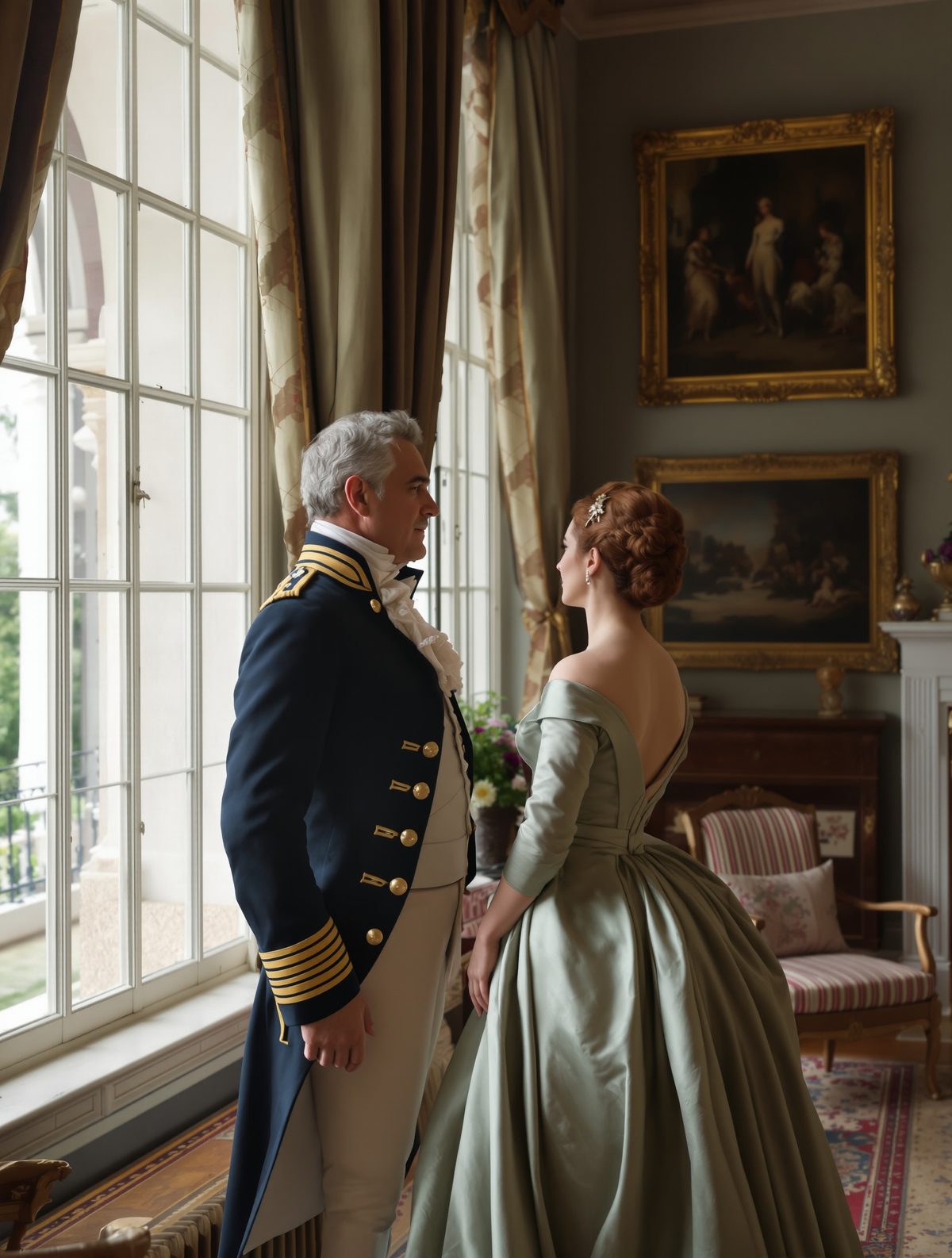
Picture this: it's 1830, and the newly crowned King of England has just delivered the most shocking royal announcement since Henry VIII broke with Rome. Standing before a stunned Parliament, the 64-year-old William IV declares his intention to make his lover of twenty years—a former actress who bore him ten illegitimate children—his queen. The silence that followed could have cut glass.
This wasn't some youthful royal rebellion. This was a grey-haired king, who had waited his entire life for the crown, willing to risk everything for love. And the woman at the center of this constitutional crisis? Dorothy Jordan, a Irish-born actress who had already been dead for eleven years.
The Sailor Prince Finds His Shore
Before we meet the woman who would capture a future king's heart, we must understand the man himself. Prince William Henry was the third son of George III, destined for a life at sea rather than on the throne. Known as the "Sailor Prince," he had spent his youth in the Royal Navy, developing a reputation for both naval competence and spectacular indiscretions. By his late twenties, he was a battle-hardened commander with the social graces of a ship's bosun and a vocabulary that could make dock workers blush.
It was this rough-hewn prince who, in 1790, found himself utterly enchanted by Dorothy Jordan's performance at the Theatre Royal, Drury Lane. Jordan wasn't just any actress—she was the Sarah Bernhardt of her day, commanding audiences with her wit and vivacity. Born Dorothea Bland in County Waterford, Ireland, she had clawed her way from provincial obscurity to become London's most celebrated comedic actress, famous for her "breeches roles" where she performed dressed as a young man.
Read next: The Day a Defeated King Sailed Away and Never Looked Back
What happened next defied every convention of royal behavior. Instead of the typical aristocratic arrangement—a discreet liaison tucked away from public view—William moved in with Dorothy. Not secretly, not shamefully, but as openly as any married couple of the era.
A Royal Family in All But Name
From 1791 to 1811, William and Dorothy created something unprecedented in royal history: a genuine domestic partnership. Their home at Bushy House in Hampton Court became a bustling family seat where royal protocol gave way to the cheerful chaos of raising ten children. These weren't hidden royal bastards shipped off to distant estates—they were the FitzClarence children (the prefix "Fitz" traditionally denoting royal illegitimacy), and William doted on every one of them.
Dorothy continued her acting career throughout their relationship, earning the modern equivalent of hundreds of thousands of pounds annually. She was, quite literally, the breadwinner while William subsisted on his naval pension and royal allowance. Imagine the scandal: a prince of the blood being financially supported by an actress! The arrangement flew in the face of everything Georgian society held sacred about gender roles and royal dignity.
Their life together reads like a remarkably modern love story. William would attend Dorothy's performances, beaming from the royal box as audiences cheered his beloved. She, in turn, managed their household with the efficiency of a seasoned theatre manager, raising their biological children alongside Dorothy's existing children from previous relationships. Contemporary accounts describe a genuinely happy family, with William playing the role of devoted father and partner.
When Love Collides with Duty
Paradise couldn't last forever. By 1811, mounting debts and political pressure forced a heartbreaking decision. William needed to marry for money and legitimacy—his royal family's finances were in shambles, and his older brothers' marriages had produced no surviving heirs. The writing was on the wall: he might one day be king.
The separation from Dorothy was devastating for both parties. William provided her with a generous settlement and maintained relationships with their children, but the emotional toll was severe. Dorothy, suddenly cut off from the life she'd known for two decades, struggled both financially and emotionally. She died in poverty in France in 1816, still legally forbidden from returning to England due to debts.
William married Princess Adelaide of Saxe-Meiningen in 1818, a political match that produced two daughters who died in infancy. The contrast couldn't have been starker: his marriage to Dorothy in all but name had given him ten thriving children and twenty years of happiness; his legal marriage produced only heartbreak.
The Crown's Impossible Dream
When George IV died unexpectedly in 1830, William's wildest dreams and worst nightmares collided. He was king at last—but at 64, childless by his legal wife, and still grieving the woman he considered his true partner. What happened next shocked even a court accustomed to royal eccentricity.
According to multiple contemporary sources, William initially proposed to posthumously legitimize his relationship with Dorothy Jordan. The legal mechanisms existed—monarchs had occasionally declared retroactive marriages valid. If successful, Dorothy would be recognized as having been his lawful wife, their children would enter the line of succession, and his eldest son George FitzClarence would become heir apparent.
Parliament's response was swift and absolute: absolutely not. The constitutional crisis this would create was unthinkable. The Church of England, of which the king was supreme head, could not sanction what amounted to retroactive bigamy. More practically, legitimizing the FitzClarence children would destabilize succession laws that had governed England for centuries.
A King's Compromise
Faced with Parliament's iron wall of opposition, William chose a different path. He couldn't make Dorothy his queen or their children his heirs, but he could honor them in other ways. The FitzClarence children received unprecedented honors for royal bastards—earldoms, military commands, and prominent court positions. George FitzClarence became Earl of Munster, while daughter Sophia became Lady De L'Isle and Dudley.
More touchingly, William kept Dorothy's portrait prominently displayed in his private apartments and spoke of her openly as "the mother of my children" rather than hiding their relationship. For a Georgian monarch, this level of public acknowledgment was revolutionary.
William's seven-year reign was marked by significant reforms, including the Great Reform Act of 1832, but those who knew him best said he never quite recovered from the double loss—first of Dorothy herself, then of his dream to legitimize their love story.
Love in the Age of Protocol
William IV's attempt to posthumously crown his beloved Dorothy Jordan reveals something profound about the tension between personal happiness and public duty that continues to define monarchy today. His story predates Victoria's eventual acceptance of love matches by decades and foreshadows modern royal struggles with tradition versus authenticity.
Perhaps most remarkably, William succeeded in normalizing what was, for its time, a radically unconventional relationship. By the end of his reign, the FitzClarence children were fully integrated into aristocratic society. Several made advantageous marriages, and their descendants include notable figures in British society to this day.
In our era of royal divorces, second marriages, and slowly evolving protocols around love and duty, William's doomed attempt to crown his commoner queen seems less like a constitutional crisis and more like a man simply ahead of his time. He understood something that would take the monarchy another century to accept: that perhaps the greatest service a king can render his people is to show them that love, loyalty, and genuine partnership matter more than bloodlines and ancient protocols.