Picture this: a bustling medieval marketplace in King's Lynn, Norfolk, circa 1413. Merchants hawk their wares, pilgrims jostle through narrow streets, and somewhere in the chaos, a middle-aged housewife is about to make literary history without even knowing how to hold a quill.
Margery Kempe couldn't read a single word, yet she was about to create something that wouldn't exist again in English literature for centuries: the first true autobiography. Her story wasn't penned by scholars in monastery scriptoriums or commissioned by kings. Instead, it began with an illiterate woman who simply couldn't keep her extraordinary life to herself any longer.
The Housewife Who Heard Voices
Margery Kempe wasn't supposed to be revolutionary. Born around 1373 into a prosperous merchant family in King's Lynn—one of England's most important ports—she followed the expected path: marriage to John Kempe, a fellow merchant, and motherhood to fourteen children. But after the traumatic birth of her first child, Margery's life took a dramatic turn that would scandalise medieval society.
She began experiencing what she described as divine visions. Christ himself, she claimed, spoke to her regularly, instructing her to abandon worldly concerns and dedicate her life to spiritual matters. In an age when women were expected to remain silent in matters of faith, Margery did the opposite—she wept loudly during church services, challenged priests on theological matters, and insisted that God had chosen her for a special purpose.
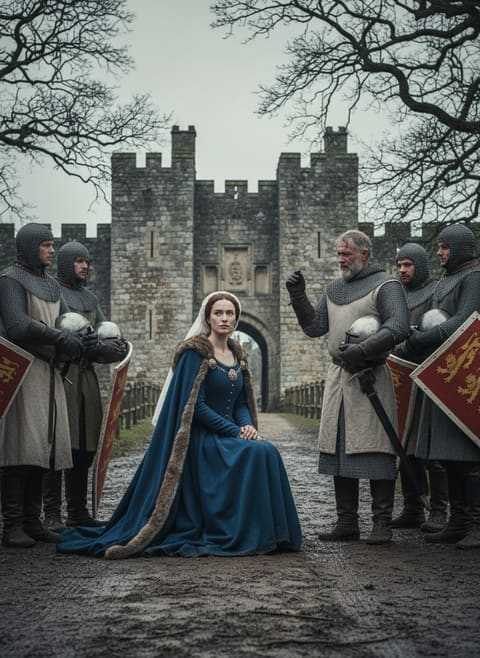
Read next: The Day a Welsh Girl Barred the Door on a King's Army
But here's what makes her story truly remarkable: she convinced her husband to take a vow of chastity with her, abandoned her brewing business (which had been quite successful), and embarked on pilgrimages across Europe and the Holy Land. For a medieval woman, this level of independence was virtually unheard of. Most shocking of all, she was determined that posterity would know every detail of her unconventional journey.
The Scribe Who Couldn't Stop Listening
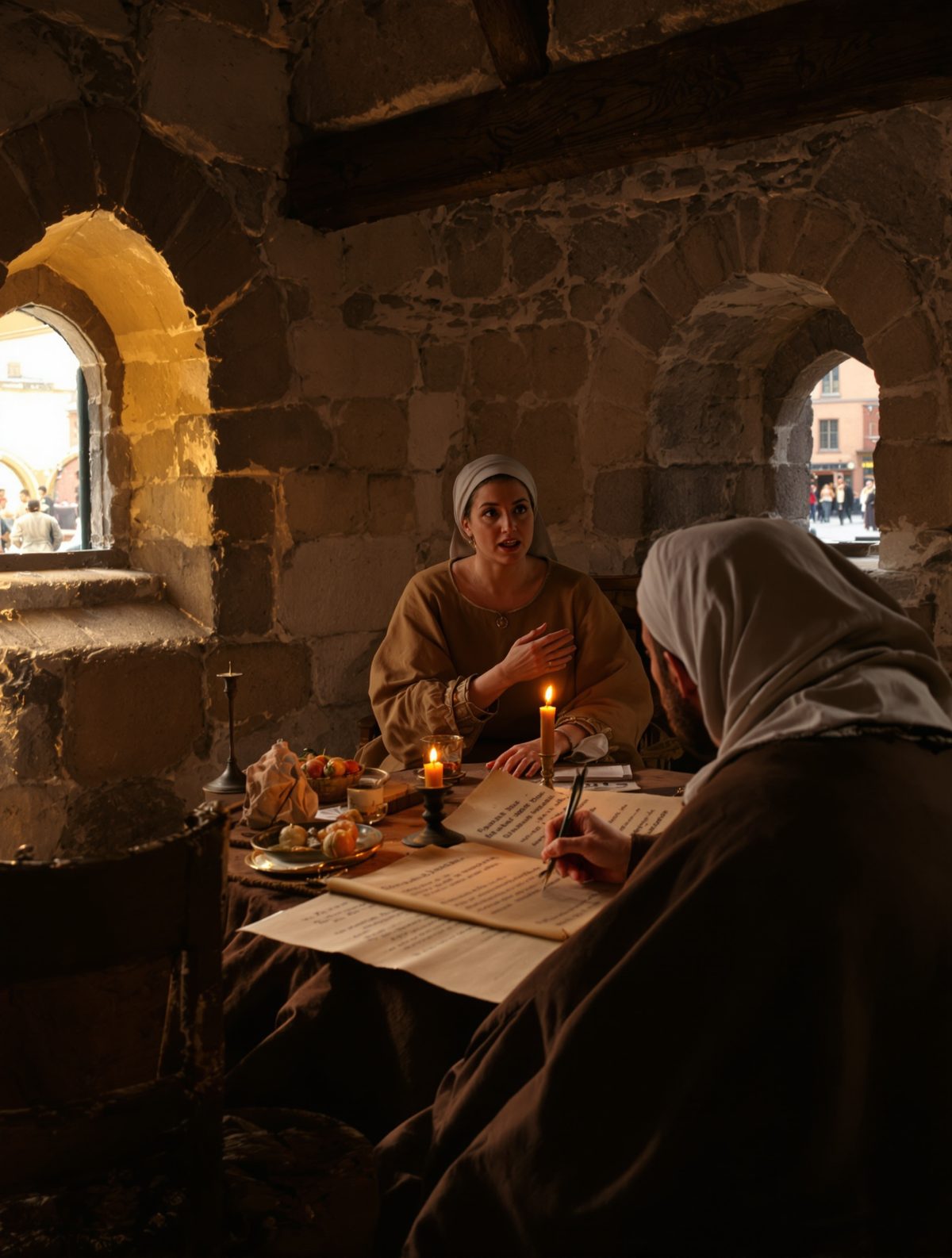
Around 1413, when Margery was about forty years old, she made a decision that would echo through literary history. Unable to write her own story, she sought out scribes who could capture her words. The first attempt was a disaster—the scribe she hired wrote in such a poor mixture of English and German that even he couldn't read it back to her years later.
But Margery was nothing if not persistent. She found a priest who became captivated by her tales, and together they embarked on an extraordinary collaboration. For years, she would visit him, recounting her spiritual experiences, her travels to Jerusalem, Rome, and Santiago de Compostela, and her often contentious relationships with church authorities.
The priest didn't just take dictation—he became invested in her story. Contemporary records suggest he spent countless hours with Margery, carefully structuring her rambling narratives into coherent chapters. What emerged was something entirely new in English literature: a deeply personal, first-person account of an individual's spiritual and emotional journey, complete with doubts, fears, and moments of profound revelation.
A Medieval Woman's Guide to Outrageous Behaviour
Margery's autobiography reveals a woman who refused to conform to medieval expectations at every turn. She describes arguing with the Archbishop of Canterbury, being accused of heresy multiple times, and causing such disruptions with her loud weeping during religious services that she was frequently asked to leave churches.
Her travels were equally unconventional. In an era when most women rarely ventured beyond their village, Margery journeyed to the Holy Land in 1413—a dangerous and expensive undertaking that typically took months to complete. She describes visiting the Church of the Holy Sepulchre in Jerusalem, where her emotional outbursts were so intense that fellow pilgrims complained about her behaviour.
Perhaps most surprisingly, her book reveals the financial independence she maintained throughout these adventures. Despite being married, Margery clearly controlled significant resources, funding not only her own pilgrimages but also negotiating complex arrangements with her husband regarding their marital relationship. She even describes lending money to fellow travelers and making shrewd business decisions along her routes.
The Book That Nearly Disappeared
When Margery's scribe finally completed her book around 1438, it represented something unprecedented: 60,000 words of unflinching personal revelation from a medieval woman. But here's a fact that might surprise you—this groundbreaking work then virtually vanished for over 500 years.
Only one manuscript copy survived, and it spent centuries gathering dust in private libraries. The book was so forgotten that when literary scholars occasionally found references to "Margery Kempe," they assumed the references were to her father, John Brunham, a prominent mayor of King's Lynn. It wasn't until 1934 that the manuscript was rediscovered in a country house library, finally revealing the true scope of Margery's achievement.
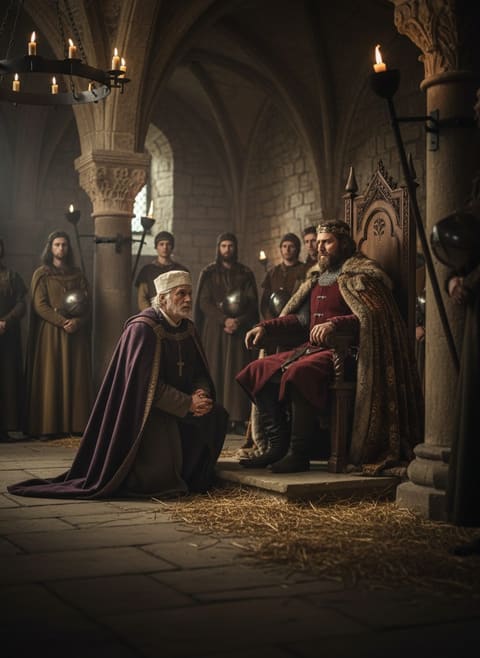
Read next: The Day a Medieval Mayor Knelt and Saved Six Condemned Men
The manuscript itself tells a story of near-miraculous survival. It bears the ownership marks of various English Catholic families who carefully preserved it through the Reformation, when many religious texts were destroyed. Someone, somewhere, recognized its value and ensured its survival through centuries of religious and political upheaval.
The Voice That Started a Revolution
What makes Margery Kempe's book so revolutionary isn't just that it was the first English autobiography—it's the unflinching honesty with which she examined her own motivations and failures. She admits to pride, anger, and doubt. She describes her struggles with sexuality and spirituality. She even recounts moments when she questioned whether her visions were real or imagined.
This level of self-examination was extraordinary for any medieval writer, but coming from a woman, it was unprecedented. Male religious writers of the period typically presented themselves as humble vessels for divine wisdom. Margery, by contrast, insisted on the validity of her own experiences and interpretations, even when they contradicted established church teaching.
Her influence on English literature extends far beyond her historical precedence. The psychological complexity she brought to autobiographical writing wouldn't be seen again until much later works. Her detailed descriptions of her emotional states, her analysis of her own motivations, and her willingness to present herself as a flawed but authentic individual established templates that writers still use today.
In our age of social media and personal branding, Margery Kempe's story resonates with surprising relevance. Here was a woman who understood, six centuries before Instagram, that ordinary people's stories matter, that personal experiences have value, and that authenticity—however uncomfortable it might make others—deserves to be preserved. She couldn't write her name, but she wrote herself into immortality, one dictated word at a time. Her medieval voice reminds us that the impulse to document our lives, to insist that our stories matter, is profoundly human and surprisingly timeless.