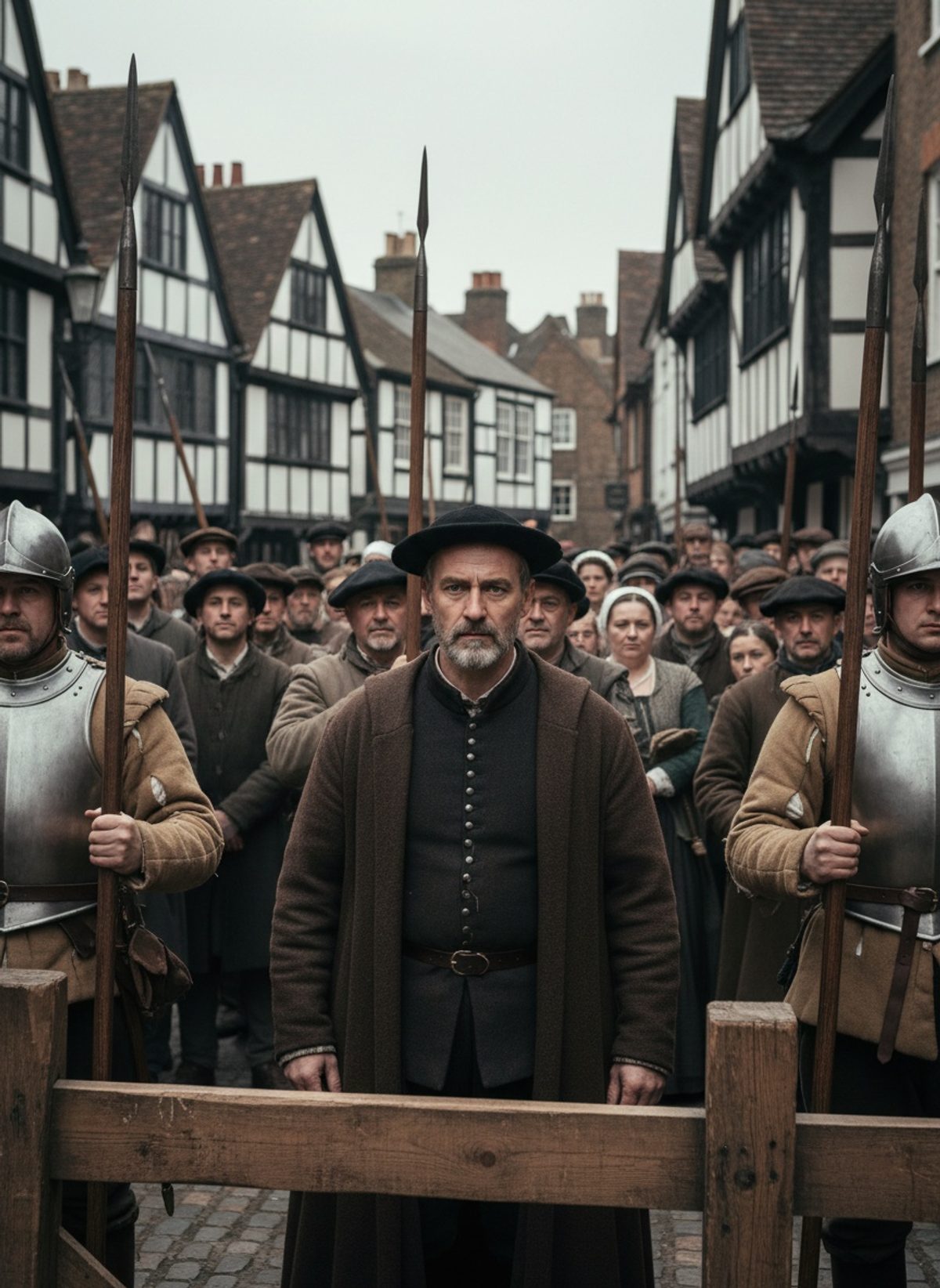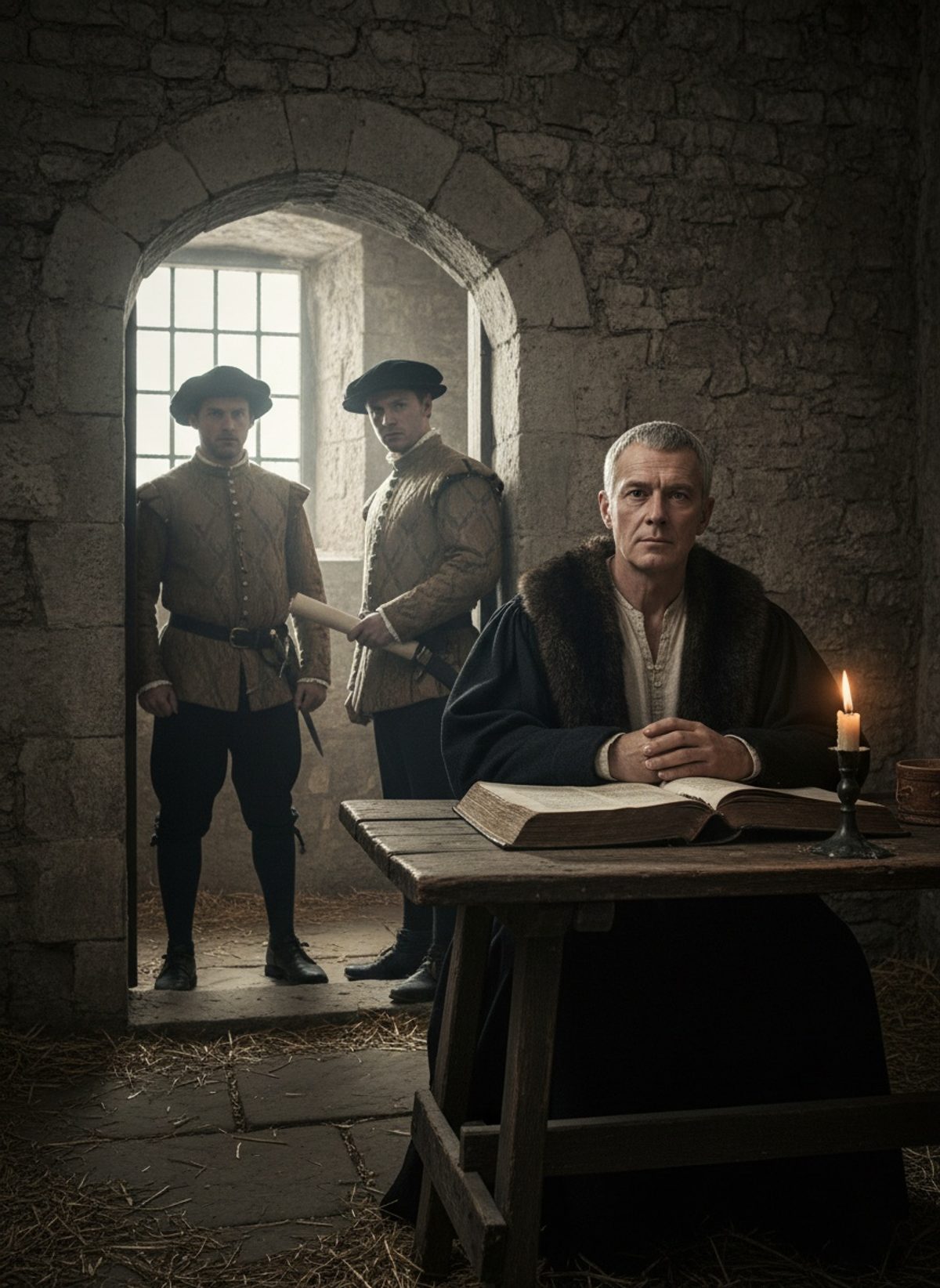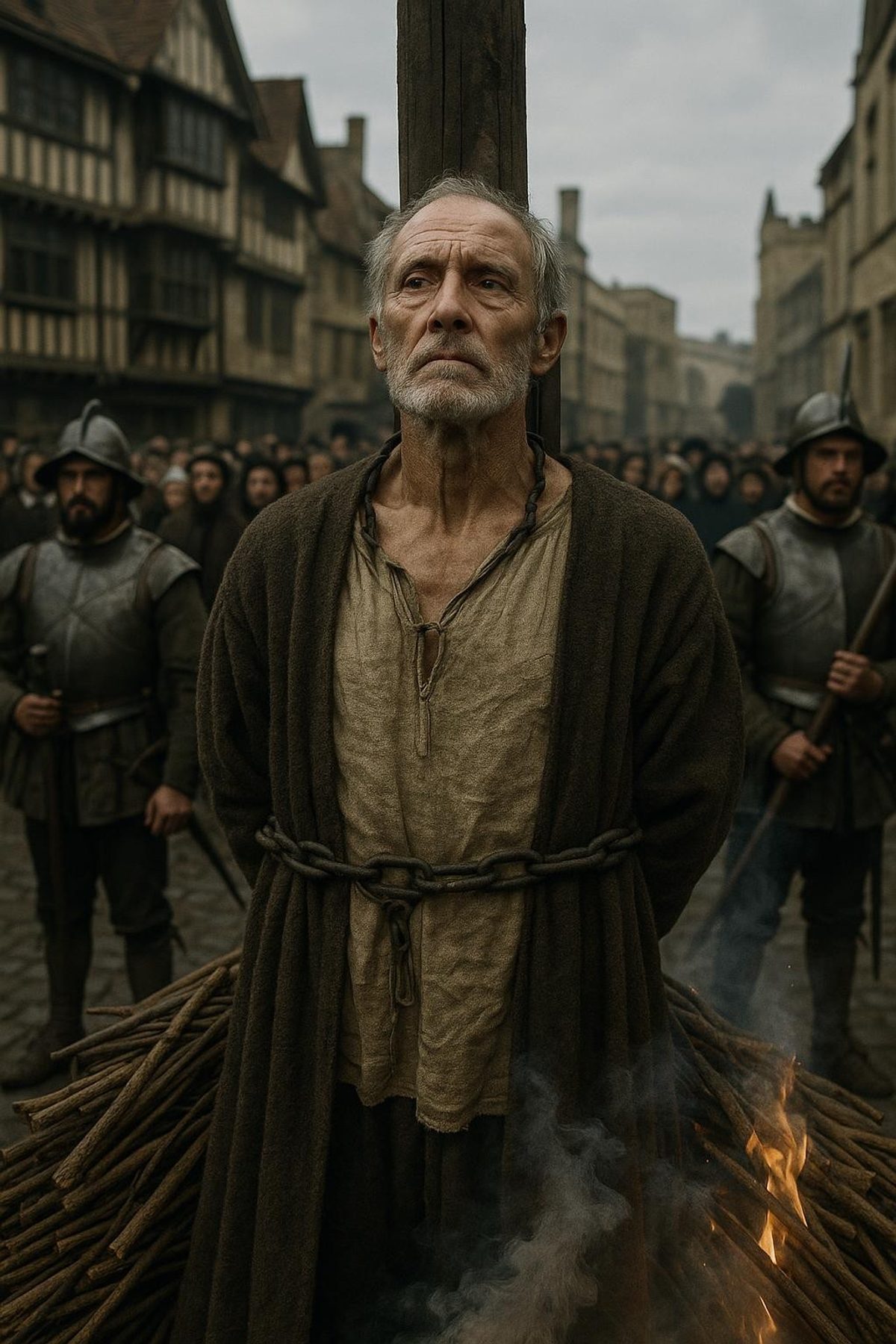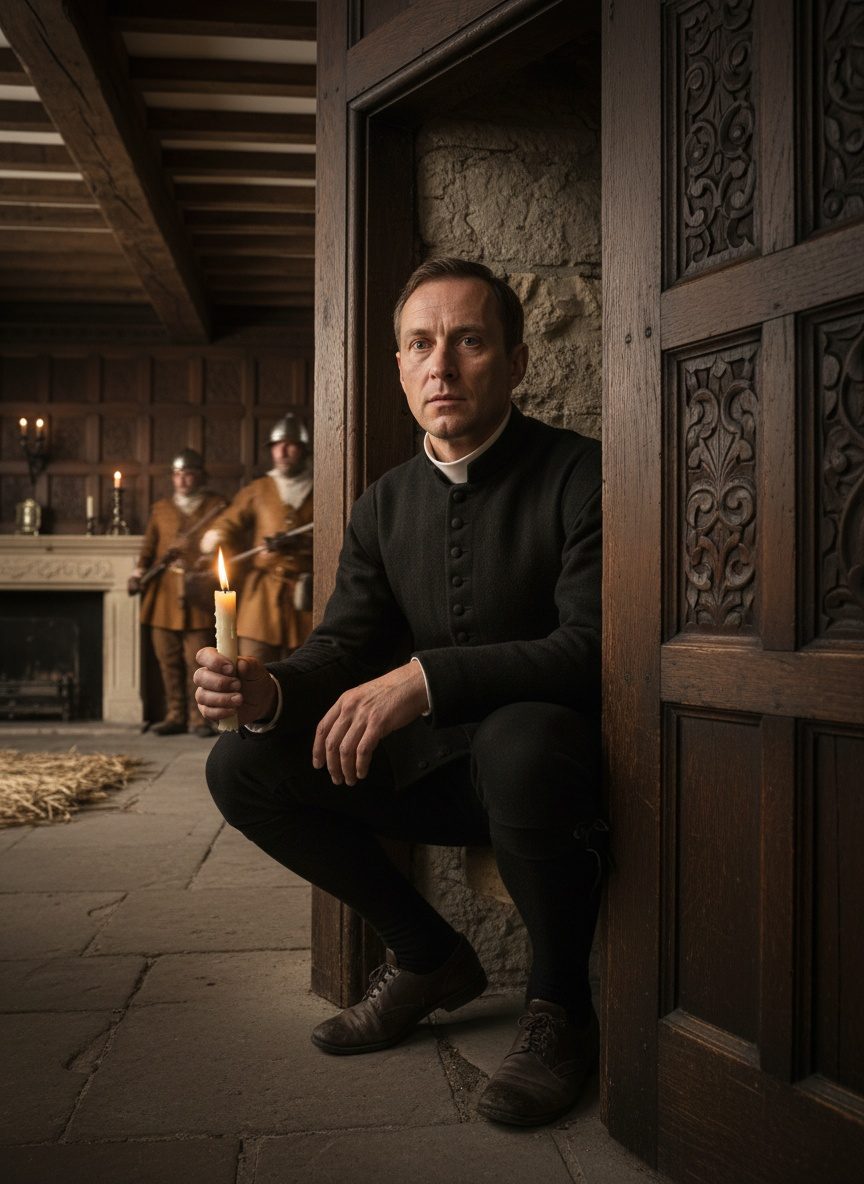
Imagine the envelope of darkness so thick and silent that it almost feels like a second skin. Now, visualize cramming yourself into a space barely larger than a coffin, where whispering is too loud and breathing is too risky. For Father John Gerard, this horrifying image wasn't merely a figment of imagination—it was survival, his lifeline as priest-hunters prowled outside for traitors to the crown. In November 1605, amid the clamor of the failed Gunpowder Plot, Gerard found himself ensconced in a priest hole, a cramped sanctuary carved into the very walls of English manor houses.
The World on the Edge of Conspiracy
The dawn of the 17th century danced with shadows of paranoia. The English throne, occupied by King James I, haunted more by fears of Catholic conspirators than any specter. England, a Protestant stronghold, had increasingly become an inhospitable place for Catholics. They were seen as heretics, their loyalty suspect, their faith a whisper of treason. Laws dictated that refusing attendance at Anglican services was punishable by fines, imprisonment, or worse.
Within this raucous political theater, Robert Catesby's Gunpowder Plot unfolded in 1605—a daring, almost fantastical scheme to blow up the Houses of Parliament and assassinate King James I. Yet, history records its failure on November 5, and its members branded as traitors. But beyond the principal figures like Catesby and Guy Fawkes, others swept into the noose of suspicion. Among these hunted individuals was John Gerard, a Jesuit priest who'd become adept at playing the most dangerous game of hide and seek with death itself.
The Art of Concealment: Building the Secret Church
The art of secret hiding places, or 'priest holes,' owes much to the ingenuity of Nicholas Owen, a master craftsman dedicated to safeguarding England's clandestine Catholic clergy. These compartments, hidden beneath floorboards or behind cathedral-sized monastic kitchens, offered salvation in times of peril. The spaces were designed to blend with the architecture, invisible to those who searched above or below, occasionally with entrances concealed inside cupboards or fireplaces.
Read next: The Day a Stuart King Walked Calmly to His Own Execution
John Gerard's life was a rosary of escapades, marked with daring escapes and narrow tunnels. Before 1605, he'd written of his capture and imprisonment in the Tower of London where, under torture, he found solace in a navy blue robe of anonymity. His subsequent escape was nothing short of legendary, a gripping tale worthy of spy fiction. His existence exemplified resilience—tireless, unyielding in his mission to minister to the persecuted Catholics, all while remaining a phantom within English society.
Captivity Without Bars: Four Days in the Dark
With the arrest and execution of the plotters, England's radar for conspirators turned hyper-sensitive. Catesby's presence as Gerard's familiar figure placed the priest in grave danger. An informant's whisper was often as lethal as an executioner's axe. The set was the safe house of one of England's secret Catholic community leaders. Its walls bore stories the beams could never tell, among them being Gerard's hermitage for four days of solitude beneath the world's suspicion.
In November 1605, Gerard's sanctuary, though a testament to craftsmanship and secrecy, was also his suffocating prison. Crammed into a hiding hole that would’ve barely allowed a change of position, he spent days in oppressive silence, punctuated only by the ominous thuds of feet searching for him. Each passing moment in the confined cavity marked a musical note in time—a dirge of sorts.
Starvation was an ever-looming threat in such situations. Those tasked with supplying food and water had their own perils to face: the constant fear of being observed. Communication was cautious; any discovery could spell doom not just for them but for Gerard as well.
The Art of Survival: Flesh and Faith
For Gerard, survival was not merely a matter of preserving a life. His belief cast a steely armor around his resolve. His body bore the marks of imprisonment, yet his spirit was buoyant with purpose. Faith illuminated even the darkest cavern like his priest hole, transforming a stone chamber into a sanctuary of martyrdom.
The priest holes themselves were not just spaces to hide but symbols of resistance—small triumphs carved out against the oppressive hand of adversity. For those on the run like Gerard, they were a canvas where faith translated into survival. The stories they encapsulated remain mostly untold, dazzling in their endurance and stirring in courage. It was in silent service these hidden sanctuaries became beacons of hope.
A Silent Echo Across the Ages
Emerging from his entombment alive after four days, Father John Gerard continued his mission until 1609, when he quietly left England and spent his remaining years writing memoirs. His memoirs, a prized historical revelation, offer one of the few first-hand accounts of living as an English Catholic priest amidst persecution.
The lessons etched into the contours of these escapades remain potent reminders of the tenacity and resilience of faith under fire. They resonate today amid a world still shaped by questions of religious freedom, identity, and the right to practice one's beliefs unchecked. The priest holes, relics with narratives silent yet screaming, demand we remember the price some pay to maintain their voice and principles.
So, when stepping through the quiet manor houses peppered across England, pause and listen for the whispers trapped within the walls. They belong to lives like John Gerard’s—bearers of stories that deserve to be remembered, reflecting an enduring truth: sometimes history's loudest echoes emerge from silent places.