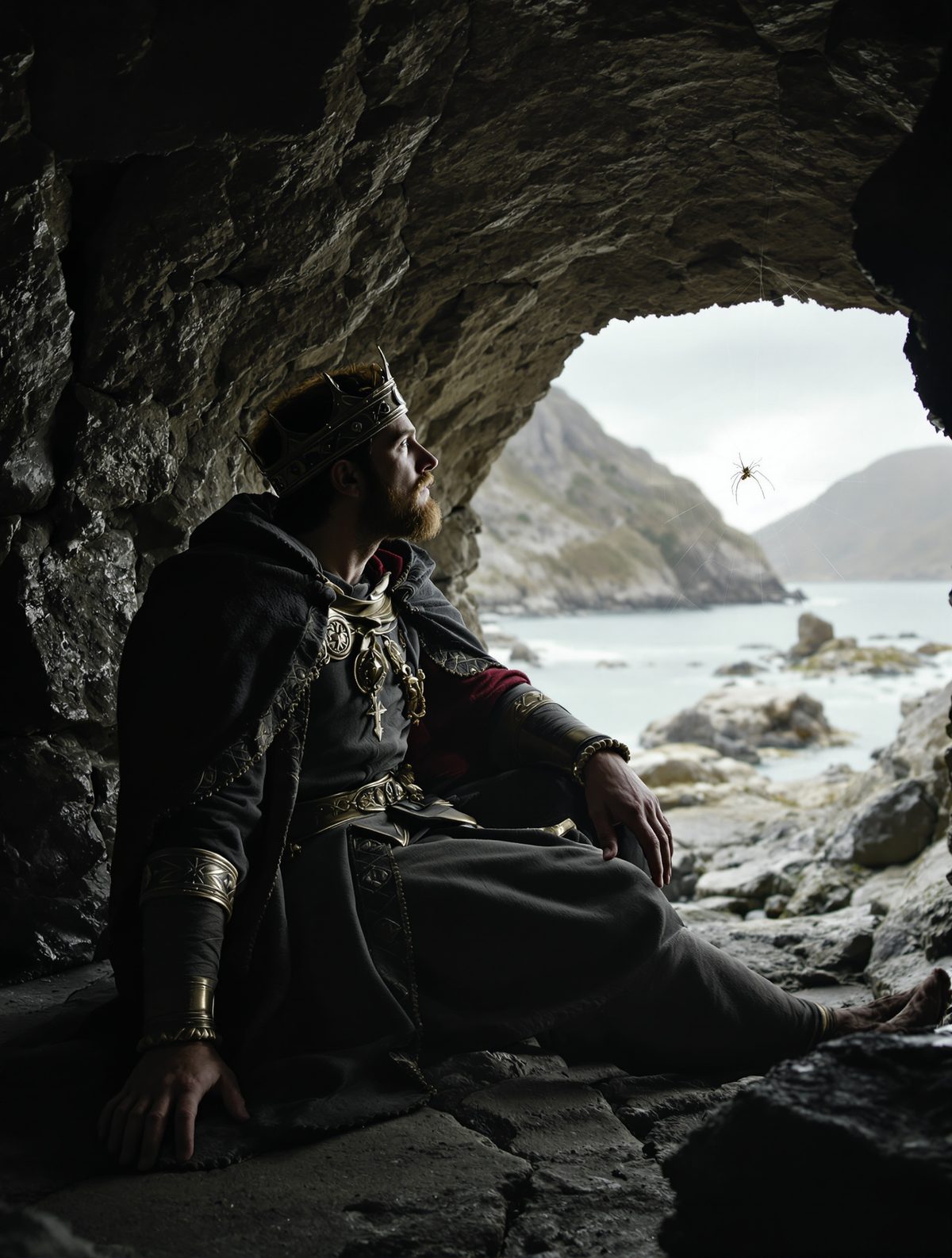
In the damp darkness of a cave on Rathlin Island, off the coast of Northern Ireland, a broken king sat in exile, watching his kingdom crumble across the water. The year was 1306, and Robert the Bruce—Scotland's self-crowned monarch—had fled his homeland after suffering six devastating defeats at the hands of Edward I's English forces. His nobles had abandoned him, his supporters were scattered or dead, and his claim to the Scottish throne seemed as fragile as morning mist.
But in that cave, something extraordinary was about to happen. Something so simple, yet so profound, that it would change the course of Scottish history forever. A tiny spider, no bigger than a man's thumbnail, was about to teach a king the greatest lesson of his life.
The Crown That Came with a Curse
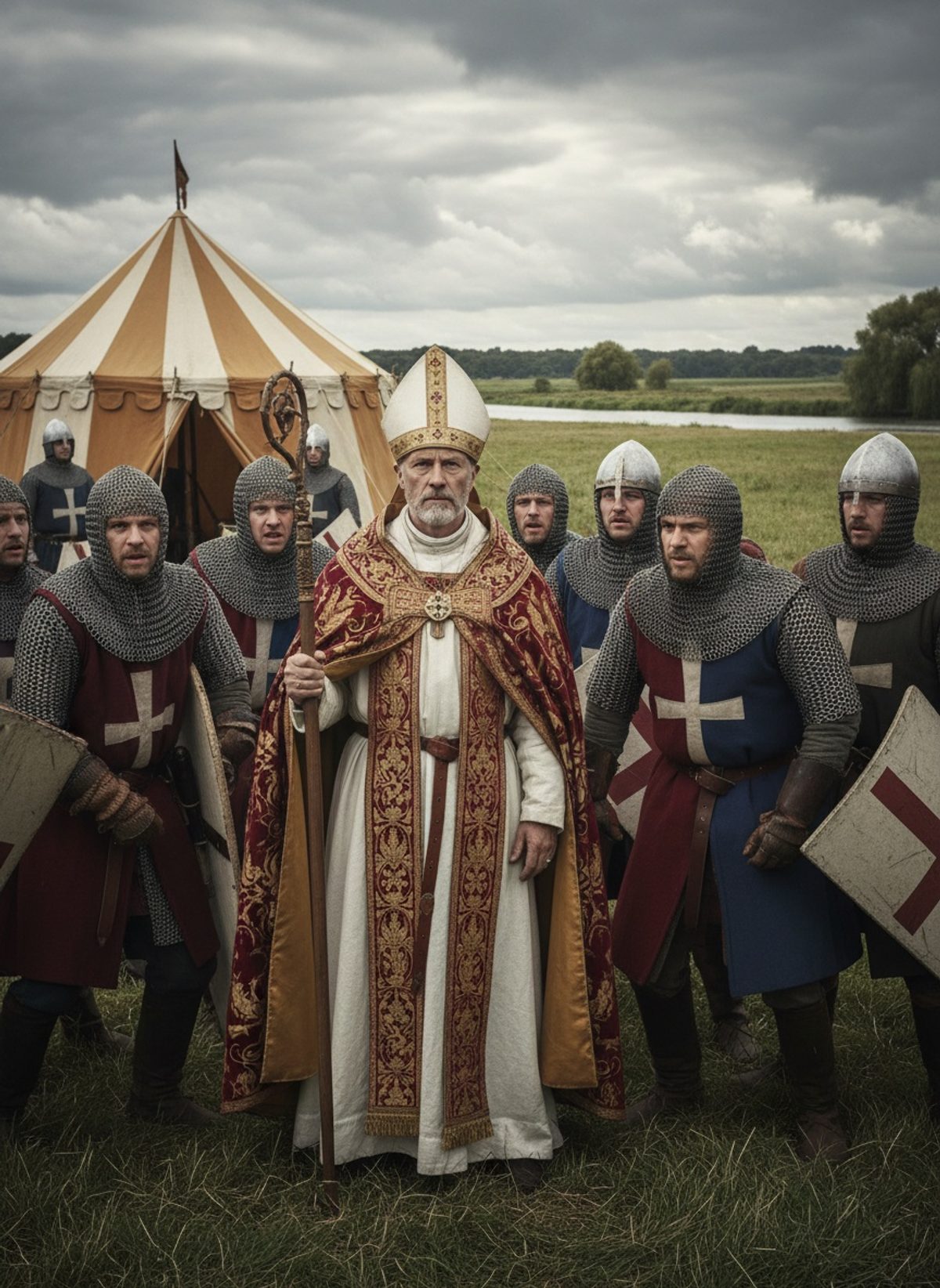
Robert the Bruce's path to the Scottish throne had been paved with blood and betrayal from the very beginning. On March 25, 1306, he had committed what many considered an unforgivable sin: the murder of John Comyn, his rival claimant to the throne, in the sacred sanctuary of Greyfriars Church in Dumfries. Whether it was premeditated or a moment of rage during heated negotiations, the deed was done—and with it, Bruce had not only eliminated his greatest rival but also earned excommunication from the Pope.
Six weeks later, on March 27, 1306, Bruce was crowned King of Scots at Scone Abbey in a hastily arranged ceremony. The ancient Stone of Destiny had been stolen by Edward I and taken to Westminster Abbey, so Bruce was crowned on a makeshift throne. Even more telling, the ceremony was conducted by Isabella MacDuff, Countess of Buchan, because the traditional crown-bearer, her husband, refused to participate. It was a coronation that spoke more of desperation than destiny.
Read next: The Day a Queen Walked Into a Rebel Camp Alone
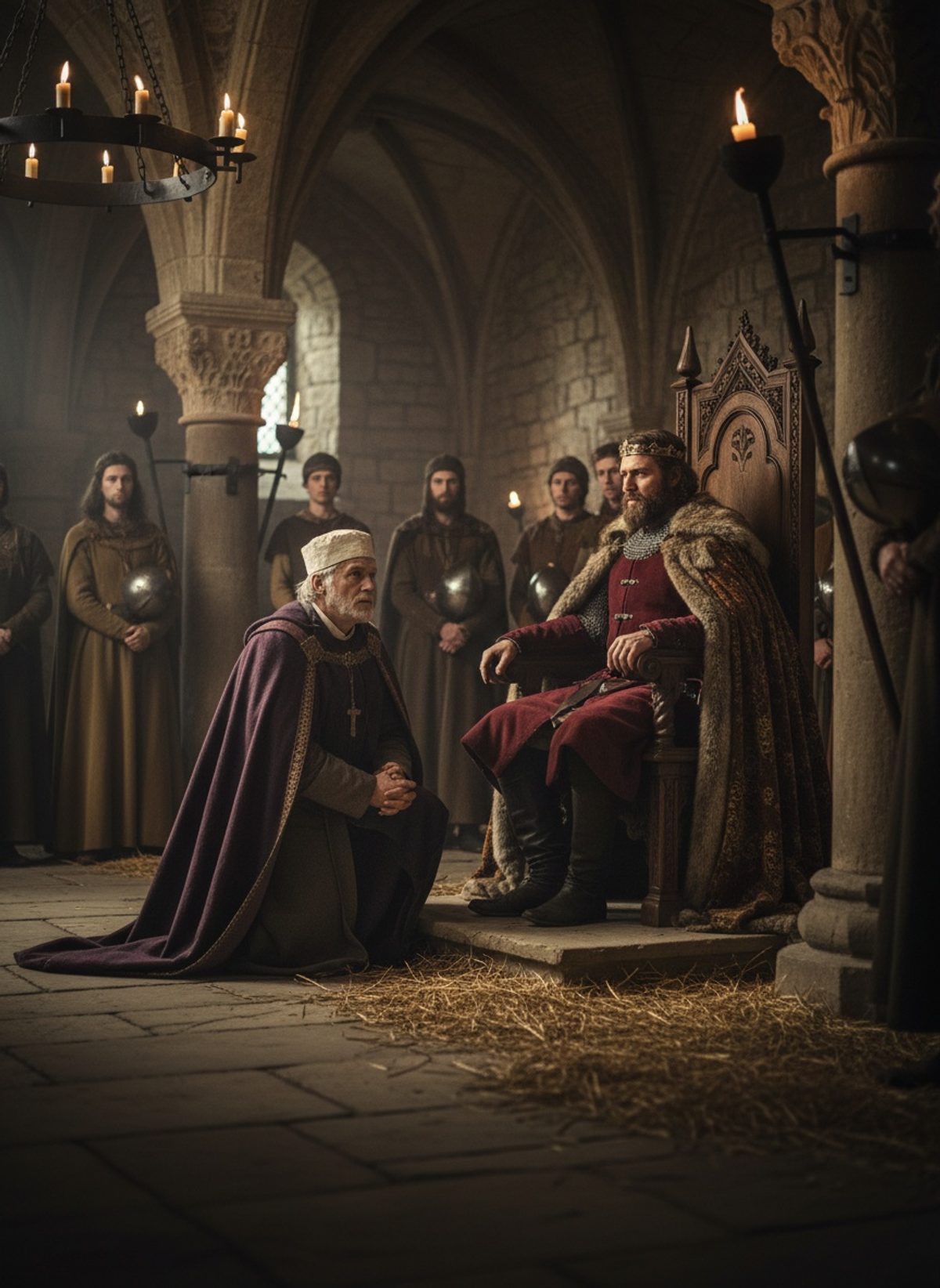
Edward I, the "Hammer of the Scots," was predictably furious. This was the man who had already conquered Scotland once, installing English governors and forcing Scottish nobles to sign the humiliating "Ragman Roll"—a document pledging allegiance to English rule. He would not tolerate this Scottish upstart's rebellion.
Six Defeats and the Making of an Exile
What followed was a catastrophic series of military disasters that nearly ended Bruce's reign before it truly began. The exact details of all six defeats remain murky in historical records, but the consequences were crystal clear: by late 1306, Robert the Bruce was a king without a kingdom.
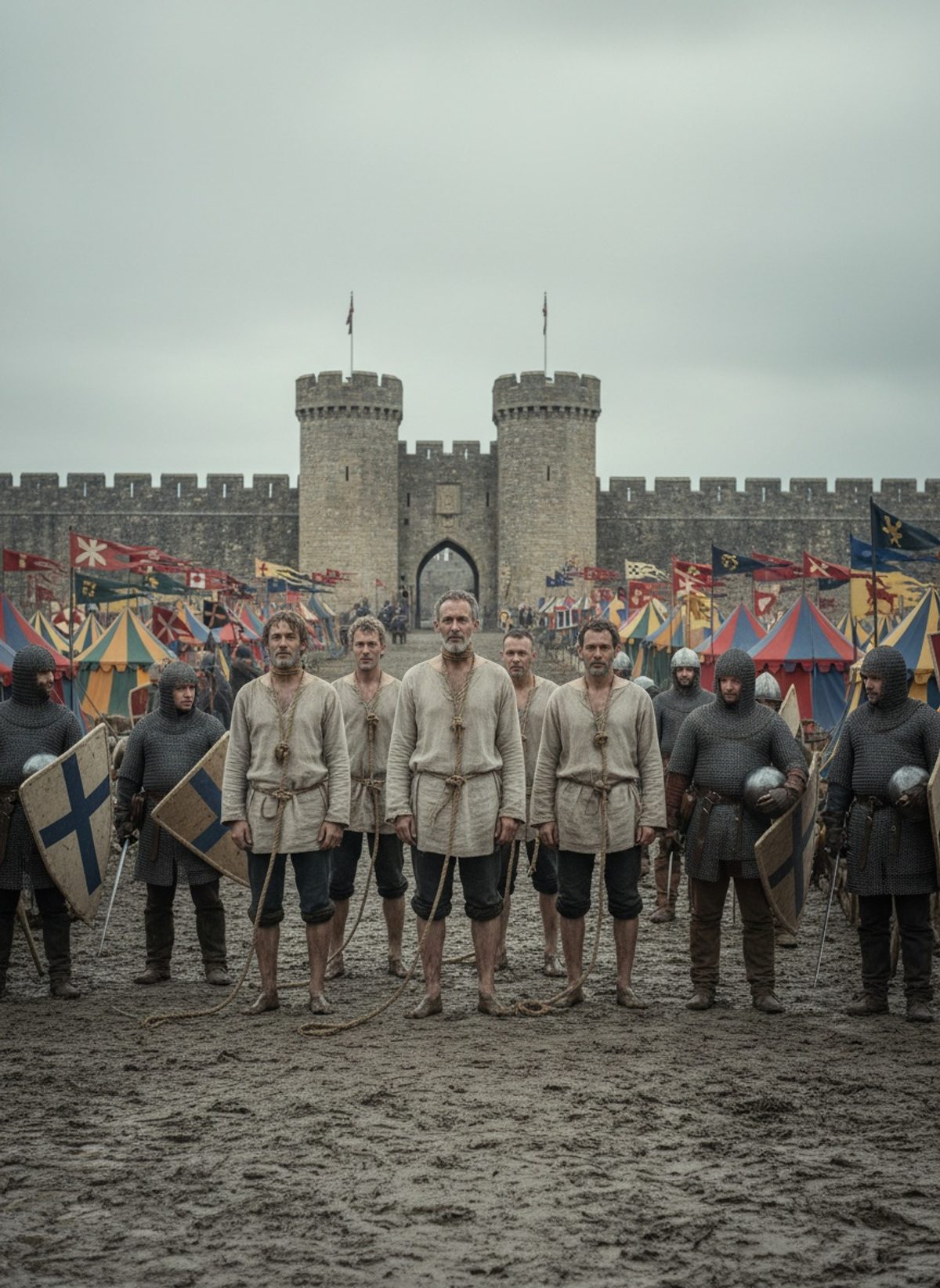
The most devastating blow came at the Battle of Methven in June 1306, just three months after his coronation. Aymer de Valence, Earl of Pembroke, caught Bruce's forces completely off guard in a surprise dawn attack. The Scottish army was routed, many of Bruce's closest supporters were captured and later executed, and the new king himself barely escaped with his life. His wife, Elizabeth de Burgh, his daughter Marjorie, and his sisters were all captured by the English—Elizabeth would spend eight years in English captivity.
Each subsequent defeat hammered another nail into the coffin of Scottish independence. Bruce's forces dwindled from thousands to hundreds, then to mere dozens of loyal followers. The winter of 1306 was particularly brutal, forcing the would-be king to adopt guerrilla tactics, hiding in the forests and mountains of southwestern Scotland like a common outlaw.
By early 1307, the situation had become untenable. With English forces closing in and nowhere left to run on the Scottish mainland, Bruce made the difficult decision to flee across the North Channel to Rathlin Island, a small Irish outpost that had long served as a refuge for Scottish nobles in times of trouble.
The Cave, the Spider, and Seven Attempts
Rathlin Island, with its dramatic cliffs and hidden caves, provided the perfect sanctuary for a hunted king. Local tradition points to several possible caves where Bruce might have sheltered, but the most likely candidate is Bruce's Cave, a sea cave on the northeastern shore of the island, accessible only at low tide and invisible to passing ships.
It was here, in the depths of winter 1307, that the most famous legend in Scottish history allegedly unfolded. Alone in the cave—some versions say with a handful of loyal companions—Bruce found himself at the lowest point of his life. He had lost six battles, lost his kingdom, lost his family, and seemingly lost all hope of ever seeing Scottish independence.
As he sat brooding in the dim light filtering through the cave entrance, his attention was caught by movement overhead. A small spider was attempting to spin its web across the cave opening—a considerable distance for such a tiny creature. Bruce watched, transfixed, as the spider launched itself into space, trailing its silk behind it, only to fall short and tumble down.
The spider tried again. And again. Each attempt ended in failure, the distance proving just too great for its thread to reach the far wall. But the little creature didn't give up. It climbed back up, repositioned itself, and tried once more. By the sixth attempt, Bruce found himself completely absorbed in the spider's struggle, perhaps seeing in it a mirror of his own repeated failures.
Then came the seventh attempt. This time, whether by chance or through some adjustment in technique, the spider's thread caught hold. Slowly, carefully, the creature traversed its silken bridge and began to weave its web across the cave entrance. It had succeeded where it had failed six times before.
The Lesson That Changed History
The symbolism was impossible to ignore. Here was a creature smaller than Bruce's thumb, showing more persistence and determination than Scotland's anointed king. If a spider could succeed on its seventh attempt after six failures, perhaps a king could do the same.
Different versions of the legend attribute slightly different thoughts to Bruce at this moment. Some say he made a bargain with fate: if the spider succeeded, he would make one more attempt to reclaim his kingdom. Others suggest he saw it as a divine sign, a message that perseverance would ultimately be rewarded. What matters is not the exact interpretation, but the transformation it sparked.
The broken, despairing exile who had entered that cave emerged as a man reborn. Bruce began planning his return to Scotland with renewed vigor and, crucially, a completely different strategy. Gone were the grand pitched battles that had led to his earlier defeats. Instead, he would wage a guerrilla campaign, striking fast and melting away, gradually wearing down English resolve while building support among the Scottish people.
In February 1307, Bruce's brothers Thomas and Alexander landed in Galloway with a small force, serving as a diversion while Robert himself slipped back onto the Scottish mainland. The spider's lesson was about to be put to the ultimate test.
From Cave to Bannockburn
The transformation was remarkable. This seventh campaign bore no resemblance to the desperate struggles of 1306. Bruce moved like a ghost through the Scottish countryside, appearing where he was least expected and vanishing before English forces could respond. He avoided major battles, instead picking off isolated garrisons and winning over local populations through both charisma and carefully targeted acts of mercy and justice.
The tide began to turn with small victories: the capture of Douglas Castle, the night raid on Turnberry Castle, the gradual liberation of southwestern Scotland. Each success brought more supporters to Bruce's banner, creating a snowball effect that the English found impossible to stop.
Edward I died in July 1307, and his son Edward II proved far less capable of maintaining English dominance in Scotland. Over the following years, Bruce methodically reconquered his kingdom, castle by castle, battle by battle. The guerrilla fighter became a skilled conventional general, culminating in his greatest triumph at the Battle of Bannockburn on June 23-24, 1314.
At Bannockburn, facing an English army twice the size of his own, Bruce applied the lessons learned in that cave seven years earlier. He chose his ground carefully, used innovative tactics, and when the moment came for the decisive charge, led from the front with the same determination that spider had shown in its web-spinning. The result was the most complete Scottish military victory in history, effectively securing Scotland's independence for generations to come.
The Thread That Binds Past and Present
The story of Bruce and the spider has been told and retold for over 700 years, inspiring everyone from Sir Walter Scott to countless schoolchildren learning about Scottish history. But why has this particular legend endured when so many others have faded into obscurity?
Perhaps it's because the tale speaks to something universal in the human experience—the moment when we must choose between surrender and perseverance, between accepting defeat and trying one more time. In our modern world of instant gratification and quick fixes, the spider's patient persistence offers a profound counternarrative. Success, it suggests, is not about avoiding failure but about how we respond to it.
The cave on Rathlin Island still exists, though it's now known more prosaically as Bruce's Cave. Visitors can still reach it at low tide, though they're more likely to encounter seals than exiled kings. Yet something of that transformative moment lingers in its shadowy depths—a reminder that our greatest victories often emerge from our darkest hours, and that sometimes the most profound lessons come from the most unexpected teachers.
In an age when giving up has never been easier, when the next distraction is always just a click away, perhaps we all need our own spider in a cave—a moment of clarity that reminds us that the difference between failure and success might be nothing more than the willingness to try just one more time.