August 1801, a phantom-like figure cut its way through the thick night of the Mediterranean Sea. With a gripping confidence, Captain Thomas Cochrane stood unswerving at the helm of a solitary sloop, his eyes fixed on the shadows of a mighty French squadron looming in the distance. What occurred next was a display of audacity and trickery that reads more like high-seas legend than sober history. Yet, it is all true. This is the tale of how one Scotsman turned the art of bluff into naval mastery, holding an entire burning frigate to ransom with nothing but a ragtag sloop and an ironclad will.
The Scene: One Against Many
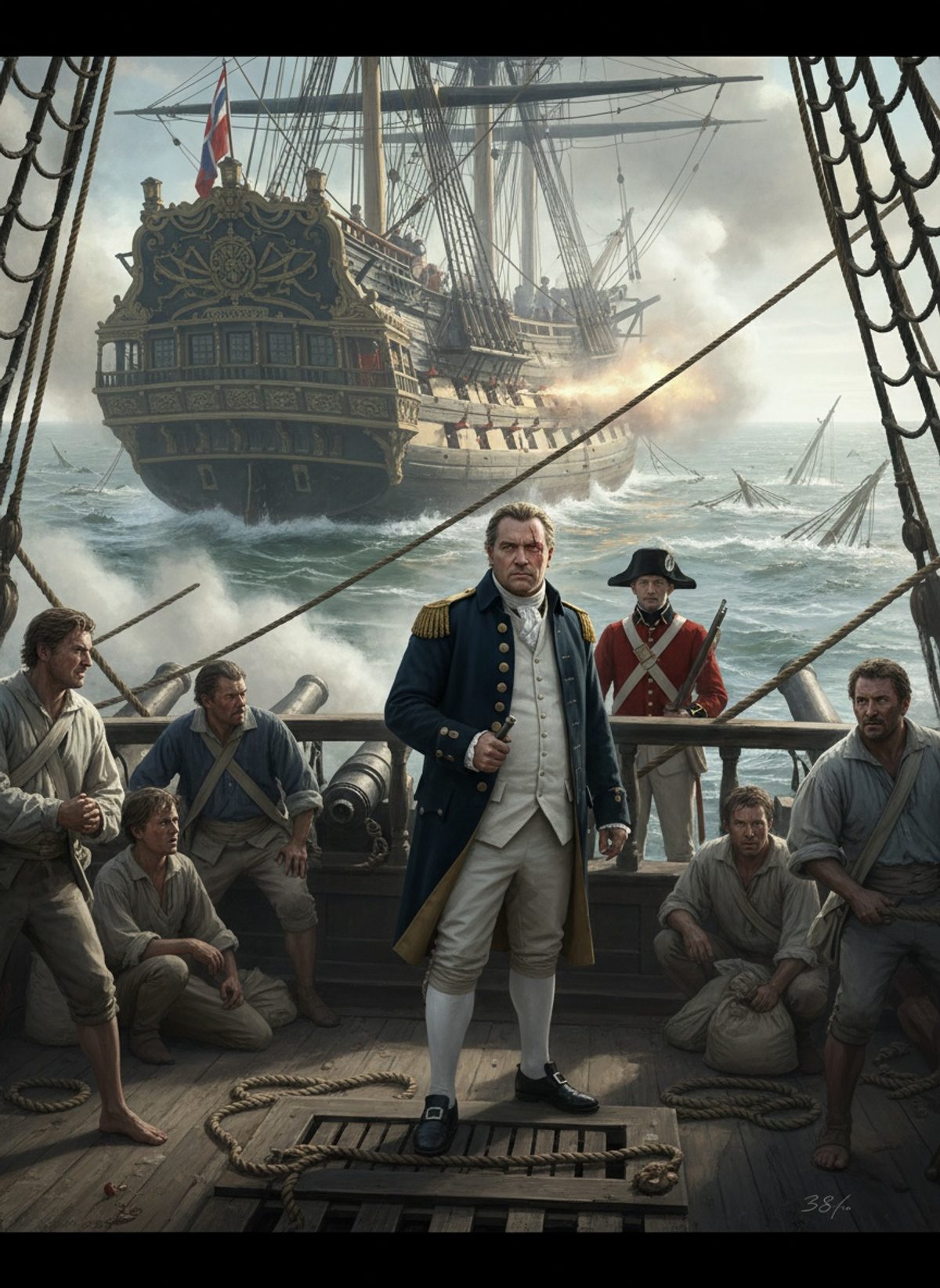
On a balmy night in August 1801, the Mediterranean lay peaceful beneath a blanket of stars. But beneath this tranquil facade brewed tension as HMS Speedy's absence had left its commander, Captain Thomas Cochrane, with a much humbler vessel. The Speedy had been captured, and Cochrane was left with only a small sloop, barely adequate for a fisherman, let alone a captain of his stature. Yet intrigue rippled through the waters, as a French squadron anchored near the Spanish coast at Port Mahon, entirely unaware of the brazen antics about to unfold.
The French force, a strong assembly of three substantial warships, could have effortlessly torn Cochrane's little vessel into driftwood. But where convention saw impossibility, Cochrane saw an opportunity and crafted an unusual plan. It was here that a solitary Scotsman, known for his bold temperament and contempt for convention, dared to orchestrate what would become one of the most spectacular bluffs in naval history.
A Blaze of Imagination
Cochrane was a seaman at heart, yet possessed the cunning of a great strategist. He had spent years studying his adversaries, showcasing a mind that could navigate treacherous waters as skillfully as any vessel. Instead of succumbing to the threat before him, Cochrane hatched a daring ruse to turn fear to his advantage.
Read next: The Day a British Captain Stood Between Slaves and the Sea
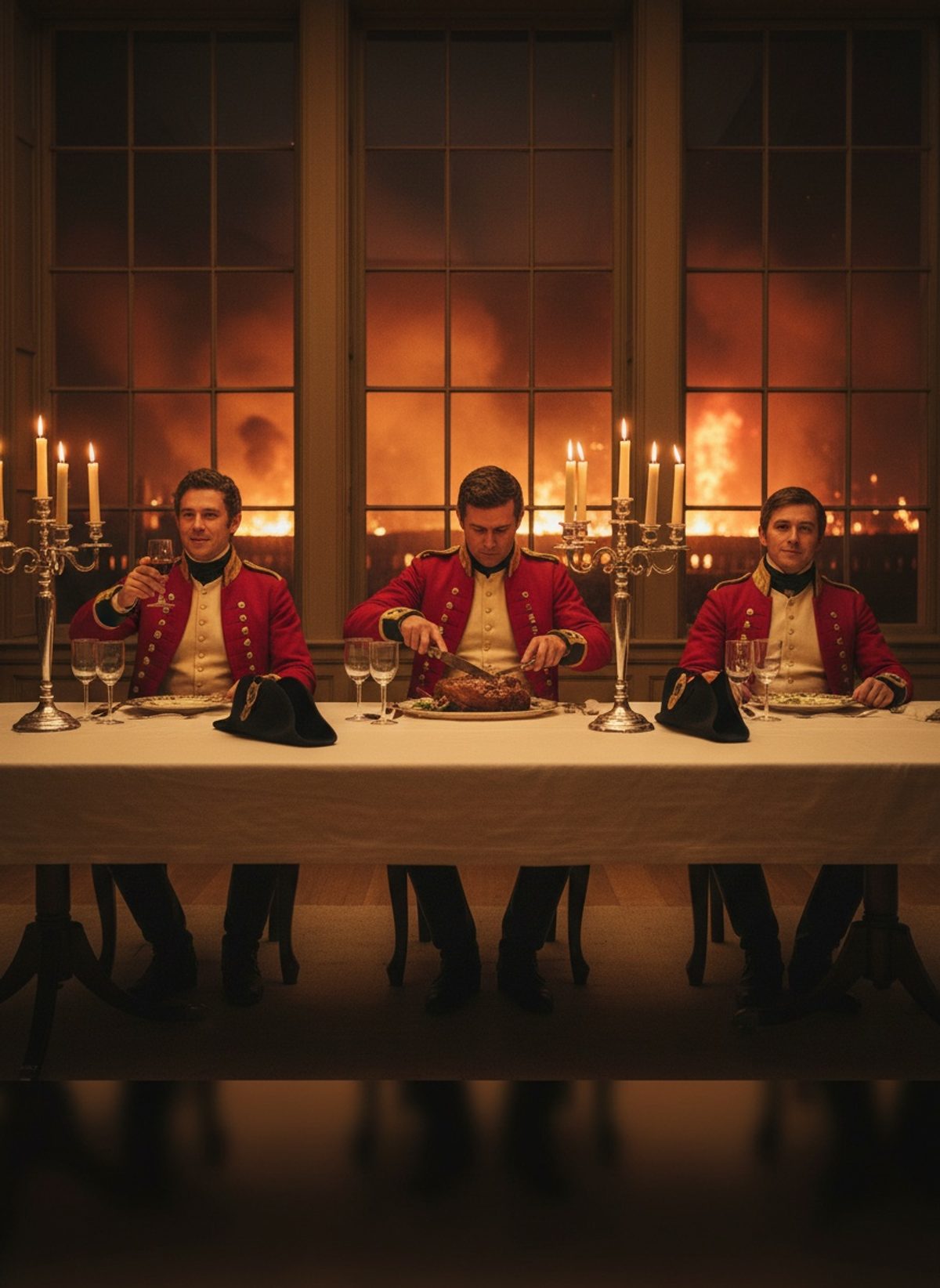
As dawn approached, the French were astonished to see flares lighting up the horizon, brilliantly illuminating Cochrane's sloop. These were no ordinary flares; they were an illusion, part of an elaborate deception staged with only the most meager resources. Using barrels filled with burning tar and oil-soaked wood, Cochrane mimicked an entire fleet on fire. The murky outlines of his craft were transformed, conjuring the terrifying image of a squadron burning savagely in the night.
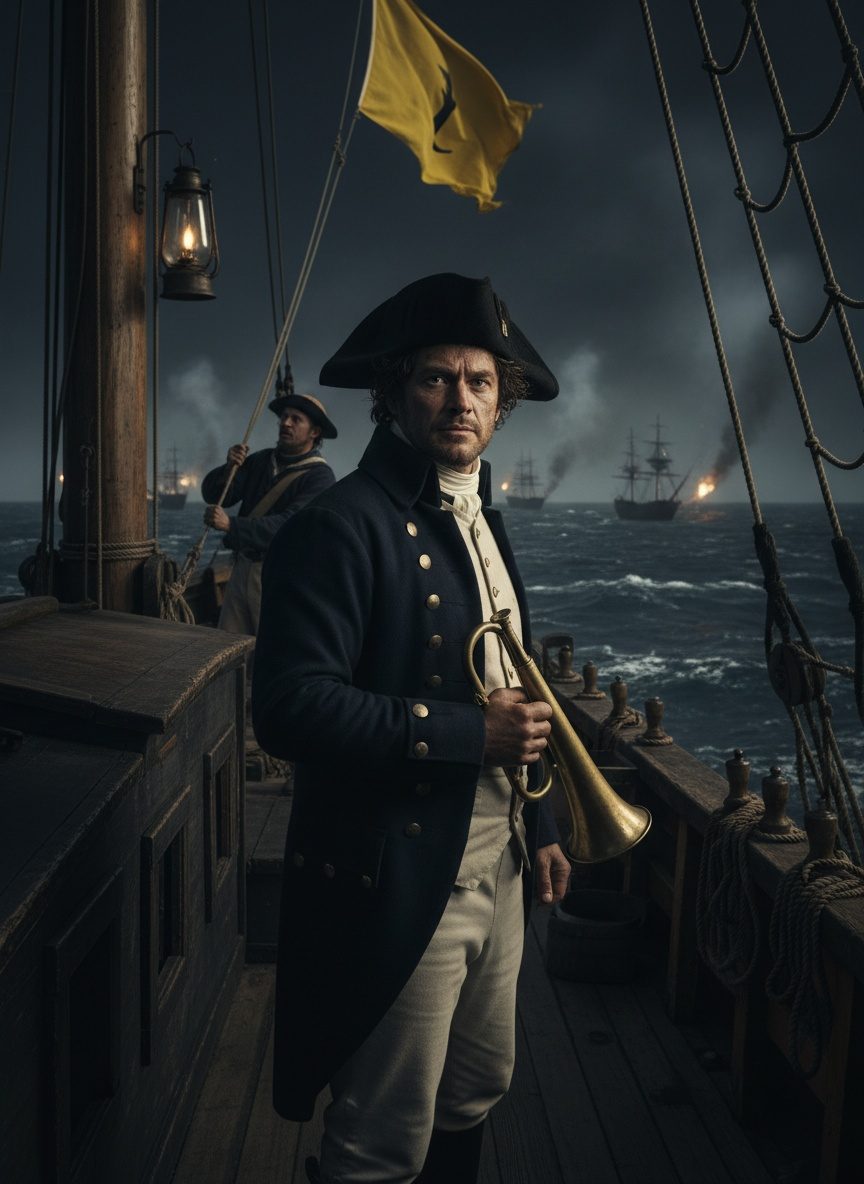
Adding to the pandemonium, Cochrane hoisted a crude flag signalling the outbreak of plague aboard his vessel. At a time when contagious diseases could decimate crews indiscriminately, the mere thought was enough to invoke swift retreat. The false image of a terrifying conflagration coupled with the threat of disease was enough to send shivers down the spines of the French sailors.
A Masterstroke of Nerve and Nonsense
The morning sun rose to reveal chaos; the French had fallen for Cochrane's trap. Fearing they were not only about to engage a burning fleet but also risk a plague aboard their ships, the French squadron decided discretion was the better part of valour. They turned their majestic hulls away, retreating at full sail in utter discombobulation.
Cochrane watched the massive warships withdraw, leaving the waters clear for his escape. From a single daring bluff, he had effectively neutered the superior firepower of the enemy, ensuring his survival and escaping unscathed from a near-impossible predicament.
A Life Styled by Audacity
Captain Thomas Cochrane, 10th Earl of Dundonald, was no stranger to such exploits. Known later as the model for the famous fictional naval hero Horatio Hornblower, Cochrane carved his legacy through countless acts of daring and ingenuity. His mastery of the psychological aspects of warfare was well-known, often relying more on mind games than the exchange of broadsides.
This incident off Port Mahon was a reflection of his celebrated career. Not only did Cochrane captivate his countrymen with thrilling tales from afar, but he also influenced naval tactics and strategy well beyond his time. Born in 1775, in Annsfield, Scotland, Cochrane's audacious campaigns and reformist ideals eventually led to a political career, where he zealously sought improvements within the Royal Navy.
Lessons from the Past
Why does this daring episode still resonate today? At its core, Cochrane's exploit reminds us of the immense power of wit over force. In an era dominated by firepower, Cochrane demonstrated how psychological acuity could outflank physical might. This mantra reverberates through the centuries: facing overwhelming odds, the truly resourceful find paths others overlook.
Moreover, Cochrane's saga underscores the timeless relevance of innovation and unconventional thinking. In today's world, where formidable challenges often loom large, invoking the spirit of Cochrane—a figure who thrived against overwhelming adversity through sheer ingenuity—encourages modern strategists, leaders, and thinkers to look beyond conventional wisdom, seeking the extraordinary potential within the ostensibly impossible.
The day Thomas Cochrane held a burning frigate to ransom is more than a thrilling seafaring tale; it is a powerful illustration that bravery combined with creativity can redefine the rules, altering the tide of history itself.