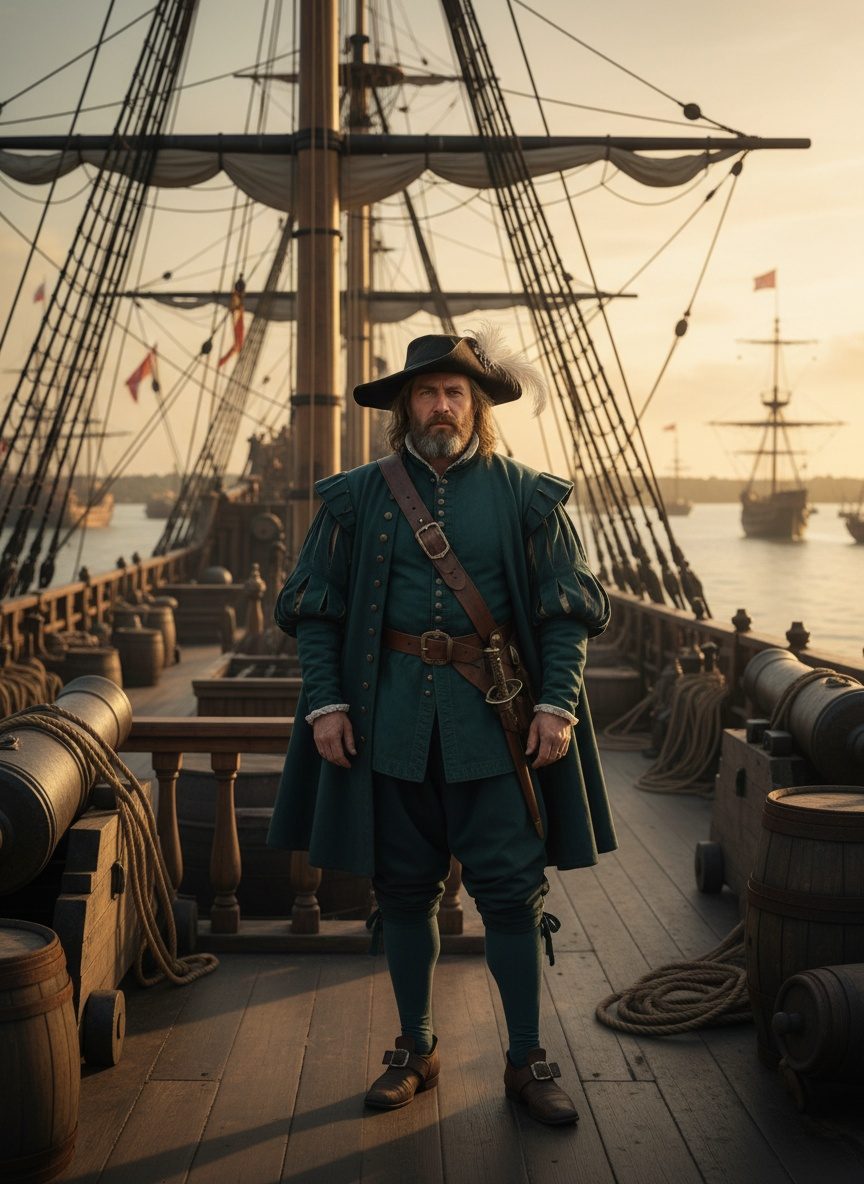
Francis Drake was a farmer's son. But that’s just the beginning of a tale worthy of the wildest adventure novels.
The Humble Origins of a Maritime Legend
Francis Drake's early years were a far cry from the gilded life of knighthood he later enjoyed. Born into a Devon farming family, the future admiral's childhood was one of contrast and challenge. For Drake, the sea was not a distant horizon but a constant neighbor, and he grew up on the shores of the Medway River. His home, surprisingly, was an old, dilapidated vessel beached along the water's edge. With canvas as his ceiling and the ghosts of old sailors as inspiration, young Drake's dreams stretched beyond the muddy fields of his birthright.
Understanding the harsh life of seamen from firsthand experience, Drake took to the sea as soon as he was able. Apprenticed to a merchant, he learned the intricate dance of navigation and commerce. The salty winds that buffeted the British Isles whispered to him of lands and riches far beyond the horizon. Drake was not content to play nursemaid to a cargo of salt fish and English wool — he yearned for the untamed open seas, the places where fortune could be found in bundles of exotic spices and the shimmering allure of pirate gold.
The Audacity to Challenge an Empire
By the latter half of the 16th century, the stage was set for Drake's daring enterprises. Spain, under the Habsburgs, was the dominating maritime power, its galleons laden with treasure from the New World. Yet Spain's dominance was as fragile as sun-dried driftwood. A fact Drake came to know well when he, a mere countryman, began chipping away at its mighty hull with audacious raids.
Read next: The Day a British Captain Stood Between Slaves and the Sea
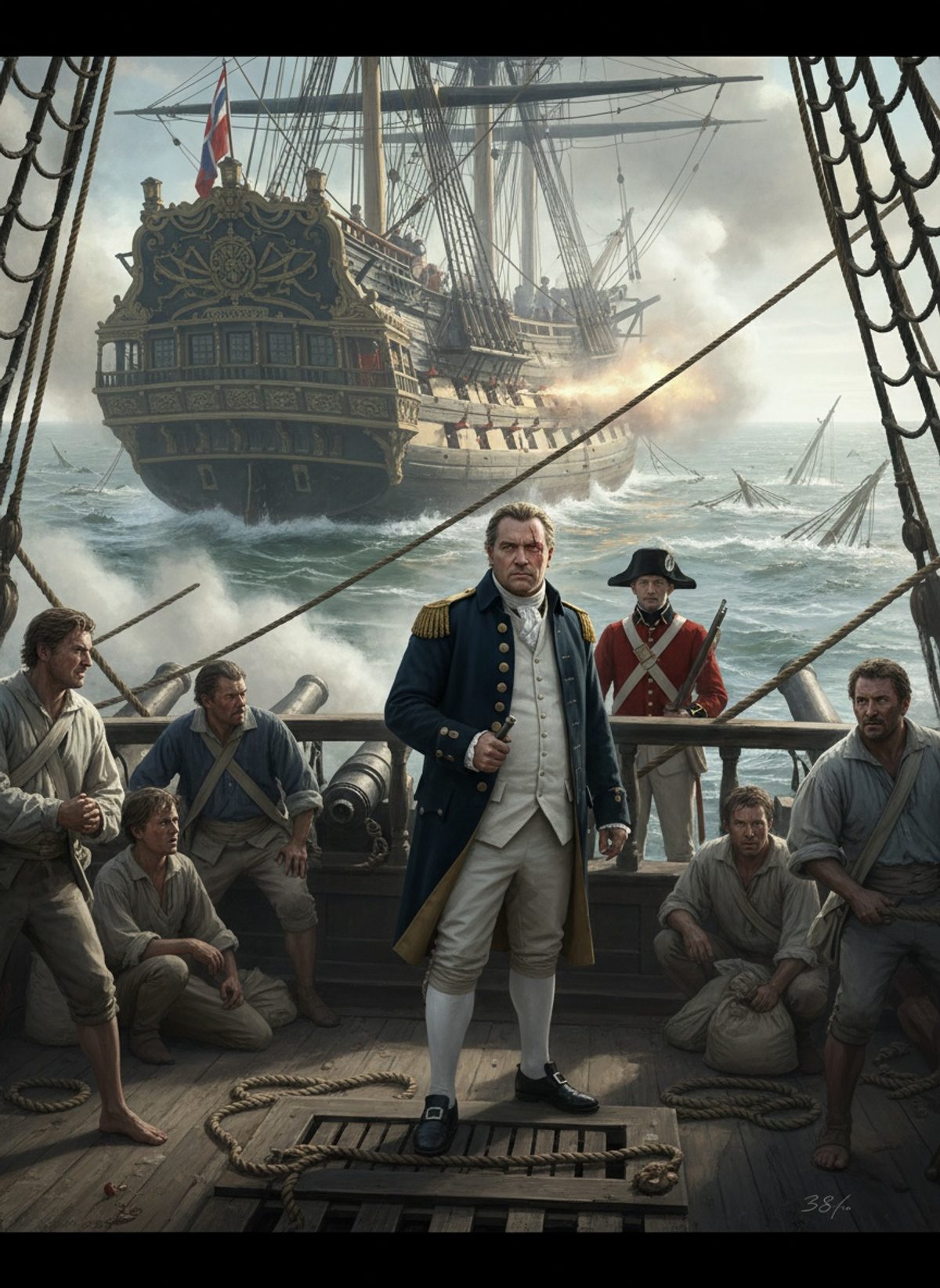
Drake's brazen spirit came to light in the famous circumnavigation of 1577-1580, during which he achieved the unthinkable — a complete circumnavigation of the globe. More than a simple navigation triumph, it became a prolonged assault on Spanish holdings. Each harbor raid and ship seized was a needle in the side of Spain. By stripping the Spanish Empire of 26 tons of gleaming silver, Drake returned home not only as a famed navigator but as the bane of the Spanish establishment. England's debts gleefully vanished under his mountainous bounty.
The Dragon by Another Name
The nickname "El Draque", the Dragon, was not a mere sailor’s jest but an epithet spoken with both fear and hatred by the Spanish. To them, Drake embodied their worst nightmares — an English privateer who could strike without warning. They saw him not just as a marauder, but as a competitor in the highly profitable game of empire-building. King Philip II of Spain was so embittered by Drake’s raids that he reputedly placed a bounty of 20,000 ducats, an immense sum in its time, on the seaman’s head.
Drake's elusiveness on the high seas only added to his fearsome reputation. He knew how to disappear into the mist, using geography and cunning to elude capture. Every tale from the lips of rescued mariners, every market place whisper of silver ships lost to Drake's fleet, painted the Englishman as a mythical terror alive with fiery ambition.
The Royal Acknowledgment
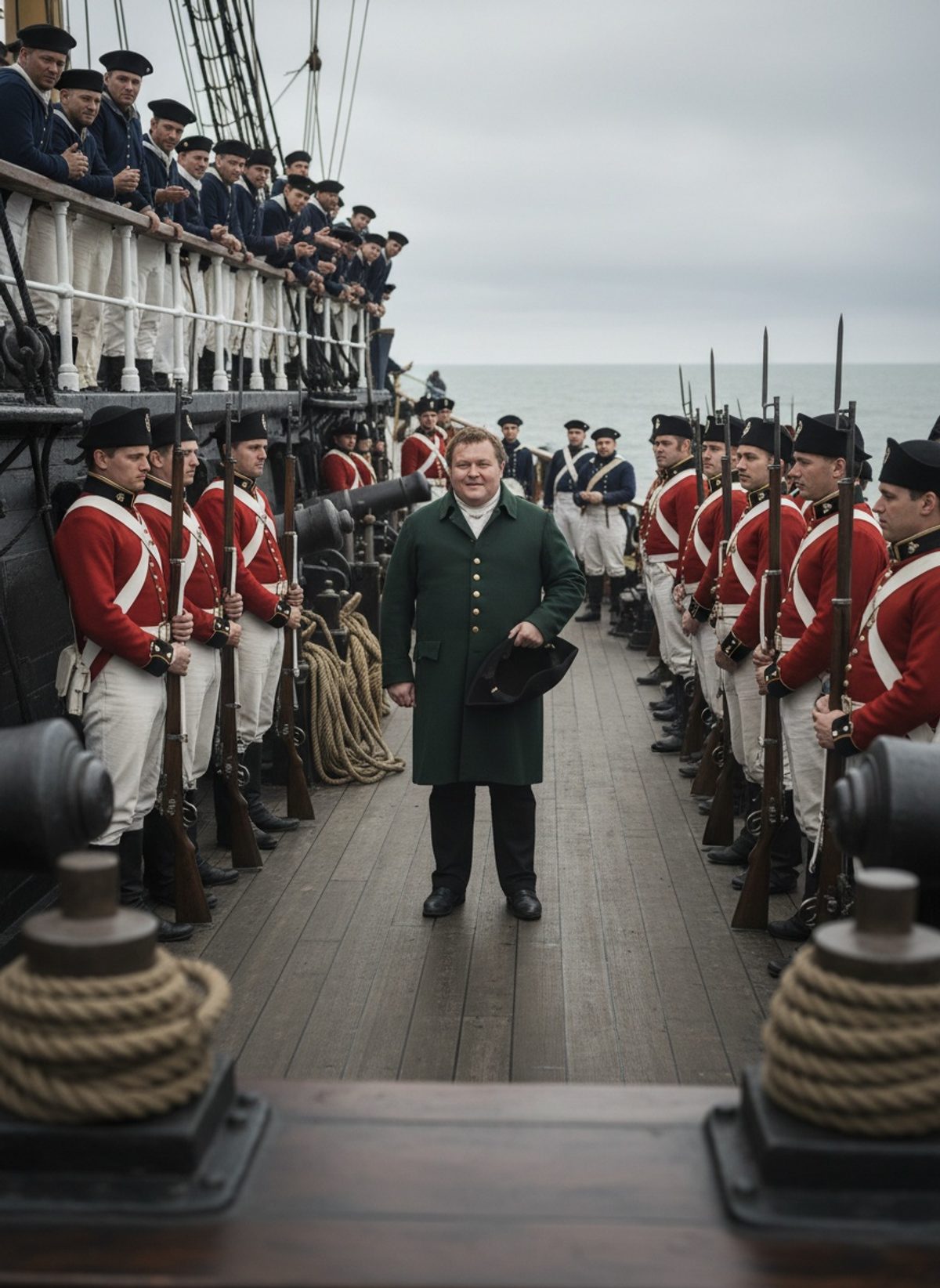
Drake returned to Plymouth, his ships more laden with treasure than any English vessel had ever been. Yet perhaps his greatest accolade came not in the hold of his ship but upon its deck, when this farmer's son was honored by none other than Queen Elizabeth I herself. It was aboard the Golden Hind that she invested him with knighthood, this remarkable moment unfolding under a banner of flapping sails and salt-sweet breeze.
The queen's gesture was more than ceremonial. By accepting and celebrating Drake, Elizabeth I signaled England's willingness to confront Spanish domination unabashedly. It was a public spectacle of defiance, wrapped in pomp and revealing a shifting balance of naval power. As she knelt, the sovereignty and pride of a budding English naval mastery were jubilantly proclaimed.
The Legacy of a Fearless Seaman
Francis Drake remains an enigmatic figure — a product of his time, and yet, in many ways, a harbinger of change. Some view him as a pirate who plundered great wealth, a rogue whose audacity knew no bounds. Others see him as a hero, a pivotal player who helped lift England from obscurity into maritime greatness. His story evokes the eternal human quest for adventure, wealth, and recognition.
More than just historical curiosity, Drake's narrative echoes through the corridors of power today as a haunting reminder. He forces us to contemplate sovereignty, ambition, and the lengths to which individuals will go for their nations and their personal legacy. Drake’s life challenges the moral landscapes of nations, proving that sometimes conquest and innovation rise from the most unlikely of places — even the hull of a rotting ship on the Medway.