May 1942 saw the largest air raid in history as a thousand British bombers took to the skies. Yet in the midst of this momentous event, a tale of extraordinary heroism emerged, forever veiled in the smoke over Cologne.
The clear night sky over Europe was suddenly disrupted by the deafening roar of aircraft engines, marking the beginning of Operation Millennium. This ambitious assault aimed to cripple Cologne, a city that served as a symbolic and logistic stronghold for the Nazis. At 20 years old, Leslie Manser was not just a pilot but a guardian of hope, joining thousands of airmen in a risky gamble with fate. The moonlight gleamed off the wings of a short-lived fleet, their shadows stitching a path to both glory and demise.
The labyrinthine streets of Cologne lay unaware until the night's silence was shattered by the howl of sirens. Meanwhile, high above, Manser's Manchester bomber joined the skeletal dance of light and shadow. Each bomber carried with it not only explosives but the collective spirit of the Allies, a desperate reassurance that war's devastation might yet be turned back on its maker. The Manchester's hold brimmed with destructive power, humming with unspent energy, waiting for the exact moment to transform buildings and streets into a patchwork of craters and fire.
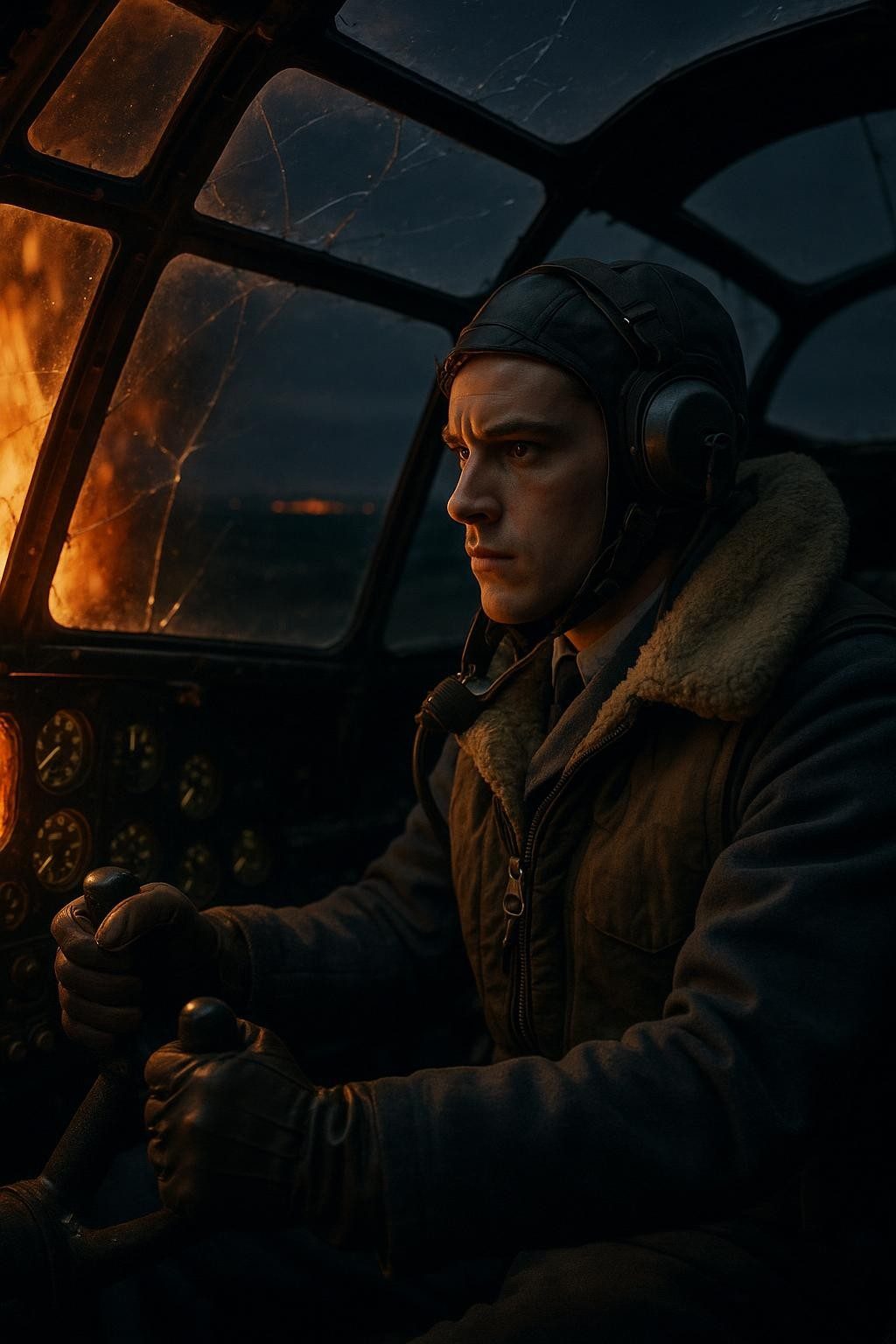
As Manser approached the target, his hands steady on the control column, the city below became a tapestry of red and gold — streaks of light tracing arcs across the sky as German anti-aircraft guns found their rhythm. Danger hung heavy in the cockpit's stuffy air, the acrid scent of fuel and sweat mingling, a grim prelude to the main event — the bombing run that saw the crew's adrenaline spike as bombs slipped loose from their cradles. The ground vomited flame, a brutal contrast to the calm operations inside the cockpit.
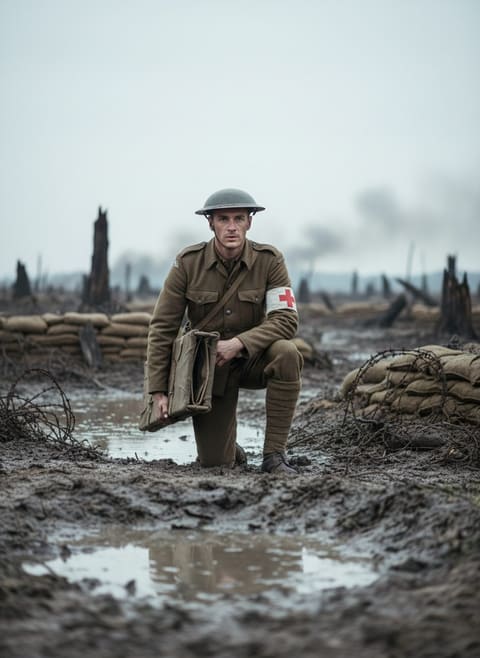
Read next: The Day a British Stretcher-Bearer Refused an Order to Save Lives
However, fortune's favor that night was fickle. As Manser's bomber banked away from the blazing city, a streak of tracer fire found its prey. The bomber lurched, its right wing licking with tongues of flame like a beast in agony. The Manchester was never renowned for its resilience, and now, ablaze, it began a fateful descent. Firelight washed the interior with flickering shadows, the once well-drilled crew caught between the impulse to flee and the need to shield one another.
Leslie Manser, pinned by duty and gravity, saw a choice that wouldn't wait. In those frantic moments, his thoughts crystalized to a single course: his crew's survival must come before his own. A decision both incredulous in its bravery and simple in its execution unfolded. The co-pilot sat near him watched as Manser remained seated, passing his escape — the parachute — to another, encasing the gesture in a wordless accord of trust.
The backdrop of war tumbled into melee as each crew member clambered toward the hatch. Hopeful as men can be in the desperate leap from a flaming wreckage, they tumbled into a cacophony of wind and lightning-lit dark. The bomber, shorn of ballast, staggered upwards only to succumb again to its fiery wounds. Despite its wounds, the Manchester extended its time in the air — enough for Manser's sacrifice to measure out in precious, life-saving seconds.
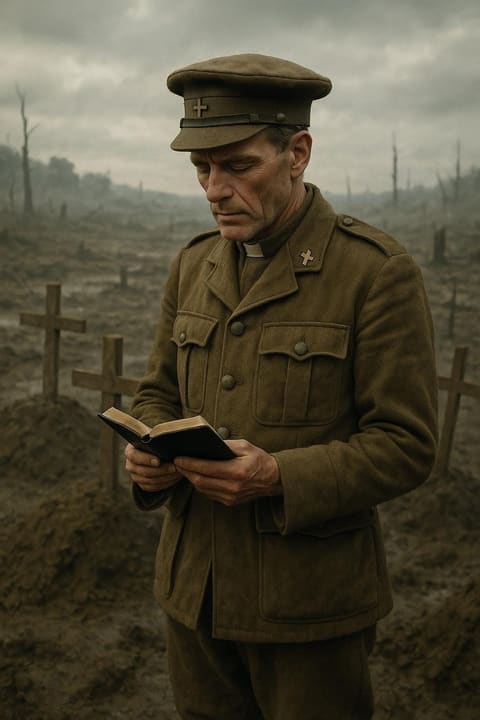
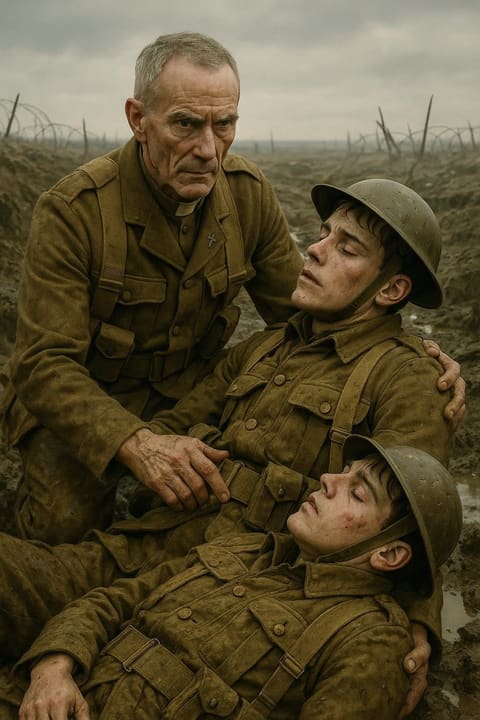
Read next: The Day a Army Chaplain Gave His Coat to a Dying Stranger
Leslie Manser held the demeans of the pilot's seat as his young life began its inexorable commitment to history. Flames wept through what was left of the fuselage, claws digging deeper as the numbers fell on his altimeter. Cologne's lights below beckoned with morbid invitation, the city one with the night yet revealed by dots of survivors among broken structures. That fatal rush to the earth consumed him as a young man, having chosen to forge an eternal valor in an act written upon the air.
Manser hadn't seen another sunrise, nor would he know that his selflessness spurred his crew to safety — a hemisphere away in English fields where they alighted, haunted by kindness and its terrible cost. His body was drawn into the annals of war, yet the spirit of his actions lost itself neither in sympathy nor the arithmetic of conflict. Instead, Manser's sacrifice carved itself into every moment his crewmates lived, a backdrop painted permanently across skies then and thereafter.
The night that swallowed Leslie Manser lives on less as a tale of a catastrophic raid than a study in unrecognized heroism. The solemn currency of war: lives exchanged for lives, borne by winds of fortune and chosen acts of valor. No tablets or monuments greet the casual visitor with Manser's name inscribed, but his story lives beyond stone. It's an affirmation that the heart of combat isn't in strategy or artillery but in the quiet choices of individuals who reach for courage's profounder script, playing out on human terms amidst the grand, chaotic theatre of war.