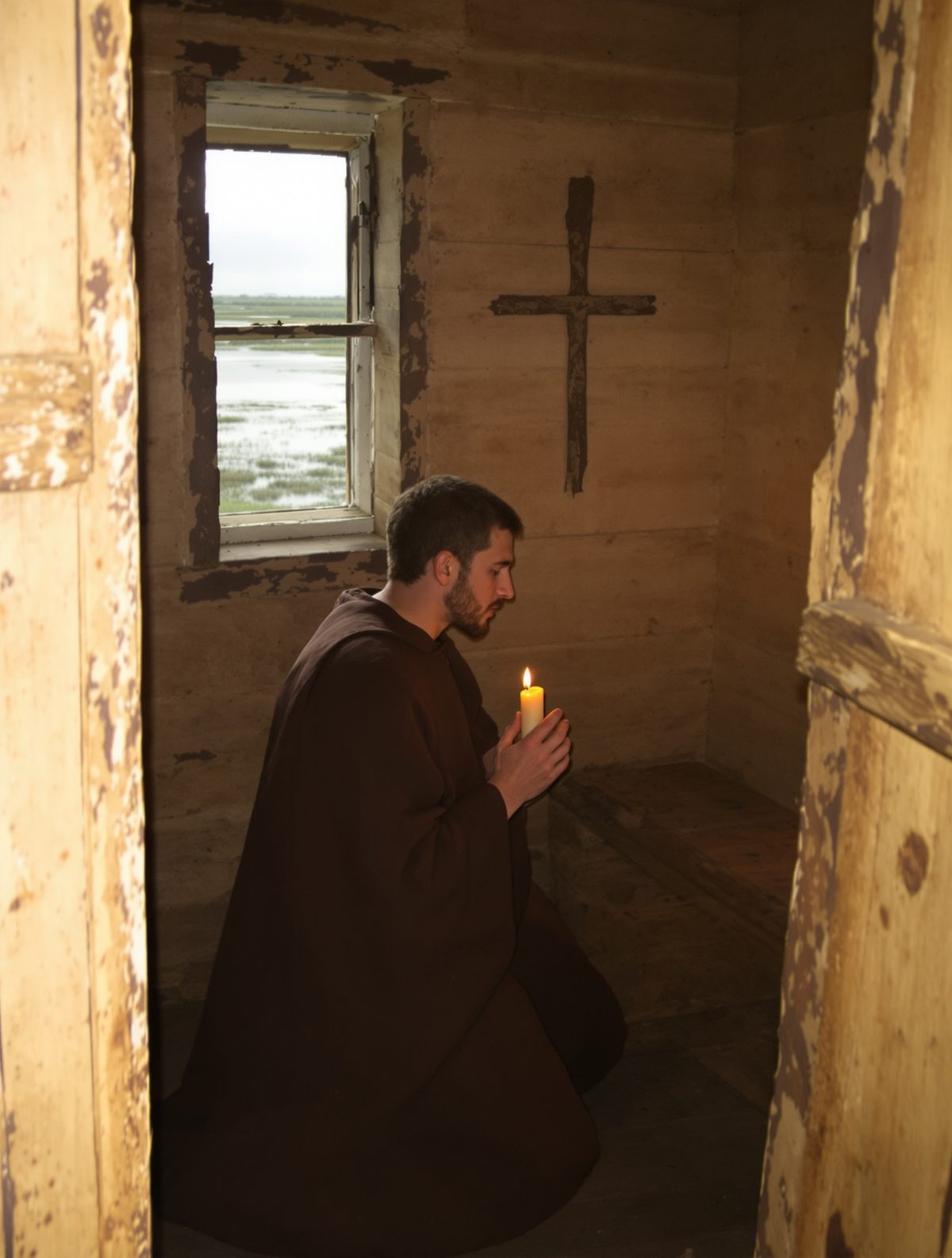
The mist clung to the black water like the breath of the dead, and somewhere in the darkness, something screamed. It wasn't human. Guthlac gripped his wooden cross tighter as shapes moved in the fog—twisted forms that spoke in tongues he didn't recognise, their voices like grinding stone and breaking glass. This was his fifteenth year alone in the Crowland marshes, and still they came for him in the night.
But tonight was different. Tonight, the young Saxon saint would face his greatest trial yet, armed with nothing but faith and an iron will forged in the warrior halls of Mercia. What happened in those haunted hours would echo through English folklore for a thousand years, yet most have never heard the full, terrifying story of how a nobleman's son held back the forces of darkness in a godforsaken swamp.
The Warrior Who Walked Away
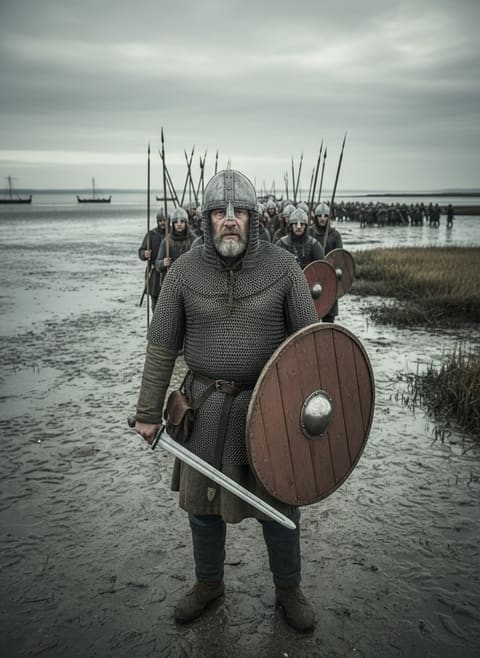
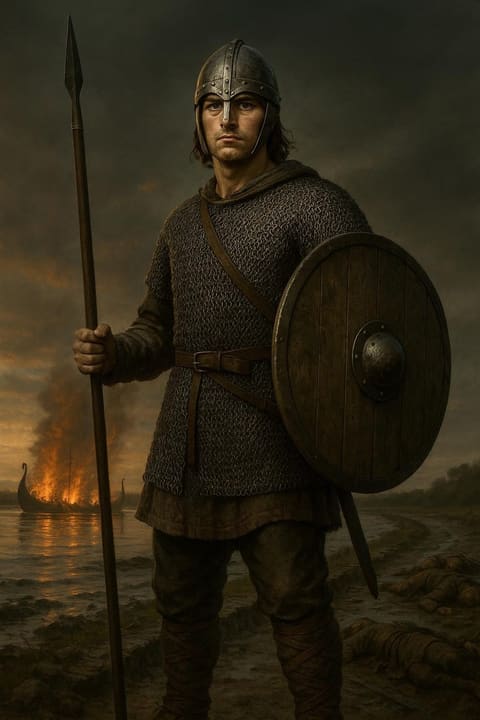
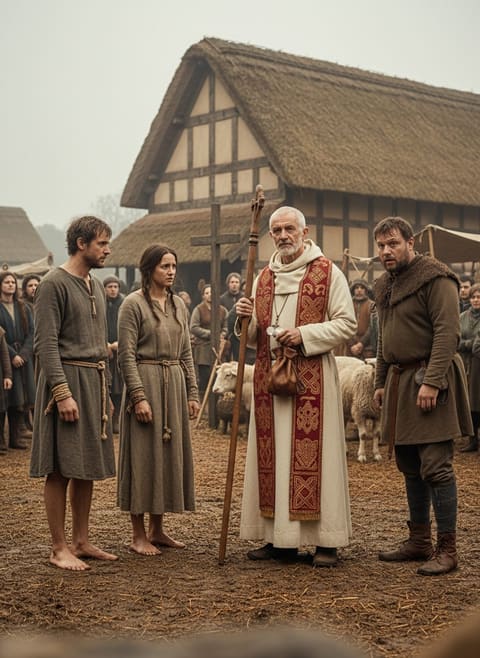
In 699 AD, when most Saxon nobles were counting their silver and planning their next raid, Guthlac of Mercia made a choice that stunned his contemporaries. At just twenty-four years old, this descendant of Mercian royalty—great-nephew of King Æthelred himself—had everything a warrior could want. He commanded a warband, owned vast estates, and wore gold arm-rings that marked him as a champion among his people.
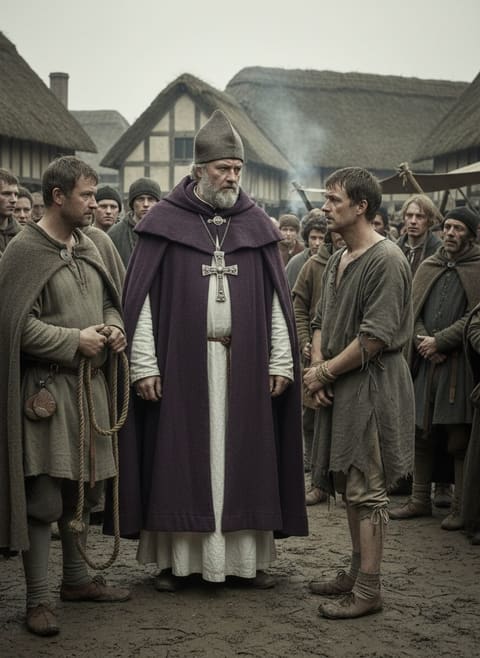
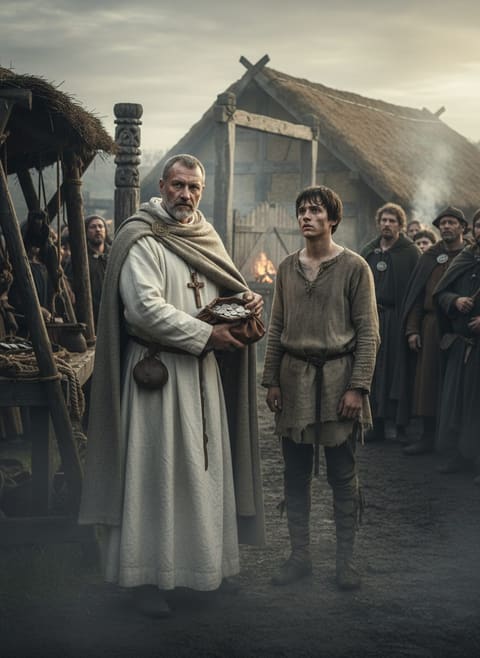
Yet something was eating at him. Perhaps it was the memory of the monastery he'd sacked as a teenager, or the faces of the monks who'd died by his sword. The contemporary Life of Saint Guthlac, written by the monk Felix around 730, tells us that Guthlac had experienced visions—not of glory and gold, but of judgment and hellfire. One autumn morning, he simply laid down his weapons, distributed his wealth among his followers, and walked away from everything he'd ever known.
Read next: The Day a Saxon Abbess Stood Between a King and His Rage
His destination was the most feared place in all of Anglo-Saxon England: the vast, trackless Lincolnshire fens. Here, among the shifting islands and poisonous mists, even hardened warriors feared to venture after dark. Local Britons spoke in whispers of scuccan—demons that prowled the marshland, taking the forms of beasts and men to lure travelers to their doom.
Into the Heart of Darkness
The island Guthlac chose for his hermitage had a name that chilled Saxon hearts: Crowland, the "crow land," where no birds sang and nothing green would grow. Archaeological evidence suggests it had been a burial ground for centuries—first British, then Saxon, layer upon layer of the restless dead. Even the local fishermen, men who knew every channel and reed-bed of the fens, refused to set foot there after sunset.
Felix's account describes Guthlac's first night on the island with the stark terror of an eyewitness report. As darkness fell, the very air seemed to thicken with malevolent presence. Strange lights danced over the water—what we might now explain as methane gas igniting, but to eighth-century eyes appeared as the torches of an otherworldly army. The sounds began around midnight: wailing that rose and fell like wind, but with too much intelligence behind it, and a chattering in languages that predated human speech.
Then they came for him. Felix describes creatures that defied description—some appeared as monstrous animals with human faces, others as men with the heads of beasts. They spoke in broken British, the tongue of the people the Saxons had conquered, making Guthlac's torment both supernatural and deeply political. These demons didn't just threaten his soul—they reminded him that he stood on stolen land, surrounded by the ghosts of ancient hatred.
The Fifteen-Year War
What followed wasn't a single night of terror, but a decade and a half of psychological warfare. The demons, according to Felix, employed tactics that would impress a modern military strategist. They attacked when Guthlac was weakest—during his fasting periods, when fever made him delirious, in the depths of winter when despair came easiest. They offered him everything he'd given up: visions of his old life, promises of power, the warm embrace of human companionship.
Some attacks were purely physical. Guthlac would wake to find his simple shelter destroyed, his meager possessions scattered across the marsh. Other assaults targeted his mind: vivid hallucinations of his family calling for help, phantom armies that seemed to march across the water, and most cruelly, perfect recreations of his warrior days when life had seemed simpler and his purpose clear.
But the saint had chosen his battleground well. Felix records that Guthlac discovered something remarkable about these creatures—they could be fought. Not with sword or spear, but with psalm and prayer, with fasting and absolute faith. The warrior skills he'd abandoned in the world served him still in this spiritual conflict. He learned to read the patterns of their attacks, to anticipate their strategies, to turn their own malice against them.
Word of his nightly battles spread throughout Saxon England. Kings and commoners alike began to seek him out, rowing nervously through the maze of waterways to consult the hermit who'd made the demons themselves retreat. Even Æthelbald, future King of Mercia, came as a fugitive seeking Guthlac's blessing—a blessing that Felix claims secured him his eventual throne.
The Science Behind the Supernatural
Modern scholars have offered fascinating explanations for Guthlac's experiences that don't diminish their historical importance. The Lincolnshire fens were a unique ecosystem—a vast wetland that stretched from Lincoln to Cambridge, where marsh gas created spontaneous fires and the constant decay produced hallucinogenic compounds. Ergot poisoning from contaminated grain could trigger vivid, terrifying visions. The isolation and extreme asceticism Guthlac practiced are known to produce altered states of consciousness that can feel utterly real to those experiencing them.
But perhaps most intriguingly, recent archaeological work in the fens has revealed evidence that supports Felix's account in unexpected ways. Excavations at sites identified with Guthlac's hermitage have uncovered Saxon-era buildings alongside much older British settlements, confirming that these islands had indeed been sacred—and burial—sites for centuries before his arrival.
The "demons" speaking in British tongues takes on new meaning when we consider that Guthlac was literally living among the graves of the people his ancestors had conquered. In a society where the dead were believed to remain active in the world, his choice to build his hermitage on ancient burial grounds wasn't just spiritually bold—it was a direct confrontation with the collective trauma of conquest and colonization.
Read next: The Day a Small Island's Language Conquered the World
The Saint's Final Victory
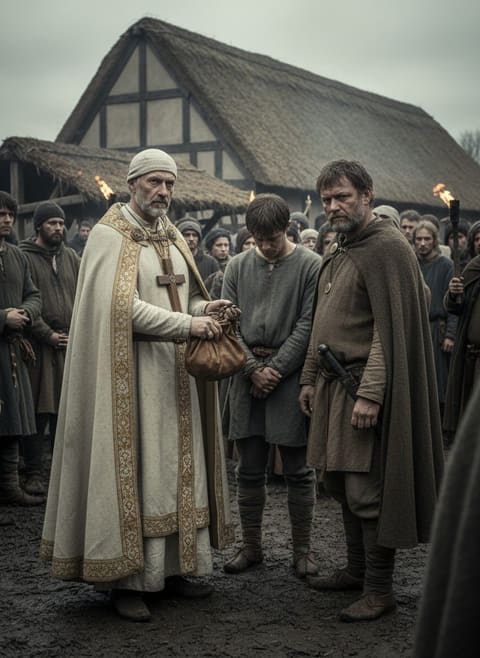
Guthlac's death in 714 came not in demonic battle, but quietly, surrounded by the disciples who had gradually joined him in the fens. Felix records that in his final years, the nightly attacks had ceased—not because the demons had given up, but because they no longer had power over him. He had achieved something extraordinary: complete fearlessness in the face of the unknown.
But the story doesn't end there. Within decades of his death, Crowland had transformed from a place of terror into one of the most important pilgrimage sites in England. A great abbey rose where his simple hermitage had stood, and the marshes that had once echoed with demonic screams now rang with the voices of monks singing praise. The very landscape that had been cursed became sacred, a transformation that speaks to the power of one individual's refusal to be conquered by fear.
The Guthlac Roll, an extraordinary 18-foot-long illustrated manuscript created around 1210, preserves vivid depictions of his demonic battles with an artistic intensity that suggests these stories retained their power to terrify and inspire centuries after his death. These weren't just pious tales for medieval audiences—they were psychological thrillers that spoke to universal human experiences of fear, isolation, and the struggle to maintain faith in the face of overwhelming darkness.
Why Guthlac Matters Now
In our age of anxiety and division, Guthlac's story resonates with surprising relevance. He chose to confront rather than flee from the things that terrified him most. He faced down not just personal demons, but the collective trauma embedded in the very landscape around him. Most remarkably, he transformed a place of fear into a space of sanctuary—not by denying its dark history, but by refusing to let that darkness define its future.
Whether we interpret his demons as literal supernatural entities, as psychological manifestations of trauma and guilt, or as symbolic representations of the social tensions of conquest-era England, Guthlac's response remains powerful: he stayed. For fifteen years, through terror and isolation, through physical hardship and spiritual crisis, he held his ground. In doing so, he didn't just become a saint—he became proof that even the most haunted places can be reclaimed, that even the deepest fears can be faced down, and that sometimes the most profound victories come not from conquest, but from the simple, stubborn refusal to run away.
In the end, perhaps that's why this young warrior's choice to abandon his comfortable life for a demon-haunted marsh has echoed through a thousand years of English folklore. Guthlac didn't just fight monsters in the Lincolnshire fens—he showed us all how monsters can be fought.