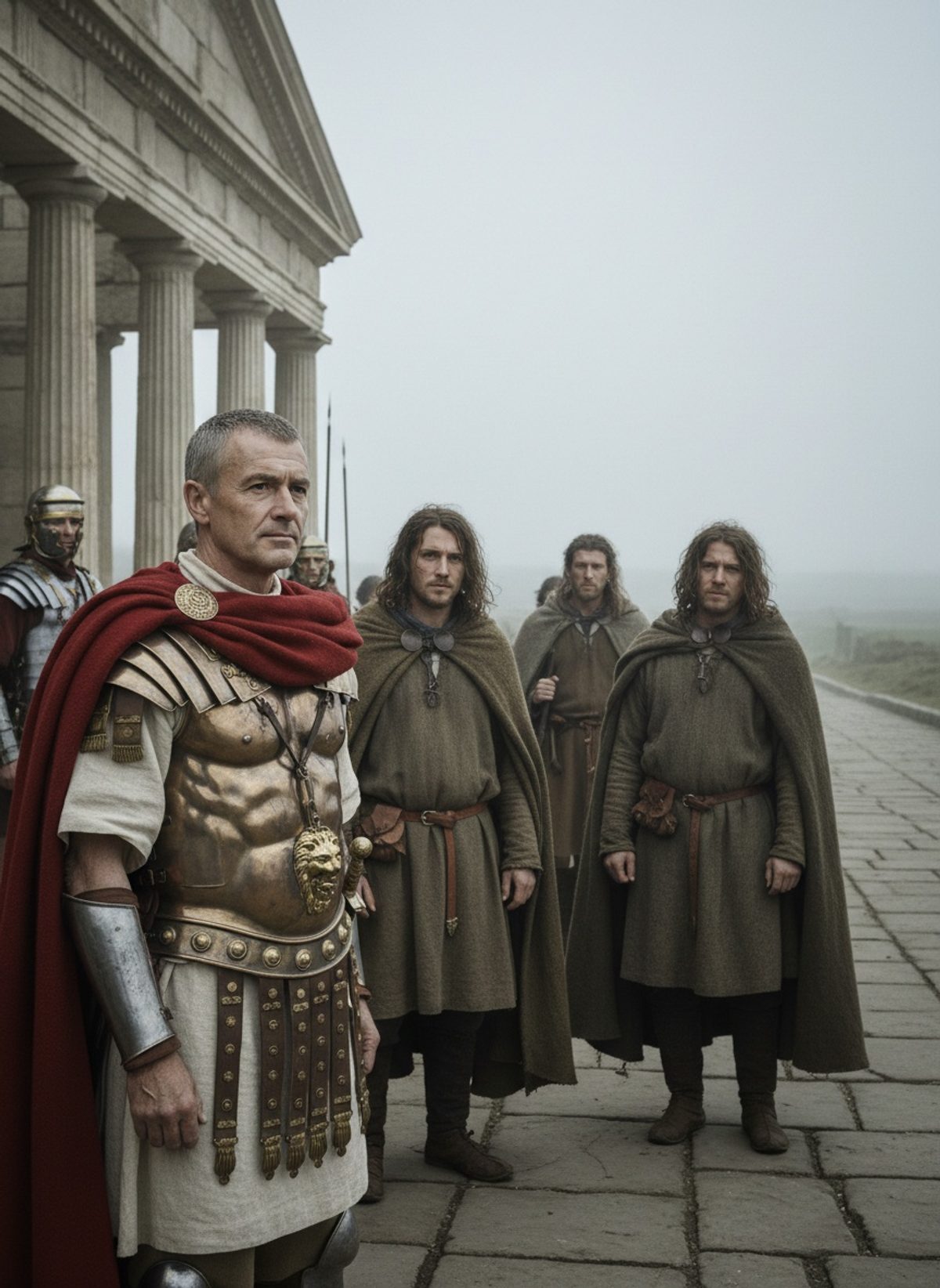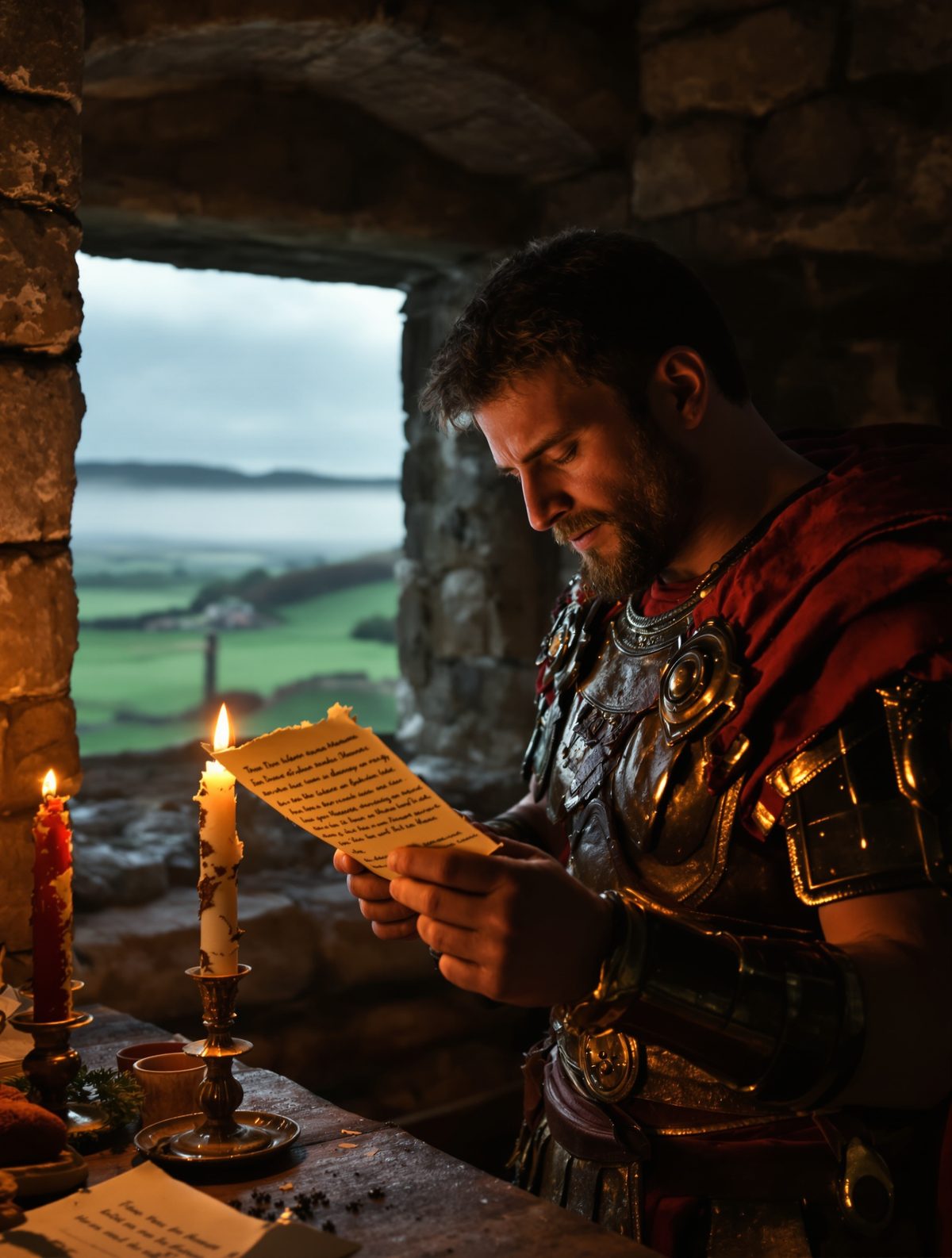
In the year 100 AD, as autumn mist swirled around the wooden palisades of Vindolanda fort, a Roman officer named Flavius Cerialis received mail that would outlive the empire itself. Tucked among routine military dispatches and supply requests was a small piece of birch bark bearing an invitation that sparkled with unexpected warmth: "I give you a warm invitation to make sure you come to us, to make the day more enjoyable for me by your arrival."
The writer wasn't some faceless bureaucrat or fellow soldier—it was Claudia Severa, wife of another Roman officer, inviting Cerialis' wife Sulpicia Lepidina to her birthday celebration. What makes this seemingly ordinary social note extraordinary is that it represents the earliest known example of writing by a woman in Britain, preserved by a miraculous quirk of chemistry and clay that turned a muddy Roman rubbish heap into history's most intimate time capsule.
A Fort at the Edge of the World
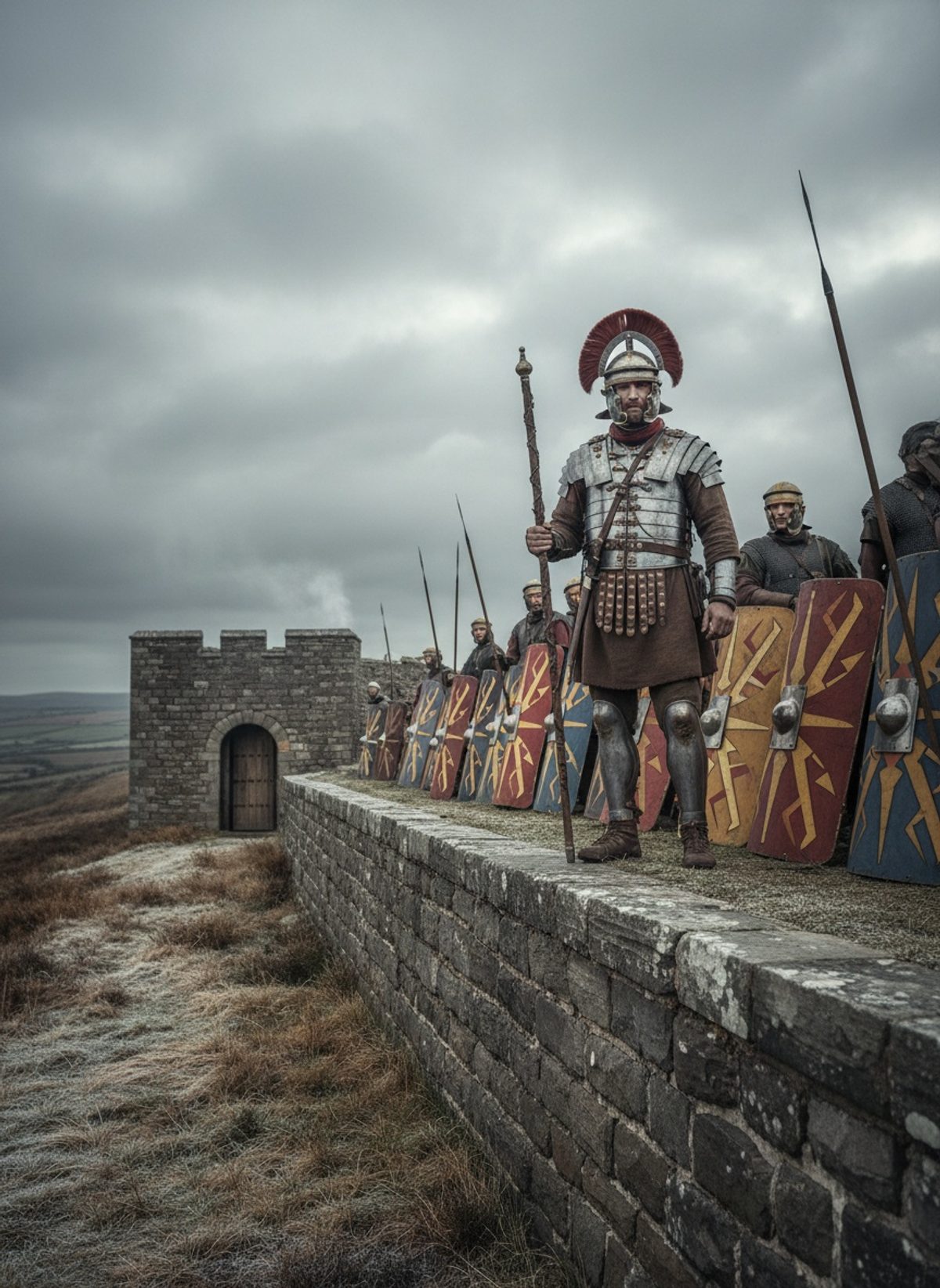
Vindolanda wasn't just any military outpost—it was Rome's statement of intent carved into the wild northern frontier, decades before Hadrian's Wall would mark the empire's final boundary. Perched on a ridge in what is now Northumberland, this timber fort housed around 1,000 men and their families, a pocket of Mediterranean civilization dropped into the heart of Celtic Britain.
The fort buzzed with activity that would seem surprisingly familiar to modern military families. Soldiers drilled in the morning fog, merchants hawked exotic goods from across the empire, and children played between the barracks while their mothers gossiped over wine imported from Gaul. Archaeological evidence reveals a community that enjoyed luxuries like silk, pepper from India, and even cosmetic pigments—hardly the grim frontier existence we might imagine.
Read next: The Day a Roman Soldier Defied an Emperor to Free a Province
But it was the fort's peculiar geology that transformed Vindolanda into an archaeological goldmine. The anaerobic clay beneath the timber buildings created perfect conditions for preserving organic materials that would have rotted away anywhere else. While most Roman sites yield only pottery shards and stone foundations, Vindolanda has given us leather shoes still supple after two millennia, wooden combs with hair still tangled in their teeth, and most remarkably of all, over 1,700 handwritten documents on wafer-thin slices of birch and alder wood.
The Birthday Girl and Her Circle
Claudia Severa was no ordinary military wife. As the spouse of Aelius Brocchus, commander of a nearby fort, she occupied a position of considerable social standing in this remote corner of the empire. Her birthday invitation, written around 100 AD, reveals a woman confident enough to extend personal invitations and maintain her own correspondence—a level of literacy and social autonomy that challenges many assumptions about women's roles in Roman society.
The invitation itself is a masterpiece of ancient etiquette, written primarily by a professional scribe in elegant Latin but signed personally by Claudia in her own hand: "I shall expect you, sister. Farewell, sister, my dearest soul, as I hope to prosper, and hail." The affectionate term "sister" suggests these weren't just military wives making polite conversation—they were genuine friends separated by the vast distances of frontier duty.
What makes this correspondence even more remarkable is the glimpse it provides into the social networks that sustained Roman Britain's elite. These women weren't isolated in their frontier forts; they maintained sophisticated social calendars, exchanged gifts, and clearly had the leisure time and resources to plan elaborate birthday celebrations. Sulpicia Lepidina, the intended guest, appears in other Vindolanda tablets as someone who received shipments of luxury goods and maintained her own household staff.
Messages from the Mud
The discovery of Claudia's invitation in 1973 sent shockwaves through the archaeological world, but it was just one jewel in a treasure trove that revolutionized our understanding of Roman Britain. The Vindolanda tablets, as they became known, contained everything from military reports and shopping lists to personal letters and even a dinner party invitation that casually mentioned sending a slave to fetch oysters from the coast.
These weren't formal documents intended for posterity—they were the Roman equivalent of Post-it notes, grocery lists, and text messages. One tablet records a soldier's mother sending him underwear and socks with a note saying "I have sent you pairs of socks, two pairs of sandals and two pairs of underpants"—surely history's most endearing care package. Another preserves a commanding officer's frustrated complaint about his men's poor equipment: "the cavalry are naked"—meaning they lacked proper armor, not that they were riding around unclothed.
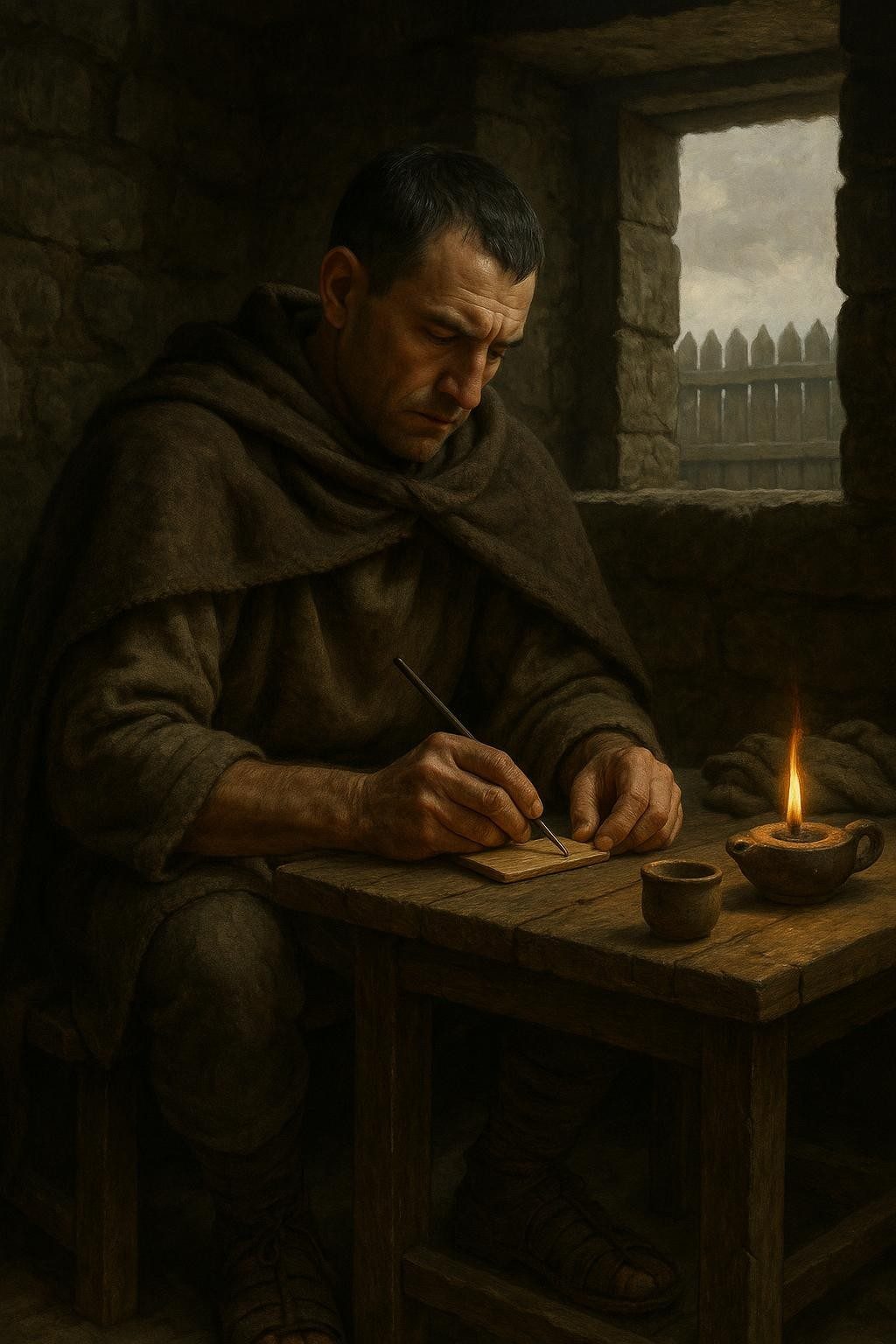
The writing technology itself was ingenious. Scribes would shave birch or alder bark into sheets thinner than cardboard, creating a surface smooth enough to write on with reed pens and carbon-based ink. When folded and tied with string, these wooden postcards were tough enough to survive the Roman postal system—and apparently tough enough to survive 2,000 years in Northumberland mud.
A Woman's Hand in Ancient Britain
What makes Claudia Severa's invitation truly groundbreaking isn't just its age, but what it reveals about female literacy in Roman Britain. For decades, historians assumed that writing was primarily a male preserve in the ancient world, with women largely excluded from formal education. Claudia's confident handwriting and personal signature shatter that assumption.
Analysis of her handwriting reveals someone comfortable with a pen, suggesting she wrote regularly rather than struggling through an occasional letter. This implies not only personal literacy but access to education—a privilege that speaks to her social class and the sophisticated urban culture that Rome established even in its remotest provinces.
The content of her message is equally revealing. Rather than the formal, distant tone we might expect from official Roman correspondence, Claudia writes with genuine warmth and affection. She doesn't just invite her friend—she practically pleads with her to come, emphasizing how much the visit would mean to her. It's a reminder that beneath the armor and military discipline of frontier life, real friendships flourished and real emotions drove daily decisions.
Even more intriguingly, other tablets from Vindolanda reference women engaged in business transactions, managing households, and maintaining correspondence networks that stretched across Britain and back to the continent. These weren't isolated cases but evidence of a vibrant female culture that historians are only now beginning to fully appreciate.
The Empire's Human Face
The Vindolanda tablets transformed our understanding of Roman Britain from a story of military conquest to one of cultural transplantation. These documents reveal an empire held together not just by legions and roads, but by personal relationships, shared customs, and the simple human need for connection. Soldiers wrote home for money, complained about the British weather, and gossiped about their commanding officers with a familiarity that makes them seem remarkably modern.
Claudia's birthday invitation sits at the heart of this revelation. Here was a woman maintaining Mediterranean social customs in a timber fort beyond the edge of the known world, confident that her friend would understand the importance of birthday celebrations and female friendship. The invitation worked both ways—it maintained civilized customs in an uncivilized place, but it also showed how empire was built through countless personal relationships rather than mere military domination.
The archaeological context makes this even more poignant. Claudia's invitation was found in what amounted to an ancient trash heap, discarded after the party was over and forgotten until British archaeologists pulled it from the mud nearly two millennia later. What seemed disposable to its original recipients has become one of our most precious windows into the ancient world.
A Birthday That Outlasted an Empire
Today, Claudia Severa's birthday invitation sits in the British Museum, its faded ink still legible under special lighting. Visitors often pause longer at this small piece of bark than at elaborate Roman mosaics or golden treasure hoards. There's something deeply moving about reading the actual words of a woman who lived and loved and worried about whether her friends would show up to her party—concerns that transcend the centuries between her world and ours.
Her invitation reminds us that history isn't just about emperors and battles, but about the countless personal moments that actually make life worth living. While Hadrian's Wall still stands as a testament to Roman engineering, Claudia's words survive as proof that the real strength of any civilization lies in its capacity for human connection.
In an age of digital communication where our messages might not survive the next software update, there's something wonderfully ironic about a birthday invitation written on tree bark that has outlasted the empire that produced it. Perhaps Claudia's greatest achievement wasn't throwing a memorable party, but showing us that the most important monuments we leave behind aren't made of stone—they're made of the love and friendship we share with others.