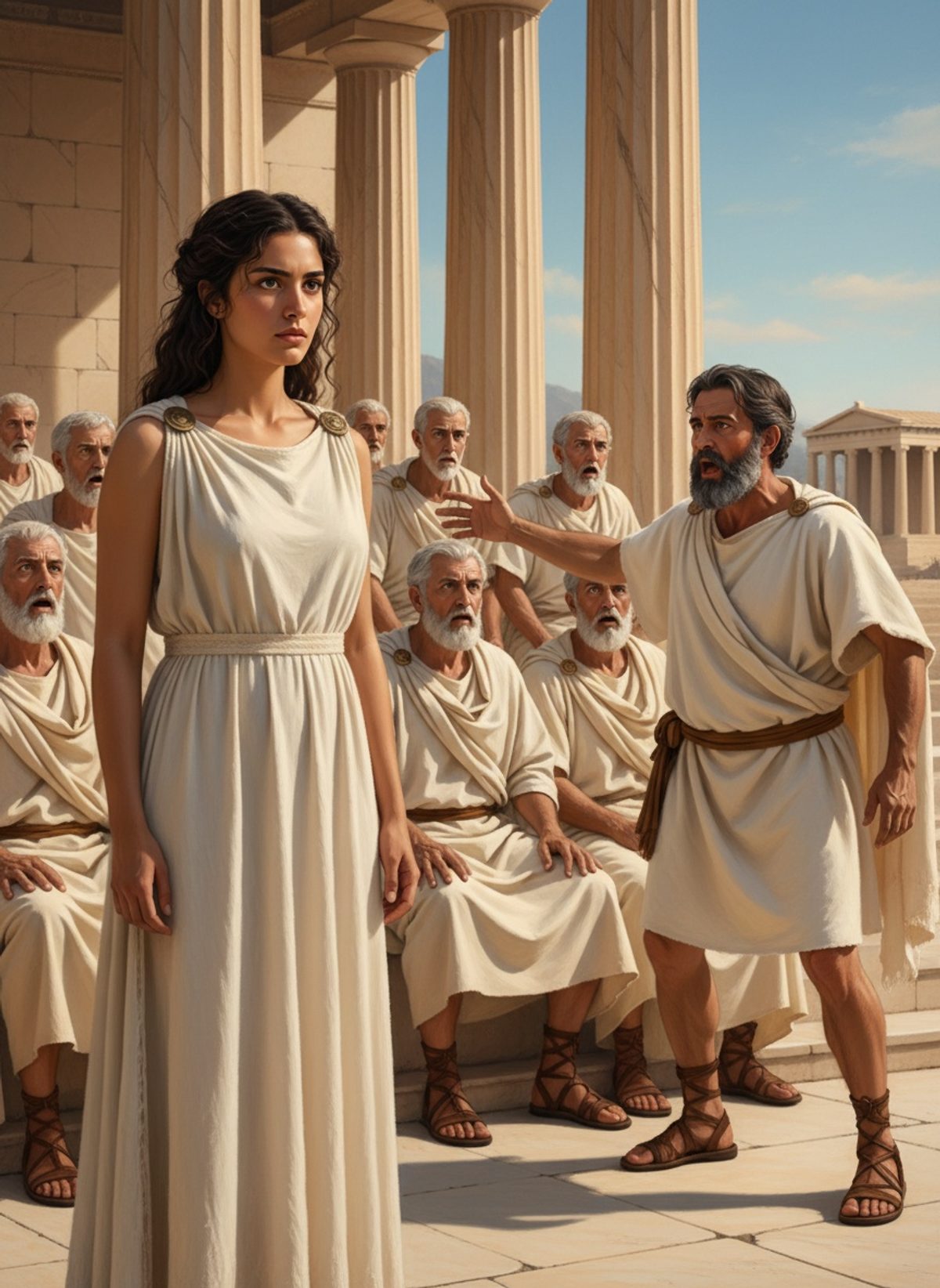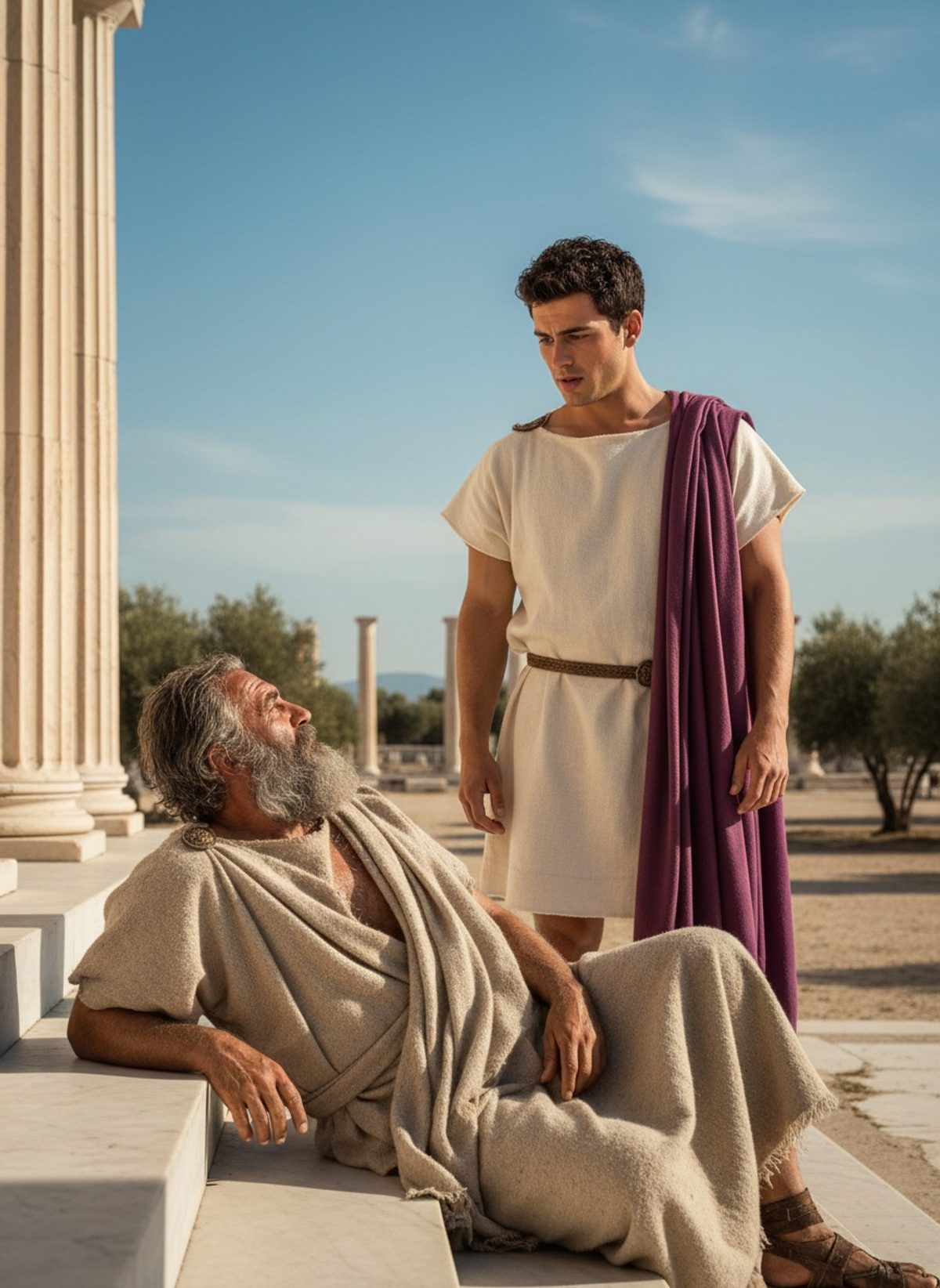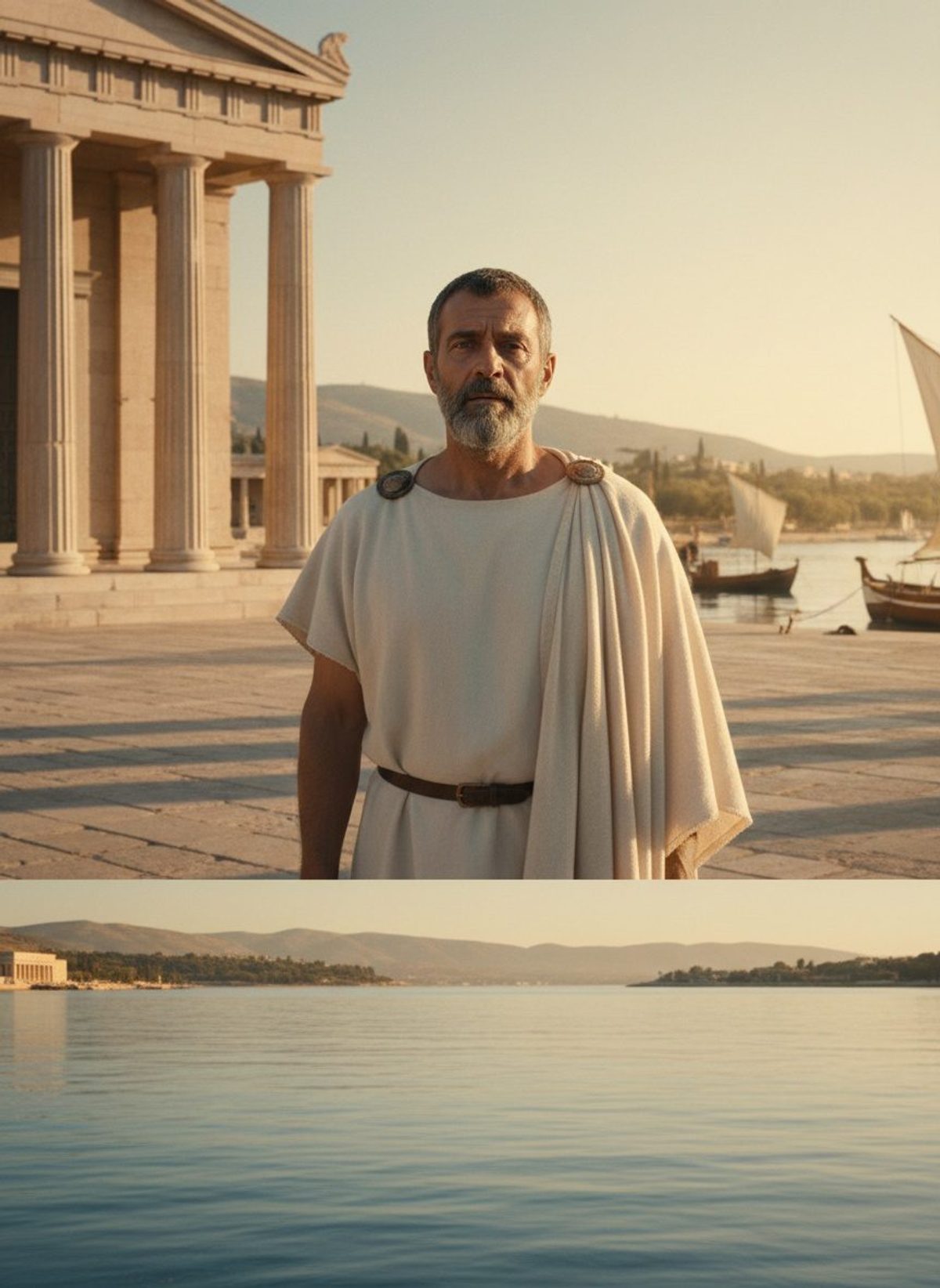
The early morning light of Sicily poured gently over the horizon, the sun inching its way up to cast a golden path across the water. The air was heavy with the promise of a new day, a respite from the darkness of the night—a darkness that loomed over the city of Syracuse. Once a thriving hub of culture and power, Syracuse now lay shackled under the iron grip of tyranny. Yet hope was on the horizon, sailing with the dawn's arrival. Timoleon of Corinth, a man whose reputation was as much a tapestry of shadows as it was of light, was closing in on his destiny.
With just a few ships, Timoleon approached Sicily like a whispered possibility, almost an apparition in the hopes of those who yearned for the city to breathe again. The odds seemed insurmountable. Generals before him had led vast armies to their doom against the backdrop of a city too familiar with the groans of oppression. Yet, Timoleon bore more than just soldiers—he carried the will and aspirations of men and women longing for freedom.
Years before, Timoleon had etched his name into the annals of history's relentless ledger when fate forced his hand against his own brother—a tyrant then, whose removal paved a path of redemption for Timoleon. It was this act that had set him apart, his moral compass a guide through stormy seas. Corinthians, though divided in their views of fratricide, recognized the purity of his cause. And so, at the call from Syracuse, a city bound in chains, Timoleon once more found an arena where the stakes were uncompromisingly human.
The setting was stark when Timoleon arrived. The acrid scent of oppression mingled with the salt of the sea, heavy in the air. Those cities under the tyranny's thumb had seen their lives shrunk to a narrow vista through which hope rarely pierced. And worse still, it always seemed like a challenge with no end, a continual cycling under new oppressors, just as cruel and as demanding as the old.
Read next: Damon Walked Into the Cell. Pythias Walked Free.
Timoleon's solution was unlike anything recorded before. Upon landing, he did not only think of military might or conquest. His thoughts were as deft and strategic as a seasoned chess player contemplating several moves ahead. Against a dictator whose reach extended like a deadly parasite, Timoleon understood that brute force alone was not the avenue to victory. His plan rippled out with the cunning of a strategist and the heart of a liberator.
The method was audacious—integrating diplomacy and ingenuity with force when necessary. He engaged with Syracusans, gathering intelligence, assessing allies, and sowing discord within tyrannical loyalties. As rumors of his resolve reverberated through the streets and markets, shifting loyalties became both a weapon and a shield. Soon, not just a force of arms but a force of people was his to command.
Victory, when it finally arrived, was less a thunderous clash and more a feeling—a collective shedding of shackles. The surge of liberation was a river that swept away the tyrant's last remnants. The city, once stifled and choked under heavy clouds, now resonated with the sounds of celebration and unearthed dreams. Syracuse stood emancipated, its people stepping cautiously into self-determination under a sky that felt remarkably endless.
And then, as abrupt as his arrival, came perhaps the most astonishing act by Timoleon. For when a leader liberates and conquers, they often trade one yoke for another—their name becoming the new anthem under which the city marches. But at the zenith of this transformative victory, Timoleon quietly dismantled his army. A release of power so unprecedented that it sent a tremor through the very understanding of what it meant to conquer and rule.
With the army disbanded, the land itself seemed to draw a breath. Yet, in those moments of profound quiet triumph, Timoleon stood nearly alone. In a world addicted to the perpetuation of power, here was a man unmarred by the intoxicating draw of absolute dominion. Instead, whispers tell of him weeping—tears not solely of triumph but of an understanding deeper than conquest itself. For as the city sang, Timoleon grasped the profound cost of loss, of violence, and the painful beauty of newly gained freedom.
His journey, from the shadows of killing a brother to liberating a people with an unclouded heart, speaks volumes of human complexity. It reminds us that victory isn't just measured by cities freed or enemies vanquished, but in the choices made away from the roars of battle. As he chose to walk away, Timoleon left behind not only an unshackled city but a legacy of new possibilities. It was a testament to the idea that true freedom lies not solely in liberation, but in the power to surrender the chains of command and trust the newly freed to guide their own fates. It echoes through time, a reminder that sometimes the greatest victories are won in the silence that follows a storm.