82 stories
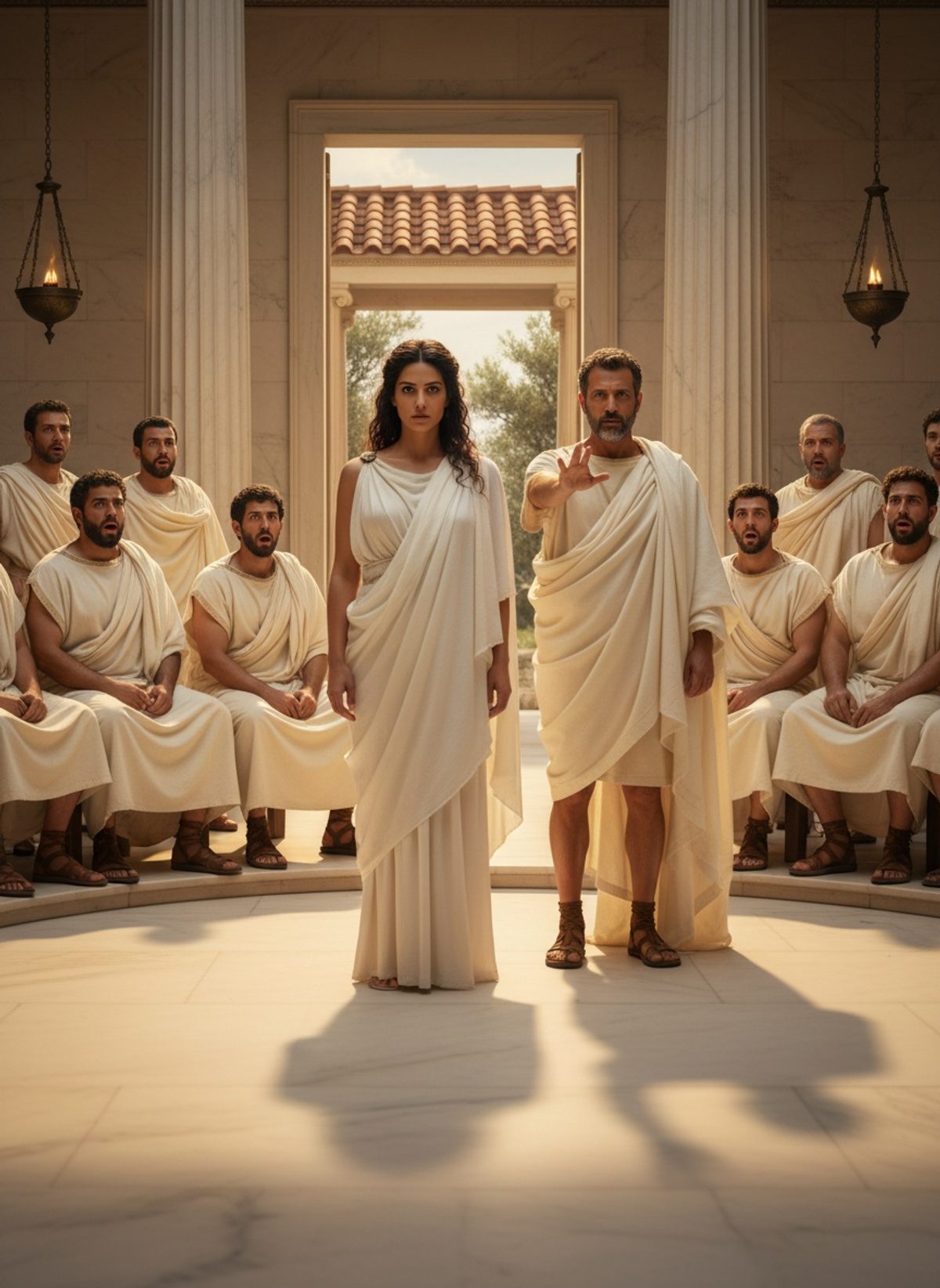
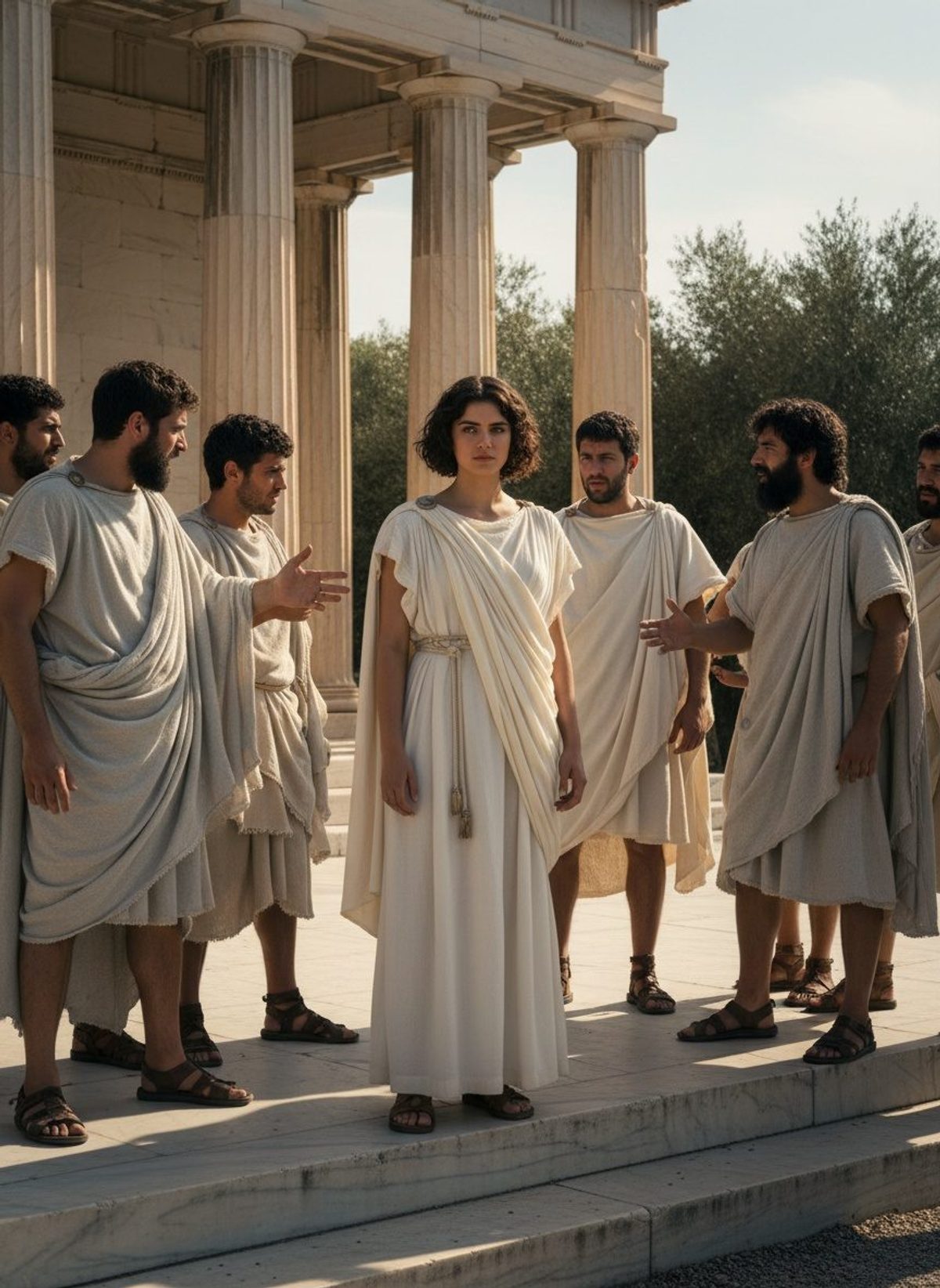
Athens, 350 BC. Phryne faced death for impiety. Her lawyer Hypereides was losing. He tore open her robe. The jury saw. They acquitted her on the spot.
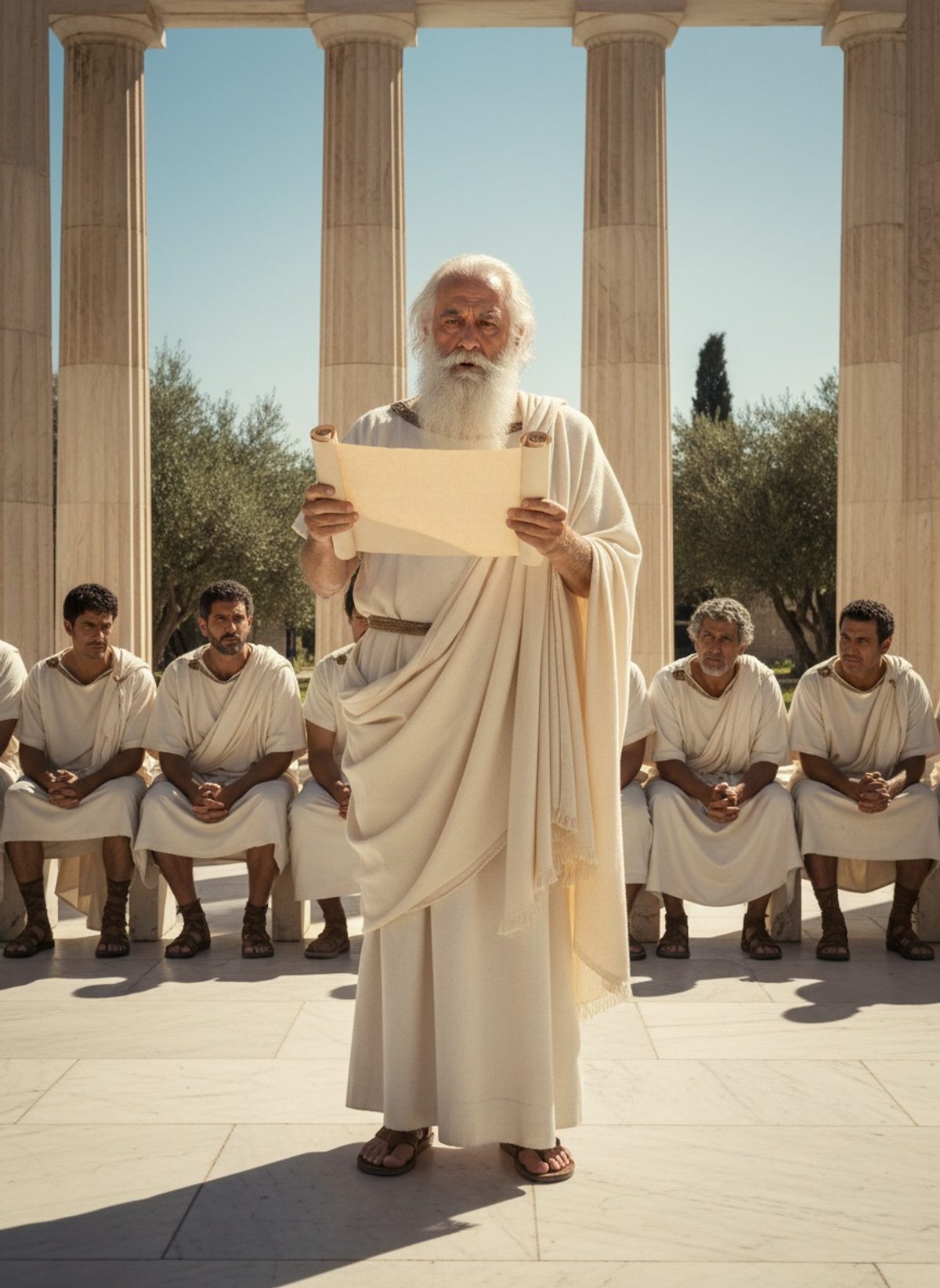
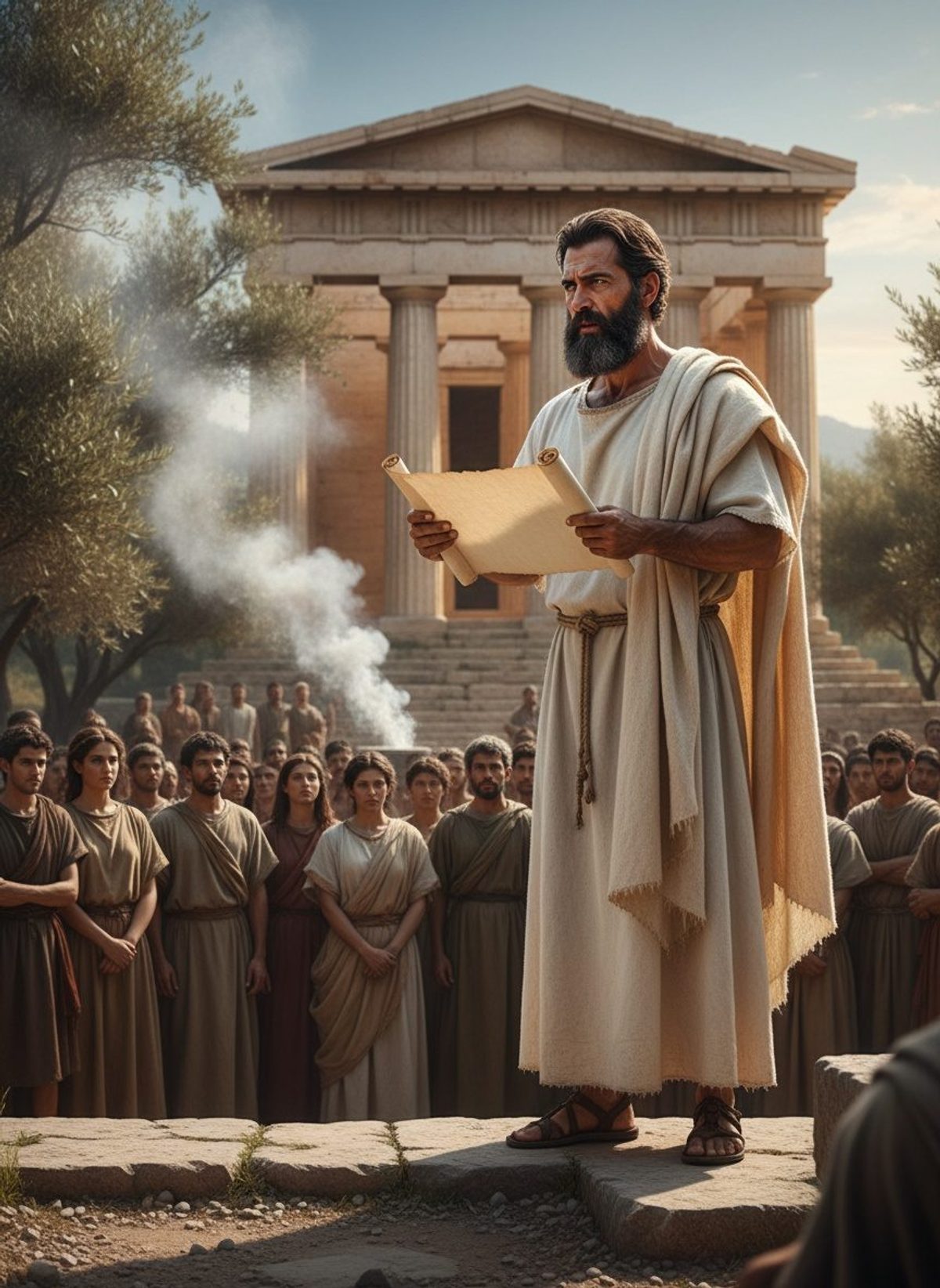
Athens, 406 BC. Sophocles was ninety. His family sued him for senility. They wanted control of his estate. He stood before the judges. He read aloud from his new play. The court dismissed the case.
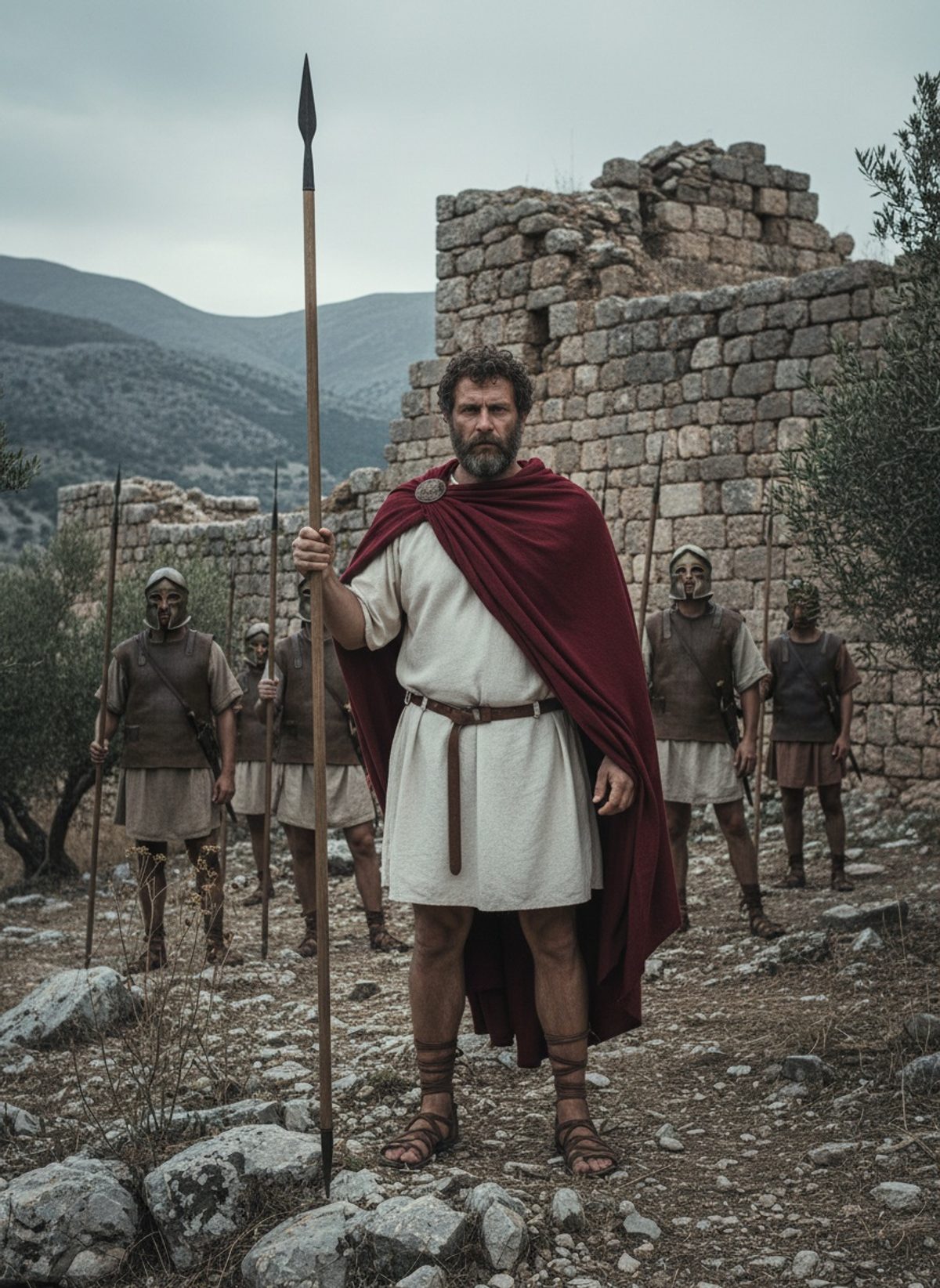
320 BC. Every general had abandoned Eumenes. He had one fortress, dwindling rations, and a price on his head. He gathered the last men who would follow him. Then he marched back into the war.
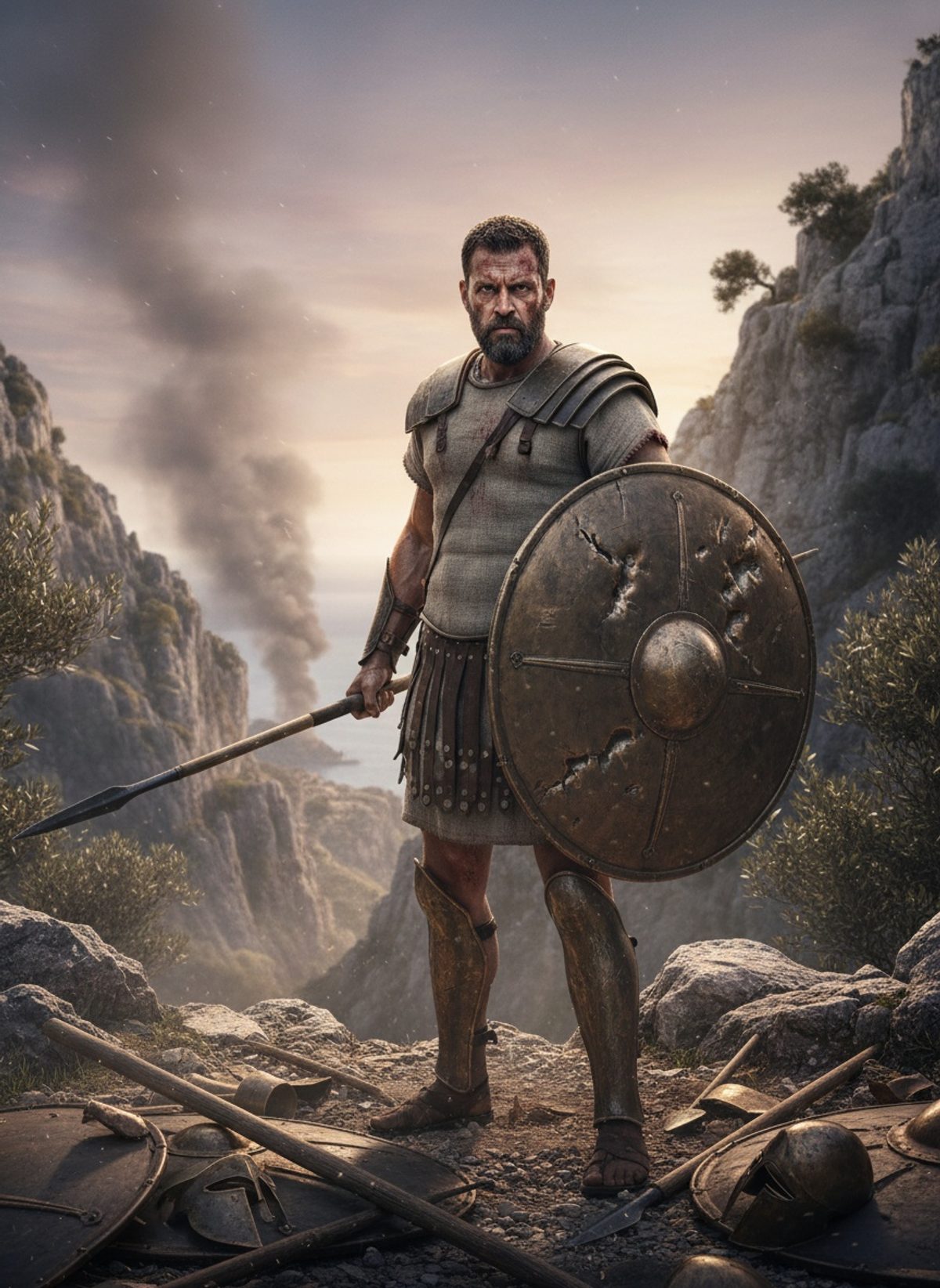
480 BC. Thermopylae had fallen. The Spartans were dead. One Greek soldier kept fighting alone. His name was Aristodemus. He had been sent home before the battle. He came back anyway.
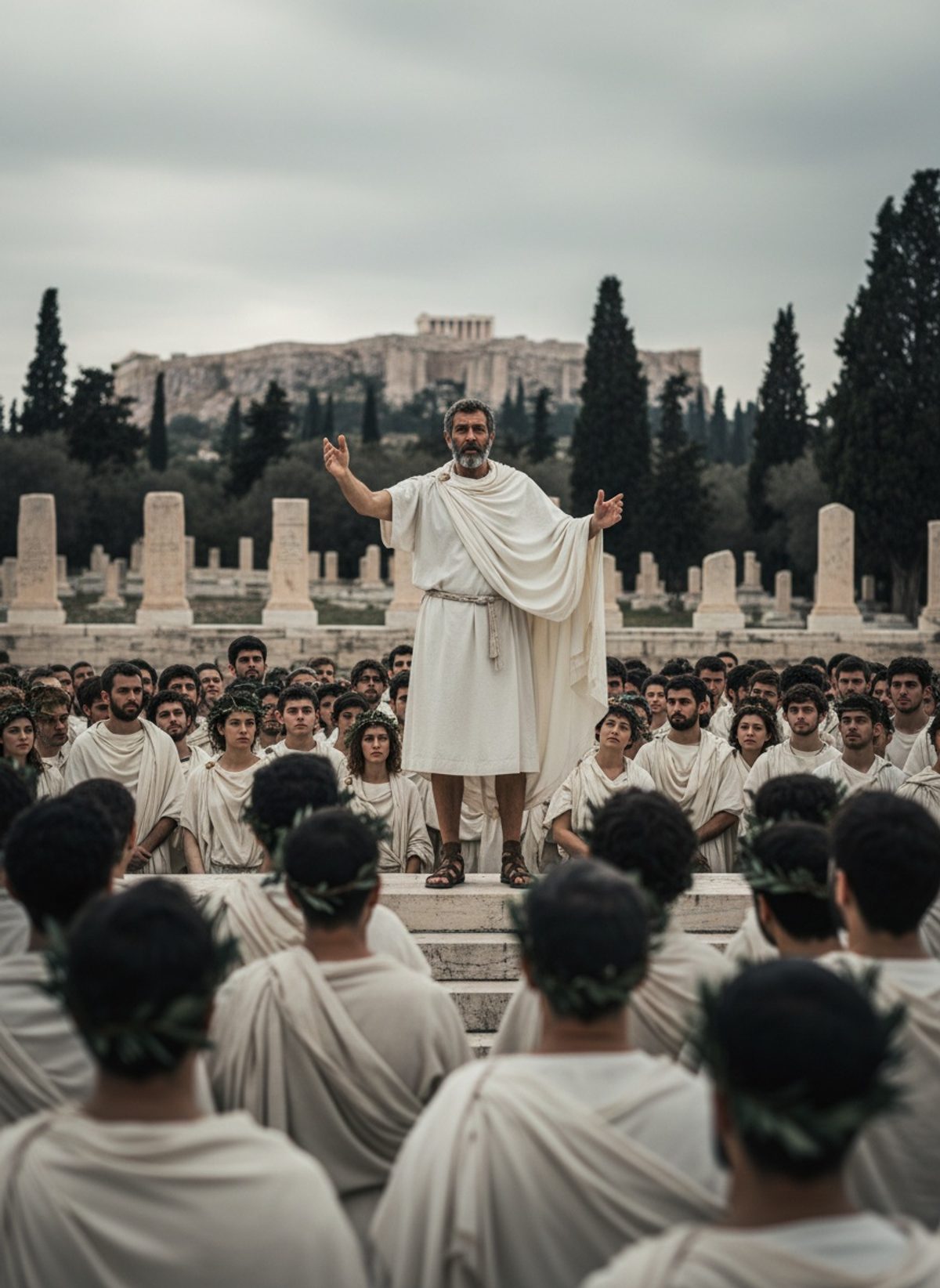
Athens. 431 BC. The first soldiers of the Peloponnesian War were dead. A man stepped forward. No god. No king. He spoke only of the living. Every word was a choice. Greece was never the same.
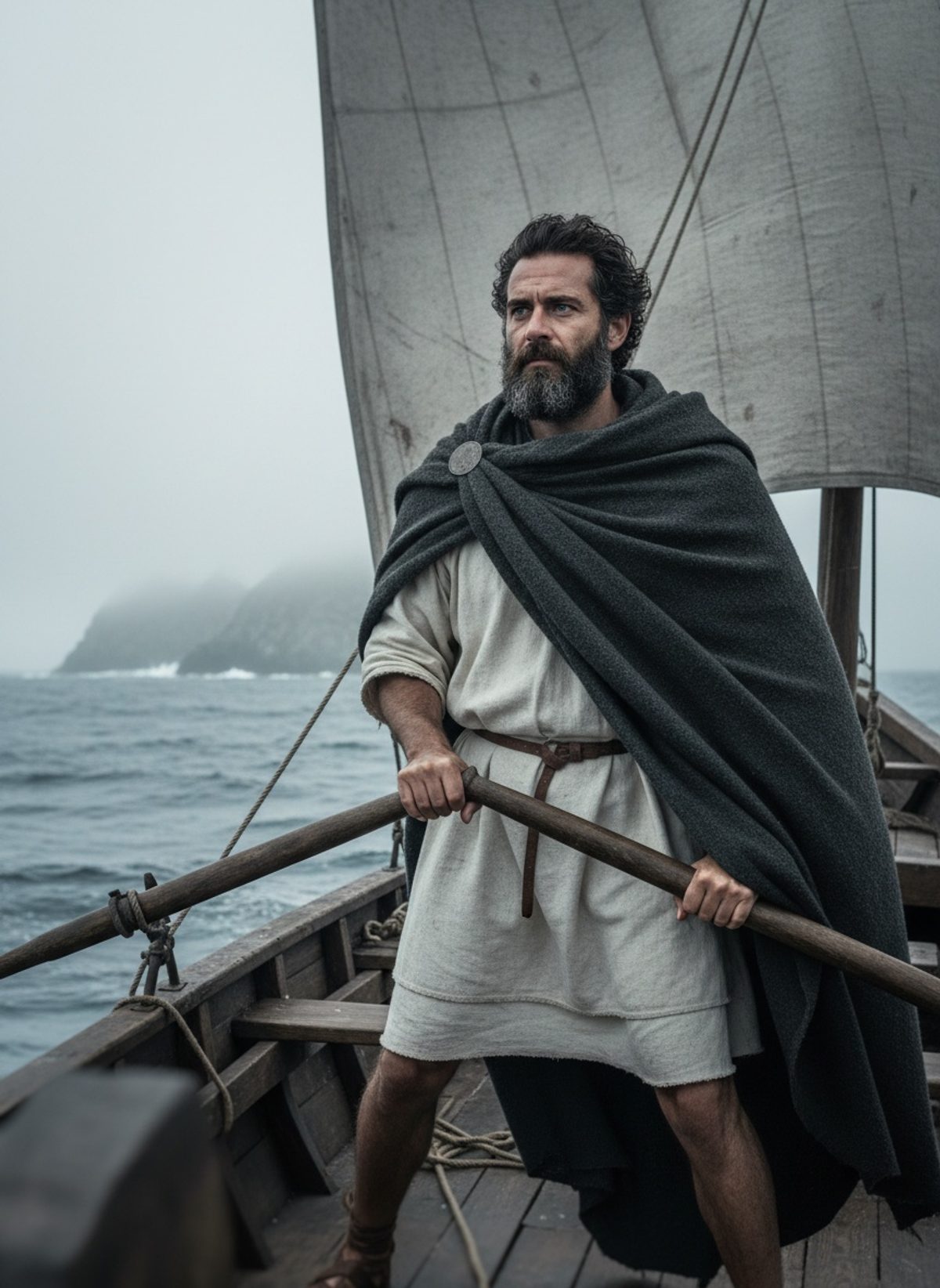
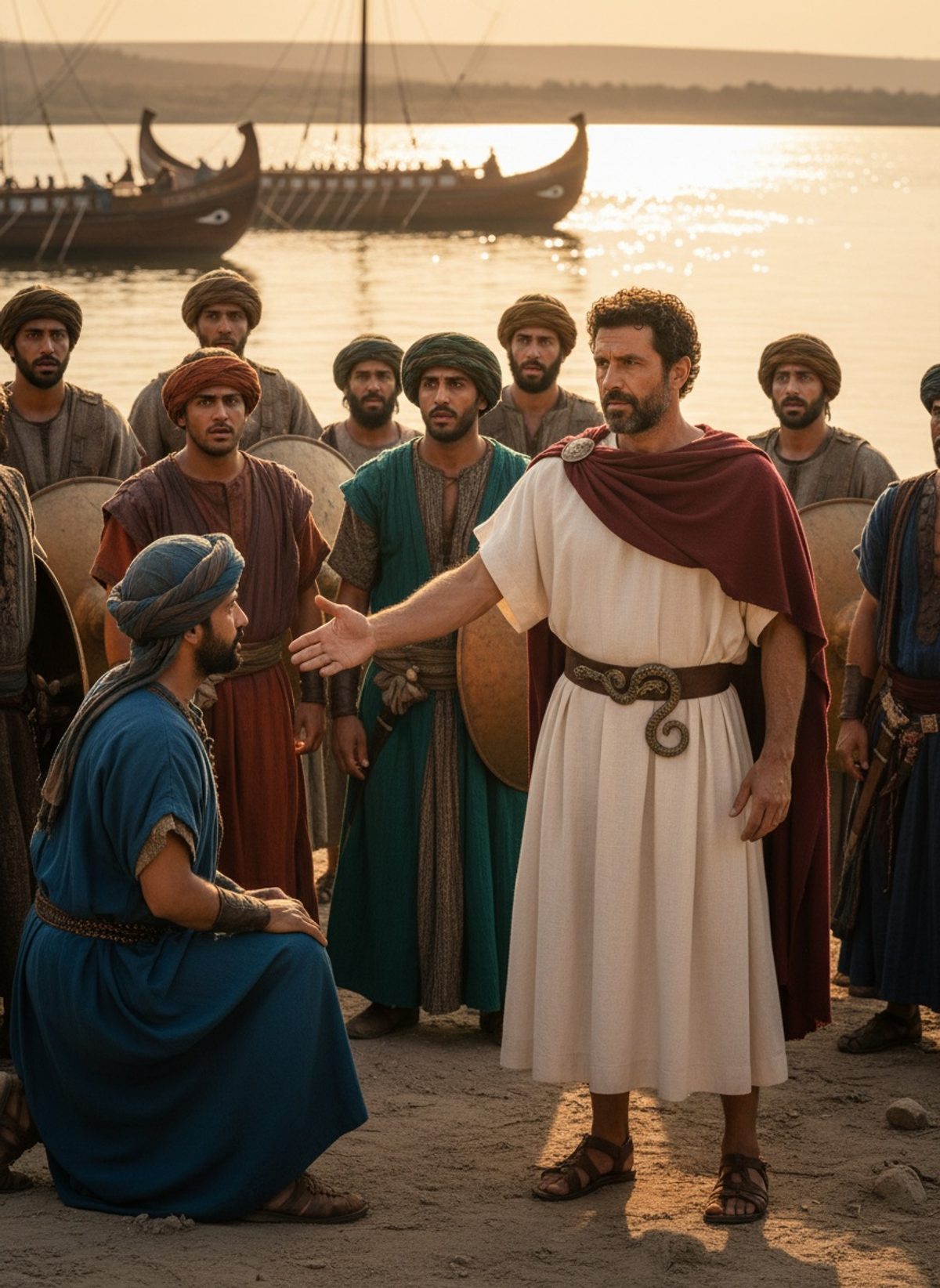
522 BC. Polycrates ruled Samos. No fleet could match him. Then a Persian letter arrived. He sailed toward it. He never came back.
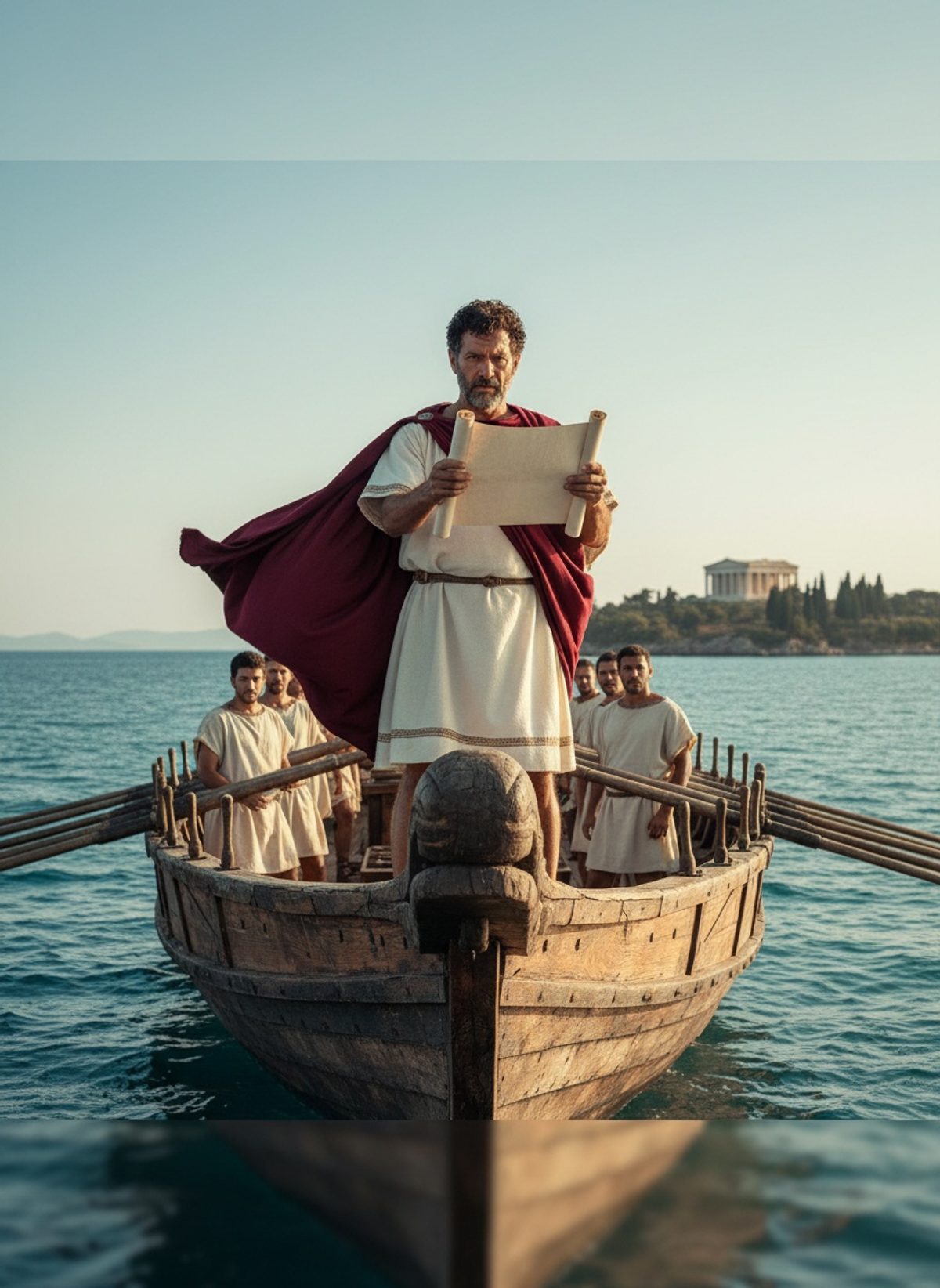
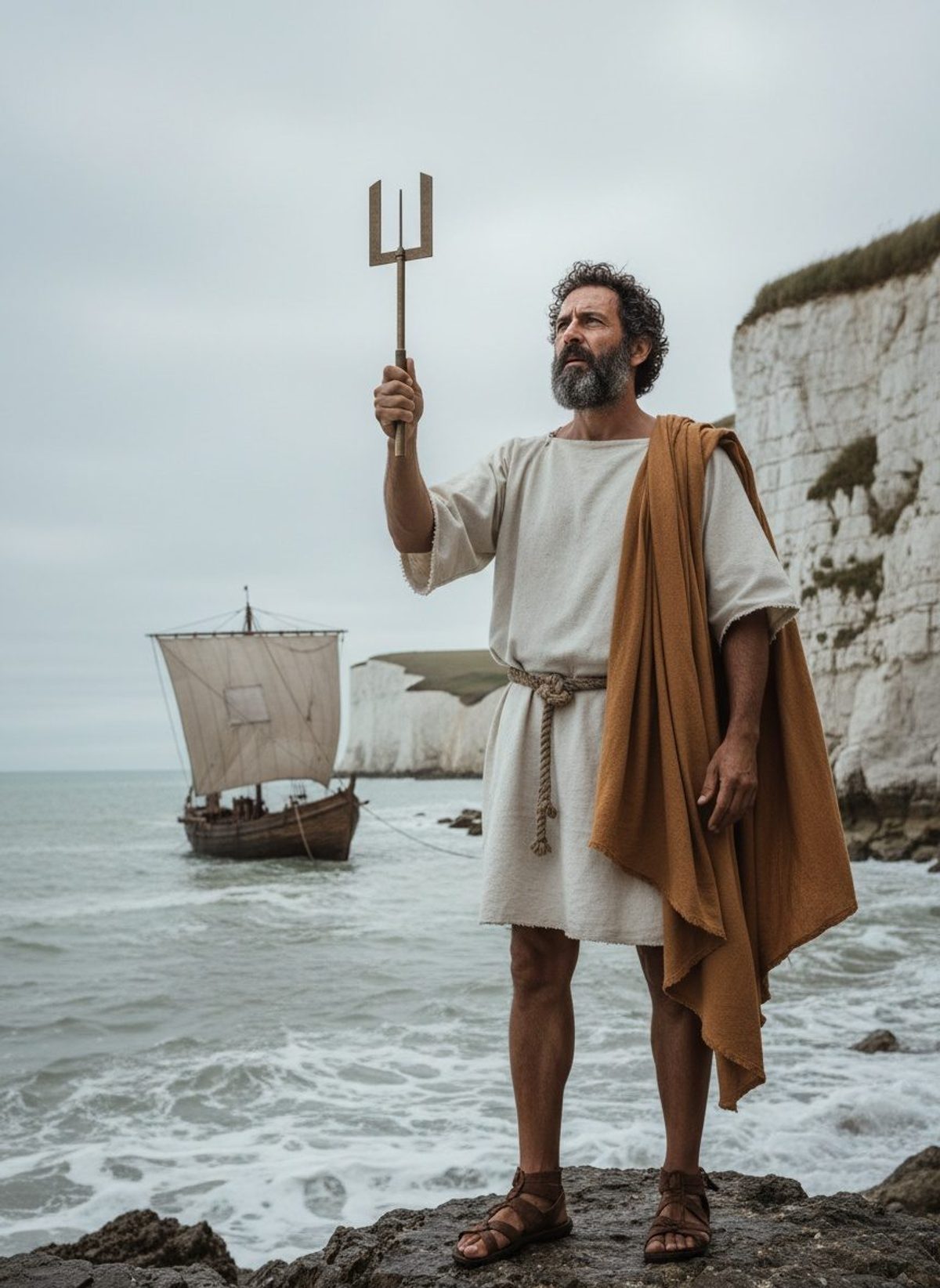
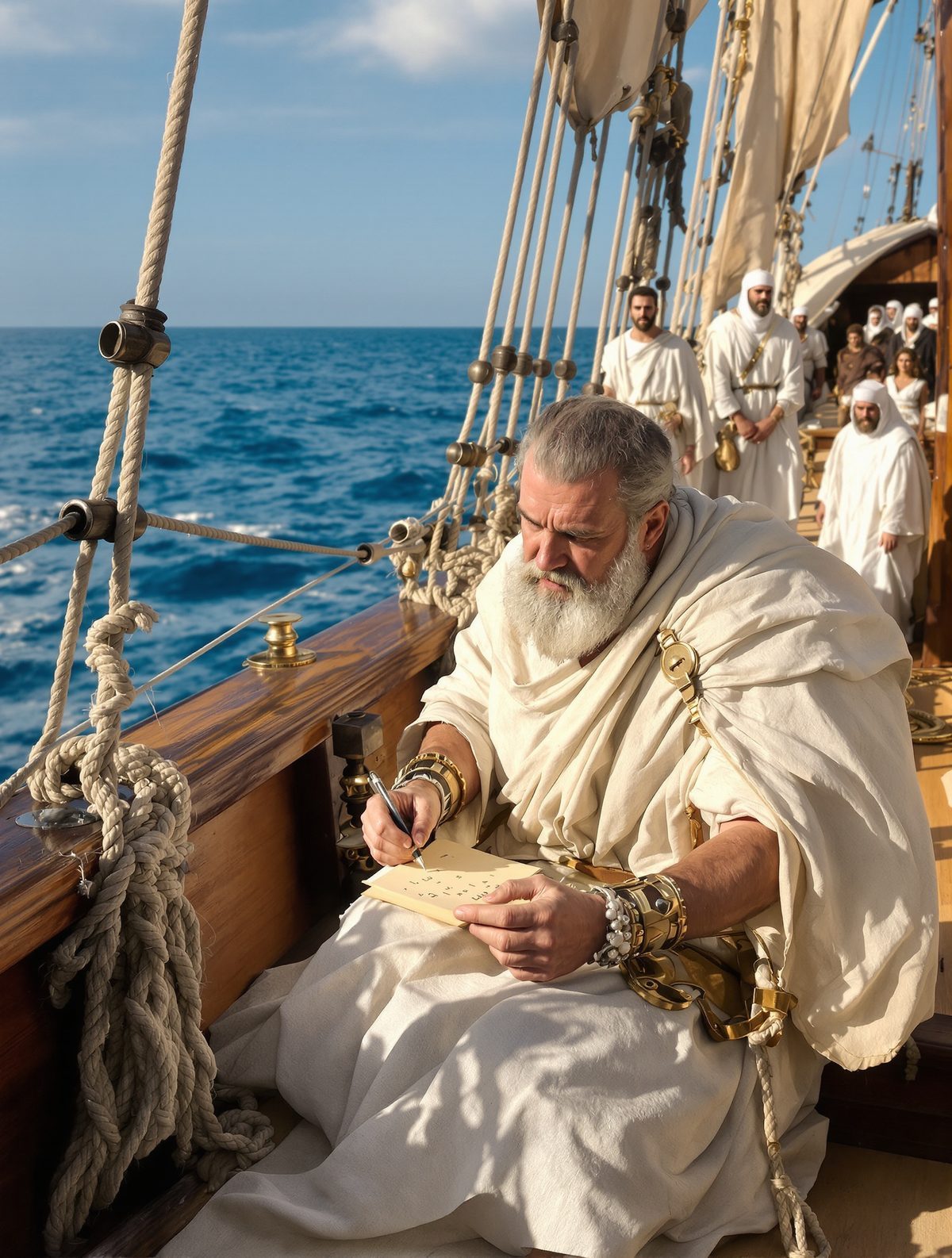
325 BC. A Greek merchant from Massalia sailed north alone. Past Britain. Past ice. Into a sea no Greek had seen. He came back. No one believed him. He wrote it all down anyway.
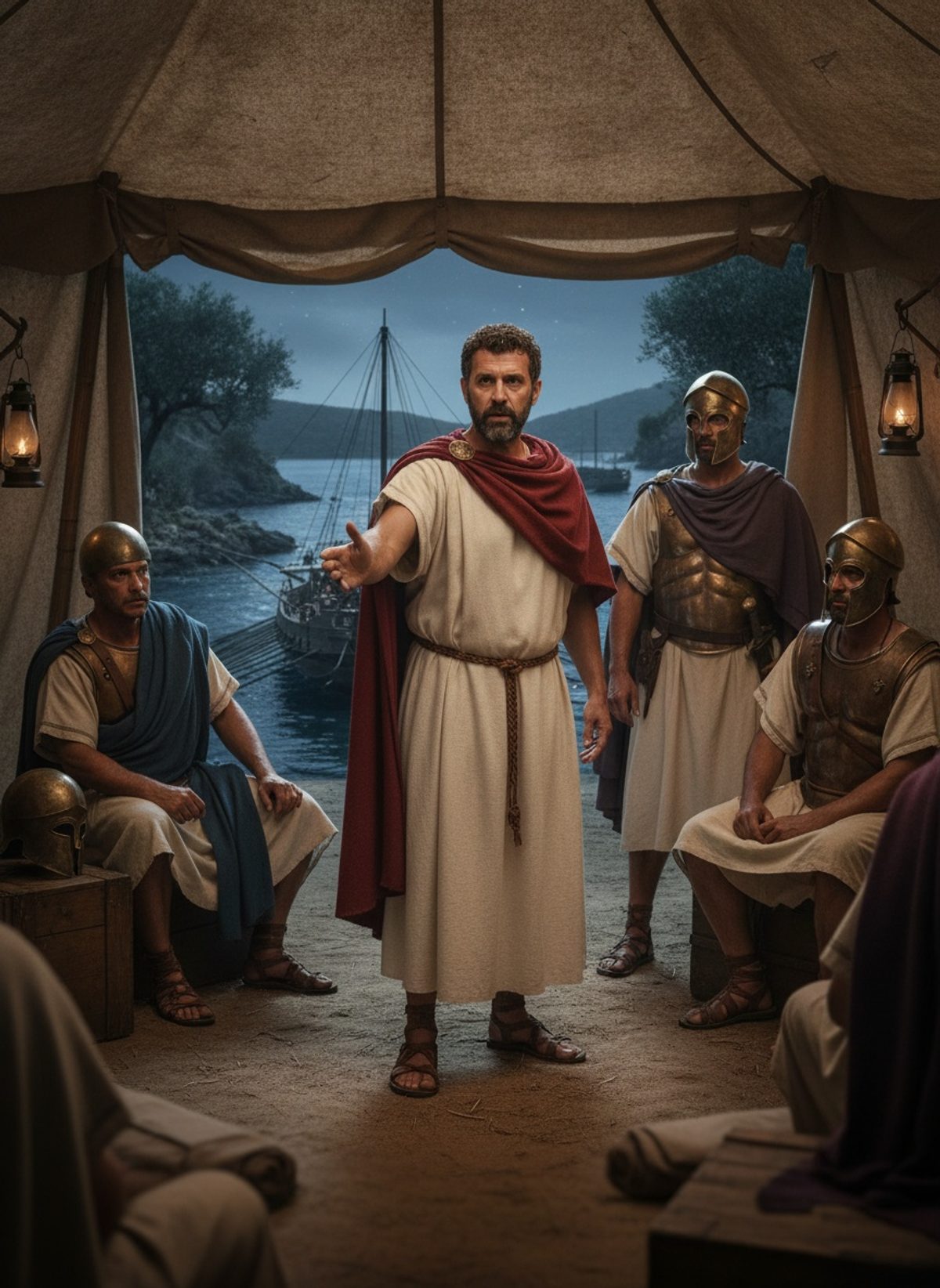
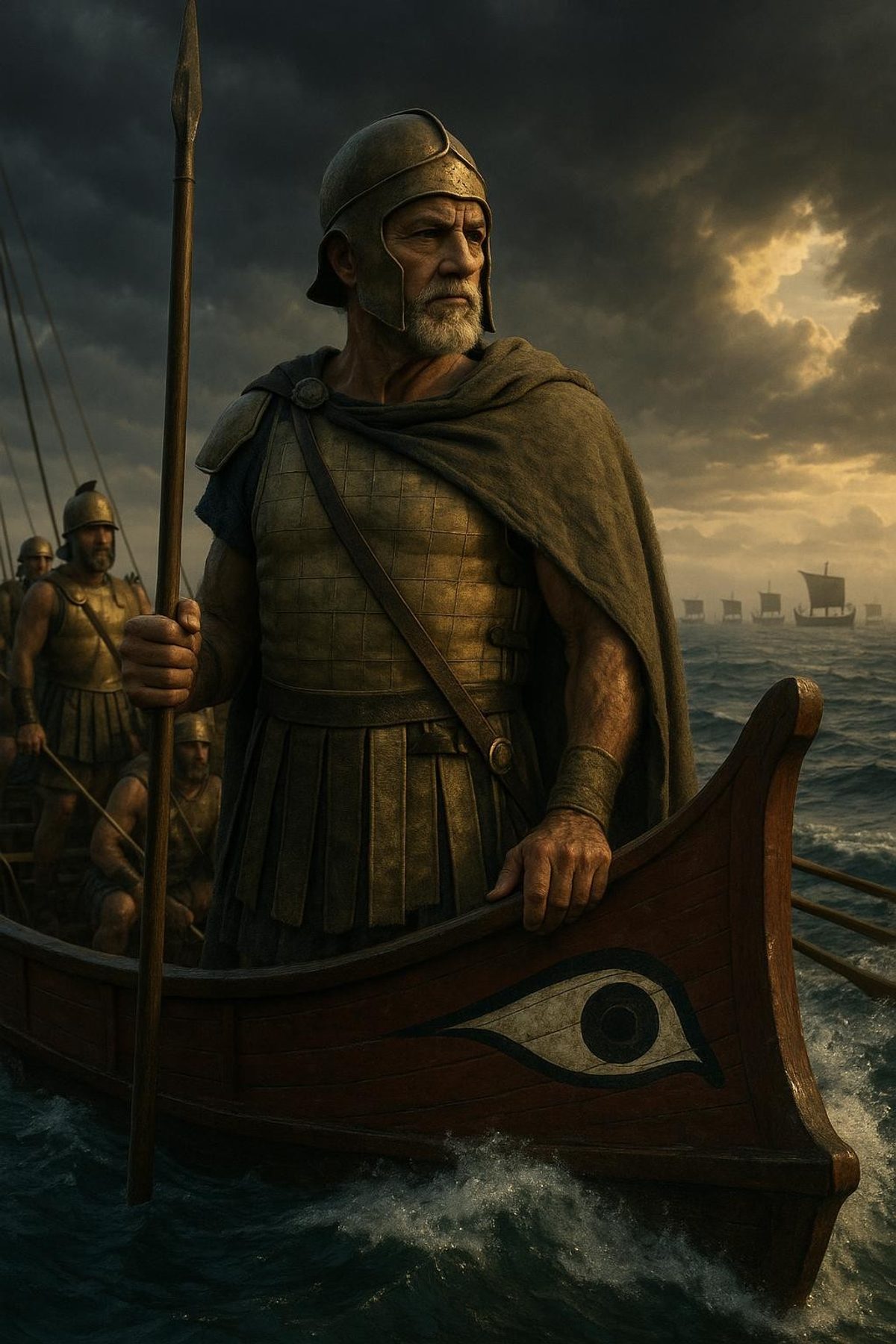
480 BC. The Persian fleet outnumbered them three to one. Every Greek admiral wanted to retreat. Themistocles had no command. He had one argument. He made it. Greece held.
344 BC. Syracuse was enslaved by a tyrant. Timoleon sailed from Corinth with a thousand men. He freed the city. Then he destroyed his own power before it could corrupt him.
480 BC. The Persian fleet was enormous. Themistocles needed time. One Athenian admiral held the straits at Artemisium for three days. His name was Eurybiades. He was Spartan. He obeyed an Athenian. Greece survived.
469 BC. Athens had crushed Persia at the Eurymedon River. Thousands of prisoners filled the camps. Cimon had won everything. He let them go.
Alexander was dead. His generals carved up his empire. But Cassander, who ruled Macedonia, never stopped trembling. He burned Alexander's memory — and destroyed his family. History remembers why.
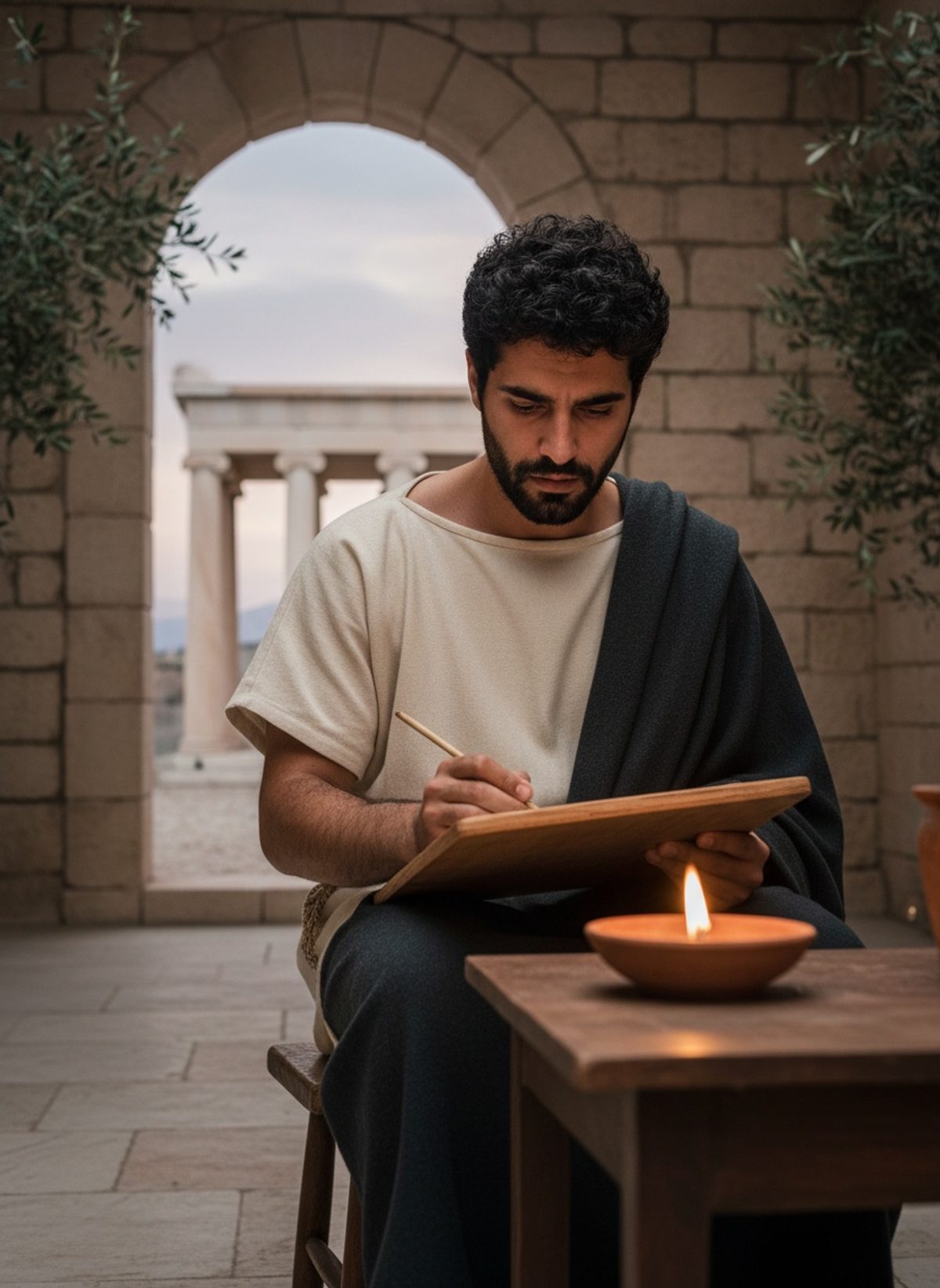
Athens, 399 BC. The hemlock was gone. The greatest mind in Greece was dead. One young student walked away shattered. He picked up a pen. He wrote everything down. Plato gave the world back its teacher.
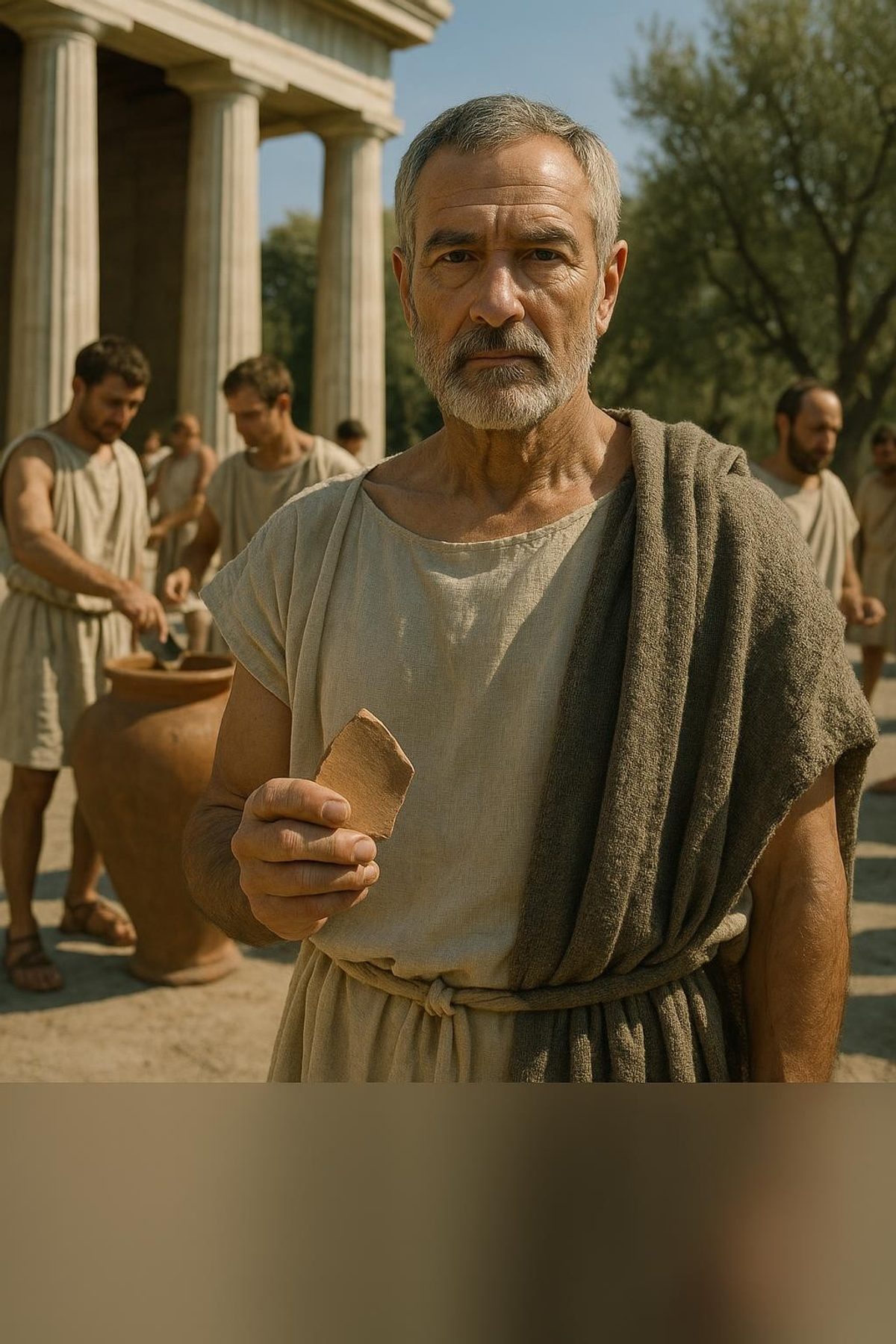
482 BC. Athens voted to exile its greatest man. A citizen asked a stranger to write 'Aristides' on his shard. The stranger was Aristides himself. He wrote his own name. Then walked out of the city.
490 BC. Ten thousand Athenians faced a Persian fleet. Six generals voted to wait. Miltiades voted to charge. He asked for one day of command. At dawn, the Greeks ran. Persia never forgot it.
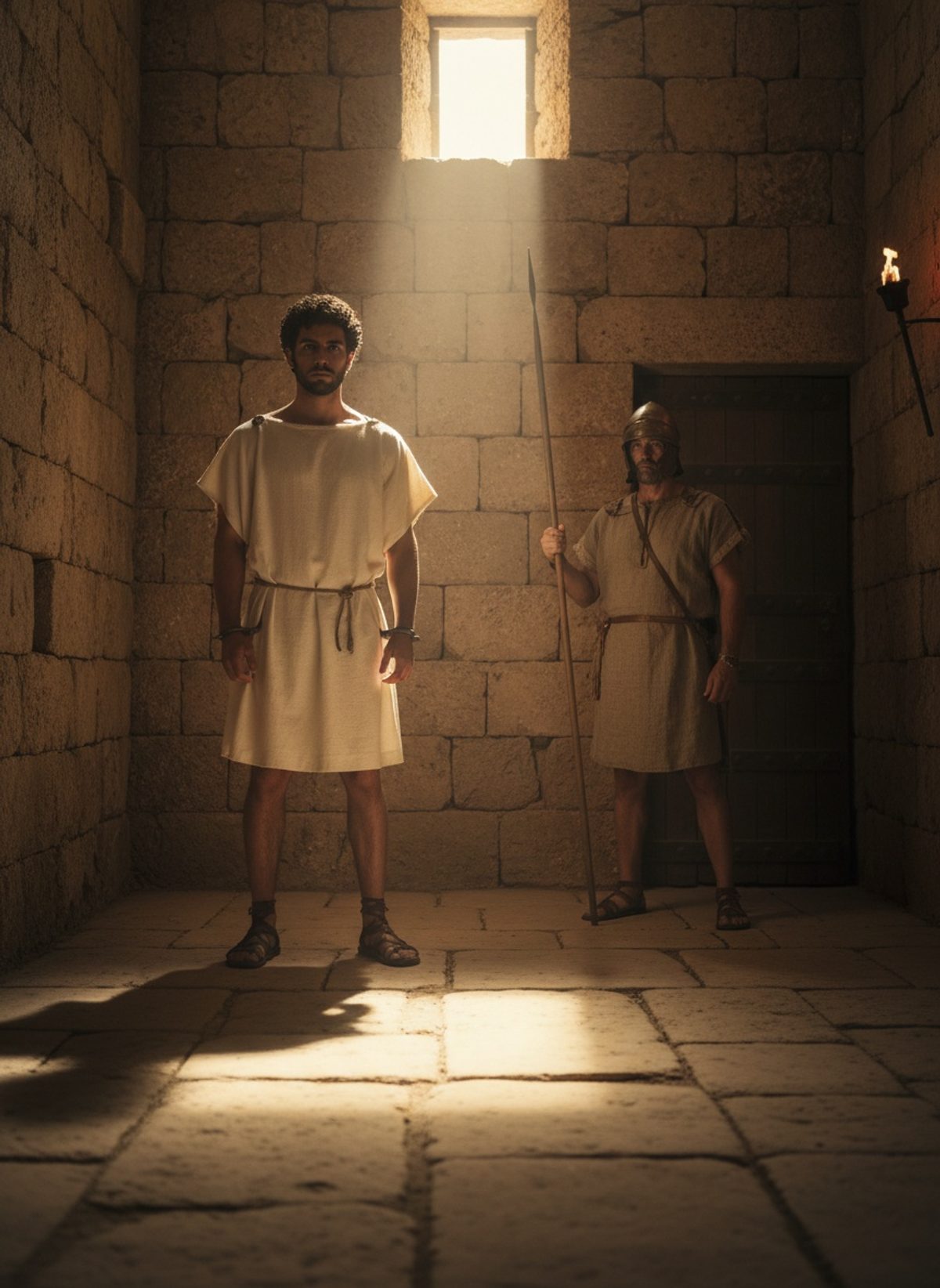
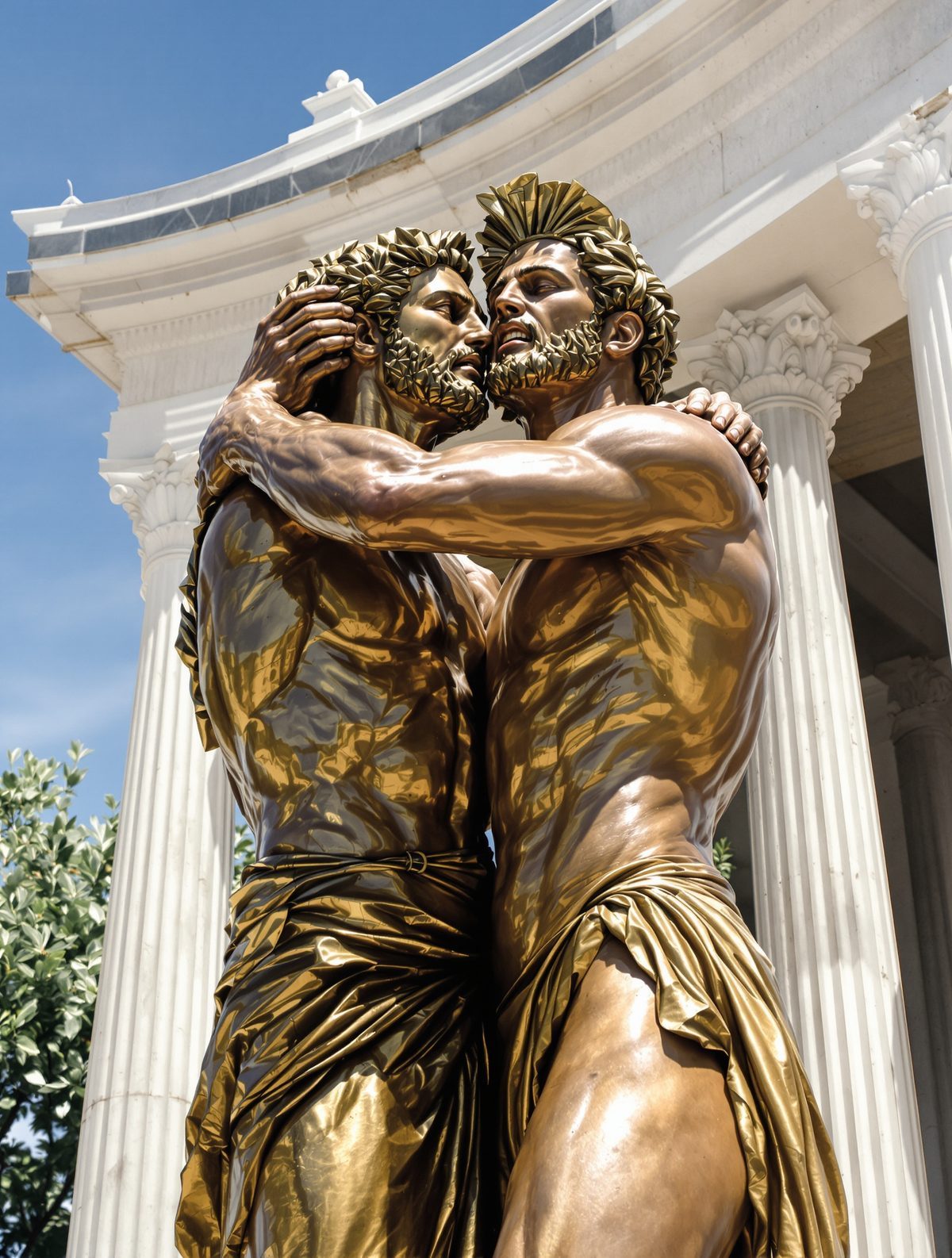
Syracuse, 400 BC. Pythias was sentenced to death. He asked one favour. To say goodbye to his family. His friend Damon took his place in chains. The tyrant waited. Pythias came back.
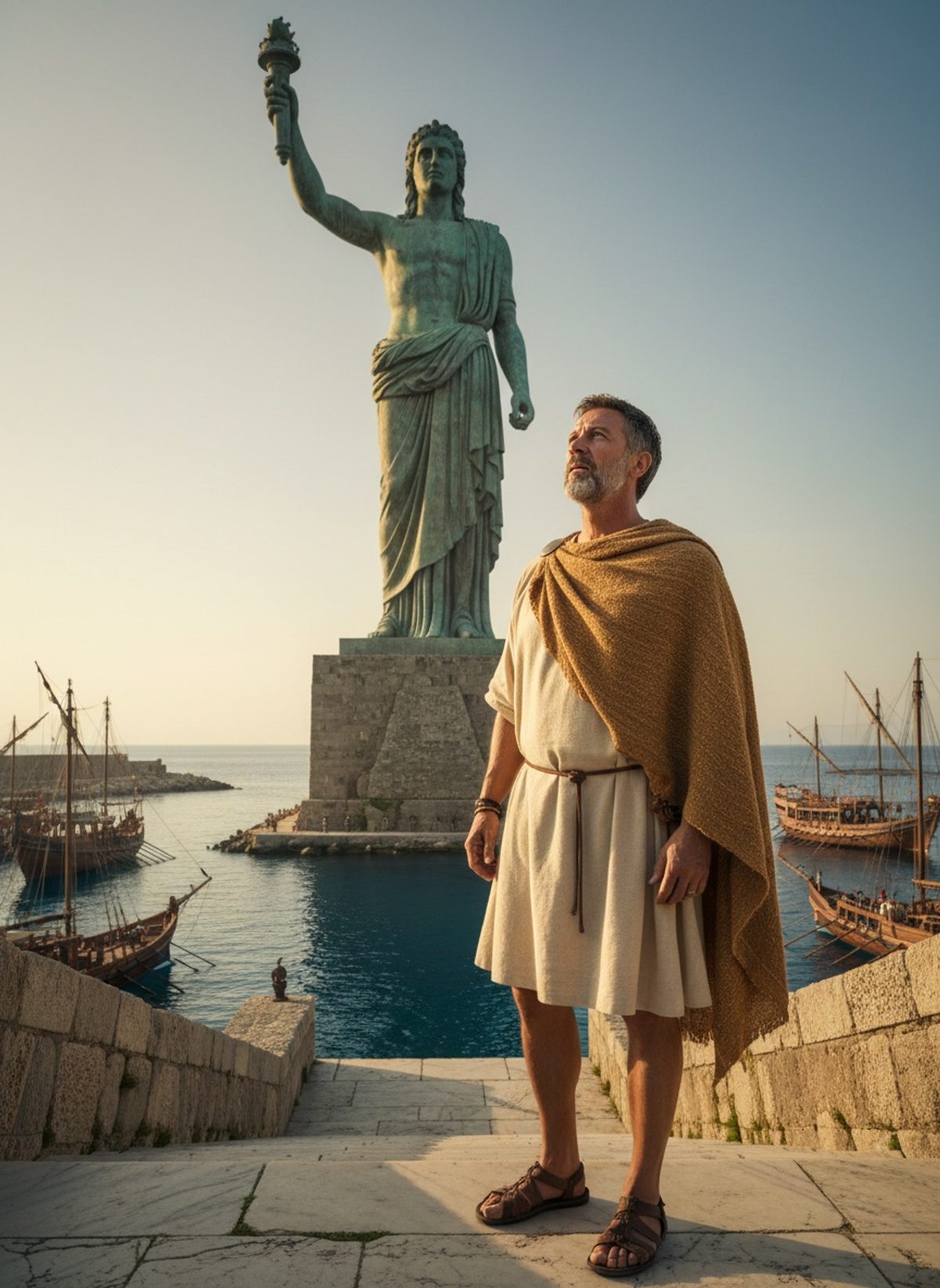
Seven structures. One ancient world. Travellers crossed deserts and seas just to stand before them. Only one still stands today. Which would you have chosen to see?
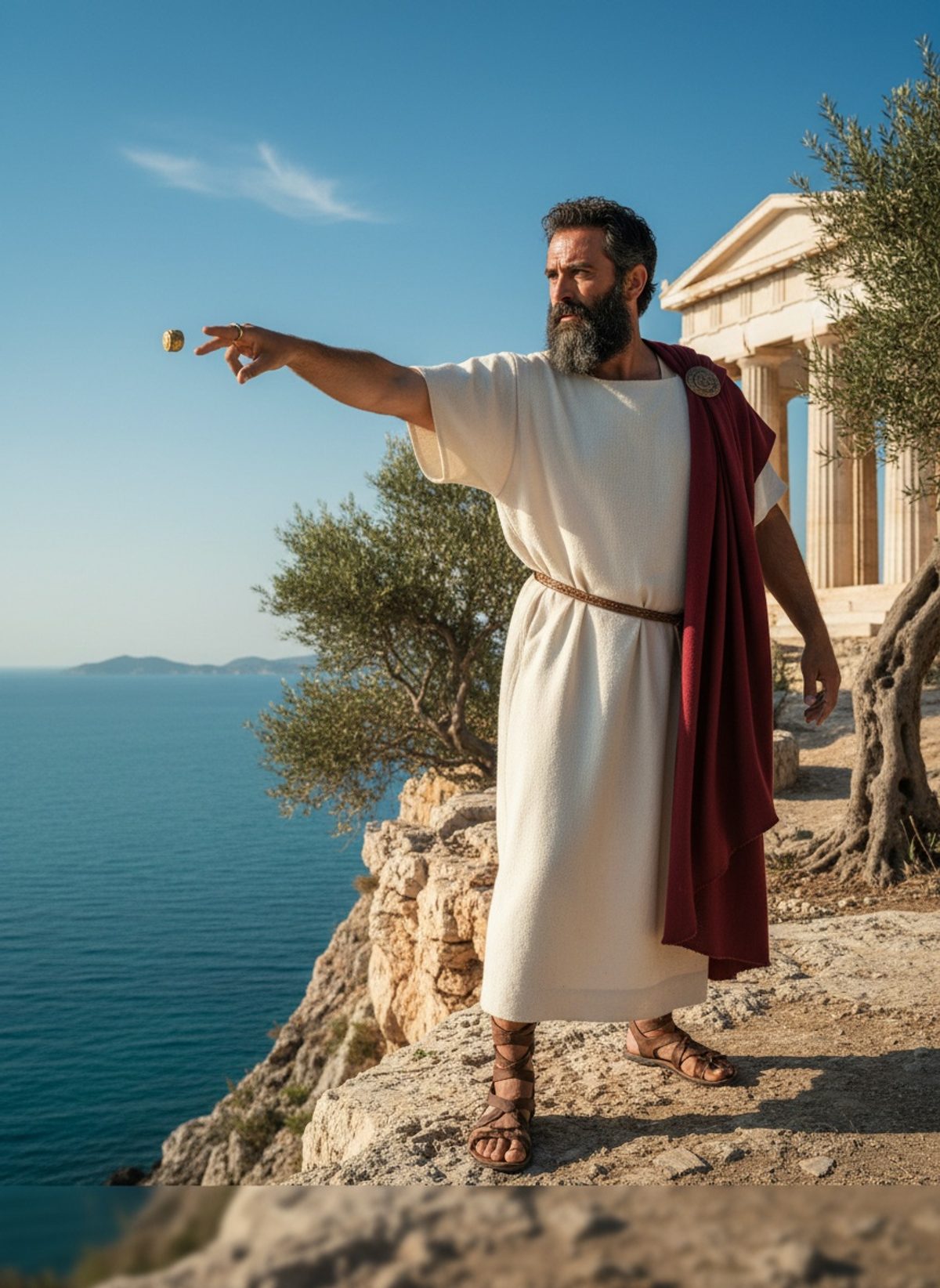
532 BC. Polycrates ruled Samos. He had never lost. An ally warned him. Too much luck invites the gods. He threw his finest ring into the sea. Days later, a fisherman brought him a fish. Inside it. The ring.
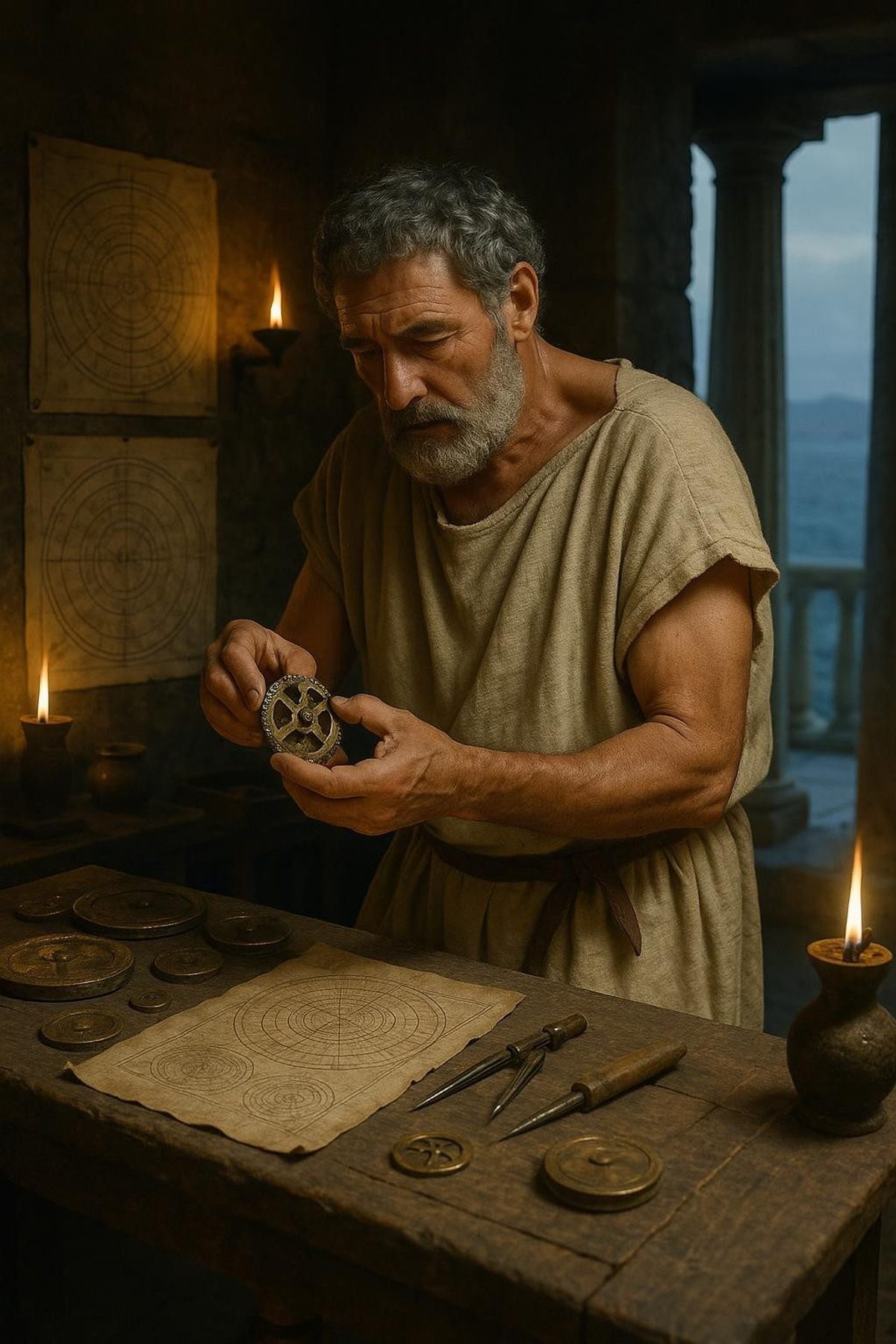
In 1901, divers pulled a corroded lump from a Roman shipwreck. Inside: a geared bronze computer. It tracked planets, predicted eclipses, and calculated the Olympics. Built in 87 BCE. Nothing like it appeared again for a millennium.
Corinth, 365 BC. Timoleon's brother Timophanes seized power. Declared himself tyrant. Timoleon begged him to stop. He laughed. Timoleon stepped forward. The tyrant fell. His own brother had ended him.
546 BC. Chilon of Sparta stood before the ephors. He spoke one line. Know thyself. A city built on iron obeyed. The words spread across Greece. They never stopped.
480 BC. The Persian fleet bore down on Greece. One man chose the narrow strait. Themistocles baited Xerxes into Salamis. Greece survived. Ten years later, Athens voted him out forever.
318 BC. Alexander was dead. Macedonia held Athens. A general arrived with a gift from the regent. Phocion refused it. He pointed to the poor men outside. He said they needed it more.
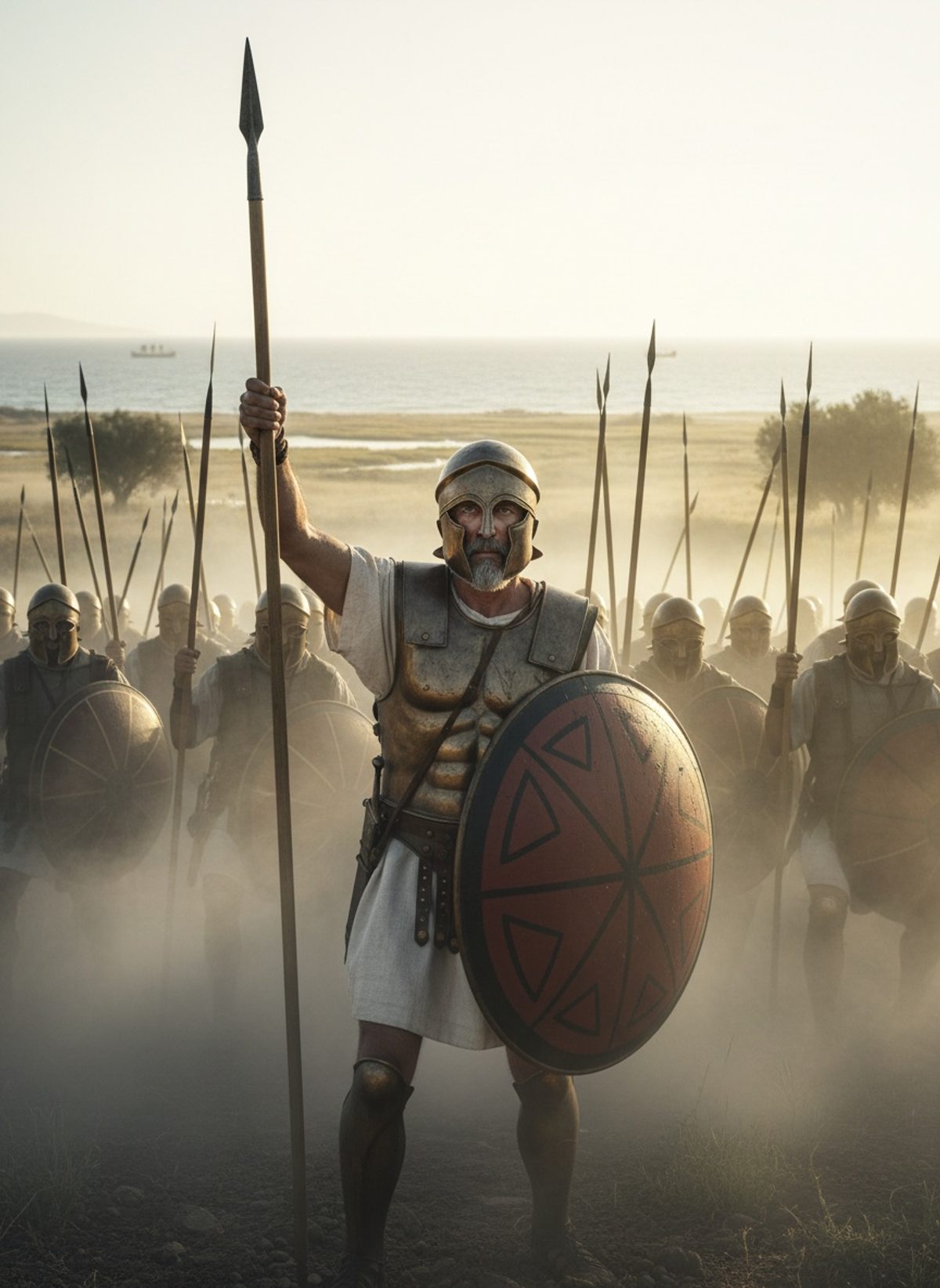
480 BC. Persia's army stretched to the horizon. Leonidas knew the pass was lost. He dismissed the allied Greek forces. Three hundred Spartans stayed. Not one turned back.
Athens. 482 BC. A citizen asked Aristides to scratch a name on his shard. The name he wanted was Aristides. The man did not know who he was speaking to. Aristides wrote it. Then handed it back.
Athens. 318 BC. The jury voted guilty. Phocion had served the city for forty years. He asked one thing. That his son forgive Athens for killing him. The son wept. Athens never forgot.
530 BC. Pythagoras arrived in Croton with nothing. A tyrant had driven him from Samos. He walked into a city of strangers. He spoke. Hundreds followed. He built a school that changed the world.
Athens, 318 BC. The city had turned on its greatest general. Phocion walked to his execution. A man begged him to curse Athens. He refused. He said he bore no ill will. He drank the hemlock. Smiling.
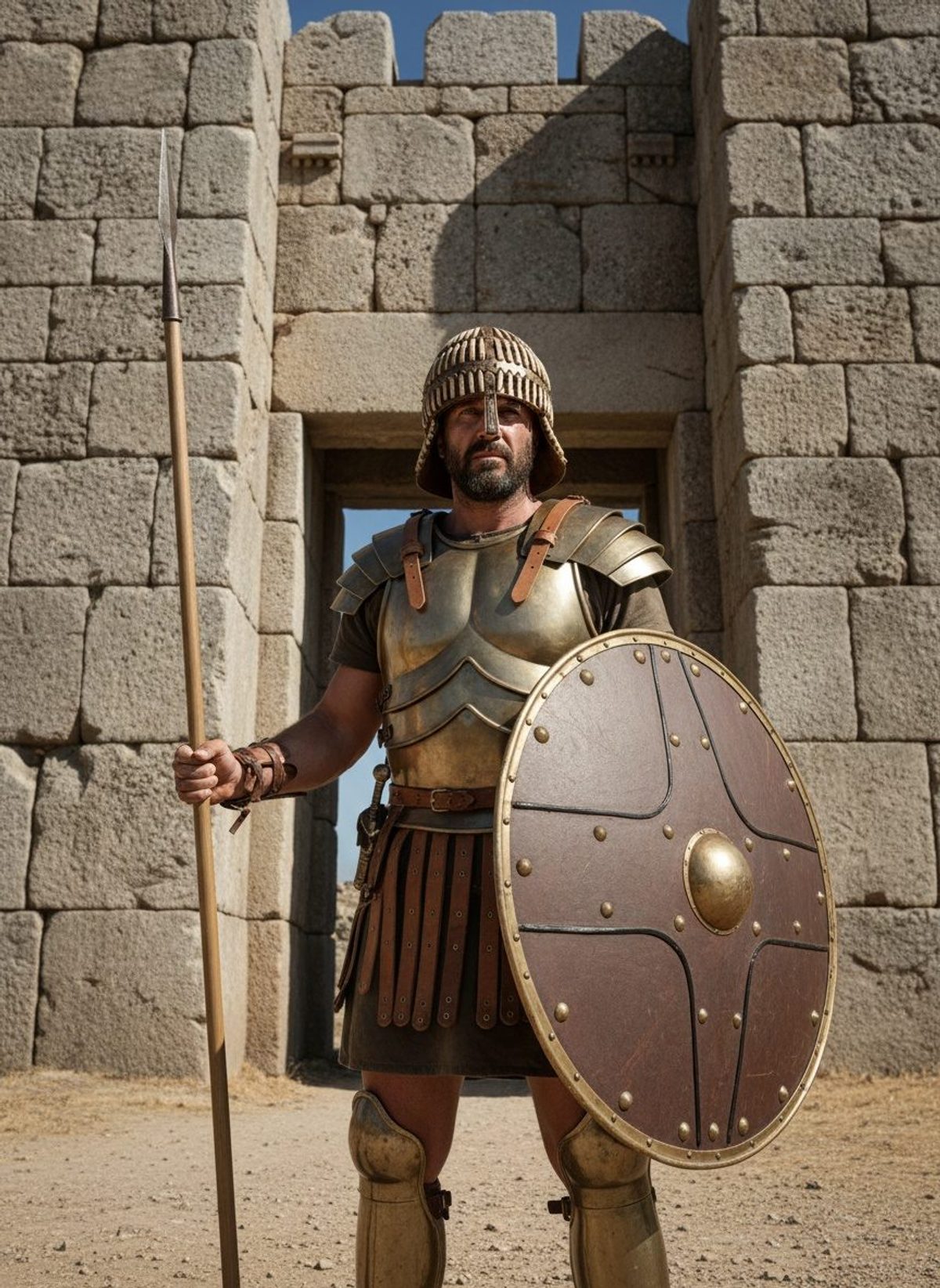
Buried near Mycenae for 3,400 years. When archaeologists opened the tomb, they found the oldest near-complete suit of metal armor ever discovered. Nobody believed a warrior could actually fight in it.
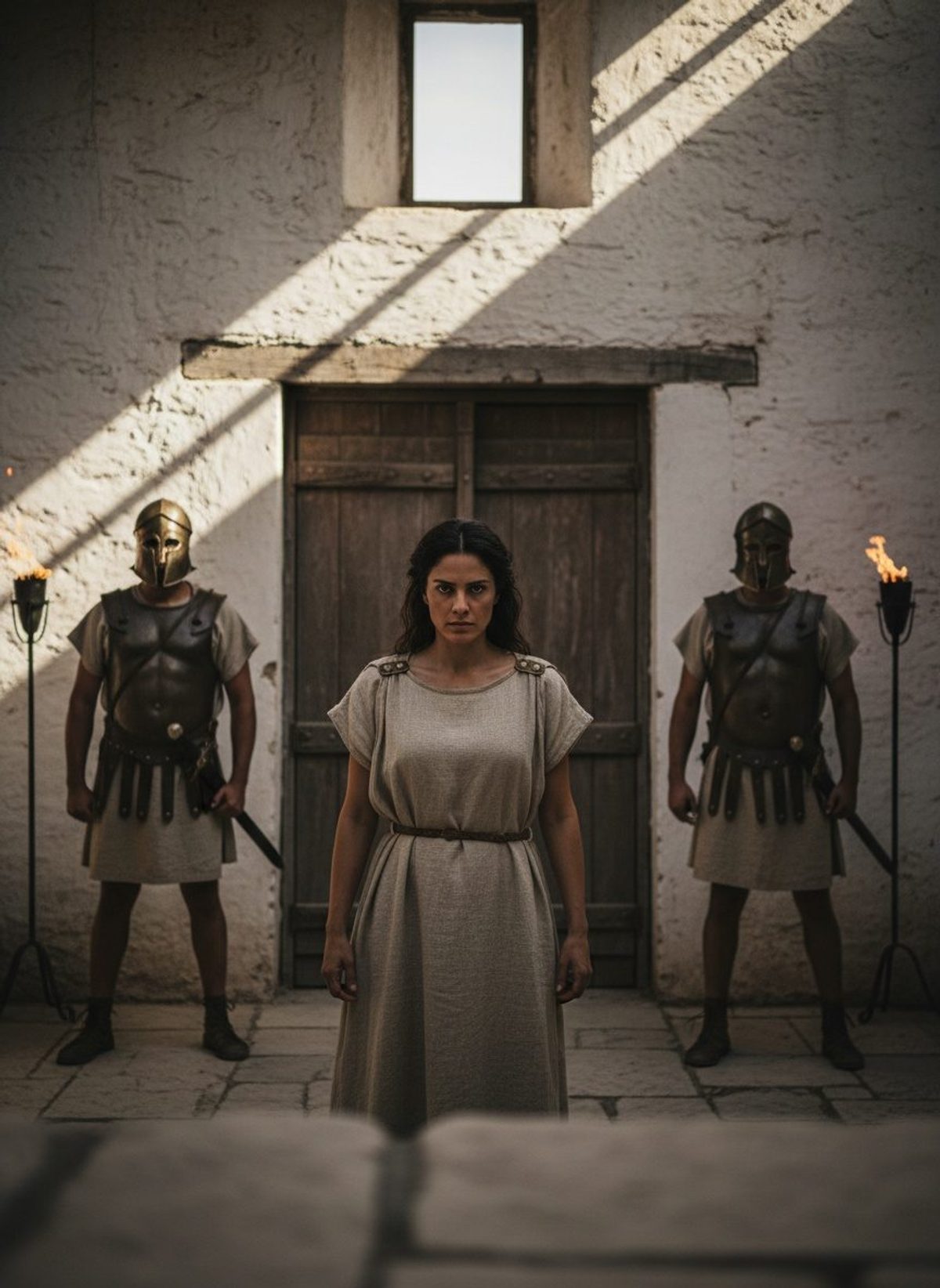
Athens, 514 BC. Two men had just killed a tyrant. Under torture, the interrogators demanded names. Leaena gave none. She bit off her own tongue. She died silent. Athens made her immortal.
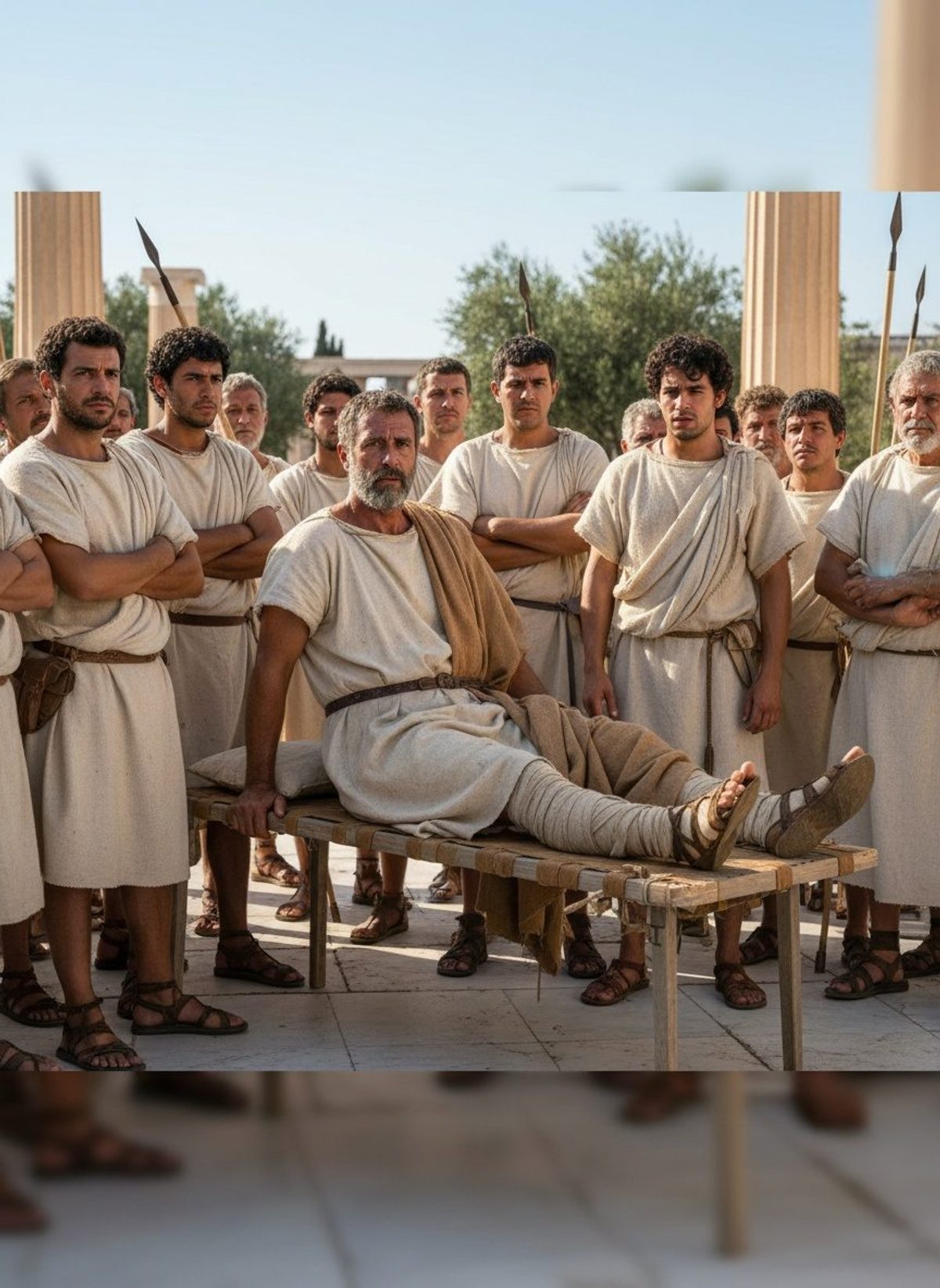
490 BC. Miltiades had just saved Athens at Marathon. He returned a hero. Then his enemies charged him with treason. He lay wounded on a stretcher. He could not stand. Athens voted anyway.
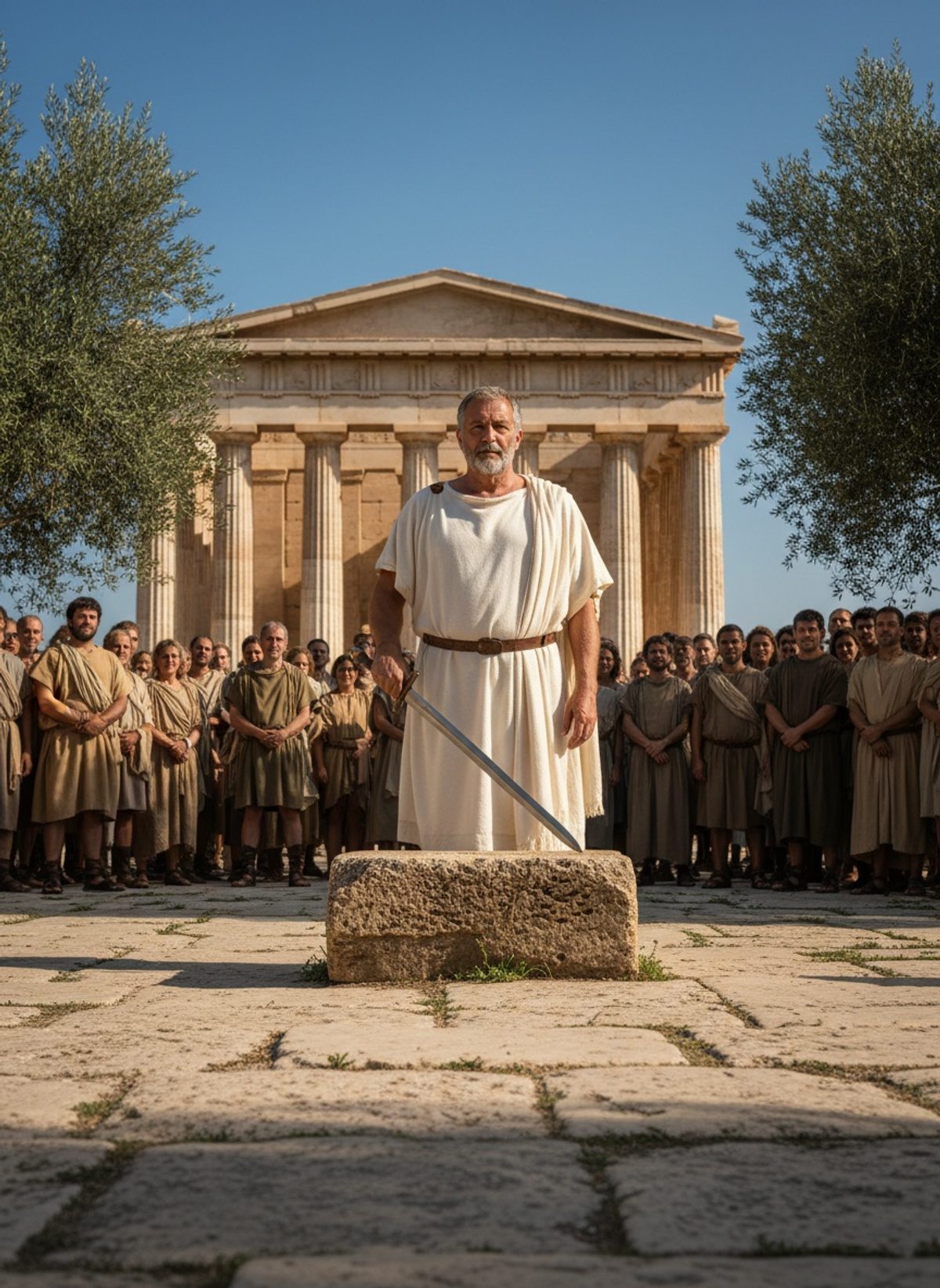
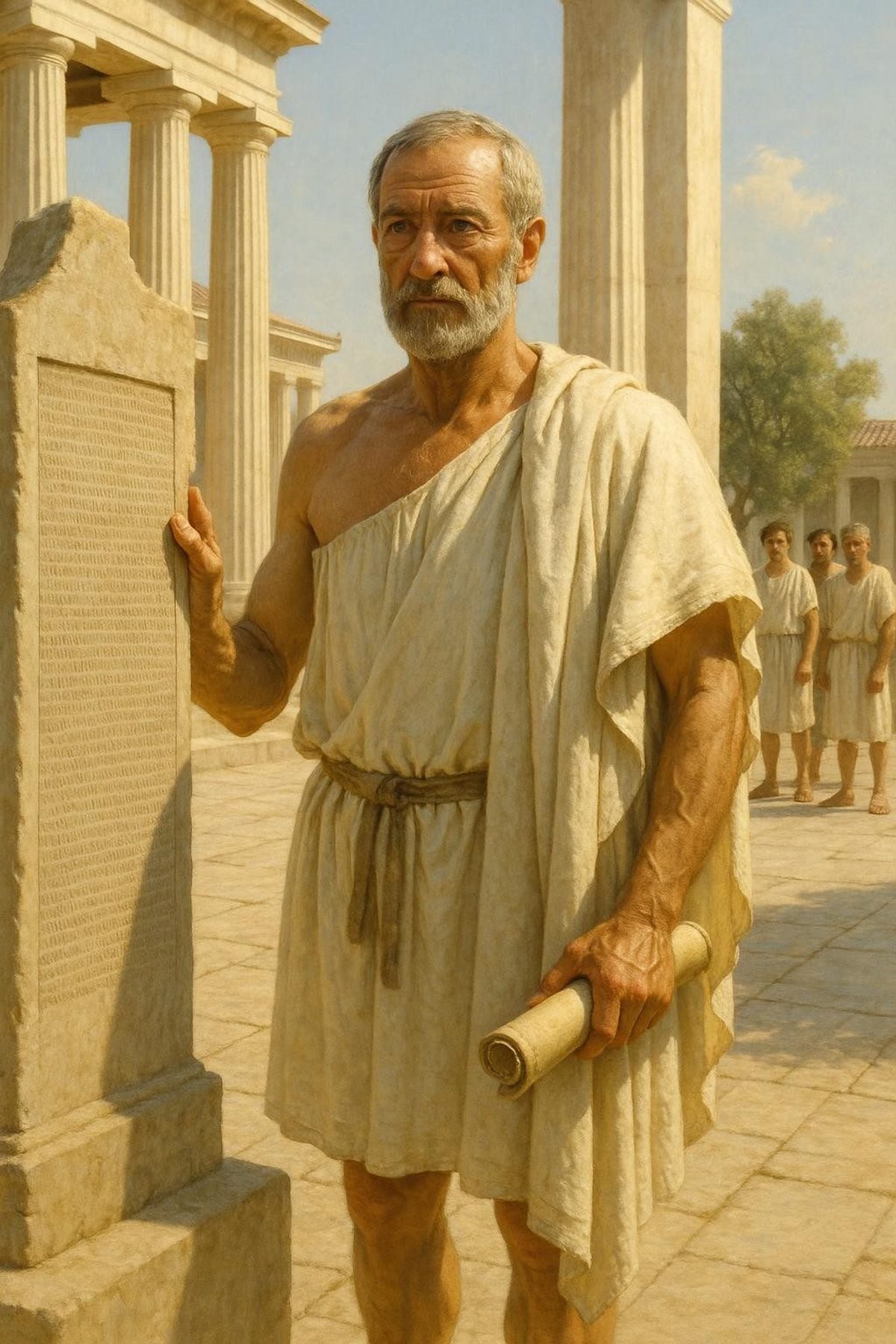
594 BC. Athens was tearing itself apart. Solon rewrote every law. He freed the debt slaves. He gave the poor a voice. Then he walked away. He refused to stay and rule. He sailed into self-imposed exile. Athens held.
Olympia. 532 BC. Milo of Croton had won six Olympic titles. He stood in the arena and dared any man to knock him off his feet. No one could. He held a pomegranate in his fist. It was unbruised when he opened his hand.
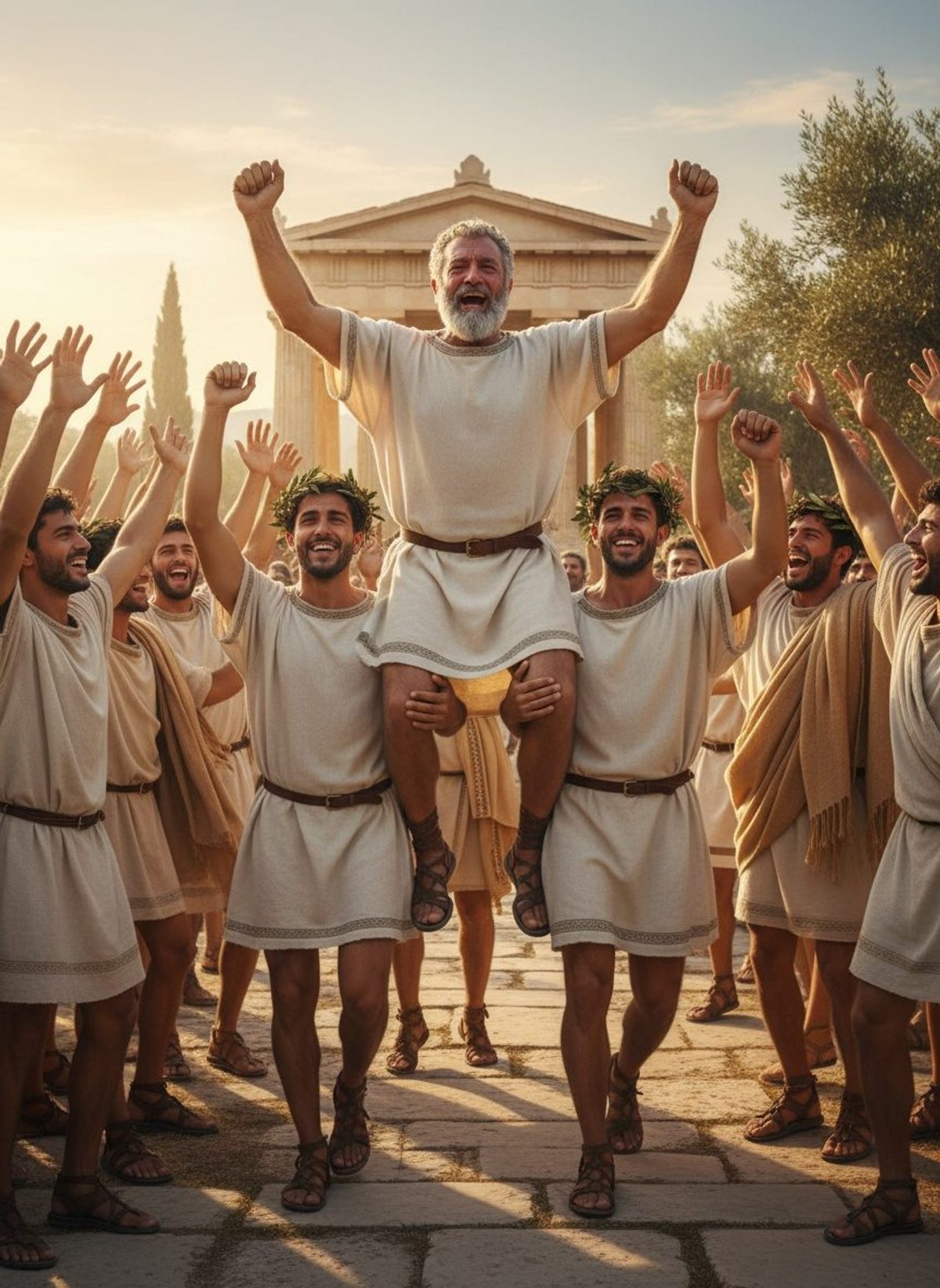
464 BC. Diagoras of Rhodes had already won at Olympia. Now his two sons won on the same day. The crowd lifted all three onto their shoulders. A Spartan elder shouted: 'Die now, Diagoras. You have nothing left to wish for.'
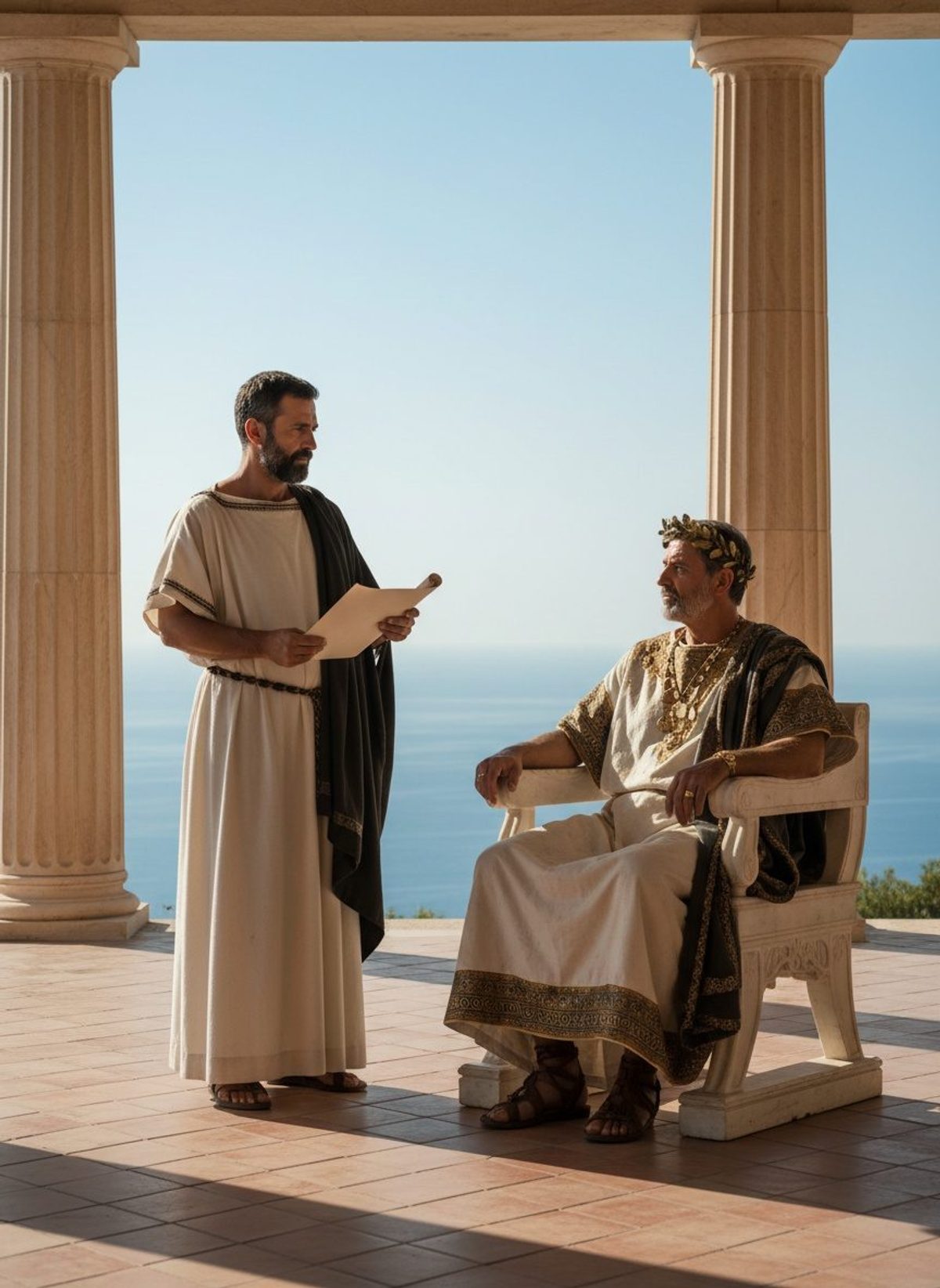
476 BC. Syracuse, Sicily. Hiero the tyrant had won at Olympia. He summoned Greece's greatest poet. Pindar came. He wrote not of Hiero's power. He wrote of the gods. Hiero wept. Then paid him in silver.
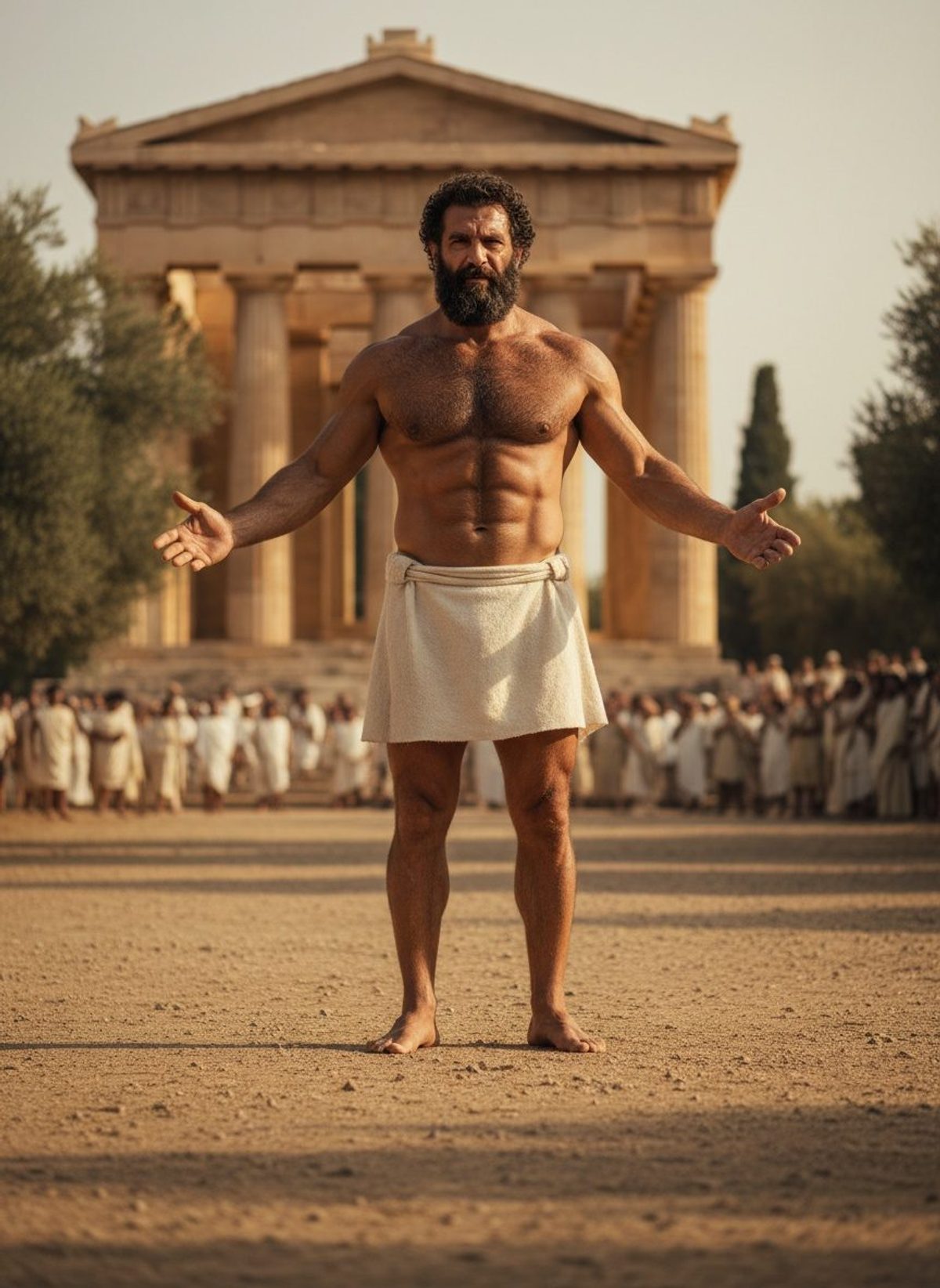
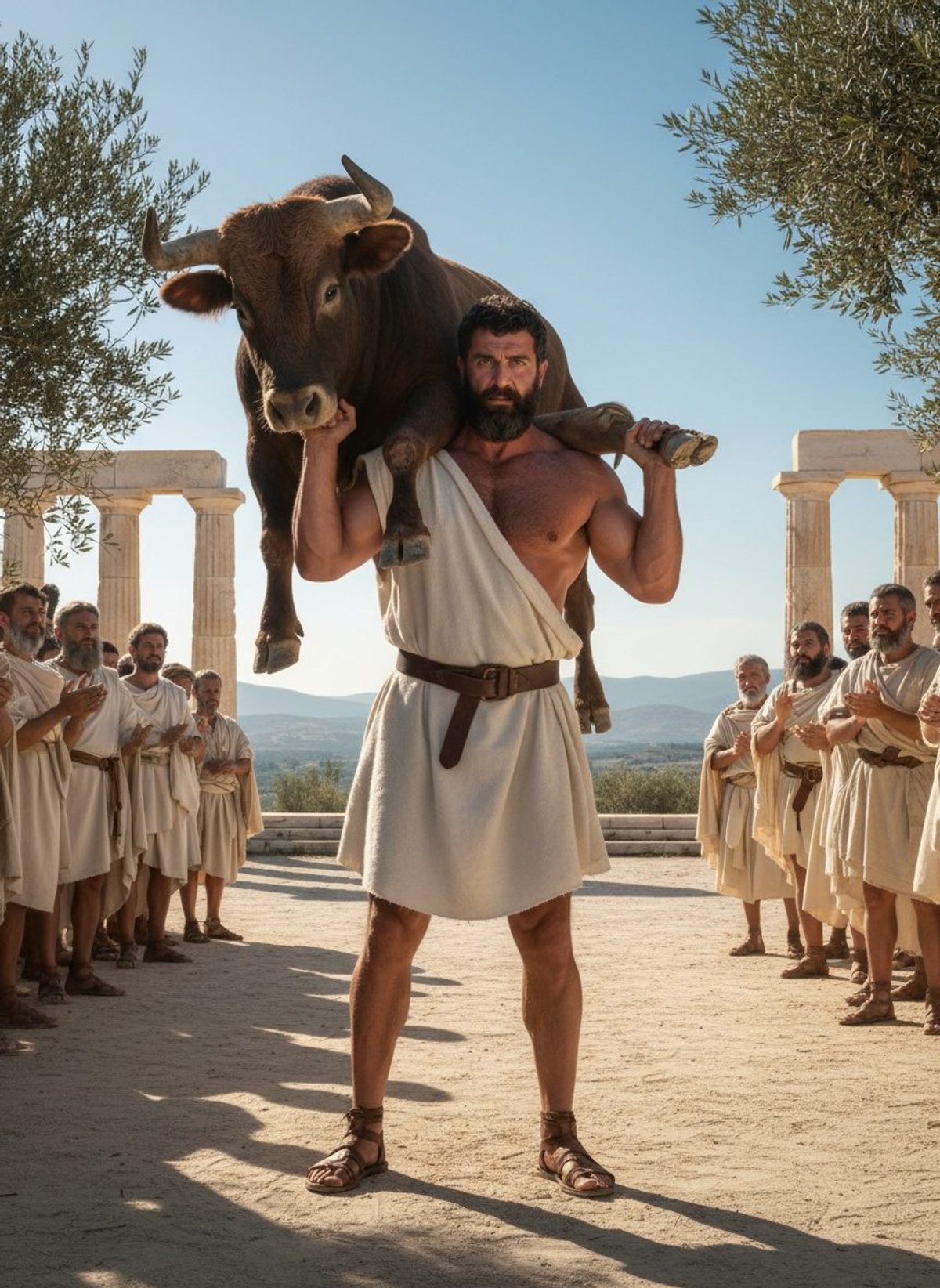
Olympia. 532 BC. A boy lifted a newborn calf. Every day he carried it. Every day it grew. Four years later he walked into the Olympic stadium. The bull was full-grown. The crowd fell silent.
476 BC. The Olympic Games. A charioteer from Syracuse crossed the finish line. The crowd roared. Then a poet stood. He had thirty lines. They made the victor immortal.
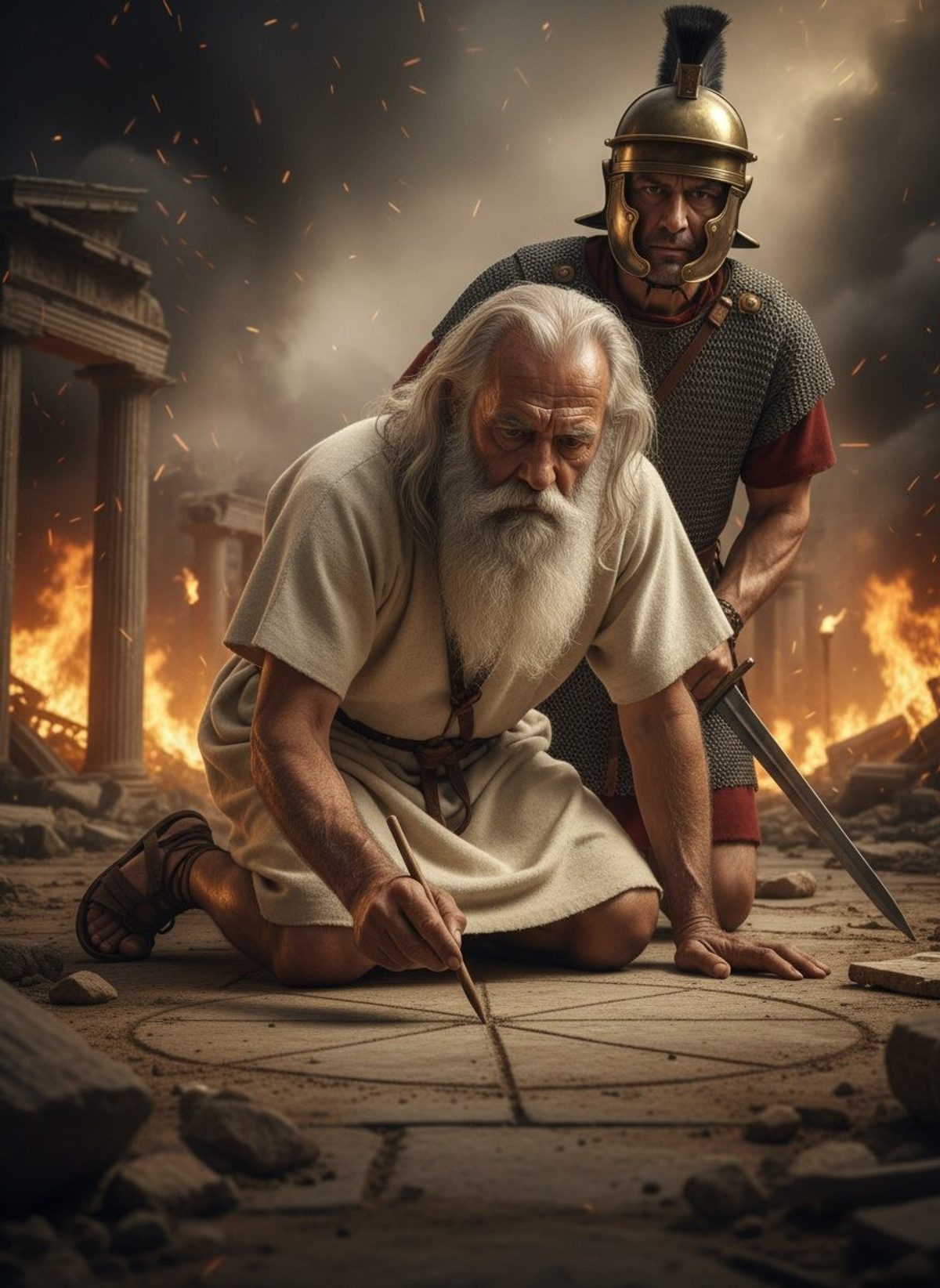
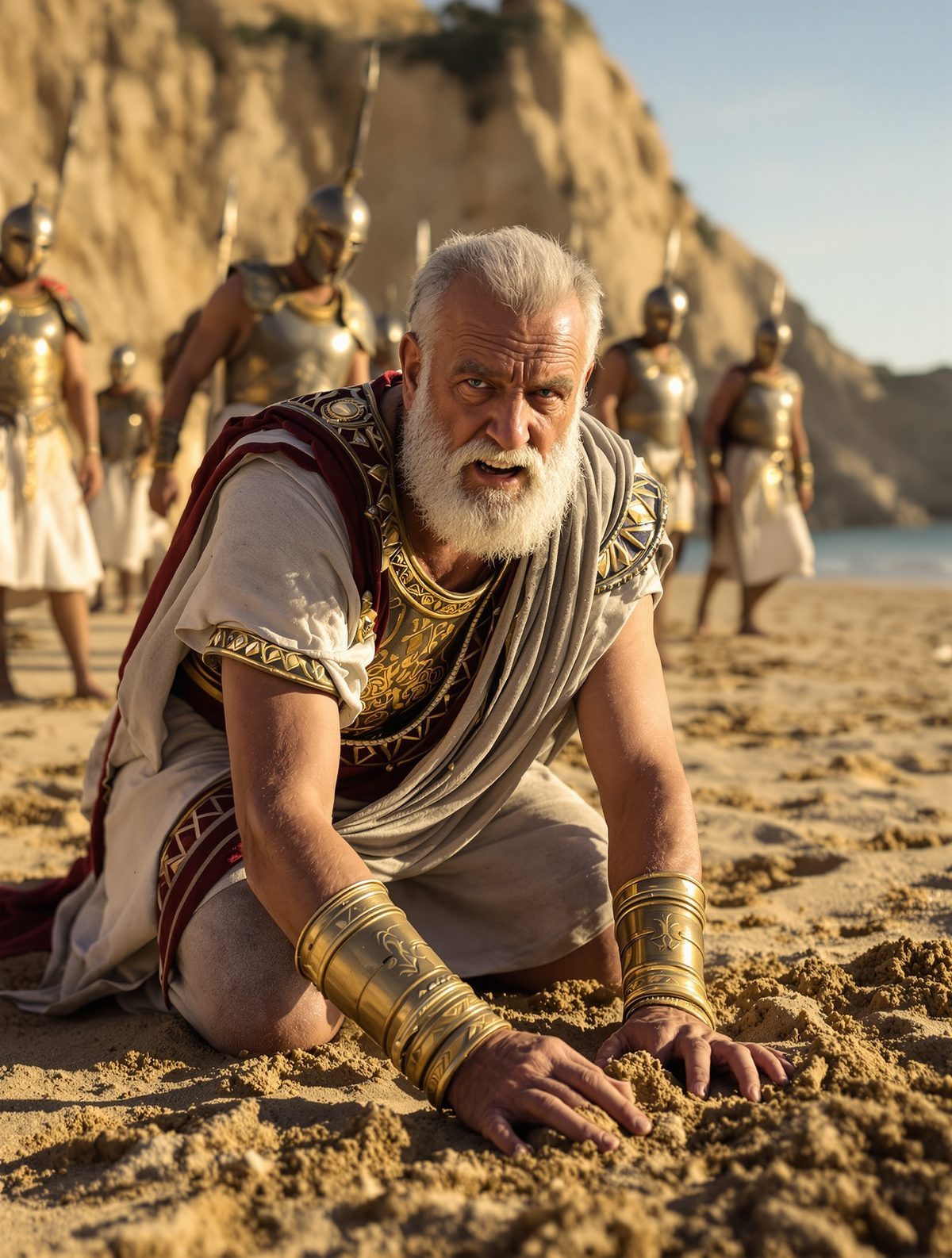
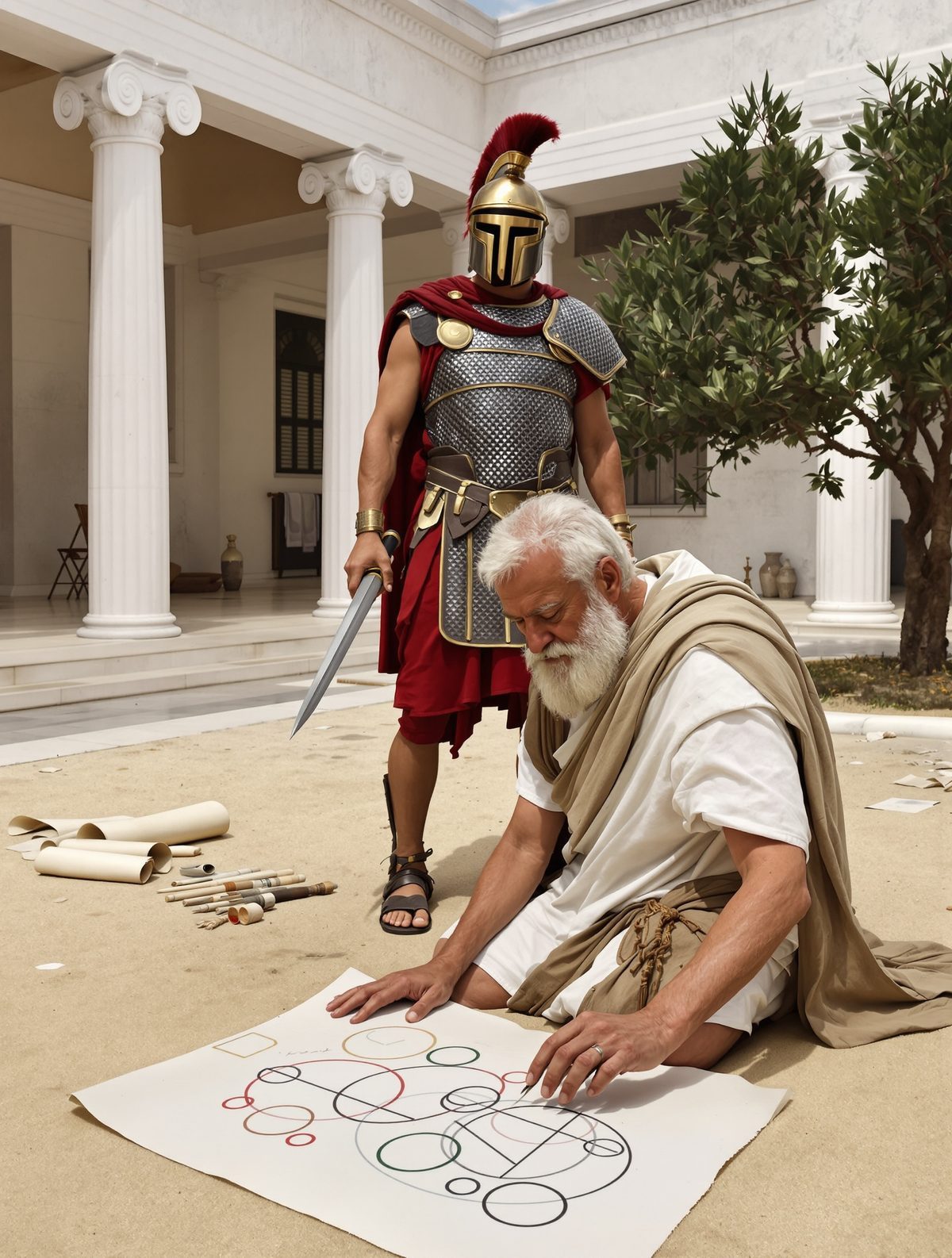
212 BC. Syracuse was falling. Archimedes knelt in the dirt. He drew his circles. A Roman soldier stood over him. He did not look up. The soldier's sword came down. The greatest mind in the ancient world died over a geometry problem.
325 BC. A Greek merchant stepped ashore on British soil. He measured the sun. He tasted the grain. He spoke to the tribes. He wrote it all down. No Greek had ever done it before.
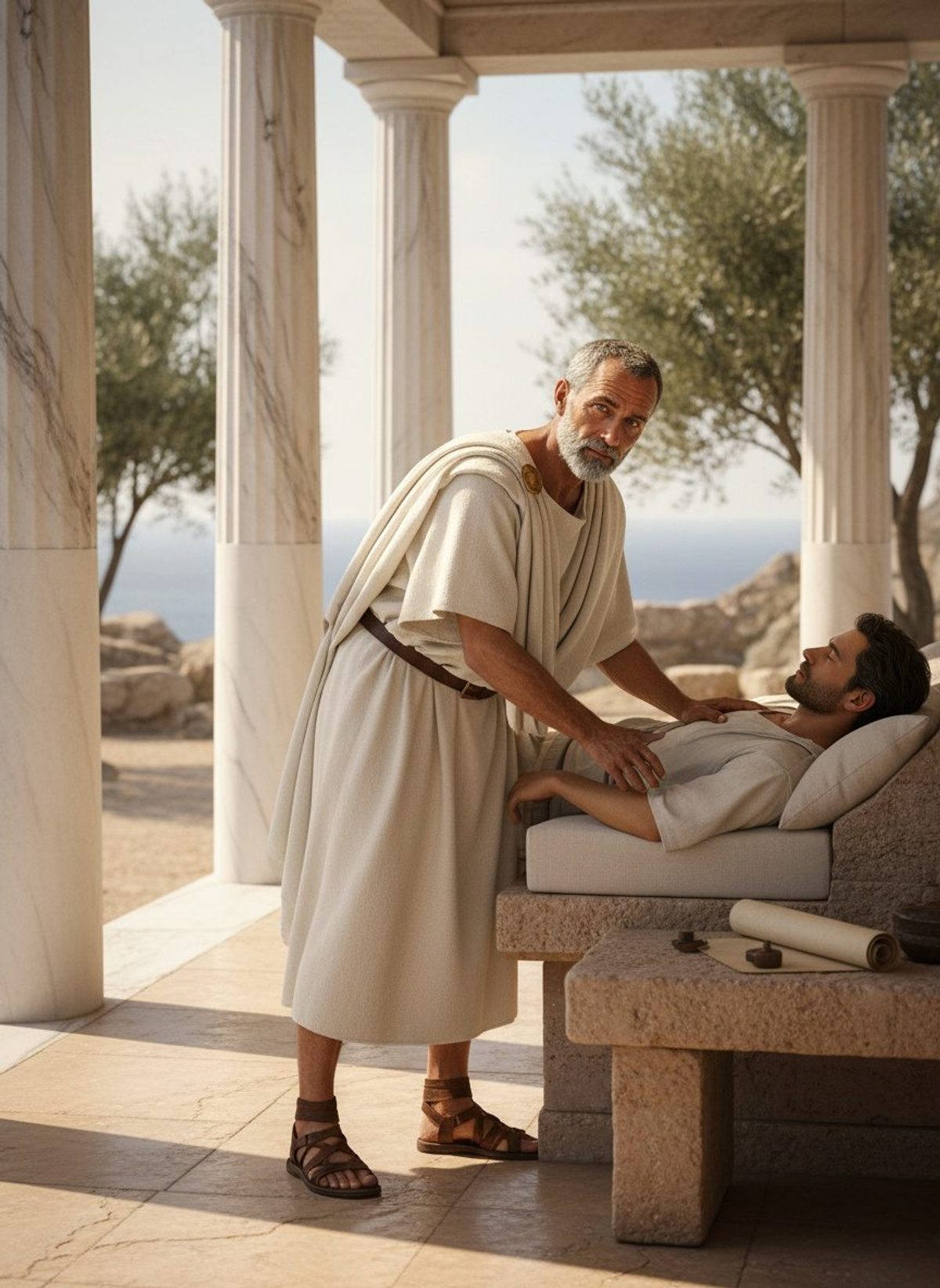
Kos. 400 BC. Every sick person in Greece prayed to Asclepius. Hippocrates watched them die anyway. He looked at the body. Not the heavens. He wrote it down. Medicine was born.
Athens. 4th century BC. Women were forbidden to practise medicine. Agnodice cut her hair. Dressed as a man. Studied under the greatest physician in the city. Then saved lives. Then they arrested her.
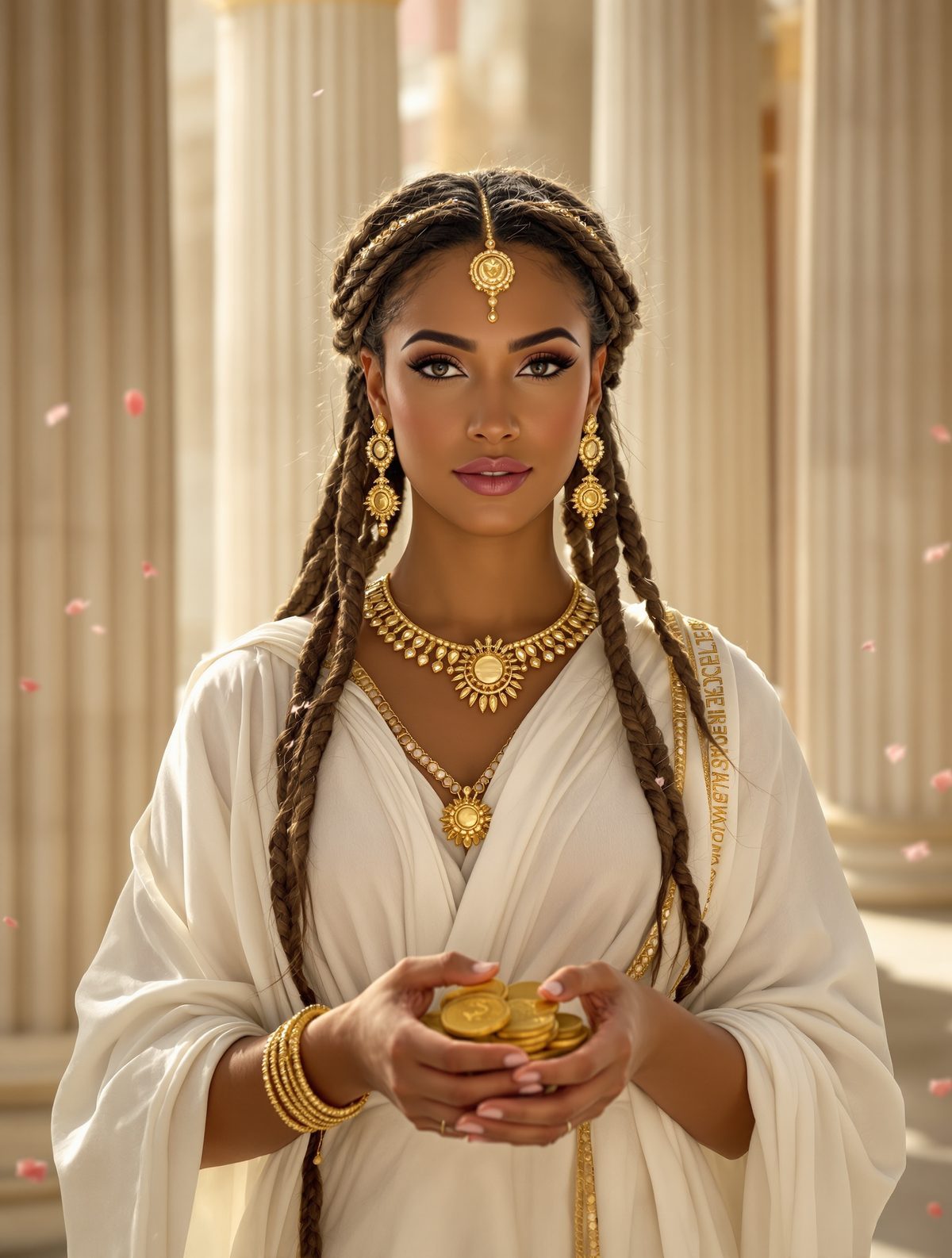
Temple priestesses earned fortunes through sacred prostitution to fund Greek gods
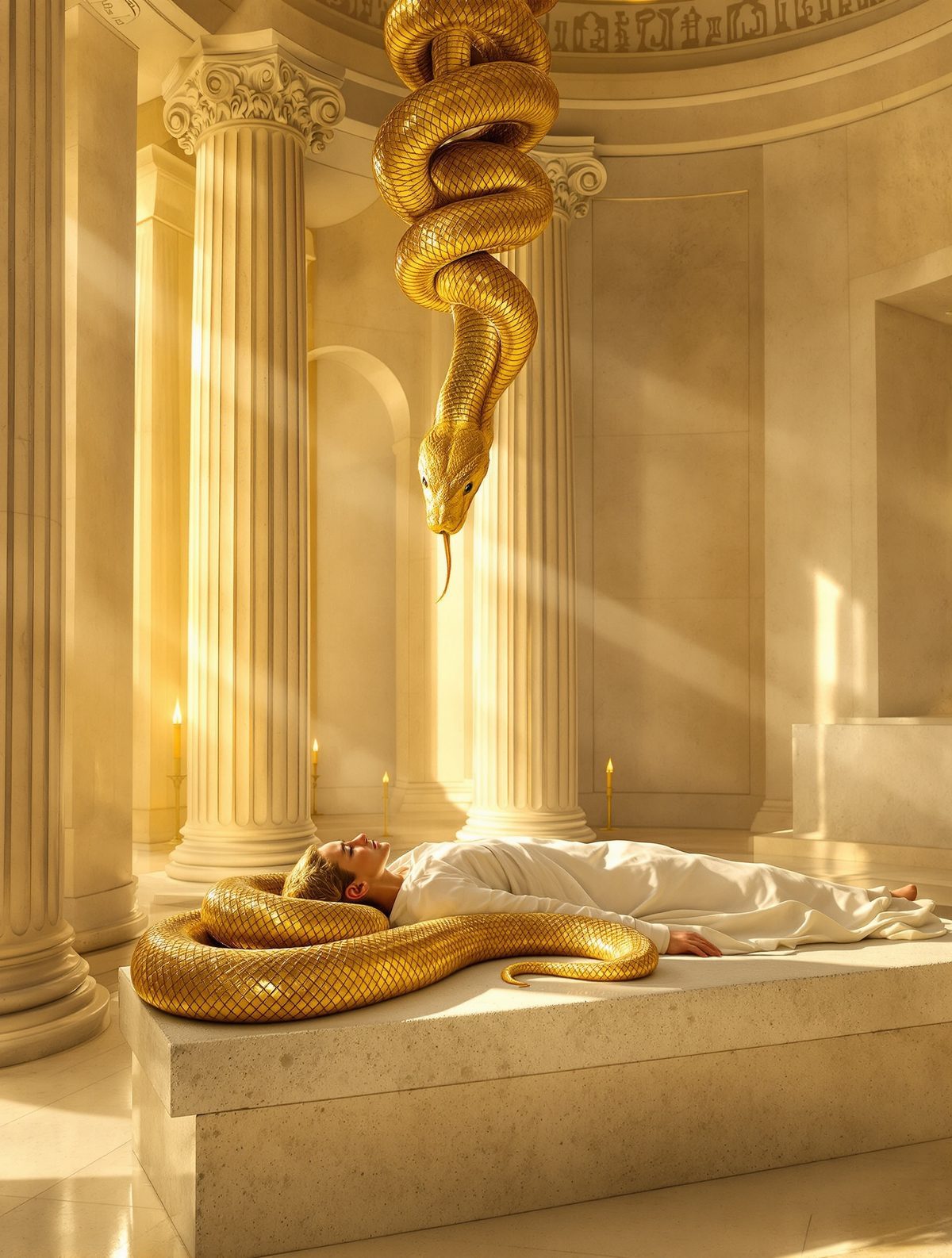
Patients slept with venomous snakes to cure diseases in ancient Greek healing temples.
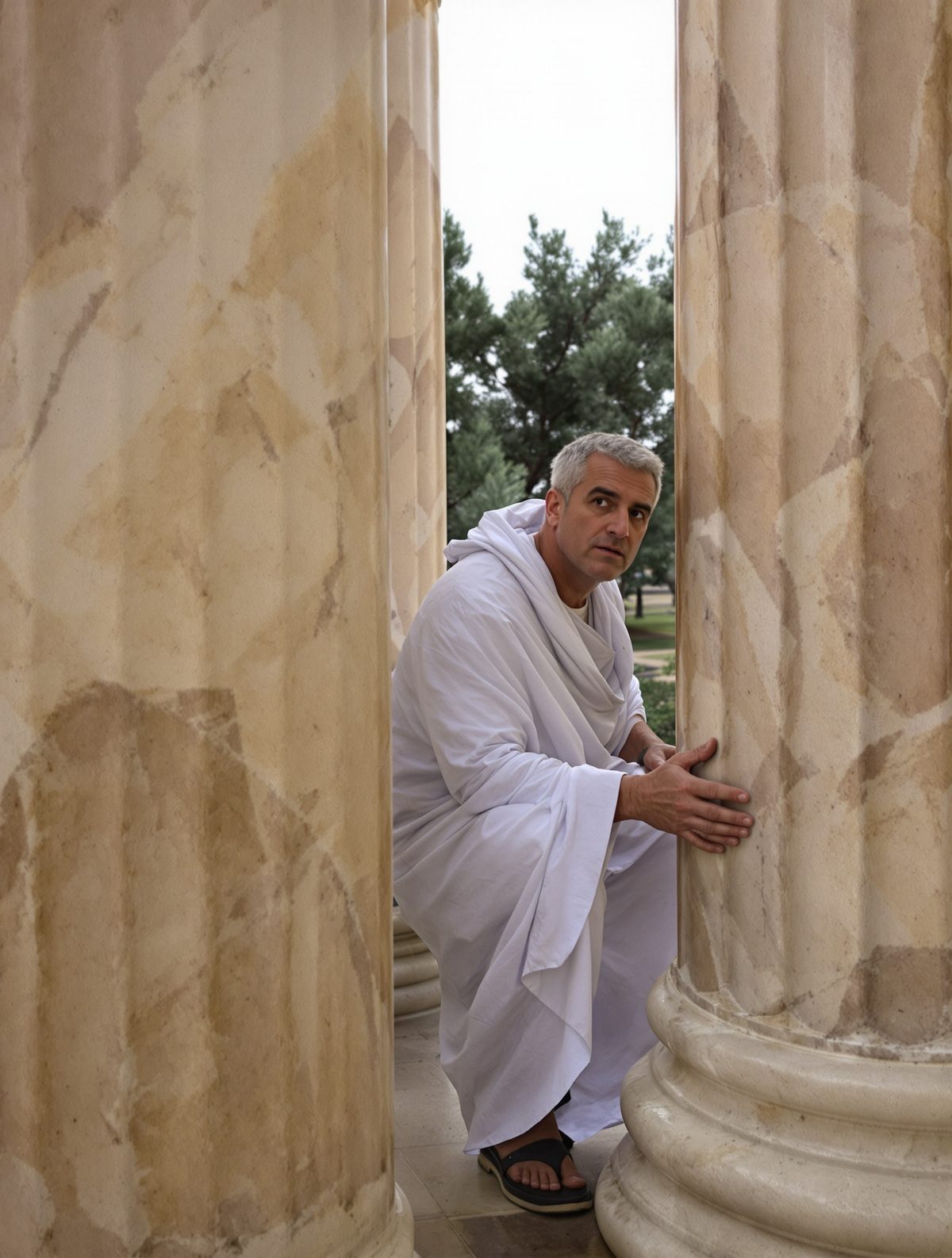
Hyperides was Athens' greatest orator after Demosthenes. When the Macedonians conquered Greece, angry Athenians wanted his head. So he faked his death. Staged a funeral. Let the whole city mourn him. Then fled to a temple sanctuary where he lived as a 'dead man' for months.
Eucles ran from Marathon to Athens after the great victory. But he didn't stop there. He kept running to Sparta. Then back to Athens. 150 miles in two days. He delivered the news. Then collapsed dead.
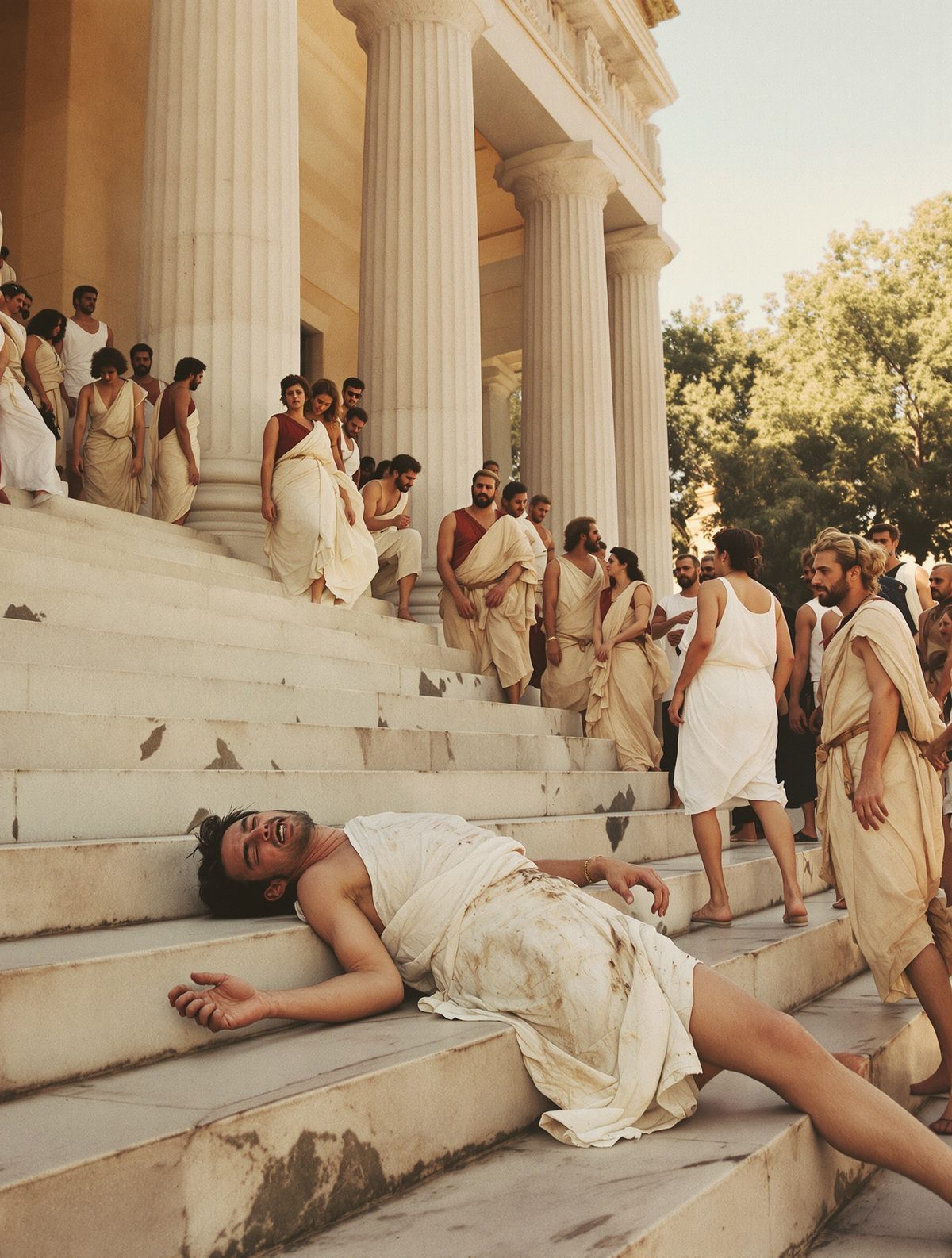
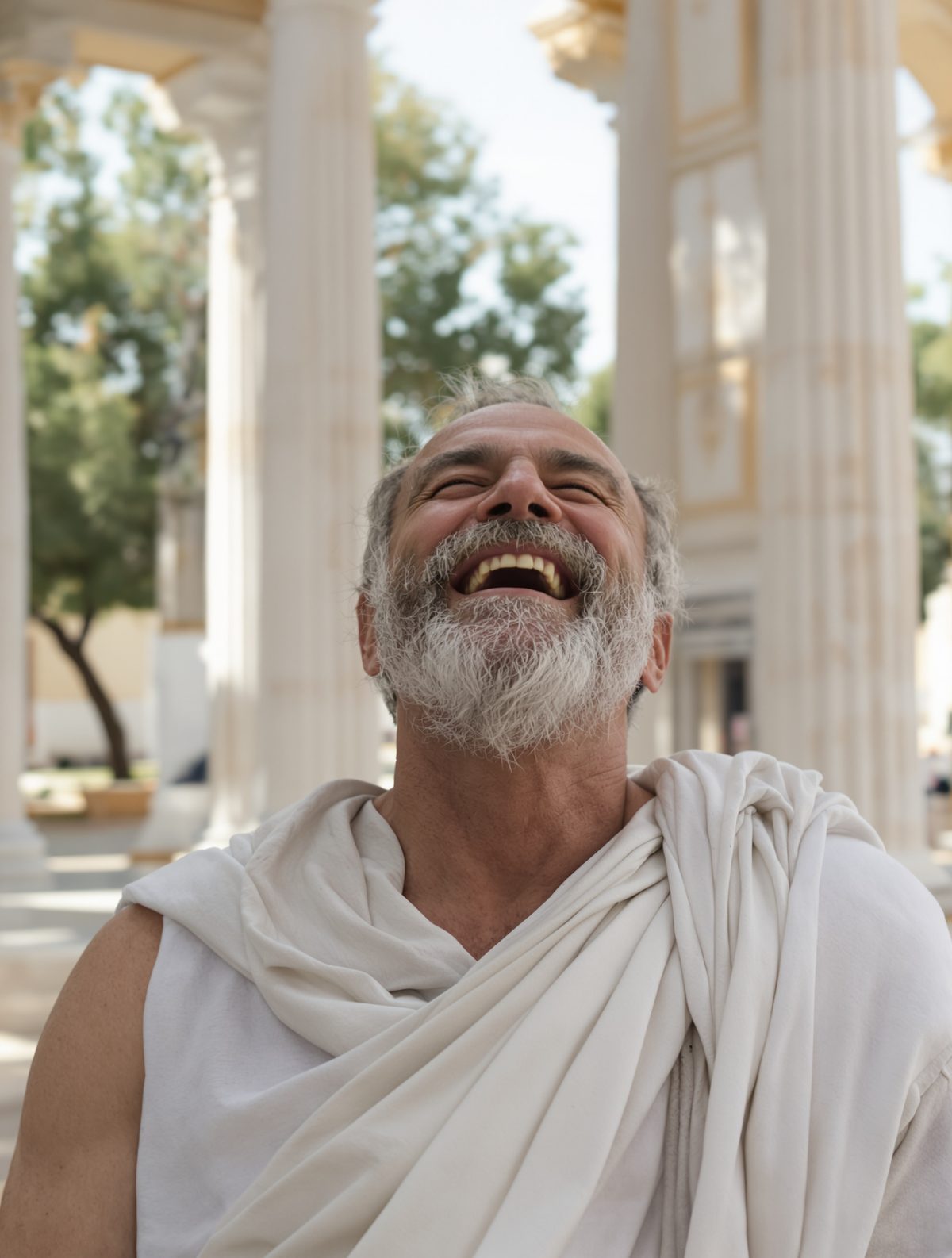
Chrysippus was debating in Athens when he saw a donkey eating figs. He shouted 'Give the donkey some wine to wash down those figs!' He found this so hilarious he couldn't stop laughing. He died on the spot from laughter.
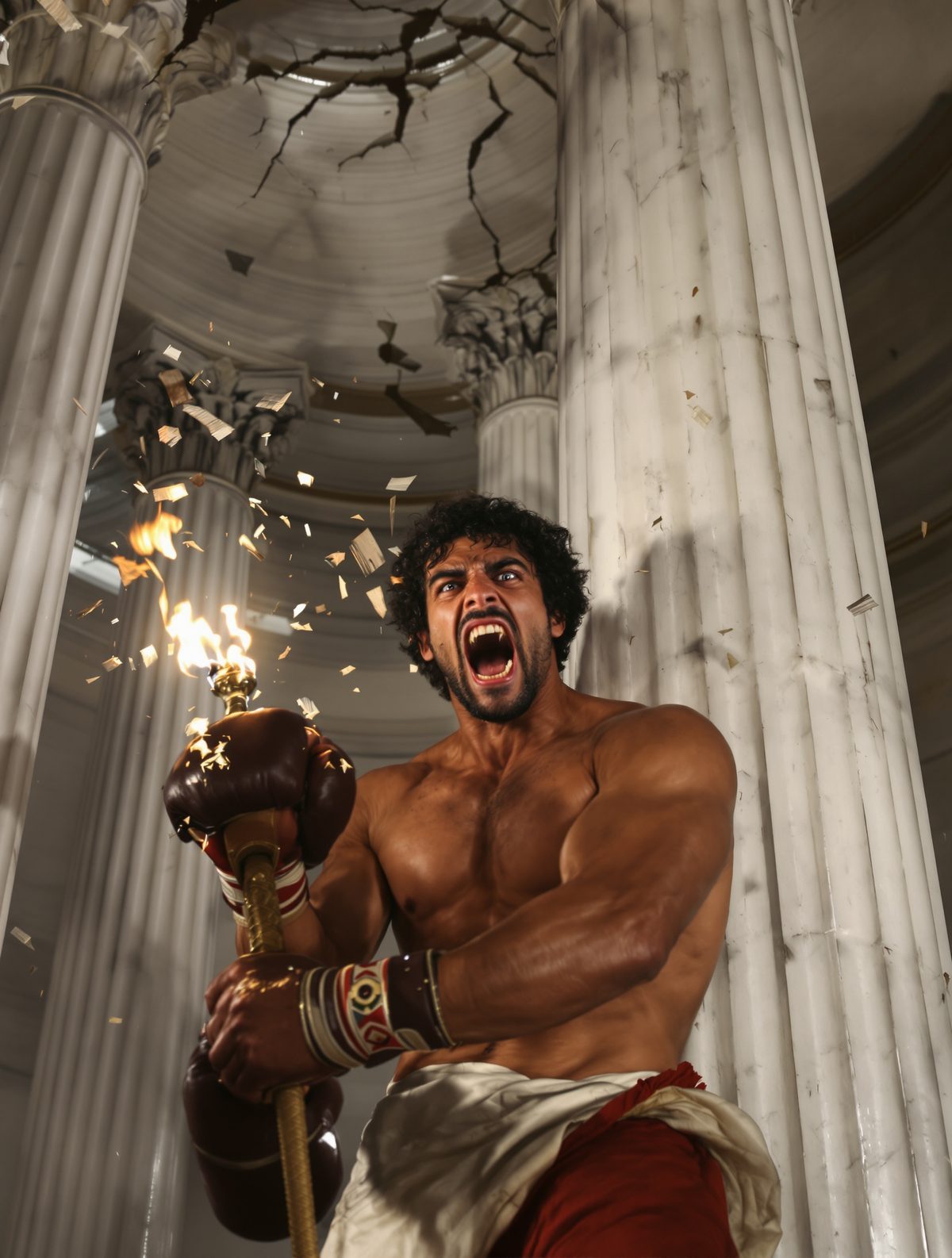
Kleomedes won the Olympic boxing crown. Then killed his opponent with an illegal blow. The judges stripped his victory. He snapped. Returned to his hometown temple. Pulled down the roof killing 60 children inside.
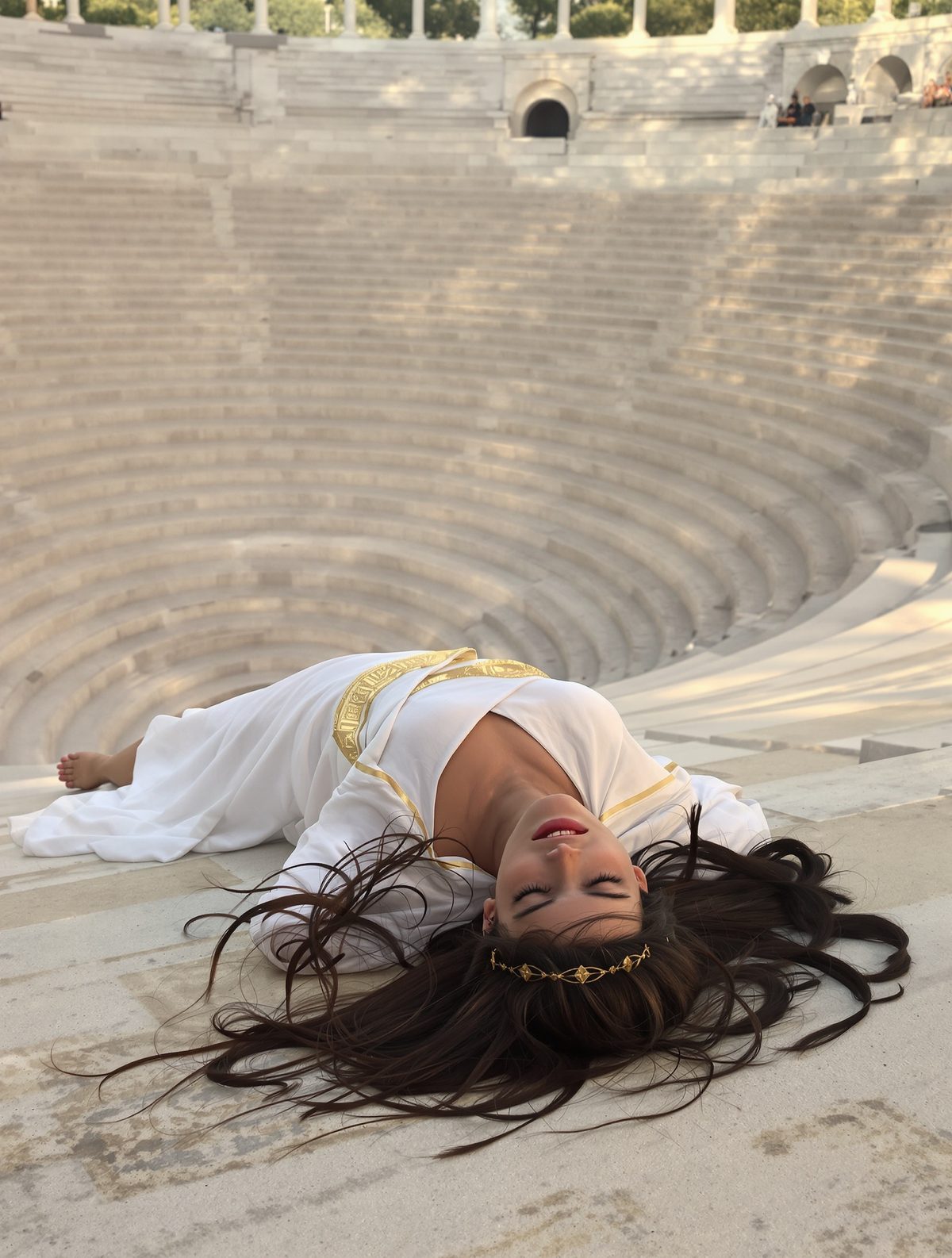
Philista was Athens' most beloved actress. When Macedonian soldiers stormed her theater to arrest her for sedition, she collapsed mid-performance. The audience wept as she 'died' on stage. The soldiers left her body behind. She had fooled them all.
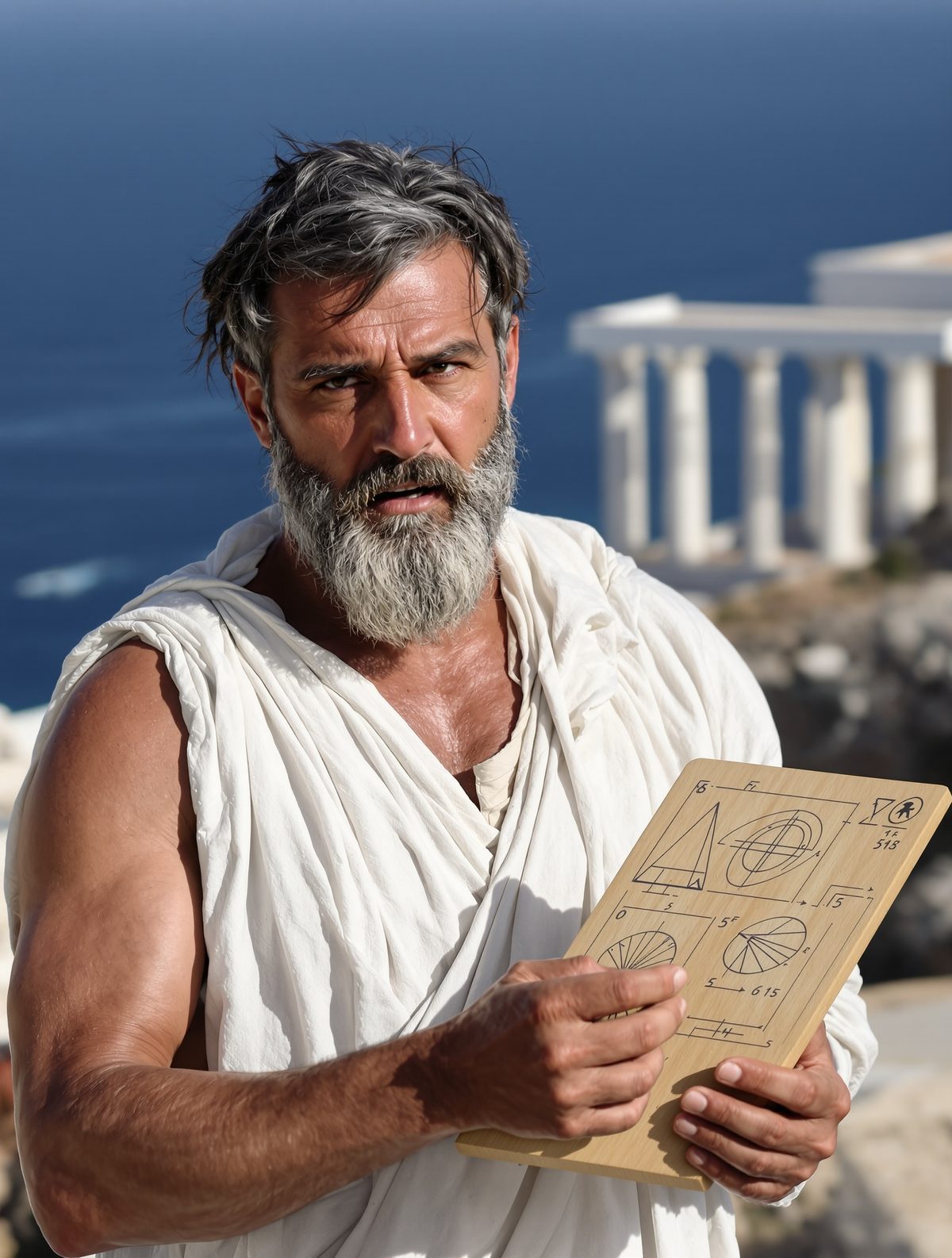
Hippasus discovered irrational numbers while studying music. His Pythagorean brotherhood considered this mathematical heresy. They threw him overboard during a sea voyage. He drowned for proving √2 existed.
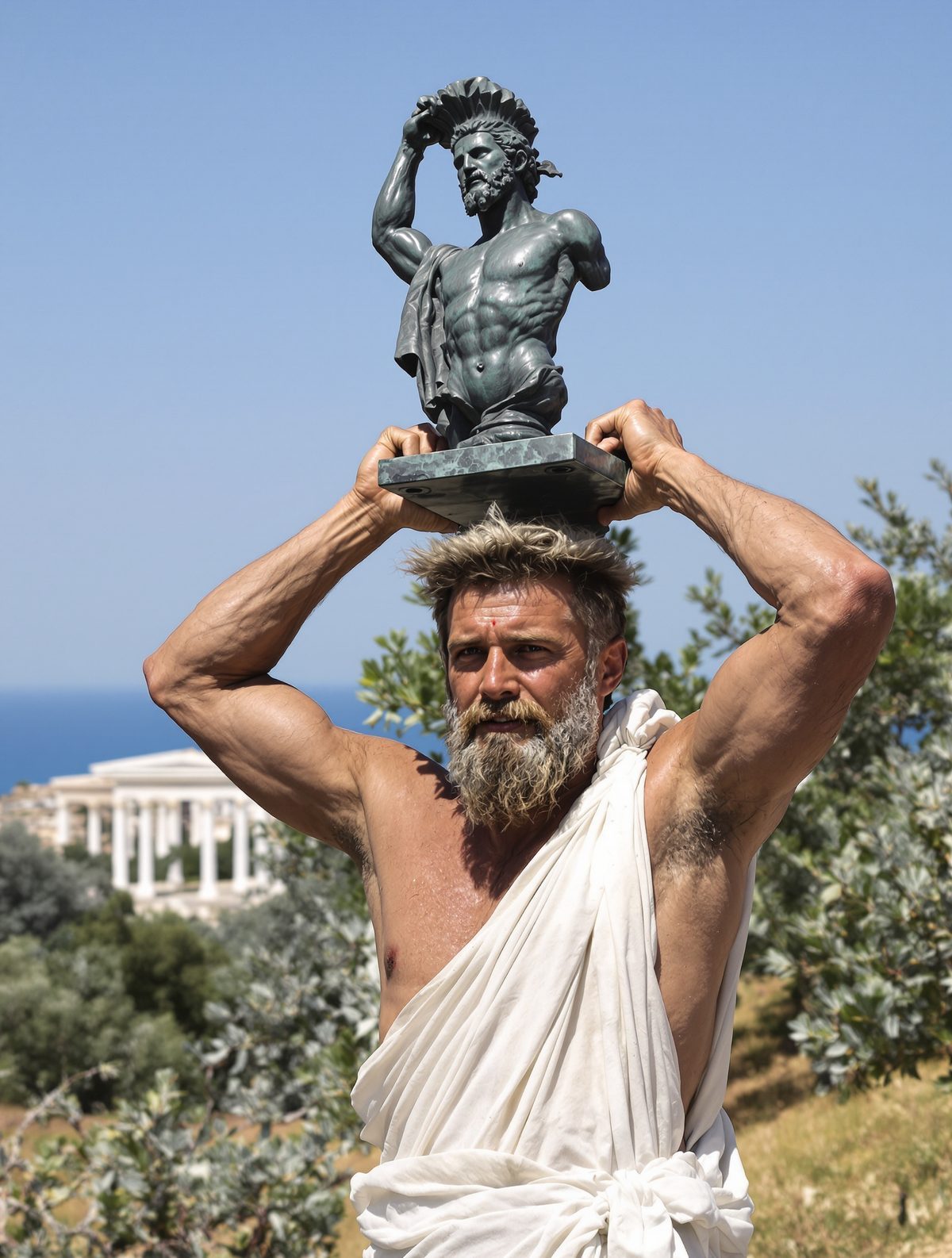
Milo of Croton won six Olympic wrestling titles. After his final victory, he hoisted his own bronze victory statue. Carried it on his shoulders through the cheering crowd. Then walked 300 miles home to southern Italy. Still carrying the statue.
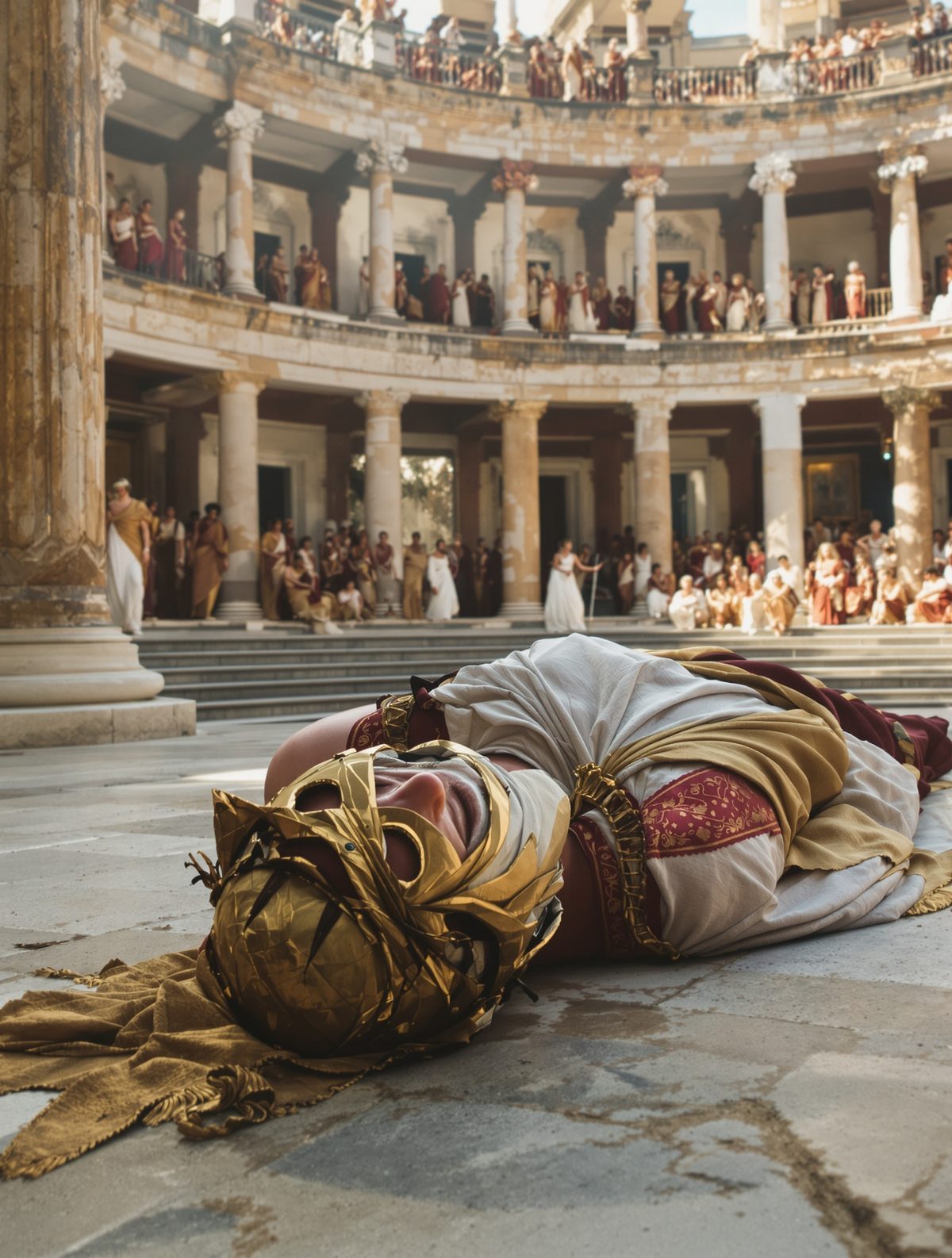
Aeschylus was performing his trilogy on stage in Athens. During the climactic death scene, he collapsed. The audience applauded his realistic acting. He never got back up.
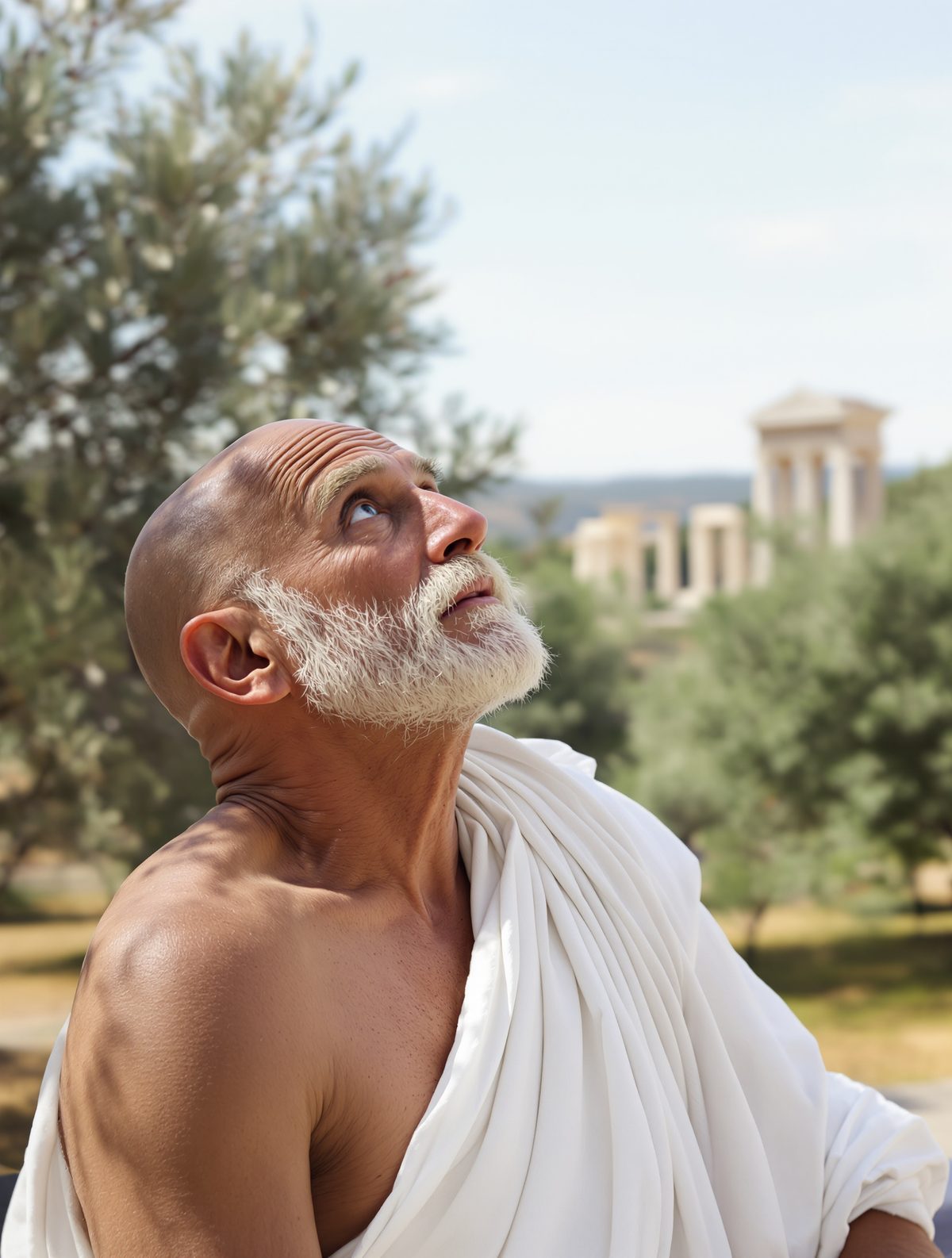
Aeschylus was Greece's greatest tragedy writer. An oracle warned he'd die from a falling house. He fled to the countryside for safety. An eagle mistook his bald head for a rock. It dropped a tortoise to crack it open.
Theagenes of Thasos won 1,400 athletic contests. After his death, rivals whipped his bronze statue nightly. One night the statue fell. It crushed his attacker to death. Thasos exiled the statue for murder.
King Cleomenes I of Sparta was imprisoned by his own people for madness. Guards found him dead in his cell. He had methodically carved strips of flesh from his own body with a knife. Starting from his shins, working upward until he reached his stomach.
Hippocrates never wrote the Hippocratic Oath. The famous medical pledge was created centuries after his death. The real Hippocrates believed disease came from bad air, not gods.
Hippias dreamed he slept with his mother the night before Marathon. His seers said it meant he'd reclaim Athens. He landed with the Persian army. Then his tooth fell out on the beach. He bent to find it. A spear found him instead.
Hipparchia was born into Greek nobility. Wealth. Status. Marriage prospects. Then she met Crates, a Cynic philosopher who owned nothing but rags. She rejected every suitor. Renounced her fortune. Married him in the marketplace. Lived on the streets of Athens.
Athens needed laws. Draco delivered them in 621 BC. Steal an apple? Death penalty. Steal a cabbage? Death penalty. Kill someone? Also death penalty. Citizens said his laws were written in blood, not ink.
Anaxagoras taught that the sun was a glowing rock larger than Greece. Not a god. Just a rock. Athens charged him with impiety. His student Pericles defended him. He chose exile over execution.
Cleisthenes was losing a power struggle in Athens. His rival had the aristocrats. He had nothing. So he did something unprecedented. He gave political power to the common people. Democracy wasn't born from noble ideals. It was a desperate campaign strategy.
The father of medicine never penned his most famous words. The Hippocratic Oath was written centuries after his death. History's greatest medical misattribution fooled doctors for 2,000 years.
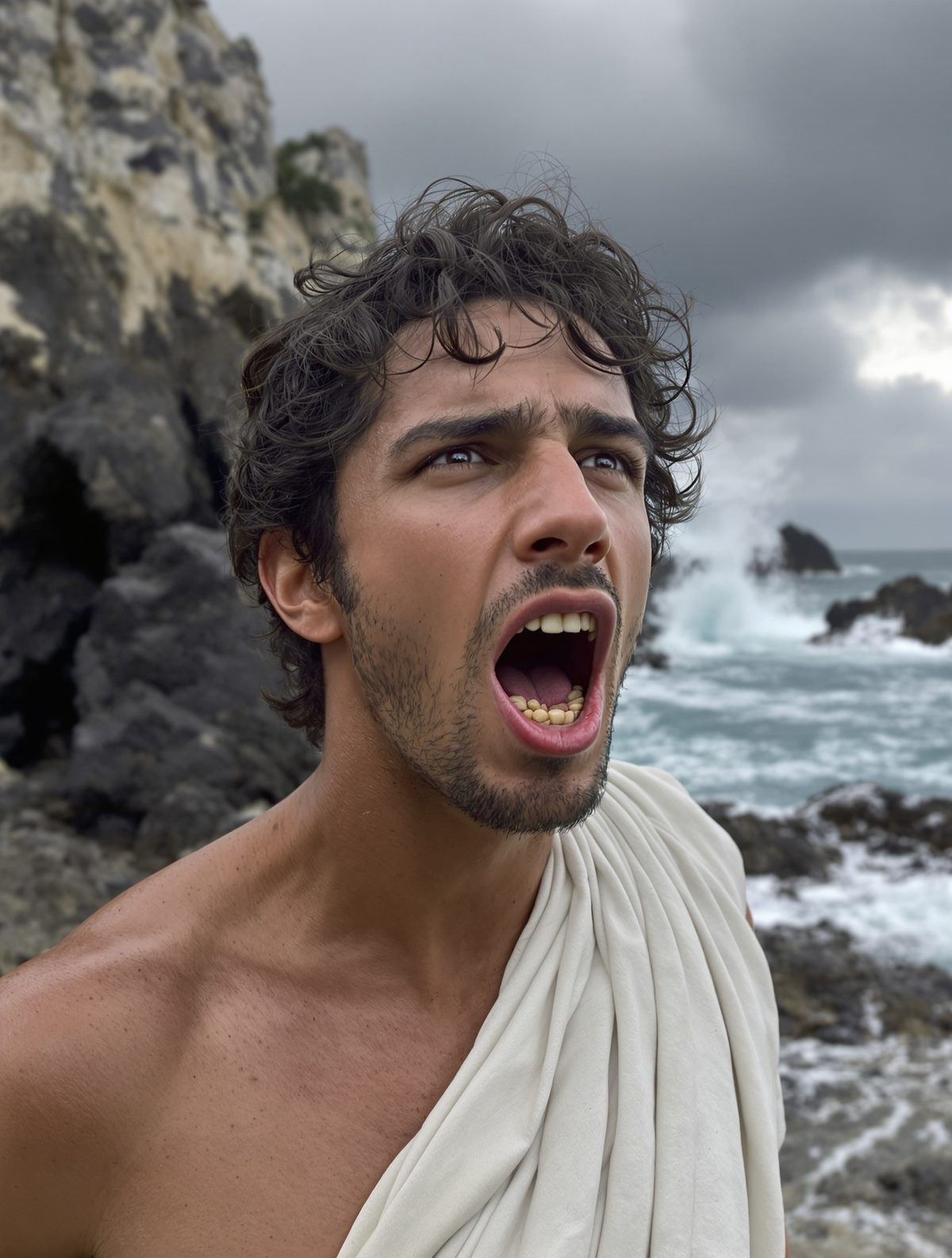
Athens' greatest orator was born with a severe stutter. He couldn't pronounce a single word clearly. So he filled his mouth with pebbles and practiced speeches by the crashing waves. The rocks forced his tongue to work harder. When he removed them, his speech was perfect.
Athens, 420 BC. Playwright Aristophanes mocked politician Cleon in his comedy. Cleon sued him for defamation in court. The same audience who laughed at the play sat as jurors. They acquitted the comedian who made them laugh.
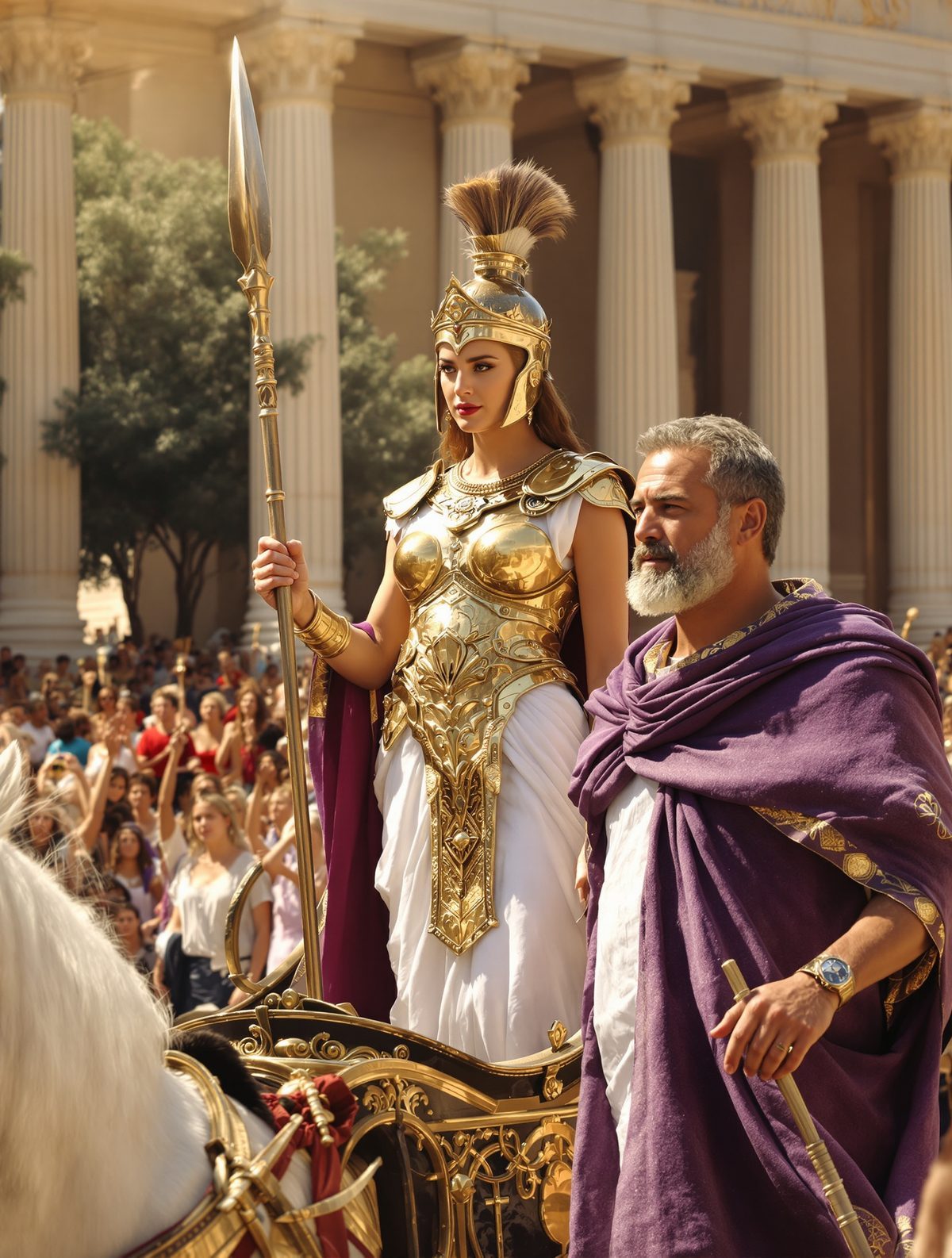
The exiled tyrant Pisistratus needed to return to Athens. He found a tall woman named Phye. Dressed her as the goddess Athena. Rode into the city beside her chariot. The Athenians bowed and welcomed him back as divinely chosen.
Hippasus proved that some numbers couldn't be expressed as fractions. His fellow Pythagoreans considered this mathematical heresy. They threw him overboard during a sea voyage. He drowned for discovering irrational numbers.
The tyrant Nicocreon ordered his soldiers to pound the philosopher with iron pestles. Anaxarchus laughed as they crushed his body. "You pound the pouch of Anaxarchus, but not Anaxarchus himself." He bit off his own tongue and spat it at the king.
Athens' golden boy general switches to Sparta. Then betrays Sparta for Persia. Then abandons Persia to return to Athens. Each time he convinces his new allies that his previous allies were the real enemy.
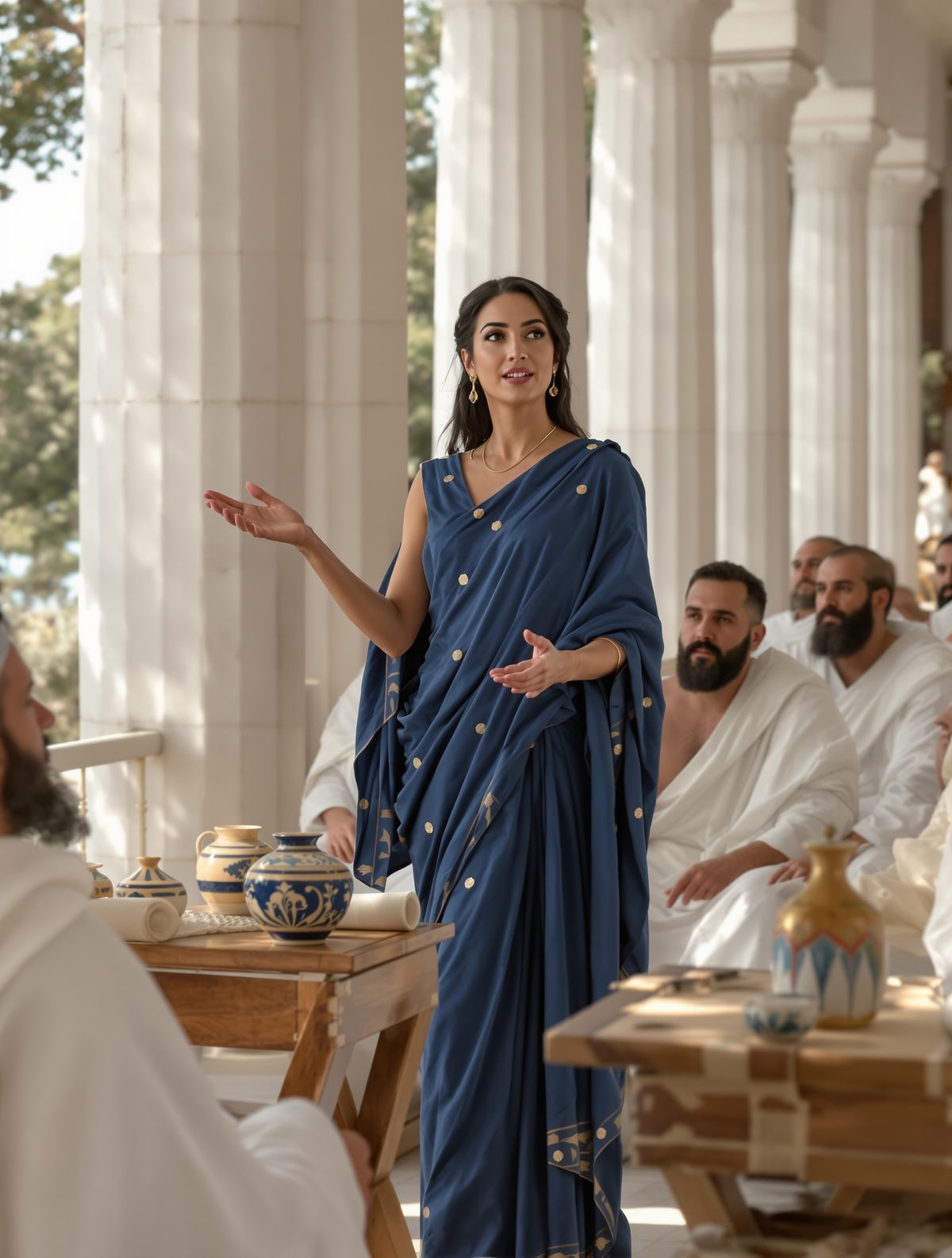
Aspasia was a foreign woman in ancient Athens. She couldn't vote or own property. Yet the most powerful men in Greece came to her house. They paid to learn rhetoric and philosophy from her.
The father of medicine examined every bodily fluid personally. He tasted urine to detect sweetness. Smelled breath for signs of fever. His diagnostic method required all five senses.
The young Spartan king shocked his elders by proposing to give away all his wealth to restore Sparta's military might. His own grandmother turned against him. At age 20, he was executed by the very council he tried to reform.
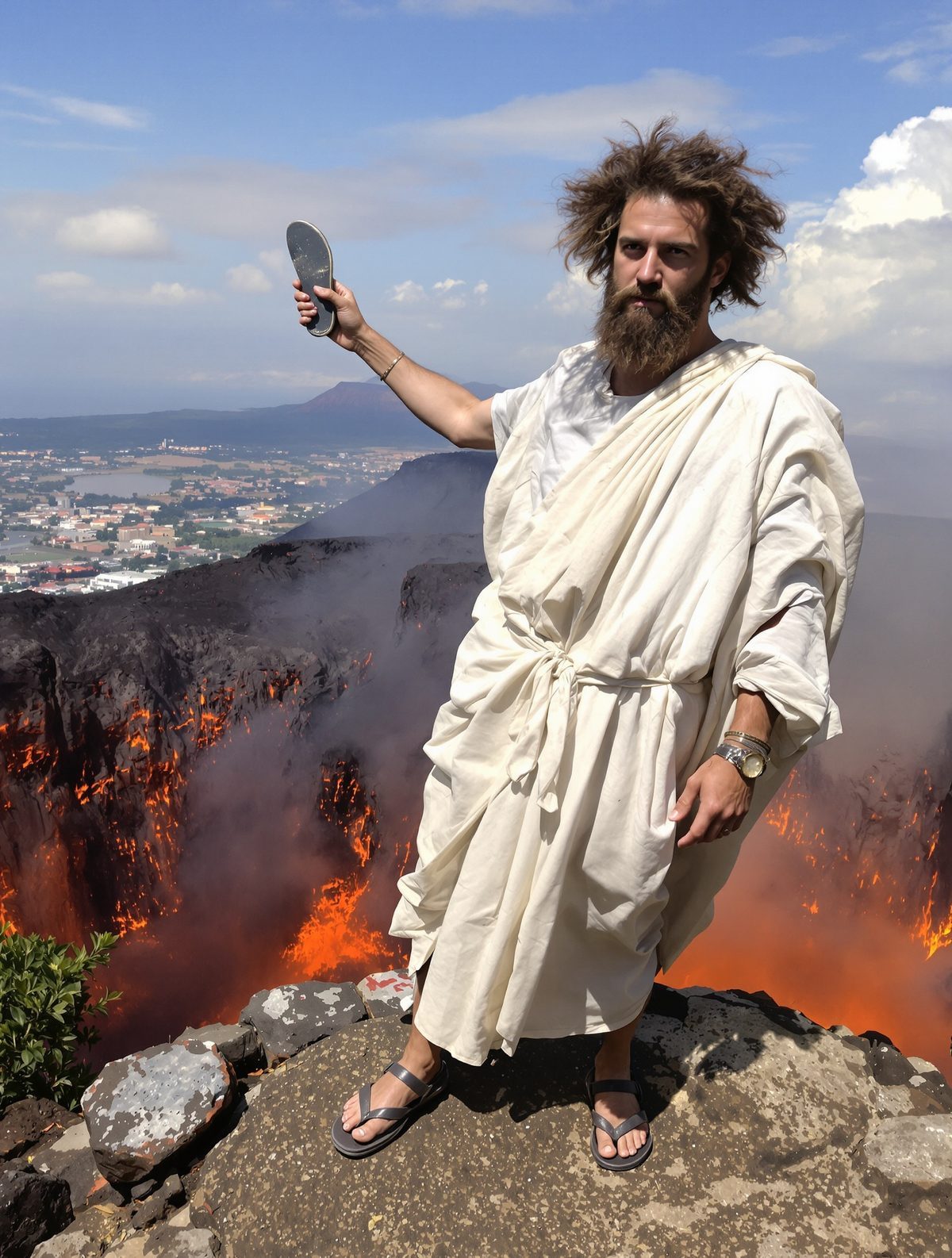
Empedocles declared himself divine to his followers. To prove his immortality, he leaped into Mount Etna's crater. The volcano spat out his bronze sandal. His divine plan had one fatal flaw.
Hipparchus noticed a star had moved. Not across the sky in one night. But compared to records from 150 years earlier. He realized the entire celestial sphere was slowly shifting. Earth itself was wobbling like a spinning top.
Hippias ruled Athens with his brother Hipparchus in relative peace. Then assassins struck at a religious festival. Hipparchus died in the streets. Hippias survived and became a paranoid dictator who saw enemies everywhere.
Roman soldiers storm Syracuse. Archimedes draws circles in the sand, lost in mathematical proof. A legionary approaches with sword drawn. 'Don't disturb my circles,' the old man says. The blade falls.
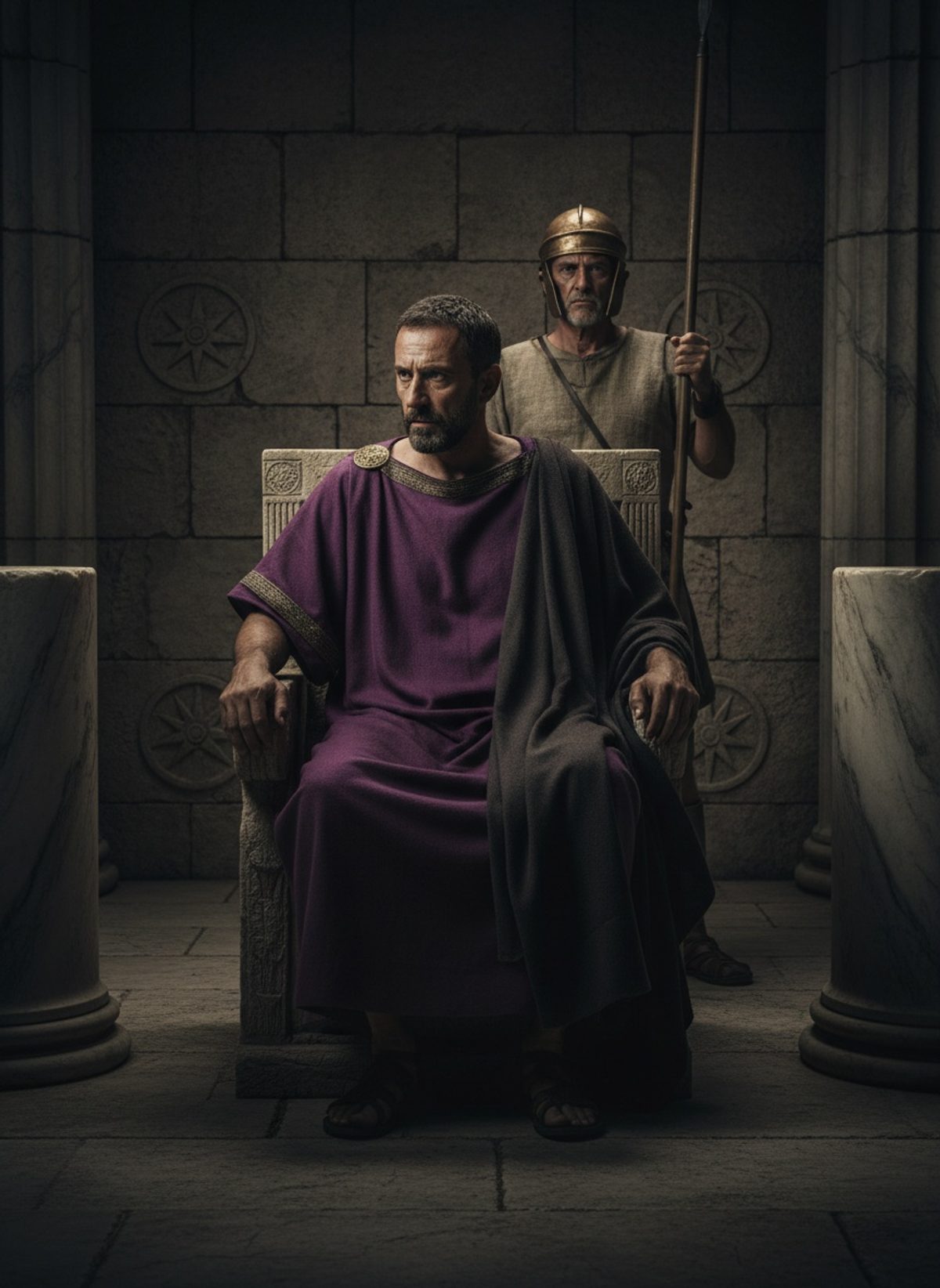
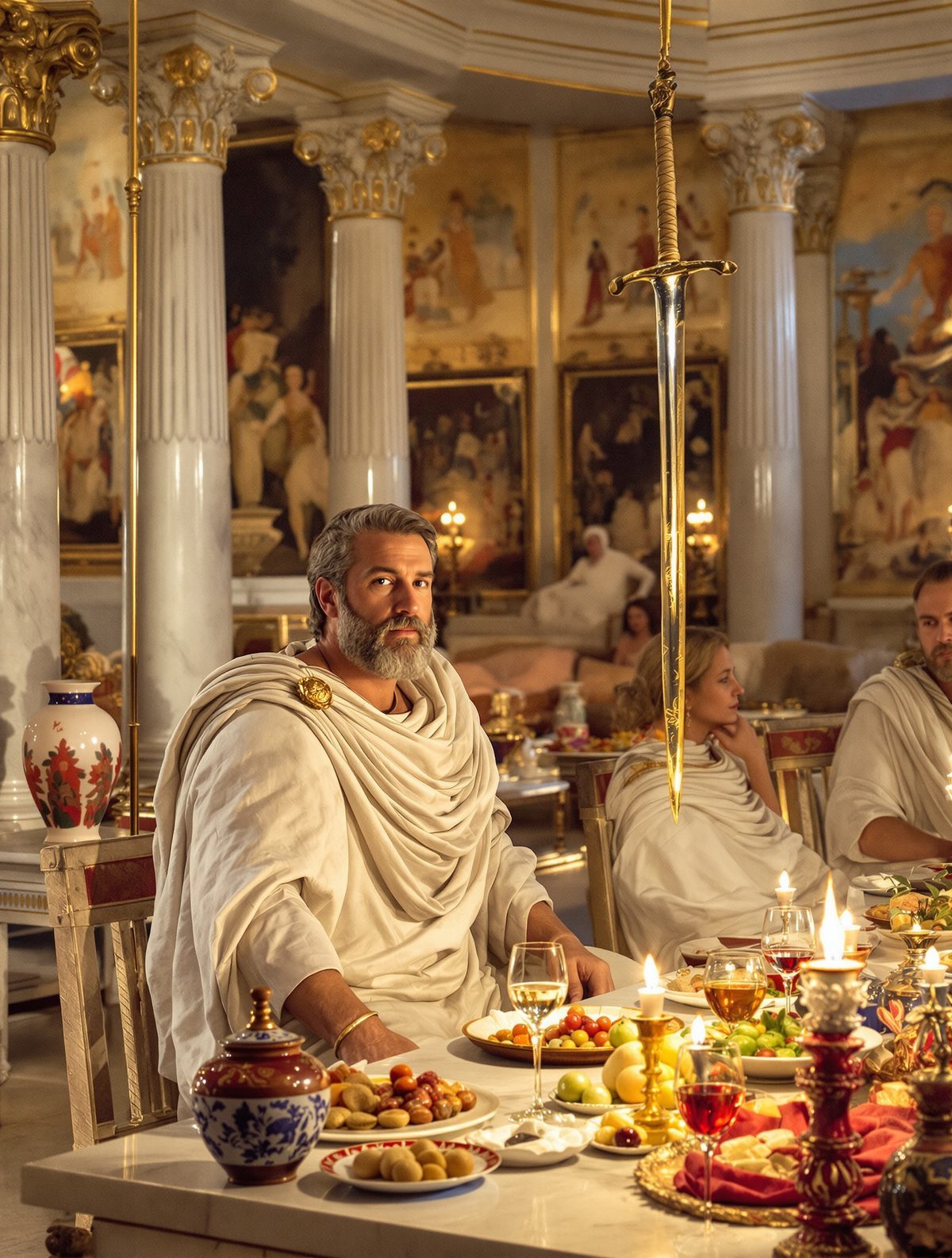
Dionysius I ruled Syracuse with absolute power. He invited courtier Damocles to a feast. Damocles praised the tyrant's happiness. Dionysius seated him under a sword hanging by a single horsehair.
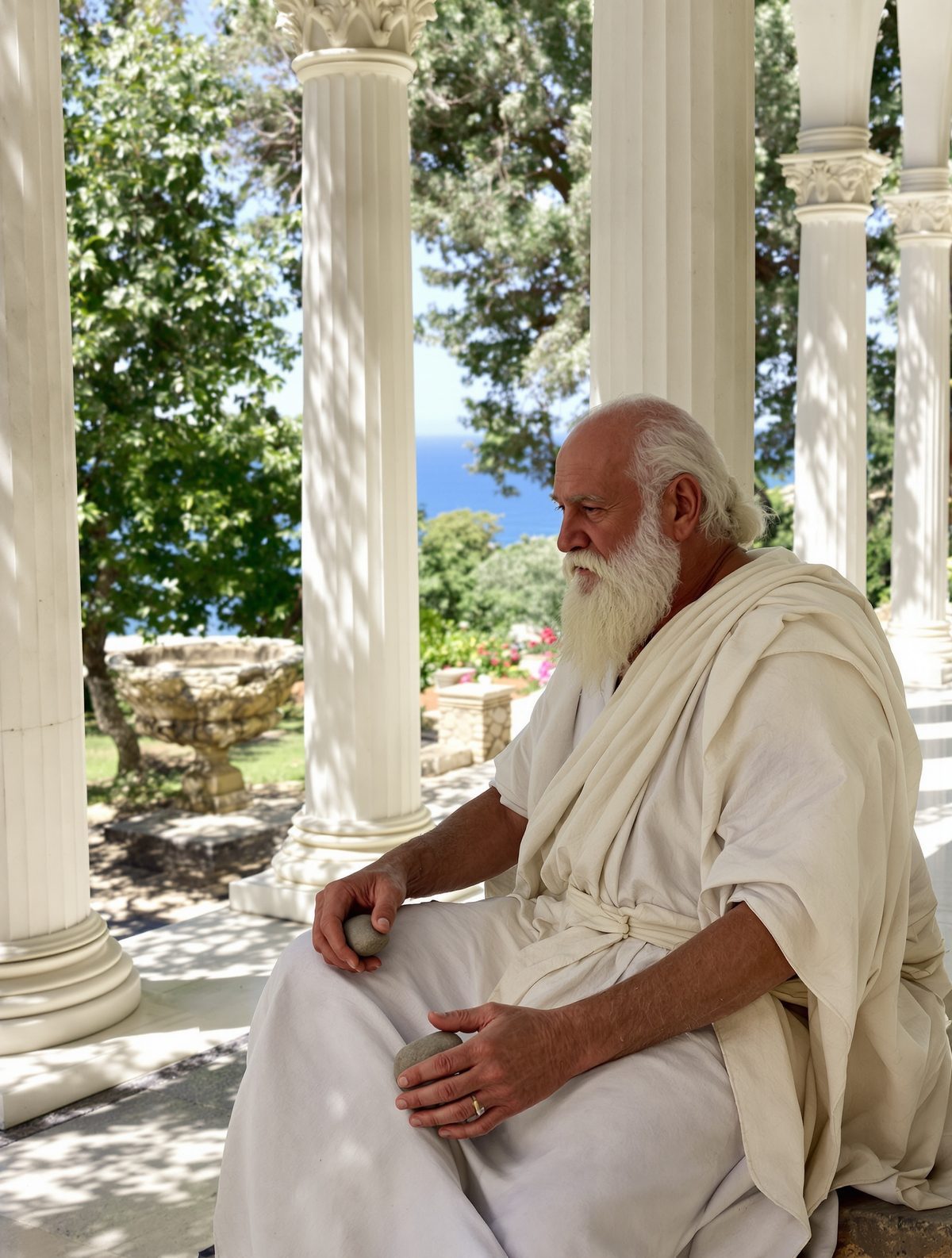
Democritus sat in his garden, contemplating a pebble. He imagined cutting it smaller and smaller. Eventually, he reasoned, you'd reach something uncuttable. He called it 'atomos' - the atom. 2,400 years before Einstein.
Athens was drowning in debt. Poor citizens sold themselves into slavery to pay creditors. Then Solon became archon. With one revolutionary law, he cancelled all debts and freed every debt slave. The rich were furious. But Athens was saved.
Nero entered the Olympic chariot race with a ten-horse team. He fell off. He never finished. The judges declared him winner anyway. He was the Emperor of Rome.
Athens exiled him. He joined their enemies. Sparta grew suspicious. He fled to Persia. Every city he touched, he tried to rule. Every city eventually wanted him dead.
Athens sentenced Socrates to death. His friends bribed the guards. The escape route was open. He refused to take it. He drank the hemlock anyway.
He ran from Marathon to Athens. No rest. No water. He burst into the assembly, gasped one word — 'Victory' — and collapsed. He never got up again.
Alexander the Great stood before the world's most famous philosopher. He offered him anything he desired. Diogenes looked up and said: move. You're blocking my sun.
Hand-picked from Britain Untold's archive. The stories you weren't taught at school. 3-minute read.
No spam. Unsubscribe in one click. We hate spam too. Privacy Policy.