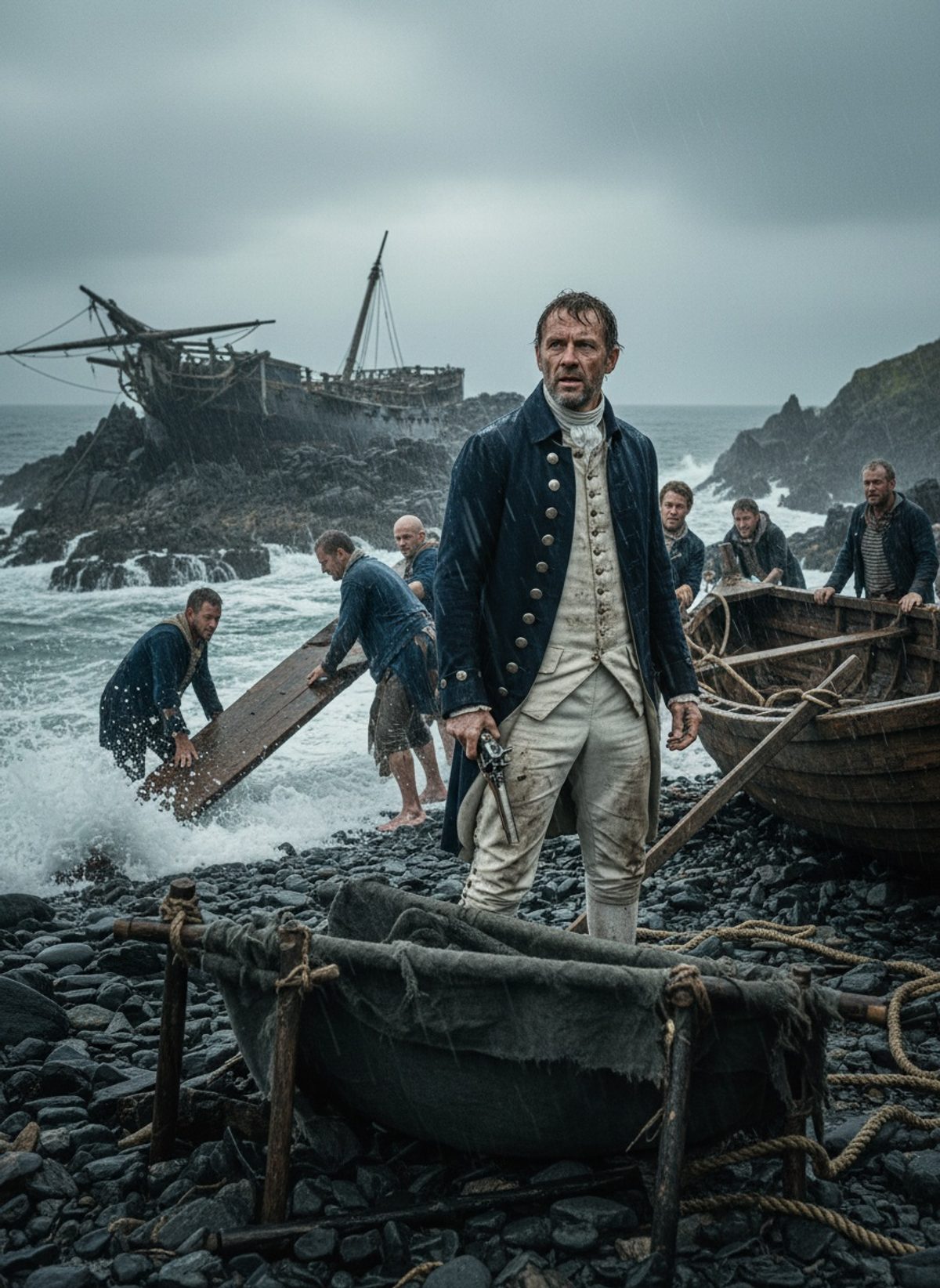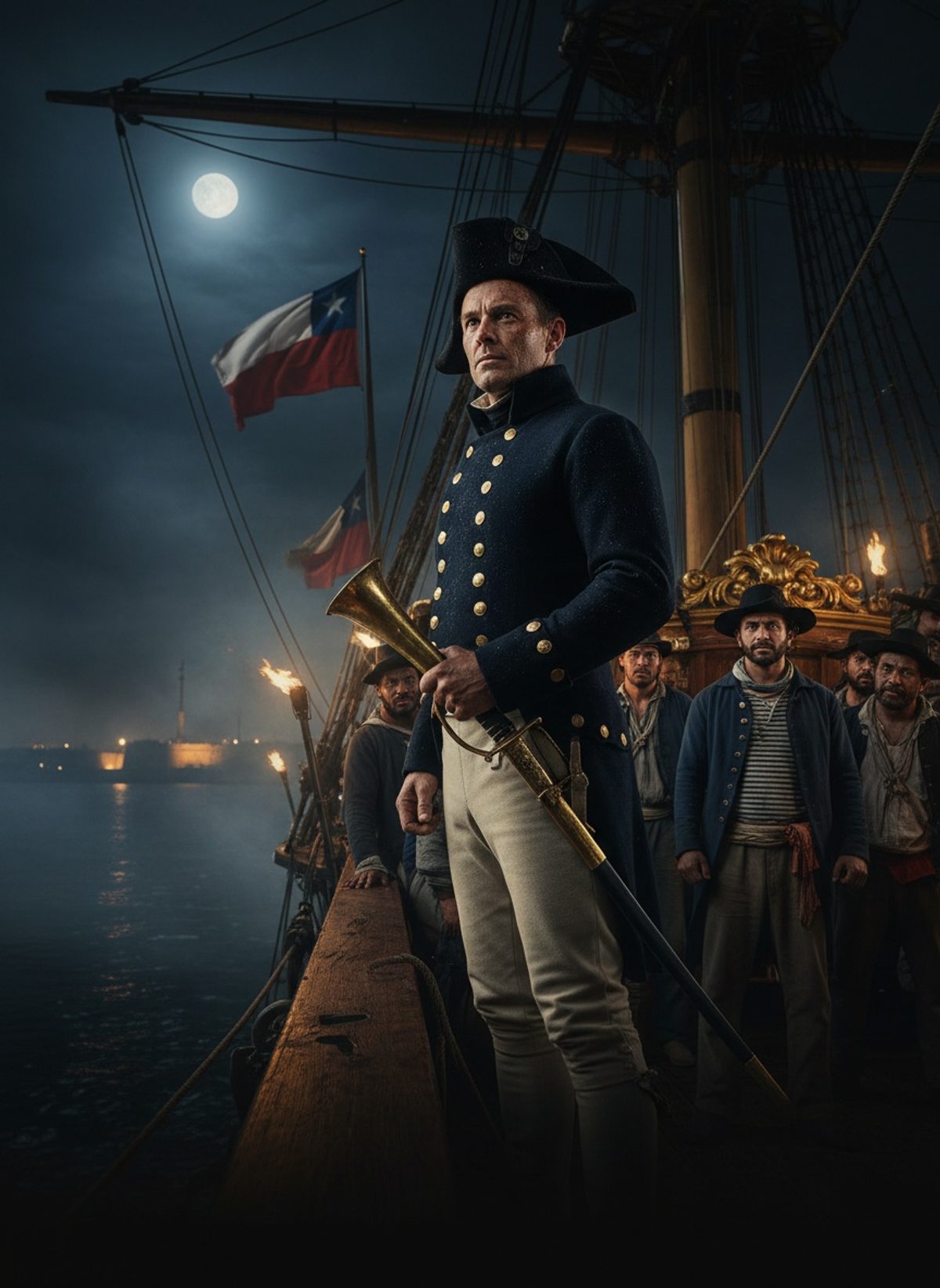
The Royal Navy was invincible. But on a hazy June day in 1813, it was about to be humbled yet again by the audacious American privateers. Unbeknownst to them, a British captain named Philip Broke had other plans. As his ship lay in watchful patience off the coast of Boston Harbor, Broke was poised to leave a mark so indelible that it would ripple across the tumultuous waves of the Atlantic in just thirteen fiery minutes.
The Challenge of the Chesapeake
In the midst of the War of 1812, the United States had managed to bruise the ego of Britannia with surprising naval victories. American frigates were racking up victories over the famed Royal Navy, their success emboldened by an unprecedented audacity. Captain James Lawrence, then in command of the USS Chesapeake, was among those riding this wave of confidence. But nestled in the silt-laden waters just outside Boston Harbor was HMS Shannon, a thirty-eight-gun beauty of the British Royal Navy helmed by Captain Philip Broke, who had grown tired of the gnawing yank of American triumph.
As Shannon’s sail fluttered in the light June breeze, Broke seized the moment in a fashion more fitting of a genteel duel than naval combat. He penned a challenge to Lawrence in a most daring manner. The letter, delivered aboard a naval cutter, was simple and direct — the Chesapeake was invited to venture out of the safety of the harbor for a direct engagement. This departure from the tradition of faceless naval warfare was unexpected; it was a matter of a man challenging another to the game of death, played upon a field of restless waters.
A Date with Destiny on the Atlantic
The waters on that fateful day were calm, yet held an electric tension that betokened an extraordinary confrontation. As the Chesapeake glided out of the harbor to meet Broke’s Shannon, eagles of the sky-like witnesses circled above. It began at 5:00 PM, under a sun that cast an almost ethereal light over the Atlantic. It was a contest defined not by cannons alone, but by the iron wills of those who commanded them.
Read next: When Britain's Submarine Fleet Broke the Rule of Thirds, 1914
The two ships closed the gap with fiery exchanges of cannon fire. The battle was a cacophony of chaos wrought by precision. As they traded broadsides, it soon became apparent that Broke’s years of meticulous training with his crew were about to pay off in spectacular fashion. In one sweeping, calculated maneuver, Broke directed the Shannon into a position that would forever etch this encounter into the annals of naval warfare.
The Clashing Steel of Boarding Action
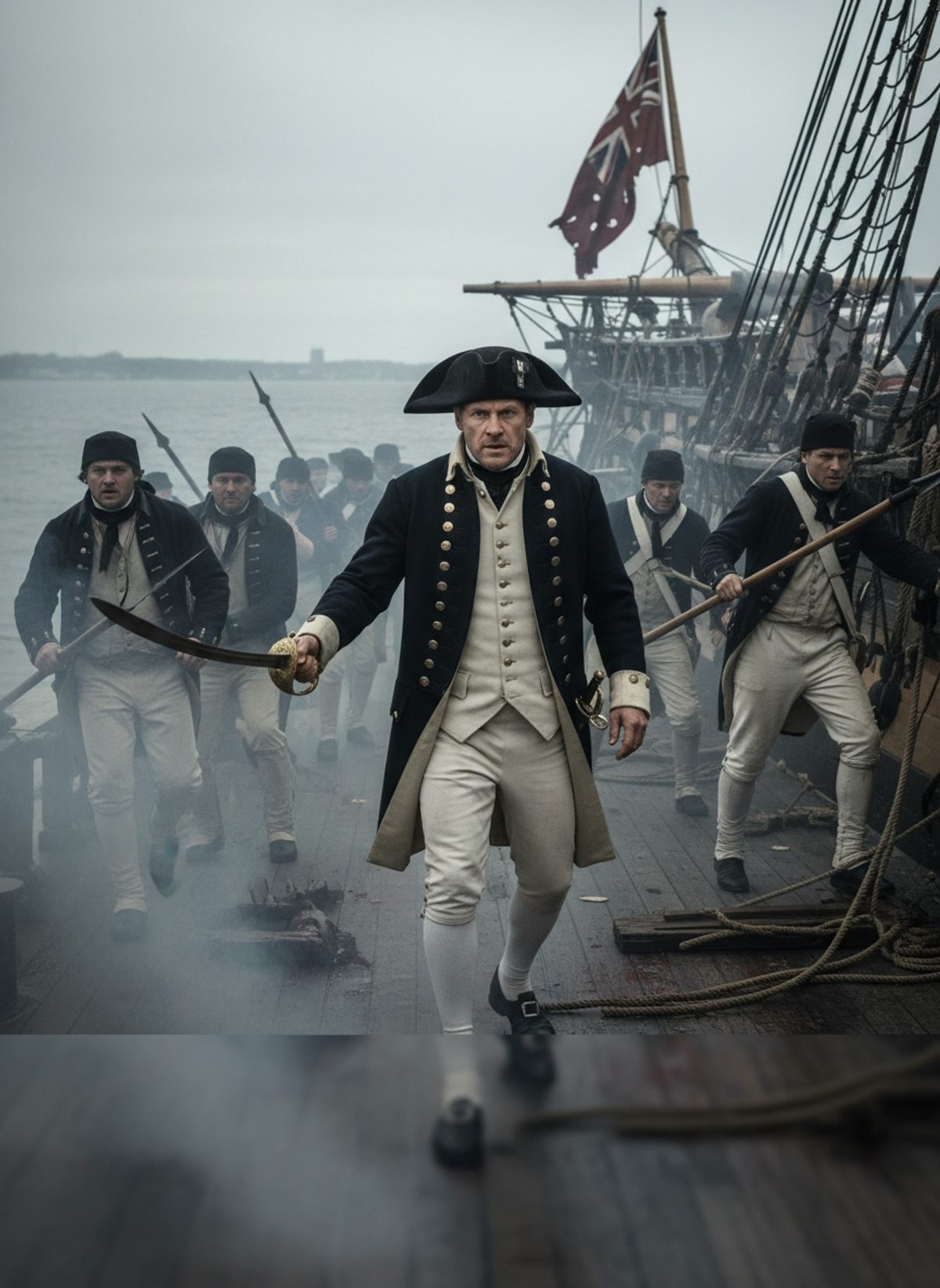
What transpired at the moment the Chesapeake’s sails were silently brushed by Shannon’s was a whirlwind of blood and bravery. Captain Broke, driven by a deeply seeded commitment to his king and country, led his men across the deck of the Chesapeake in a boarding assault that felt both ancient and timeless.
They brought with them the cold certainty of steel — swords met in clangs of iron against iron, echoes of conflict that resonated amid shouts of men embattled. It was raw, it was visceral, and above all, it was decided by the grit and steel of the men who fought face to face. Broke himself was wounded in the melee, a testament to his commitment to lead from the front, yet his presence fueled the momentum that overcame the Chesapeake.
The skirmish had erupted and concluded with a swiftness shocking in its efficiency — just thirteen minutes from cannon fire to capture. The decks became a somber tableau of the cost of war, a reminder of the carnage that resulted when silk-gloved challenges met with the grim reality of war.
The Ripples of the Atlantic Triumph
When word of the Shannon’s victory reached the British shores, it was lauded as a restoration of the navy’s formidable reputation. Yet, beyond the immediate political and military implications, this encounter held a deeper resonance. It was a stark reminder of the ever-tenuous nature of supremacy, of how the tides of fortune could shift even from the unlikeliest of hands with but a nudge towards destiny.
For many, the battle between the Shannon and the Chesapeake was a microcosm of the greater struggles that defined the era. It underscored the efforts of individuals who defied expectations and dared the unruly fates, highlighting the uncertainties that governed even the most powerful empire’s dominion over the sea. The waves that embraced the outcome carried with them a tale of courage, challenge, and conviction, a legend crafted not in the glow of triumph but in the shadow of risk and resolve.
Why does this story endure, you may wonder? As iron replaces oak, and technology supersedes courage, it reminds us that there are moments when human will, undeterred by the seemingly insurmountable, sails forth into legend. Captain Broke's gamble reminds the world just how quickly the longest held certainties can be altered by the boldness of one man, a captain who took the Chesapeake, and with it, a moment of shared history in those brief, thunderous thirteen minutes.