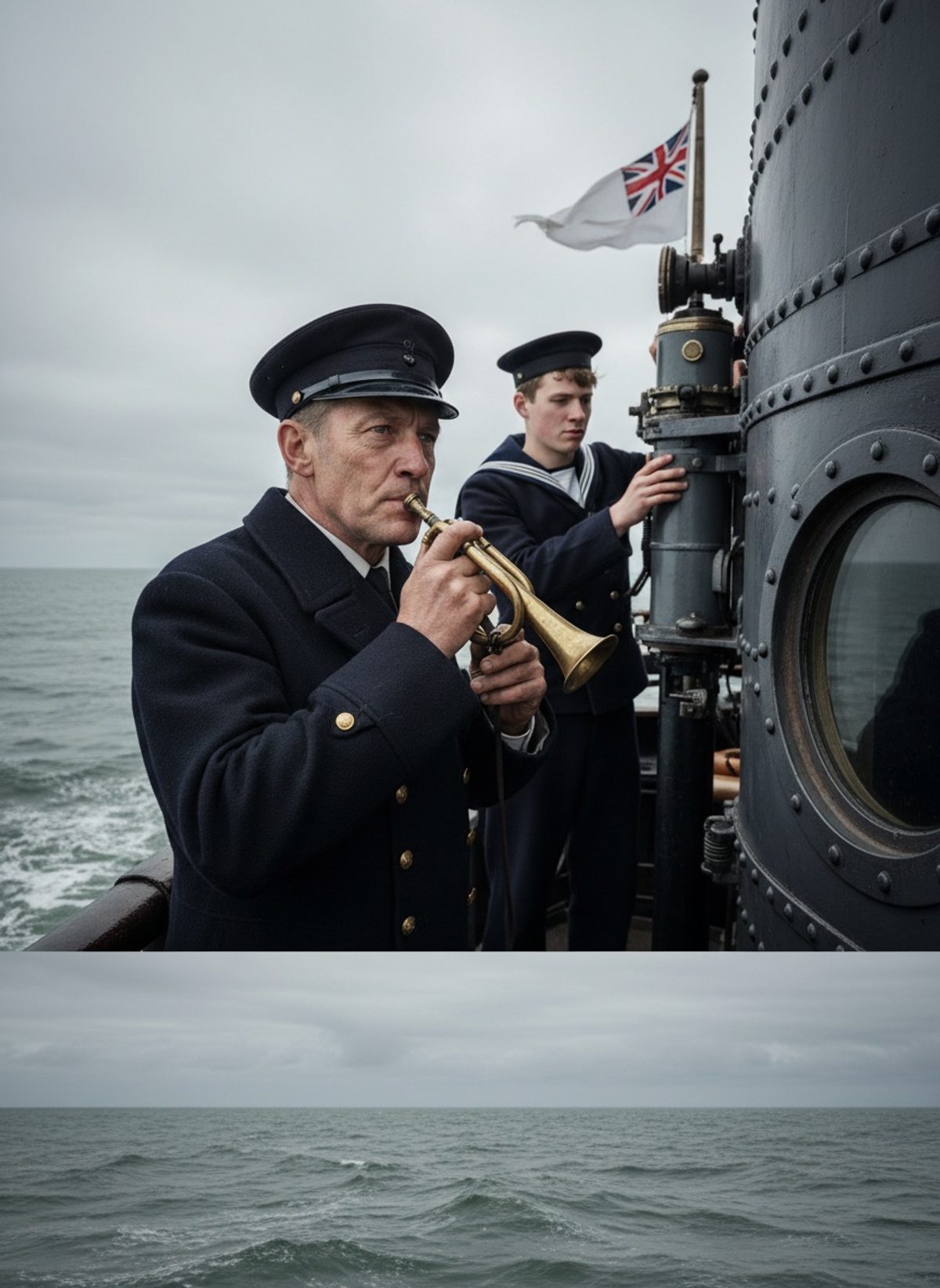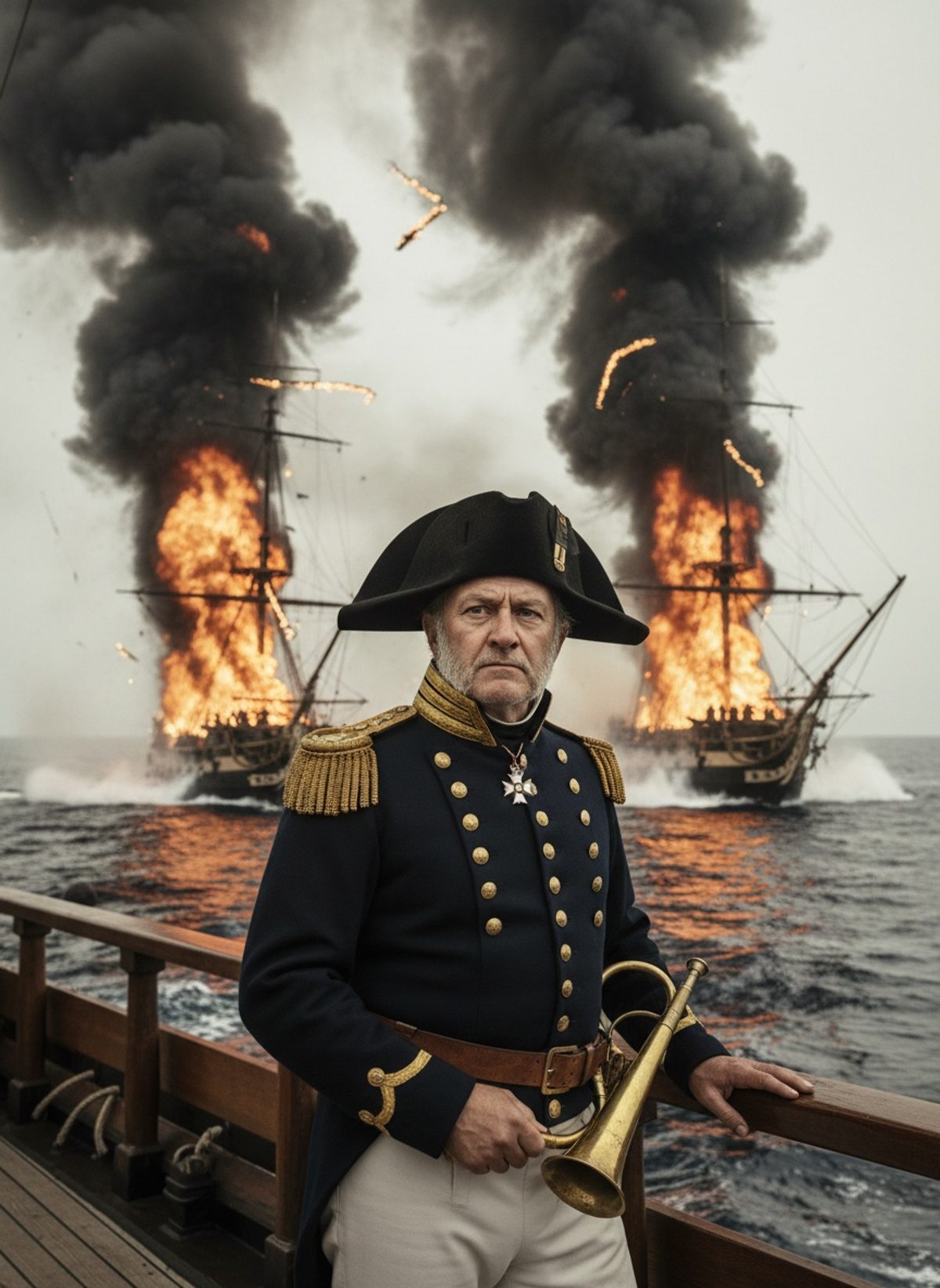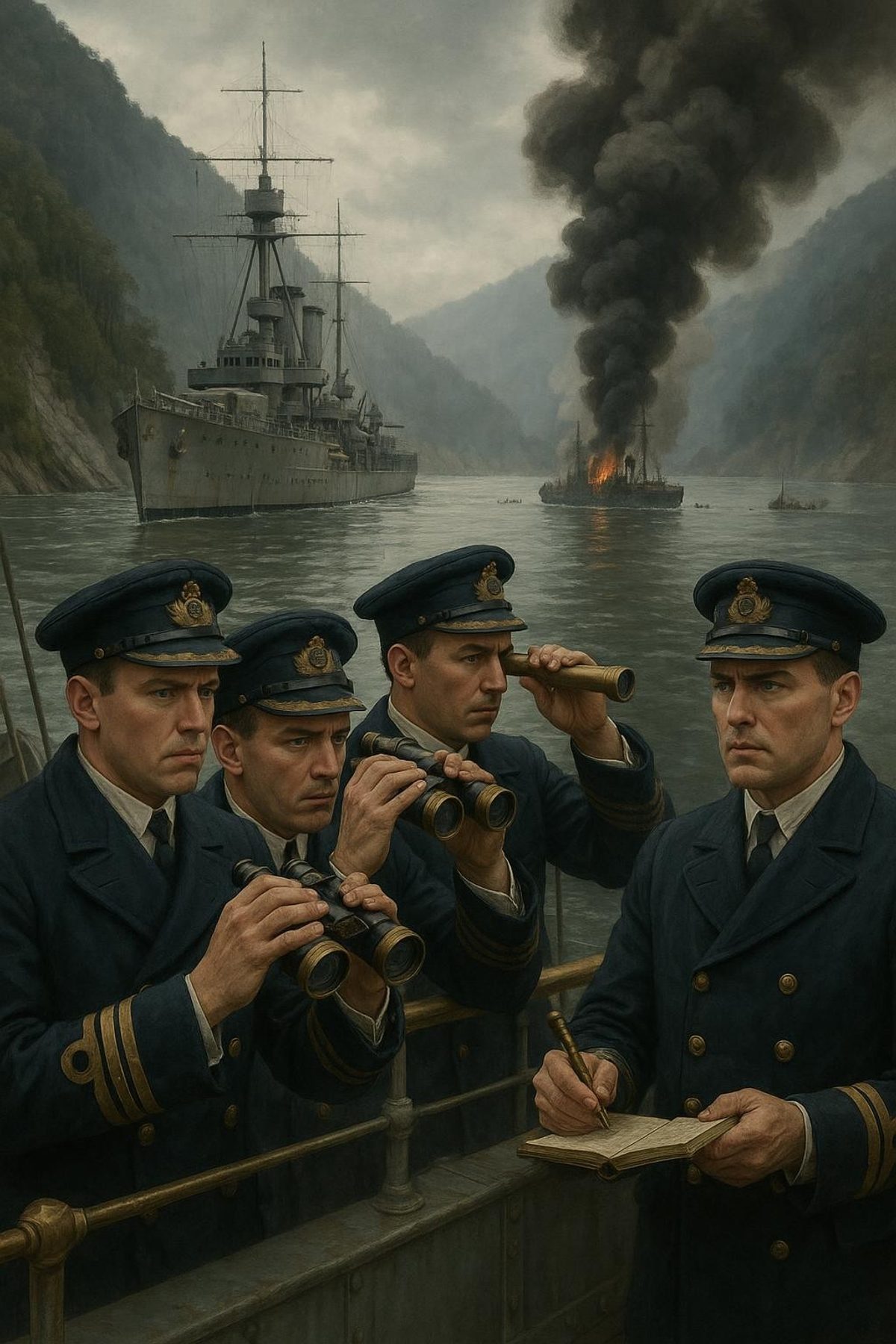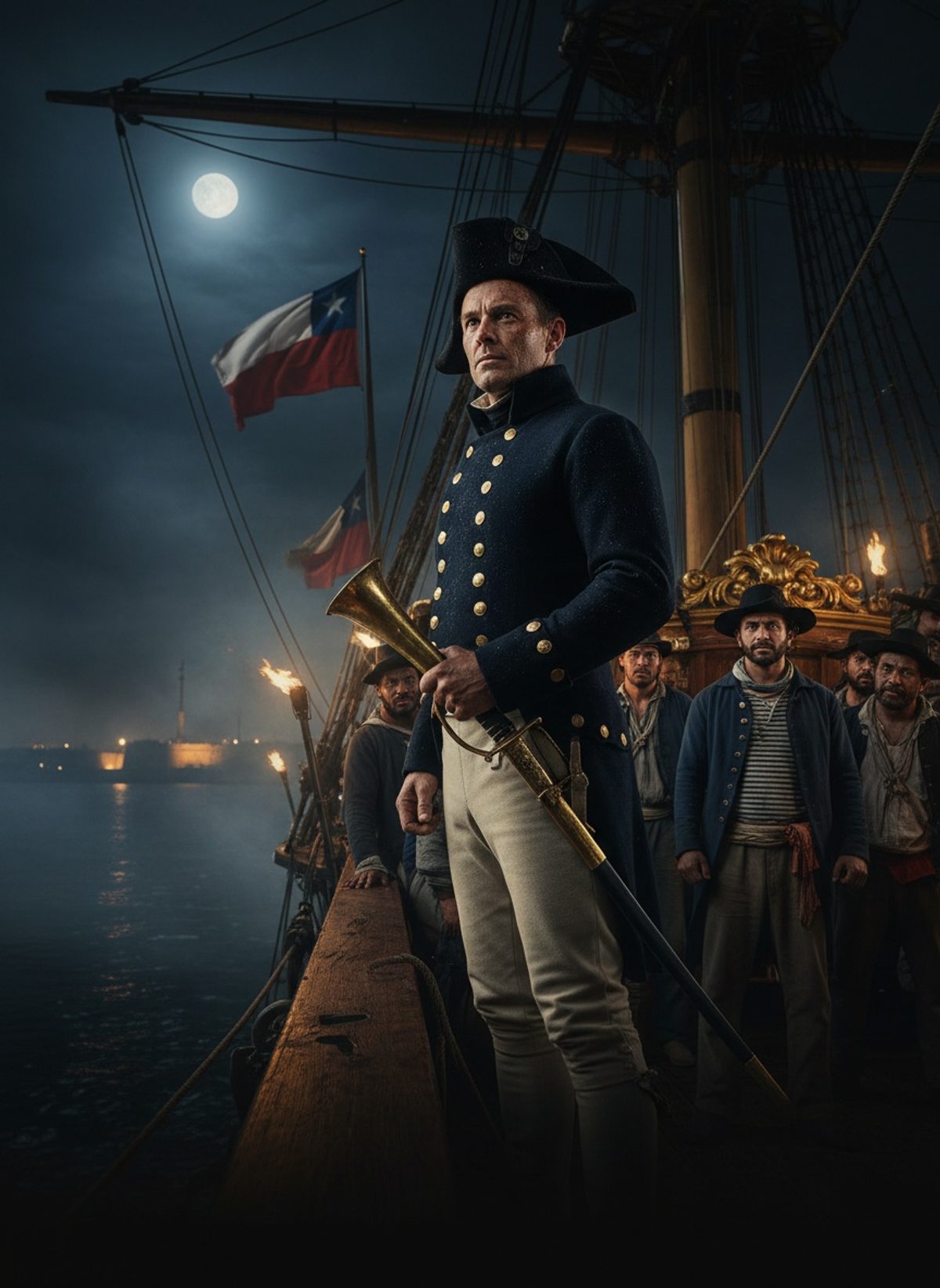
The early dawn light filtered through the mist hanging over the harbor of Callao, painting an ethereal landscape across the Pacific waters. The harbor, one of the most fortified in Spanish America, lay still and quiet under the watchful eyes of the Spanish sentries. The sounds of creaking ships tethered to their moorings mixed with the lapping of gentle waves against the stone piers. This silence belied the strategic importance of the harbor, a bastion of Spanish naval power on the Pacific coast of South America. Here, under the cover of darkness and the courage of bold strategy, a daring mission unfolded that would alter the fate of a continent.
The Rogue’s Gambit
In the world of naval warfare, where battle lines were often drawn with fleets of iron and timber, the audacious actions of one man could change the course of history. Lord Thomas Cochrane, a British naval officer turned mercenary for the newly formed Chilean navy, was such a man. Cast out from the Royal Navy under a cloud of scandal, Cochrane was still possessed of as much daring as he had during his esteemed (but tumultuous) service to the crown. With Chile fighting tooth and nail for independence from Spain, Cochrane found new purpose in throwing his lot in with those who would free themselves from colonial rule.
Assigned command of a single ageing frigate, Cochrane faced the daunting task of neutralizing Spanish naval power that cast a shadow over the liberation efforts in the region. A task for a fleet, perhaps? For Cochrane, it was a challenge fit for a singular genius. Under the dim cloak of the early night of November 5th, 1820, he sailed alone into Callao's imposing harbor, a place a fleet would dare not enter unprompted in such an audacious fashion.
The audacity of Cochrane’s maneuver lay in the sheer nerve it took to sail a solitary vessel through the defenses of Callao. Here was a place packed with the Spanish navy's best, and yet the British maritime maverick had a plan so reckless, so bordering on impossible, it slipped right past the seasoned sentries of the harbor. Boarding the formidable Spanish flagship, the frigate “Esmeralda”, under the guise of conducting routine operations in the dark, Cochrane and his men quietly claimed the Spanish warship for Chile without firing a single shot. A spectacle of naval audacity that left the defenders reeling and the balance of power drastically tipped.
Read next: When Pellew Dragged a French Crew From the Sea, 1796
The Midnight Coup
As daylight broke over the harbor, revealing a dawn of new reality, the ramifications of Cochrane's midnight coup became apparent. By seizing the "Esmeralda," Cochrane had effectively removed a central pillar of Spanish naval strength in the Pacific. The operation had been carried out with such steely precision that its success felt almost more like legend than historical fact. But the reality was that this one captured ship, significant not just for its military might but also for the morale it embodied, signified the turning tide in Chile's battle for independence.
Cochrane’s success wasn’t simply due to stealth and bravado. Perhaps the most overlooked aspect of the operation was the preparation and discipline his men met the situation with. He had handpicked a crew of desperate men, undoubtedly aware of their precarious status, but similarly fueled by the promise of freedom for themselves and a nation. Morale was crucial — many of these sailors had personal stakes in Chile's struggle, their future hinging on exactly these sorts of gambits. They were buoyed by the belief in what seemed an impossible mission, using the darkness and confusion of the early hours to their advantage as Cochrane navigated them through the harbor defenses.
The scale of the setback for the Spanish cannot be understated. Taken by surprise, their best vessel now under Chilean command, and Cochrane's daring sapping morale whilst emboldening Chile's own forces, the domino effect began to unfold. Cities and territories that had loyally stood under Spanish dominion started to question where their allegiance should lie, influenced by this dramatic shift at sea.
A Turning Tide in the Pacific
What Cochrane achieved in the clutches of Callao stood as a pivotal moment not only for Chile but also for the entire region. It was a bold testament to how unconventional warfare could rewrite expected outcomes. The ripple effects of Cochrane’s success were felt far beyond the borders of the harbor; this was a narrative of daring innovation against the entrenched might of colonial rule.
With this single act, Cochrane didn't just supply the Chilean forces with a powerful warship; he infused the entire nation with the spirit of victory. Inspired by the success of the Emprenda chileans, like an infectious tide, took heart and rallied in confidence that their fight against imperial control was not merely feasible but inevitably achievable. The strategic mastery demonstrated here showed that traditional might could meet its match in calculated daring and unexpected fronts. The “Esmeralda’s” capture was not just tactical; it was deeply symbolic, representing the shred of hope and tenacity needed to topple what was once deemed unassailable.
As the patchwork of South America's independence movements unfurled across the continent, Cochrane's achievement lit the fuse of change. It showed the power of individual agency, even when exiled from one's own homeland, to shift the tides of power significantly. The story of Cochrane in the bay of Callao reminds us that history can turn on the daring actions of a few and that strategic audacity remains an enduring force in the face of overwhelming odds. This tale, often left sketchily told within the annals of commonplace textbooks, stands as a vivid illustration of how the contours of continents change — incrementally, yet incisively, through night-shadowed acts set against the great ocean of human history.