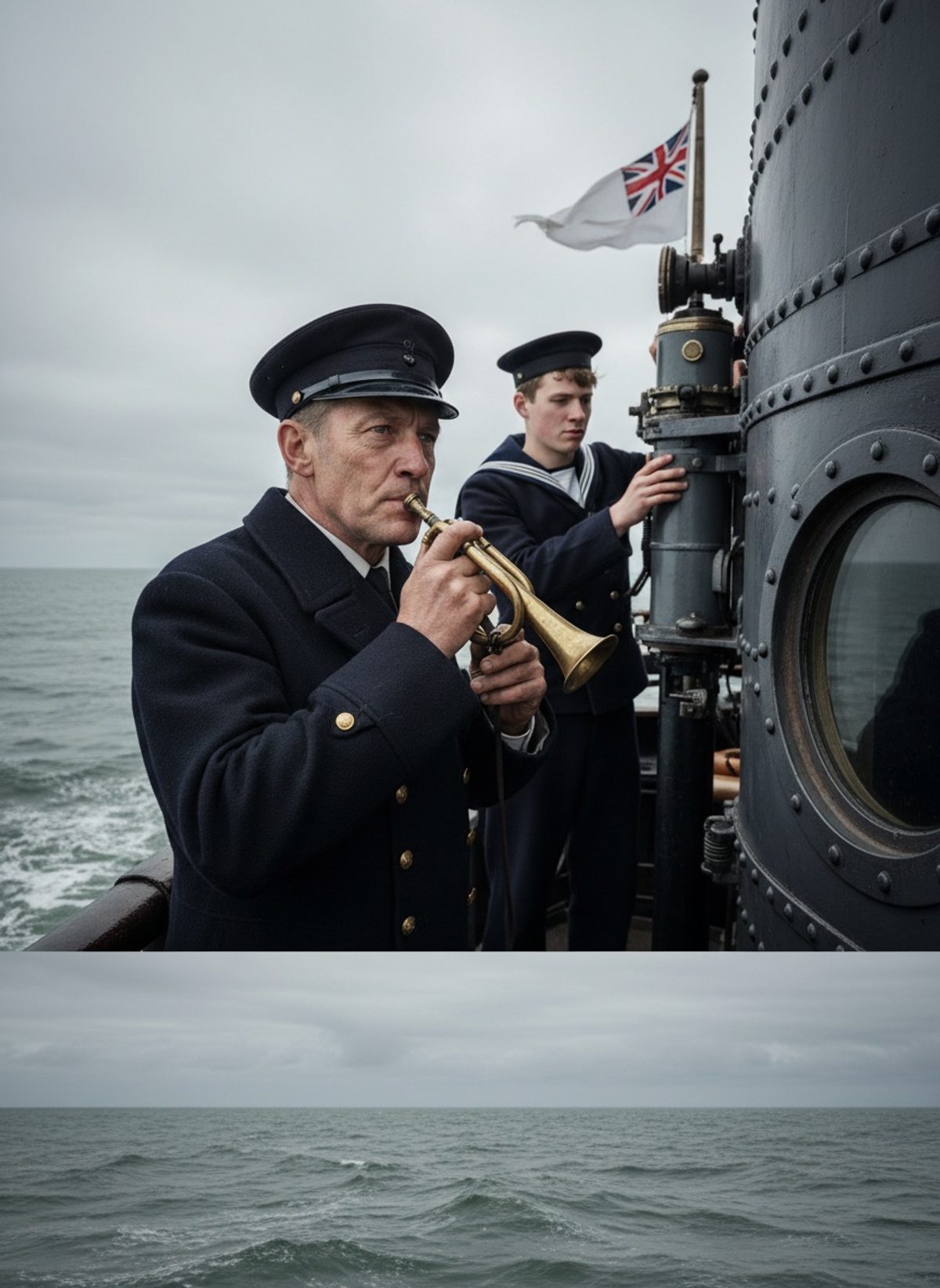
July 2, 1816. The West African sun seared the wooden deck of the stranded French frigate Médusa.
The Ill-fated Voyage Begins
The vessel Médusa set sail in June 1816, part of a convoy dispatched by the restored Bourbon monarchy in France. Charged with ferrying French officials to the freshly returned colony of Senegal, the frigate was commanded by a captain, Hugues Duroy de Chaumareys, whose misplaced confidence outpaced his competence. As the ship departed from the island of Aix, few among the armed soldiers, civilians, and governmental officials could predict the calamity that would soon engulf them.
Despite having been exiled and stripped of command during the Napoleonic Wars, Chaumareys was a politically expedient choice for captain, a decision that came with disastrous consequences. Ignoring experienced officers’ recommendations, he piloted his ship at reckless speed, running Médusa aground on the notorious sandbanks of Arguin, off the West African coast. Stranded and immobile, the ship quickly became a deathtrap.
A Desperate Act of Abandonment
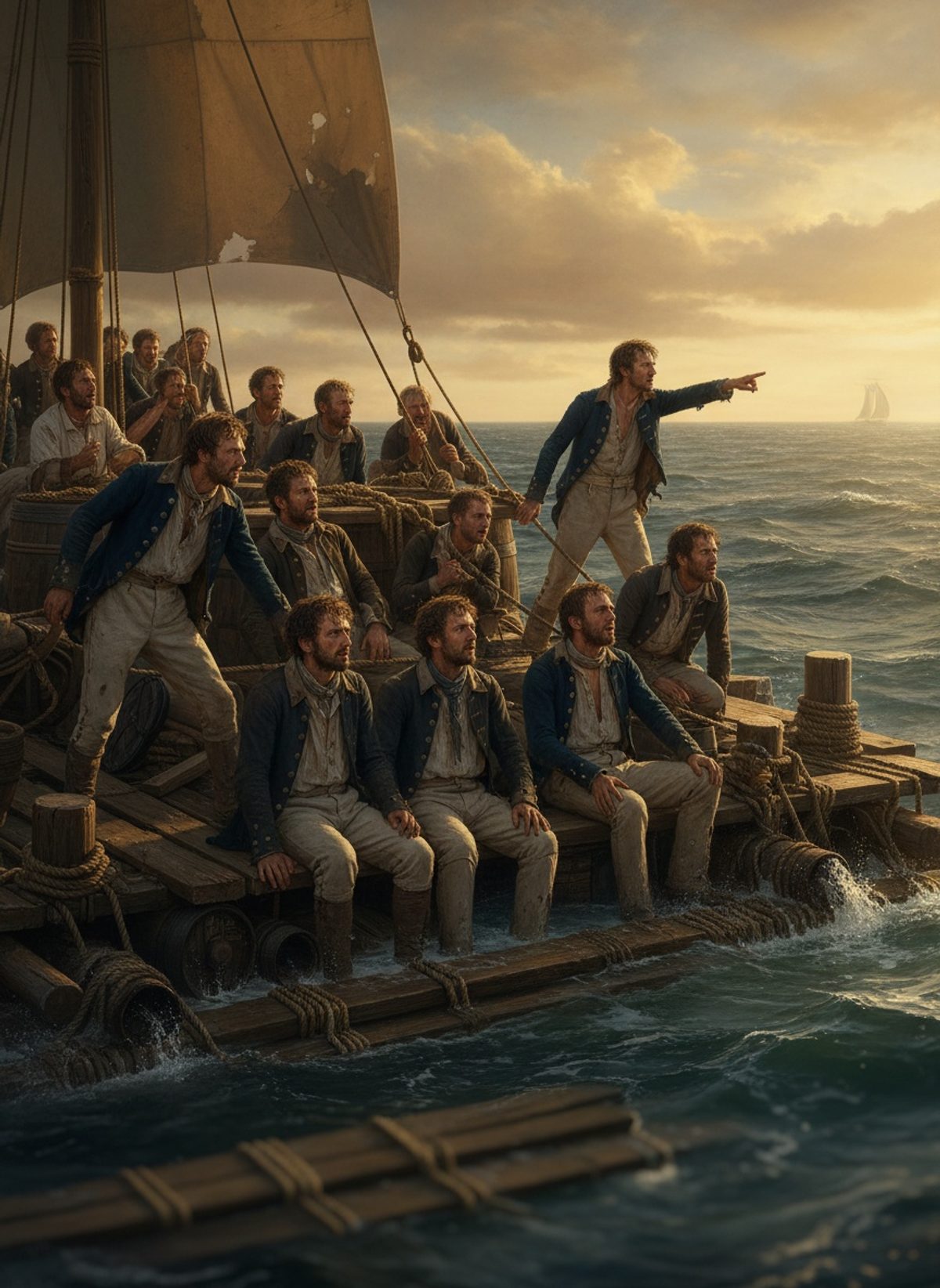
With Médusa irretrievably stuck, Captain Chaumareys made a series of decisions that would haunt him—and those left behind. As lifeboats overcrowded with top officers and dignitaries hastily took off for safety, 147 men were left behind on a hastily constructed raft, dubbed the Raft of the Medusa. Ill-equipped with food provisions intended to last only a few days, the men were at the mercy of the overwhelming ocean.
Read next: When the Dresden Burned and Dresden's Crew Swam for Their Lives, 1915
The raft was a precarious assemblage measuring just 20 meters in length and 7 meters wide, far from seaworthy and unsuitable for nomadic survival on the open sea. With waves half-submerging it and the sun relentlessly blinding the desperate crew and passengers, any semblance of order dissolved rapidly. For the men aboard, every moment felt like an unending nightmare, a chilling vision of the sheer vulnerability humanity faces when cast adrift.
The Grim Struggle for Survival
The days stretched into a saga of horror and hopelessness. The survivors who lived to tell the tale reported scenes that seemed born from the darkest corners of human experience. Parched and ravenous, men were driven to extreme measures to stave off starvation and dehydration. By the fifth day, violence erupted as men fought over dwindling resources, turning their survival endeavor into a macabre struggle.
Those who perished were thrown overboard, leaving the raft smeared with despair and blood—a grizzly tableau that would eventually capture the imagination of Romantic artists whose work would carry their unspeakable acts onto canvases for generations to shudder at. The story of Médusa's raft thus became immortalized not just in historical records but deeply engrained in the artistic psyche of the era. The infamous event inspired Théodore Géricault's iconic painting, crystallizing the horror and heroism of those dire days into enduring visual memory.
Rescue and Repercussions
On July 17, 1816, after thirteen harrowing days at sea and at the brink of death, only fifteen men would answer their final rescuer's call. Picked up by the ship Argus, these worn and weather-beaten survivors represented the last fragment of hope and dread from the Médusa saga. Other lifeboats had reached safety much earlier, but the shock waved through France when heart-wrenching testimonies testified to the grotesque events aboard the raft.
Public outcry followed the scandal, compelling the French government to hold a court-martial. Captain Chaumareys was sentenced, but the judgment felt inadequate, the resulting prosecution barely appeasing public appetite for justice. Internationally, the disaster damaged France's naval prestige, leading to reforms that emphasized duty and morality in the face of calamity over blind command compliance.
Beyond legal and artistic repercussions, the tragedy echoed into the annals of maritime history as a dark warning. It was a sobering reminder of both the fragility of human constructs and the unpredictable ferocity of nature, underscoring the perilous intersections of error, authority, and survival. The Médusa tale, laden with lessons harsh but necessary, is less a pageant of heroism than a stark, enduring chronicle of the human experience when faced with unspeakable adversity.