May 1741. The sea thrashed like it was alive with fury, tossing HMS Wager onto a ragged Patagonian rock.
The Shattered Ship
When HMS Wager smashed against an uncharted island on the coast of Patagonia, the violence of the event starkly signified the disastrous culmination of a voyage doomed from the outset. Wager was part of a squadron dispatched by the British Royal Navy on a formidable mission during the War of Jenkins' Ear, a conflict waged against Spain. The squadron aimed to disrupt Spanish interests in the Pacific, but fate had other plans for each ship and crew.
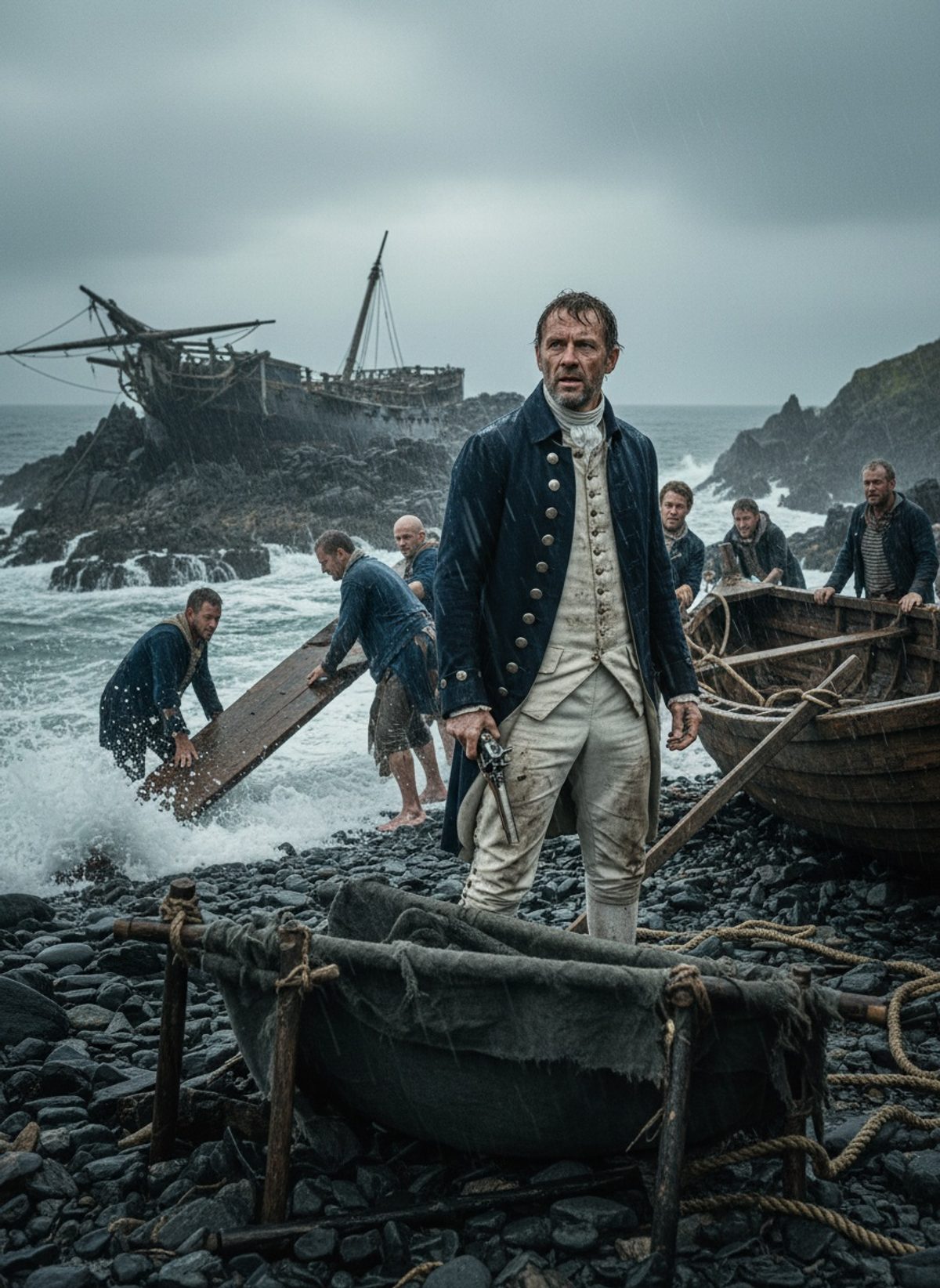
Within moments of impact, the ship’s timber hull splintered, surrendering to the relentless surf. Terrified cries mingled with the deafening roar of the sea as men scrambled onto the jagged rocks. Only 140 of them managed to reach the hostile shores alive. There, they erected makeshift shelters from the ruins of their ship, while the frigid winds of the South Atlantic chilled their bones to the core.
The isolation was absolute, the shore unmarked by any sign of salvation. Stranded on a forgotten island, named Wager Island today, these men were thrust into an ordeal that would soon delve into the darkest realms of human nature. They knew well that no rescue was forthcoming. For the Royal Navy, loss was simply a cost of war—faceless and silent.
Read next: When Codrington Burned the Ottoman Fleet at Navarino, 1827
Men Against Men
The survivors faced a stark reality: starvation and severe exposure. Food became a fleeting dream, washed away with the tides. Rations salvaged from the Wager had quickly dwindled, and amphibious hunters they were not. Desperation drove men to the brink of madness. That veneer of civilization with which they cloaked themselves shattered swiftly in the brutal chill of the Patagonian wilderness.
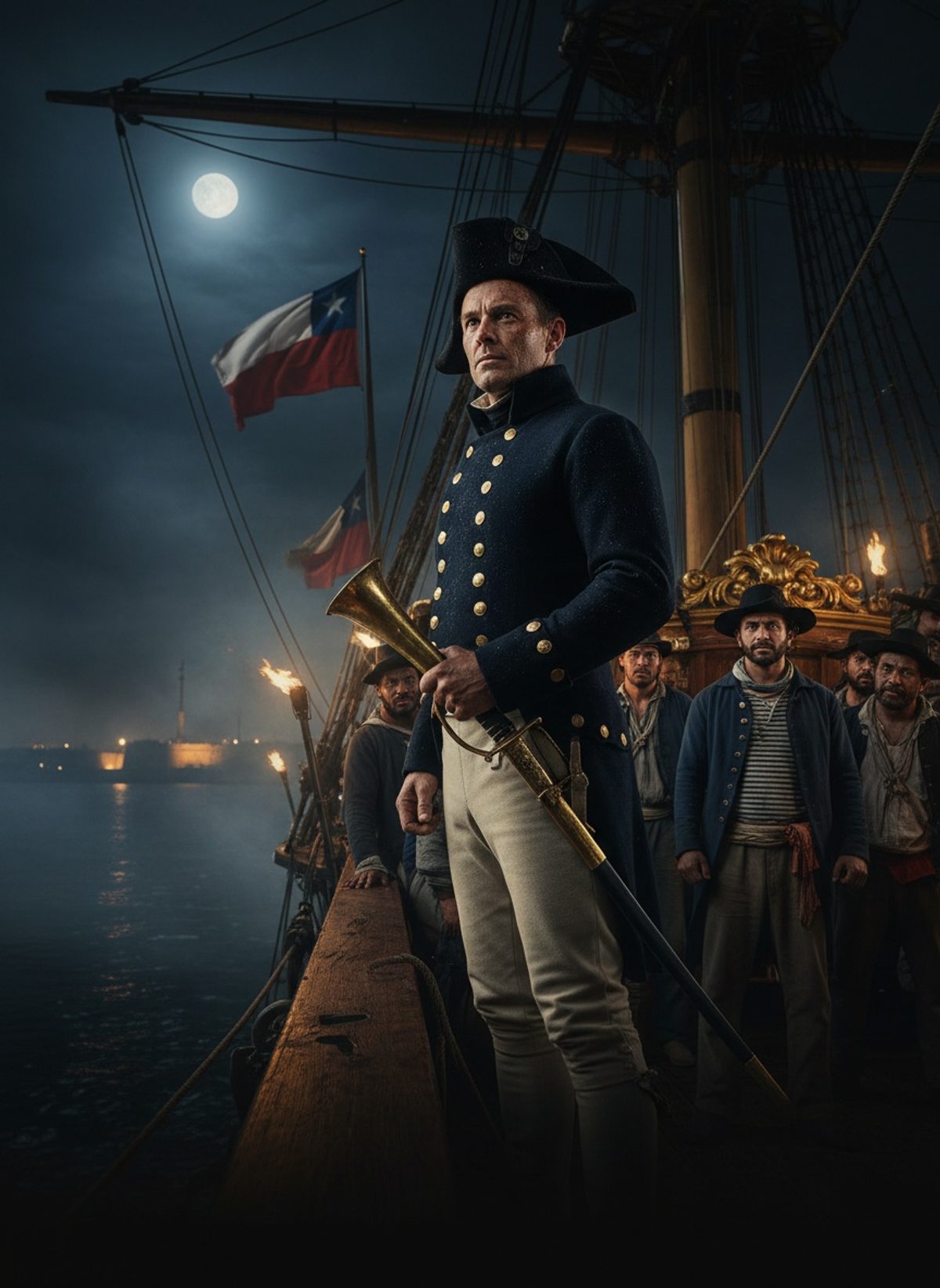
Amidst the freezing winds and biting hunger, animosities simmered to a rapid boil. The command structure that faithfully served the Royal Navy collapsed into chaos. Allegiances shifted like sand in the surging surf. A struggle for power arose between Captain David Cheap and Gunner John Bulkeley. Rights to the scant resources became a currency far greater than any rank or title one had aboard. The two sides argued and plotted, each seeing the other as not just an opponent, but an obstacle to their own survival.
Mutiny no longer seemed like insubordination—it became a matter of life and death. With crewmen fractured into factions, the tentacles of distrust and suspicion crept into every shelter. Men killed to protect the little that nourished them or took life out of suspicion borne from deep hunger-induced paranoia. With each passing day, reality became unmoored as law and order drowned under anarchy's deadly waters.
A Gruesome Odyssey
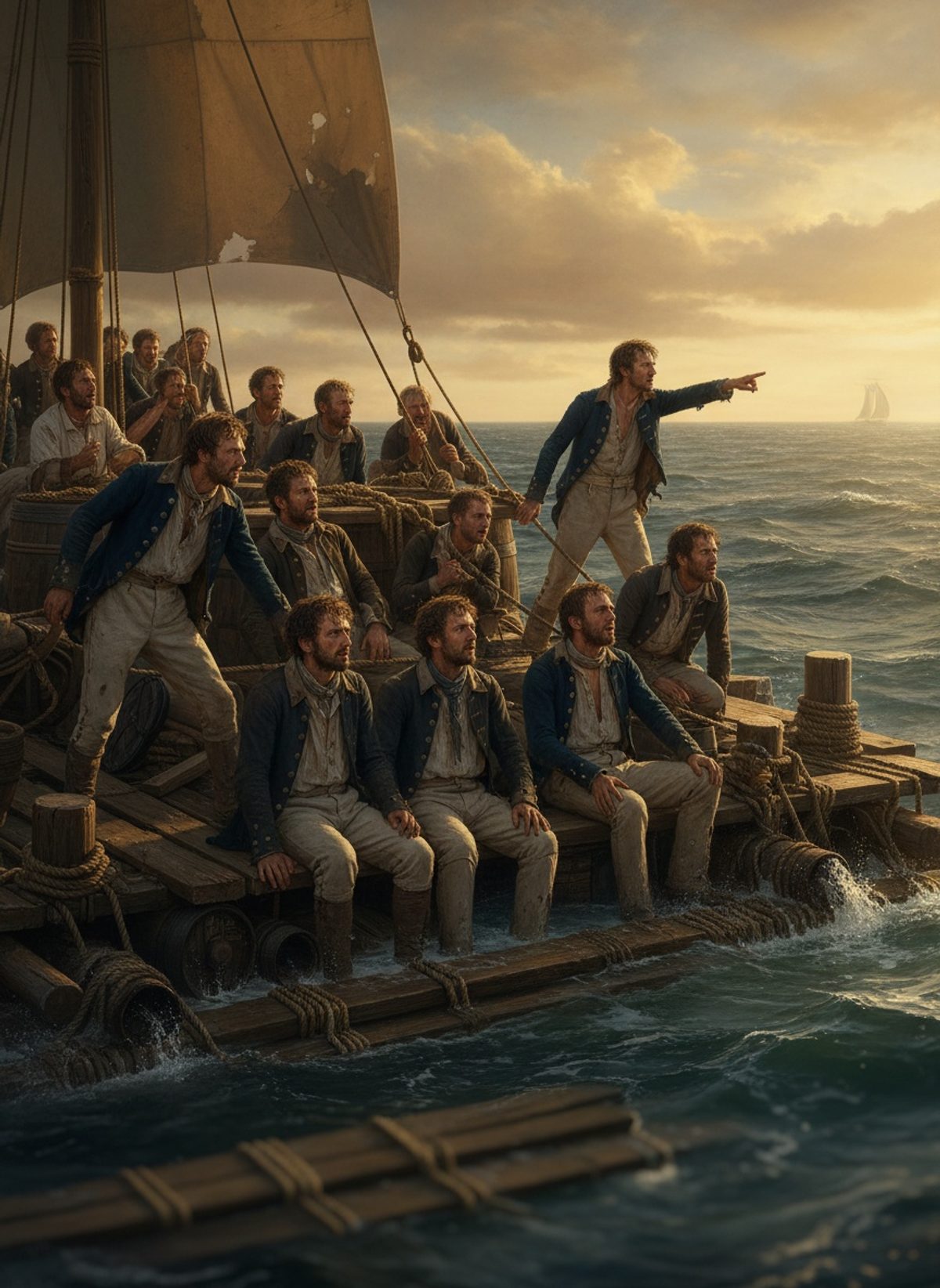
While survival eluded some, ambition spurred a few to action. John Bulkeley led a contingent determined to risk perilous seas in a journey towards Brazil. Crafting a desperate escape using a makeshift craft fashioned from the wreckage of Wager, they entrusted their lives to unlikely destiny. And for them, this gamble paid off. Bulkeley’s group navigated the tumultuous Atlantic, reaching safety and a homeland to share their version of the ordeal.
Captain Cheap, clinging still to the threadbare certainty of prescribed authority, chose a different path. Those left behind struggled in futility against their harsh environment, dwindling in numbers and weakening under nature’s harsh hand. Finally embarking months later, Cheap’s small party navigated through Patagonia’s labyrinth. Ravaged by their trials, they miraculously made it to Spanish merchants who showed them pity on their journey north. Yet in every break they took, the shadow of what they had faced loomed ominously, eclipsing any sense of relief with foreboding.
Tales of Betrayal and Valor
Upon returning to England, the survivors came home not to relief, but dispute. The tale they spun was poised on a knife’s edge, threatening to scar the integrity of the Royal Navy. At the heart lay a question of culpability: who led the men into this infernal calamity?
Cheap and Bulkeley stood as opposing narrators of an experience they shared but saw differently. The Royal Navy, wary of the publicity and preferring a facade of control, subpoenaed the survivors, leading to trials that gripped the nation. Mutiny, after all, was punishable by death. Yet seeds of sympathy were sown among onlookers; after all, theirs was a predicament that defied the simple morality of law.
Reluctantly, the Navy admitted that the weather and faulty navigation played their part in the tragedy. The public gleaned a lesson in the human condition—none were blameless, nothing was simple. The trials became sombre reflections on nature’s indifference and humanity’s struggle to retain self and soul in the face of such bleak adversities.
The story of the Wager survivors is not just about the physical trials they endured but the moral crucibles they faced. It is a reminder of the unpredictable theatre that life’s seas can produce, casting men as heroes and villains, survivors and victims. In the annals of naval history, few tales carry the chilling echoes of humanity turned upon itself—a poignant counterpoint to triumphant naval conquests often celebrated, reminding us of the thin veil separating order from chaos at sea.