George Taubman Goldie’s name is not well-known. Yet, his actions in 1884 shaped the blueprint for modern West Africa.
The Quiet Architect of Empire
In the era of swashbuckling adventurers and flamboyant empire builders, George Taubman Goldie was unexpectedly removed. A slight figure preferring parchment and ink over swords or guns, Goldie possessed an obscure talent that loomed large on the world stage: the art of negotiation. In the bubbling cauldron of late 19th-century European imperialism, Goldie wielded contracts like generals brandished sabers.
The setting was Berlin, 1884, where the stage was set for what would be known as the Berlin Conference, a meeting where European powers divided and re-divided the African continent like slices of cake. Africa was more than a canvas for empire; it was a realm of competing ambitions and restless explorers. Here, Goldie sought to etch Britain’s territorial claim over the Niger River—a key trade artery connecting inland resources to coastal markets.
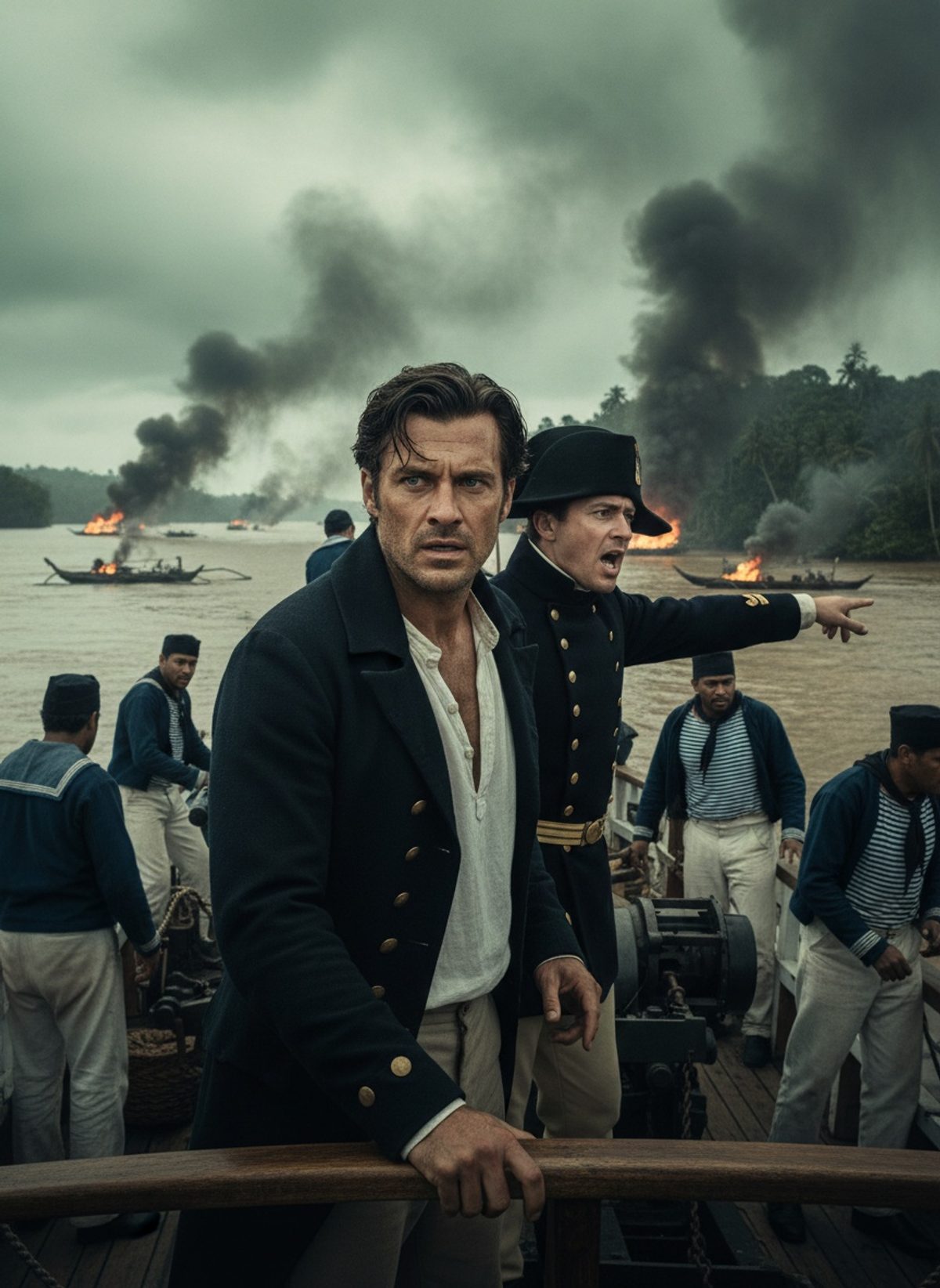
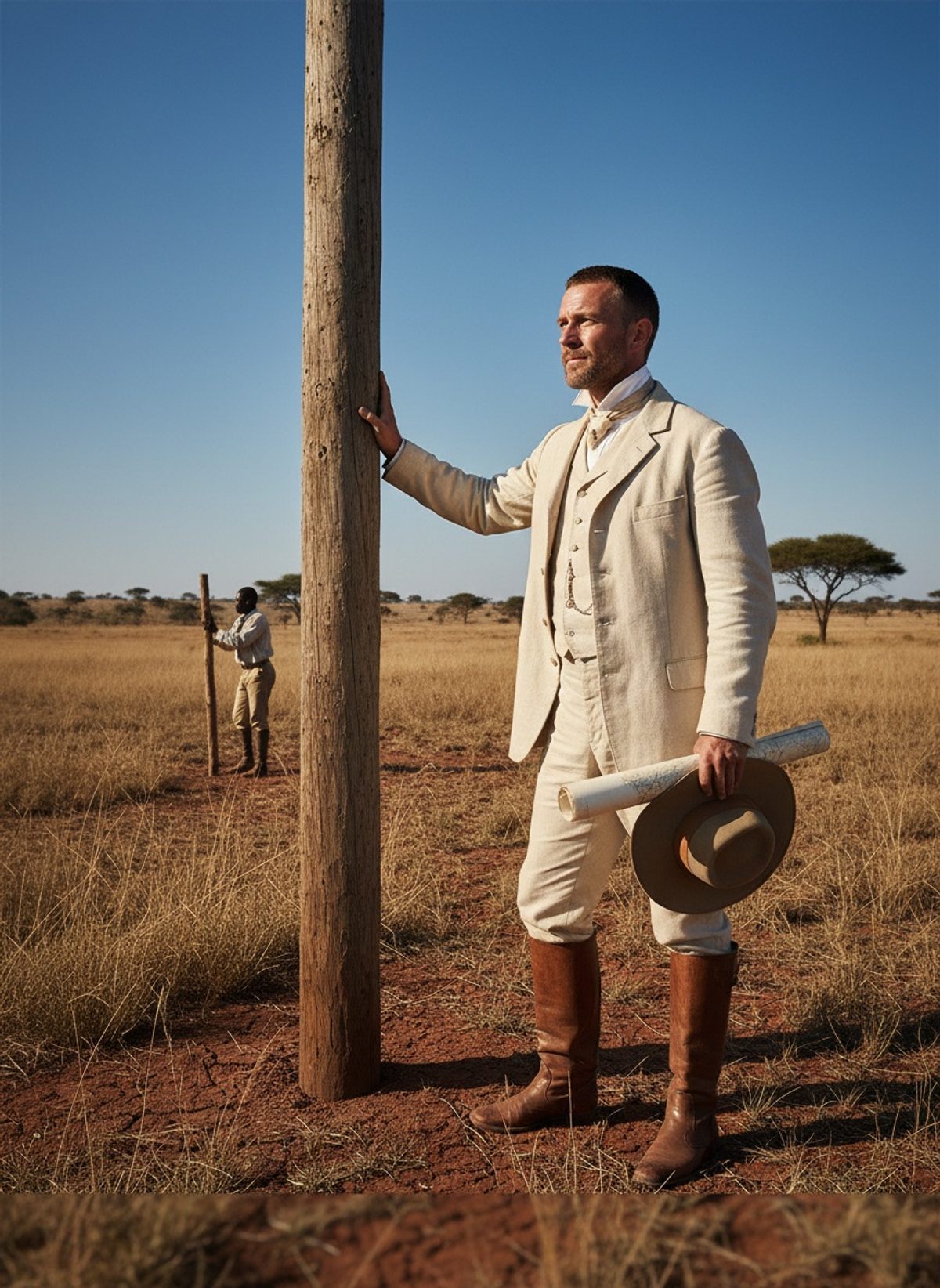
While many jockeyed with bayonets and battalions, Goldie spent the years leading up to the conference traversing the Niger River, persuading no fewer than 400 river chiefs to sign treaties. These agreements weren’t forged through intimidation; instead, Goldie wielded patience and persuasion, crafting accords that favored British interests while offering local leaders promises of profitable trade alliances.
Read next: When Richard Burton Walked Into Mecca and Lived
France in the Shadows
The French, led by ambitious minds enthralled by the notion of African colonization, arrived at the conference believing they held sway over the Niger region. Dreams of a French-dominated West African empire, connecting the Atlantic to the Nile, seemed within reach. But, underestimations of one astute British man began to unravel those ambitions.
As deliberations commenced, the French were blindsided. Goldie's treaties, arrayed meticulously like a hand of trump cards, demonstrated unequivocal British ascendancy. International law and European diplomatic protocols of the time were clear—signed treaties with local rulers were a recognized and respected form of claiming sovereignty.
The French could only watch as Goldie's rustication maneuvers outflanked them. His unconventional strategy exemplified the stark differences between British and French colonial methods: where France relied on bold territorial claims, British imperialists like Goldie utilized local partnerships and strategic negotiation.
The Niger: A River Runs Through It
The Niger River, meandering magnificently through what is now modern-day Nigeria, served as more than a geographical feature; it was a lifeline for trade and communication. European powers understood that controlling such arteries would allow unfettered access to natural resources, immense profits from palm oil, and leverage over inland territories.
As Goldie gathered signatures from reed-thatched villages along the riverbanks, he laid the groundwork for what was to become the Royal Niger Company—a mercantile body exercising quasisovereign power, effectively blurring the lines between private enterprise and government interests. This model of imperial corporate governance showcased British ingenuity in indirect rule, tying economic objectives with territorial expansion.
What made Goldie’s coups even more remarkable was their lack of reliance on violence, unlike the backdrop of military conflicts often accompanying European expansion. Instead, Goldie’s deft diplomacy charted a new direction in imperial conquest, underscoring ways to achieve empire-building quietly yet resolutely.
The Ripples of Strategy
Long after the conclusion of the Berlin Conference, the river chiefs’ signatures remained inked indelibly on the vector of history. The British retained control of the Niger, and Goldie’s Royal Niger Company expanded its influence across vast tracts of Africa, culminating in what became Nigeria.
The story of George Taubman Goldie is as much a lesson in the quiet power of strategic diplomacy as it is in the seismic shifts that influential figures often accomplish out of the public eye. It reminds us that the boundaries shaping our maps emerge not solely from battlegrounds, but also from boardrooms and ballot halls. With pen and paper, Goldie demonstrated that sometimes, the greatest conquests are won without firing a single shot.
The ripples of Goldie's tactical acumen underscore a historical truism: the legacies etched into the chronicles of empire are seldom predictable. While towering military campaigns and bold explorers dominate popular narratives, it was Goldie’s understated genius that secured the Niger’s pivotal role in British imperial strategy. As the world grew smaller through exploration and empire, the enduring lesson remains clear: influence often flows not from might, but from an unfaltering grasp of human engagement and negotiation.