105 stories
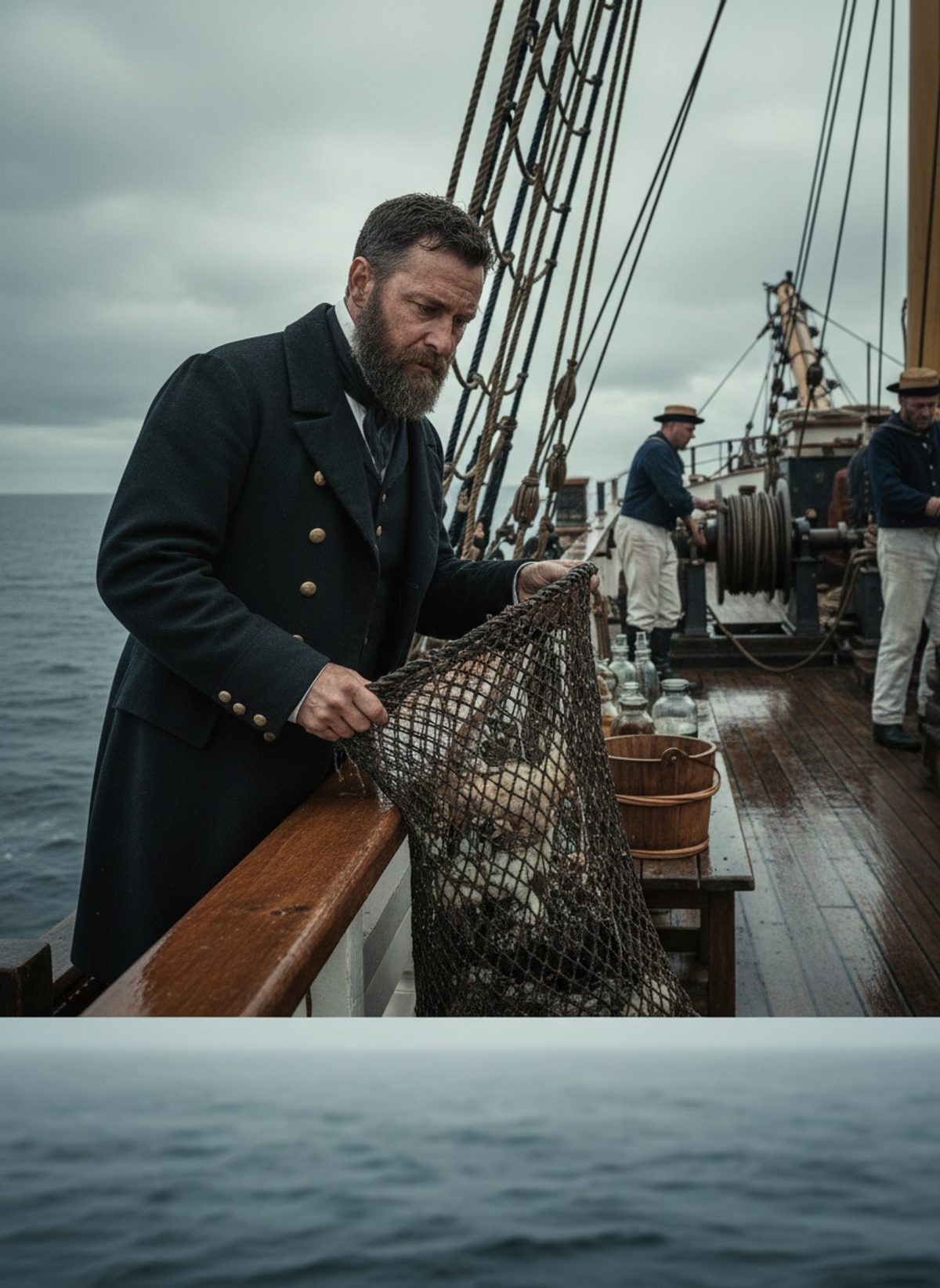
He dragged nets through the deepest water on earth and found creatures no one believed existed. The world called it a waste of money. A generation later, his charts became the foundation of modern oceanography.
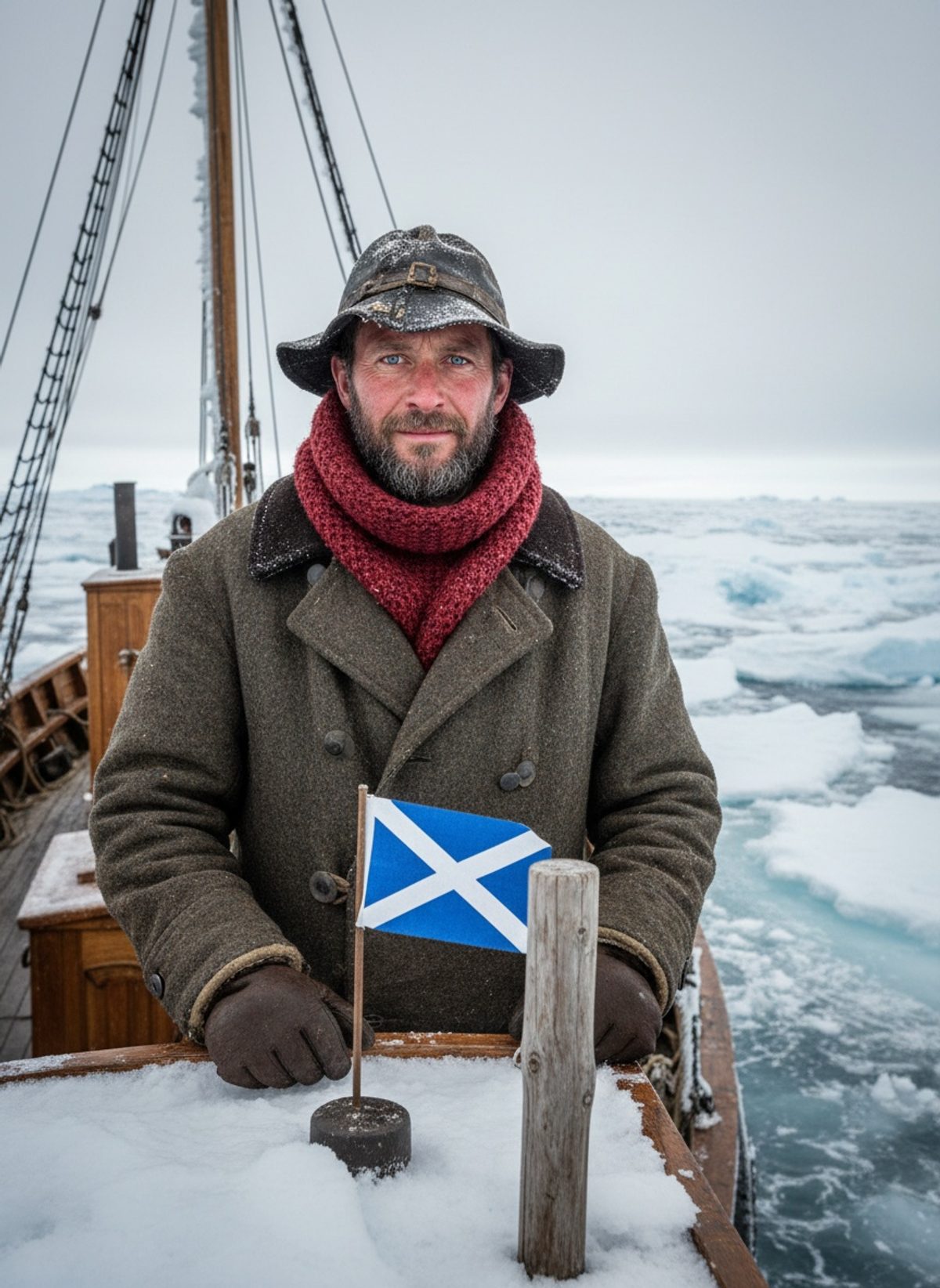
He sailed south while Scott took the glory. He found land no man had charted. He planted a Scottish flag, not a British one. And London never forgave him for it.
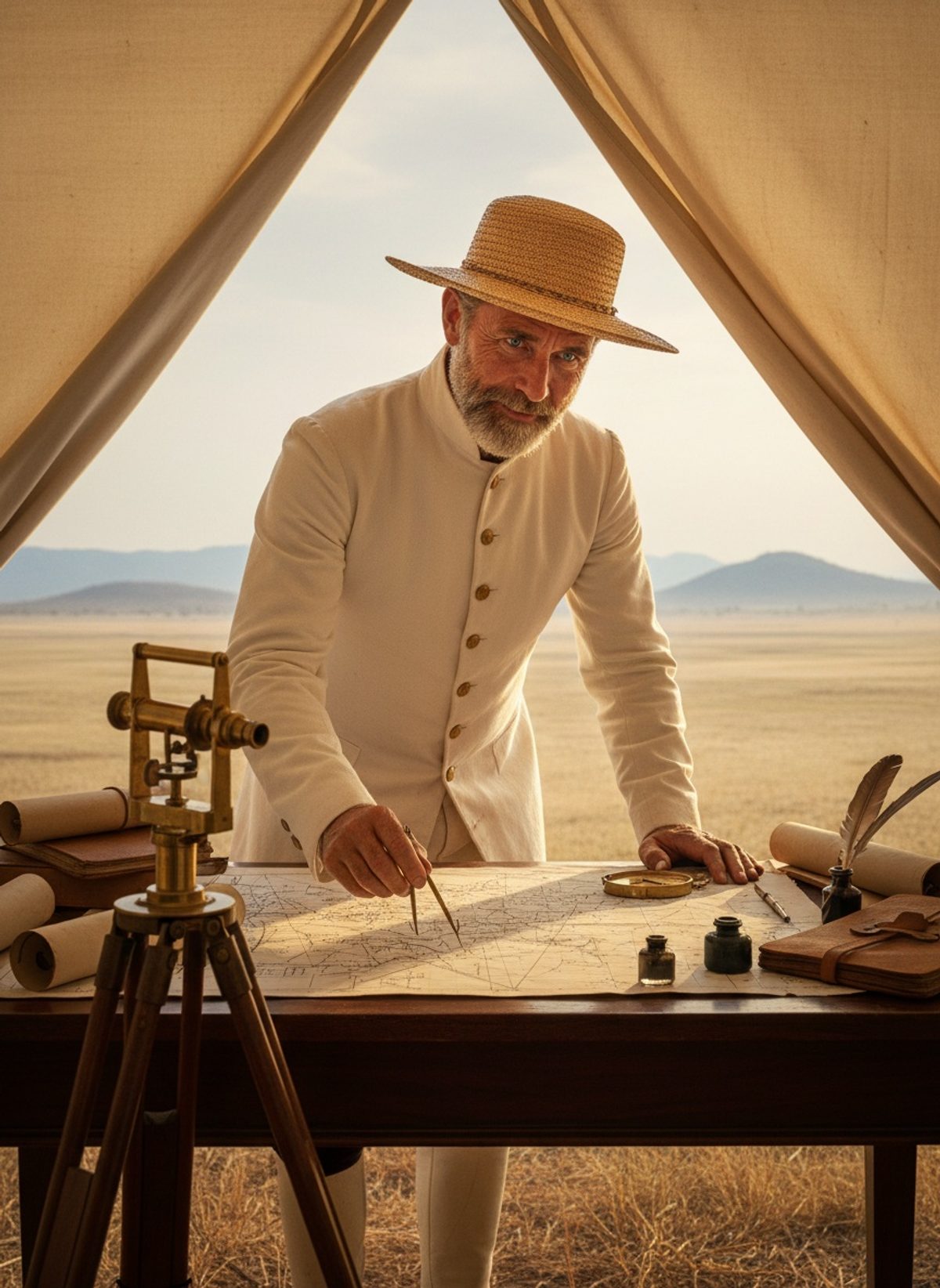
1856. A mountain with no name dwarfed everything on Earth. Andrew Waugh studied the numbers. His surveyors had measured it from six stations across the Indian plains. The calculations were undeniable. He named it after his predecessor. The man who had made it possible.
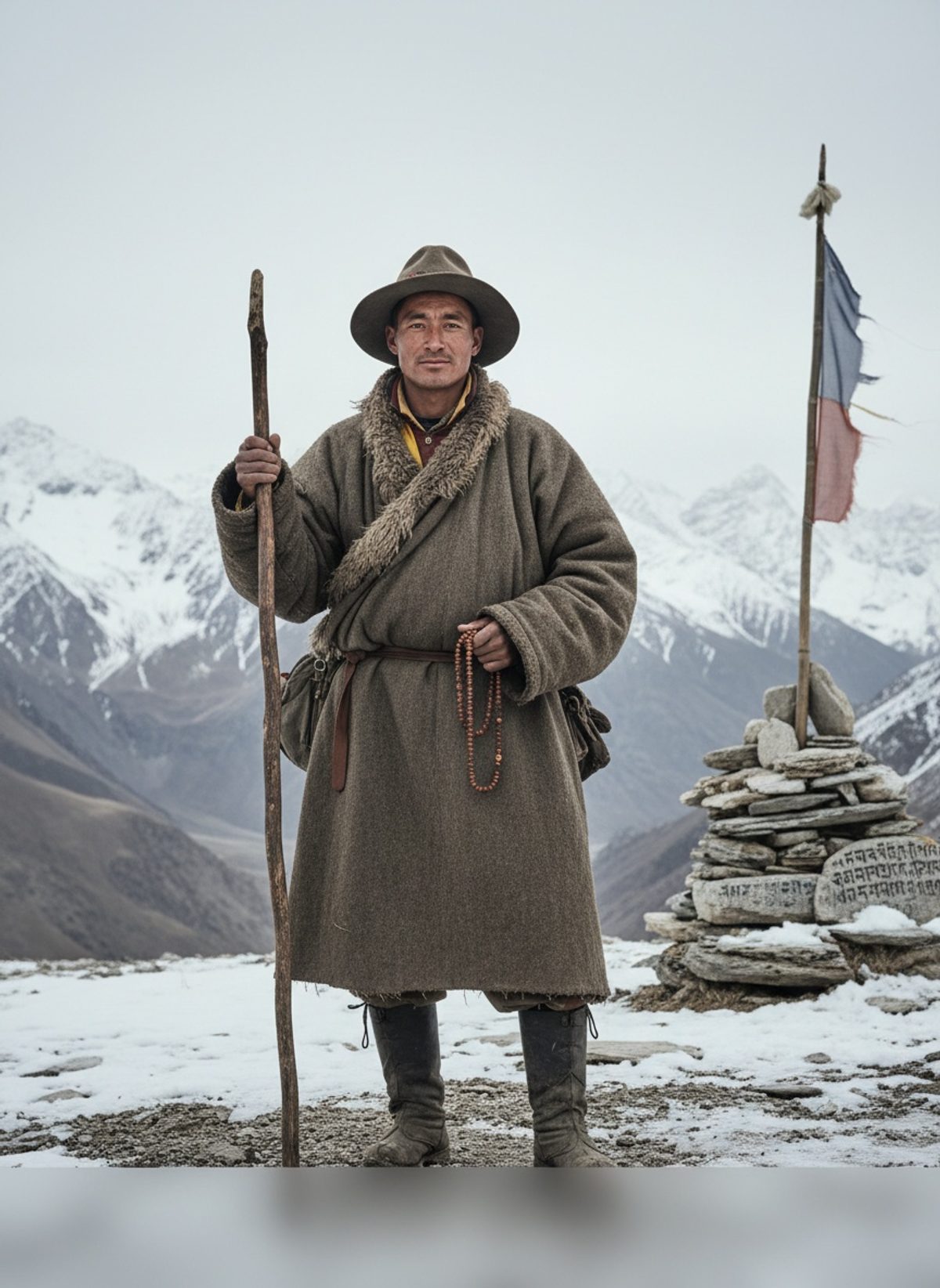
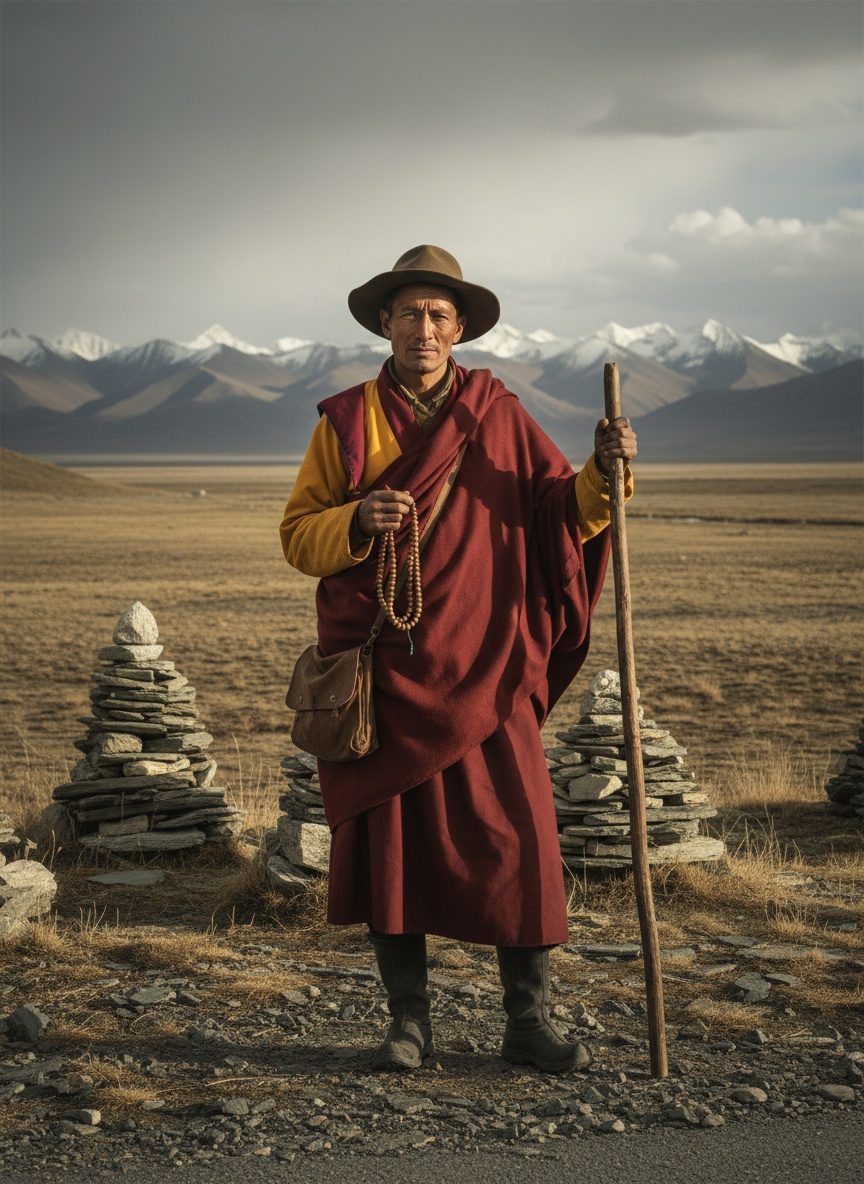
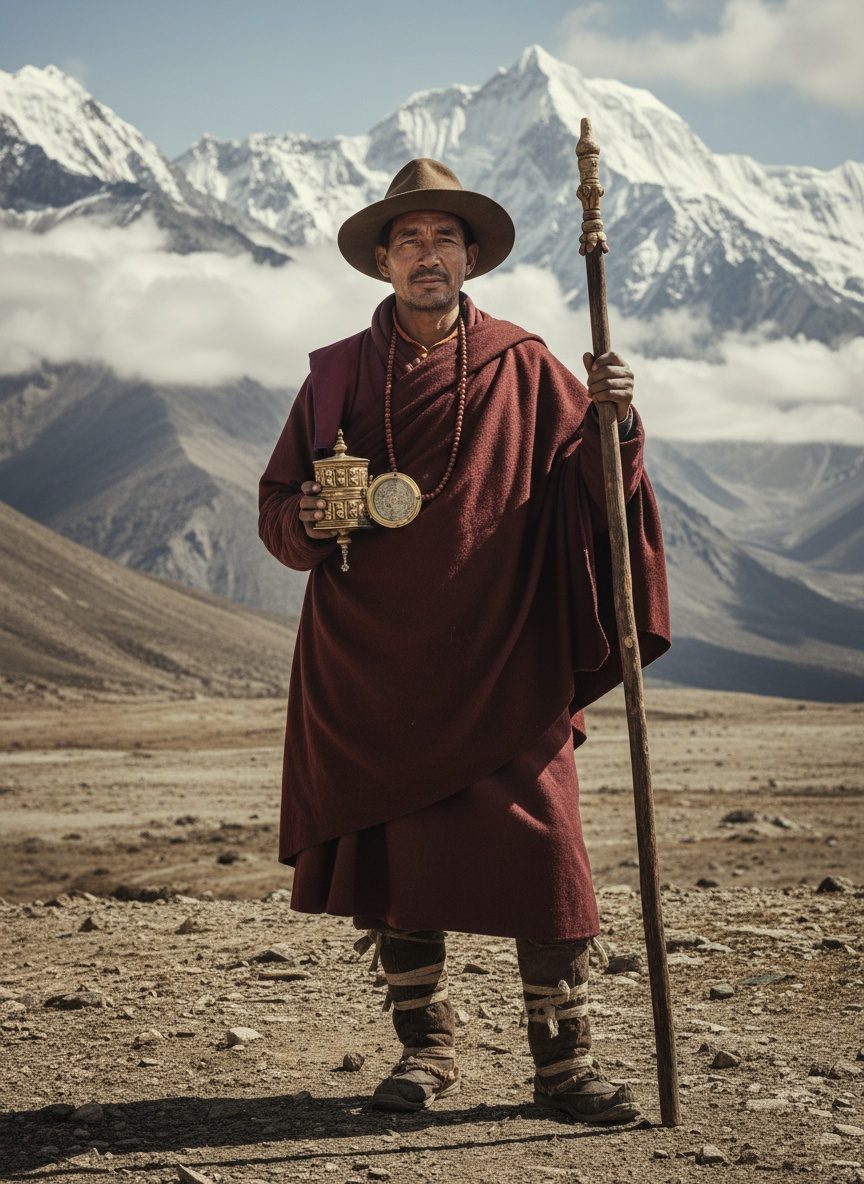
He carried no maps. No instruments. Just prayer beads hiding a compass, and a hollow walking staff concealing a thermometer. Pundit Nain Singh walked 1,200 miles through forbidden Tibet measuring every step.
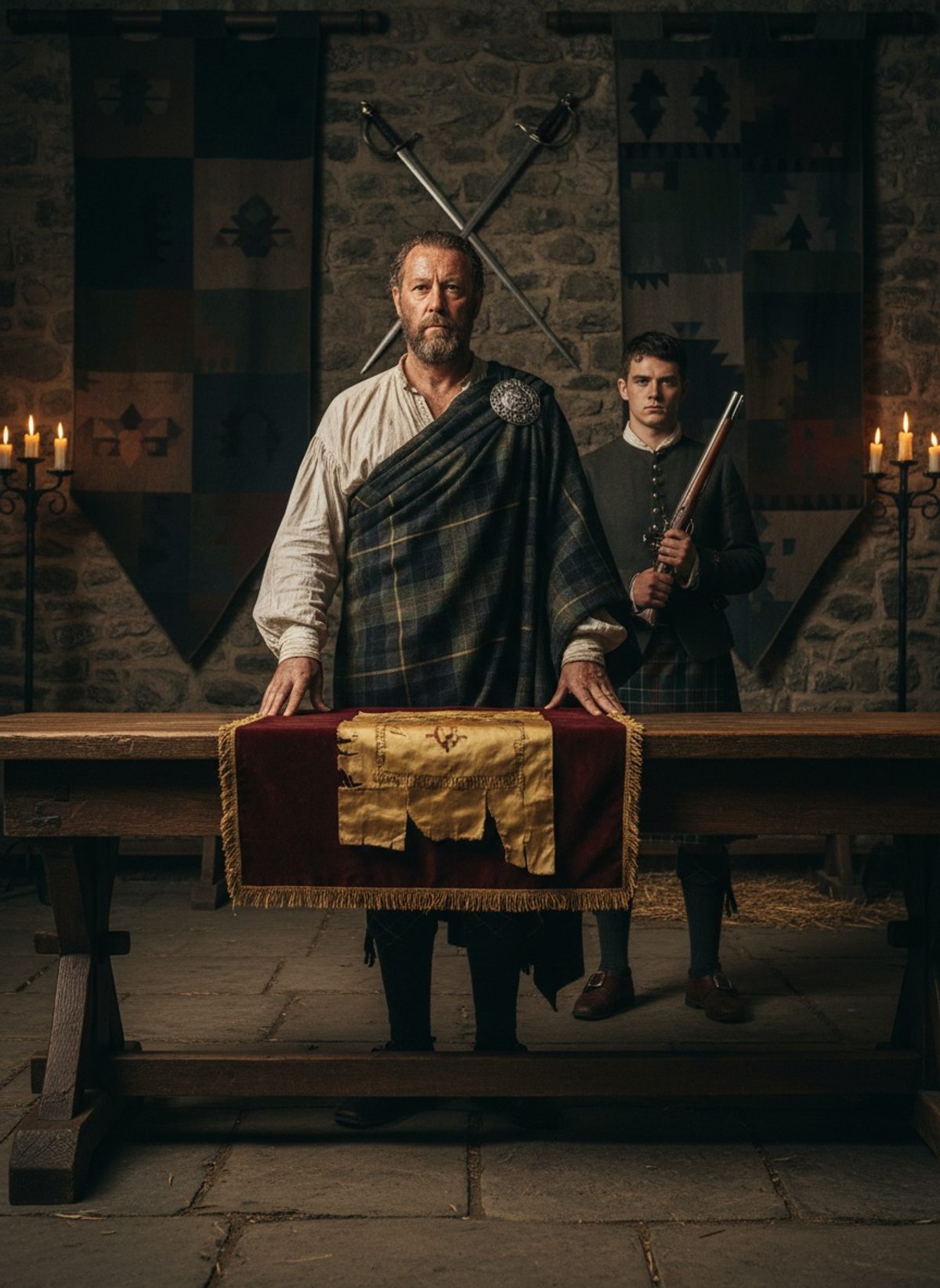
For 800 years, Clan MacLeod held a castle no siege could take. Their secret was not stone. It was a fragment of silk so sacred it could only be raised three times — and when it was, men said the dead walked beside them.
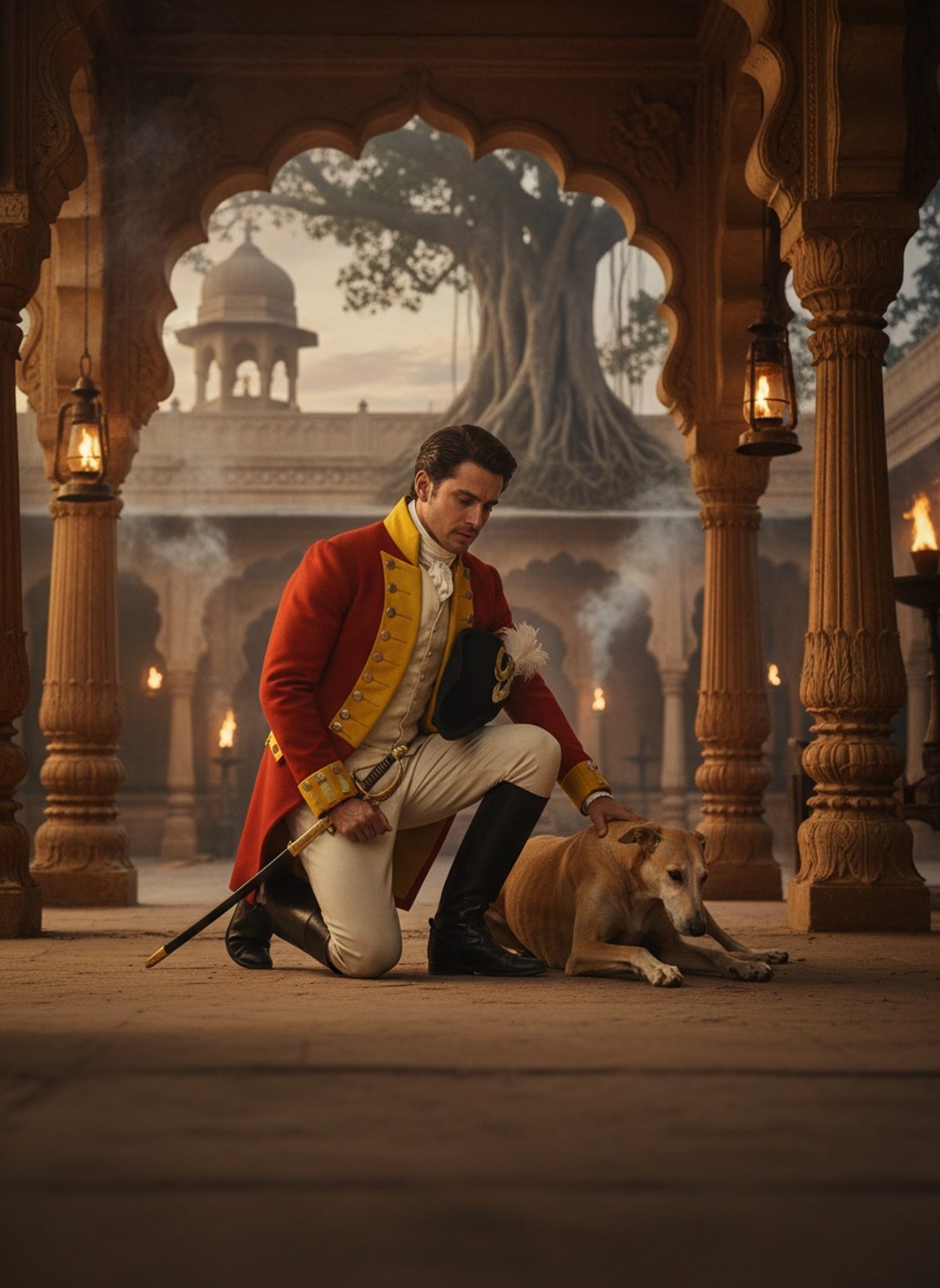
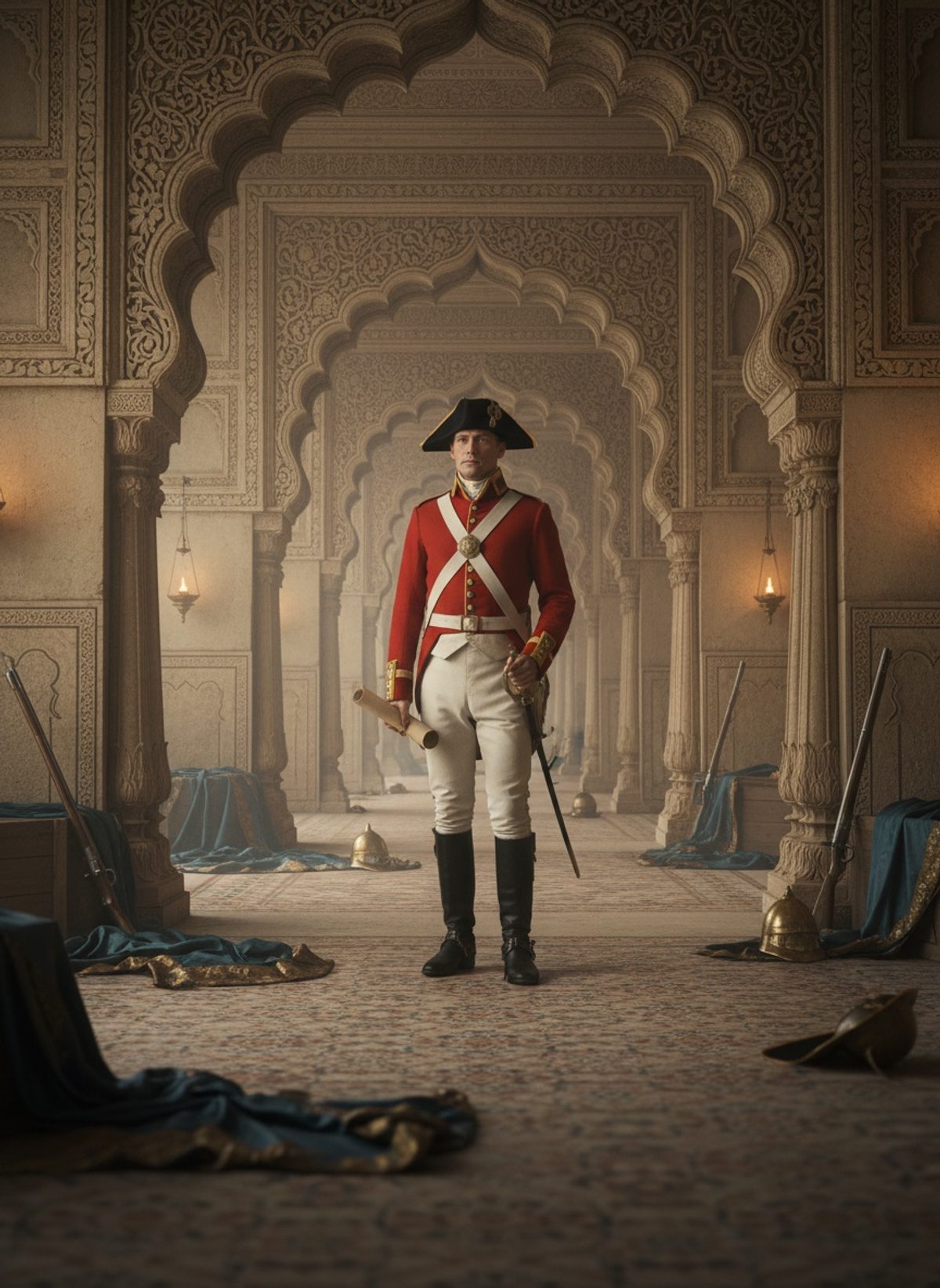
He stormed Tipu Sultan's fortress. He governed a conquered city. But it was a dog — not a battle — that broke the future Duke of Wellington. One small act of loyalty that history nearly forgot.
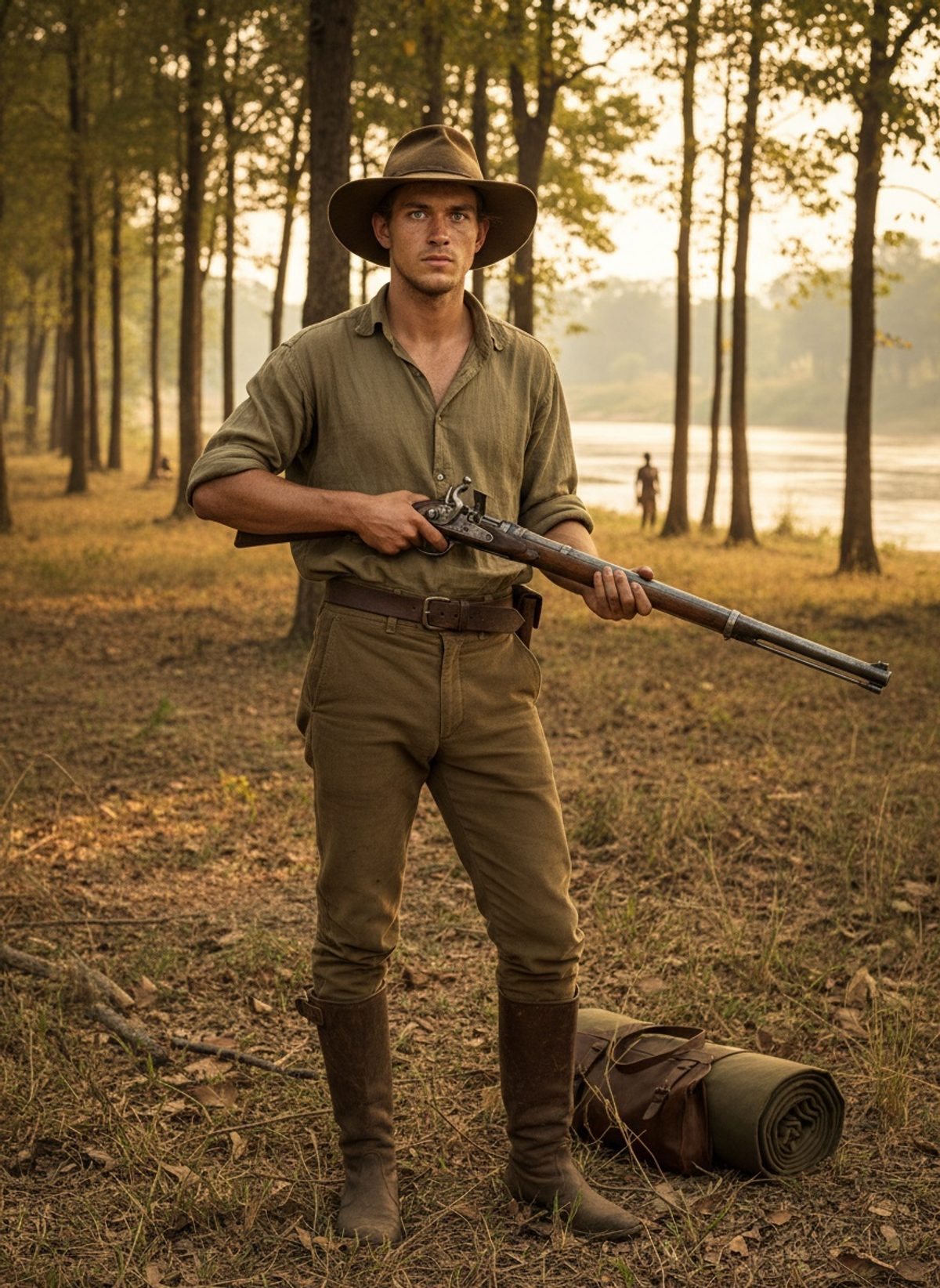
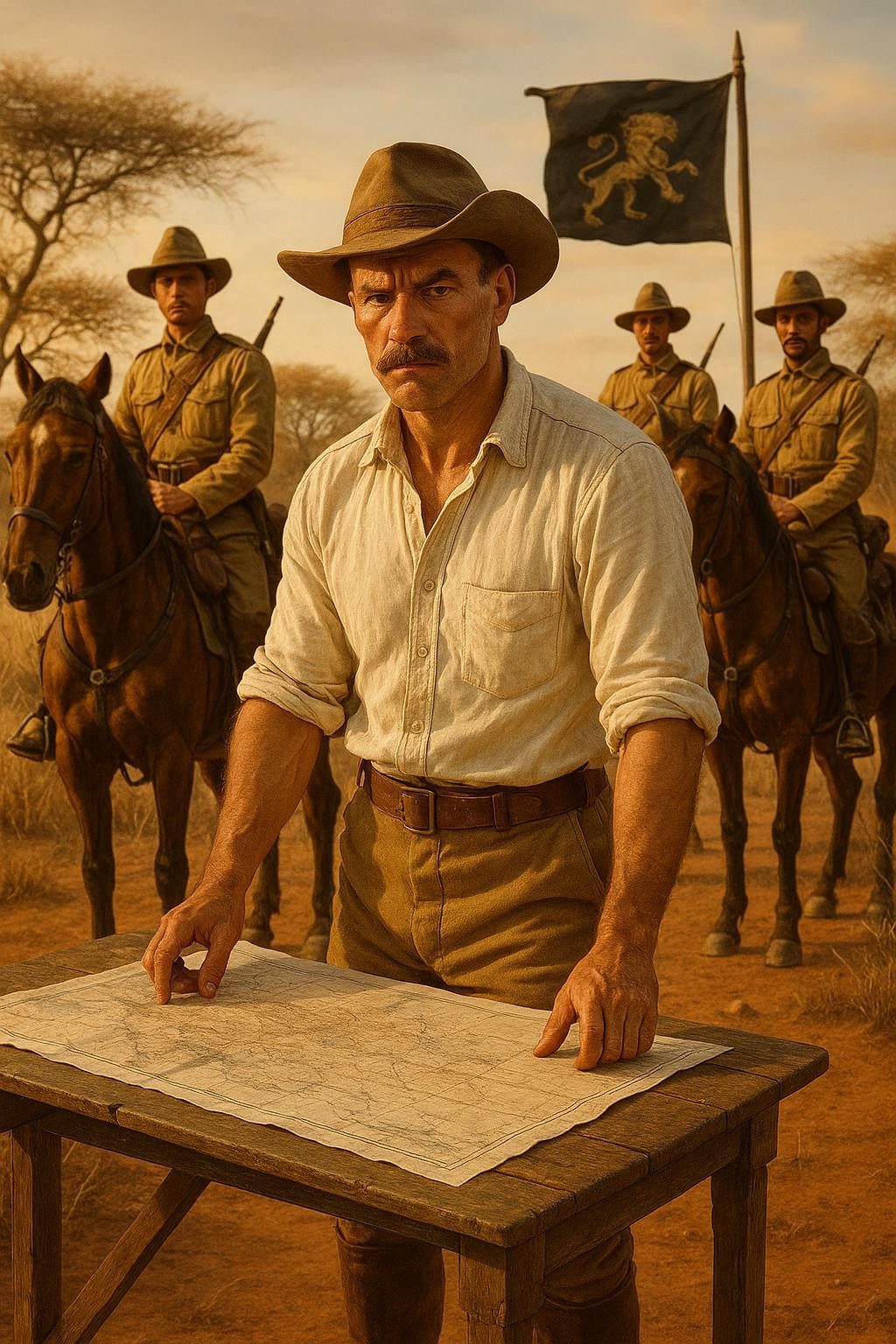
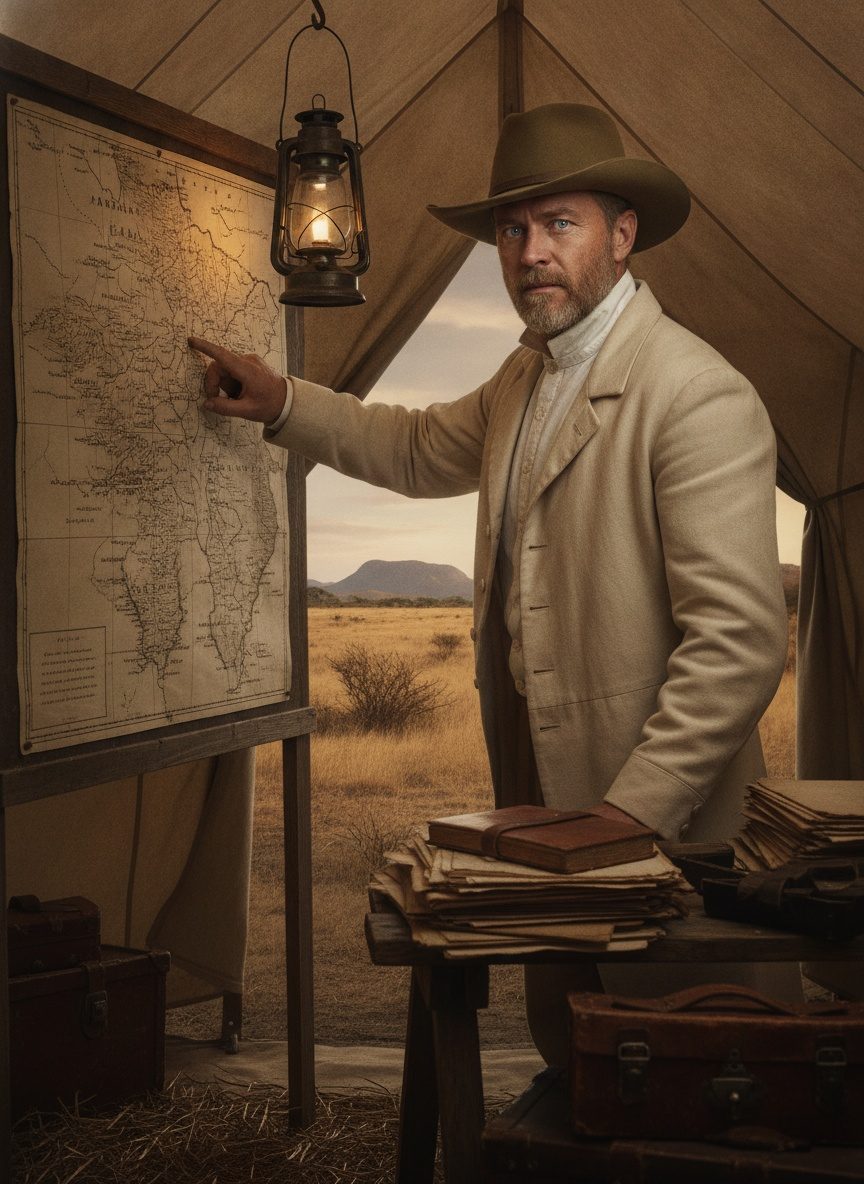
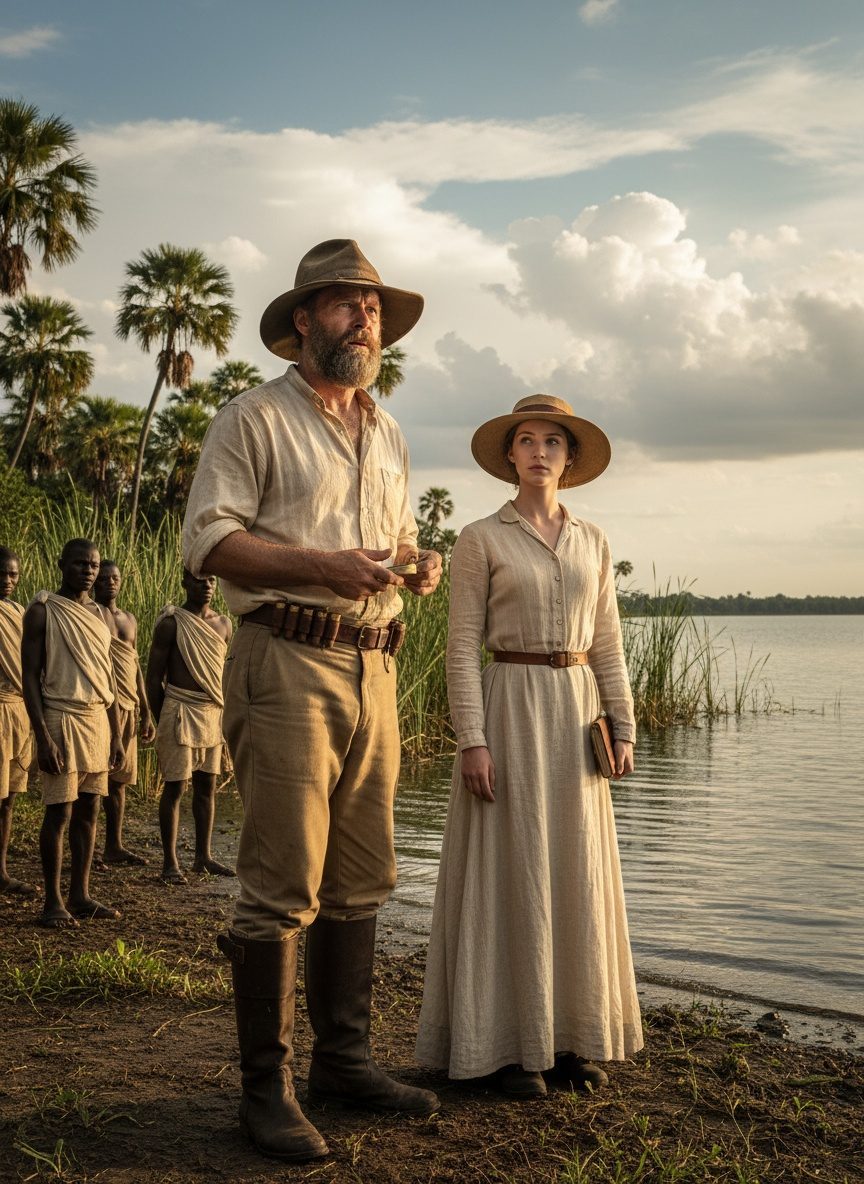
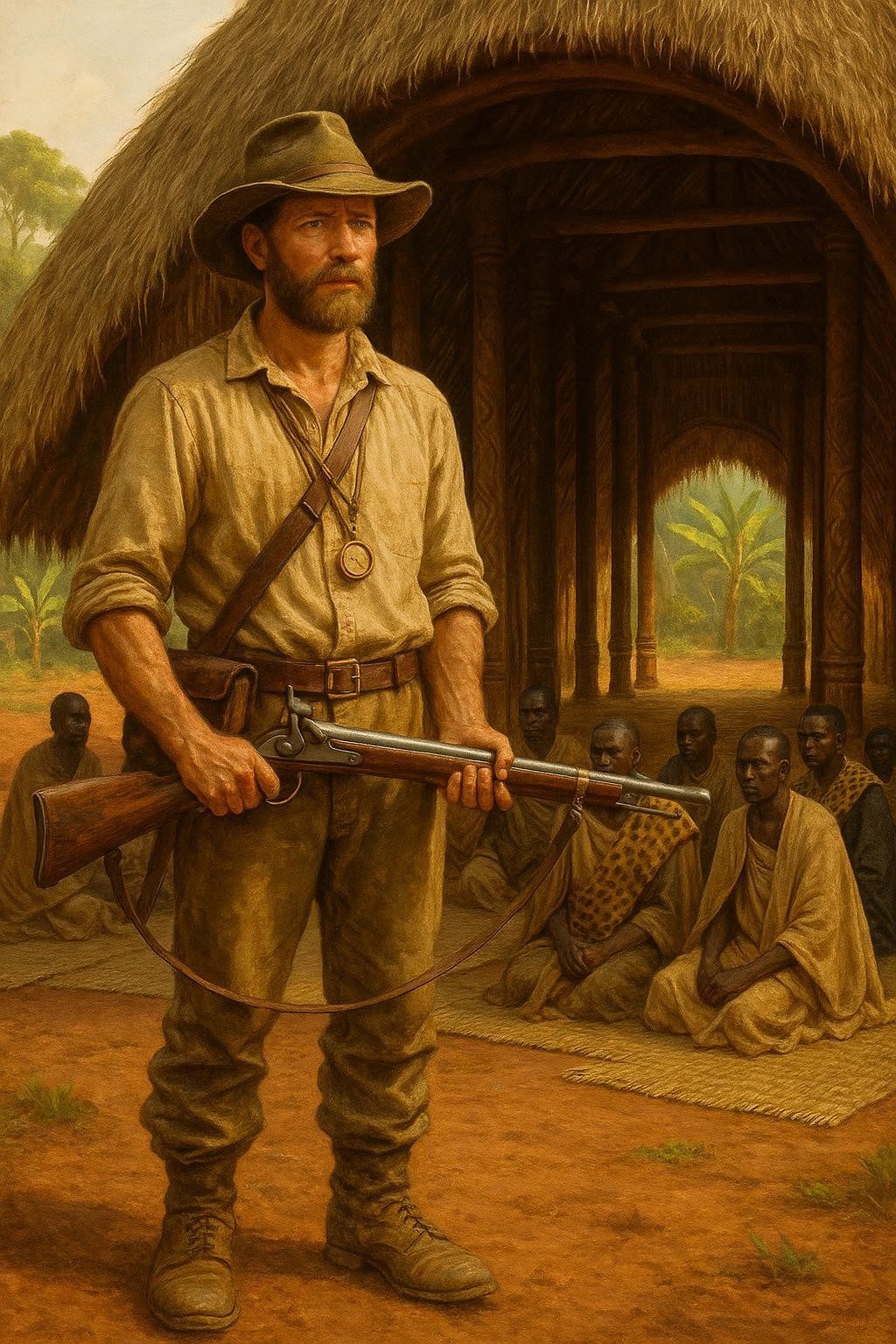
He was nineteen. No guide. No backup. Just a muzzle-loader and a continent that had killed better men. Frederick Selous walked into the African interior and never quite came back.
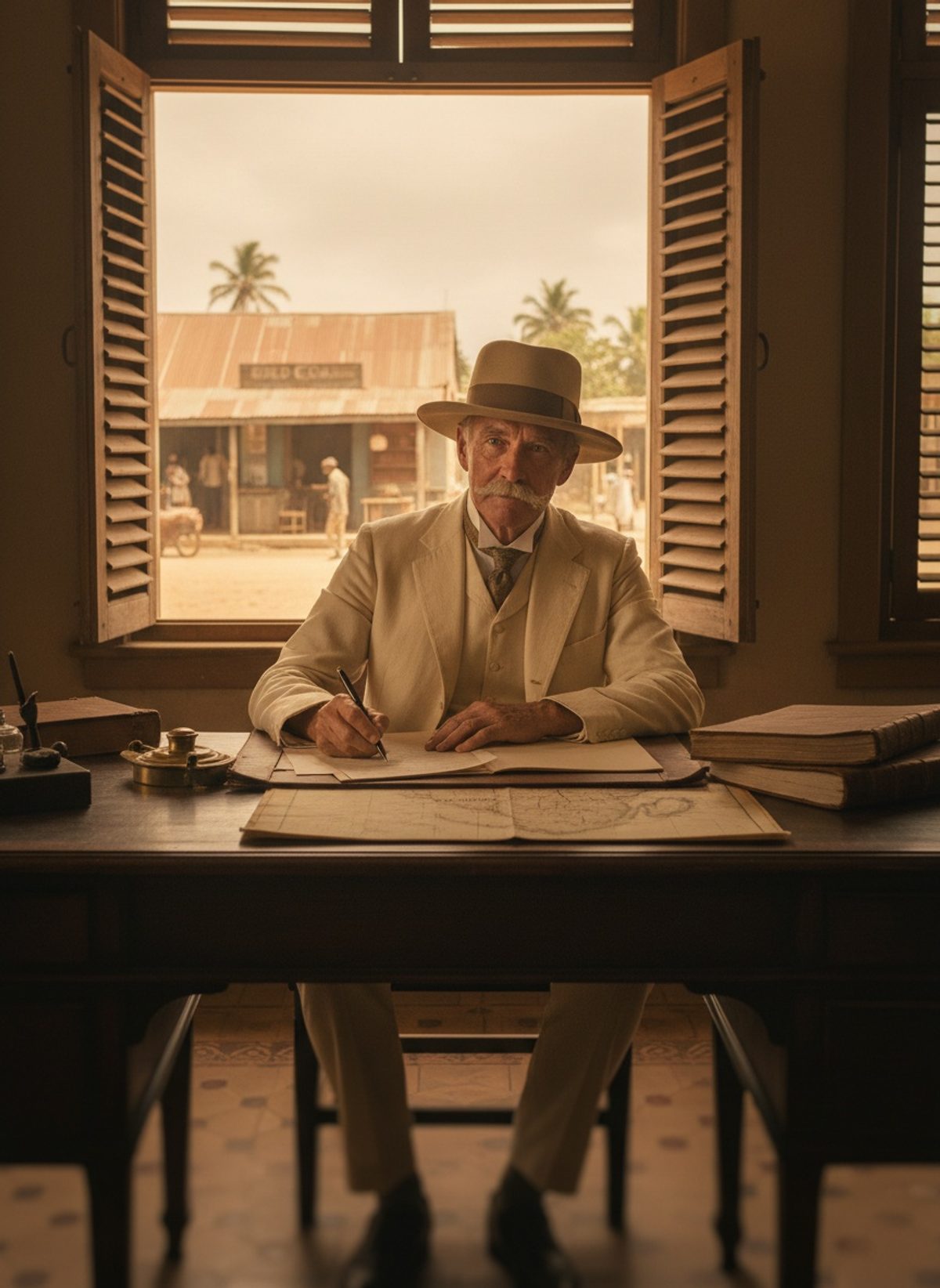
He built a trading empire across West Africa. He had no children. So in 1923, George Sheppard quietly signed his entire fortune to educate African boys. He told almost no one. The schools outlasted the empire itself.
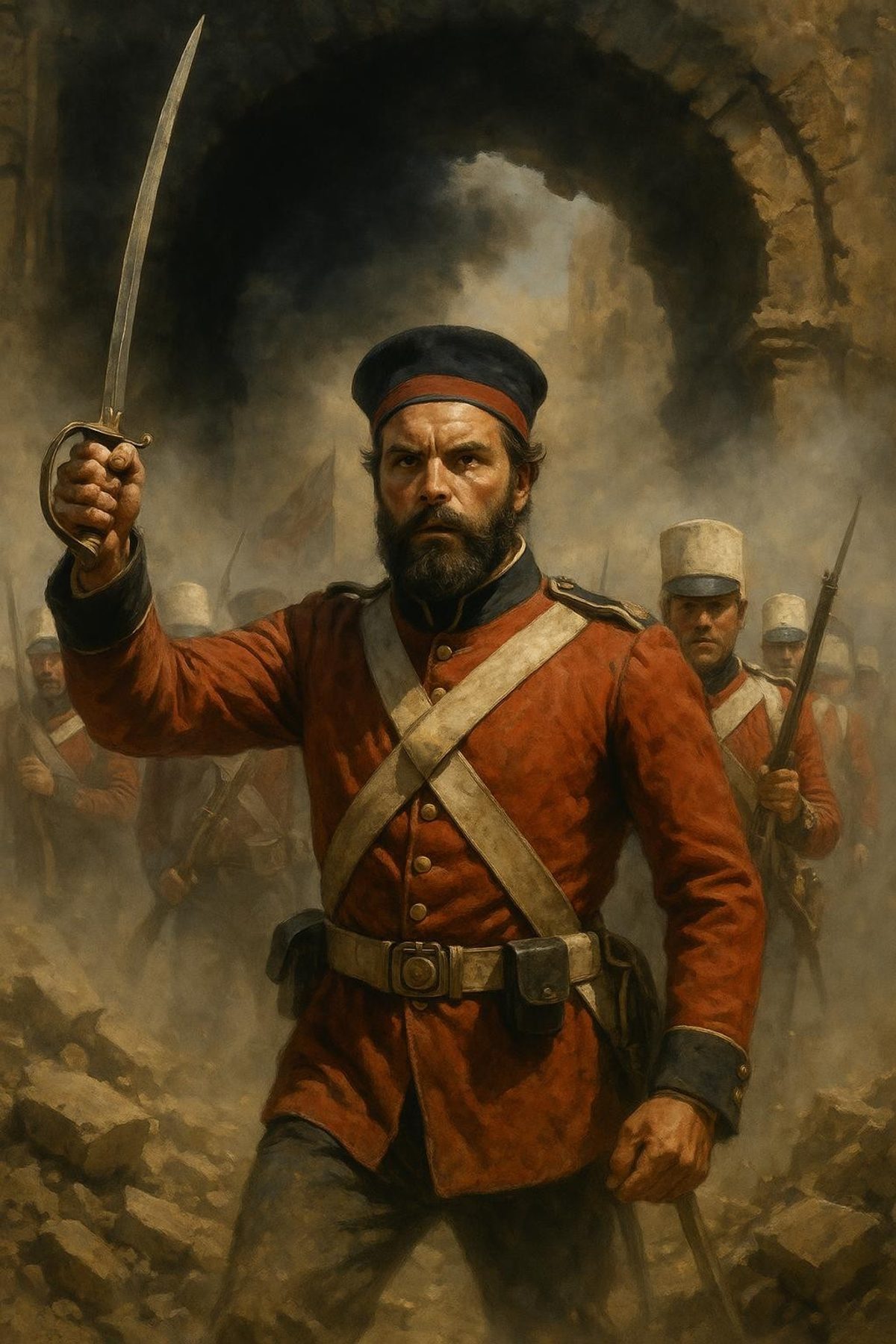
September 1857. The Delhi ridge had held for months. John Nicholson led the assault column through the Kashmir Gate. A musket ball struck him down. He refused to leave. He died knowing Delhi had fallen.
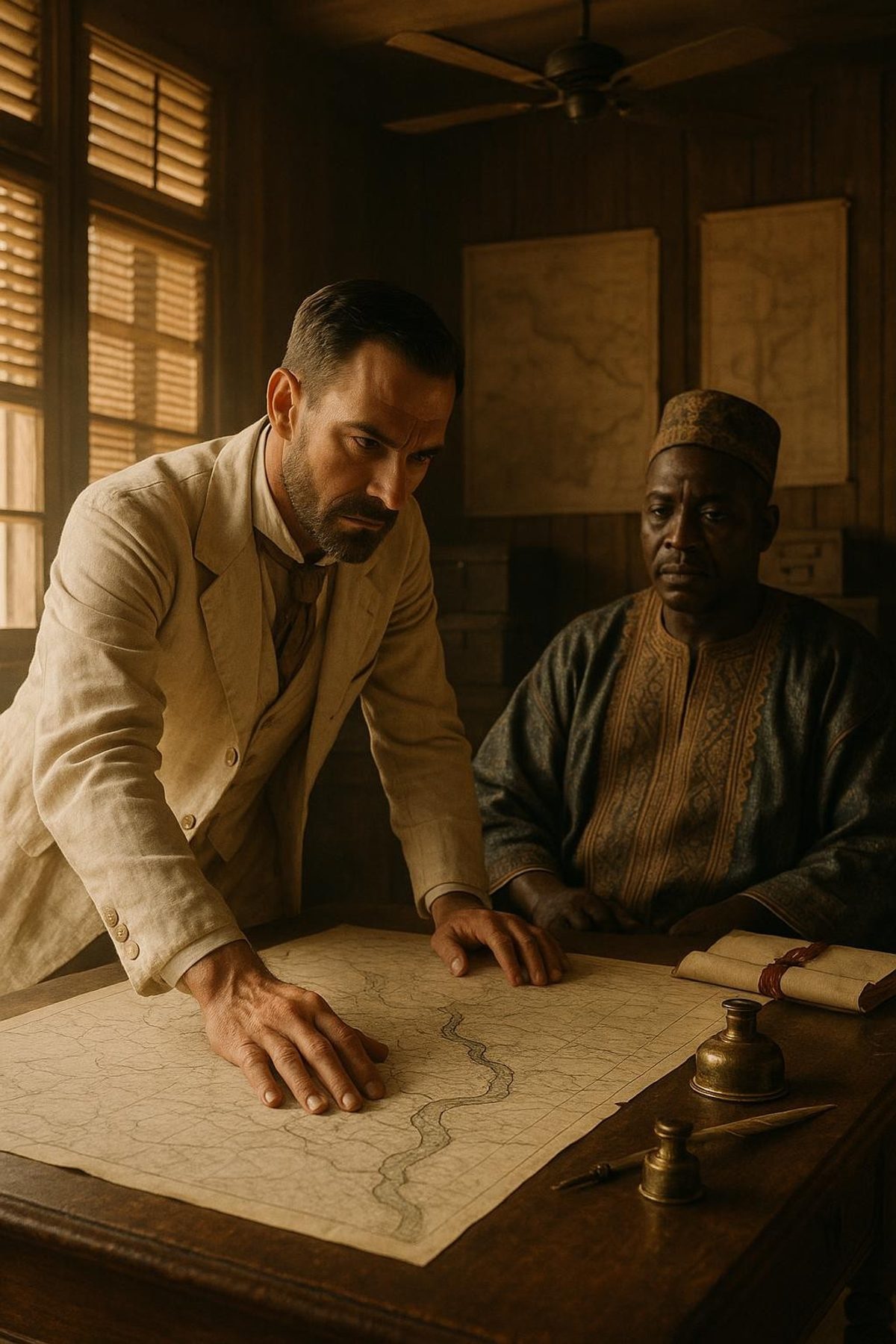
Berlin, 1884. The great powers were carving Africa. George Taubman Goldie arrived with signed treaties from 400 river chiefs. France had nothing. Britain kept the Niger.
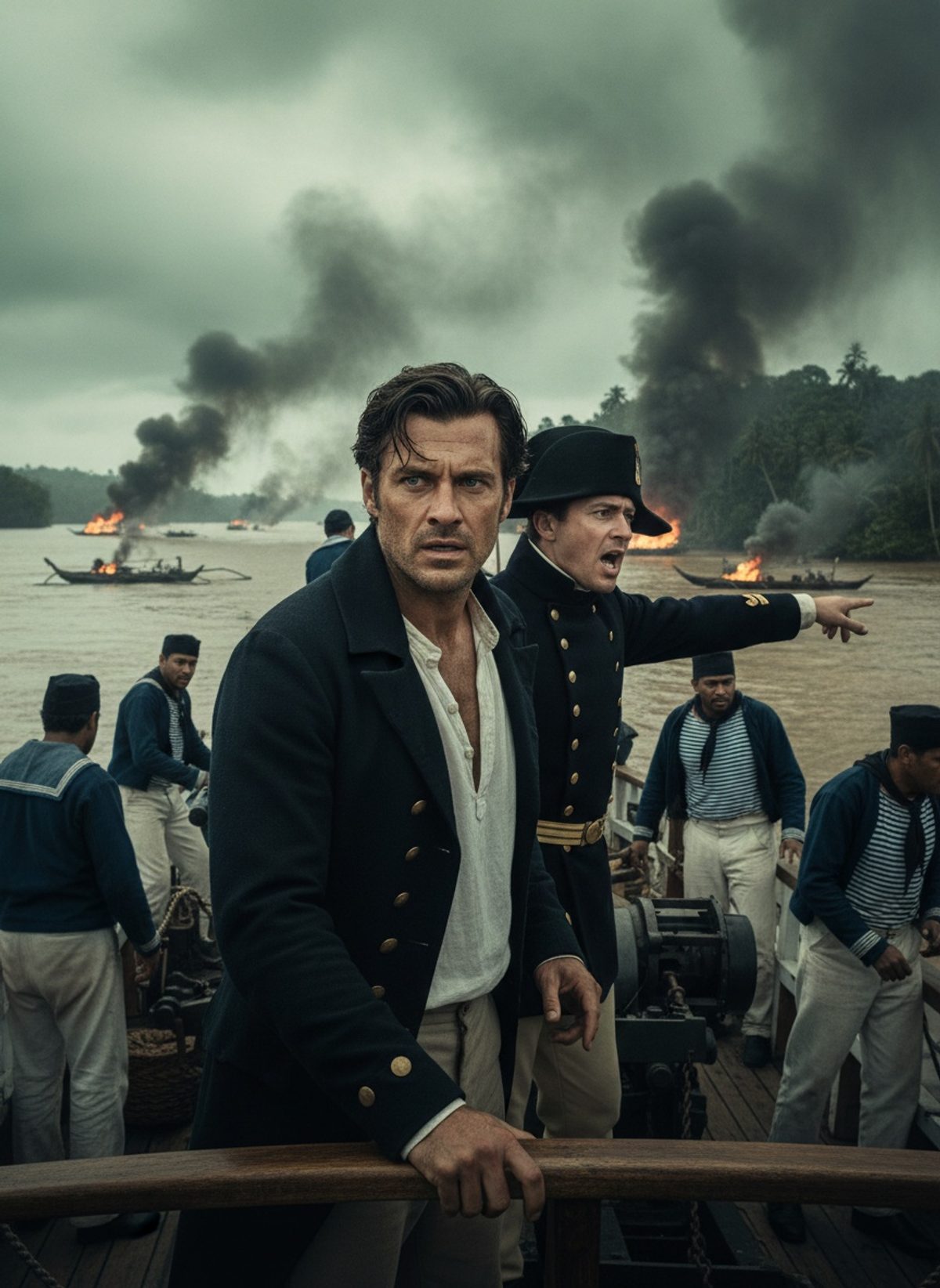
A former soldier turned jungle king. One gunboat. A fleet of Dyak pirates. James Brooke didn't wait for orders. He gave them. And the South China Sea changed forever.
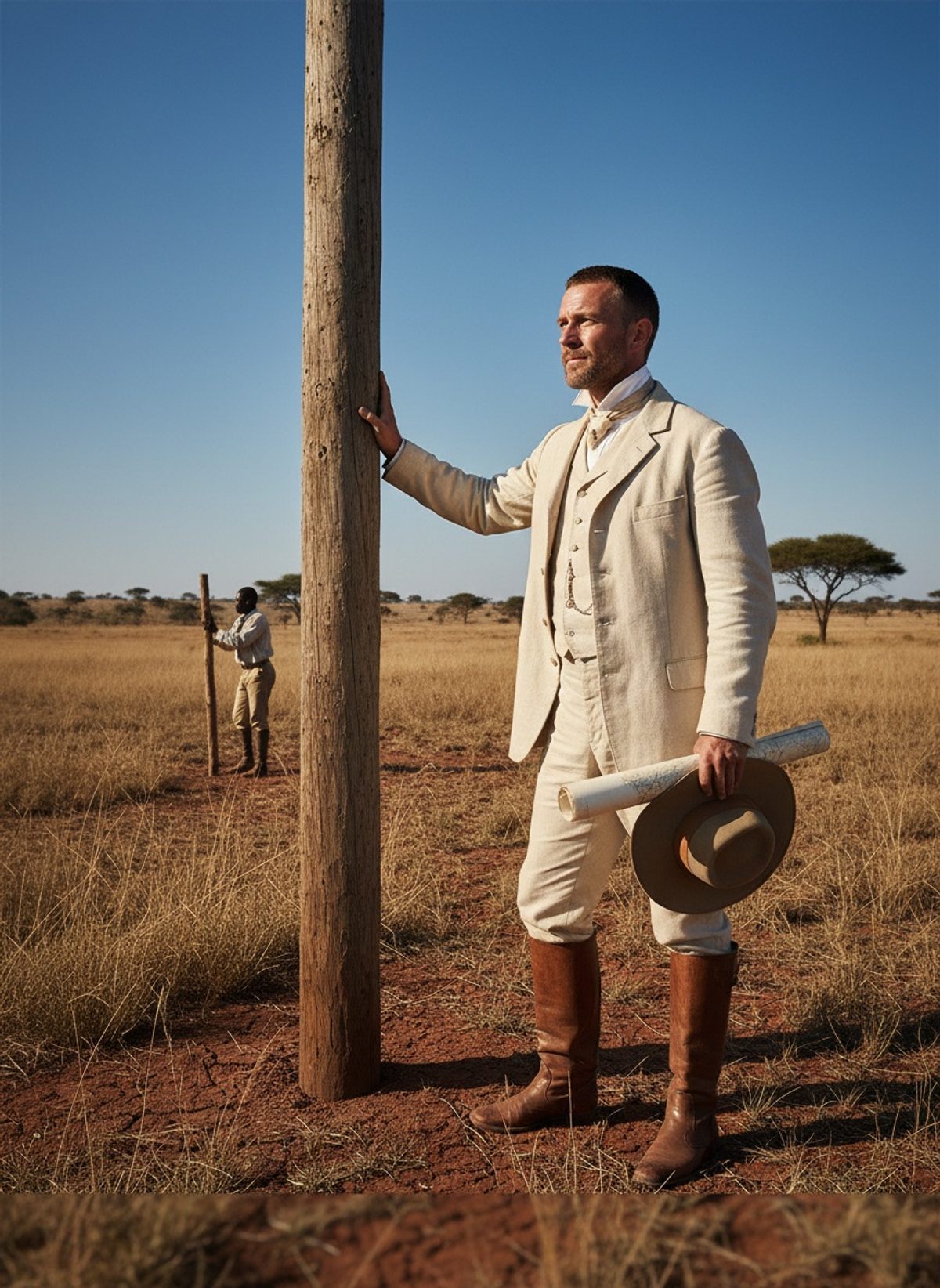
1892. Cecil Rhodes had a dream. A telegraph line from Cape Town to Cairo. Unbroken. Through a continent no wire had ever crossed. He funded the first pole himself. It would take decades. But he started it anyway.
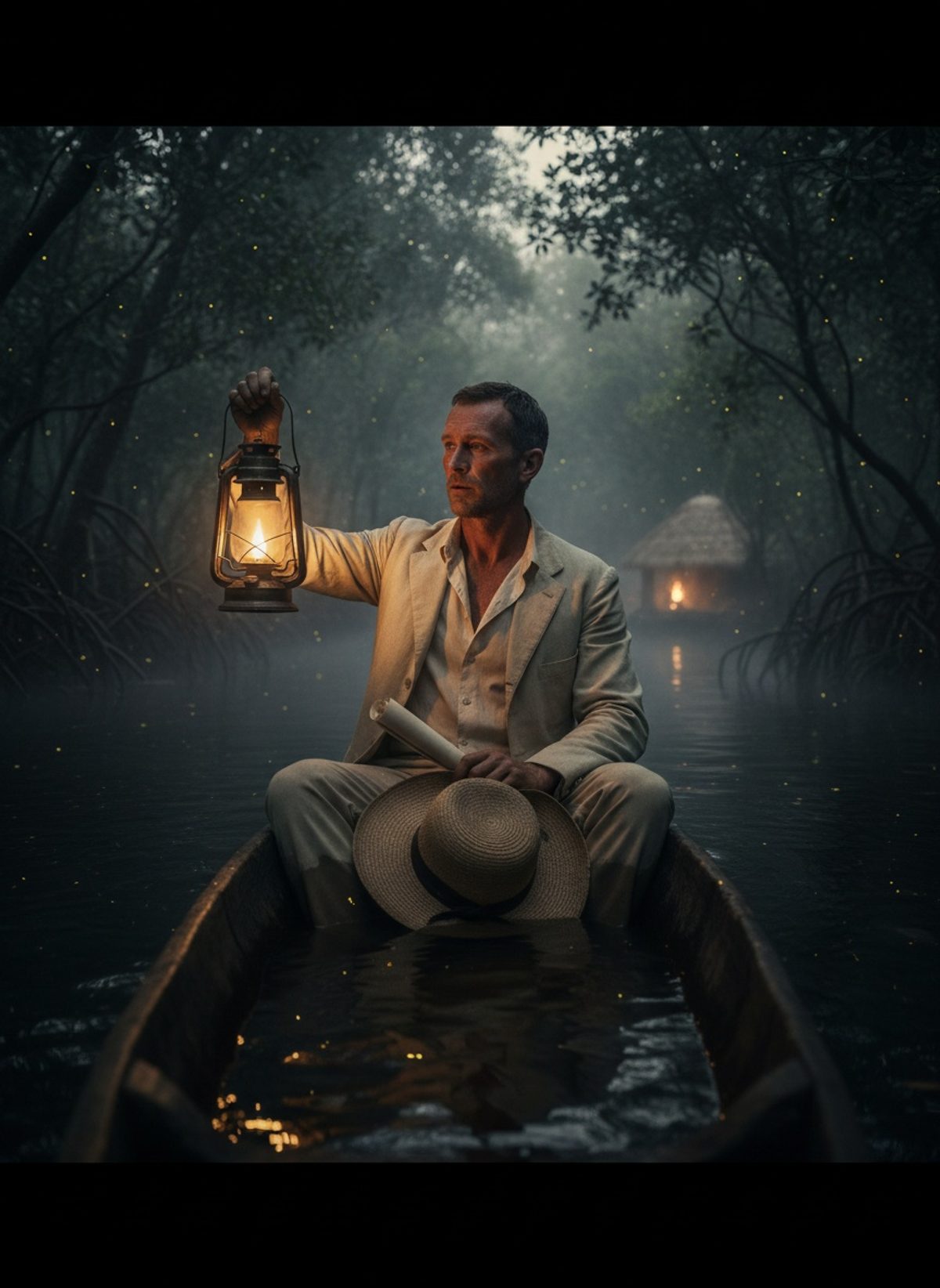
1886. The Niger Delta. George Taubman Goldie sat alone in a canoe at midnight. He had one lamp. One treaty. And a continent to hold. He paddled toward the chief's village. Britain did not know his name yet.
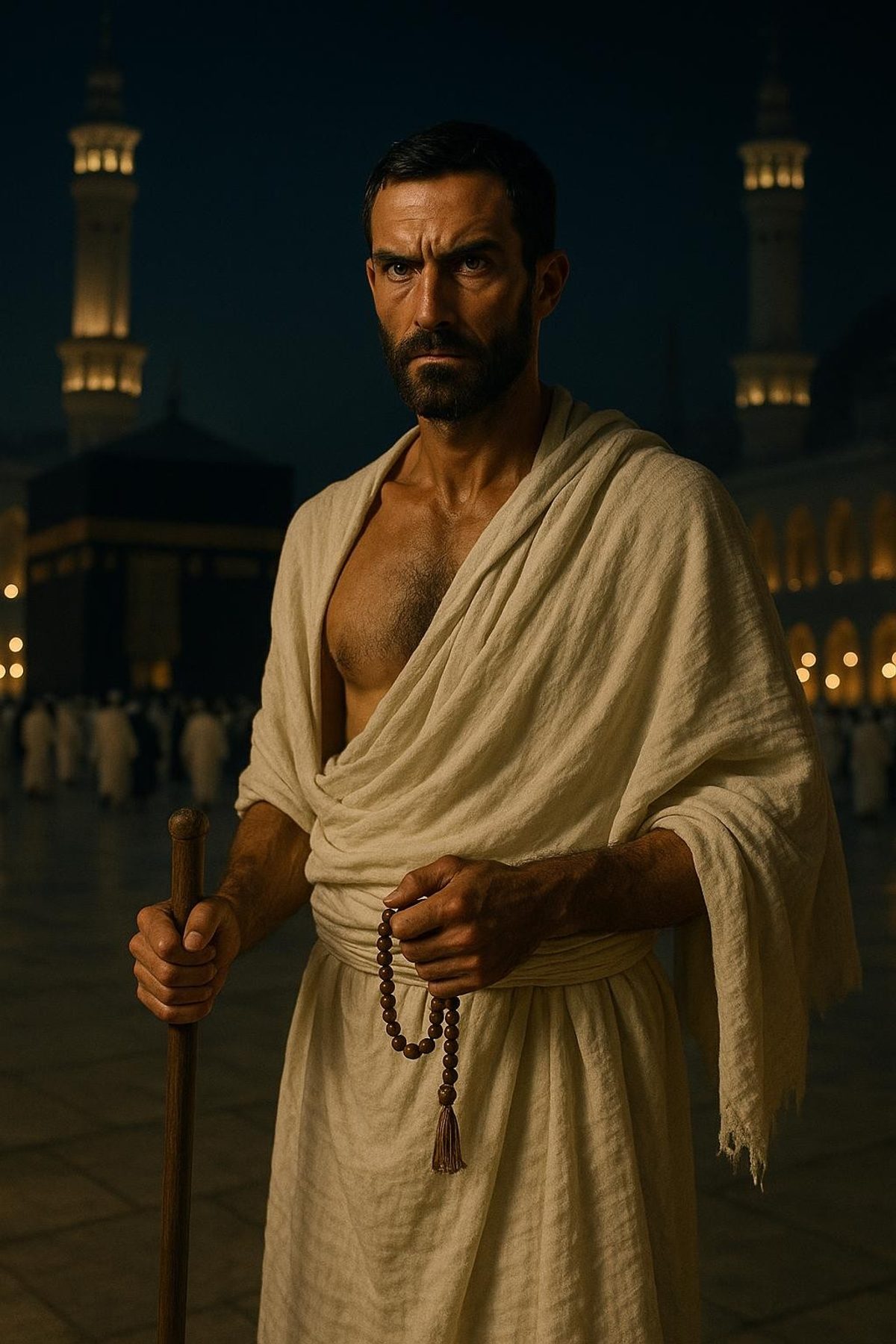
1853. No Christian had entered Mecca and survived. Richard Burton disguised himself as an Afghan pilgrim. He walked to the Kaaba. He touched the Black Stone. He walked out alive.
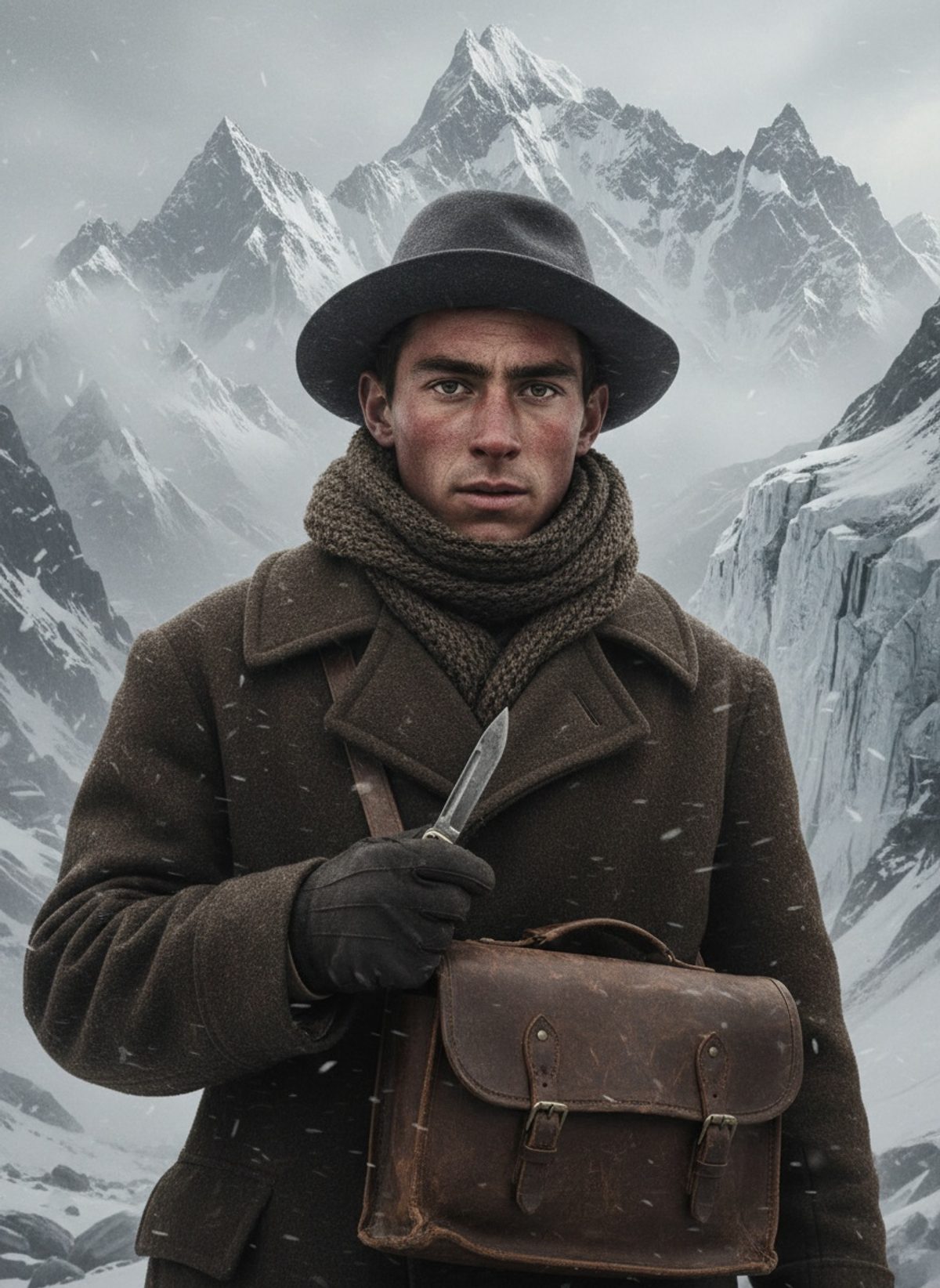
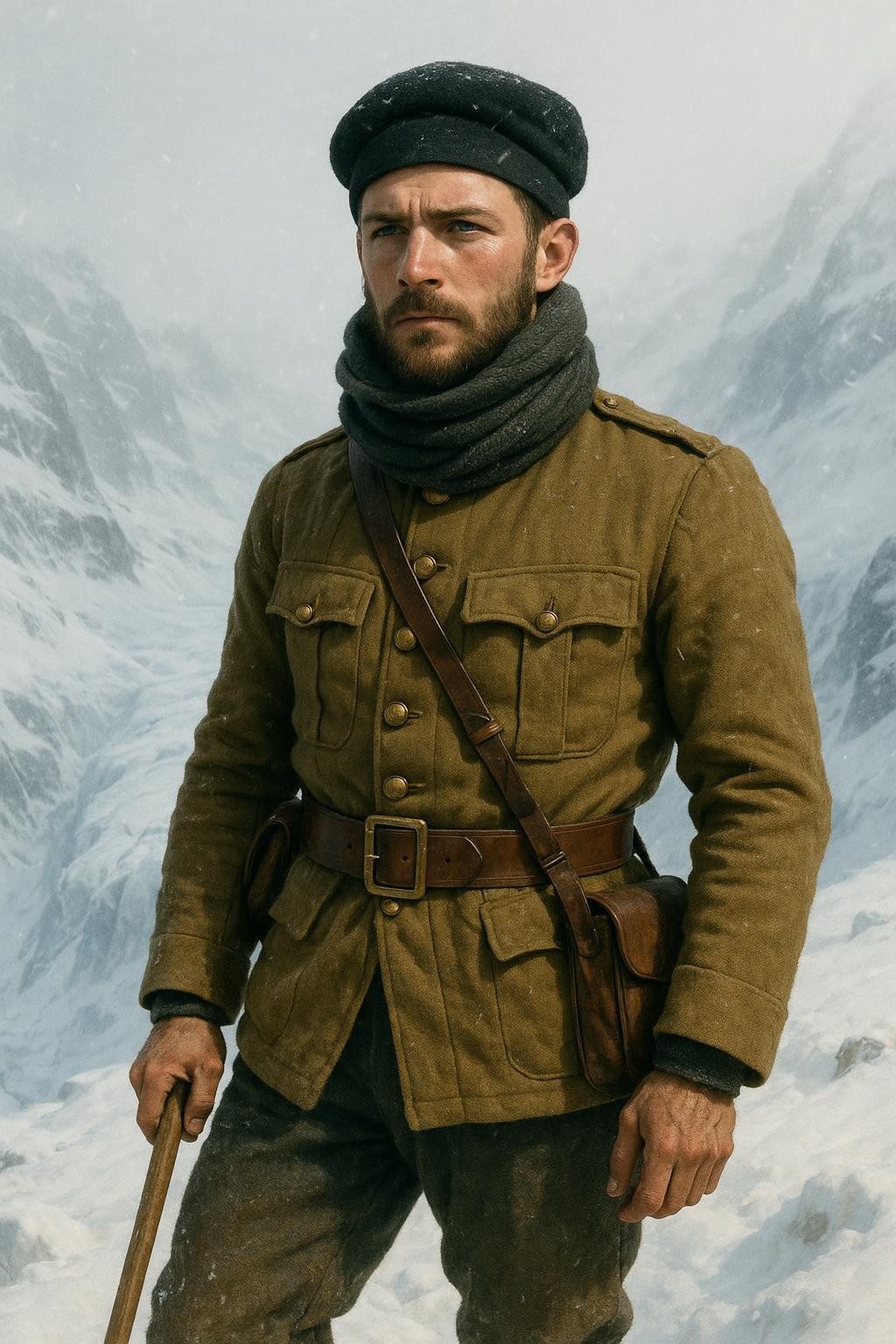
1887. Francis Younghusband was twenty-four years old. Alone. He crossed the Mustagh Pass in winter. No ropes. No guide. He cut steps in the ice with a penknife. He reached India. Nobody believed him at first.
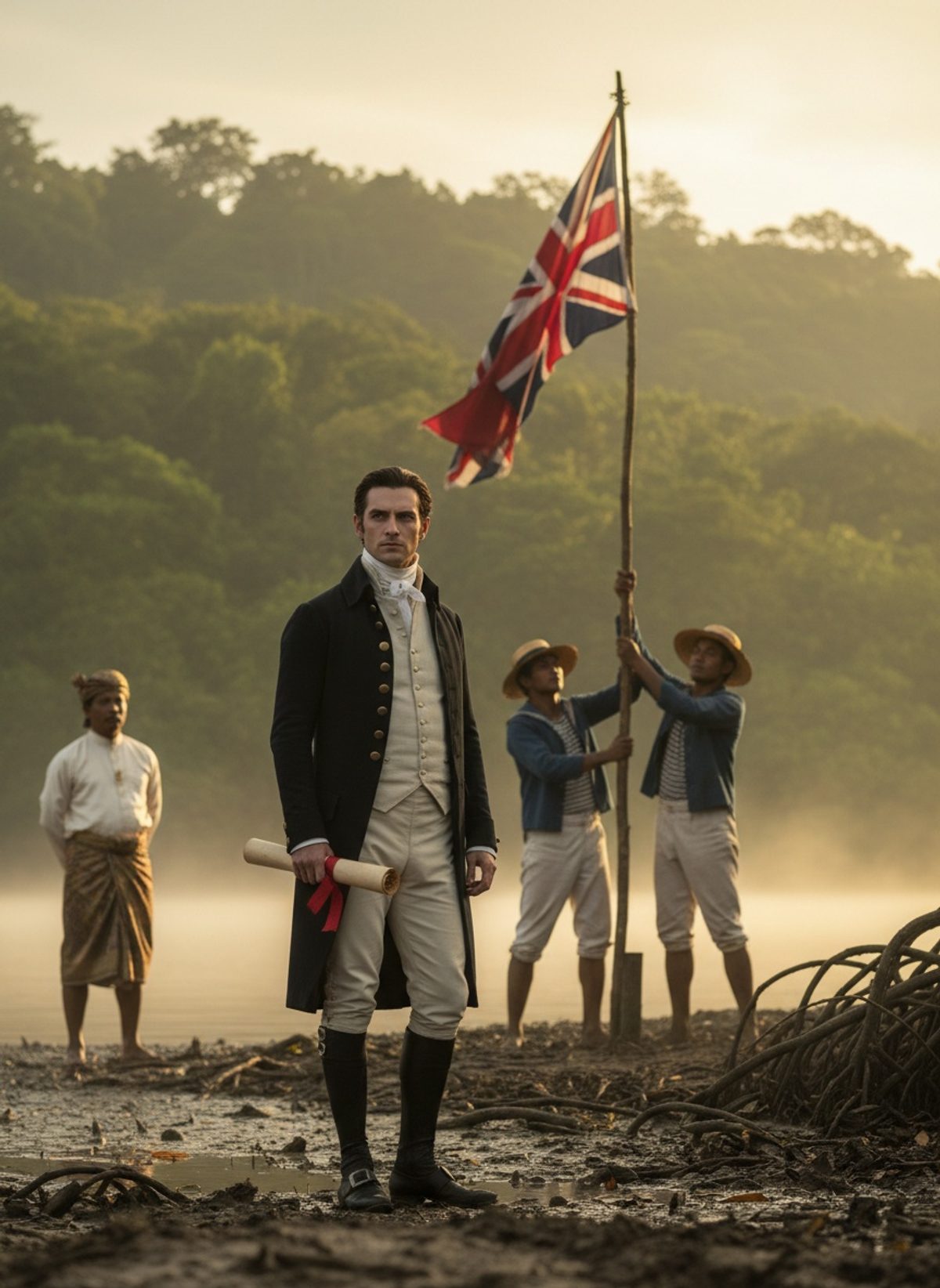
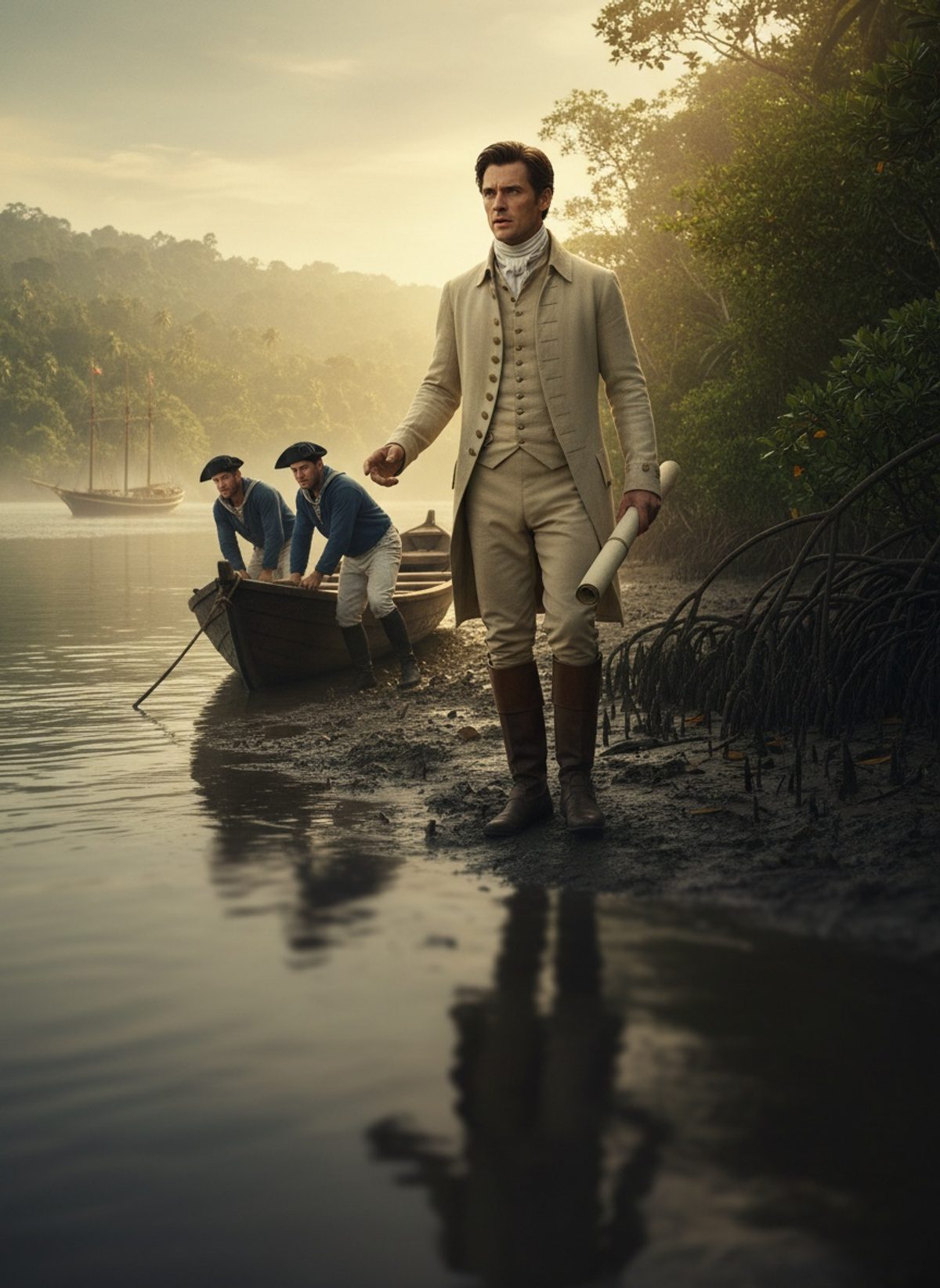
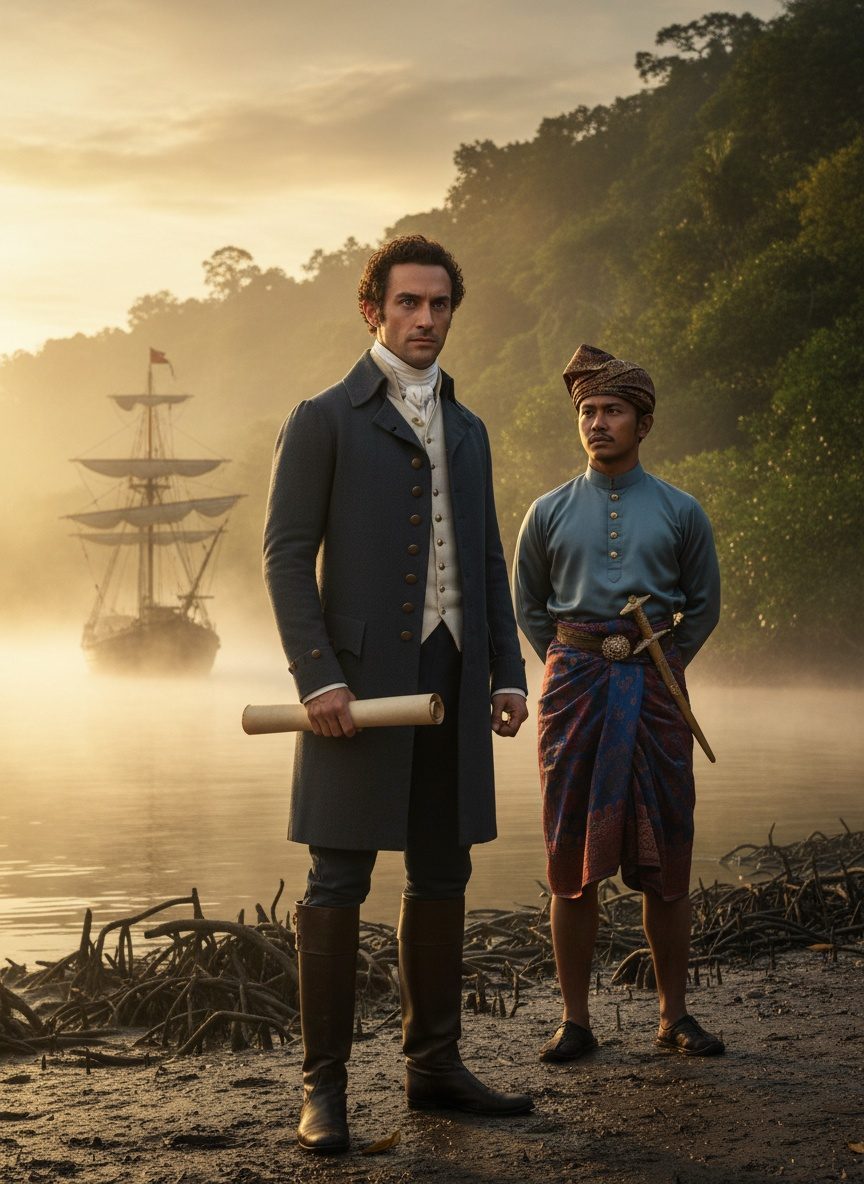
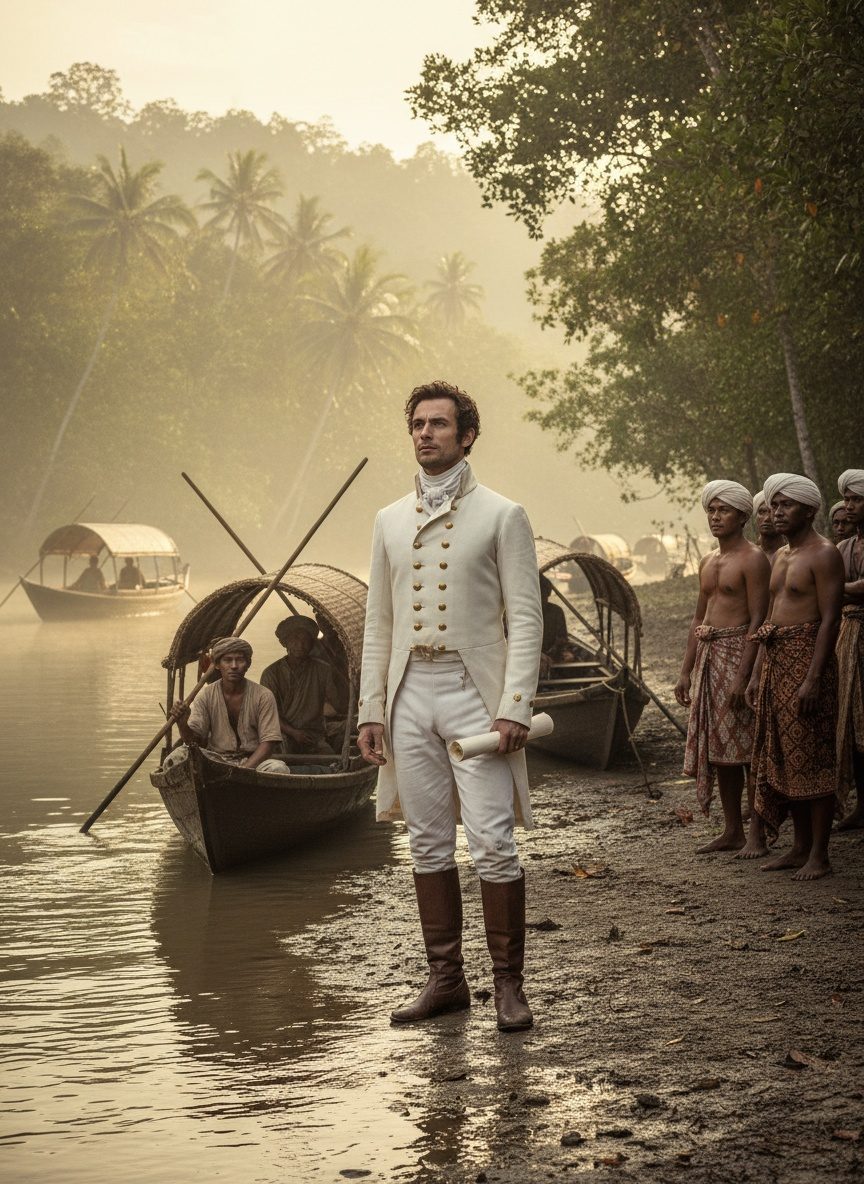
January 1819. A young clerk stepped onto a swampy island. He had no army. No mandate. Just a vision. He signed a treaty with a local chief. Raised the Union Jack. Called it Singapore.
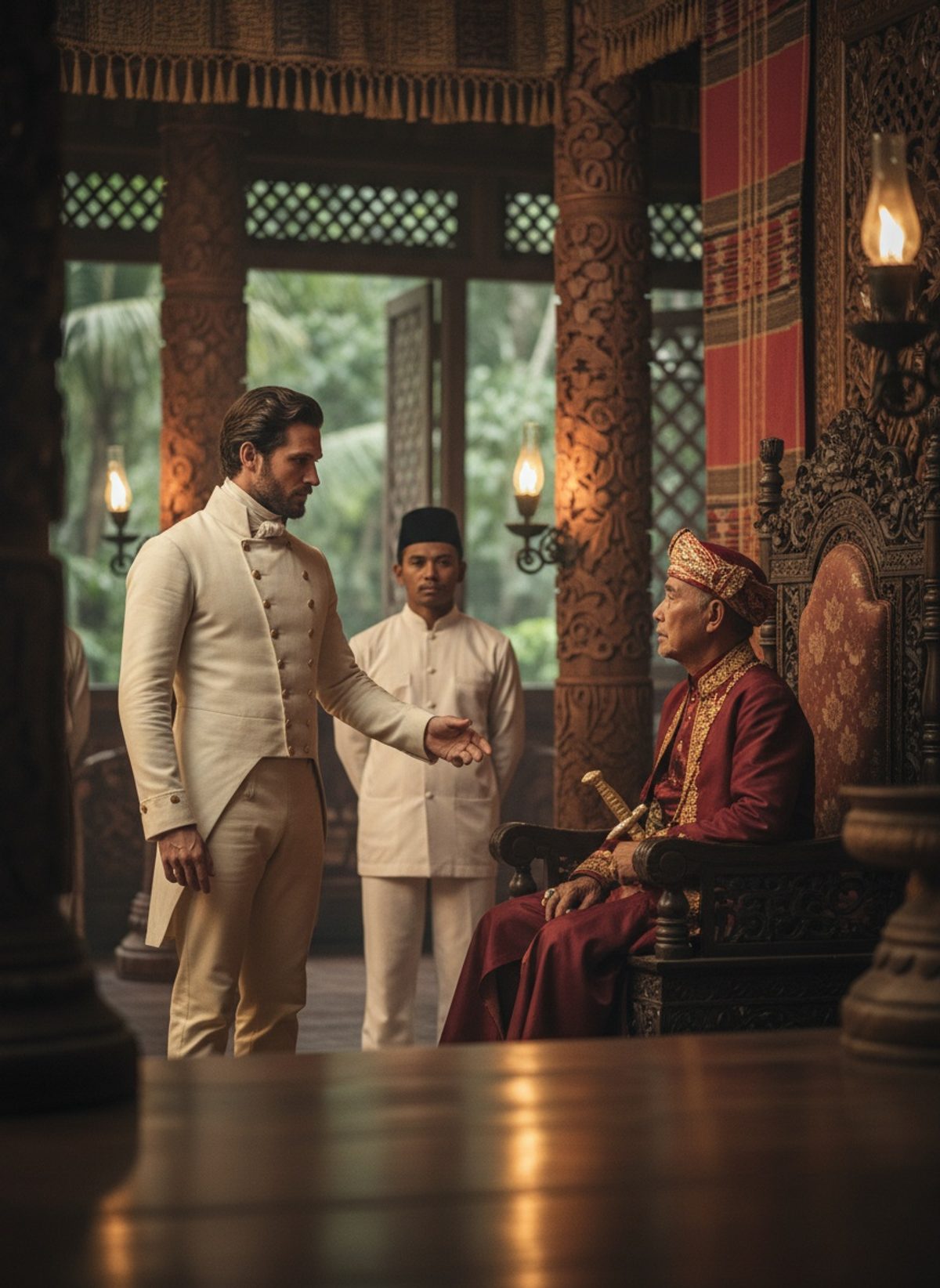
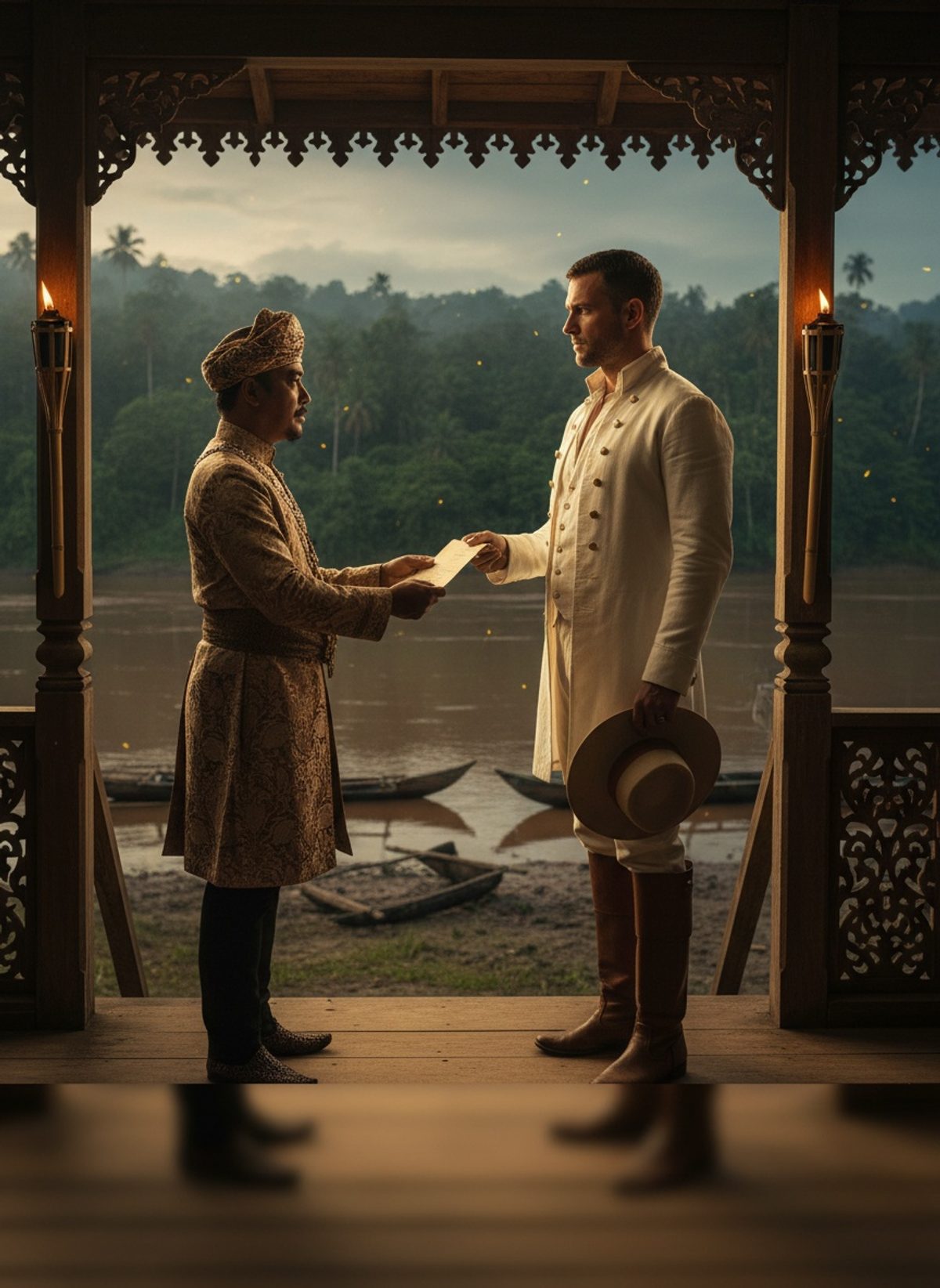
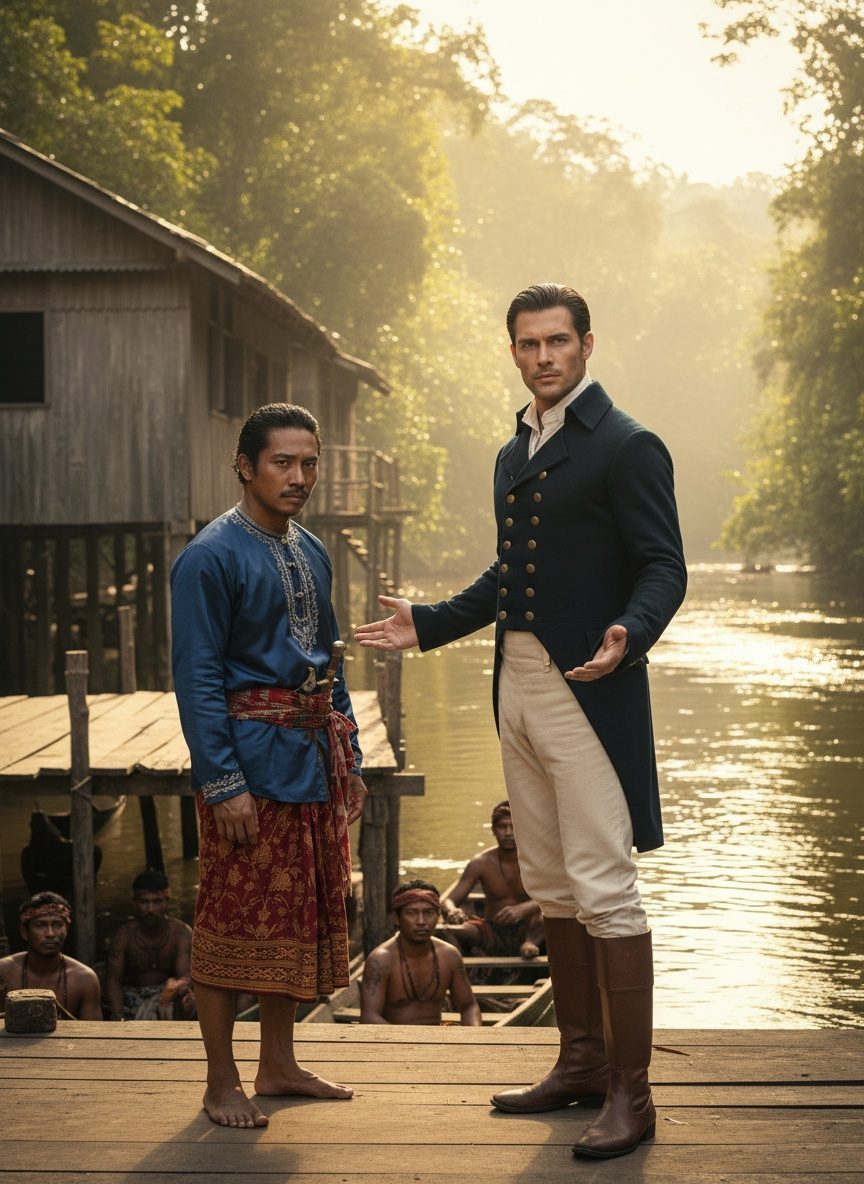
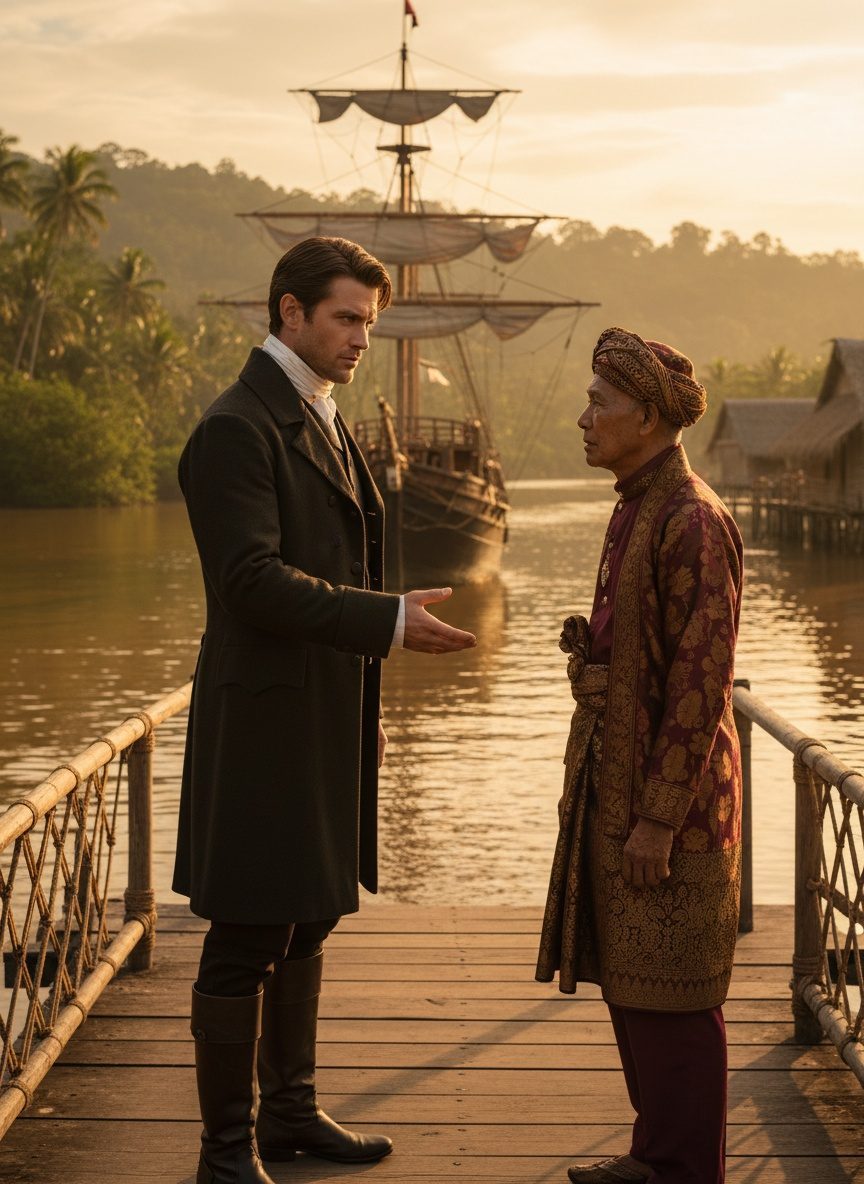
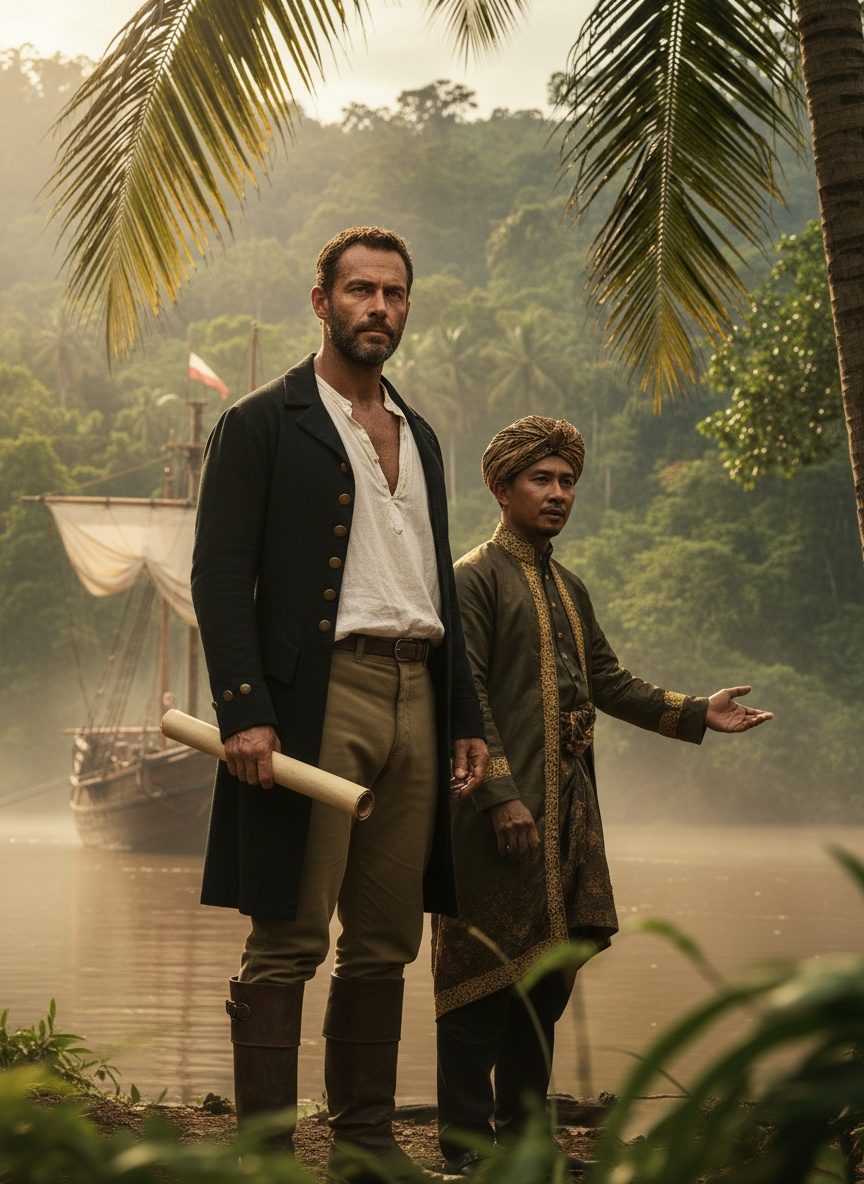
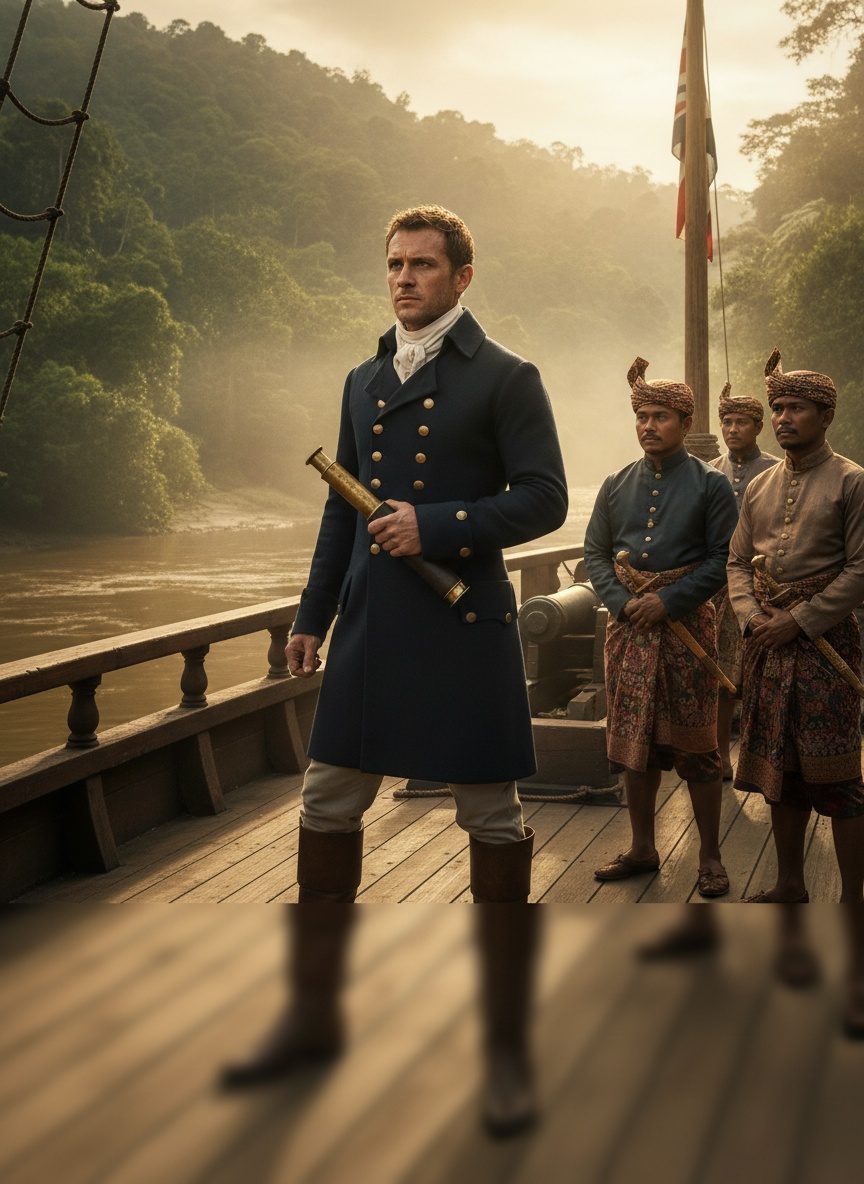
1841. James Brooke sailed into Sarawak with one small schooner. The rajah was losing a rebellion. Brooke offered his help. In return he asked for a territory. The rajah agreed. A British adventurer became a king.
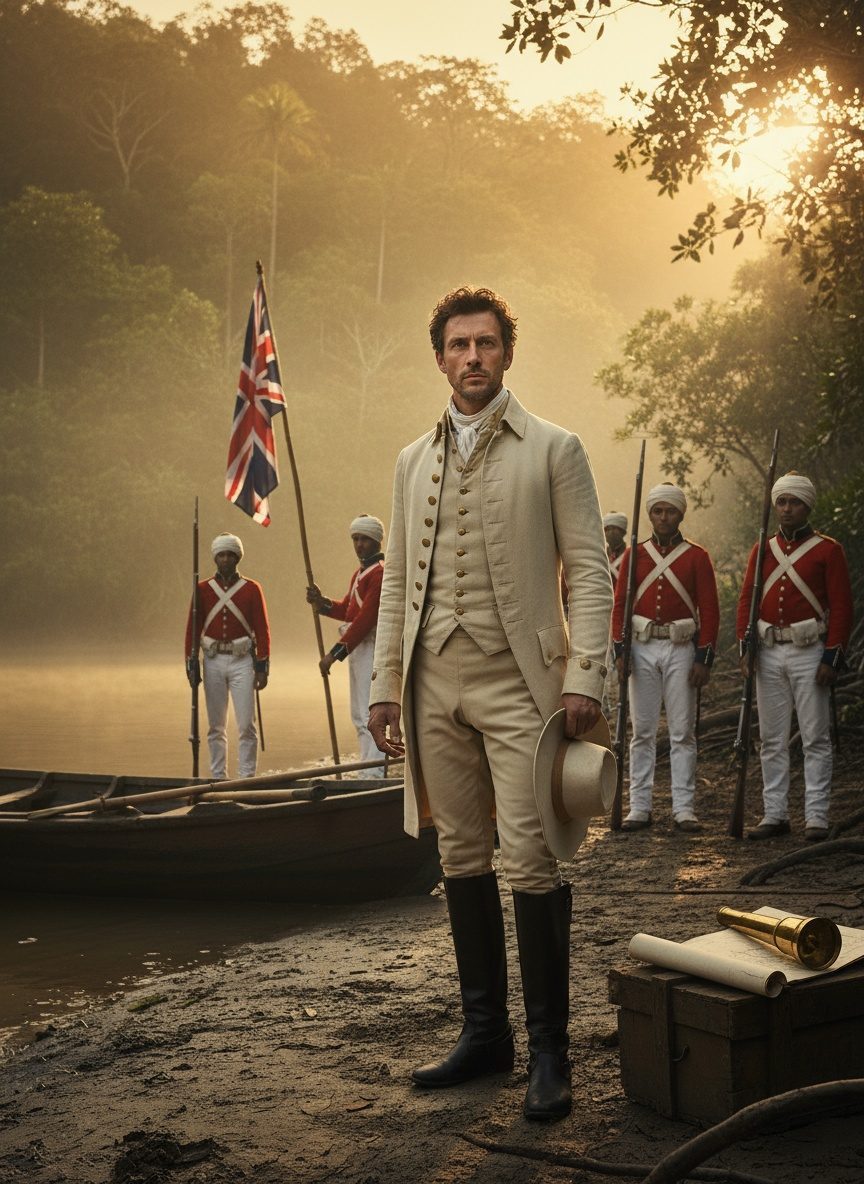
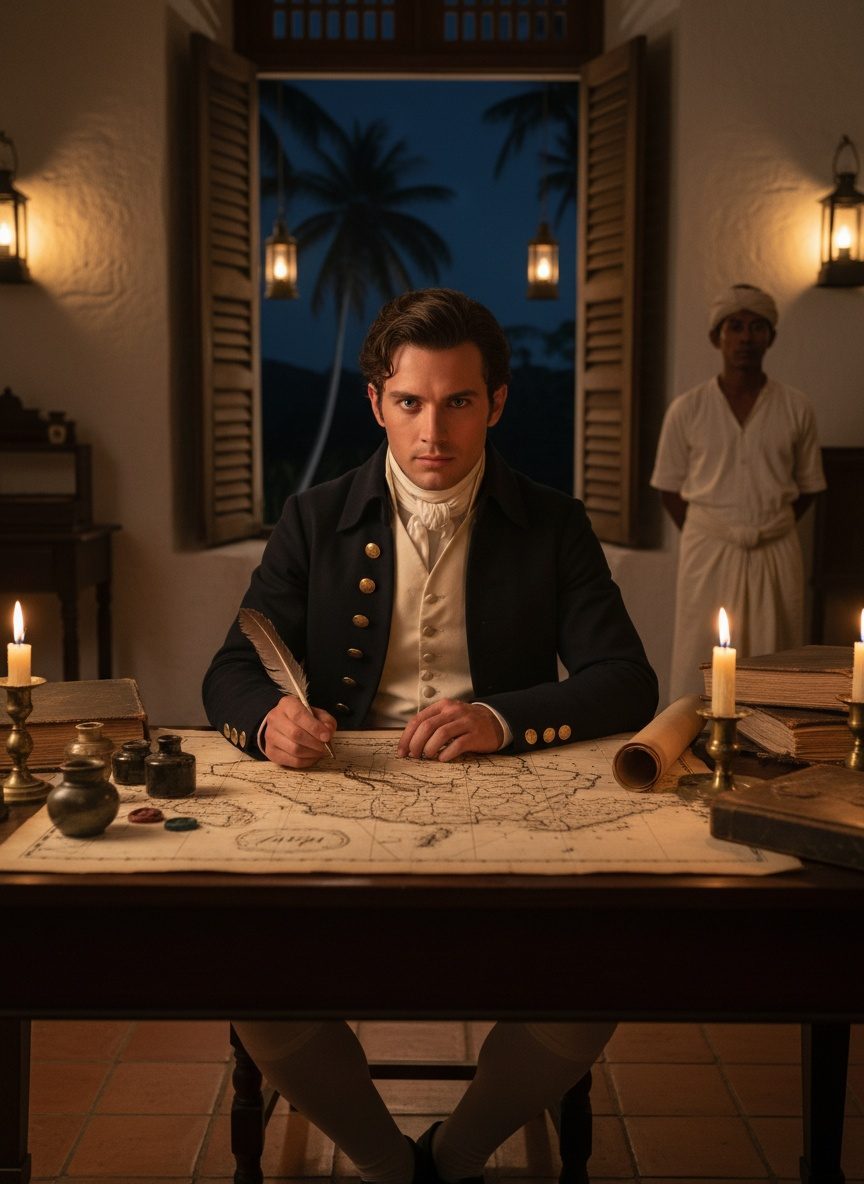
January 1819. A small British boat nosed into a fever-choked swamp at the southern tip of the Malay Peninsula. Stamford Raffles stepped ashore. He saw not a ruin. He saw a crossroads of the world. He signed a treaty and built Singapore.
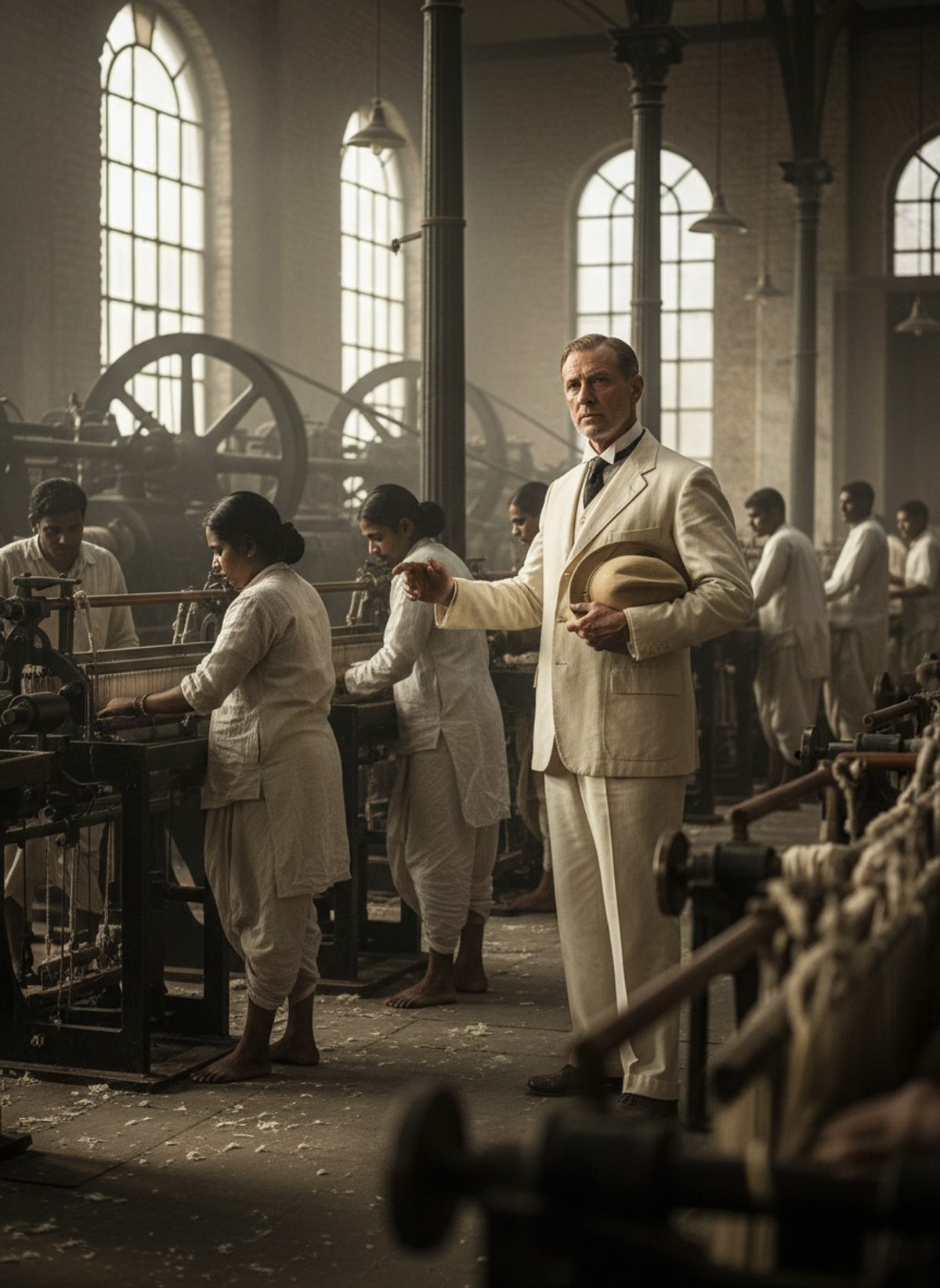
Depression gripped the world. In Bombay, a British mill owner faced ruin. He could replace 200 workers with machines. He didn't. He hired 200 more. The workers called him 'the Sahib who stayed.'
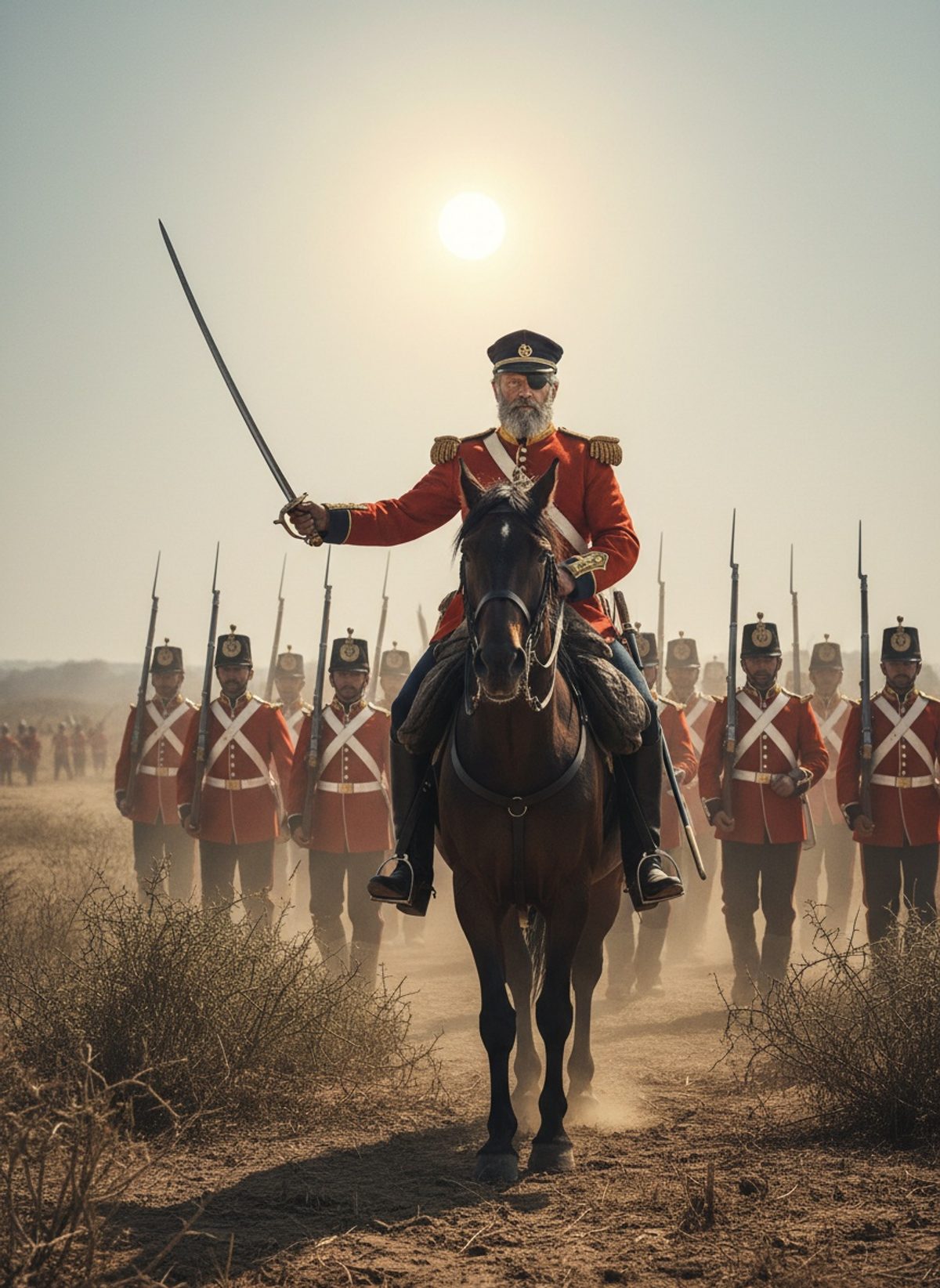
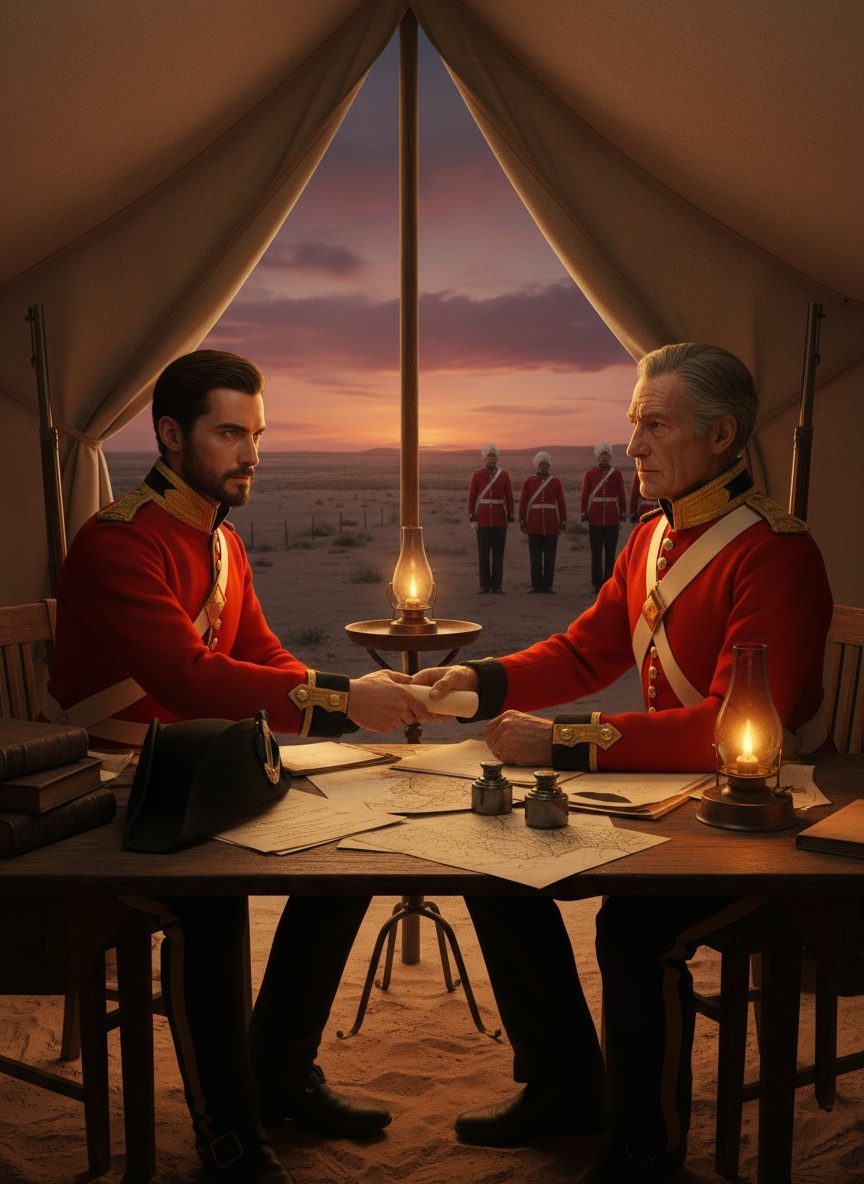
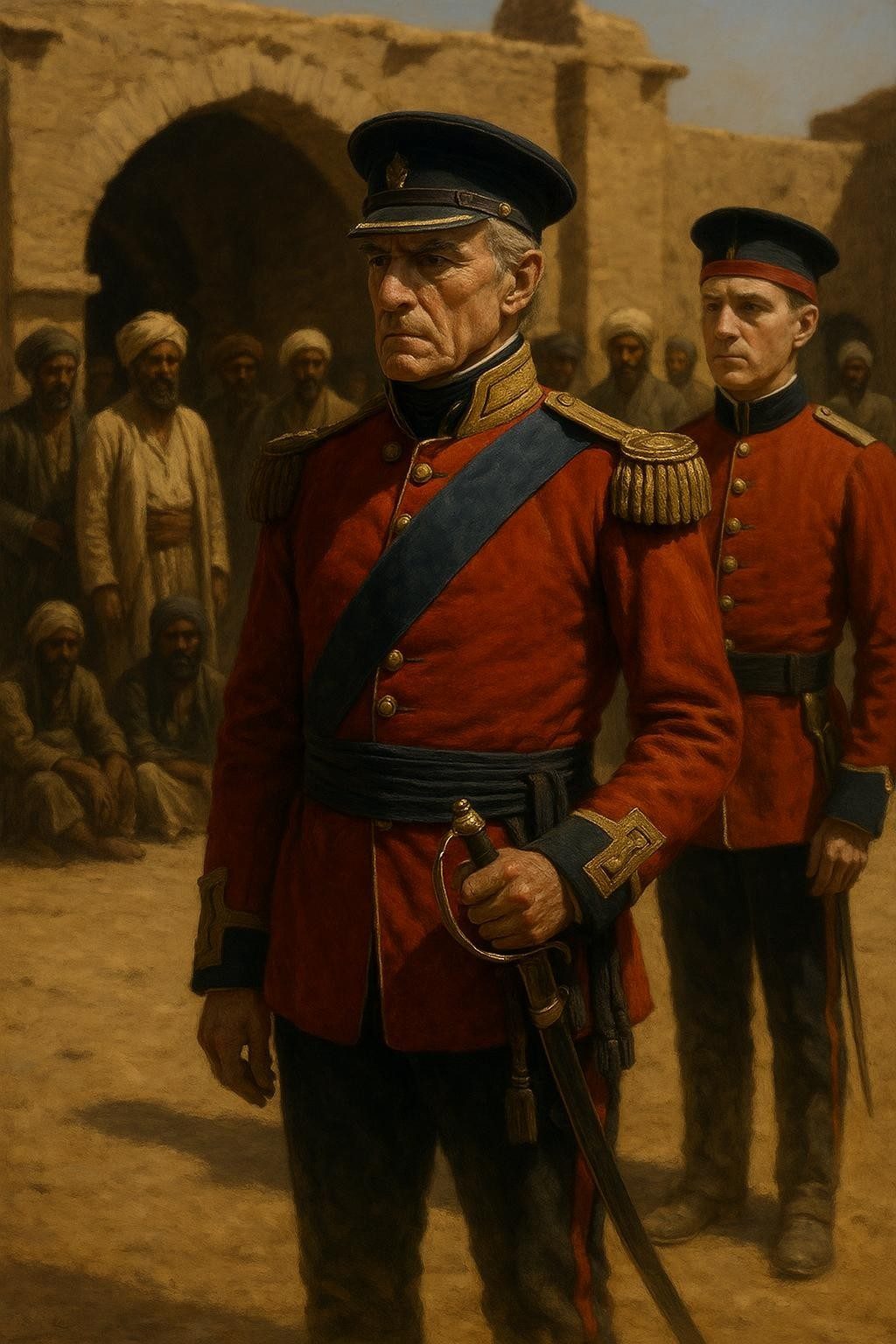
He was 60 years old, half-blind, and outnumbered ten to one. Napier charged anyway. By sunset, Sindh was British. He reportedly sent London a one-word dispatch: 'Peccavi.' Latin for 'I have sinned.'
After Seringapatam fell, a junior colonel walked in to take command. Nobody thought much of him. Within days, he had restored order where seasoned men had failed. His name was Arthur Wellesley. The world would remember it differently.
1884. Two French companies held the Niger. Britain's claim was crumbling. George Goldie bought them out. Both of them. In weeks. He handed Whitehall a river. And Britain kept West Africa.
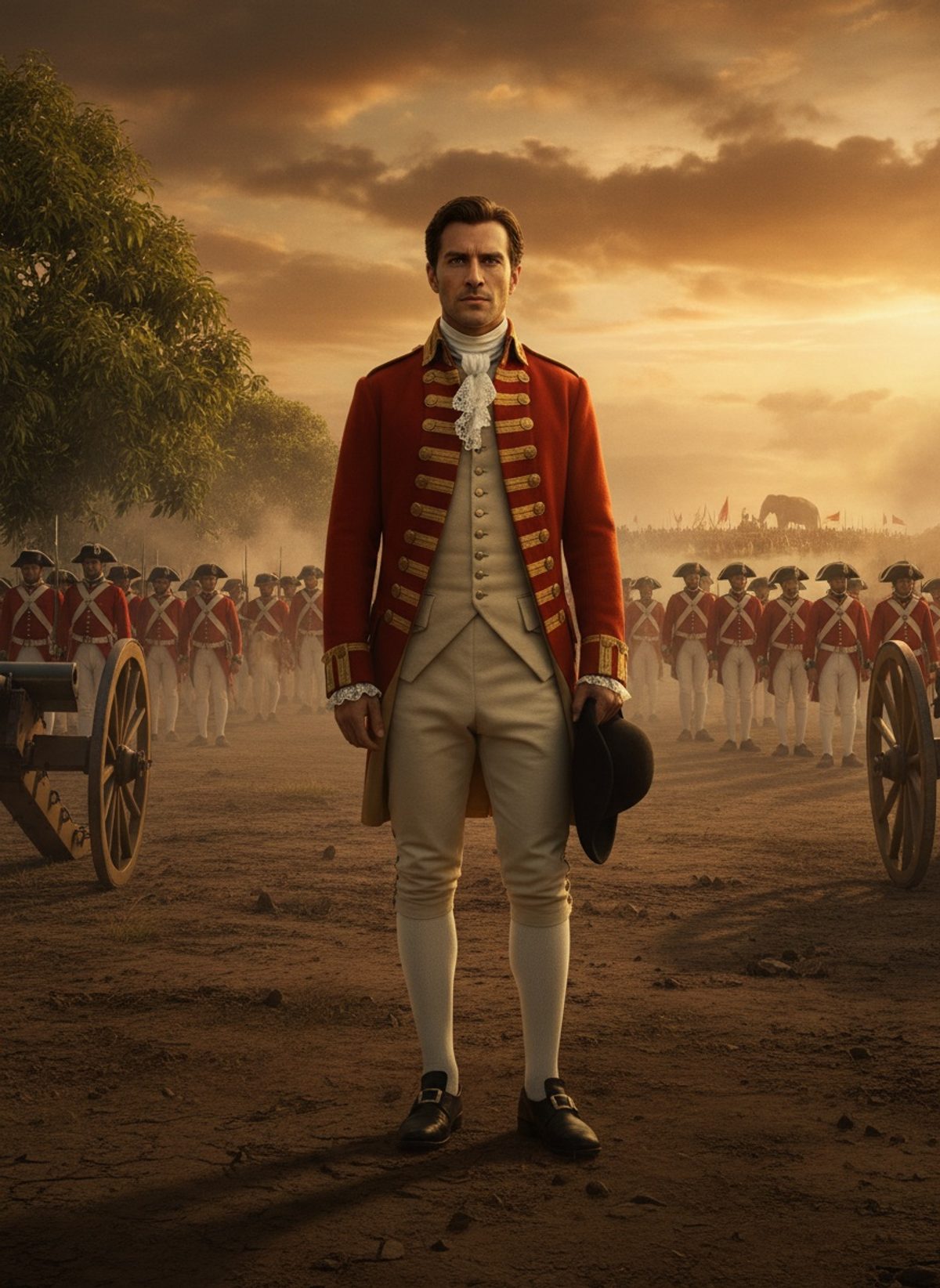
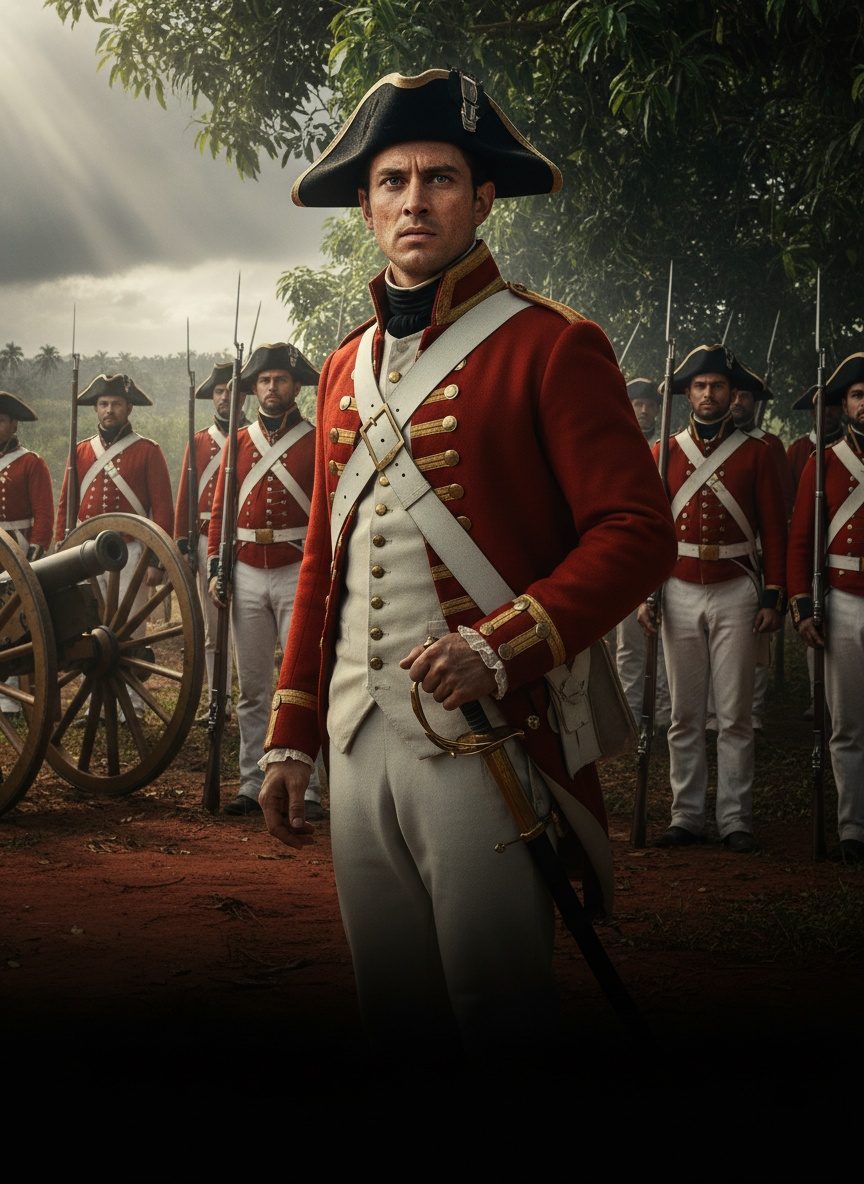
June 1757. A young clerk turned soldier faced an army of fifty thousand. Robert Clive had three thousand men. One cannon battery. One afternoon. He gambled everything. By evening, Bengal belonged to Britain.
1841. James Brooke sailed to Borneo with one ship and forty men. He crushed a pirate rebellion. The Sultan of Brunei offered him a kingdom. He accepted. One English adventurer ruled a land the size of England for the rest of his life.
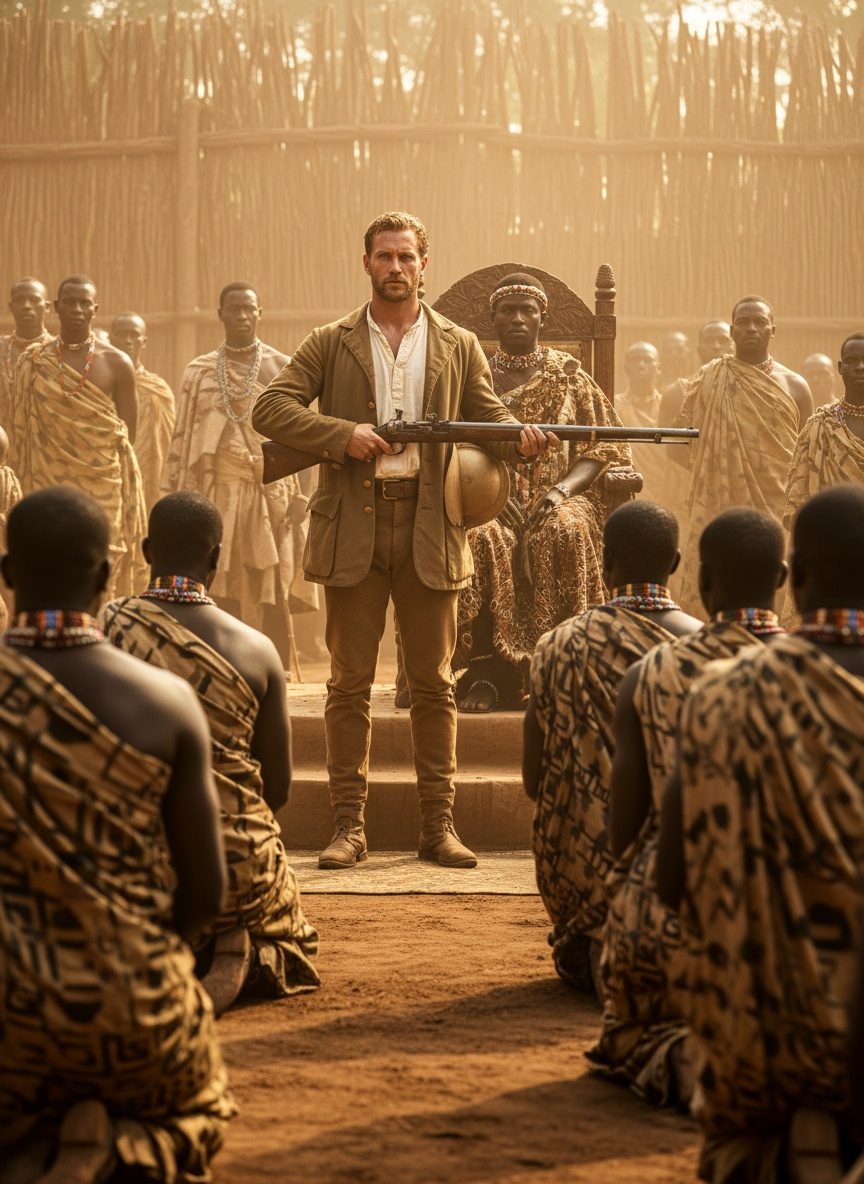
1862. Speke stood before Mutesa, Kabaka of Buganda. No European had entered this court before. He carried a rifle as a gift. Mutesa accepted. The Nile's secret lay just days ahead.
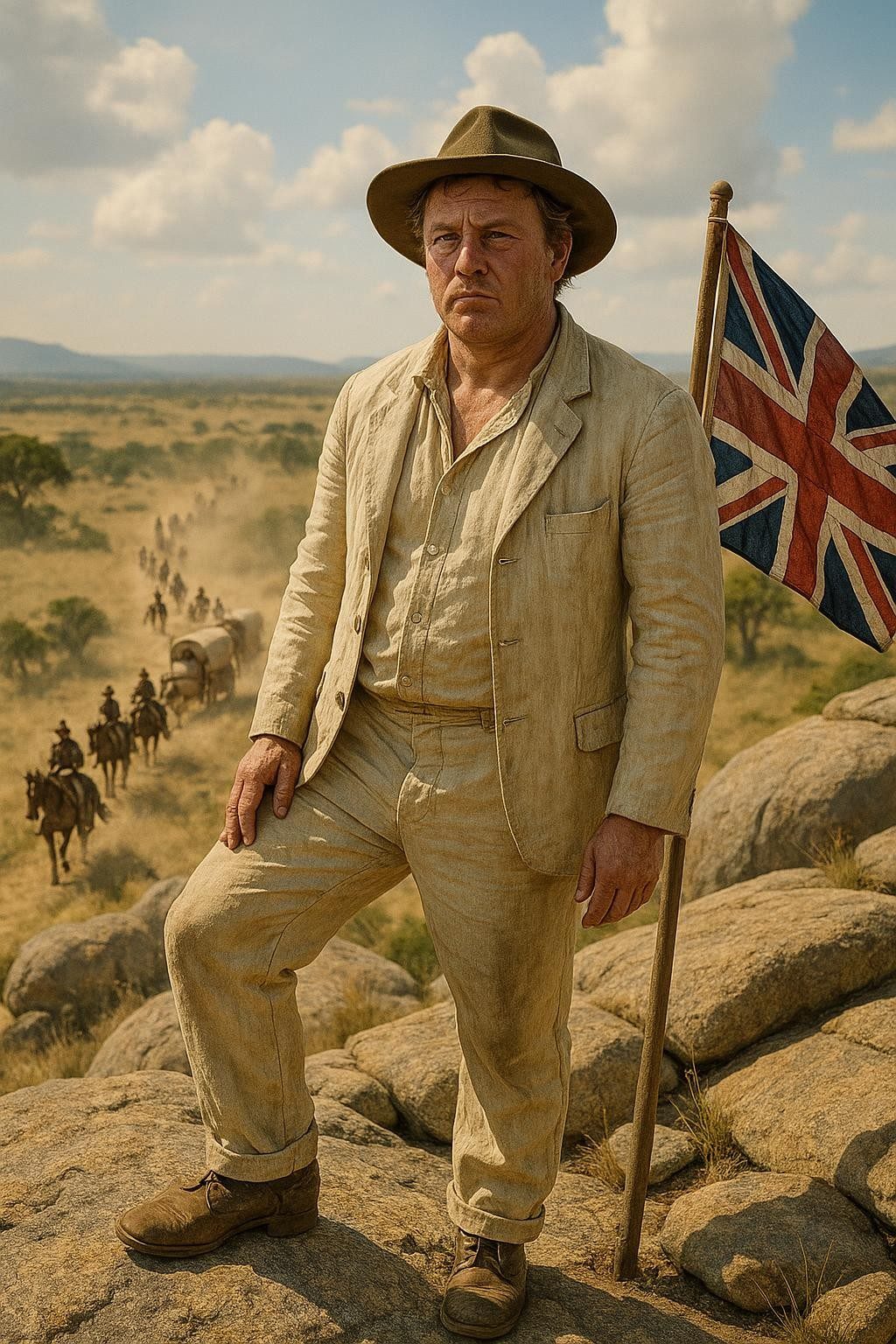
1890. Cecil Rhodes stood on a granite kopje above the Matabeleland plateau. Below him, his Pioneer Column had raised the Union Jack at Fort Salisbury. He had financed the entire expedition himself. One man. One flag. A new country.
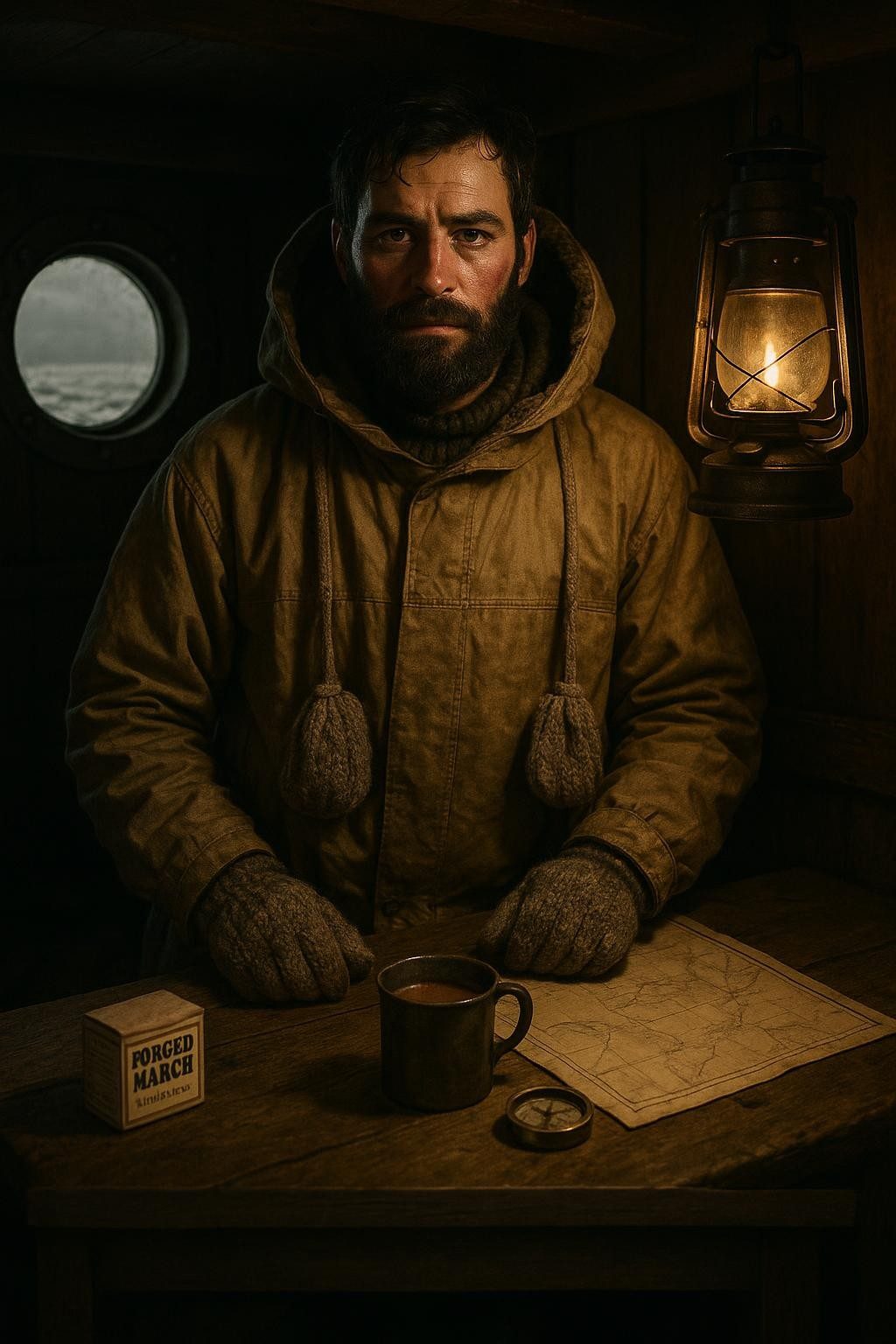
British polar explorers carried cocaine tablets called 'Forced March' — made in London. Scott's 1901 Discovery crew relied on them in crisis. The Empire's most respectable pharmaceutical firm supplied them.
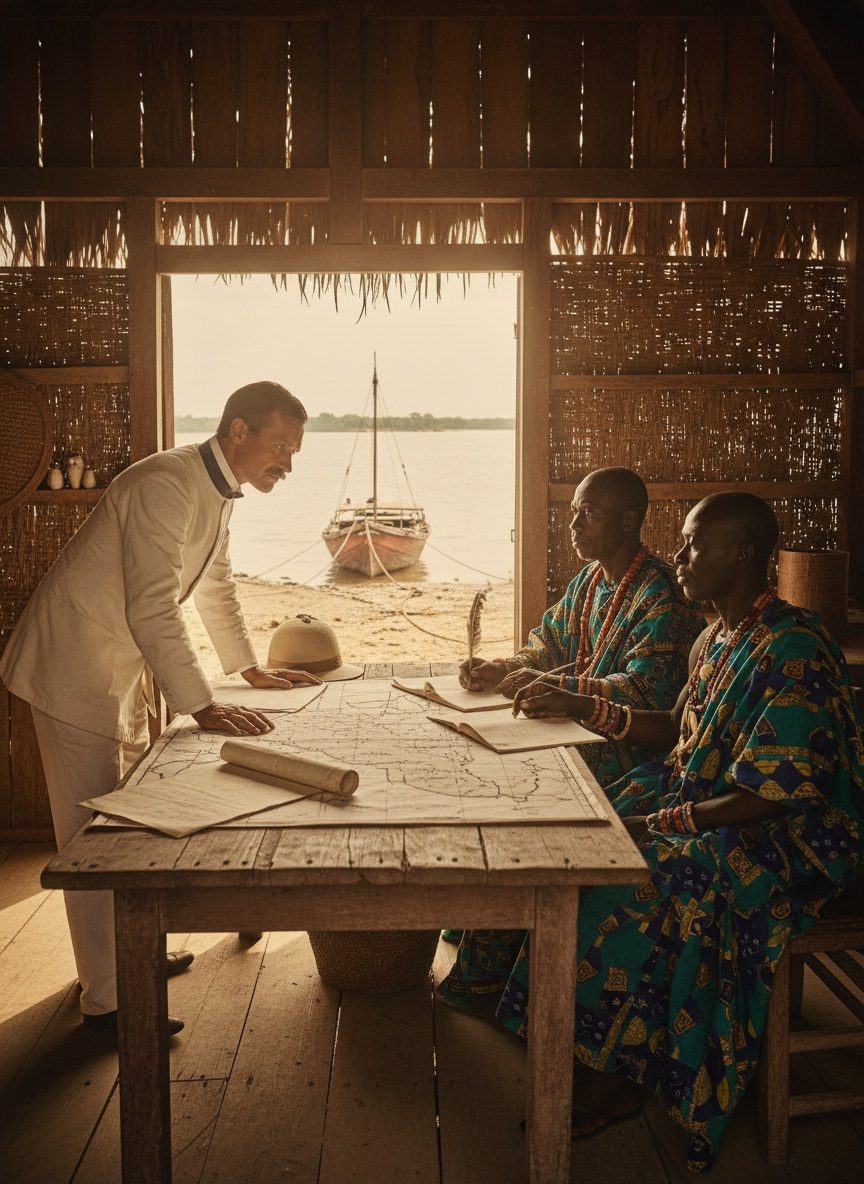
1884. A lone Scotsman sat across from the chiefs of the Niger Delta. No army behind him. No warship in sight. He offered a treaty. One by one, they signed. Britain had a river empire — won with ink.
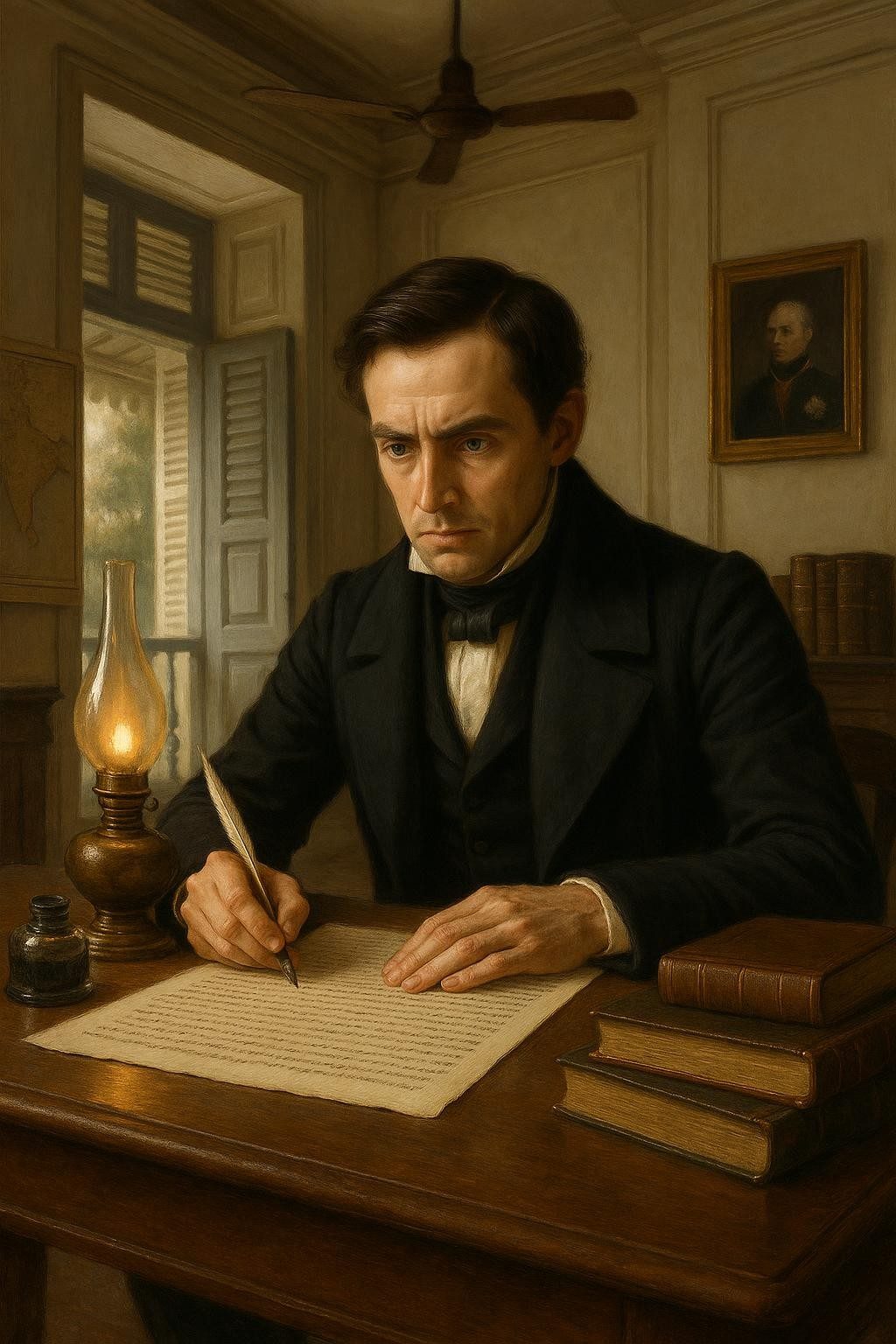
February 1835. One man sat down in Calcutta. He wrote forty minutes of argument. The Governor-General signed it. Every child in India would learn English. One document. One continent. Changed forever.
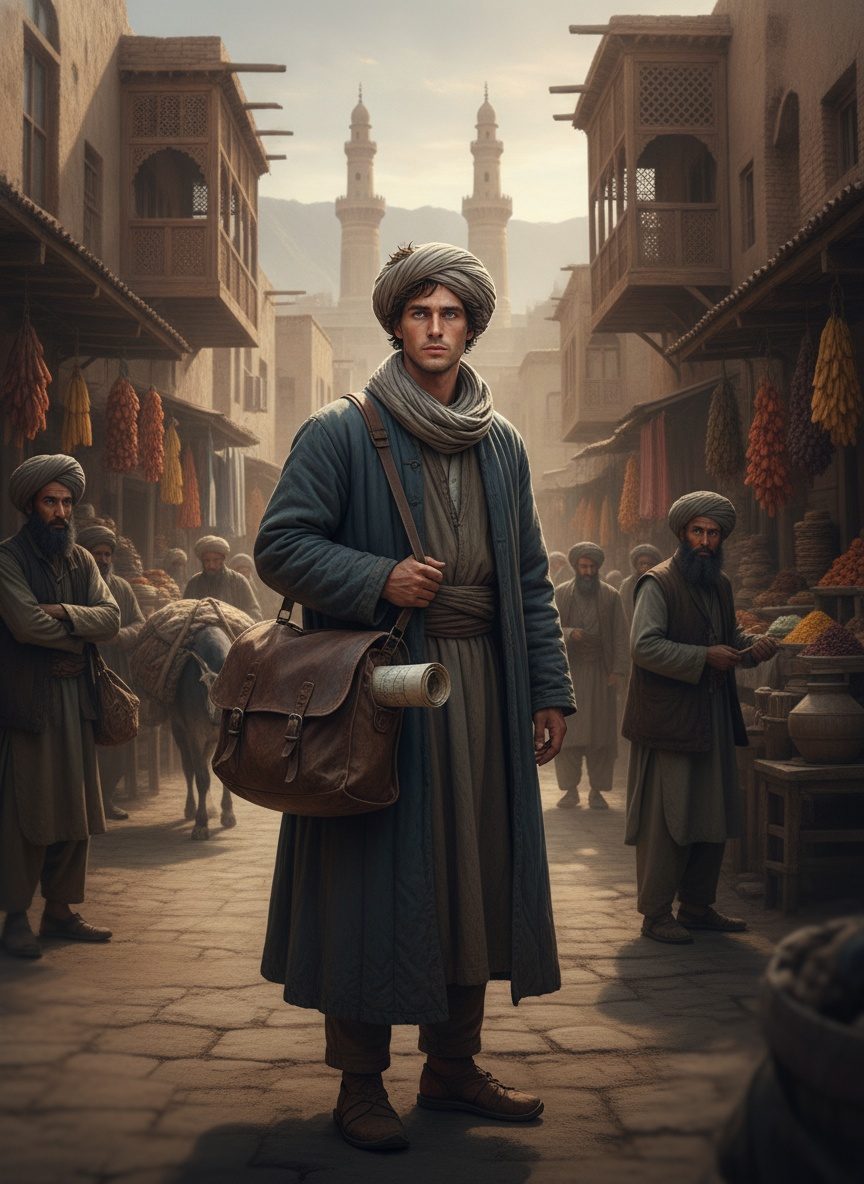
1832. A 26-year-old Scots officer entered Kabul disguised as a merchant. No army. No escort. Just nerve. He mapped the city from memory. Walked out alive. And handed Britain its first intelligence on Afghanistan.
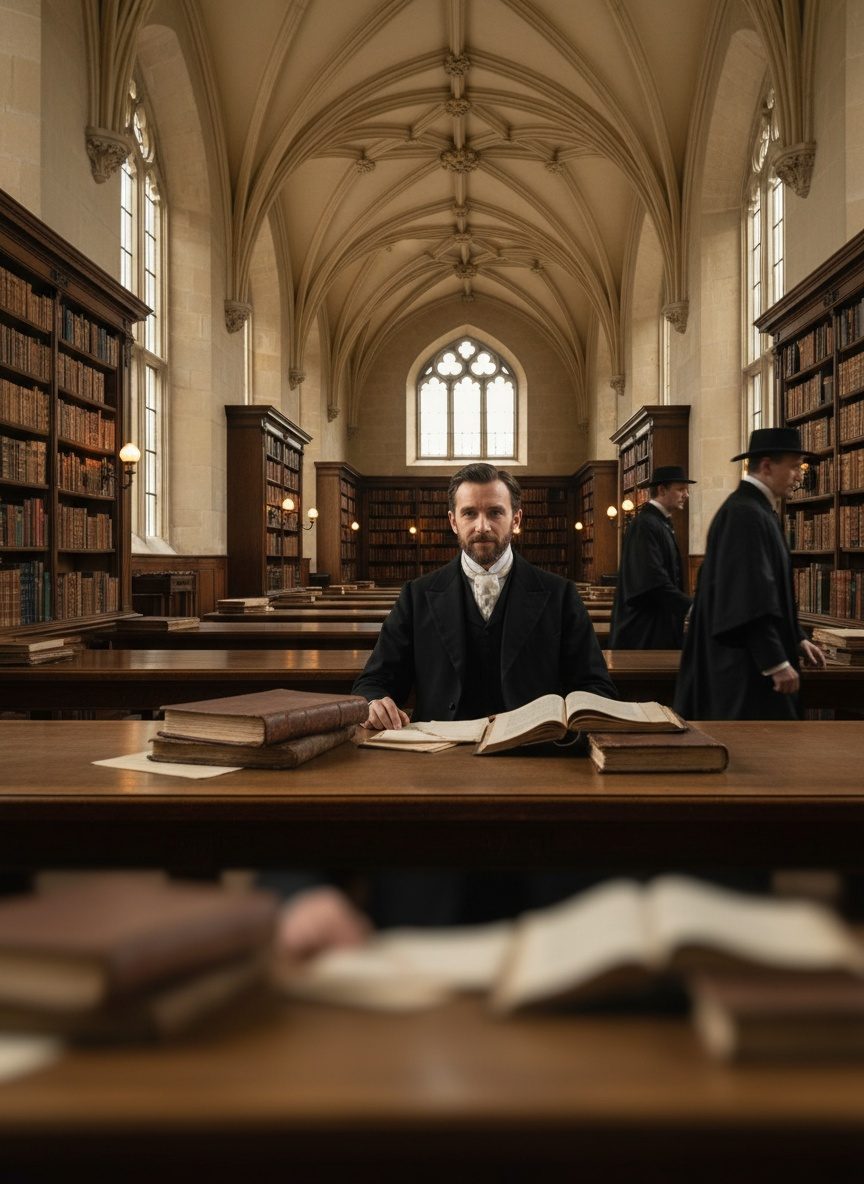
He had no degree. No published work. No verified past. Yet Oxford's Bodleian gave him full access. When the fraud unravelled, the institution quietly looked away. His name: Antony Fabroni.
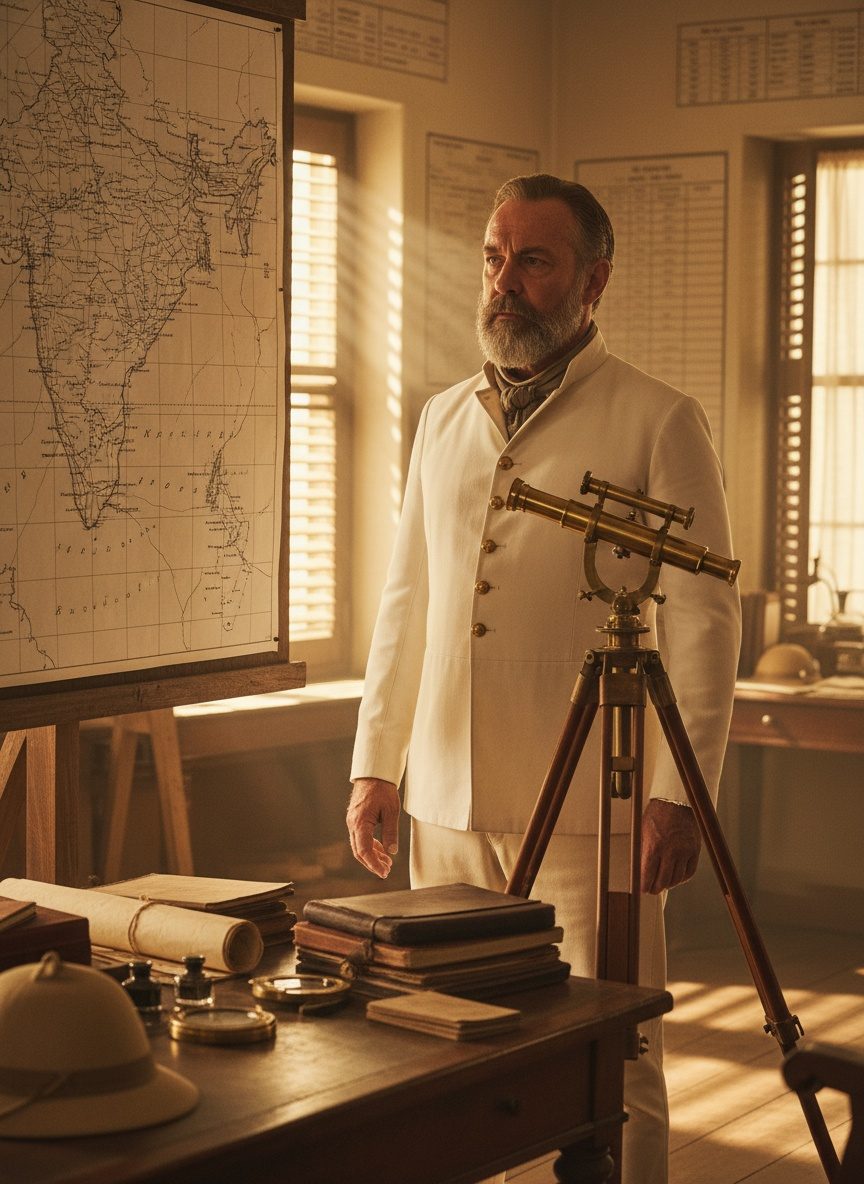
1856. A mountain had no name. George Everest spent decades triangulating India's spine. His surveyors climbed through fever and monsoon. One peak measured higher than any other. They named it after the man who made it possible.
January 1819. A 37-year-old clerk's son stepped ashore on a swampy island. No orders. No army. No permission. He planted a flag anyway. Five days later, Singapore existed.
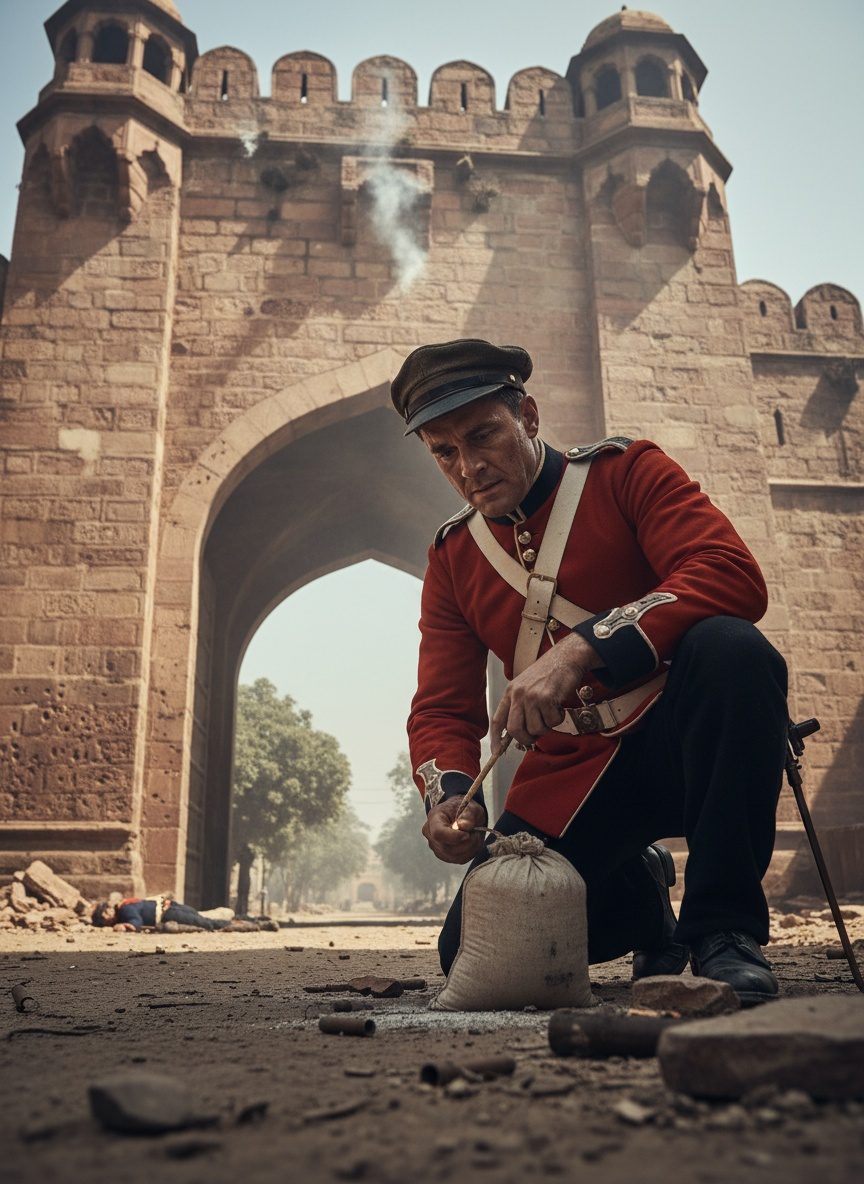
Delhi. September 1857. The Kashmir Gate stood locked. Four men walked through open fire to blow it. Three died reaching the door. One survived to light the fuse. The gate exploded. The British stormed in.
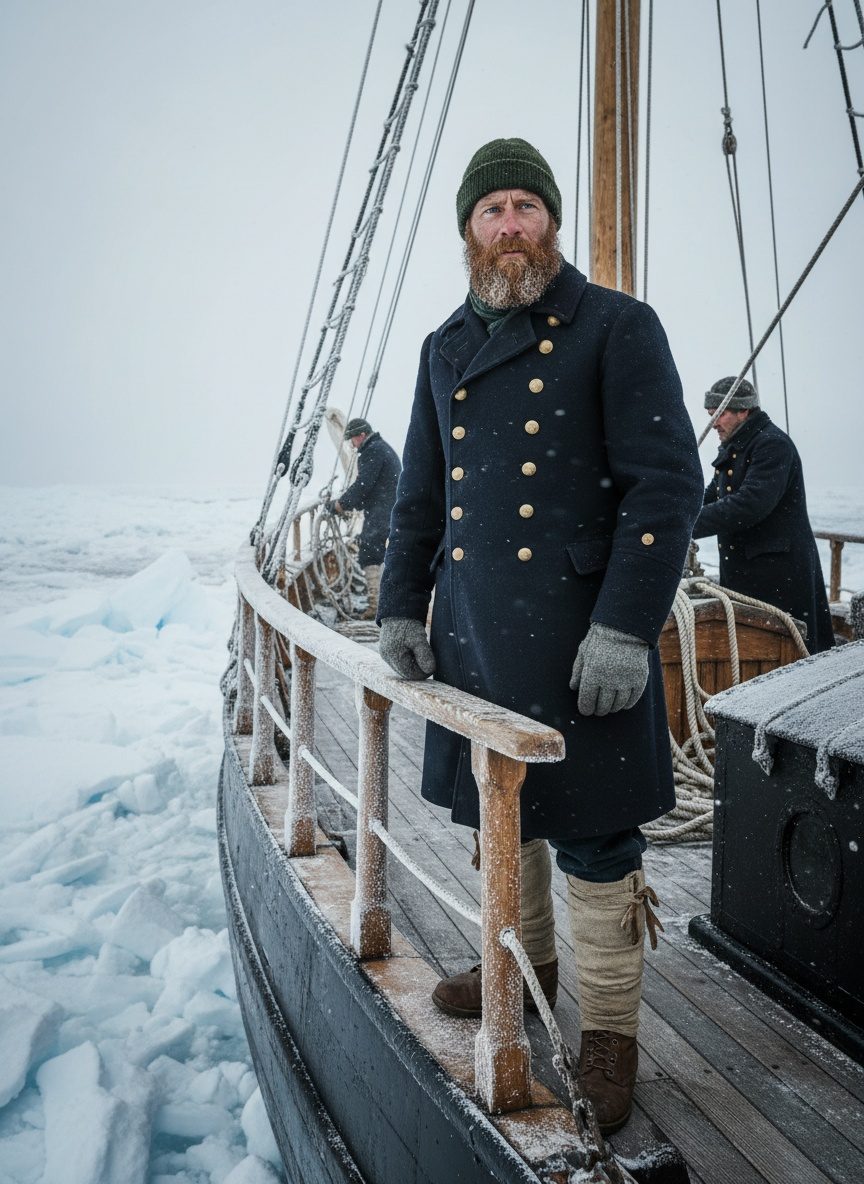
Ice closed around the Scotia. The crew faced death. Bruce did not radio for help — he repaired the ship himself with whatever was at hand, then sailed home and published findings that changed polar science forever.
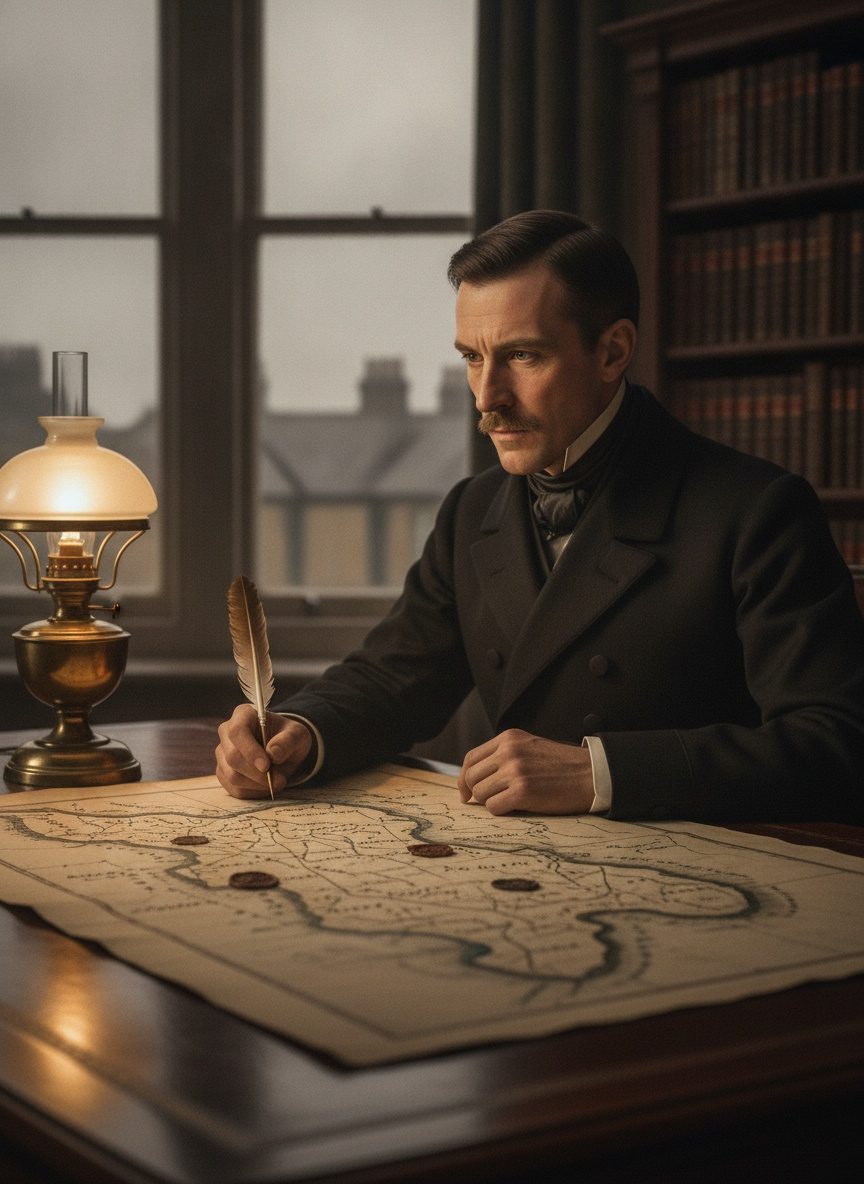
1886. London. A private trader's company held sovereign power over the Niger River. George Goldie had done what no government dared. He bought out rivals. He signed treaties. He raised a flag. One man drew a nation.
Sarawak, 1843. James Brooke had crushed the river pirates. Their chief knelt before him. Every instinct of empire said execute him. Brooke freed him. Walked him to the riverbank. Said go.
1843. Charles Napier had conquered Sindh. The glory was his alone. But the man who made it possible refused to claim a single honour. James Outram stepped aside. He gave another man the credit. History remembered anyway.
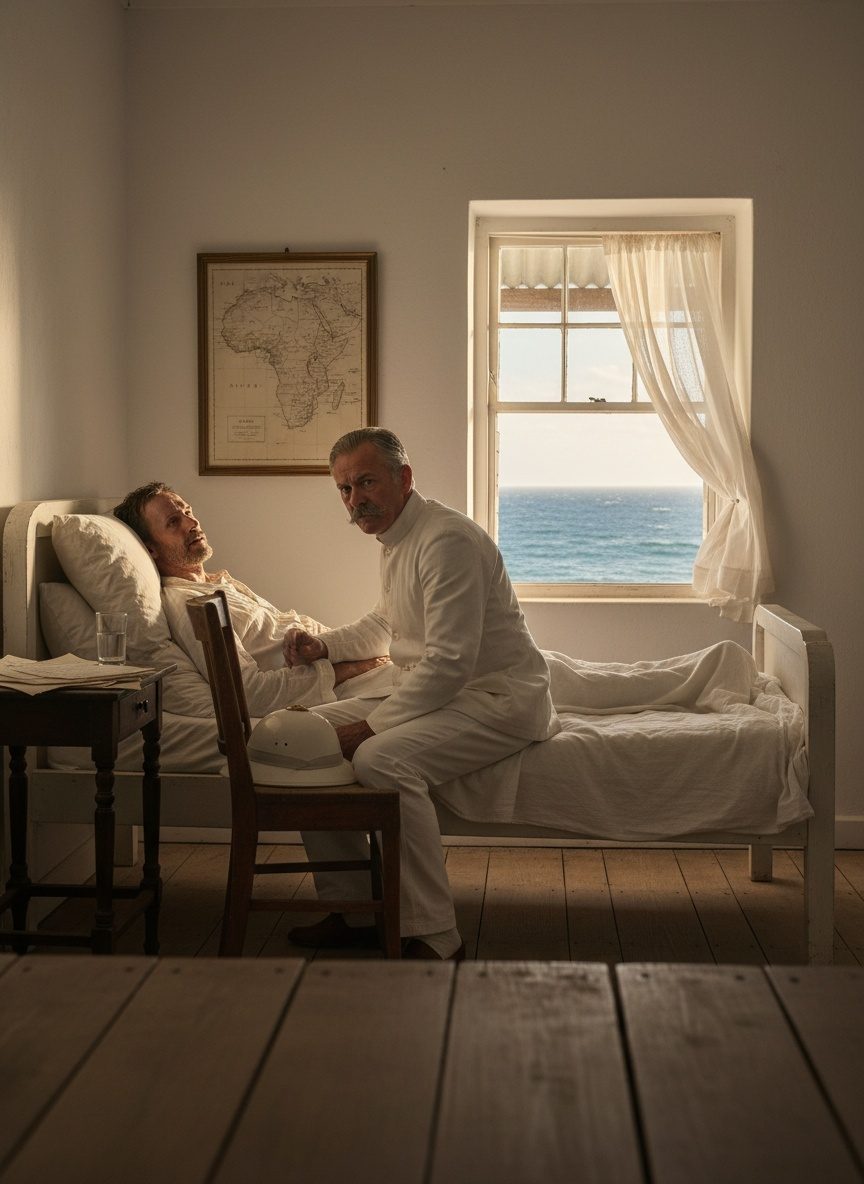
March 1902. Cecil Rhodes lay dying in a seaside cottage near Cape Town. The man who once ruled a territory the size of Western Europe had been reduced to gasping for breath in the summer heat. He was 48 years old.
1838. Governor Hindmarsh despised Light's chosen site. He demanded a new city. Light refused. He staked his career on a single hill. Adelaide rose exactly where he planted his flag.
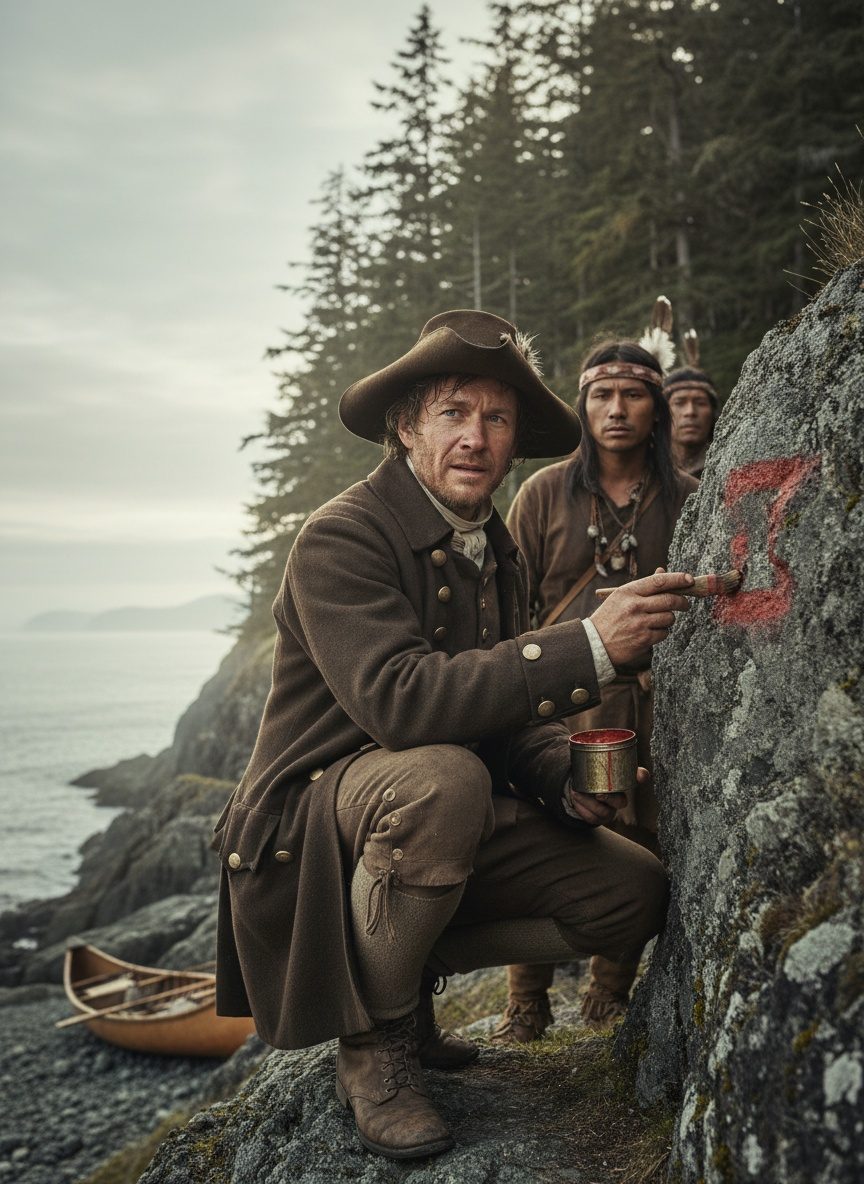
July 1793. Alexander Mackenzie stood on a rock above the Pacific Ocean. He had walked across a continent no European had ever crossed. He mixed vermilion and grease. Painted nine words on the rock. Turned. And walked back.
Sarawak, 1841. A former Company officer stepped ashore with nothing but a ship and a promise. The Sultan's nephew was losing his kingdom to revolt. Brooke offered to fight. He asked only for his word. He got a country.
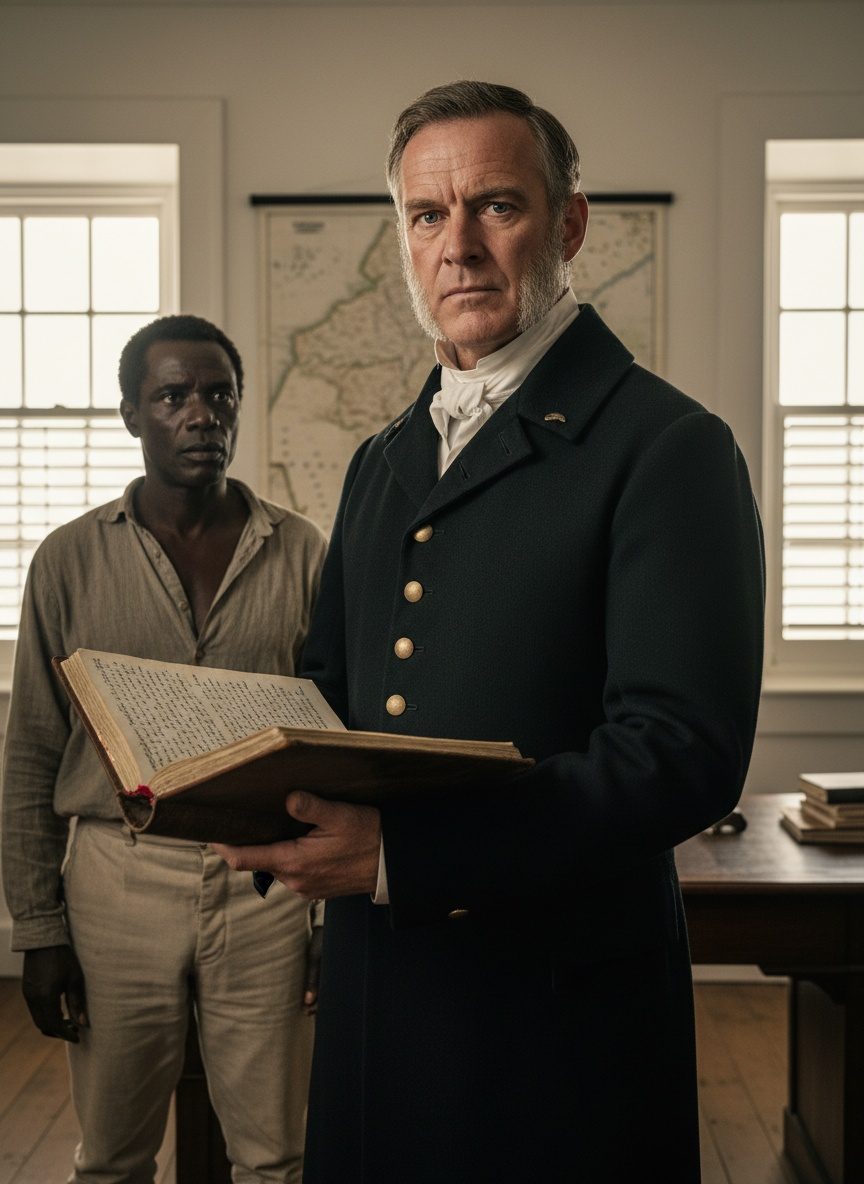
Cape Colony, 1828. The Khoikhoi people had no rights. No court would hear them. One Scottish missionary walked into the governor's office with a document that changed everything. He refused to leave until it was signed.
London, 1840. The slave trade still ravaged West Africa. Thomas Fowell Buxton stood before Parliament with one plan. Not soldiers. Not gunboats. Legitimate trade. He staked his reputation on it. The empire listened.
Cape Colony, 1828. One missionary stood before a hostile governor. He carried testimony of beatings, chains, and stolen children. He refused to be silent. The Hottentot Code was struck down. Thousands walked free.
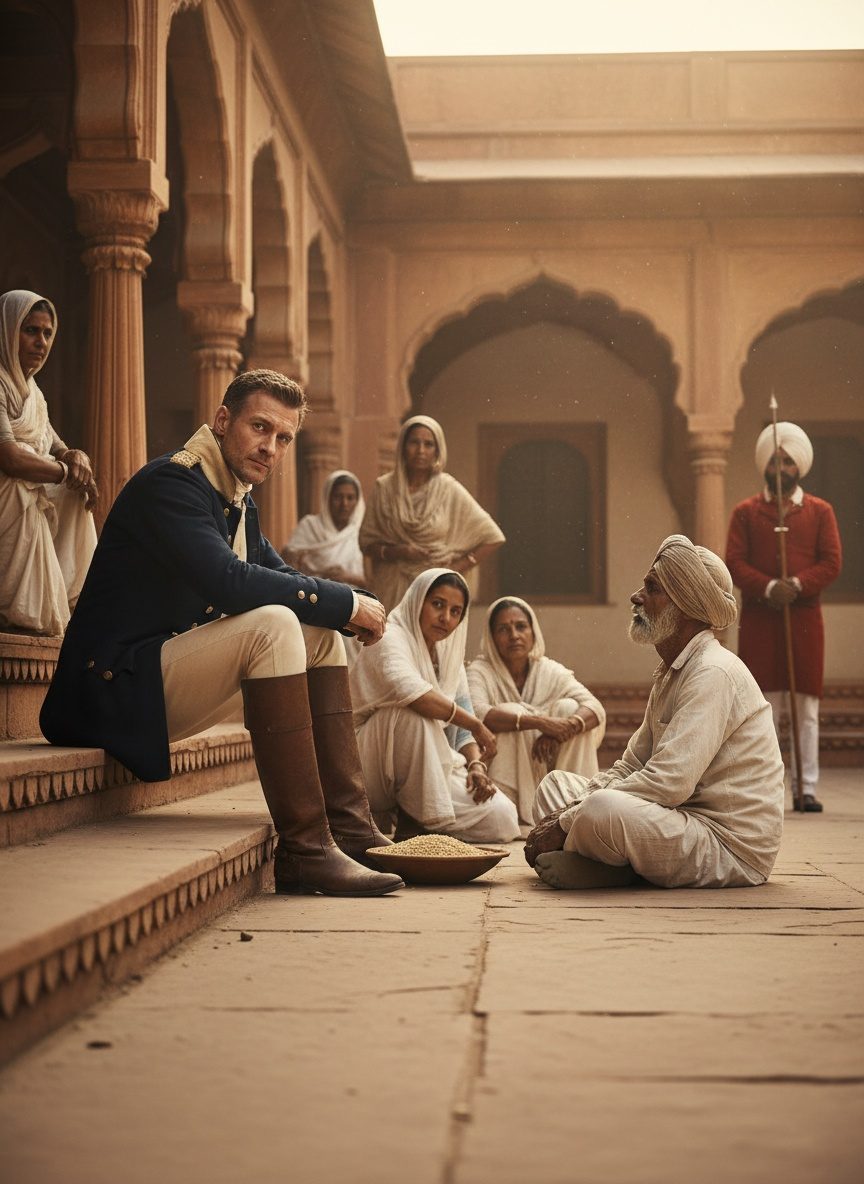
Lahore, 1846. The Punjab lay conquered. Henry Lawrence had the power to take everything. He gave food instead. He paid from his own pocket. He sat with the hungry. A conqueror who knelt.
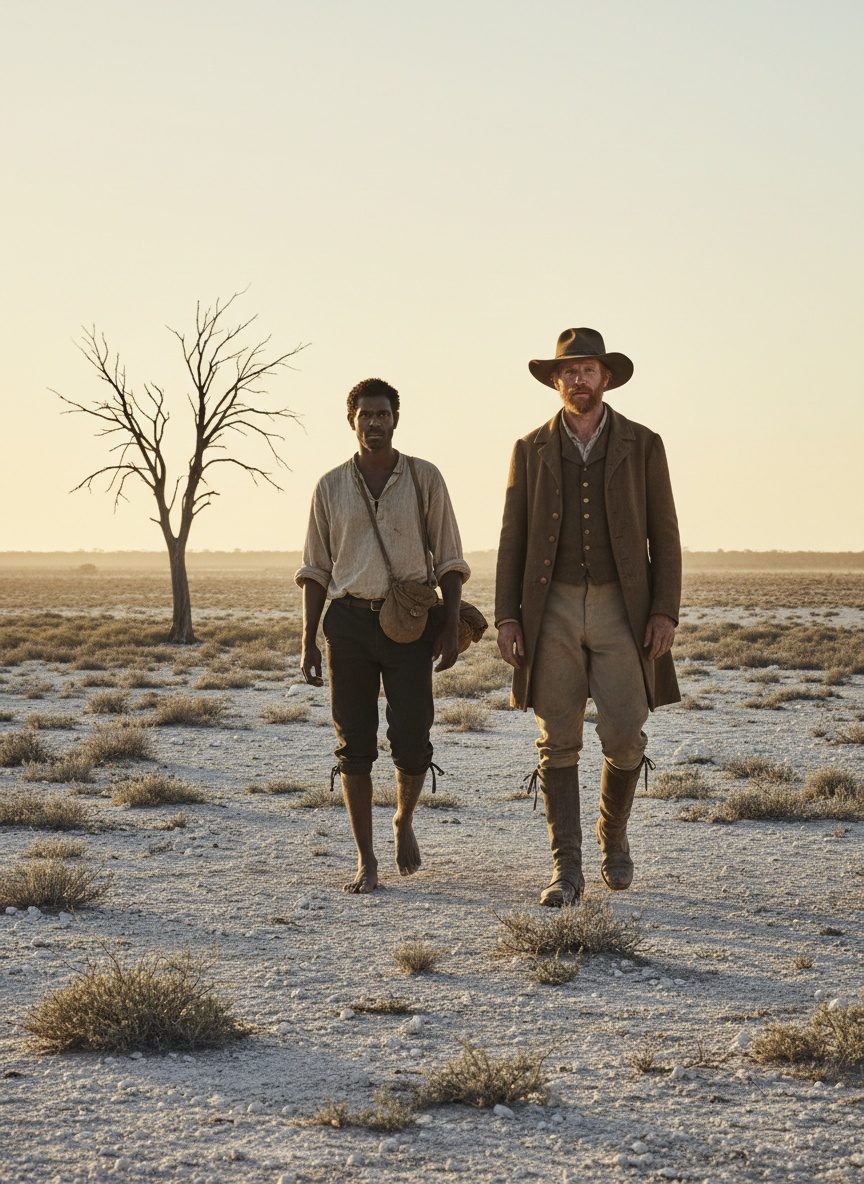
April 1841. Edward Eyre was crossing Australia's dead heart. Food was gone. Water was gone. His Aboriginal companion Wylie kept walking. He shared his last scraps. He carried Eyre's pack. He never stopped.
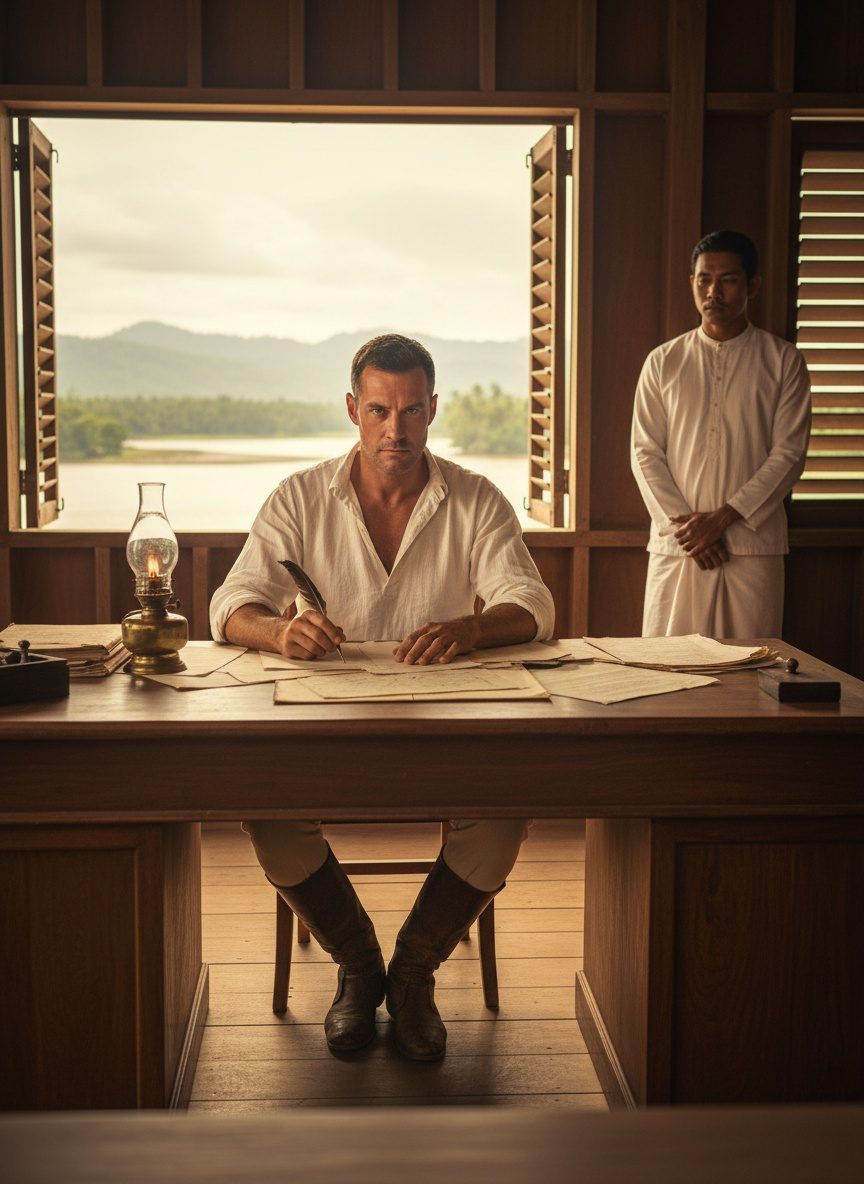
1846. James Brooke was the White Rajah of Sarawak. Slavery had existed there for centuries. He wrote one order. Enforced it alone. Thousands walked free.
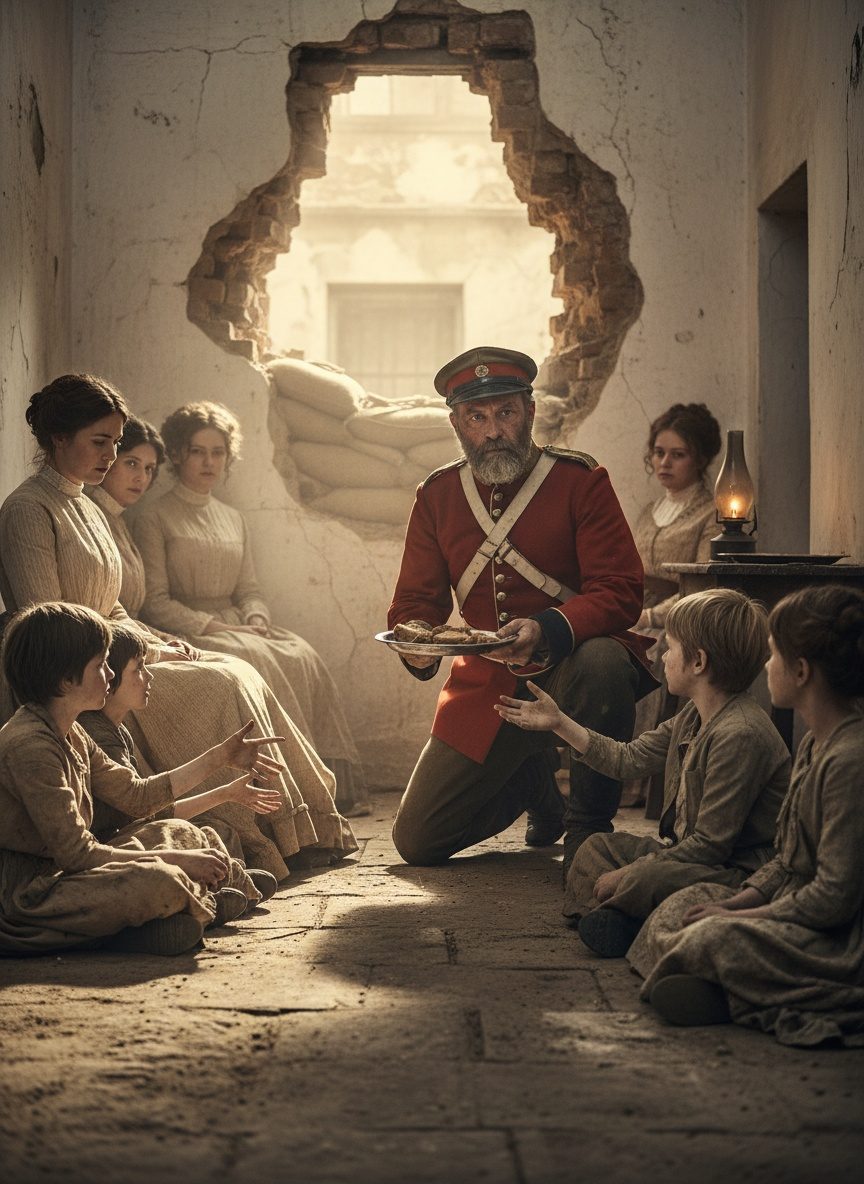
June 1857. The Residency was surrounded. Two thousand civilians were starving. Sir Henry Lawrence ordered his own rations distributed to the sick children first. He had almost nothing left himself. He never complained. He died at his post nine days later.
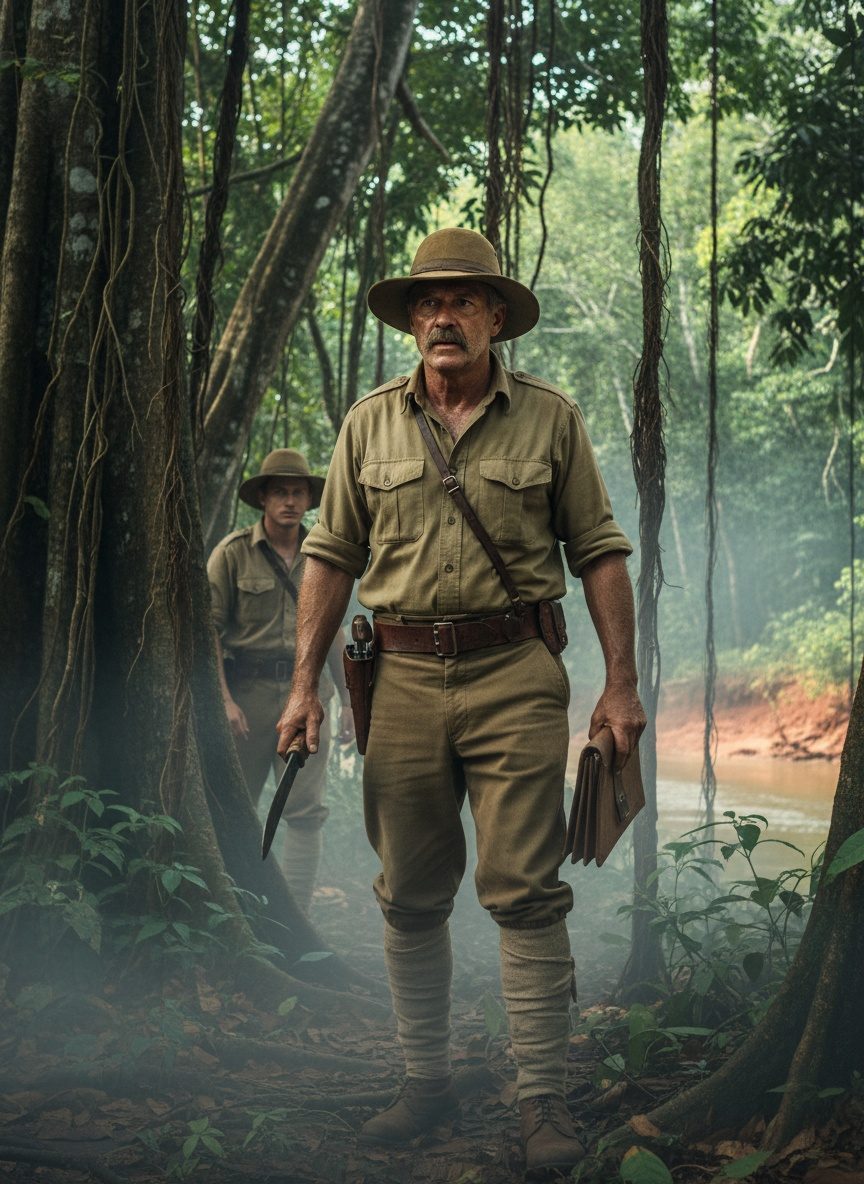
He mapped unmapped jungle for Britain. Then he walked in and never came out. No body. No radio signal. No final dispatch. Just silence — and a theory that shook the Royal Geographical Society.
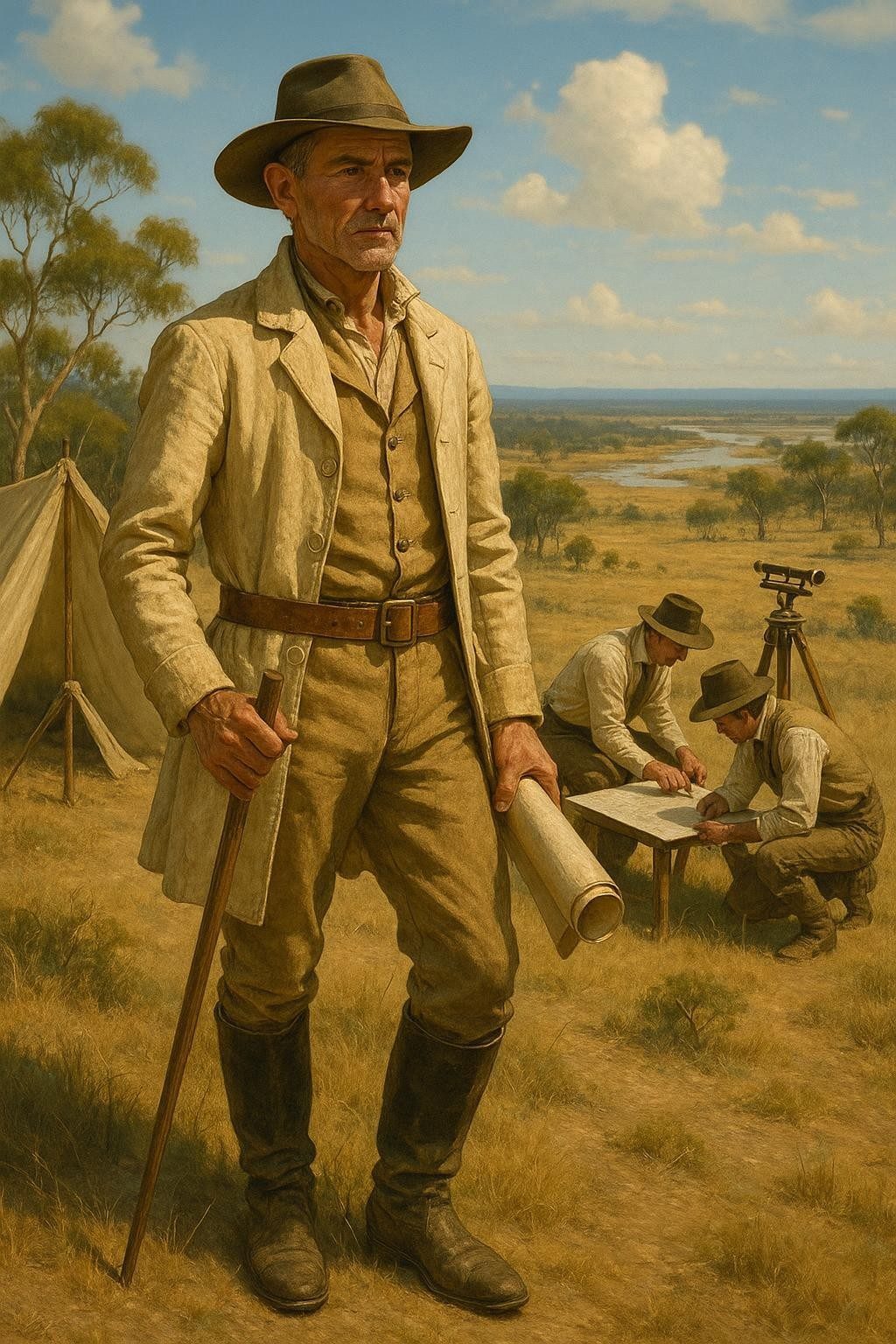
1836. Colonel William Light stepped ashore in South Australia. He had weeks to choose a site for a new city. Everyone disagreed. He chose alone. Adelaide rose exactly where he said it would.
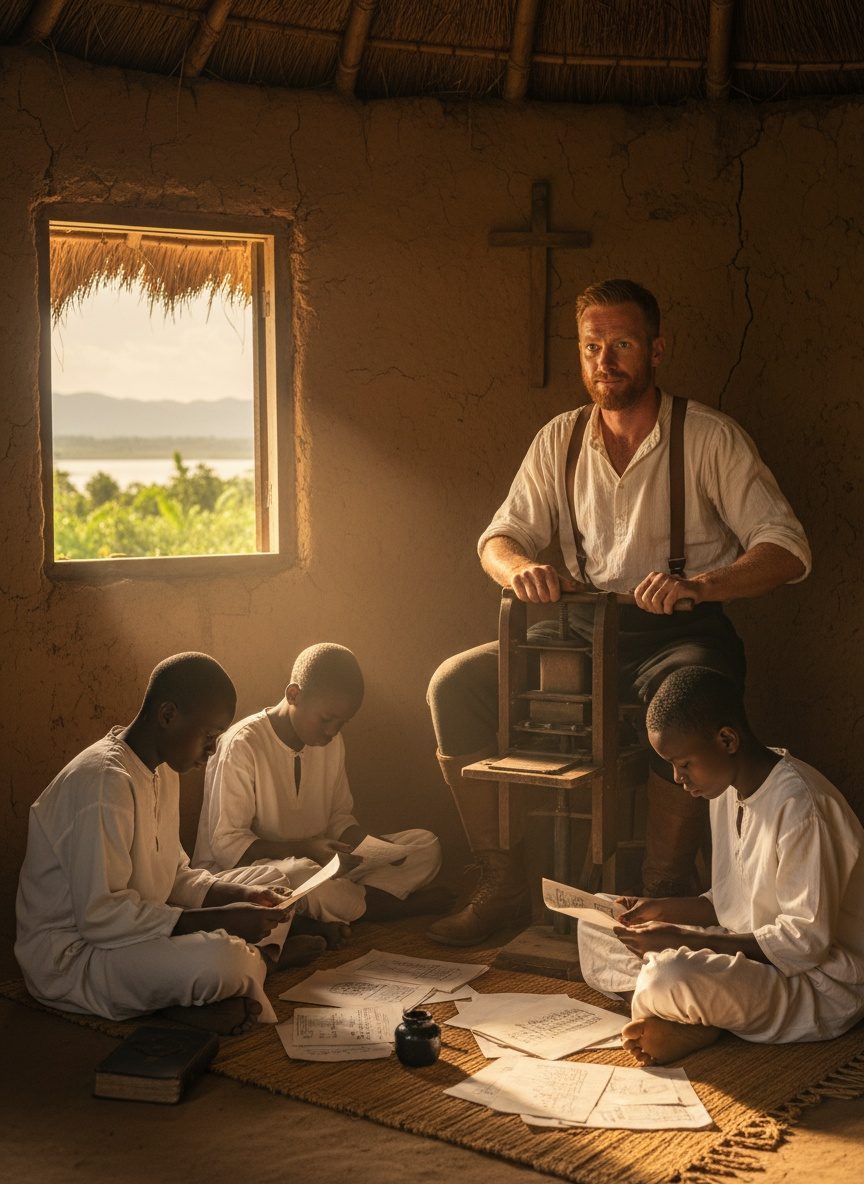
1882. Uganda. A Scottish missionary stood alone. The king had executed his friends. The chiefs demanded he leave. Alexander Mackay stayed. He built a school. He taught boys to read. He refused to go.
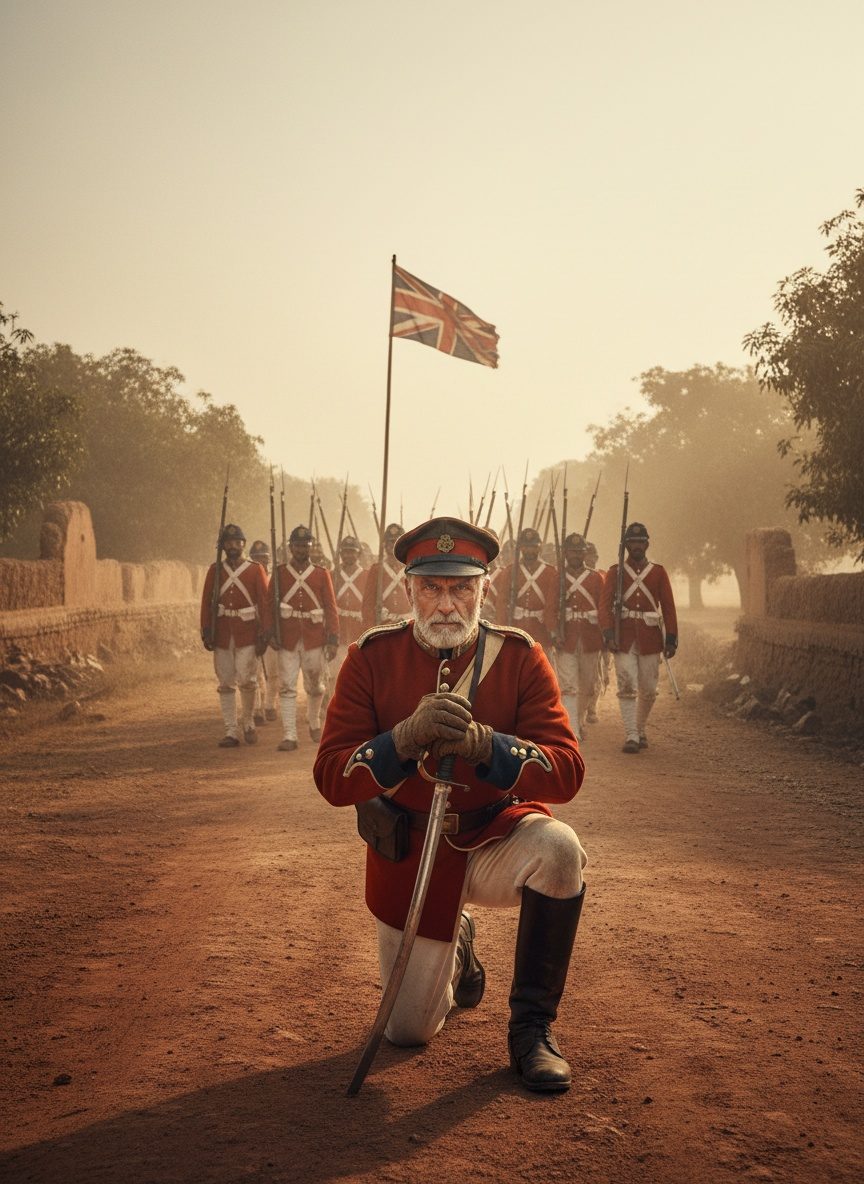
July 1857. The Lucknow Residency was surrounded. Thousands of British civilians were dying inside. General Henry Havelock knelt in the dust and prayed. Then he rose. And marched.
1893. Lobengula's kingdom stood between Rhodes and the north. One man sent a column into the unknown. The Matabele warriors held their ground. The empire moved anyway.
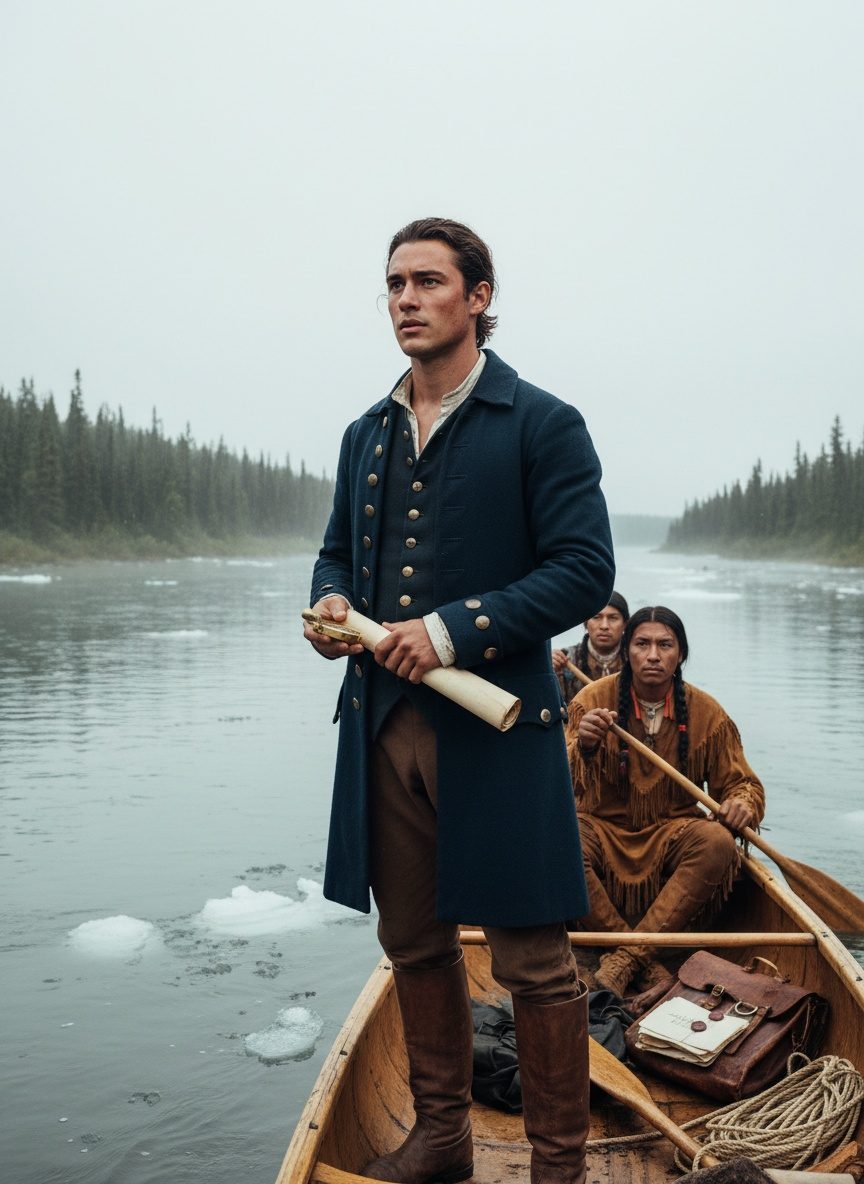
June 1789. Alexander Mackenzie paddled into the unknown. No maps. No guides who had been this far. The river stretched forever north. Seventy-two days later he reached the Arctic Ocean. He was twenty-five years old.
1886. The Niger Delta was a patchwork of rival trading empires. One British merchant had spent a decade outmaneuvering them all. George Goldie raised a flag. Drew a border. Built a nation from nothing.
1841. Borneo. A bankrupt English adventurer stepped ashore with one schooner and forty men. The local raja offered him a kingdom. He accepted. James Brooke ruled Sarawak for life.
Britain couldn't send soldiers into Tibet. So they sent a schoolteacher. Nain Singh walked 1,200 miles disguised as a monk, counting steps on a secret rosary. Every bead was a measurement. Every prayer was a map.
January 1819. A young clerk stood on a muddy shore. Behind him, a dying empire. Ahead, nothing but jungle and tide. He signed a treaty. Singapore was born.
Napier conquered Sindh with 2,800 men against 30,000. Then he did something no one expected. He walked into the slave markets and shut them down by force. No committee. No debate. Just done.
1887. Francis Younghusband was 24 years old. He crossed the Gobi Desert alone. Then he climbed the Mustagh Pass in winter. No rope. No guide. No map. He became the first European to cross Central Asia overland in a generation.
September 1811. Stamford Raffles had just helped seize Java from Napoleon's allies. He was thirty years old. The Governor-General handed him an island of seven million souls. He sat down and began to govern.
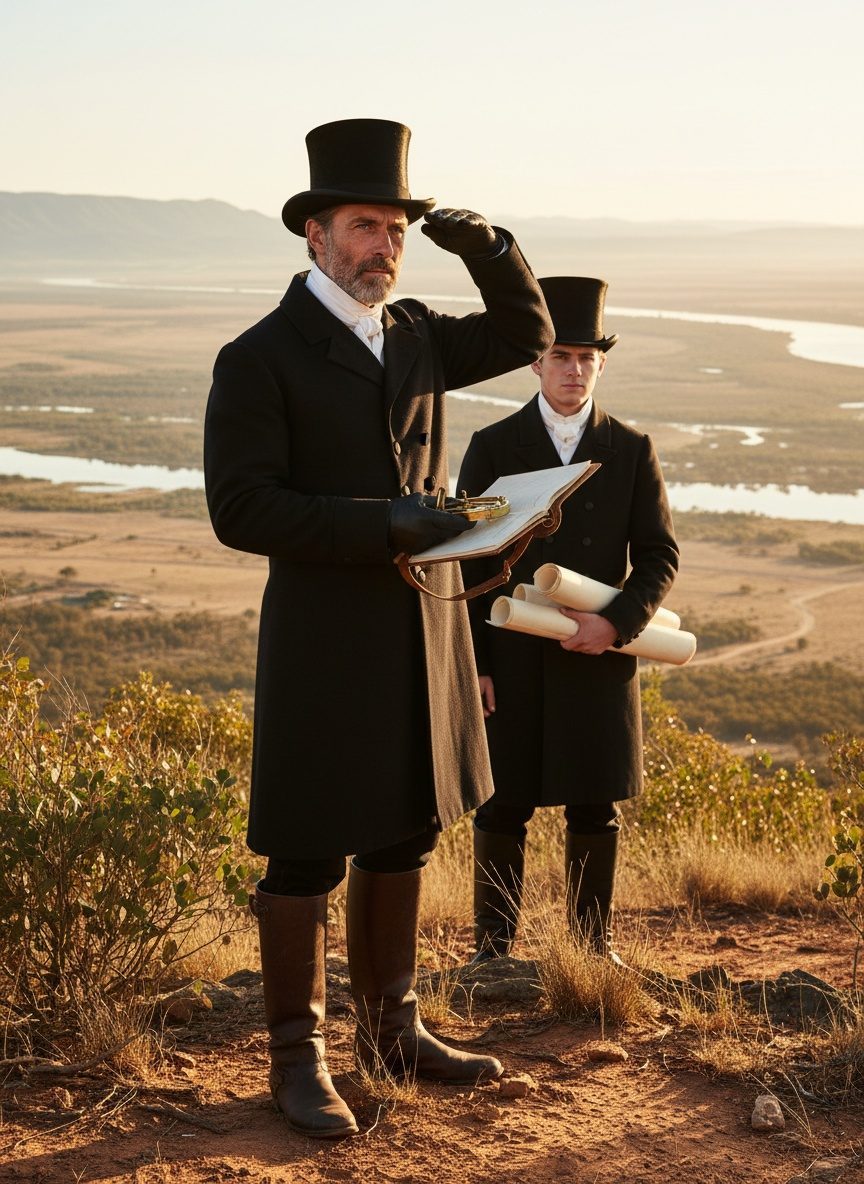
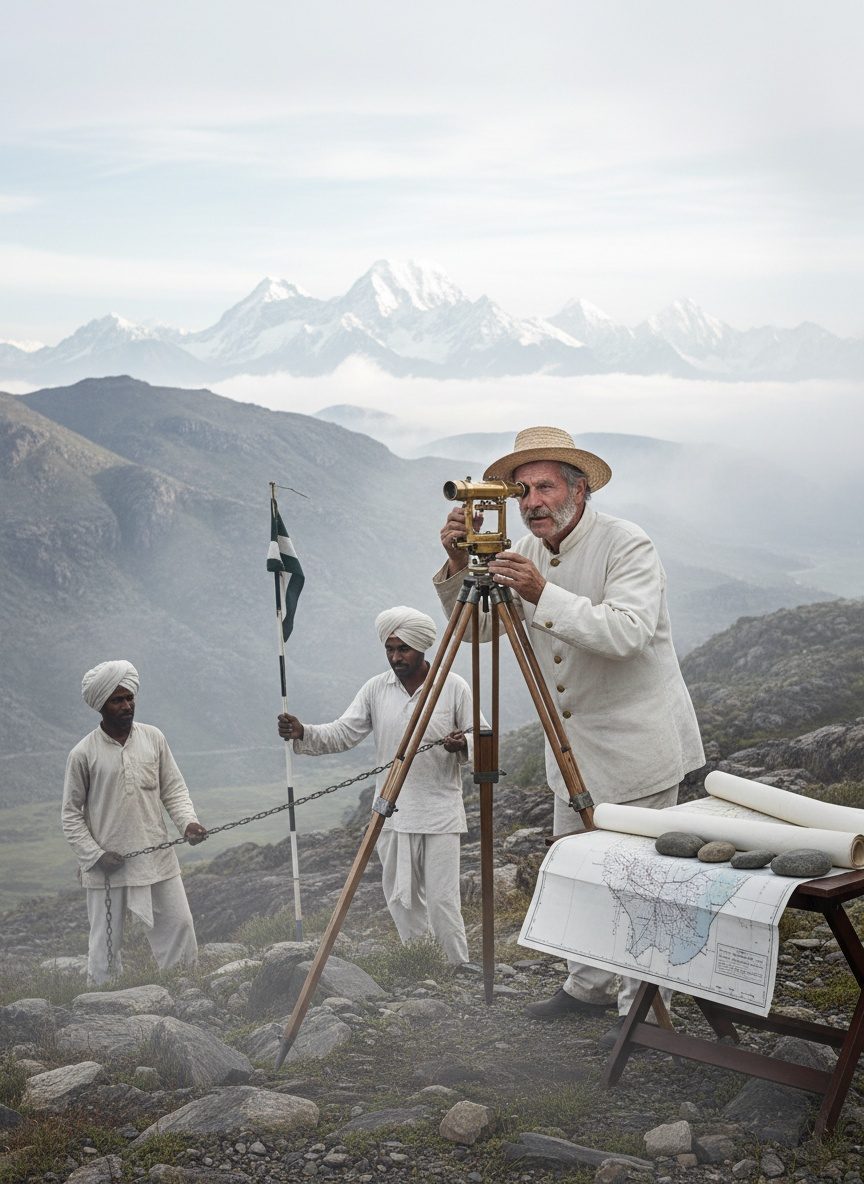
1843. The Himalayas had never been measured. George Everest carried a theodolite into the clouds. He triangulated the unthinkable. The highest point on Earth had a number. Then it had his name.
June 1757. A 32-year-old clerk-turned-soldier faced 50,000 men. Robert Clive had 3,000. A monsoon storm broke over Plassey. His cannons fired. Theirs fell silent. Bengal fell in an afternoon.
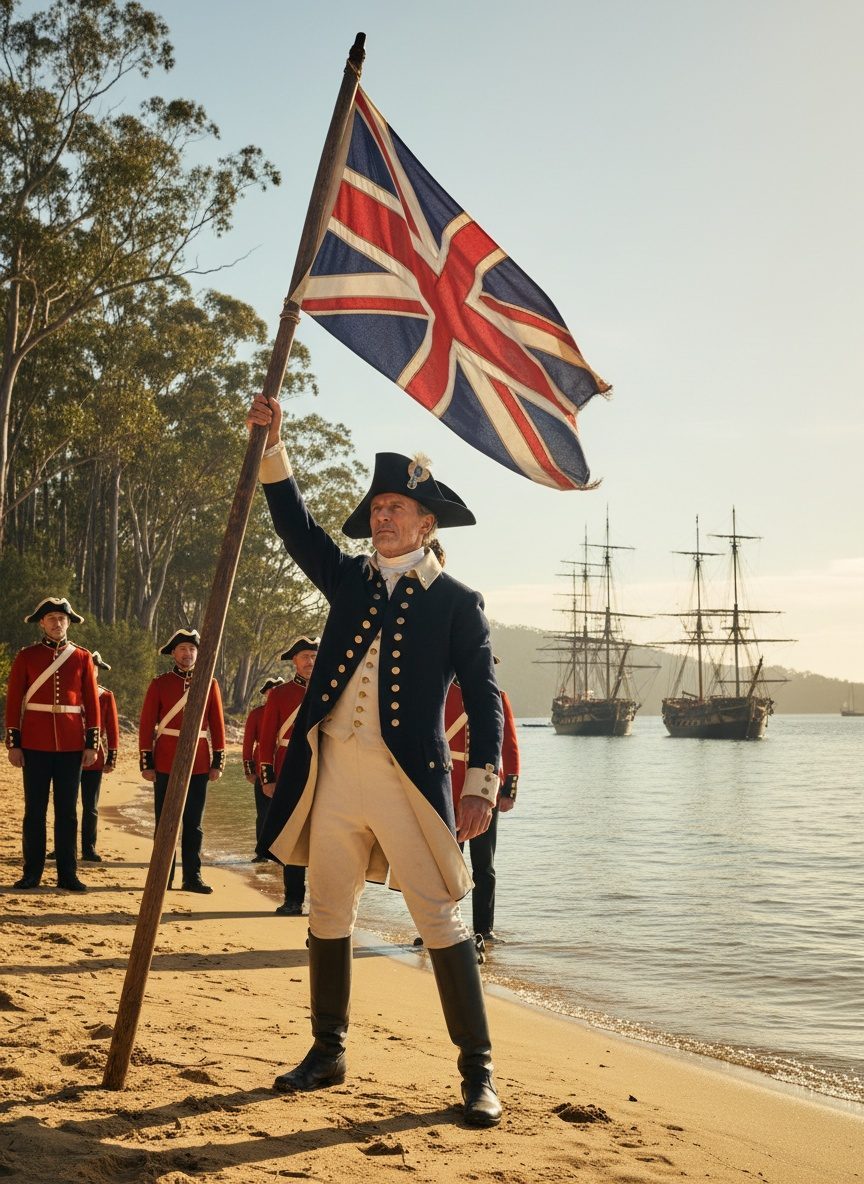
January 1788. Arthur Phillip sailed into an unknown harbour. He had 1,500 souls, no maps, and no certainty. He raised the Union Jack on a strip of beach. He named it Sydney Cove. A nation began.
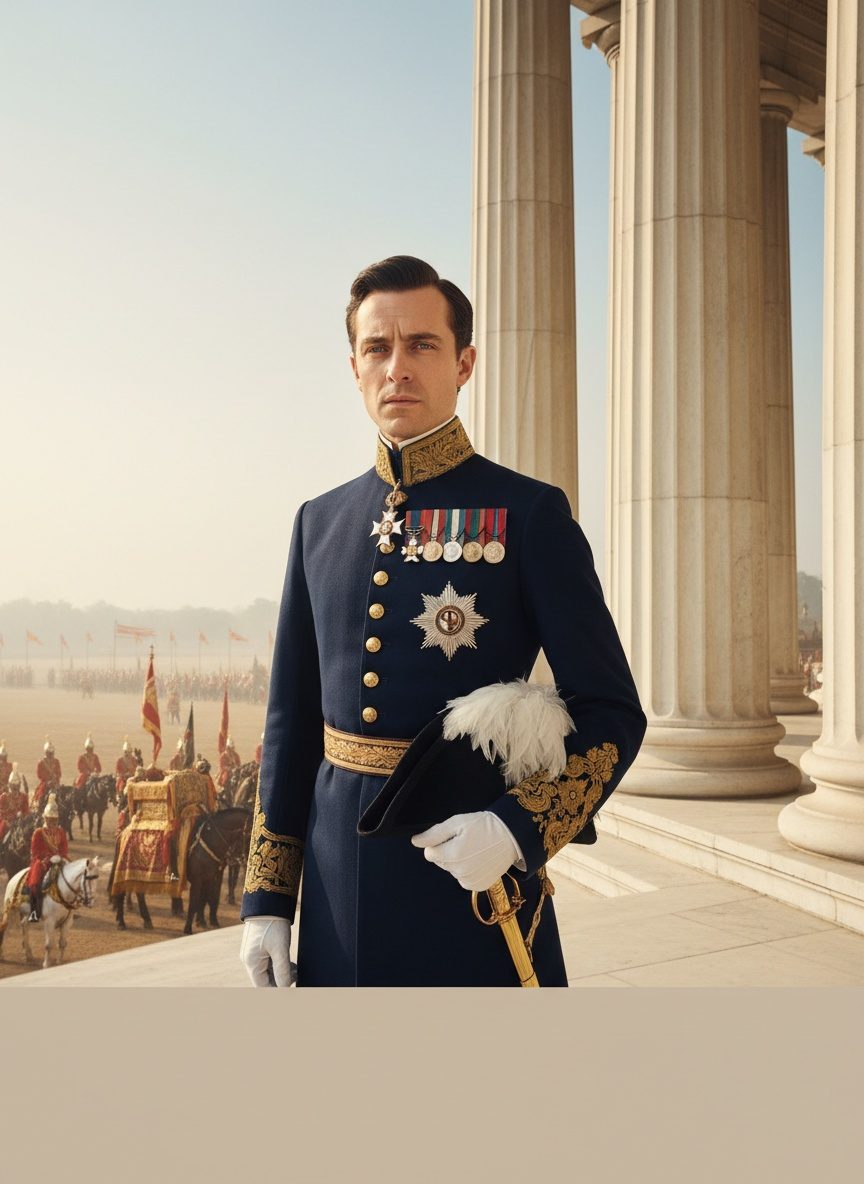
January 1903. One man stood before a million gathered subjects. Lord Curzon had planned every detail. The Durbar would outshine any court in history. Britain had never looked more powerful. Or more fragile.
1841. A British adventurer sailed into a jungle war. James Brooke had one ship. He had no orders. He helped crush a rebellion. The Sultan of Sarawak handed him a kingdom. He ruled it for life.
1890. Cecil Rhodes needed Mashonaland before Portugal or the Boers moved first. He had no army. He had a charter and a dream. He sent 200 settlers north. They planted a flag at Fort Salisbury. An empire was born overnight.
Uganda, 1863. Samuel Baker and his wife Florence pressed deeper into unknown Africa. Armed men blocked their path. Baker refused to turn back. They pushed on. The source of the Nile waited ahead.
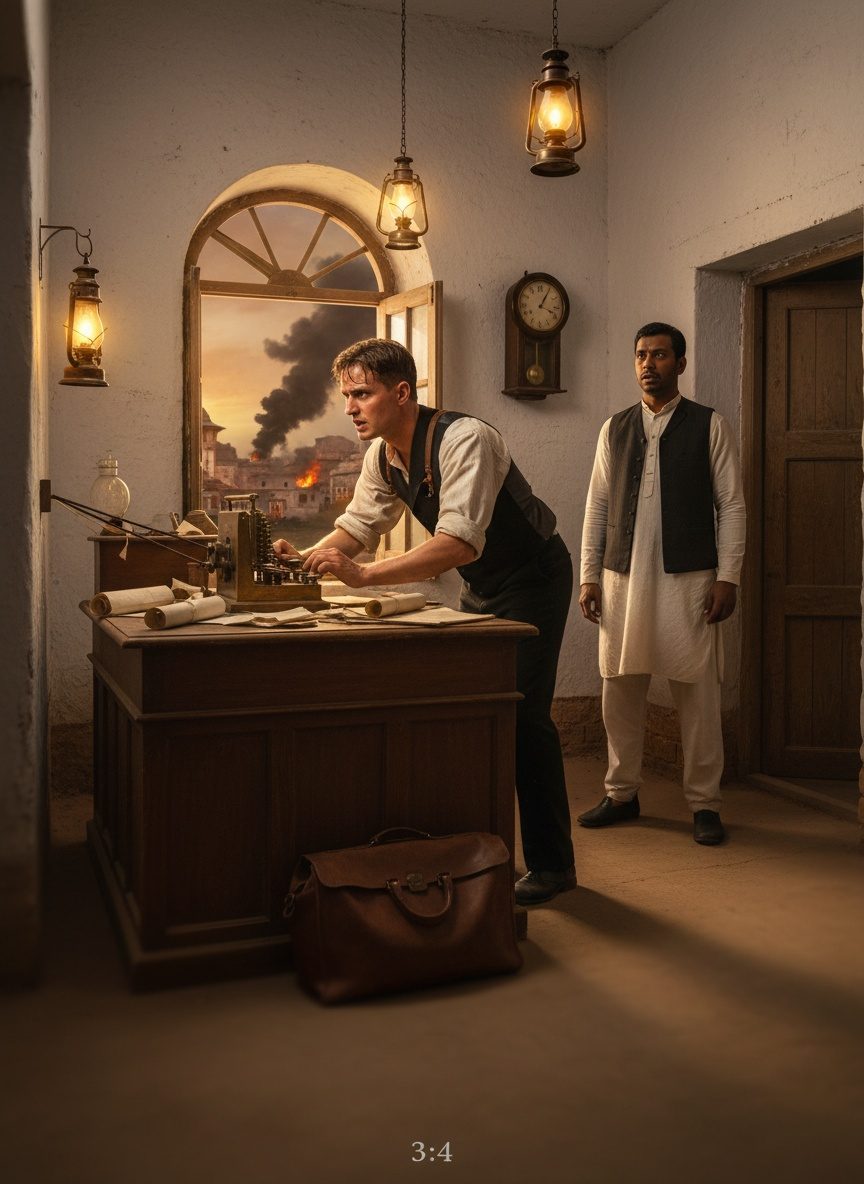
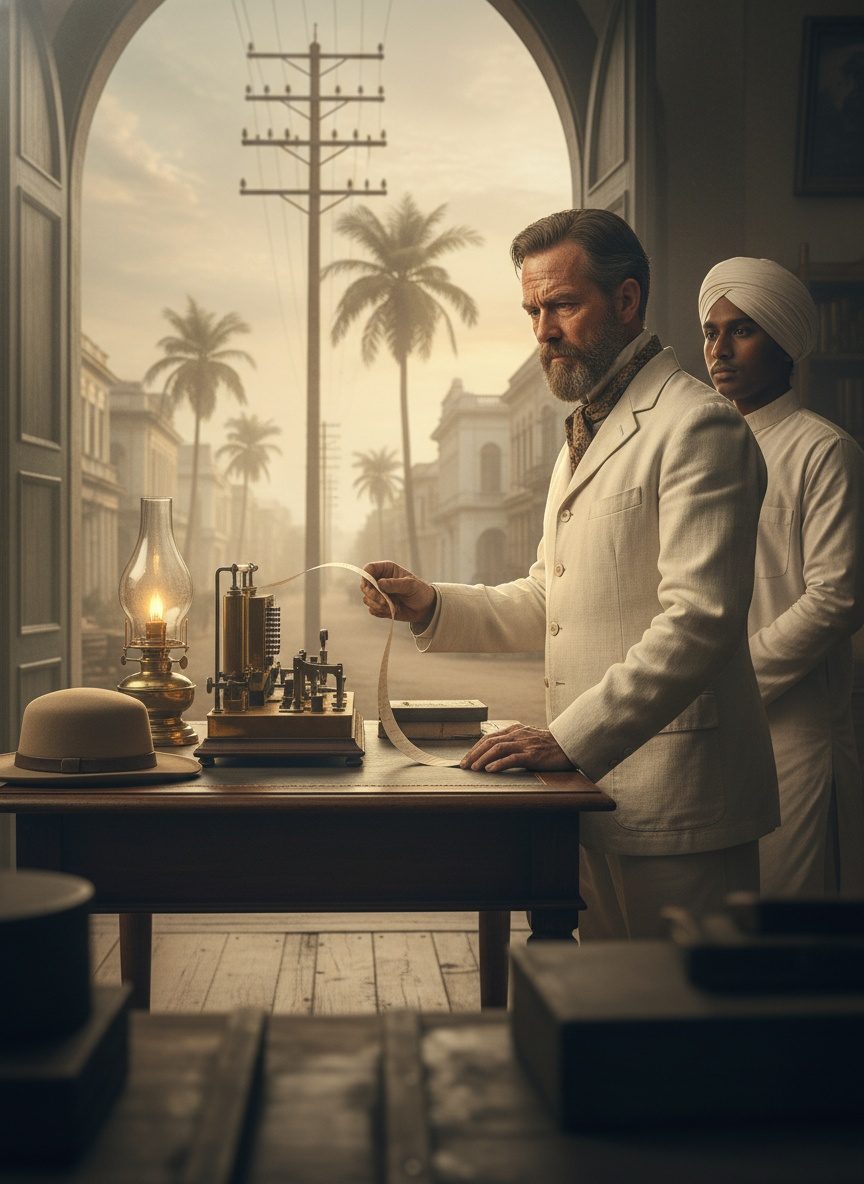
In May 1857 sepoys rose across northern India. But before the smoke cleared, telegraph operators — many of them Indian — had already wired Calcutta. The warnings that saved British India were tapped out in minutes.
January 1819. A British official stepped ashore on a swampy island. No army. No authority. Just nerve. In seven days he signed a treaty. In two centuries it became a city of millions.
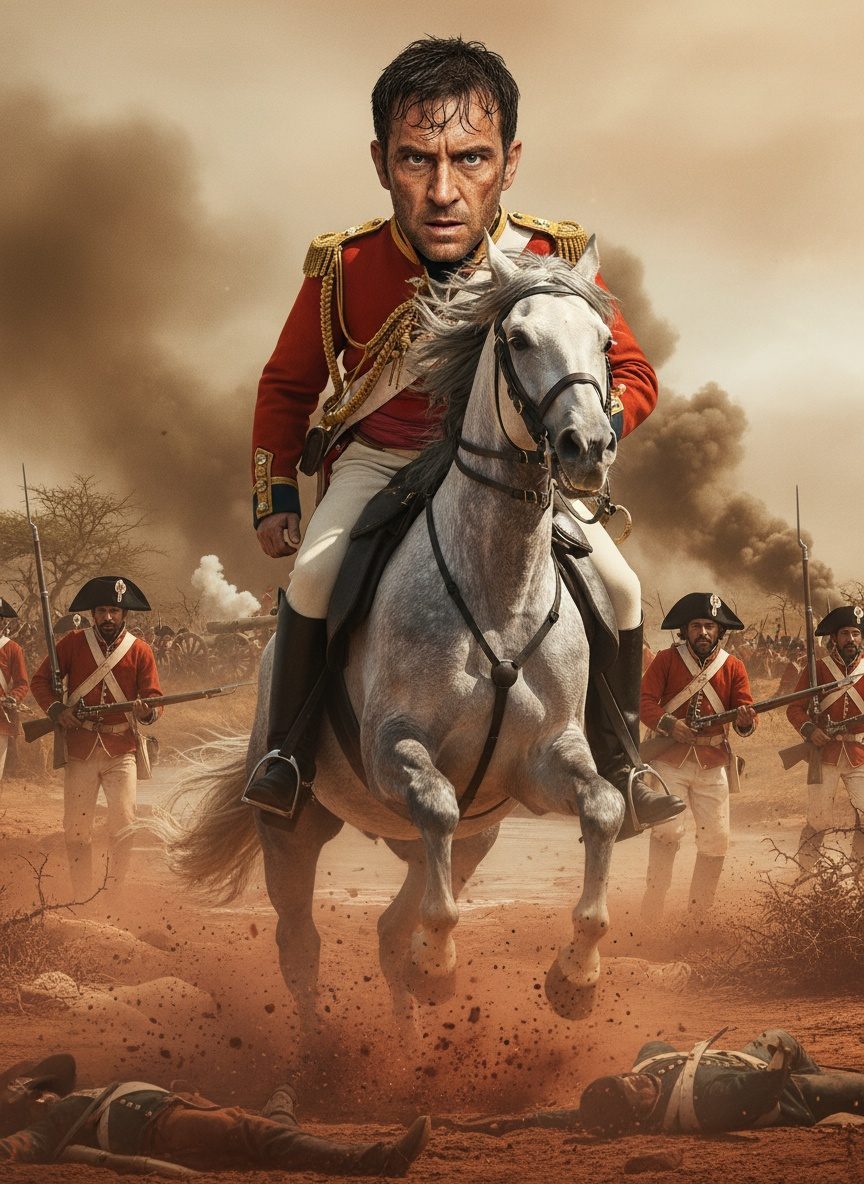
September 1803. The future Duke of Wellington faced 50,000 Maratha troops with 7,000 men. Two horses were shot beneath him. He did not retreat. Assaye was won. He called it the finest thing he ever did.
Before the telegraph, urgent messages from Calcutta to Bombay took weeks. By 1856, Lord Dalhousie had wired 4,000 miles across India. The empire could now think at the speed of light.
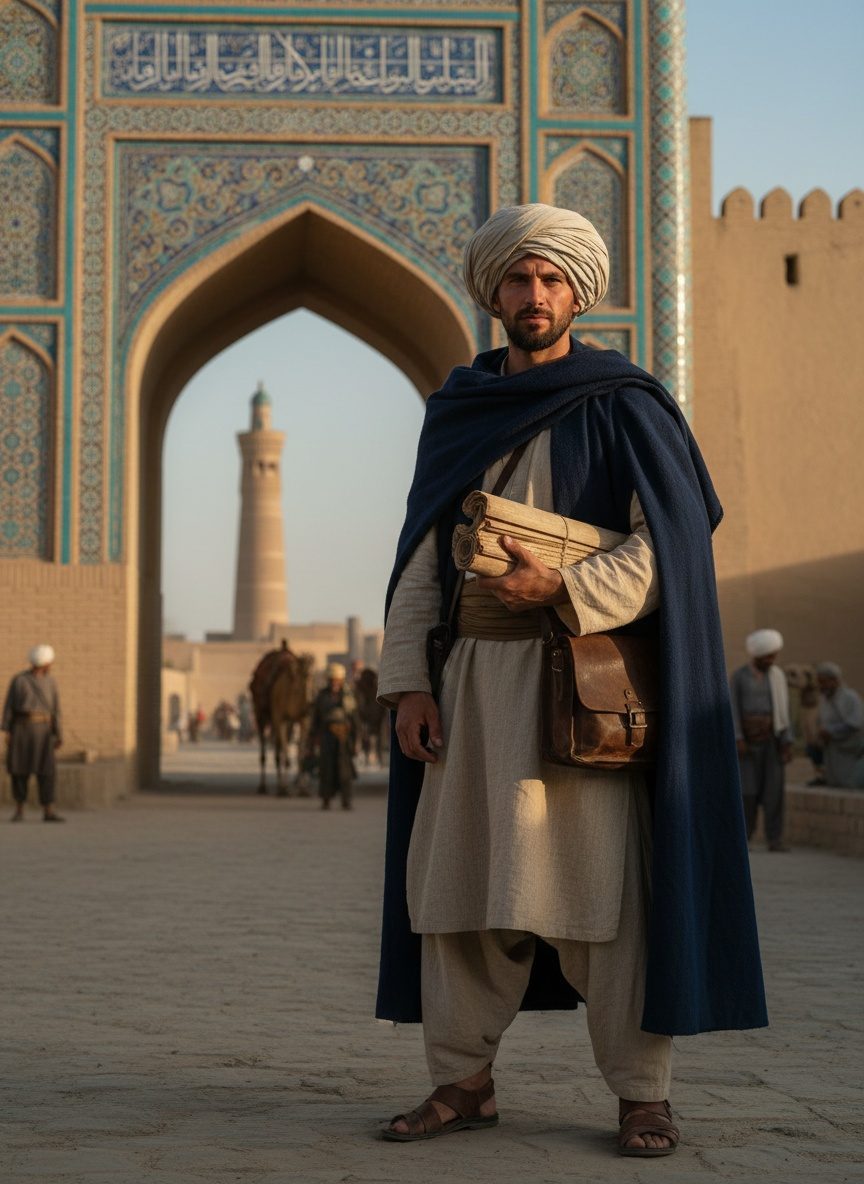
1826. Bokhara was forbidden to Europeans. Any outsider who entered risked execution. Alexander Burnes walked in anyway. He dressed as an Afghan merchant. He spoke Farsi. He made it out alive. No Briton had done it before.
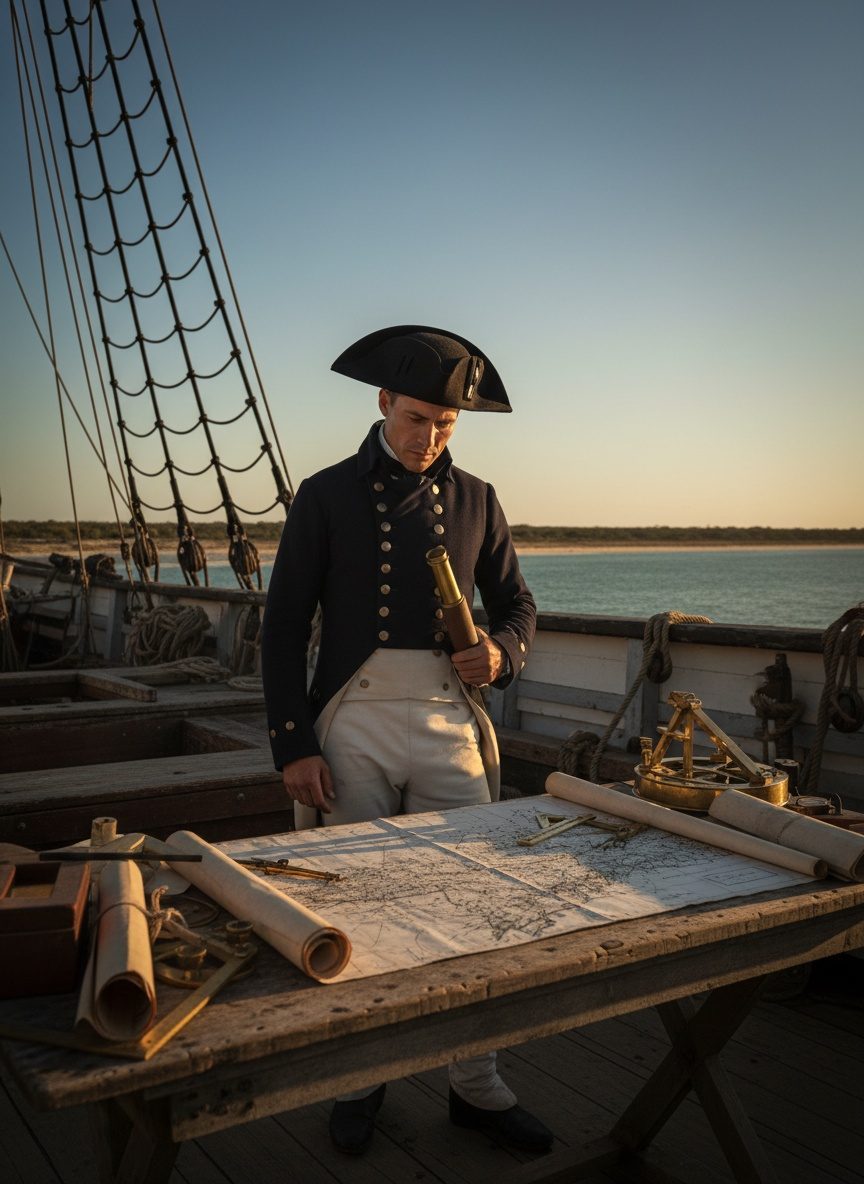
1802. Matthew Flinders had one ship. One mission. Chart every inch of Australia's coastline. His vessel was rotting beneath him. His crew was dying of scurvy. He kept sailing. He mapped a continent.
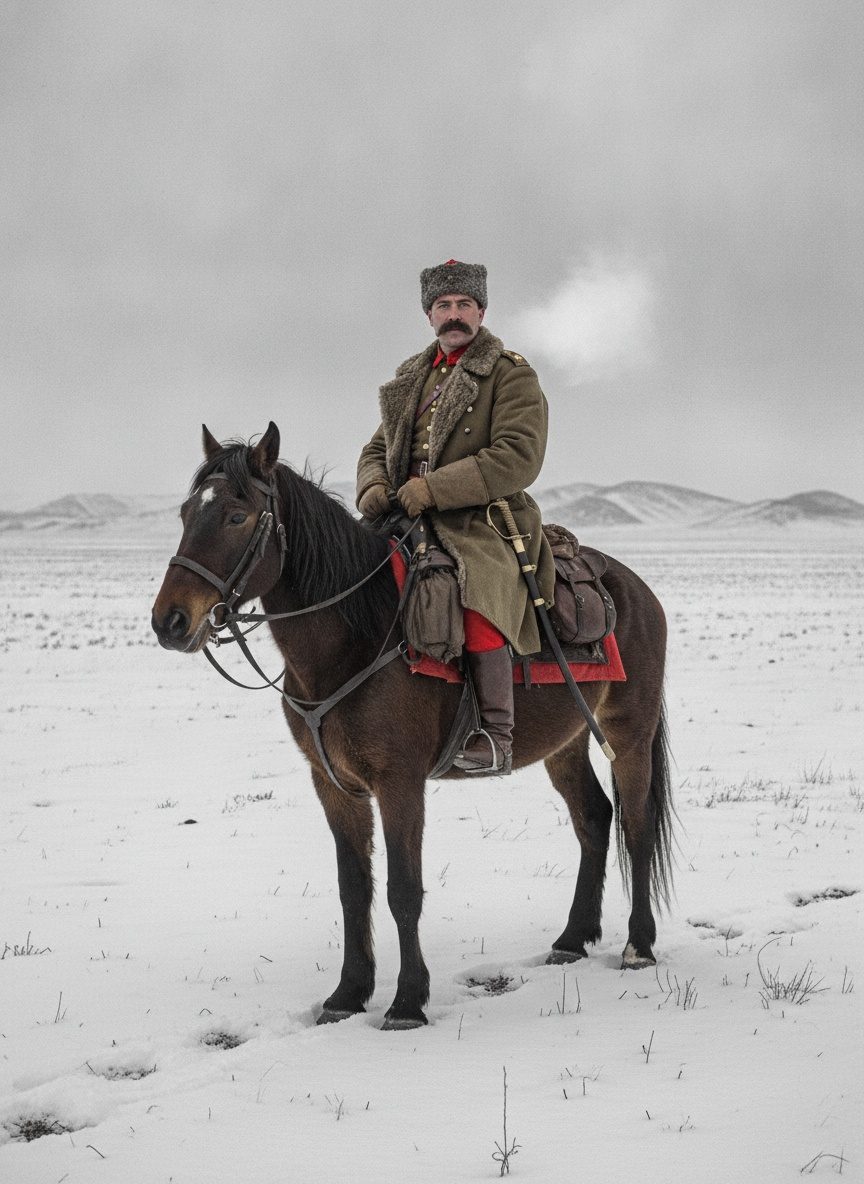
He was six-foot-four, spoke seven languages, and the Russians had banned British officers from Central Asia. Frederick Burnaby ignored the ban. He saddled a horse and rode 1,000 miles into the steppes alone.
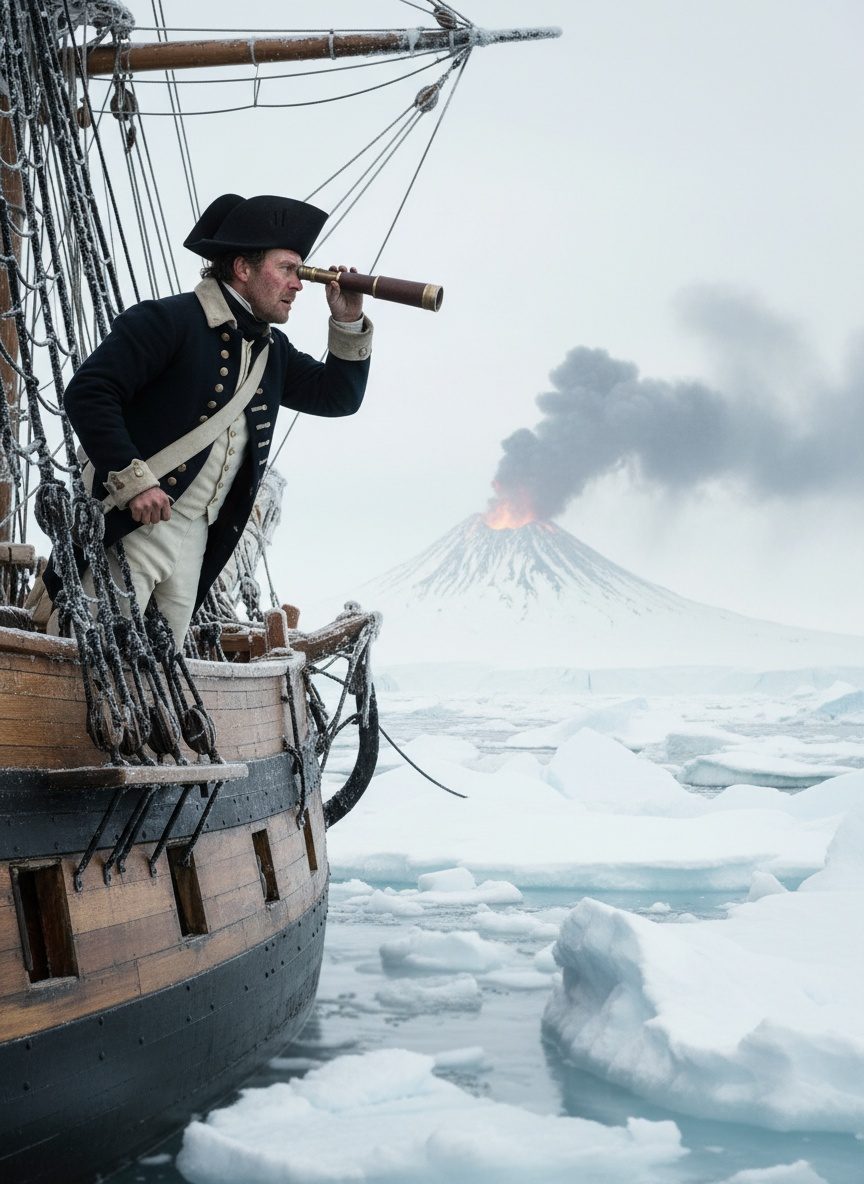
In 1841, James Clark Ross sailed into unmapped Antarctic waters and found an island volcano actively erupting. He named it Erebus — after his own ship. It was the first active volcano ever recorded in Antarctica.
1862. Speke had walked 1,000 miles from the East African coast. Alone. No British officer had ever stood before Kabaka Mutesa. He bowed to no one. The king stared. Then laughed. Then made him a guest of honour.
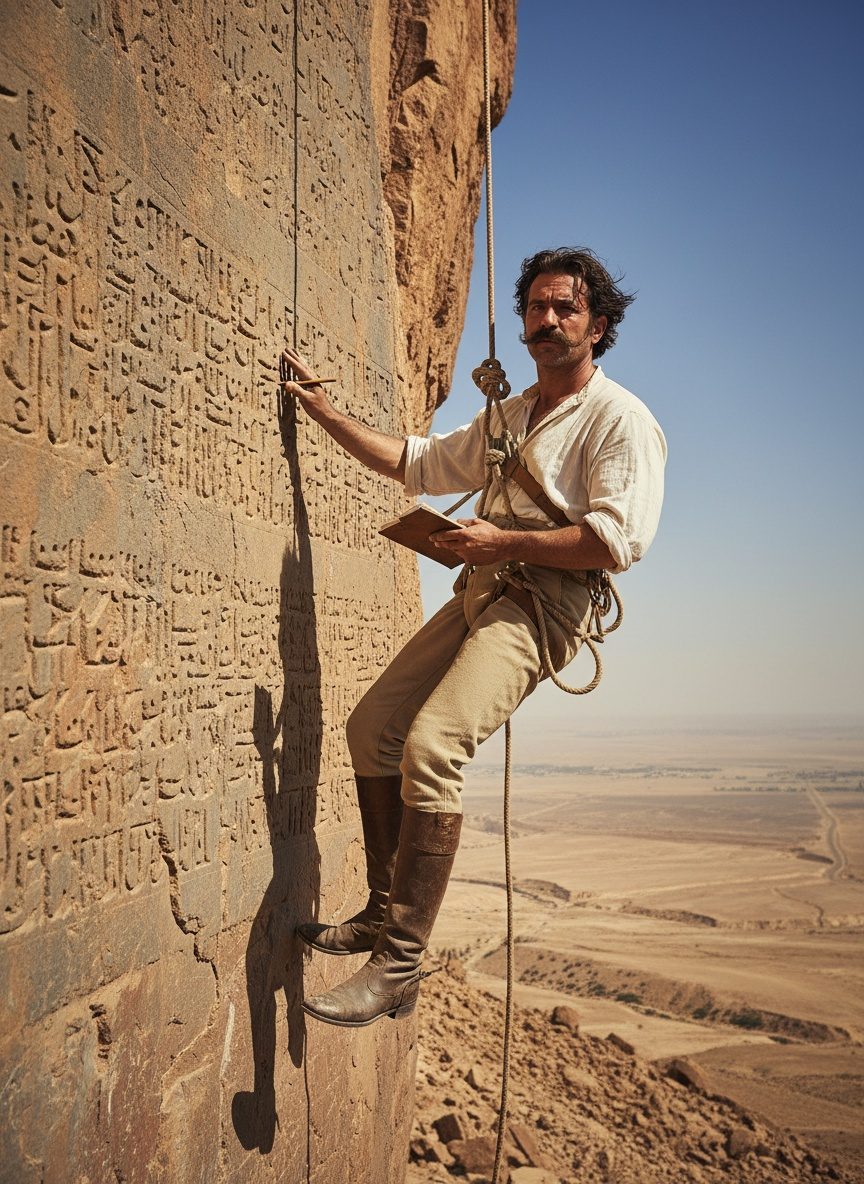
1847. A British army officer dangled from a sheer Persian cliff face. Below him, a 2,500-year-old inscription carved by Darius the Great. He copied every line. Alone. He cracked the code. And gave the world the key to ancient Mesopotamia.
He was 26 years old. He spoke Persian, Hindi, and Sindhi. He walked into Afghanistan disguised as a merchant. And he charmed the most powerful ruler in Central Asia with nothing but his wit.
Britain needed Tibet mapped. But foreigners were executed on sight. So they trained an Indian schoolteacher to walk 1,500 miles disguised as a monk — counting every single step.
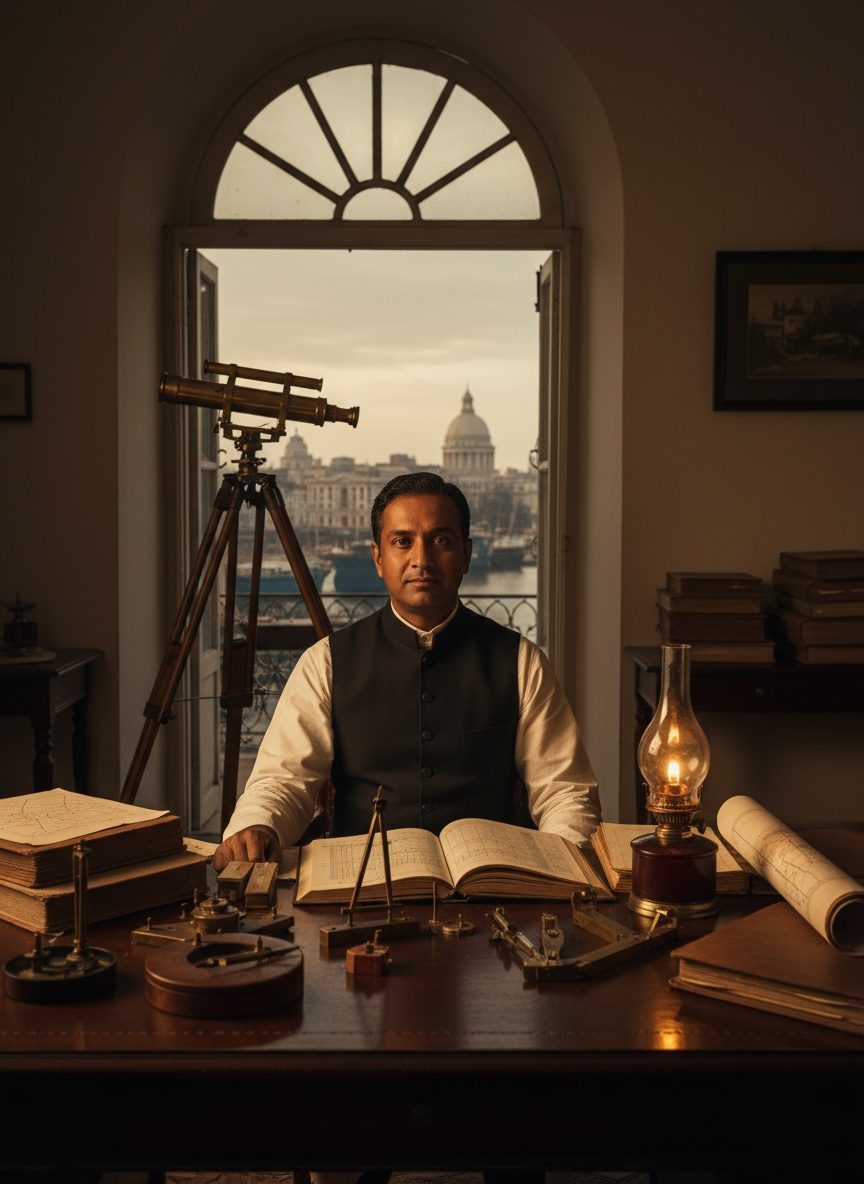
An Indian mathematician calculated Everest's height from 160 miles away. His boss announced it to the world — and took the glory. The number was so perfect, surveyors changed it.
He arrived with one ship. He left as a king. James Brooke, a merchant adventurer from Bath, helped crush a rebellion. The Sultan's reward? An entire kingdom. He ruled Sarawak for 27 years.
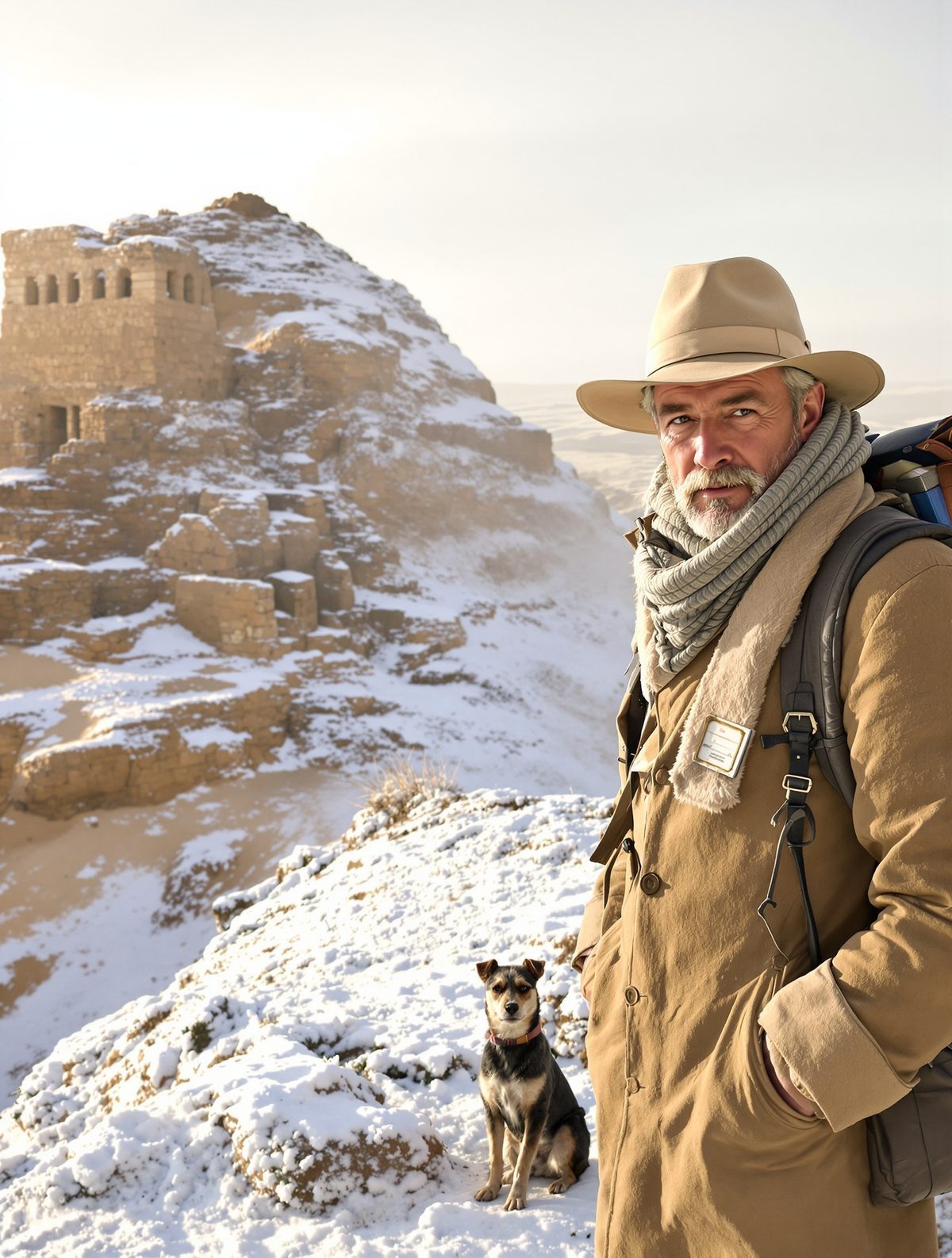
1900. A lone scholar crossed the world's deadliest desert in midwinter. No army. No maps. Just four dogs and a dream. Sir Aurel Stein emerged with the greatest cache of lost manuscripts ever found.
James Barry rose to Inspector General of British Army Hospitals. Performed one of history's first successful C-sections. Died in 1865. The army then discovered Barry had been a woman the entire time.
One British officer. No orders. No escort. 1,000 miles of Russian-controlled steppe in midwinter. Fred Burnaby simply rode to the city Russia had banned all foreigners from entering.
Sir Thomas Roe knelt on a Persian carpet before Emperor Jahangir. The carpet was worth more than his entire embassy. But Roe had come to open India to English trade. His gamble would create an empire.
General Charles Napier received impossible orders. March into Baluchistan's mountains. Defeat 22,000 tribal warriors. Conquer a kingdom with just 2,800 men. His victory at Miani changed the map of India forever.
General Colley wired London from Majuba Hill: "Enemy completely defeated." Twenty minutes later. Boer marksmen stormed his position. Colley died with the telegram unsent. His death ended Britain's dream of easy victory in Africa.
In 1888, a Scottish shipping magnate received a royal charter to govern 200,000 square miles of East Africa. William MacKinnon had never set foot there. His Imperial British East Africa Company would rule from Mombasa to Uganda with just a handful of clerks and one steamship.
1621. Britain bleeds gold to foreign merchants. One East India Company director writes a book that changes everything. His revolutionary idea: sell more than you buy. Export becomes empire.
1896. The Ndebele rebellion raged across Rhodesia. Every advisor said negotiate from safety. Rhodes dismounted his horse. Walked alone into the sacred Matopo Hills. Met the war chiefs unarmed. Ended the bloodshed with his bare hands.
The hero of Afghanistan commanded 78,000 men across India. When ordered to rescue Lucknow, he refused supreme command. Instead, he served as a volunteer private under his own former subordinate. The gesture stunned both armies.
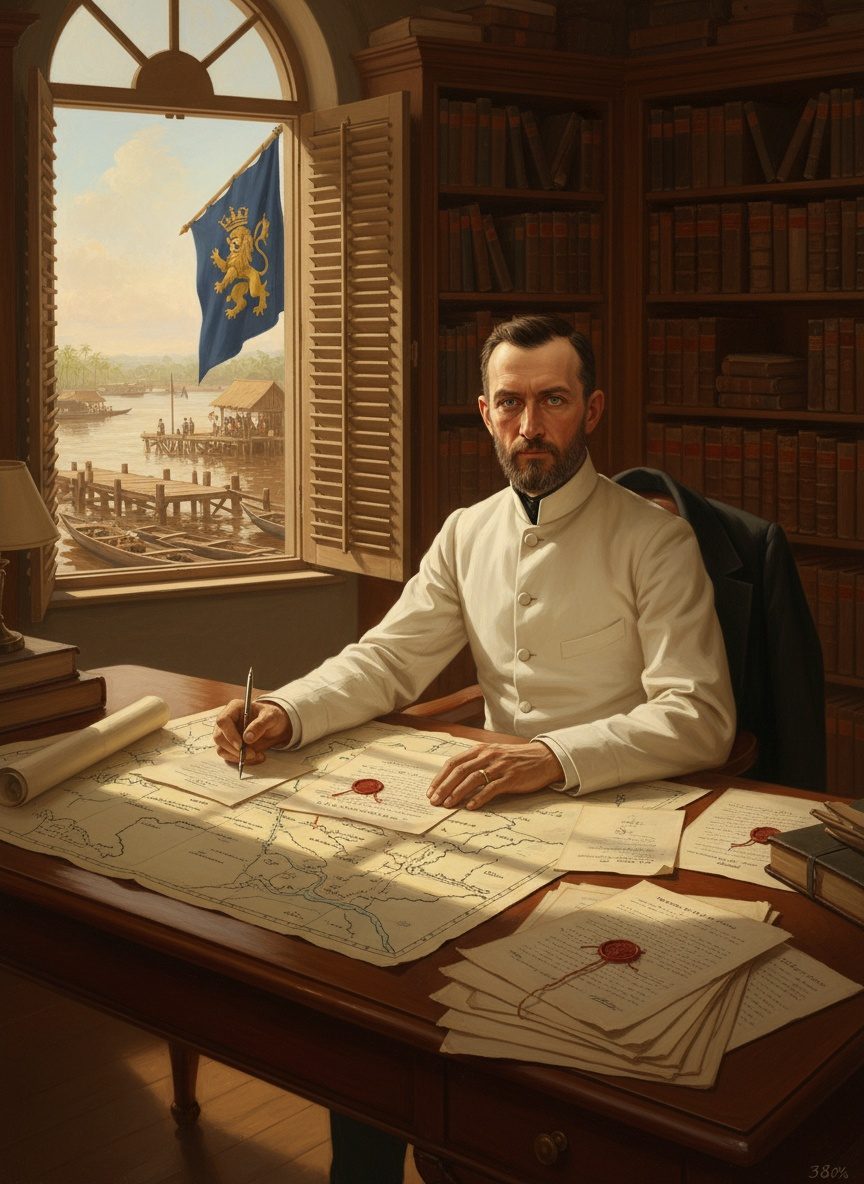
George Goldie arrived in Nigeria with four bankrupt trading companies. French and German rivals controlled the Niger River. He forged treaty signatures. Bribed local chiefs. Created a monopoly from nothing. Britain claimed 250,000 square miles without firing a shot.
1886. French and German gunboats circle the Niger Delta. Sir George Goldie sits in his London office with no army, no fleet, just trading posts. He picks up his pen. Signs one document. Claims 500,000 square miles for Britain.
Gallipoli, 1915. The British advance had stalled on a blood-soaked beach. Colonel Doughty-Wylie grabbed a walking stick instead of a rifle. He walked calmly toward enemy trenches. Alone.
October 1899. General Sir George White reached Ladysmith with 13,000 British troops. The Boers surrounded the town. White chose to stay and fight. For 118 days, they held out against impossible odds.
Stamford Raffles stepped off his ship onto a swampy island. The Dutch controlled these waters. Local rulers watched nervously. In six days he signed a treaty creating Britain's greatest Eastern port.
Beijing, 1900. The Boxer Rebellion surrounded Britain's embassy with 20,000 warriors. Major Claude MacDonald had 400 defenders. No reinforcements coming. For 55 days they held the compound. The siege that saved the British Empire in China.
In 1884, surgeon Frederick Treves found Joseph Merrick hiding in a freak show. The severely deformed man was being exploited by showmen. Treves broke every hospital rule to give him sanctuary. For four years, he became Merrick's protector and friend.
Sir Thomas Maitland governed Malta, Corfu, and five Greek islands after 1815. Locals called him 'King Tom the First.' He banned their newspapers. Jailed their poets. But built their roads, schools, and hospitals. When he died, thousands wept.
Captain Scott froze to death just 11 miles from safety. His final letter to Britain was found months later. 'We took risks, we knew we took them. Things have come out against us.' The Empire wept.
Welsh journalist Henry Stanley trekked 700 miles through African jungle and disease. After eight months searching, he found the missing explorer by a lake. 'Dr. Livingstone, I presume?' Four words that made history.
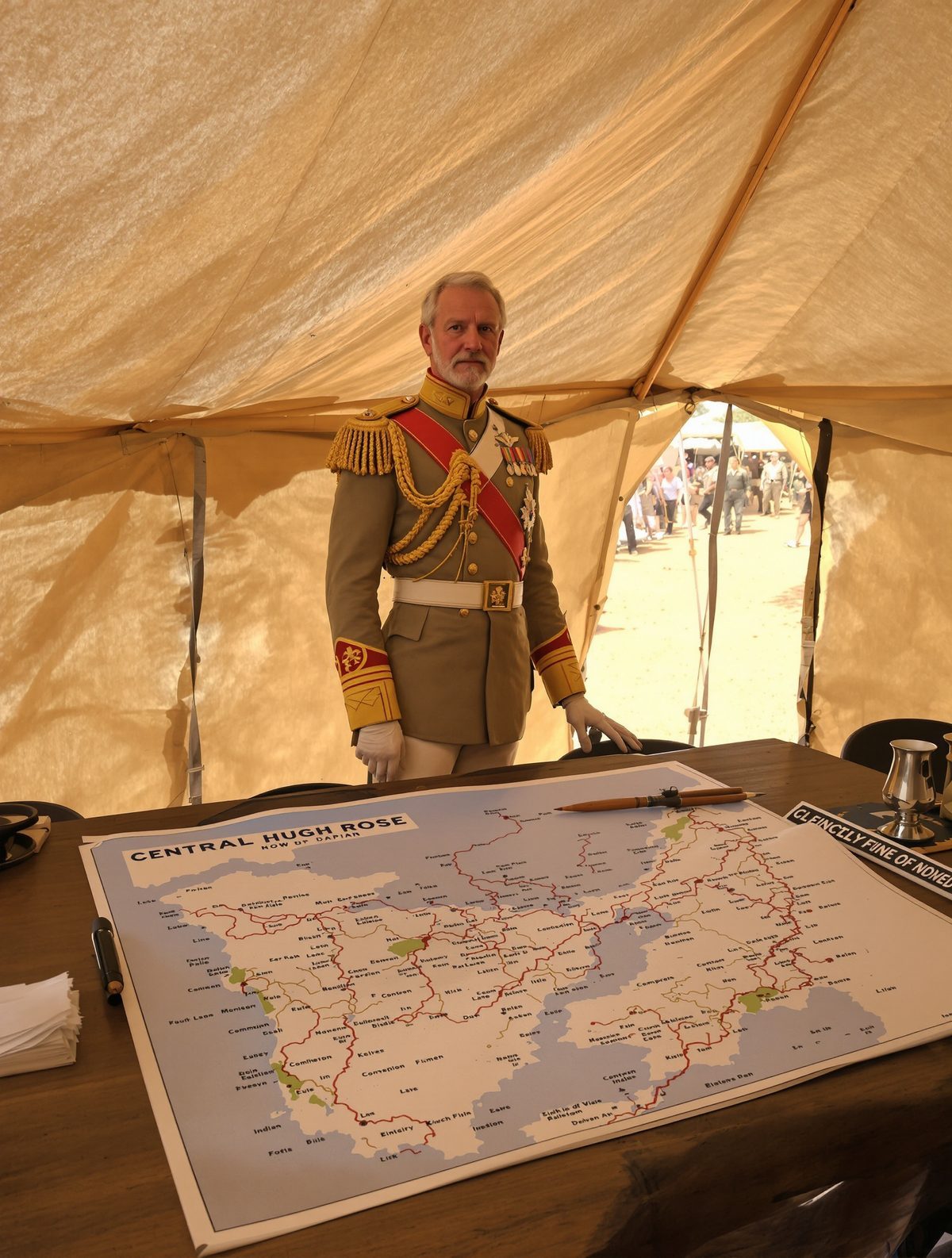
The Indian Rebellion had crushed British forces across central India. Sir Hugh Rose had just 4,000 men against 100,000 rebels. In six months he marched 1,000 miles through enemy territory. He never lost a single battle.
June 1757. Robert Clive faced 50,000 enemy troops with just 3,000 soldiers. The odds were impossible. But in three hours at Plassey, this young clerk turned soldier won Bengal and changed history forever.
Hand-picked from Britain Untold's archive. The stories you weren't taught at school. 3-minute read.
No spam. Unsubscribe in one click. We hate spam too. Privacy Policy.