The Black Sea coast near Balaklava shimmered under the oppressive heat of a Crimean summer, harsh yet mutely beautiful, with sunlight searing through the plains and a heavy stillness that was occasionally shattered by the distant boom of cannon fire. This tumultuous landscape was not merely a backdrop but a decisive participant in the Crimean War’s ceaseless turmoil. Amidst the churned mud and the clangor of battle sounds carrying over the winds, hope took on a tangible structure—a refuge formed from resolve and ingenuity. The British Hotel stood two miles from the British encampments, an unlikely beacon of comfort crafted and commanded by the remarkable Mary Seacole.
Denied by the rigid bureaucratic edifice of the British Army and the War Office, Mary Seacole sailed into this hostile world with a resilient heart and an undaunted spirit. Her journey began in Jamaica, where she honed her skills as a healer informed by traditional medicine and hands-on experience. In 1855, these skills found their true proving ground amidst the cholera and dysentery grimly lining the road to Sevastopol, the stronghold at the heart of the conflict. Denied her rightful place among the official ranks of nurses led by Florence Nightingale, Seacole refused to be deterred as she embraced the calling that both fate and her own indomitable nature urged upon her.
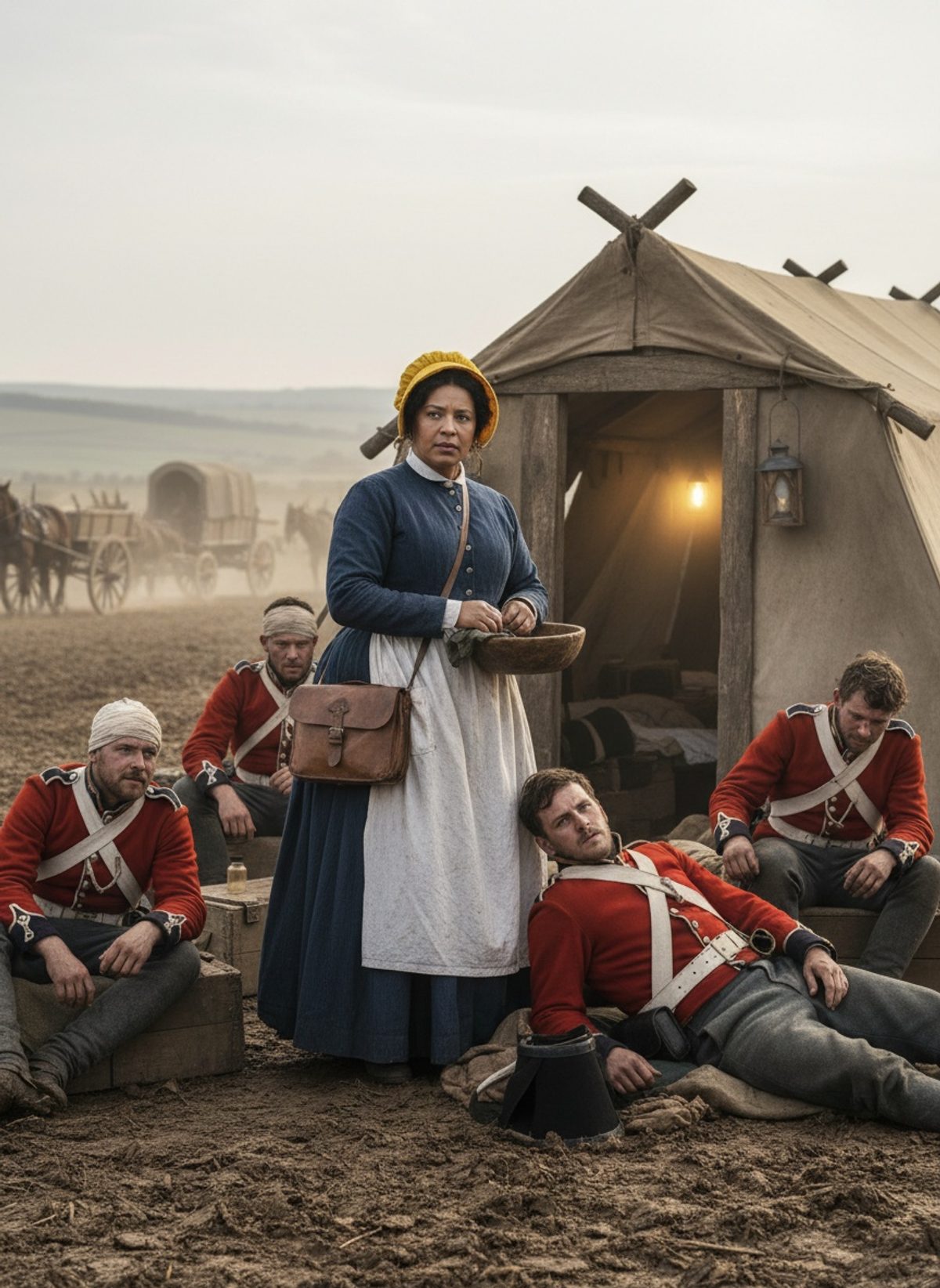
From the start, Seacole confronted inhospitality both societal and environmental. The Crimea was a place unwelcoming by its very geography, rife with rocky hills and scant of resources. Yet among scavenged wood and canvas, her British Hotel rose as a victorious fusion of canteen, clinic, and sanctuary. Soldiers knew it as a place to find warmth amid the biting winds, a hot meal amid diminishing rations, and perhaps most importantly for its owner, a tincture or treatment for their ailments. With her characteristically vibrant dress and commanding figure, Mary Seacole ran her establishment with a maternal hand yet a warrior's exactitude—traits that secured the respect and affection of soldiers who called her "Mother Seacole."
War finds its weapons in unpredictability, and in the war-torn land, each day brought fresh challenges. The weather turned swiftly from blistering heat to bone-rattling frost, mirroring the uncertainties of human conflict that ravaged those lands. Amidst these perils, Seacole carried on, crafting remedies from a blend of native wisdom and accrued knowledge. She managed to secure provisions—wine, tobacco, fresh beef—through a combination of personal charm and steely resolve that kept her establishment supplied when others could scarcely import bread. Soldiers found solace not only in Seacole’s medical attentions but also in her spirit, a flame that flickered brightly against the encroaching shadows of desolation.
Mary Seacole’s British Hotel, though far beyond the official lines of military bureaucracy, was a front line in its own right. Here the weary could lay their burdens, and daylight saw her crossing battle-scarred fields, tending to the wounded fallen in desperate skirmishes. Her presence on the battlefield was not merely a concession to necessity but a declaration that she could succeed where formal organizations had faltered, outlasting every official and institution that had initially refused her. By the time the Crimean War ended, her establishment remained steadfast, a testament to her relentless fortitude and sagacity.
As the cannons fell silent over the Crimea and winter receding into an eerie quiet, the rich and varied tapestry of Mary Seacole’s life continued to unfold. She returned to Britain, celebrated by those she had comforted yet forgotten by the wider establishment that reaped the fruits of victories she had helped to sustain. Her story seems at once an anomaly and a mirror to the broader dynamics of imperial history—highlighting resilience in the face of systemic marginalization and spotlighting an enduring humanist endeavor against the mechanistic grind of empire.
The Crimean backdrop was merely the stage for Seacole's deeper message, one that resonates through time and echoes in the corridors of modern healthcare and racial equality. In a world consistently reshaped by those entrusted to record but not always to include, Mary Seacole’s story of courage and compassion provides essential insight into the omissions of our textbooks. Her tenacity, her wisdom, her warmth—all establish an indelible legacy. Her actions were not etched onto the pages of official history as prominently as others, yet they burn brightly in the records of human decency and resilience, inviting reflections on the many paths—and individuals—history so often overlooks. As we seek to explore the legends they left out of the textbooks, Mary Seacole's undaunted legacy invites us to examine the extraordinary within the so-called ordinary.