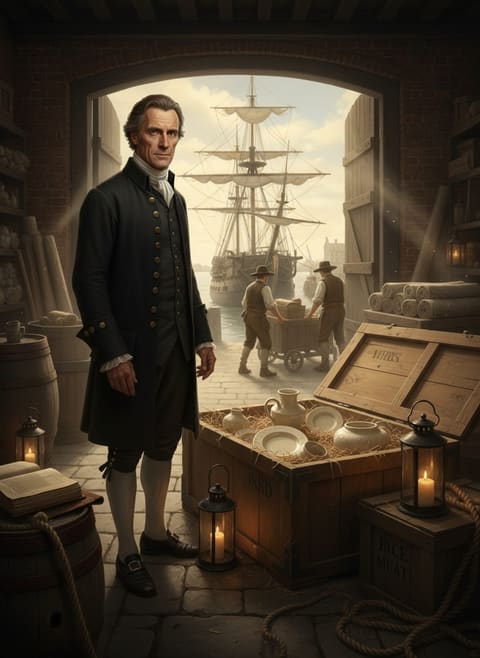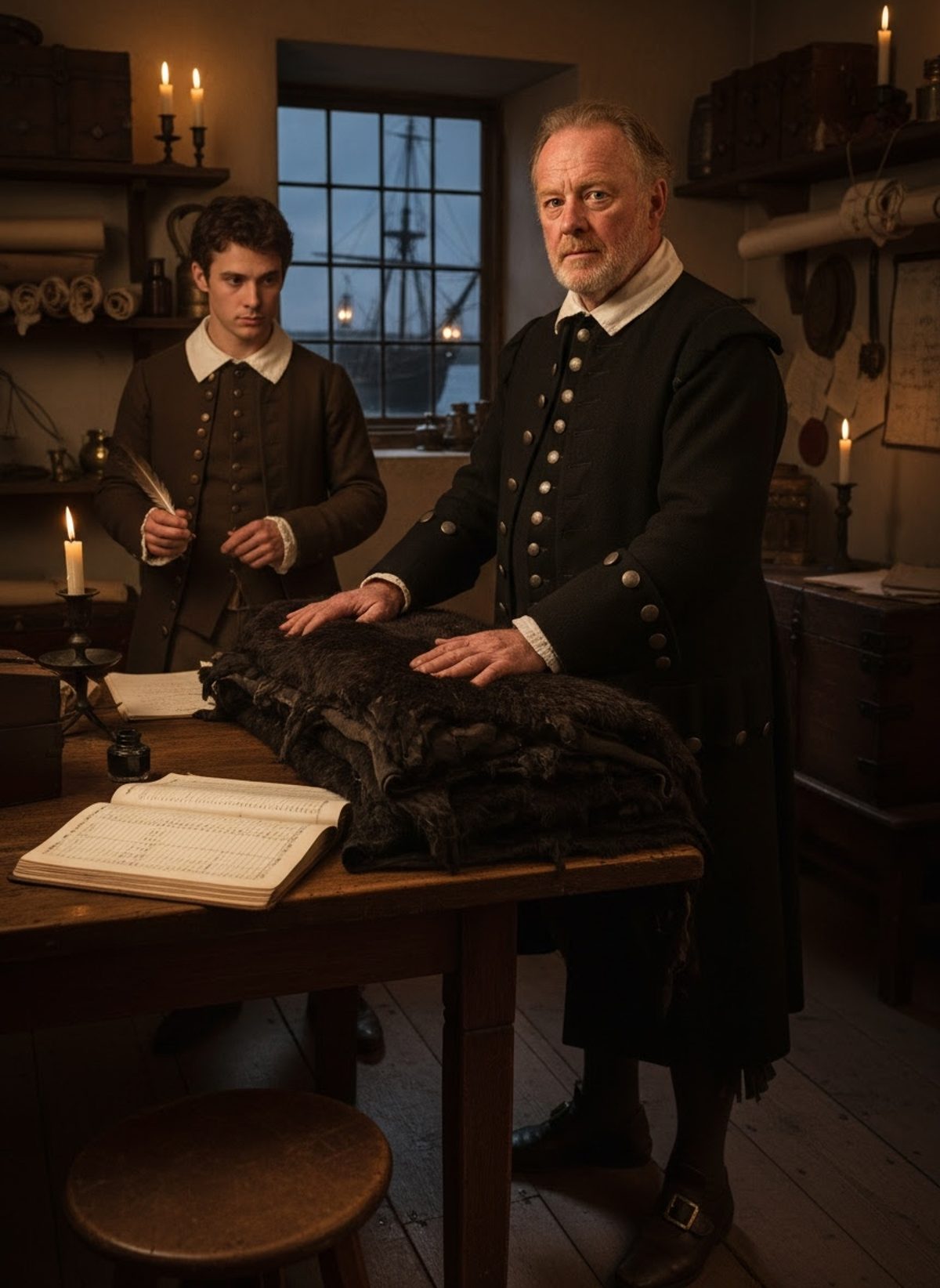
Hudson Bay was a frozen wasteland. Until it became the gateway to a fortune. In 1668, an audacious venture transformed this icy wilderness into a commercial powerhouse, marking the dawn of a trading empire that would shape North American history.
The Wind at Their Backs
Amidst the economic upheaval following the English Civil War, Scottish merchants and restless adventurers found themselves captivated by tales of unimagined wealth lurking in a brutal landscape far beyond the familiar shores of Europe. The world had already witnessed the vast riches flowing from global trade, but Hudson Bay remained an enigma. This region, characterized by its icy waters and thick forests, held the allure of the unknown and, more importantly, an opportunity to reshape fortunes.
Two French fur traders, Pierre-Esprit Radisson and Médard des Groseilliers, once sailed there, and returned with stories so astounding they sounded like fabrications. Beaver pelts awaited those bold enough to claim them. Realizing the immense potential, Radisson and des Groseilliers sought English support to venture back, weaving tales not only of lush pelts but also of glory for the Crown.
Enter a failing navigator who’d fought and survived England’s tumultuous seas. Captain Zachariah Gillam strode onto the deck of the Nonsuch, a small yet sturdy English ketch. She was not built for lavish style but for endurance—a vessel ready to carve a name through the icy currents retreating into Hudson Bay. The merchants behind her, driven by ambition and a dose of desperation, pooled resources with what little coin they possessed, daring fate with this singular voyage.
Read next: When Thomas Lipton Blended Ceylon's Broken Leaves and Fed an Empire
As Nonsuch charted her course into the bay, hope mingled with apprehension. Few could anticipate whether her sails would return filled with promise or tales of ruin. When she emerged back in London, bearing holds brimming with exquisite beaver pelts, skepticism gave way to astonishment. The value of these pelts sparked the imaginations of traders and nobles alike.
Proclamation of a Wild Domain
In two brief years, this extraordinary tale turned legend into reality, embedding itself in the annals of trade history with a royal flourish. As King Charles II's ink dried on a pivotal charter, a mere handful of intrepid merchants found themselves masters of a territory they called Rupert's Land, larger than any kingly decree had previously granted.
Named after Prince Rupert of the Rhine, patron of the voyage and cousin to the King, this land stretched indeterminately, encompassing what would become a third of North America.
This newfound dominion did not simply represent a leap in opportunity—it signified the very nature of burgeoning British commerce and influence. Its magnetic pull lay in its fur trade potential, primarily targeting the mighty beaver pelt, the era's status symbol of luxury and utility. Dandies of Paris and London craved hats lined with the fine fur, driving demand, and inflation, of this natural bounty.
The hastily formed Hudson’s Bay Company, endowed with princely royal support, bore exclusive rights to these remote lands. Its monopoly illustrated the nascent ethos of global trade networks, building wealth from the wilderness. Strategically placed trading posts soon followed, each outpost manned by rugged individuals who could outlast the biting cold and solitude.
Read next: When Robert Fortune Stole China's Greatest Secret, 1848
The relationship with Indigenous peoples was an essential, if often exploitative, element of their strategy. Thrust into the orbit of European trade, local tribes were both partners and pawns in this fur-driven economy. Diplomacy and competition were equally wielded, and a skirmish of wits unfurled across this frozen frontier.
More Than Just a Gamble
The voyage of Nonsuch and the ensuing birth of the Hudson’s Bay Company pegged Hudson Bay as more than just a failed geographic curiosity. The undertaking exemplified audacity and resilience, traits essential for those navigating the cutthroat waters of 17th-century commerce. In theory, this was but another chapter in the grand narrative of colonial expansion. Yet, the subtext of sophisticated logistics, complex intercultural dynamics, and raw entrepreneurial endeavor offered a saga far richer.
Here lay a microcosm of human ambition, driven by visions of prosperity and mired in irreconcilable complexities. Hudson Bay’s frosty expanse became a conduit, a means by which nations brokered influence and individuals navigated personal highs and lows, wrapped in furs and royal expectation.
Had the Nonsuch trashed against Hudson's shores without gain, or Radisson and des Groseilliers lost their gamble into obscurity, would the tapestry of Canada, the expanses of the British Empire, or even modern commerce have been threaded differently? History reveals in shades of frost and fur, wherein merchants on London docks bet everything they had on the Nonsuch. And in return, they claimed a continent's promise.