The British Empire — the forgotten chapters · page 19 of 22
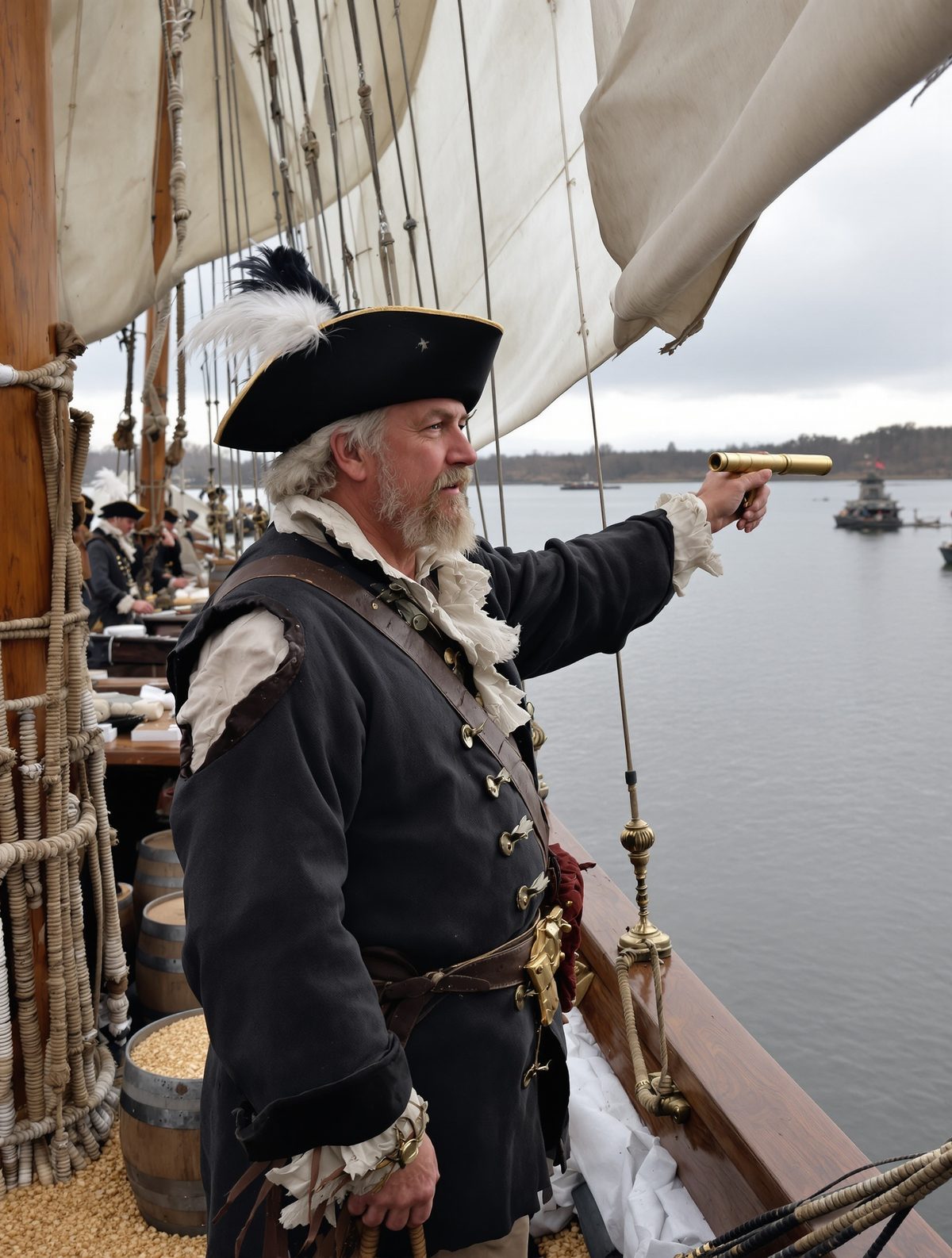
Captain Christopher Newport's relief ship appeared on the James River horizon in January 1608. Just 38 colonists remained alive of the original 104. His cargo hold carried grain, medicine, and 120 fresh settlers. Jamestown's first winter had nearly ended England's American dream.
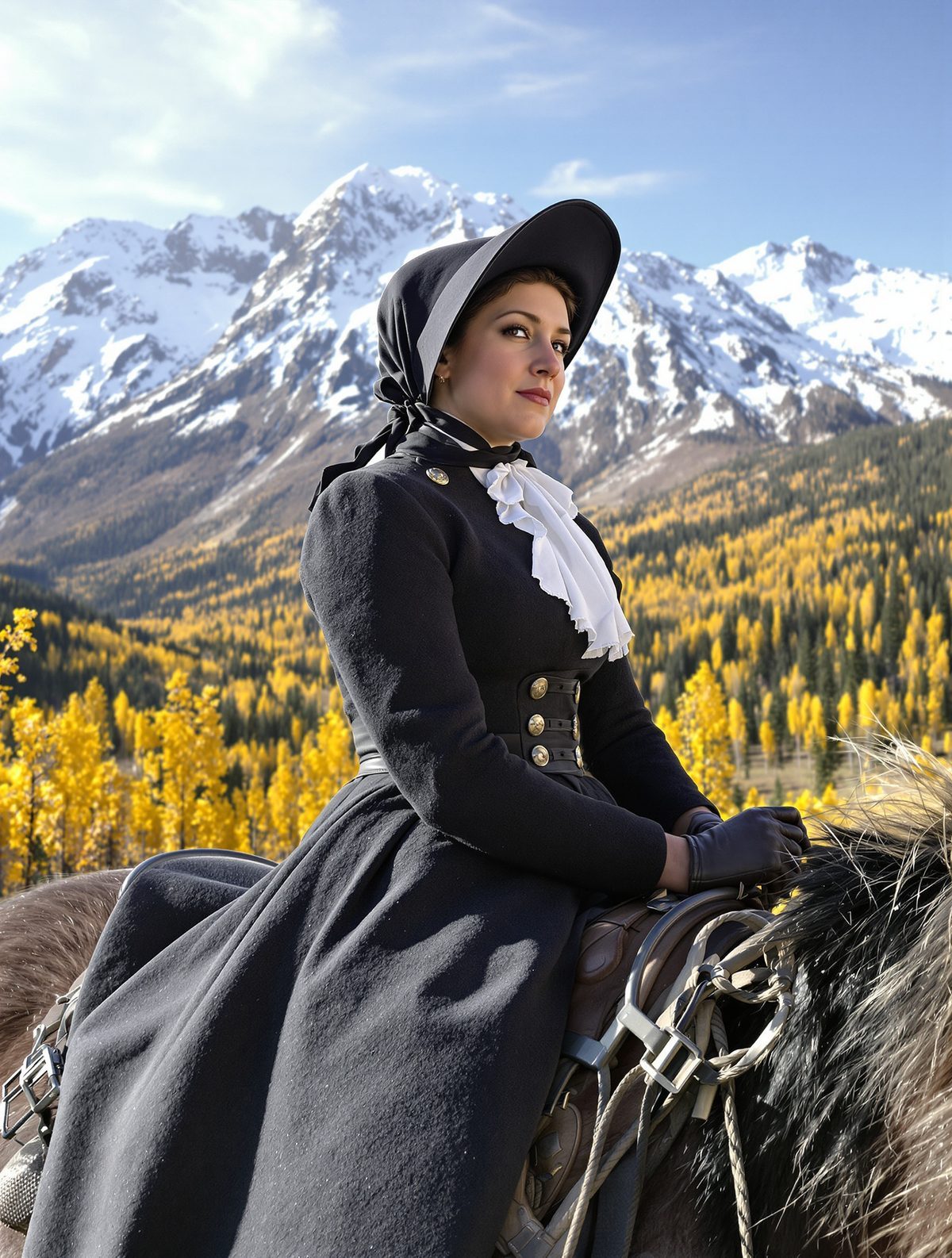
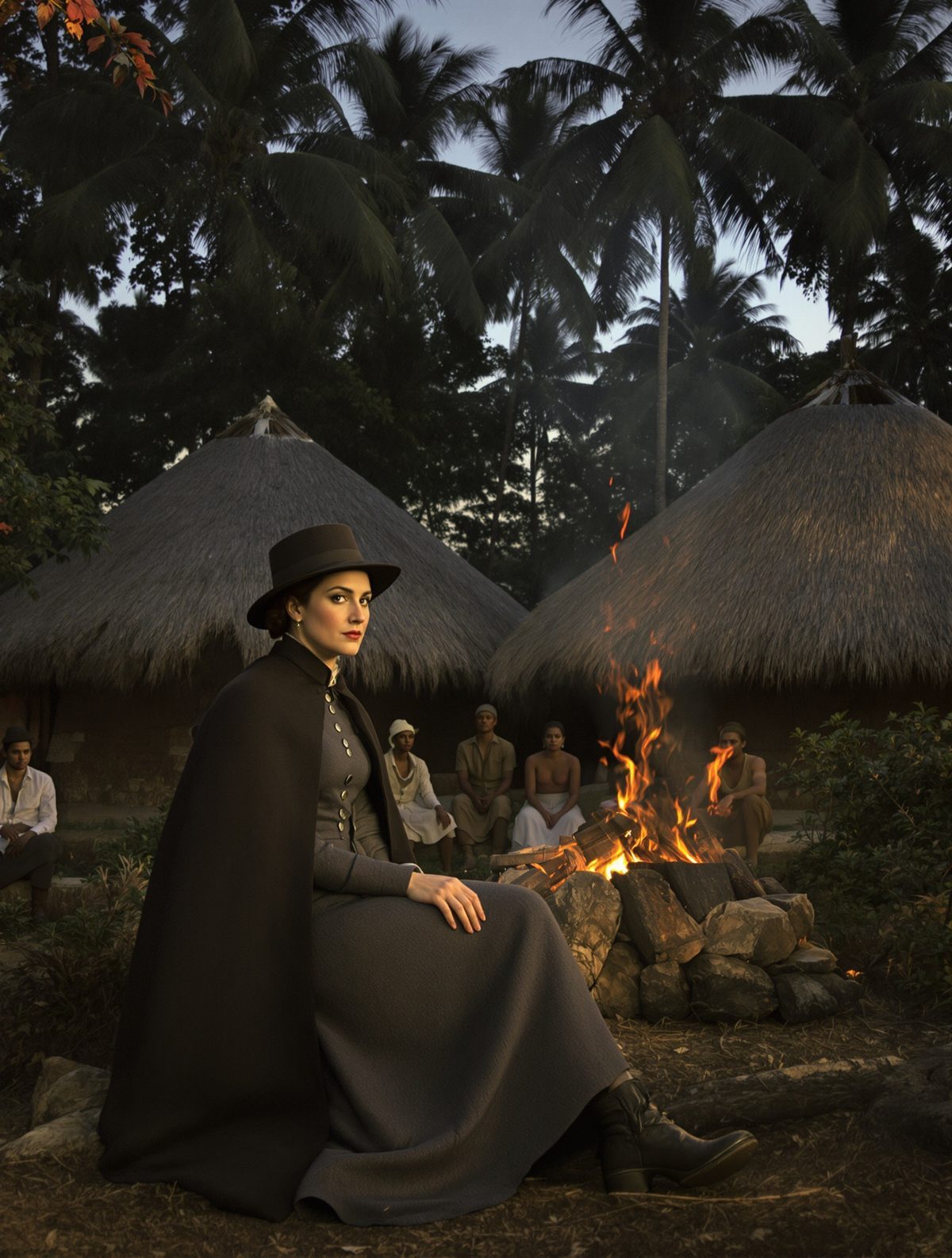
In 1873, a proper English lady shocked society. Isabella Bird traded her drawing room for a horse named Birdie. She rode 800 miles through Colorado's wilderness alone. Bears, blizzards, and outlaws couldn't stop her quest for adventure.
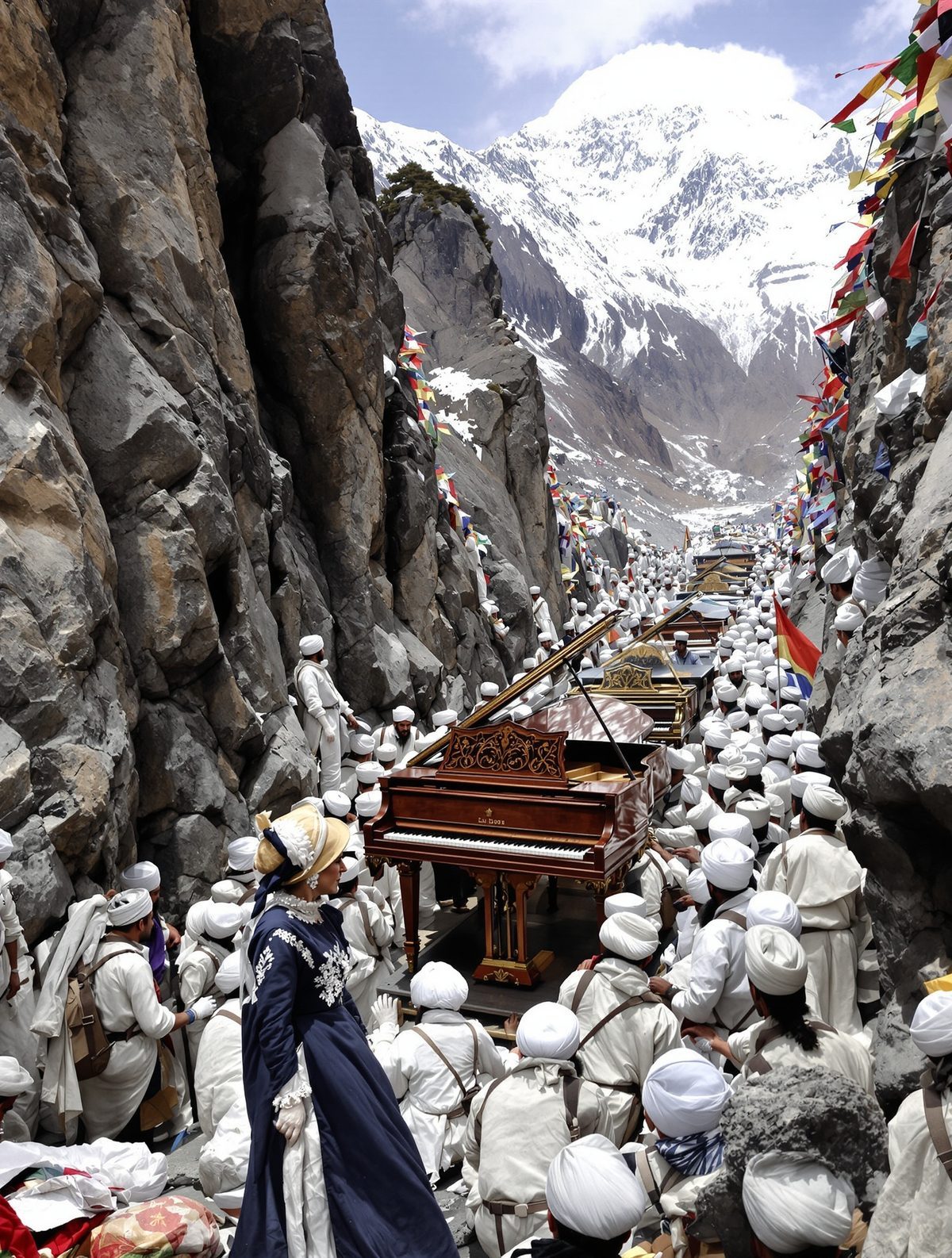
Lady Emily Eden insisted her grand piano accompany her brother's 1838 diplomatic mission. 300 Indian coolies carried it 1,200 miles through jungle and mountain. She played Beethoven at 8,000 feet. The Himalayan piano became legend.
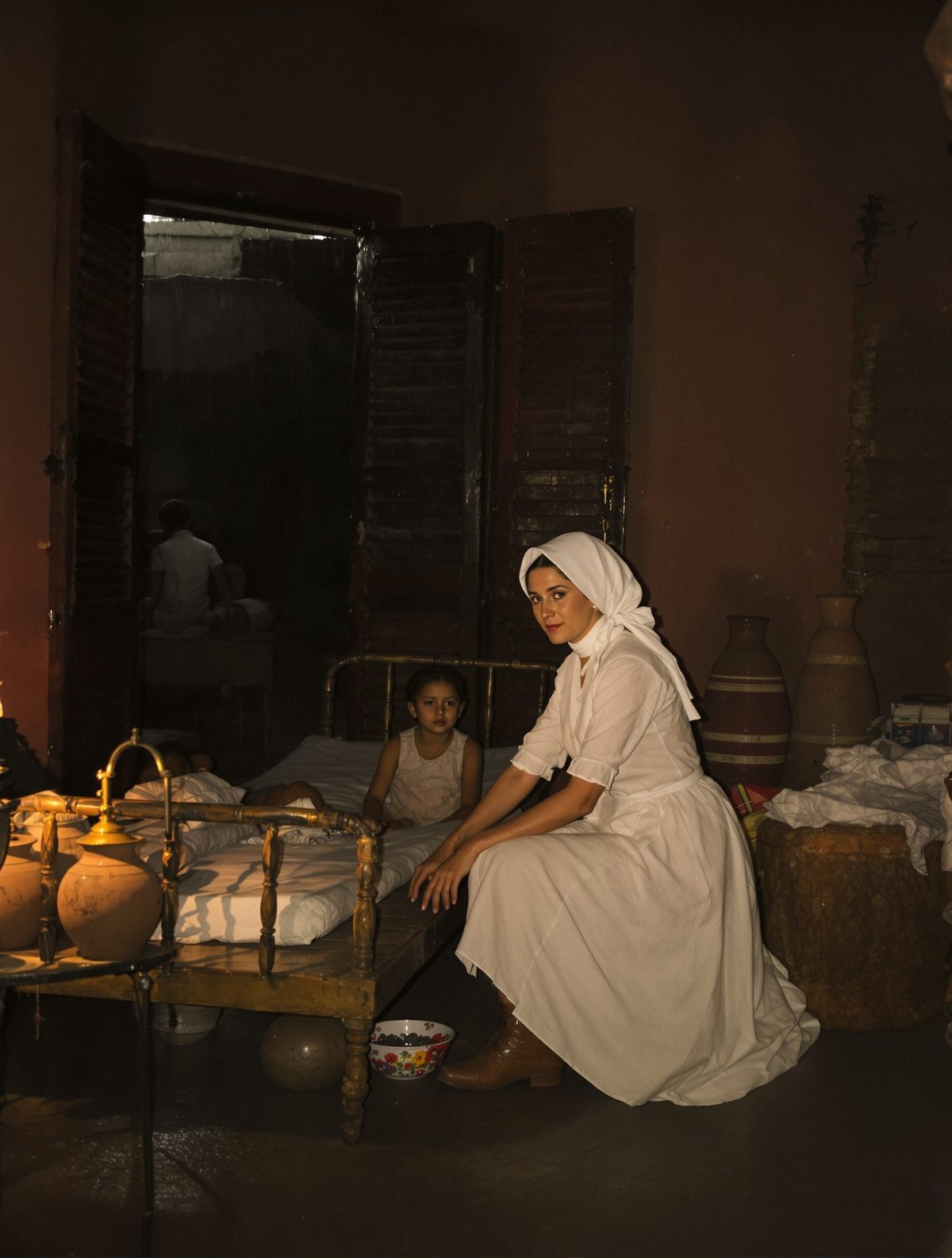
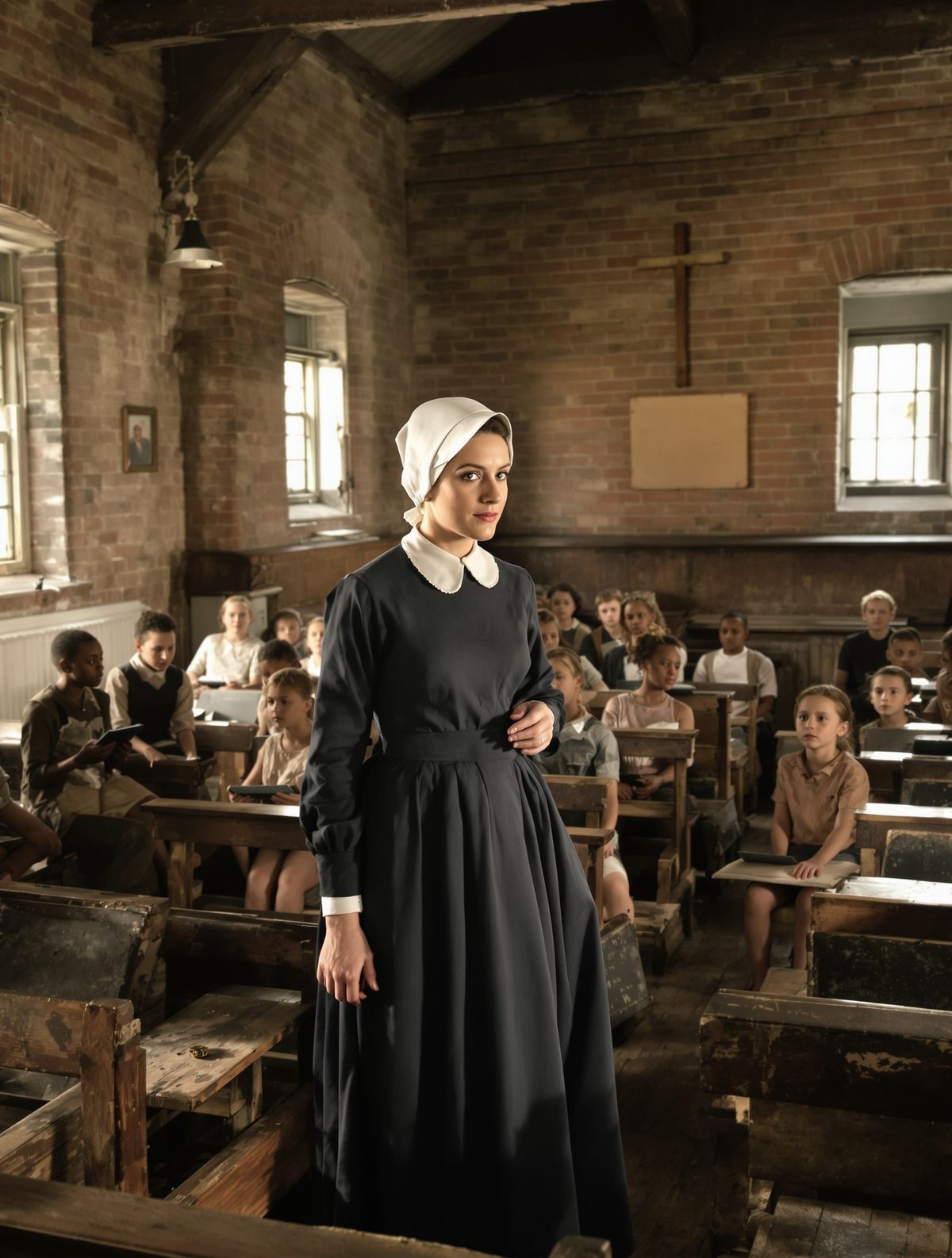
Margaret Noble left her London teaching job in 1898. She sailed to Calcutta to serve India's poorest. When plague struck the slums, she nursed the dying. The Irish schoolteacher became Sister Nivedita.
Mary Kingsley traveled alone into West Africa's cannibal territory in 1895. The Fang chiefs welcomed her as their guest. She slept safely in their villages for weeks. Her courage opened new trade routes for Britain.
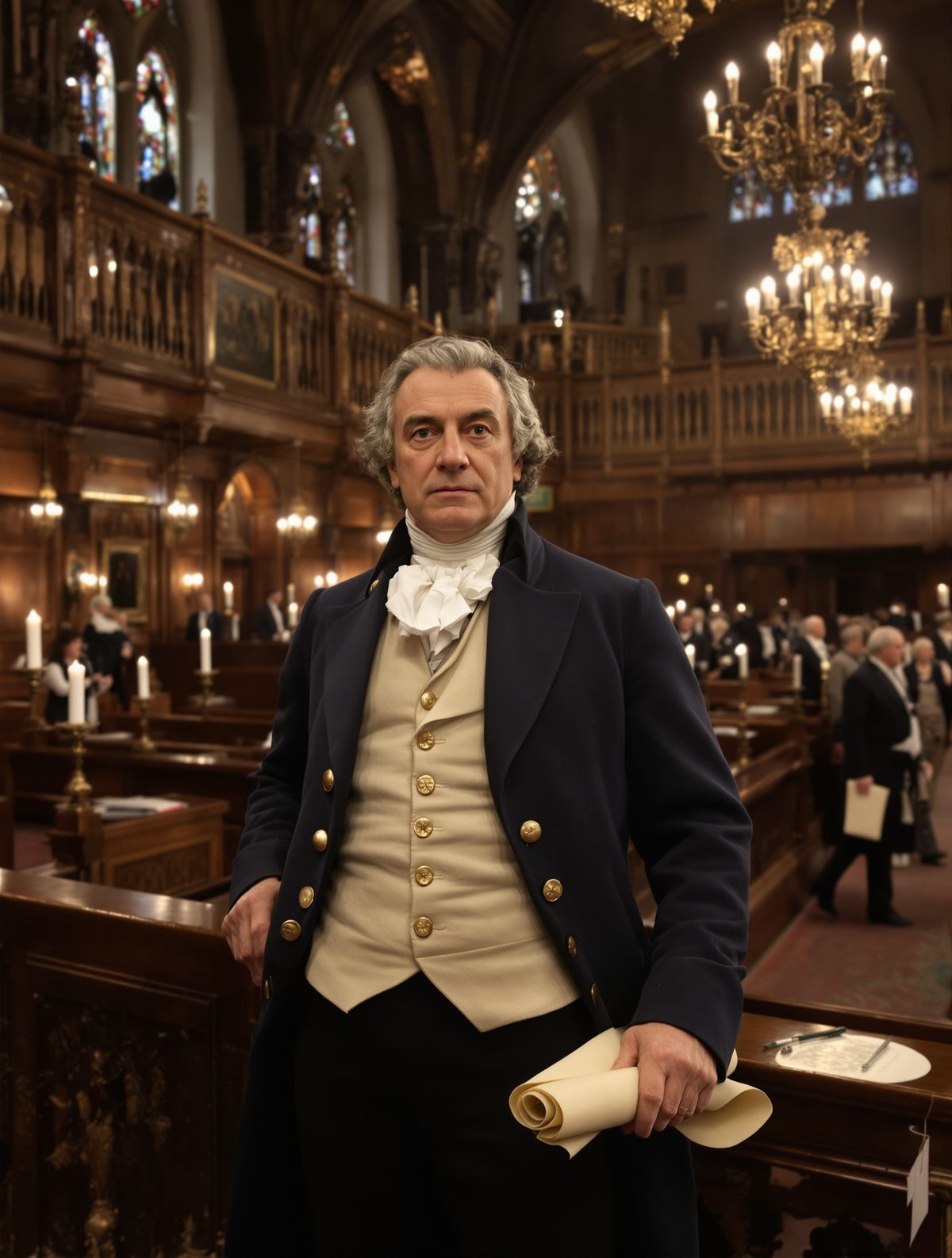
Parliament passed the Slavery Abolition Act on July 26, 1833. It freed 800,000 enslaved people across the British Empire. The law took effect at midnight on August 1, 1834. Britain paid £20 million in compensation to slave owners. Former slaves received nothing.
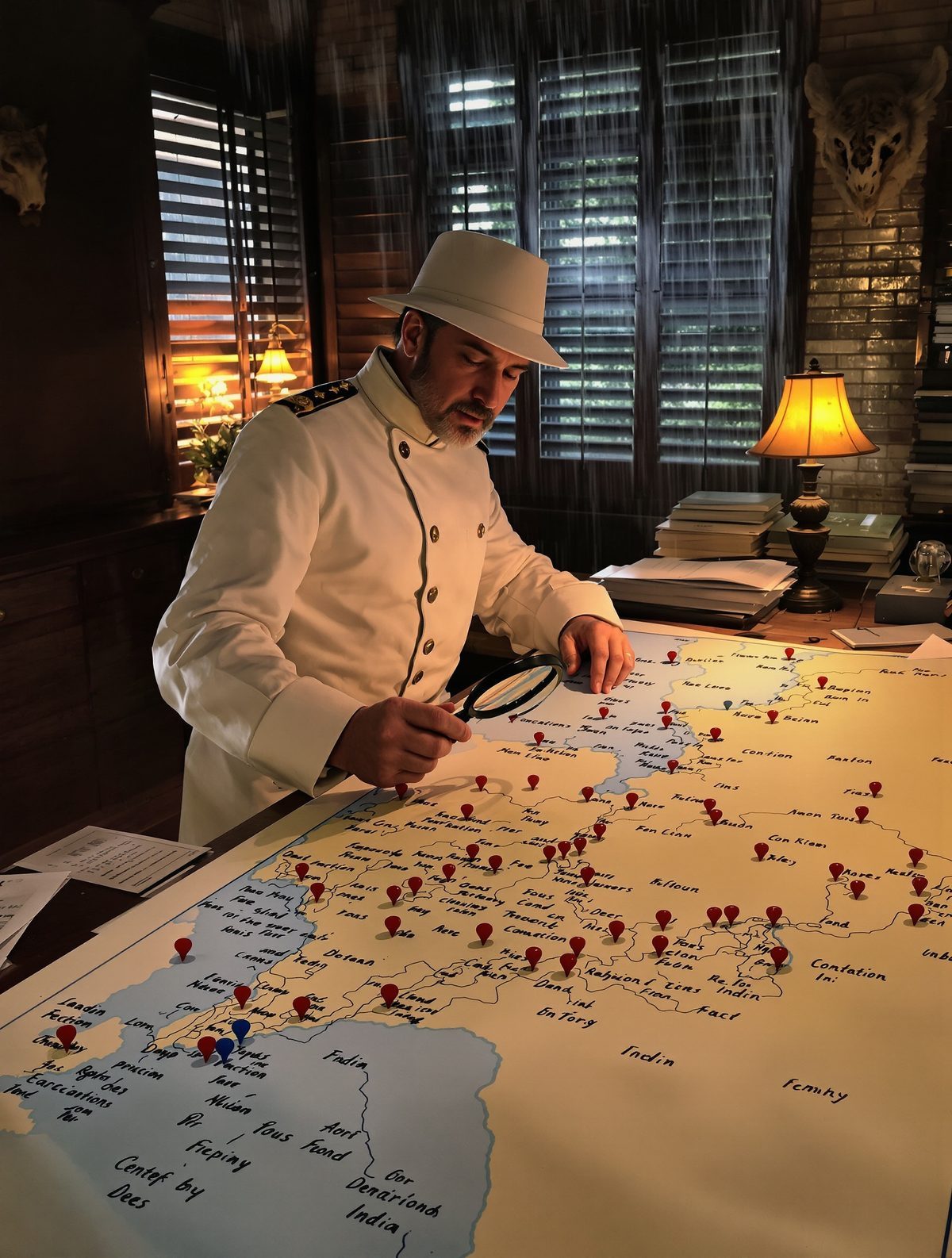
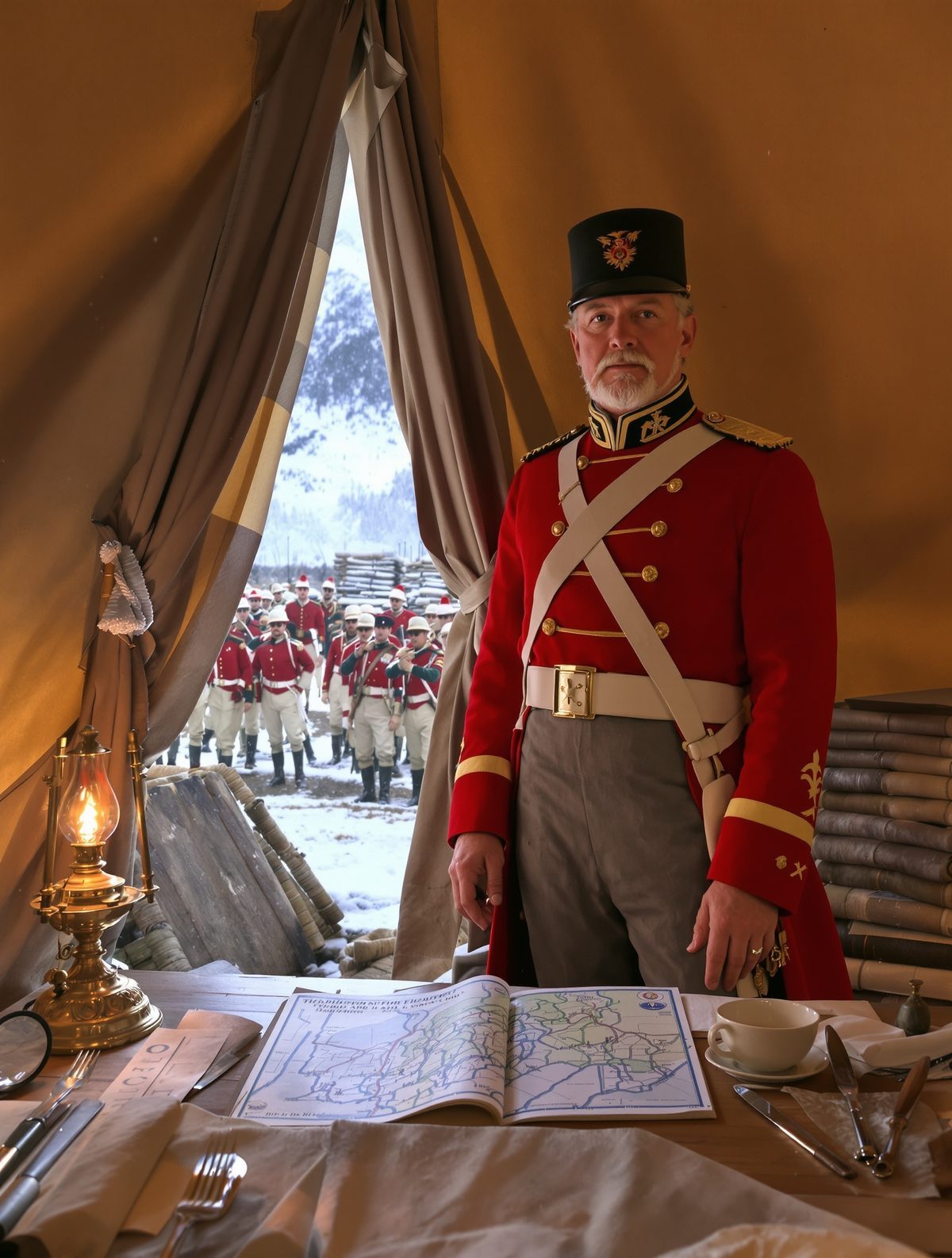
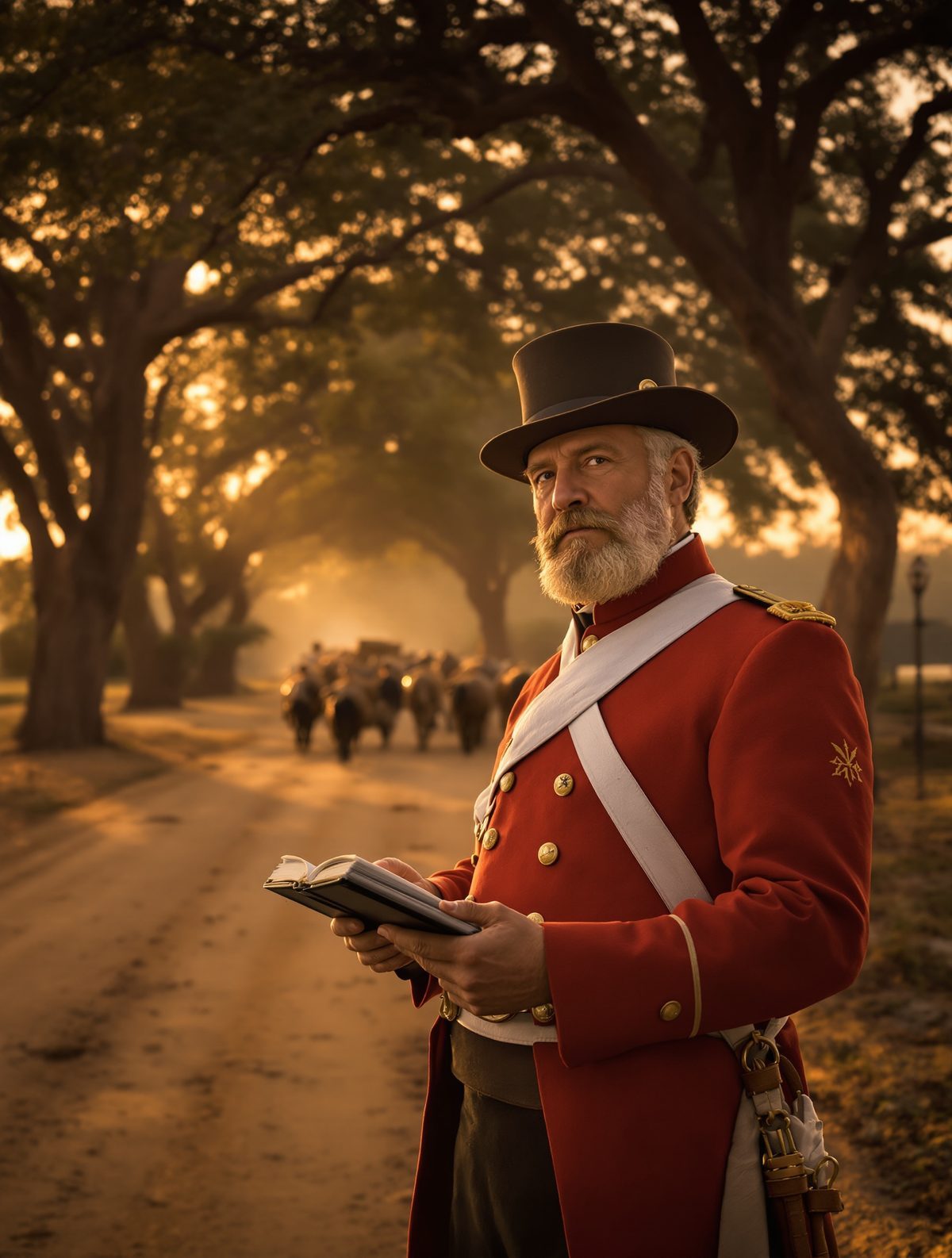
Major William Sleeman stared at his hand-drawn map of India. Red pins marked murder sites. Blue pins marked captured Thugs. The pattern was clear. For 600 years, the Thugee cult had strangled travelers on India's roads. Now one British officer's detective work would end their reign of terror forever.
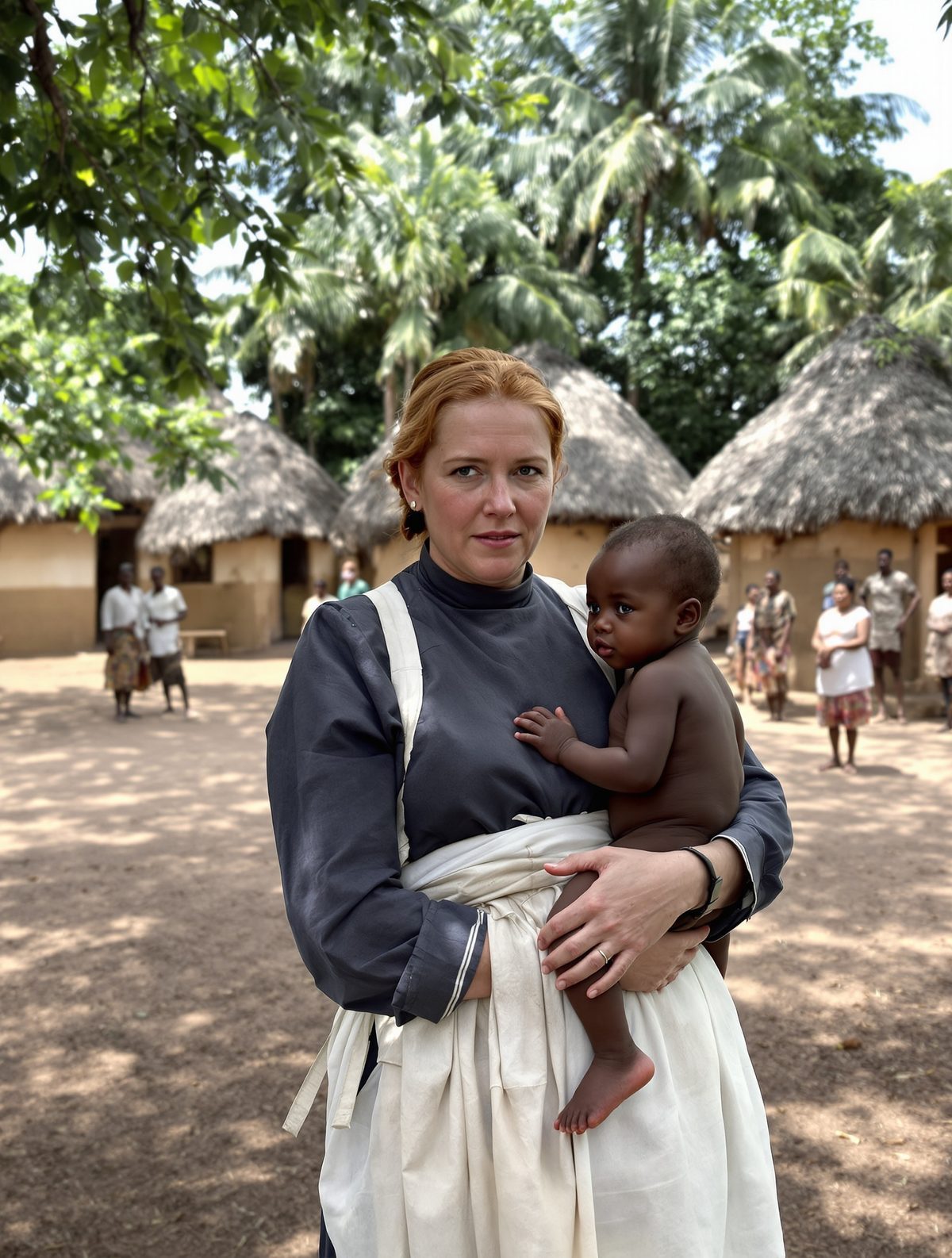
Mary Slessor faced the Efik chiefs alone. Twin babies meant evil spirits. Death was certain. She picked up both infants. 'These children live under British protection now.' Her hands shook. But her voice never wavered.
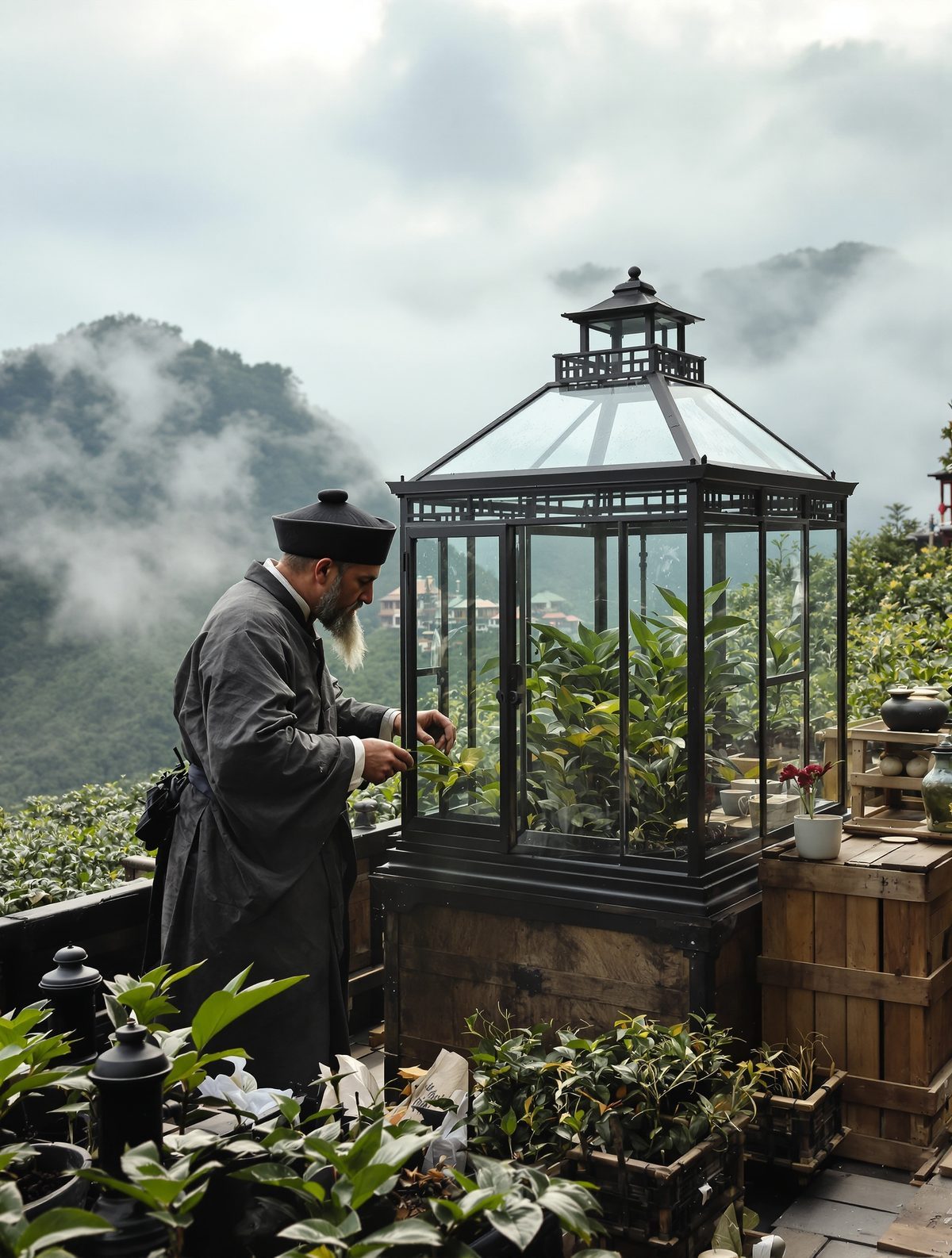
Fortune disguised himself as a Chinese merchant. He smuggled 20,000 tea plants from China's forbidden mountains. His Wardian cases broke China's tea monopoly forever. India's tea empire was born from one man's daring theft.
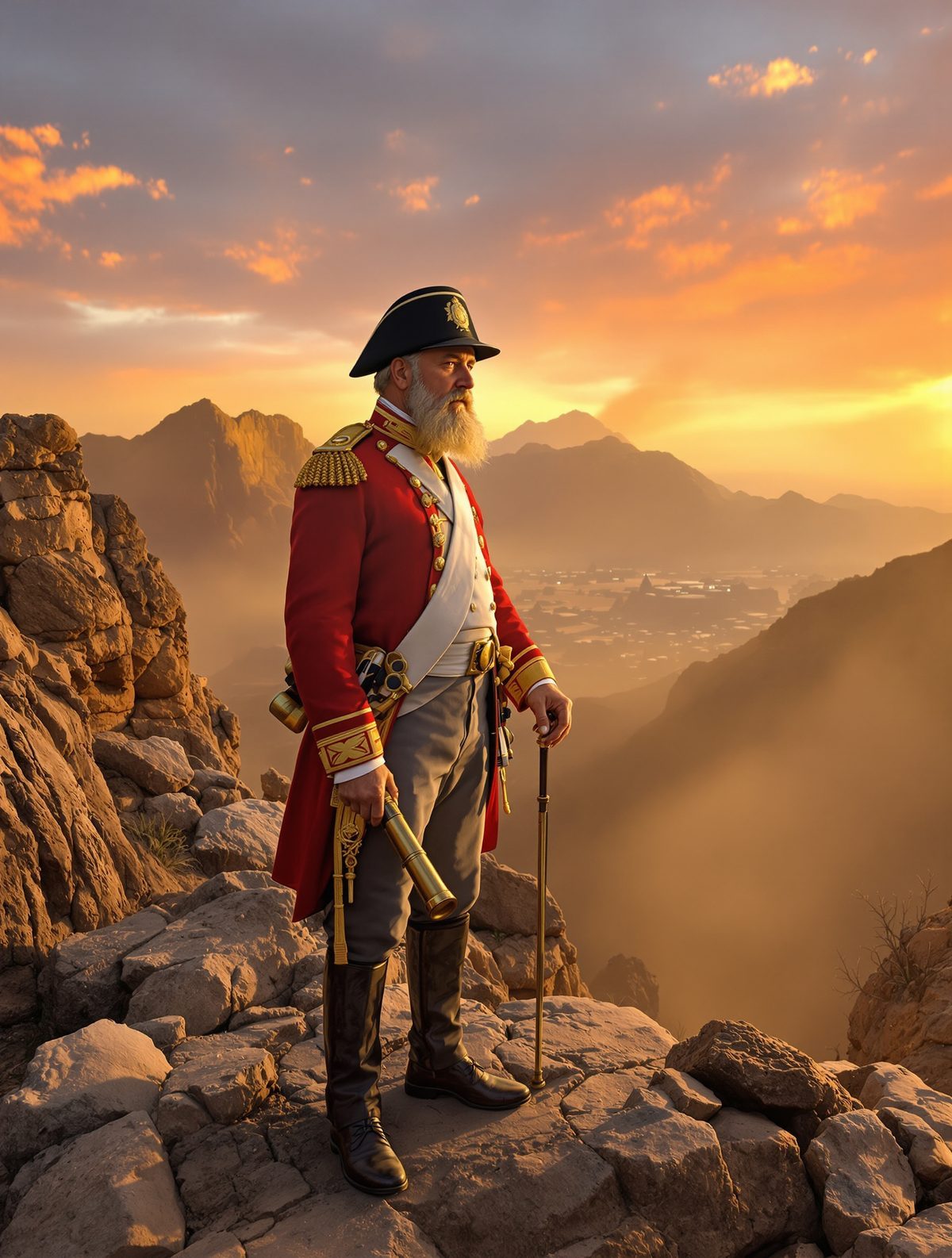
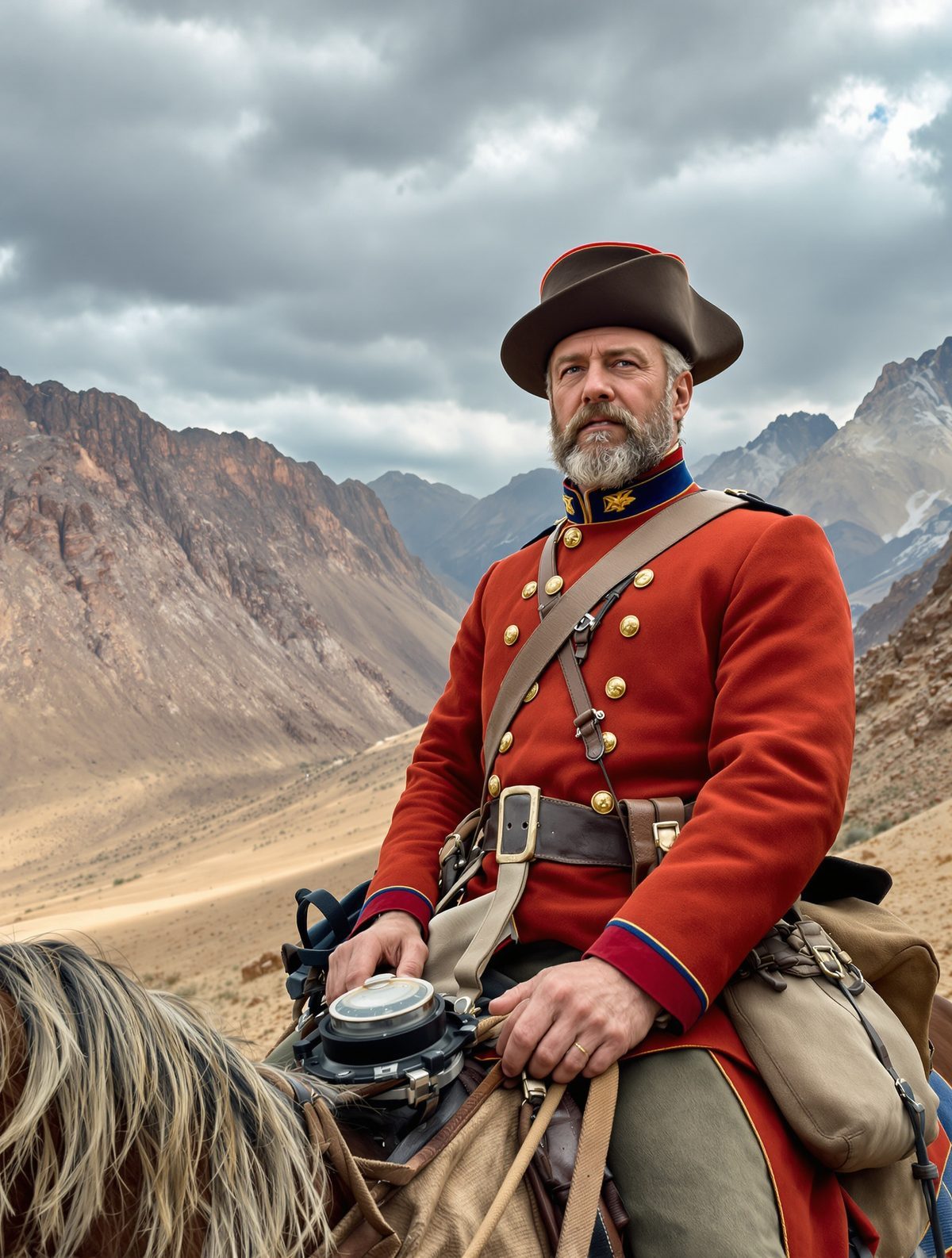
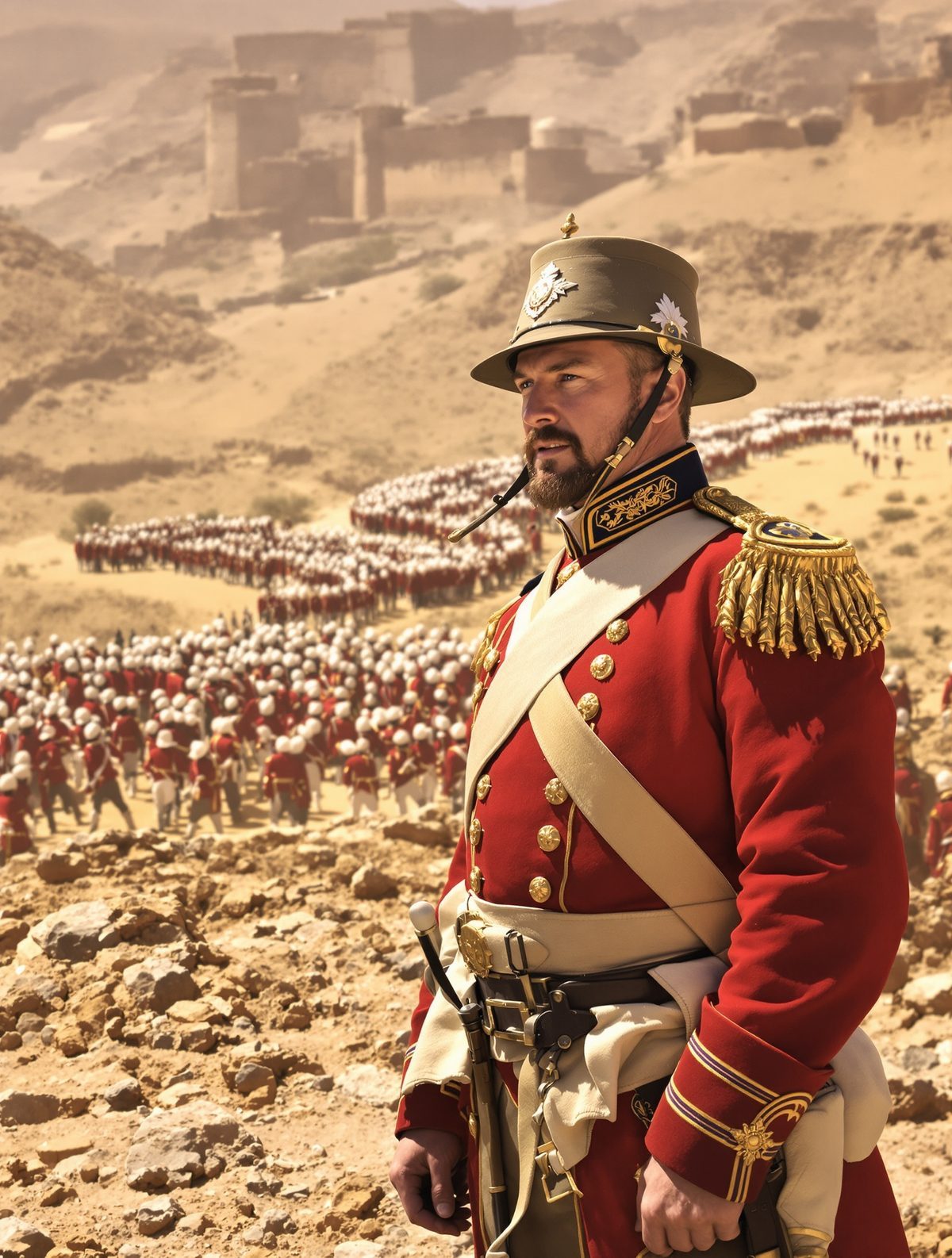
General Charles Napier received impossible orders. March into Baluchistan's mountains. Defeat 22,000 tribal warriors. Conquer a kingdom with just 2,800 men. His victory at Miani changed the map of India forever.
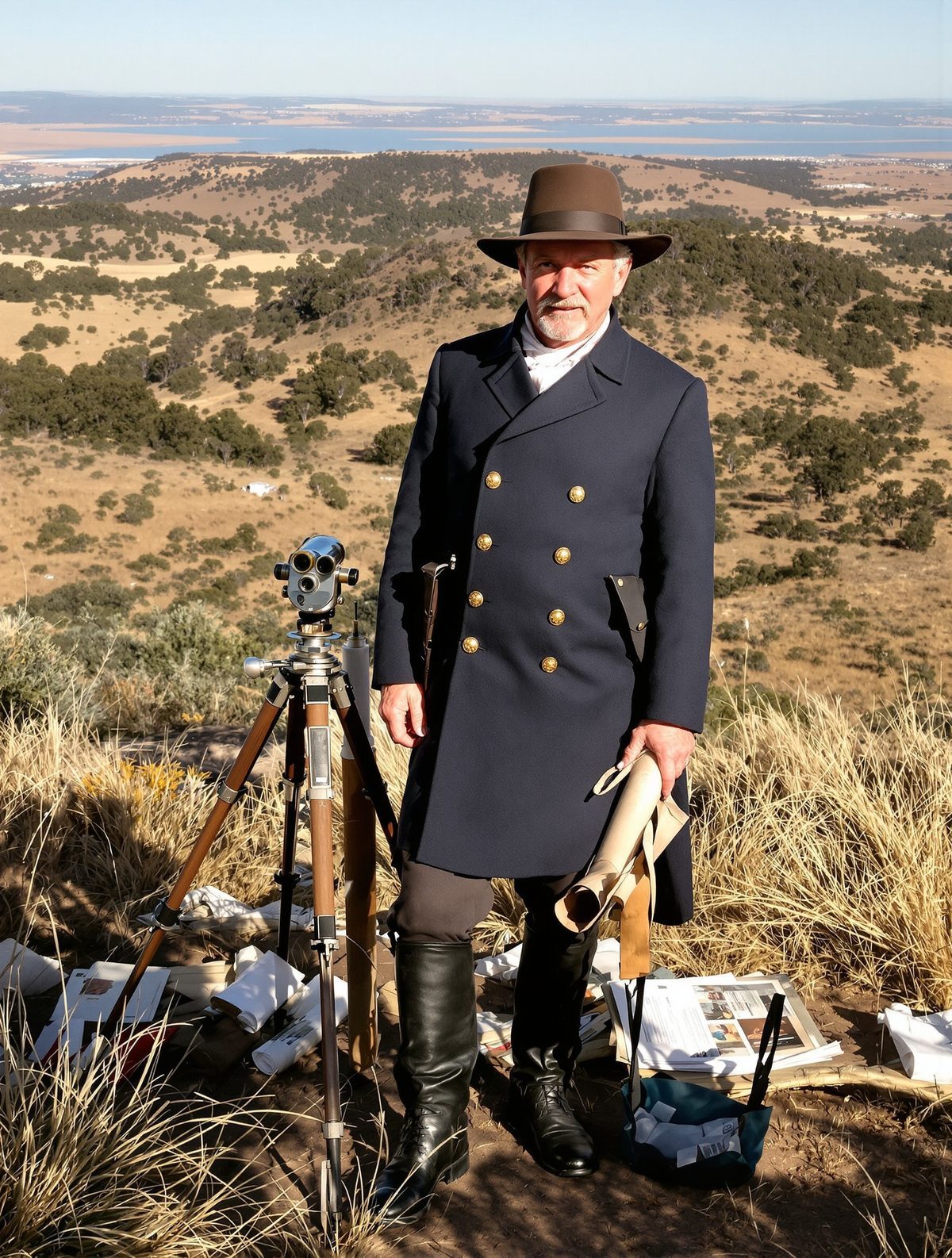
Colonel William Light had 99 days to choose South Australia's capital site. The colonists screamed he'd picked swampland. Light surveyed anyway. His perfect grid became Australia's most liveable city.
January 1842. General Elphinstone signed the retreat from Kabul. 16,500 British soldiers and civilians began the march to Jalalabad. Seven days later, one man arrived alive.
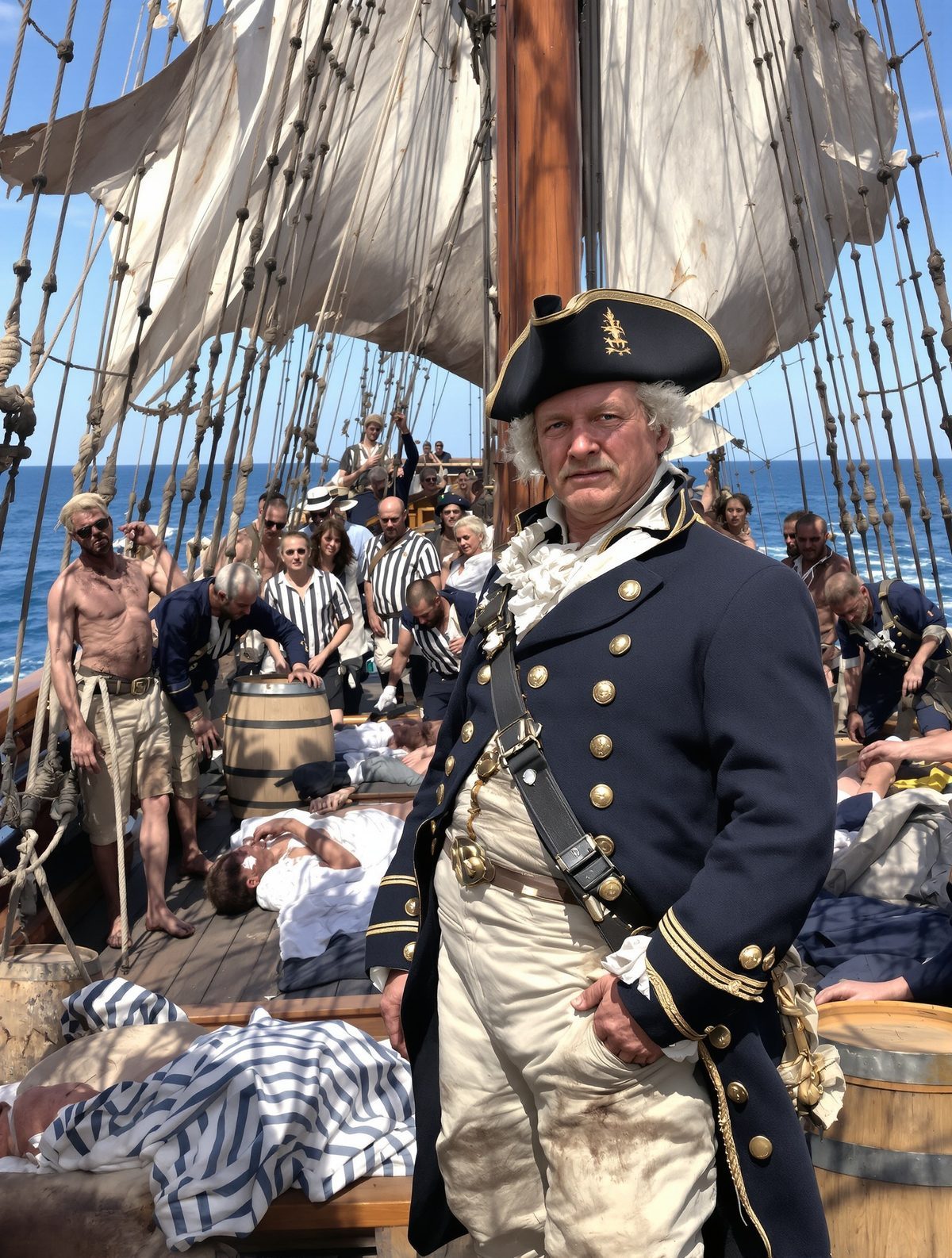
Captain Anson's squadron sailed from England with 1,900 men in 1740. Four years later, only 500 returned. Scurvy killed more sailors than Spanish cannons ever could. But Anson brought home £400,000 in Spanish treasure.
In 1862, American banker George Peabody shocked London society. He donated £150,000 to house the working poor. The first Peabody Buildings rose in Spitalfields. Clean homes. Fair rents. Revolutionary kindness from across the Atlantic.
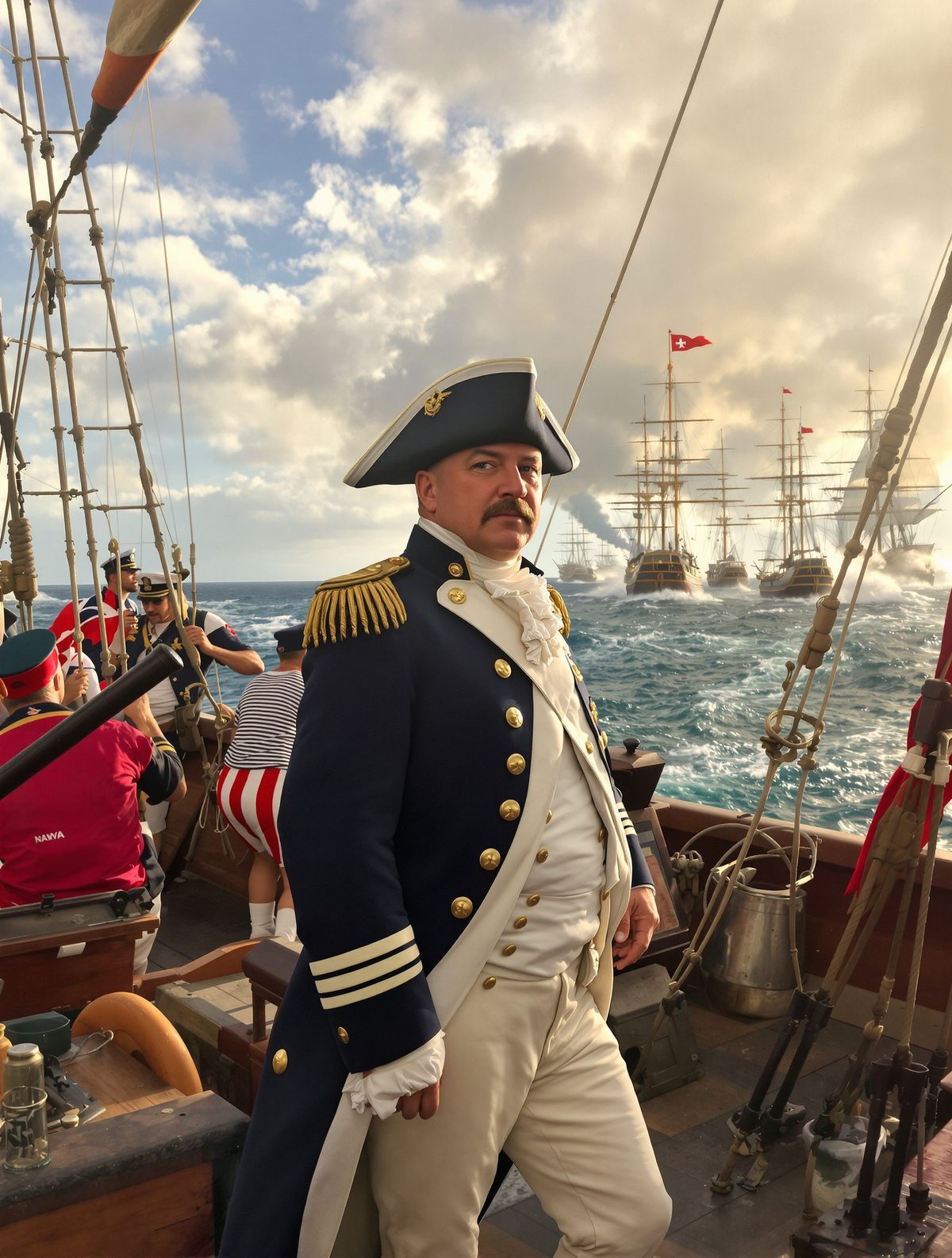
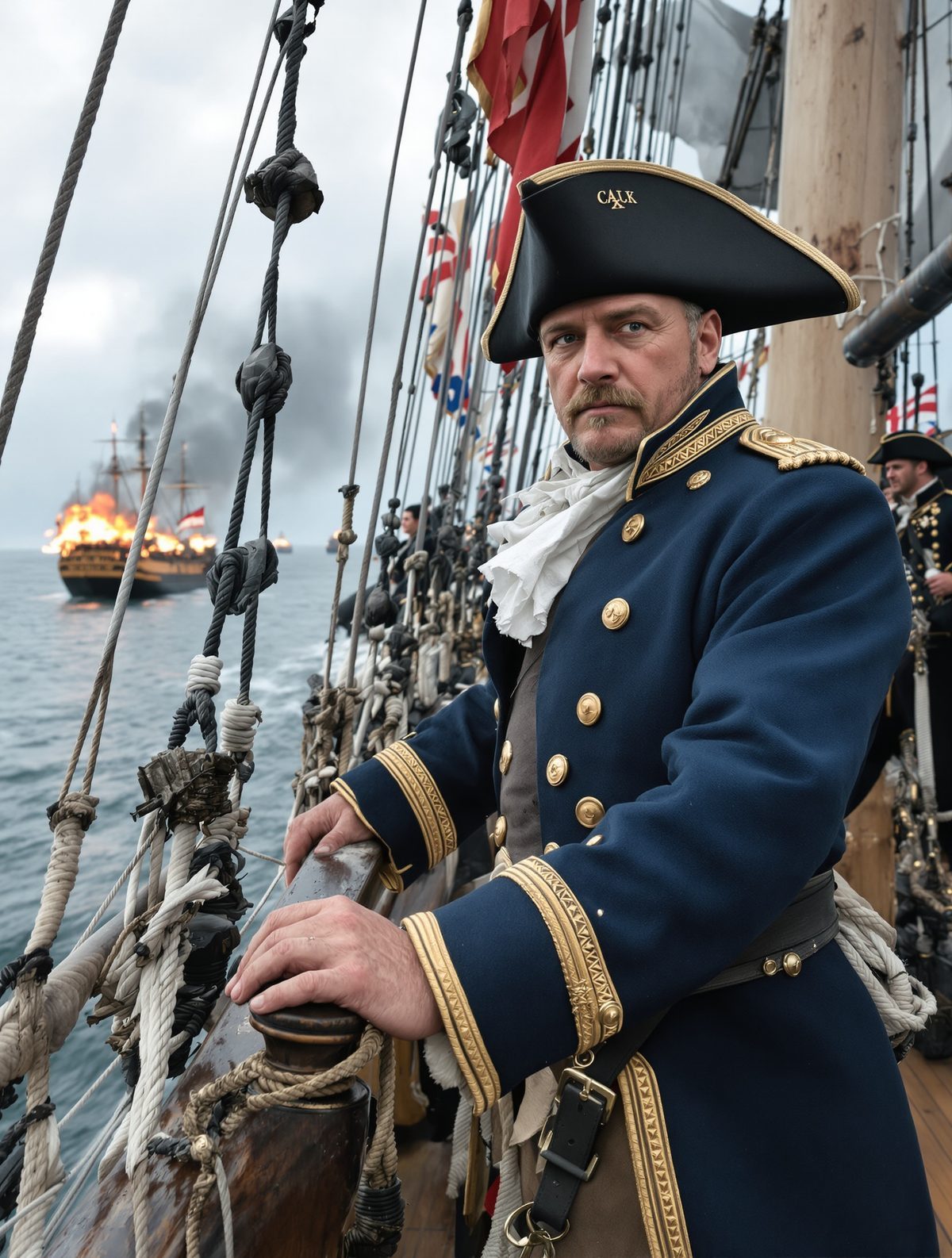
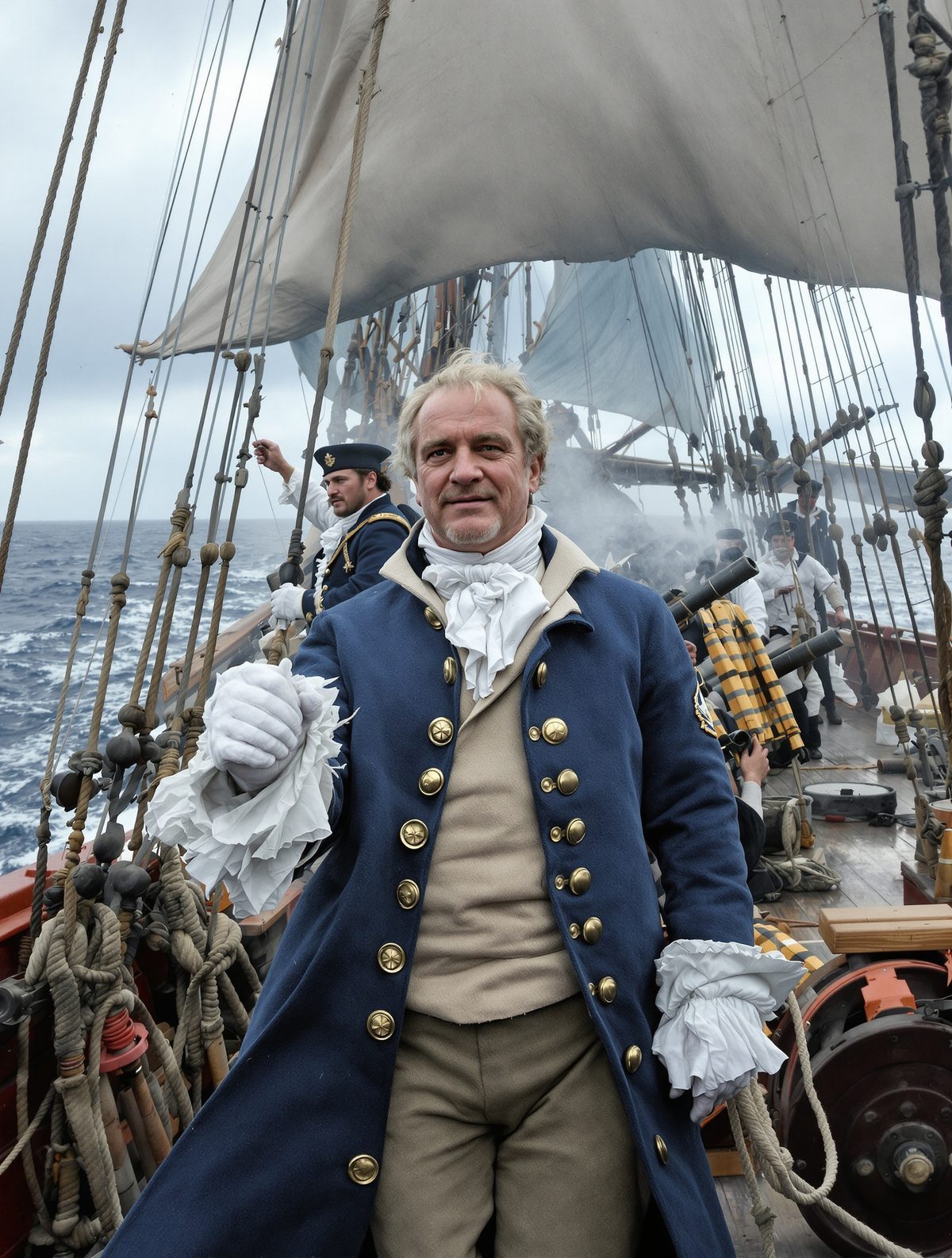
Admiral Rodney's fleet bore down on the French line off Dominica. His flagship broke through their formation. A maneuver no admiral had attempted in 200 years. The victory saved Jamaica and secured British rule of the Caribbean.
In 1835, Thomas Macaulay drafted his famous Minute on Education. One single document changed millions of lives. He created a class of Indians who thought in English. His pen shaped modern India.
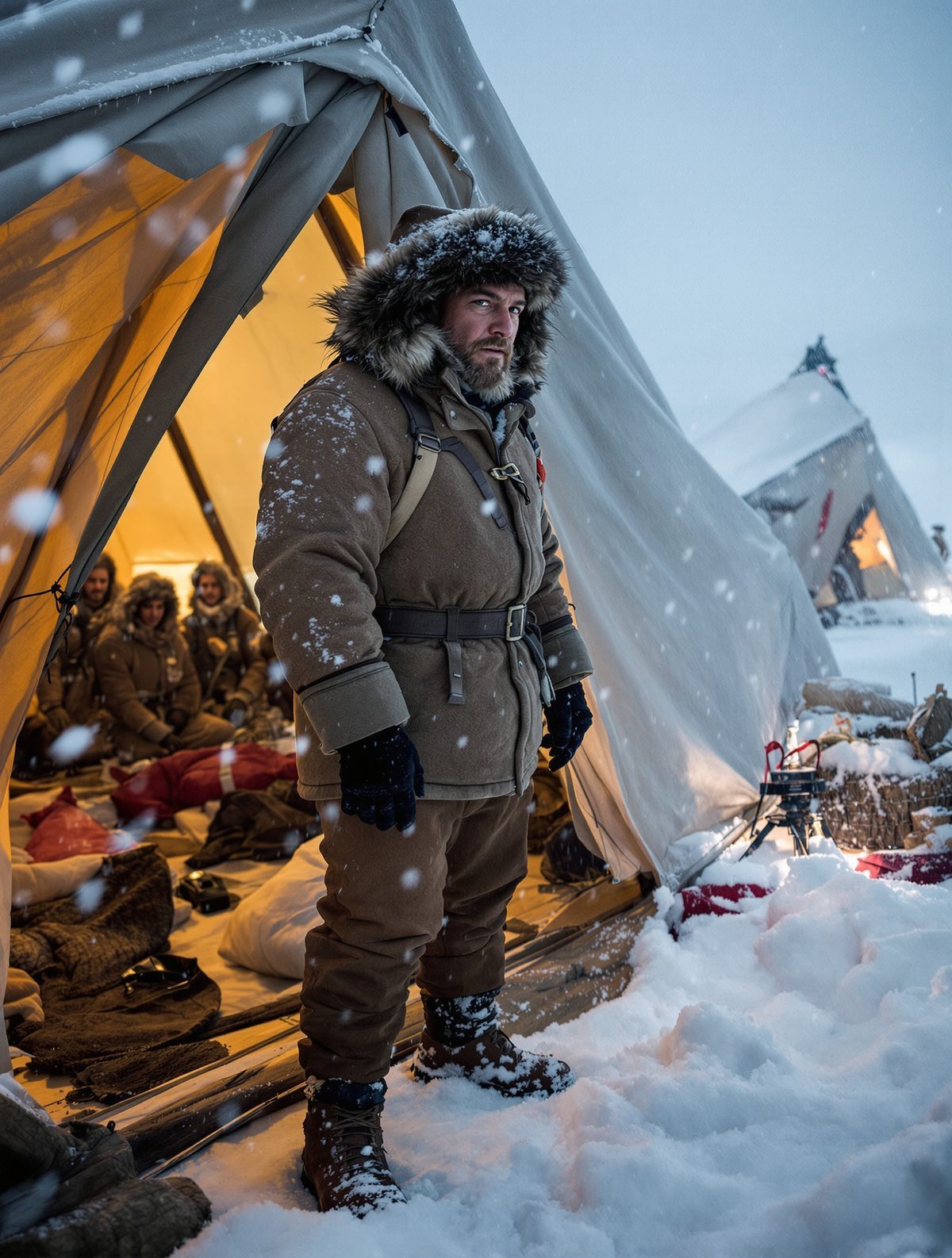
Captain Lawrence Oates walked into a blizzard with frostbitten feet. His last words: 'I am just going outside and may be some time.' He never returned. His sacrifice tried to save his comrades on Scott's doomed Antarctic expedition.
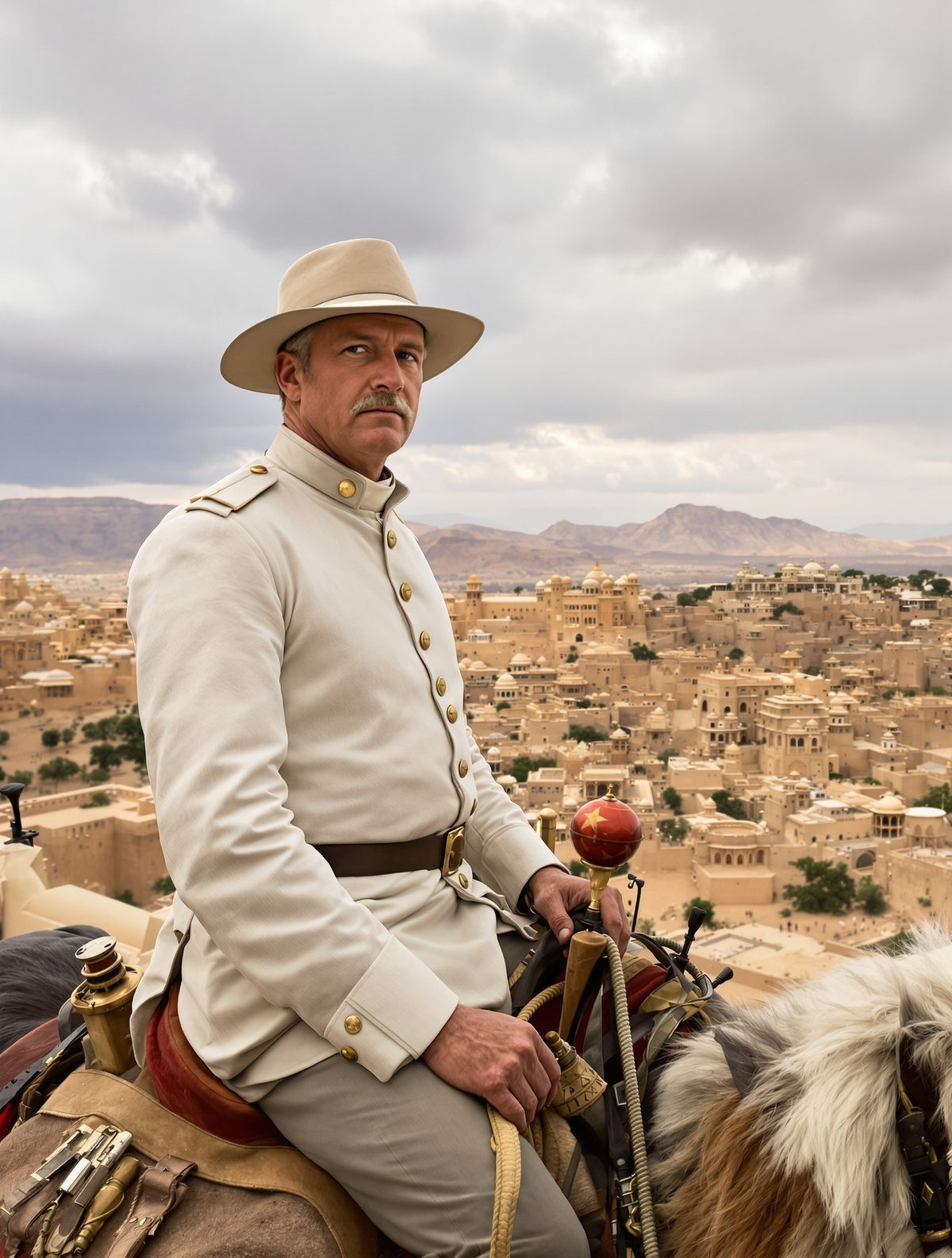
Colonel James Tod rode alone into Rajputana's forbidden kingdoms. The warrior princes had never allowed foreigners to map their lands. Tod spent four years sketching every fort and palace. His surveys became the foundation of modern Rajasthan.
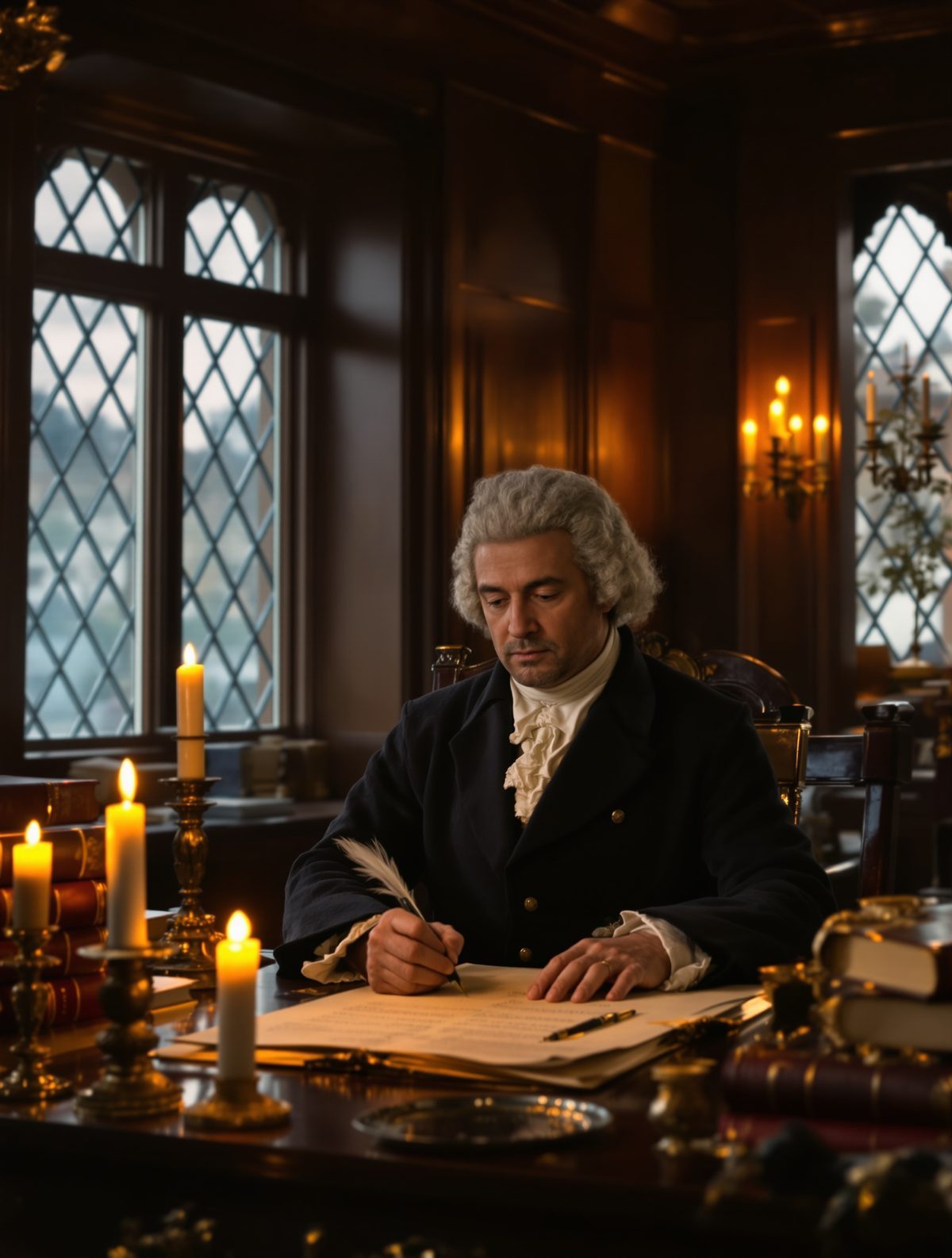
In 1765, Sir William Blackstone wrote four volumes that became Britain's legal bible. His 'Commentaries' crossed every ocean with the Empire. Today, judges in India, Canada, and Australia still quote his exact words in court.
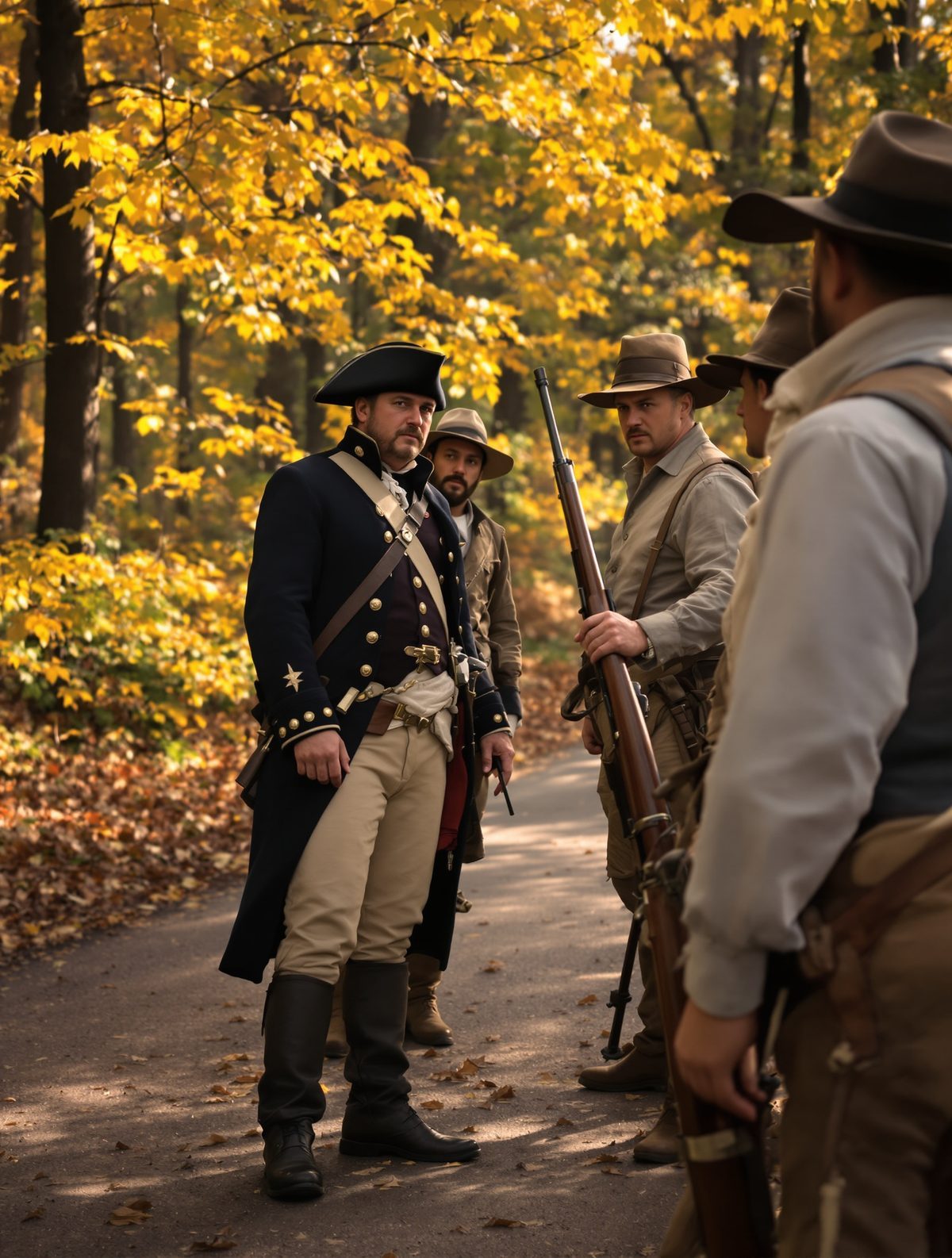
September 1780. Major John André carried Benedict Arnold's treason plans in his boot. American militia stopped him for a routine check. One breakfast note would cost Britain the colonies forever.
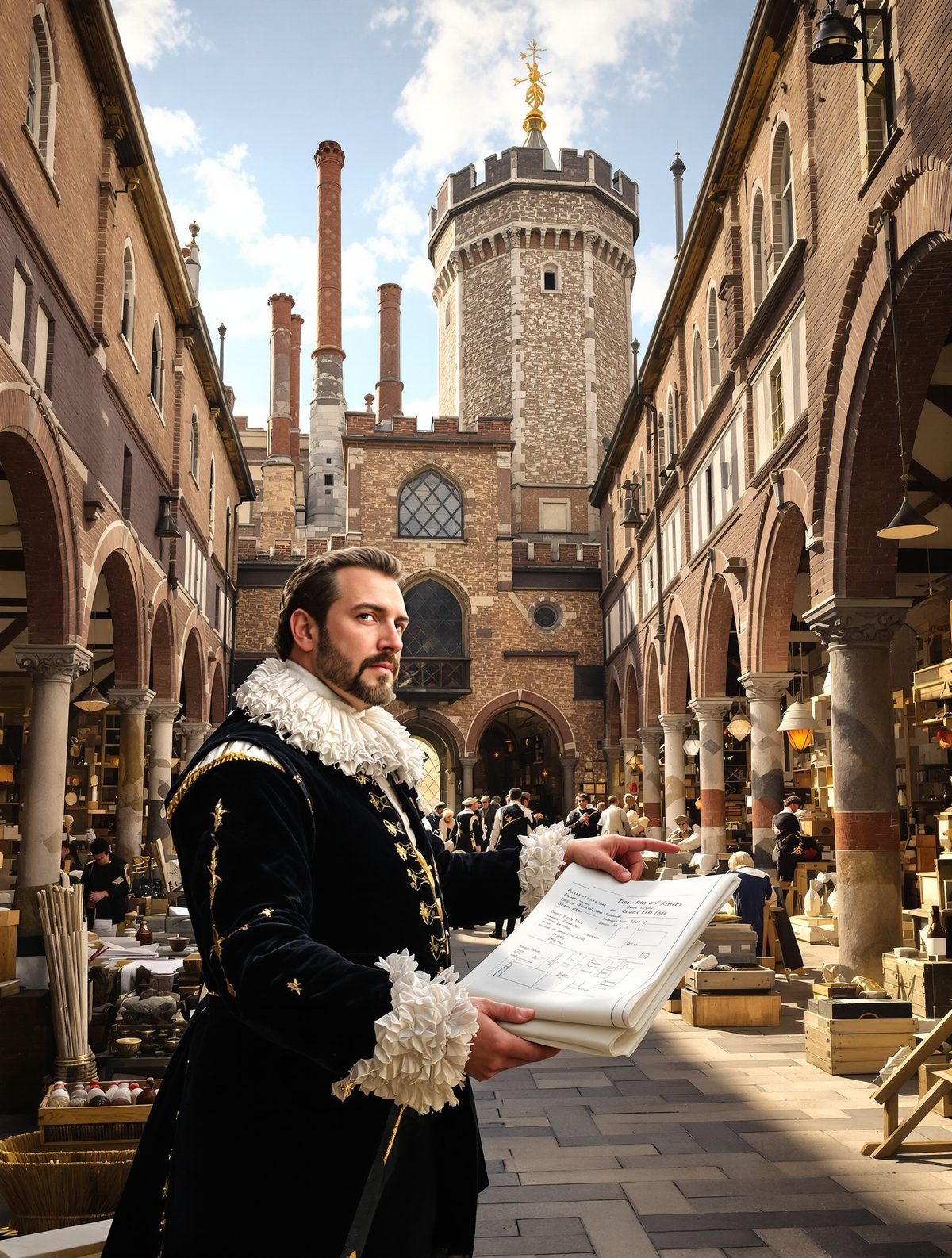
1566. London's merchants traded in rain and mud on Lombard Street. Sir Thomas Gresham spent £3,737 of his own fortune. Built England's first covered exchange. Based it on Antwerp's design. 150 shops under one roof.
1779. Admiral Augustus Keppel faced the hangman's noose for losing a battle. His crime? Refusing to risk his fleet in a hopeless fight. Britain's greatest naval heroes rallied to save him. The verdict would decide the Navy's fate.
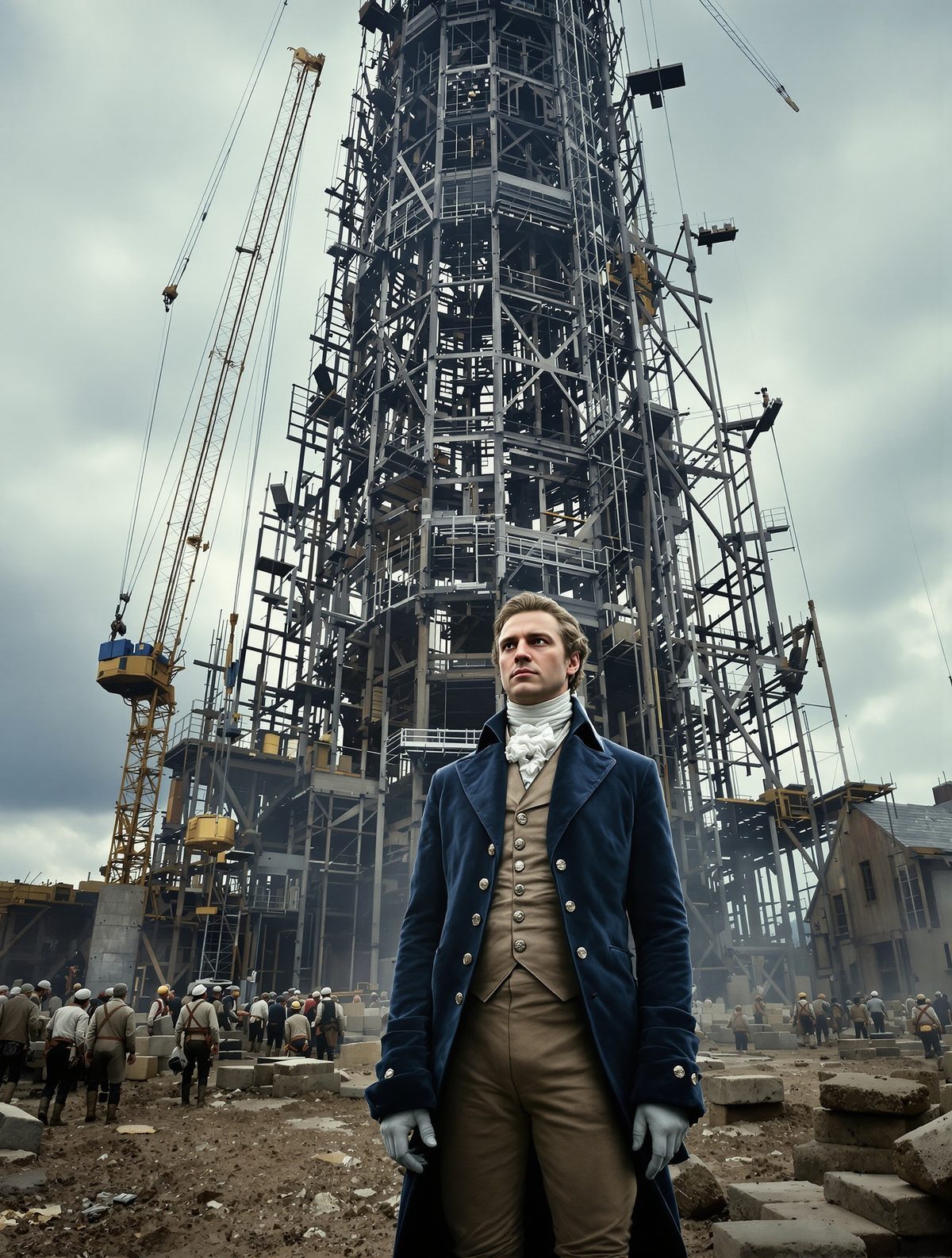
William Beckford inherited £1 million from Jamaica sugar plantations at age 10. He built Fonthill Abbey—a Gothic tower 276 feet tall. It cost £273,000. The tower collapsed in 1825. Britain's richest man died in exile.
Governor Gates returned to find Jamestown's 500 colonists reduced to 60 starving skeletons. They had eaten their horses. Then their dogs. Then leather from their shoes. Gates loaded the survivors onto ships to abandon America forever. Then three English ships appeared on the horizon.
Sir Henry Lawrence lay dying from a cannonball wound. British families huddled in Lucknow's Residency as 60,000 rebels surrounded them. His final order: "Let there be no surrender." His preparations kept them alive for 87 days until relief came.
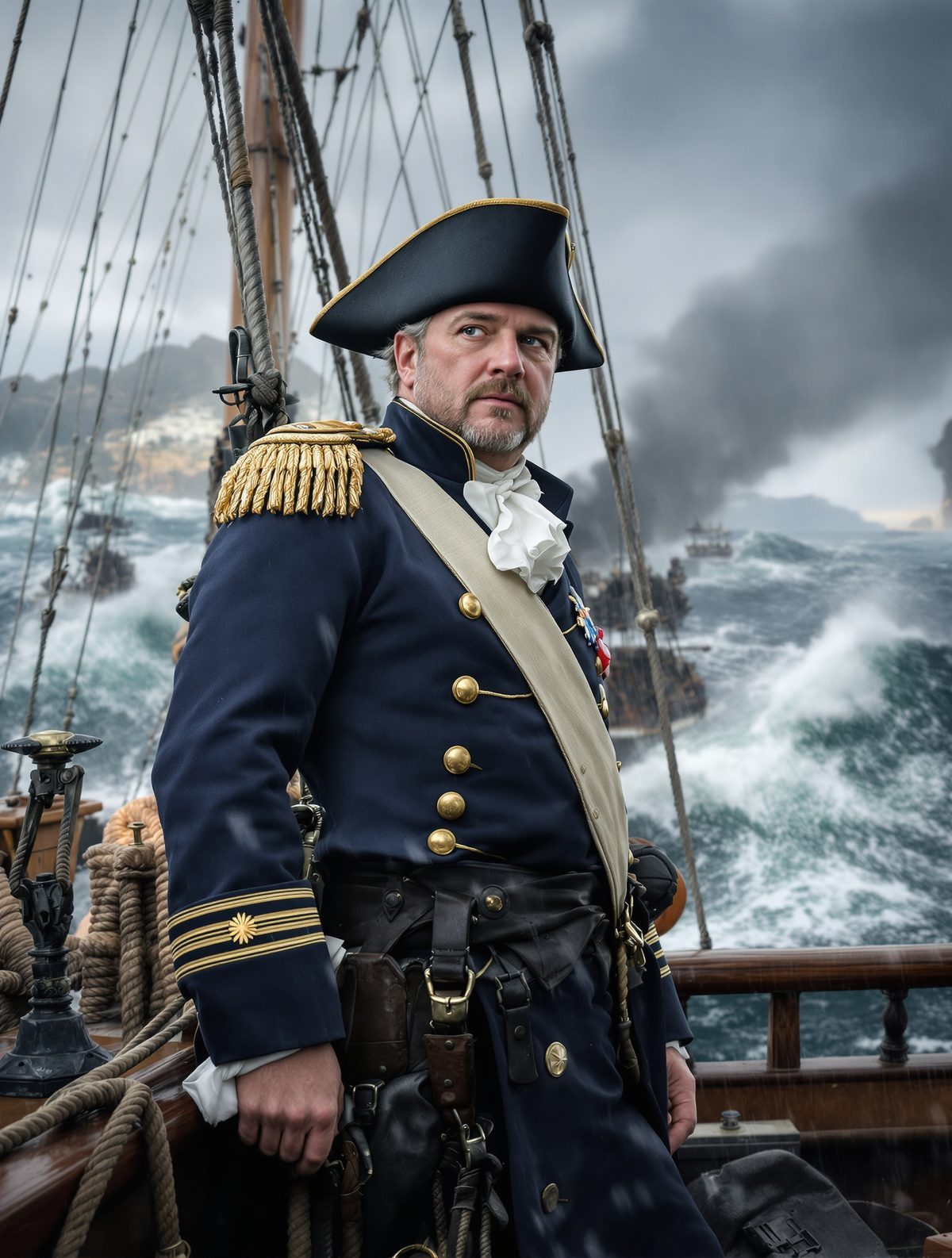
November 1759. French Admiral Conflans sailed 21 warships toward Britain's undefended coast. Admiral Edward Hawke gave chase into Quiberon Bay. A hurricane struck. Hawke pressed his attack through the storm.
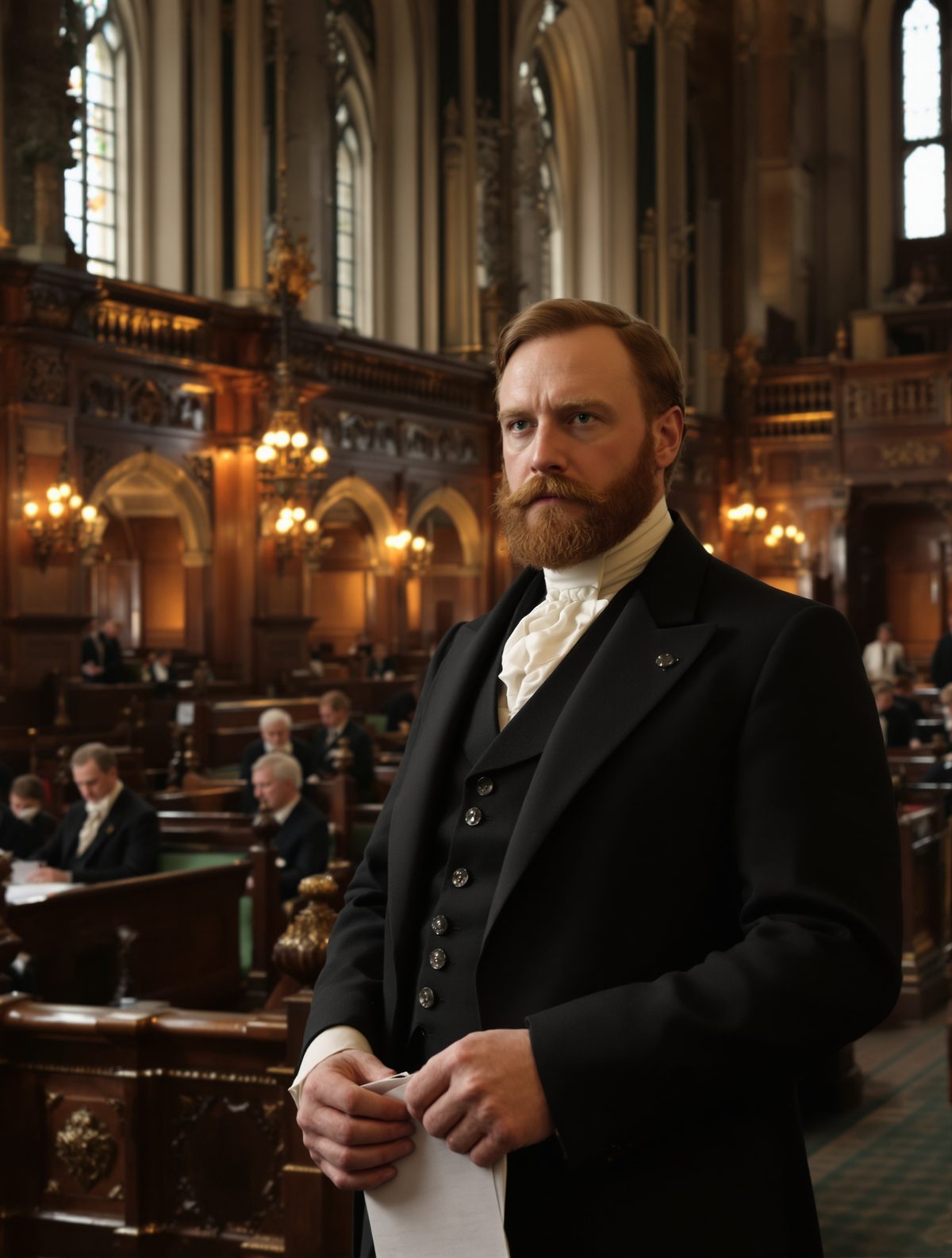
December 1885. The British election results are in. Neither party has a majority. One Irish MP holds the balance of power. Charles Stewart Parnell commands 86 votes. His decision will make or break governments. Home Rule hangs in the balance.
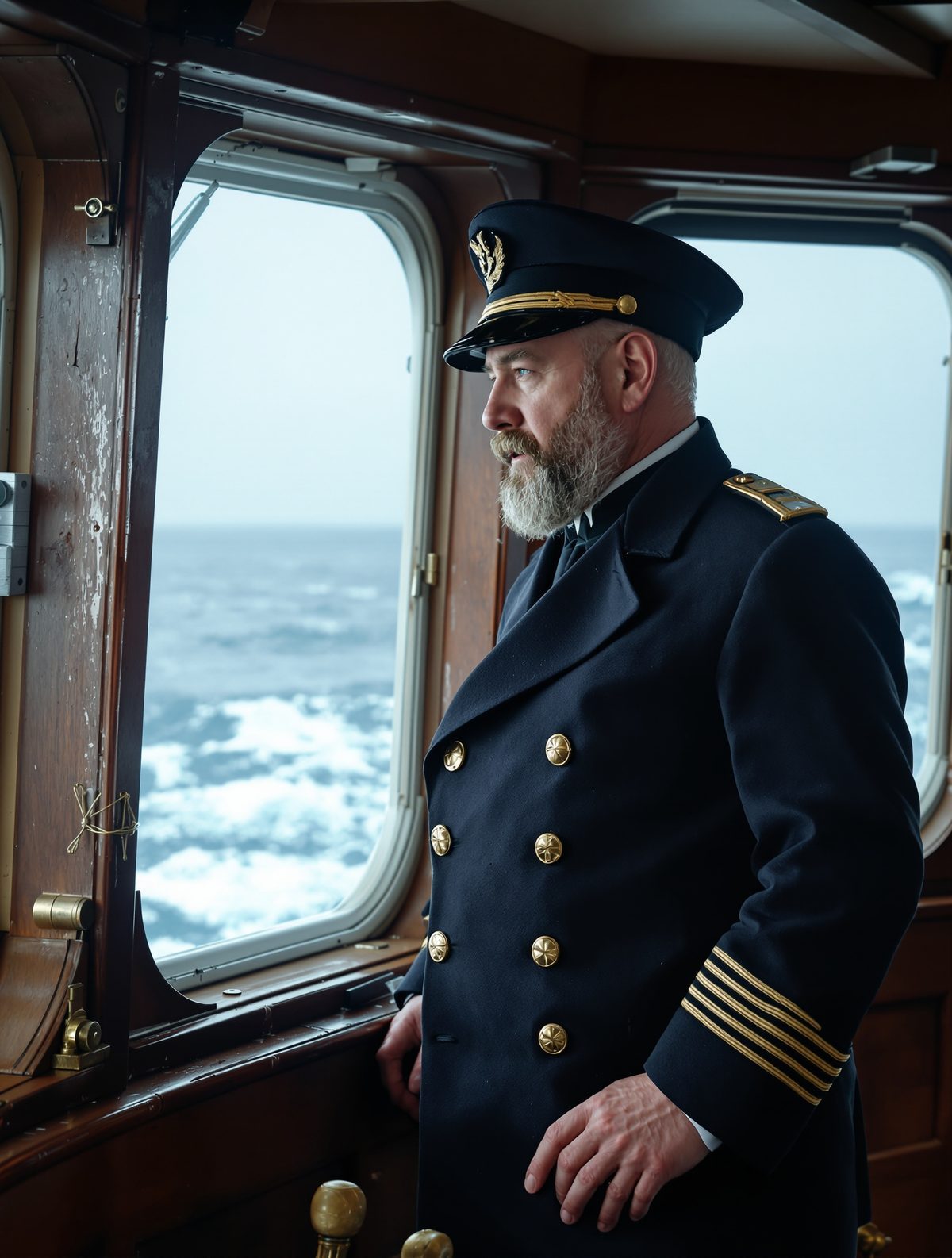
Captain Charles Fryatt commanded civilian steamers across the North Sea. German U-boats hunted his unarmed merchant ships. In 1916, he rammed a submarine to save his passengers. The Germans executed him as a pirate. His sacrifice changed the rules of war forever.
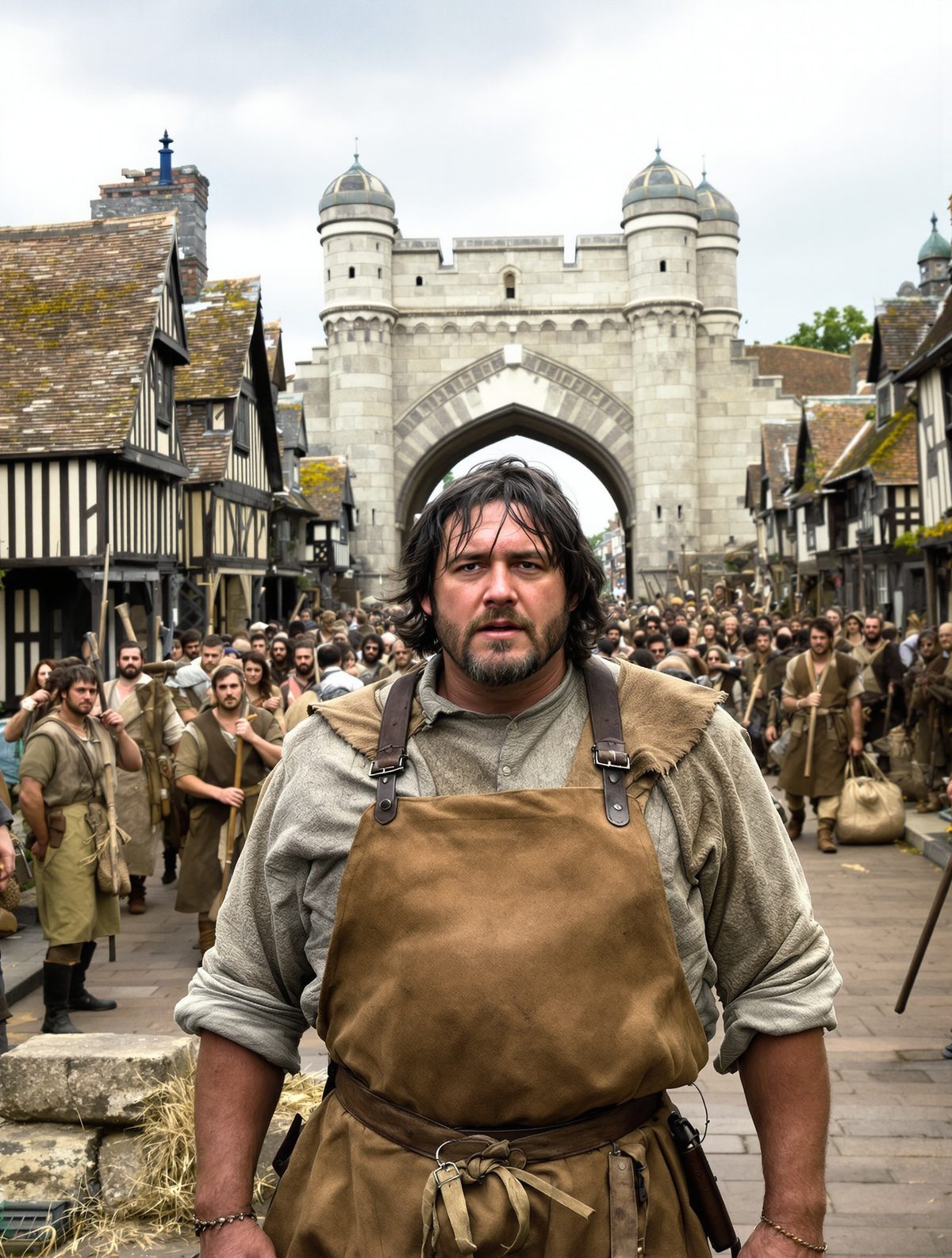
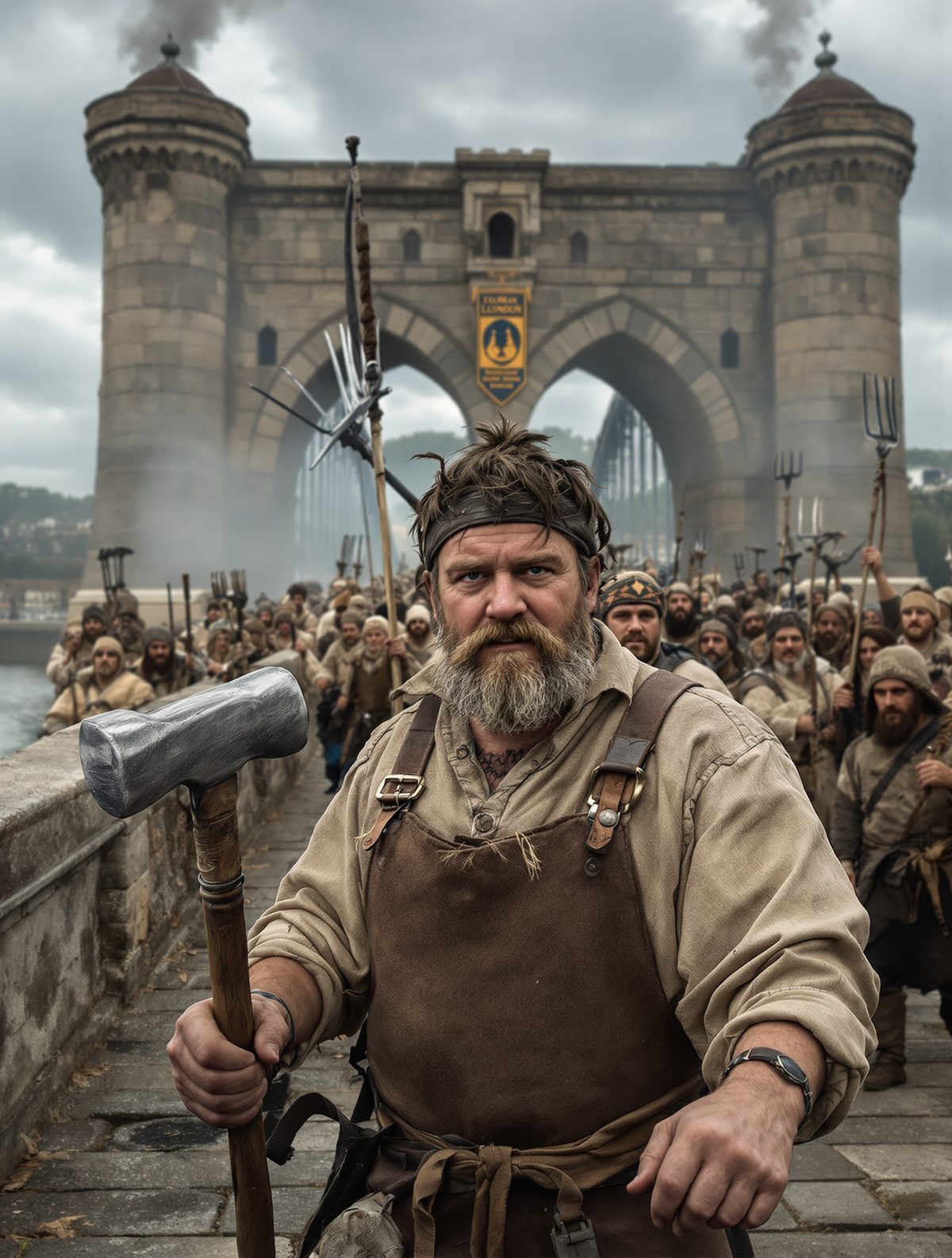
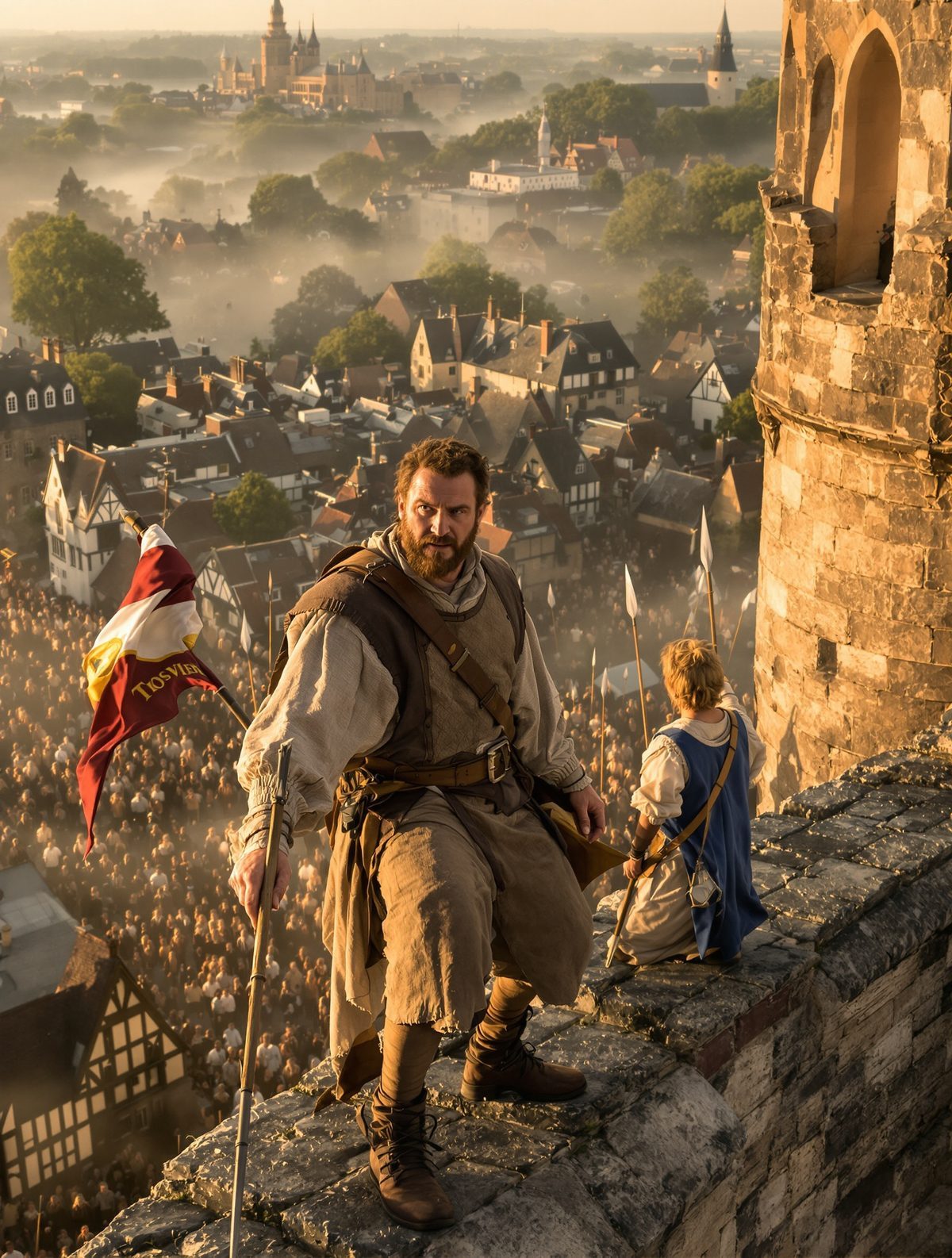
A blacksmith from Kent marched 100,000 peasants to London's gates. They demanded freedom from serfdom. For three days, they controlled the capital of England.
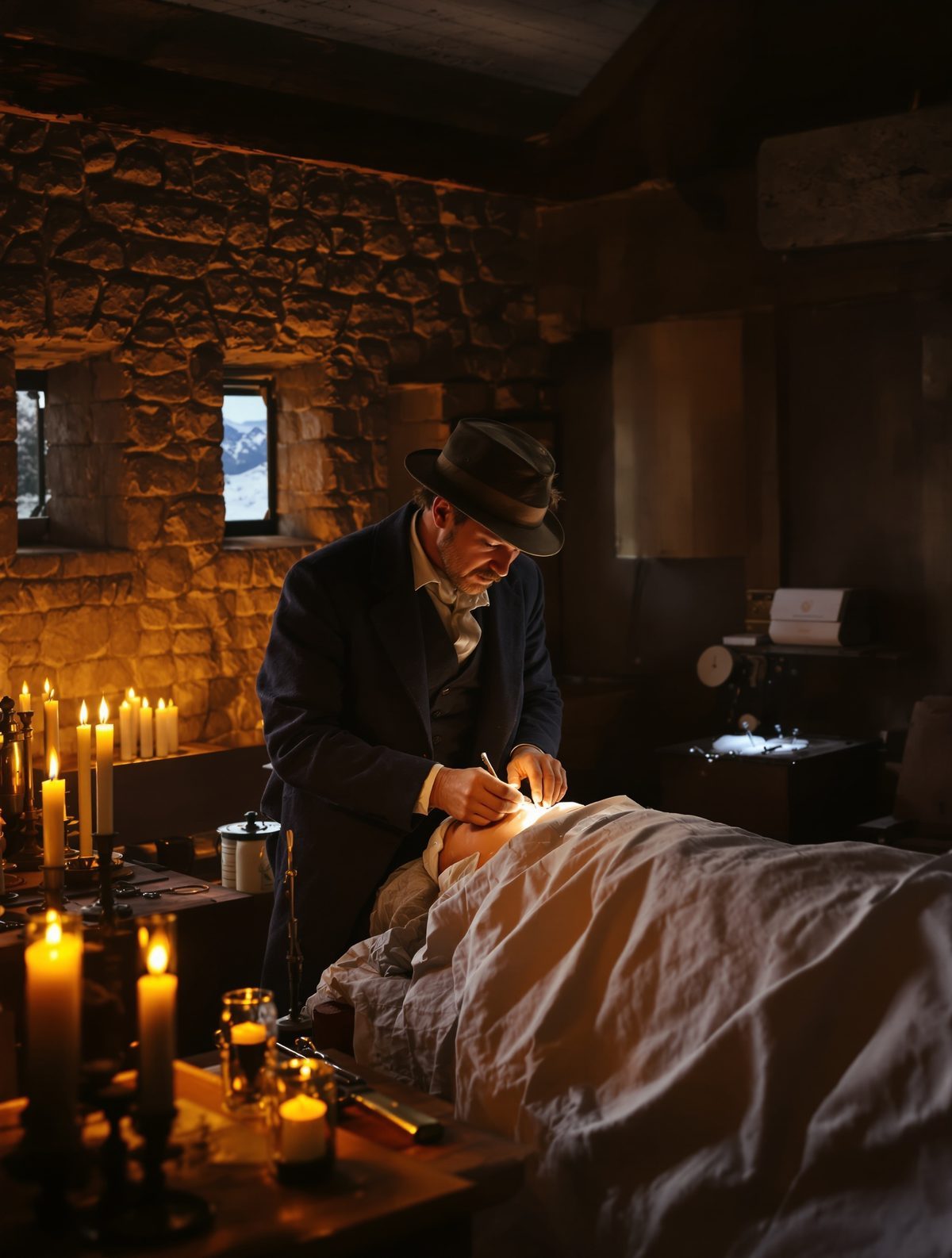
Kashmir 1890s. British missionary doctor Arthur Neve performs cataract surgery by candlelight. His patient: a Tibetan trader blind for years. The operation succeeds. News spreads across the Himalayas. Soon hundreds walk for weeks to reach his mountain hospital.
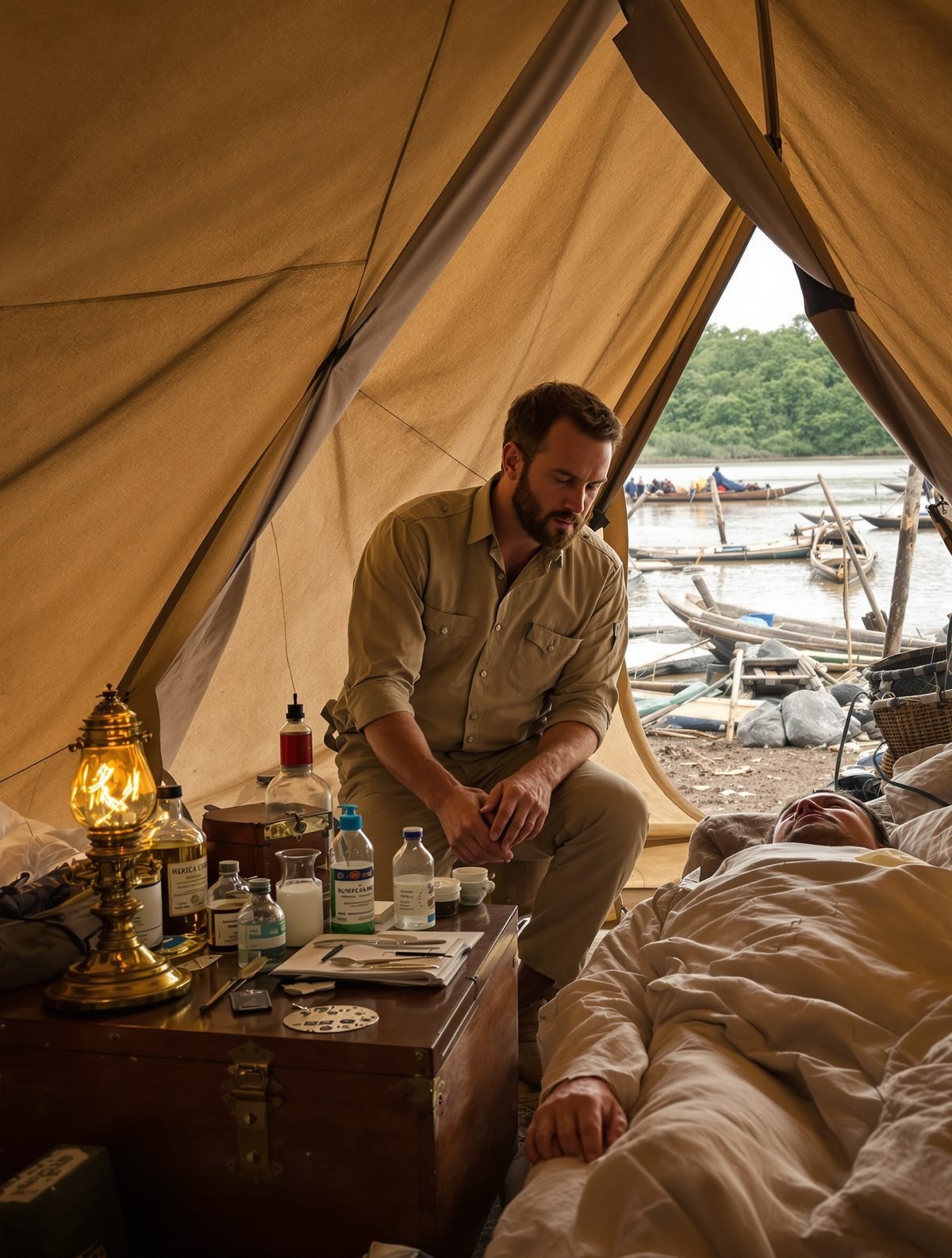
Dr. John Kirk joined Livingstone's Zambezi expedition as botanist. But when malaria struck the crew. Kirk's medical training became their lifeline. He treated 40 cases of fever with his portable pharmacy. Keeping the mission alive through Africa's deadliest season.
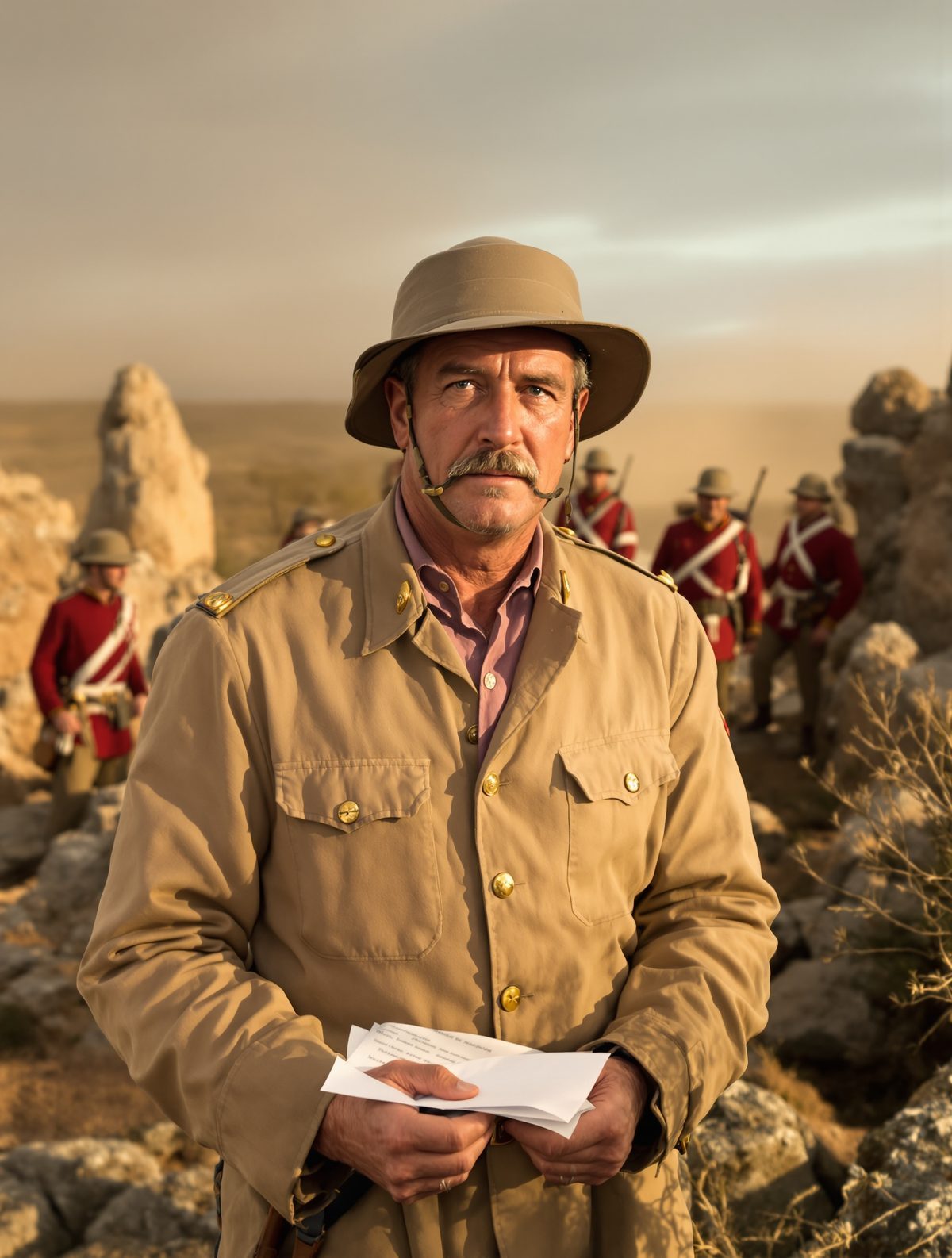
General Colley wired London from Majuba Hill: "Enemy completely defeated." Twenty minutes later. Boer marksmen stormed his position. Colley died with the telegram unsent. His death ended Britain's dream of easy victory in Africa.
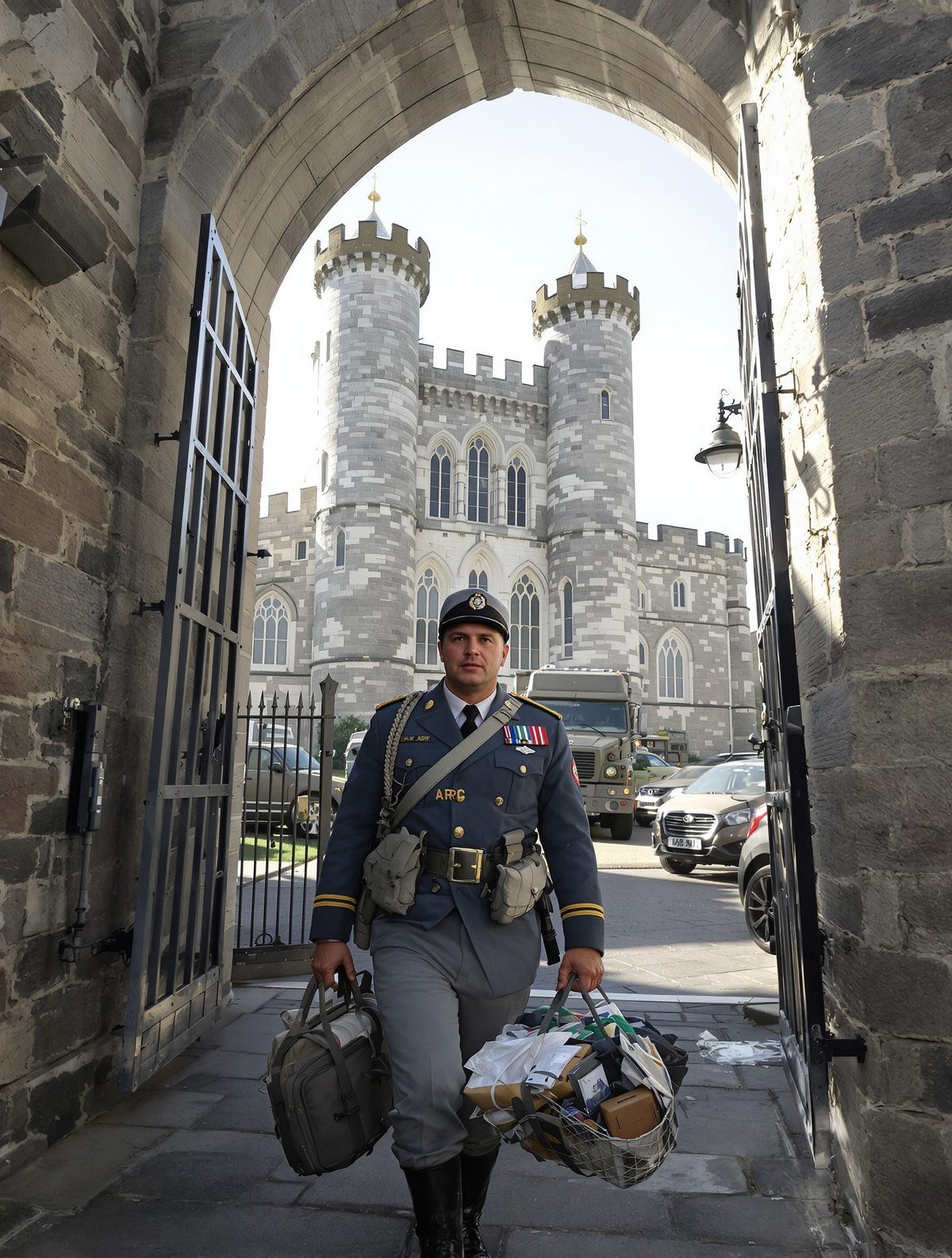
The last British officer locked in Hitler's 'escape-proof' castle walked out through the front gate. The war was over. Colditz had fallen. After three years of tunnels and disguises, freedom came with a simple stroll.
A Kentish blacksmith named Jack Cade raised 40,000 peasants against corrupt nobles. They marched on London. Seized London Bridge. Executed the King's treasurer in Cheapside. For three days, peasants ruled England's greatest city.
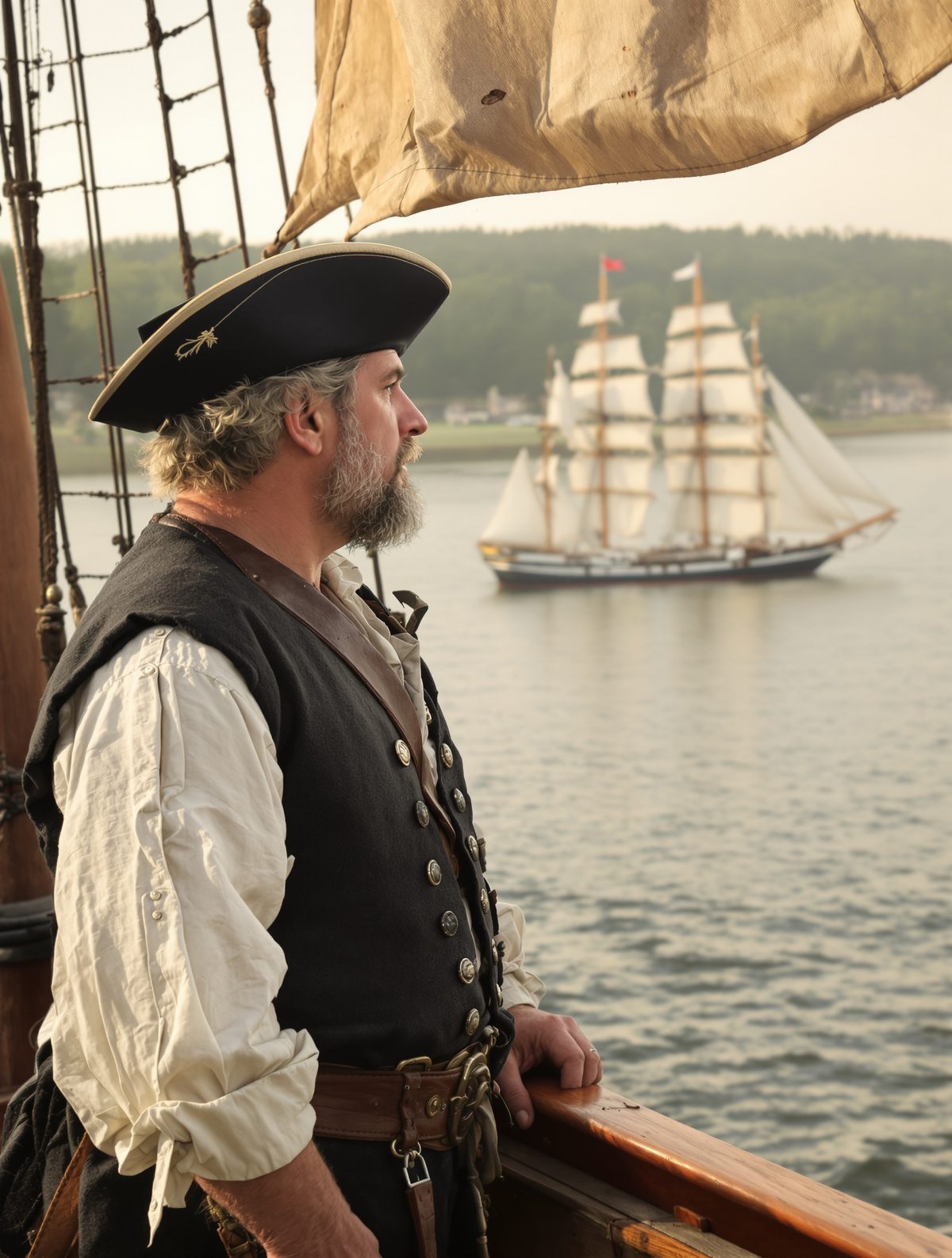
May 1607. Three battered English ships reached Virginia's marshy coast. Captain Newport had sailed 4,000 miles with 104 colonists. Half would be dead within months. But Jamestown would survive to become England's first foothold in America.
Captain Edward Riou watched Nelson's signal flags through the smoke of Copenhagen. 'Leave off action' fluttered from the flagship. But Danish guns still thundered. Riou chose duty over survival. His frigates stayed to shield the fleet's retreat.
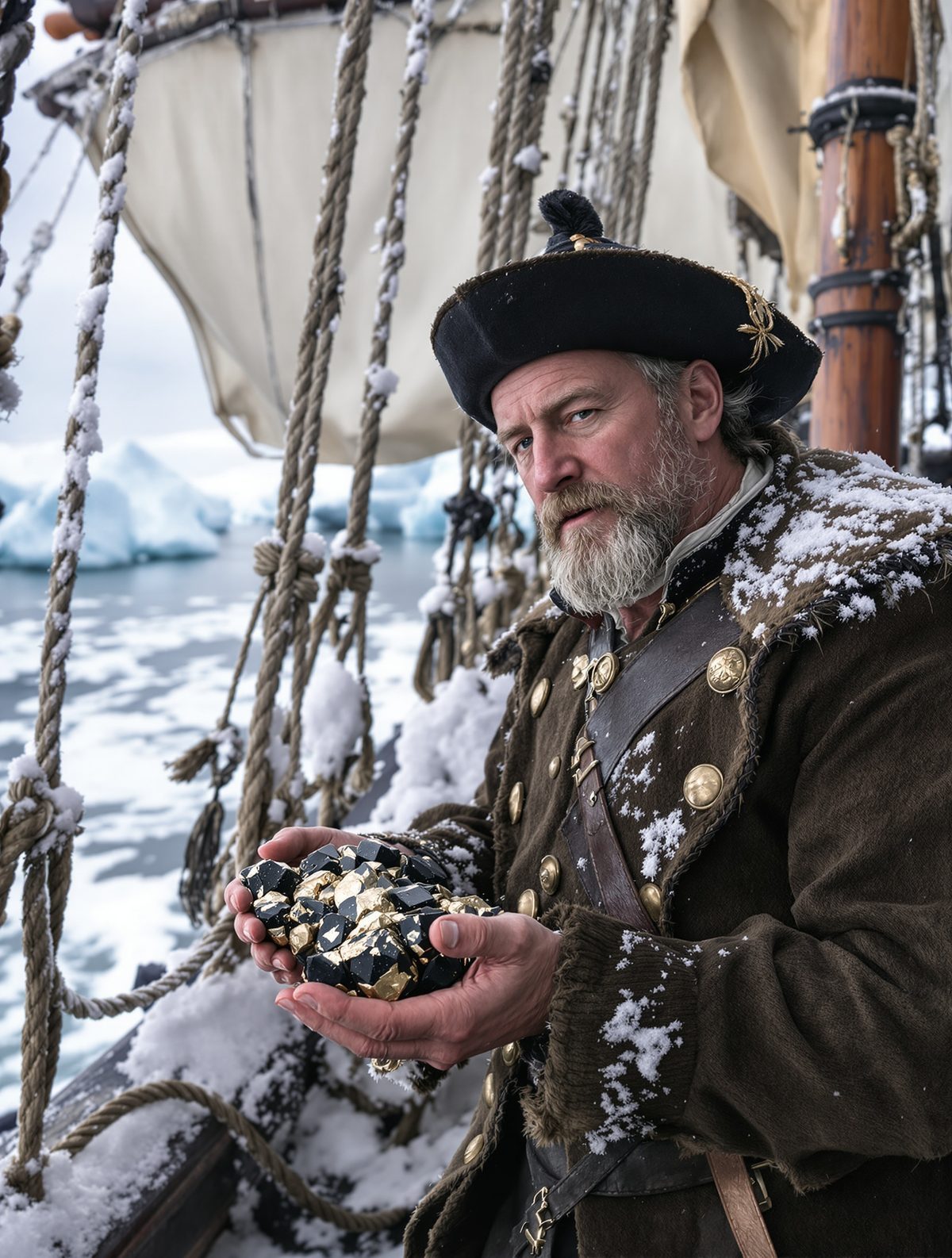
Frobisher returned from Baffin Island with 200 tons of black rock. Queen Elizabeth's assayers declared it gold. Three expeditions followed. The ore was worthless iron pyrite. England's first gold rush was built on fool's gold.
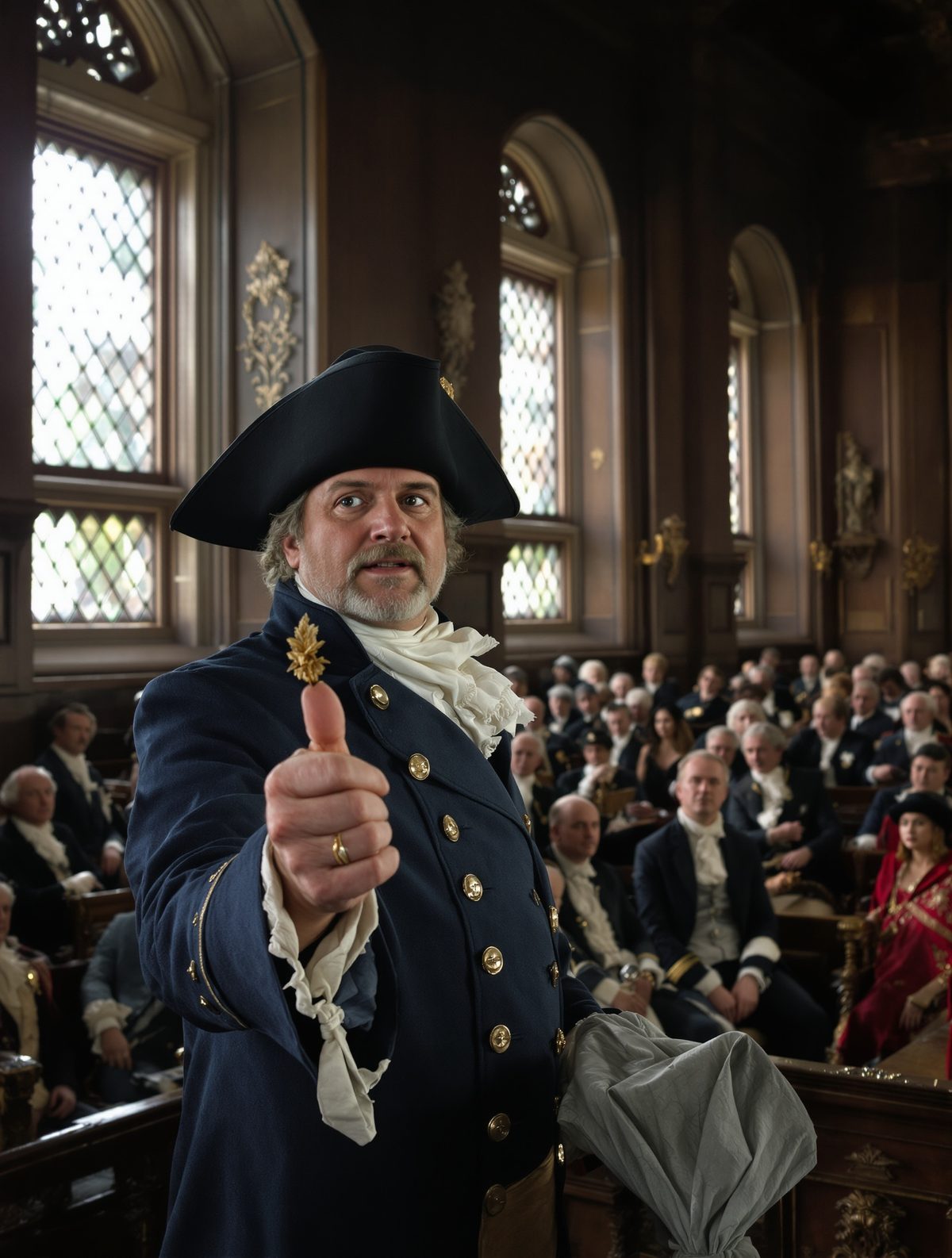
Spanish coastguards boarded Jenkins' merchant ship in 1731. They accused him of smuggling. Cut off his ear with a cutlass. Seven years later he showed the severed ear to Parliament. Britain declared war on Spain the next day.
Major William Sleeman discovered that thousands of travellers vanished each year on India's roads. The killers were Thugs — ritual murderers who strangled victims for the goddess Kali. Sleeman infiltrated their secret society. He turned Thug against Thug with pardons and promises. In seven years he captured 3,000 Thugs and ended 600 years of ritual murder.
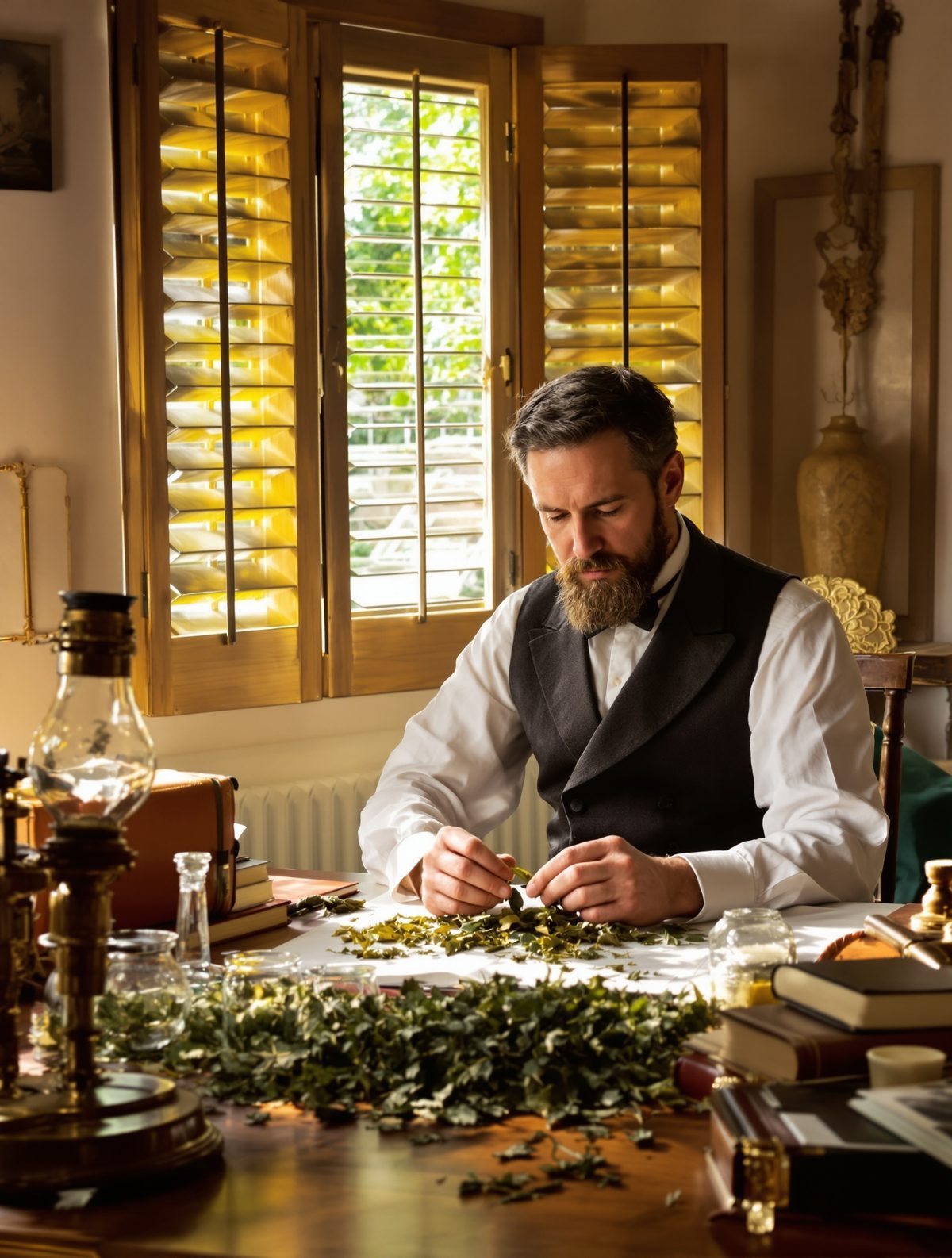
Young Irish doctor arrives in Calcutta. Tests forbidden cannabis on himself. Discovers miracle painkiller. Returns to London with wonder drug. Changes medicine forever.
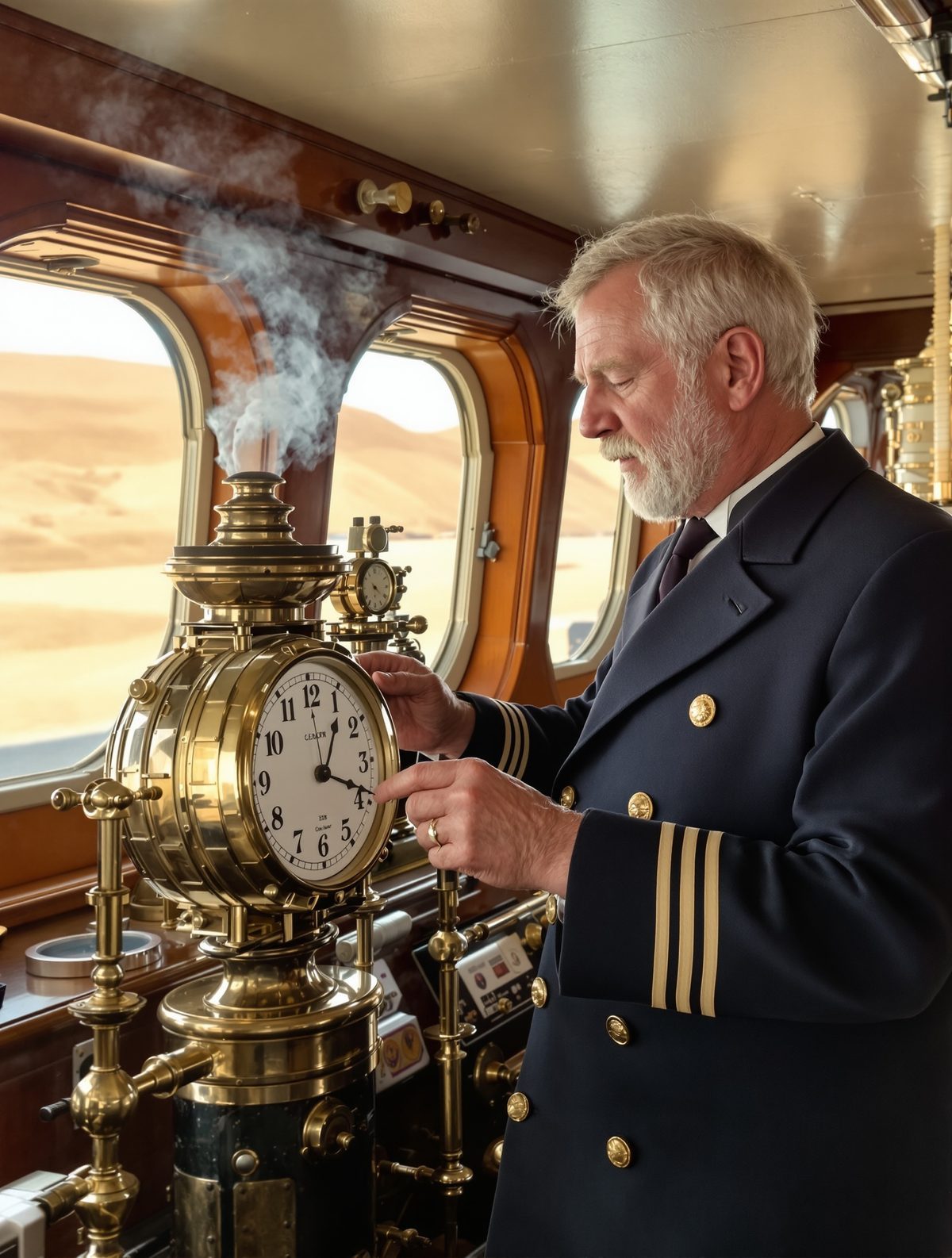
The world ran on local time until 1884. Ships arriving at Suez needed one clock. Trains crossing India needed another. When the Royal Observatory's time was chosen as the global standard, Greenwich's clocks suddenly controlled every railway, ship, and telegraph on Earth.
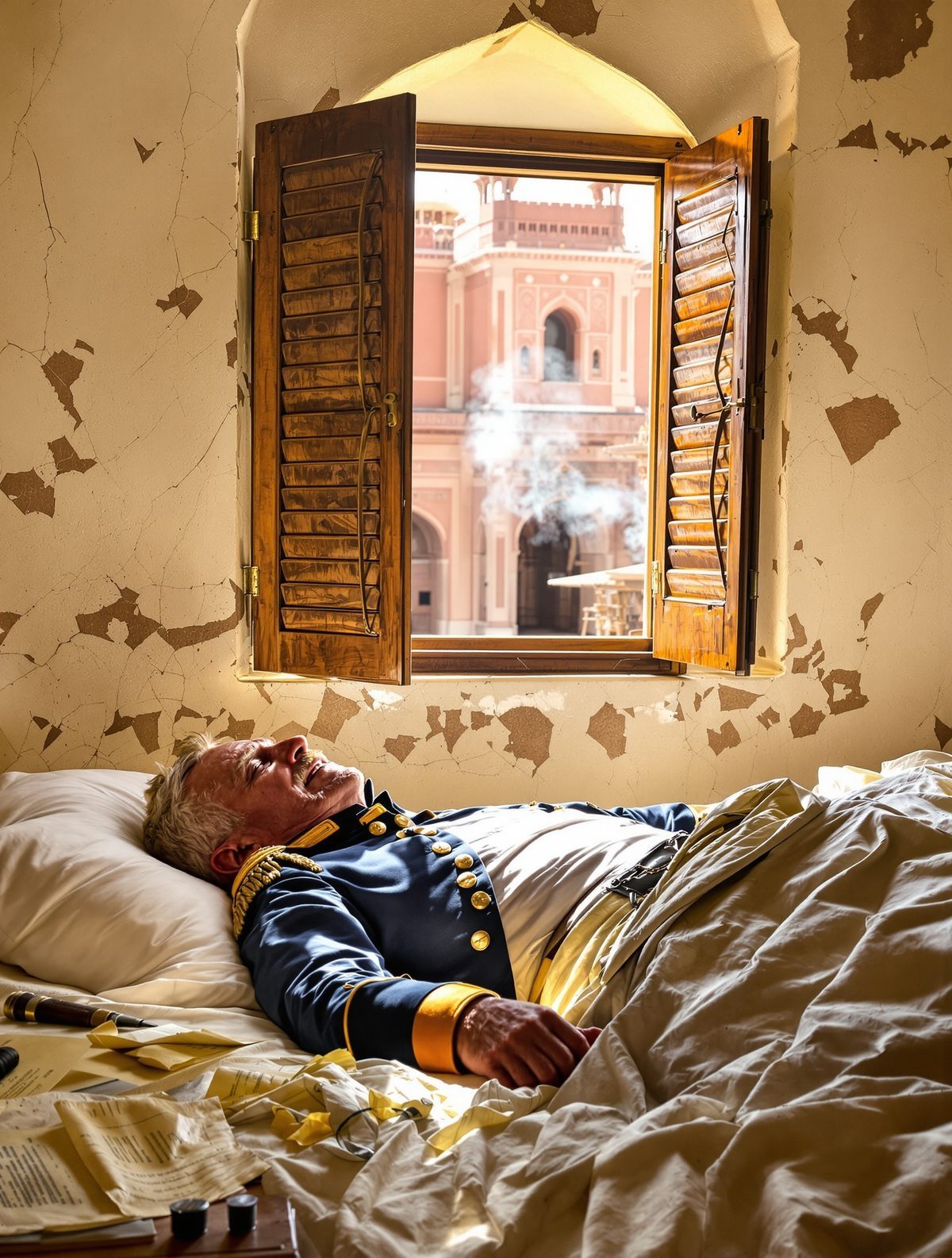
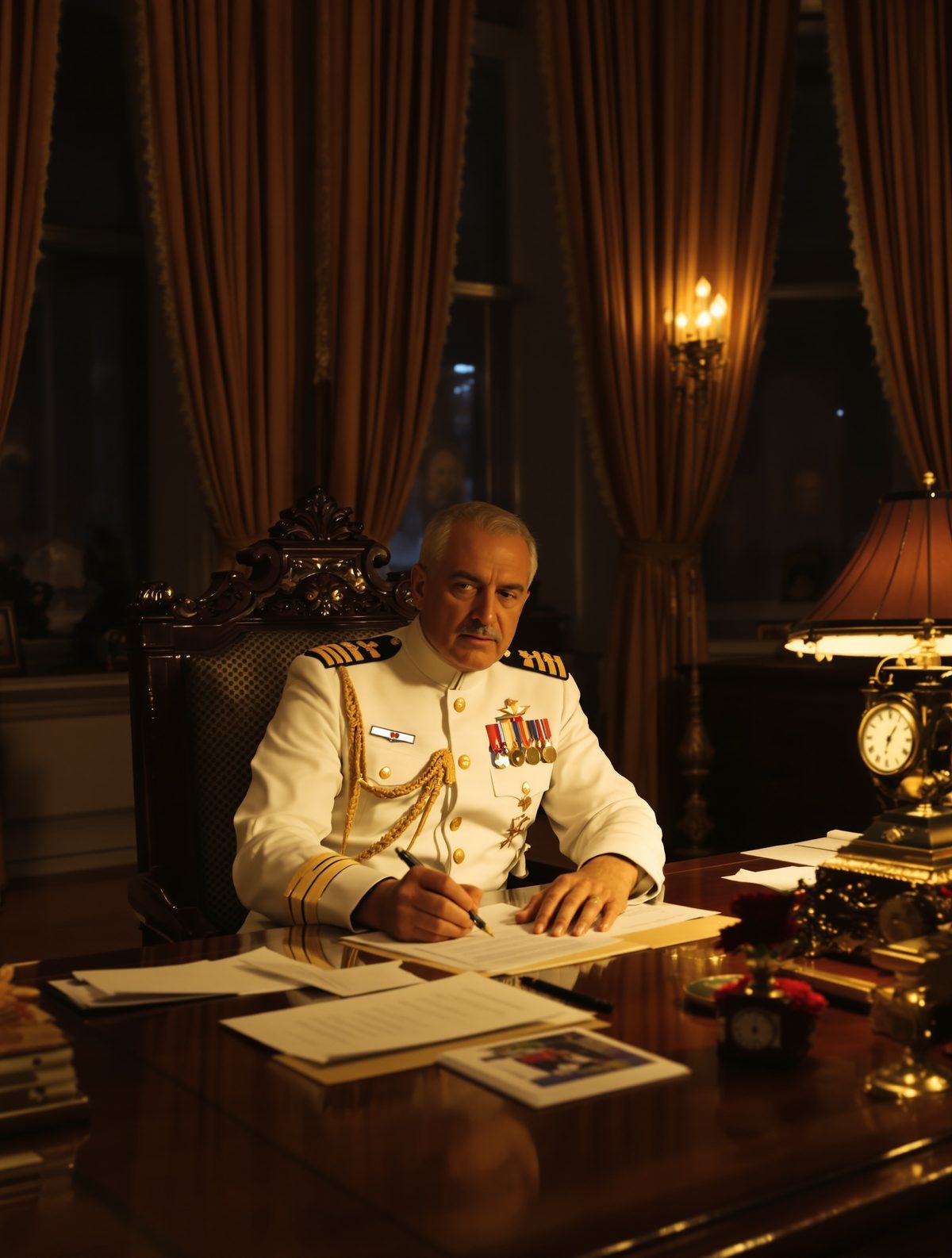
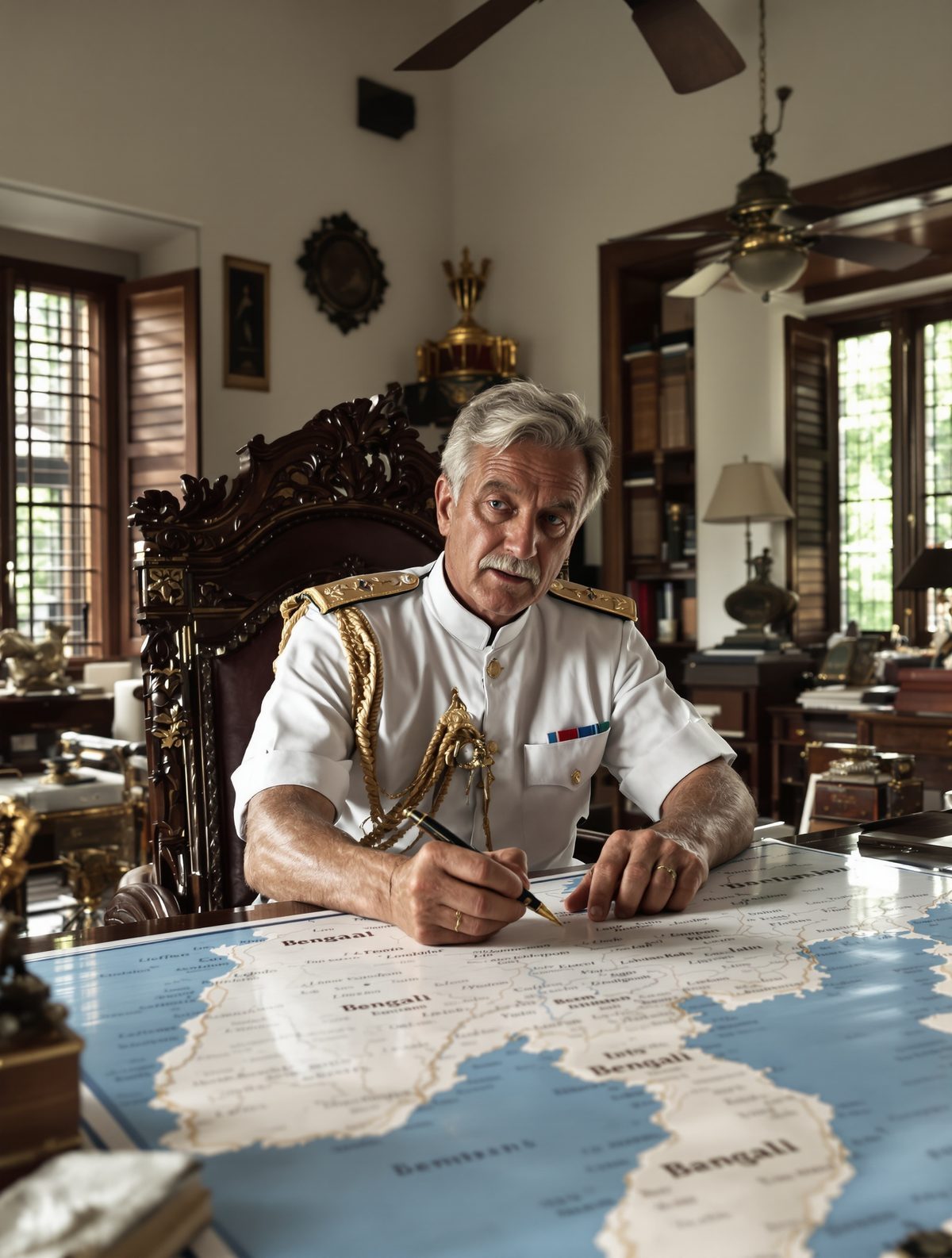
August 14th, 1947. Government House, New Delhi. Admiral Mountbatten sits alone at his desk as the clock strikes midnight. With one signature, he dissolves the British Raj forever. 400 million people wake up as citizens of India and Pakistan.
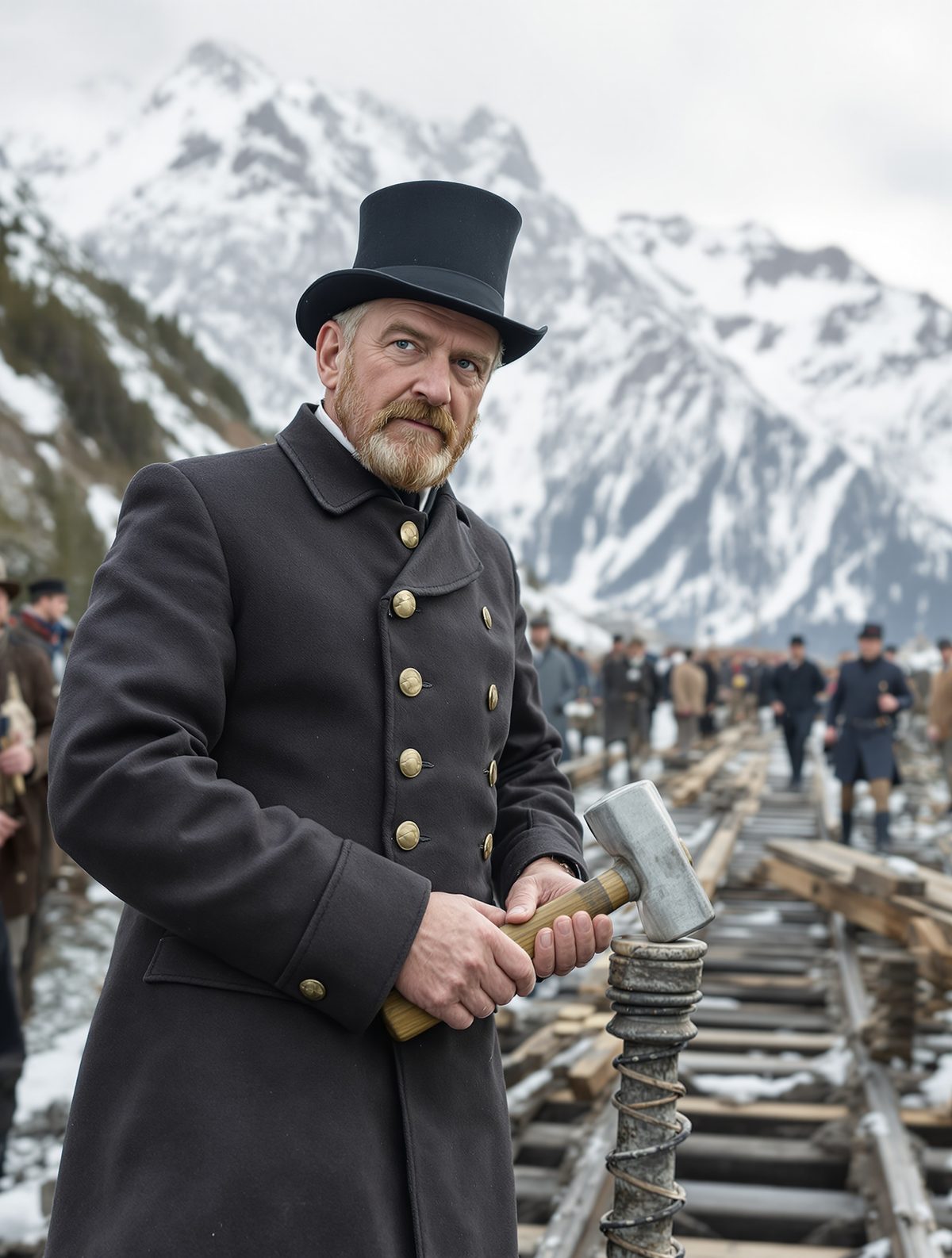
The last spike of the Canadian Pacific Railway was driven at Craigellachie on November 7, 1885. Donald Smith's hammer blow connected Atlantic to Pacific. A nation spanning 4,000 miles became one country.
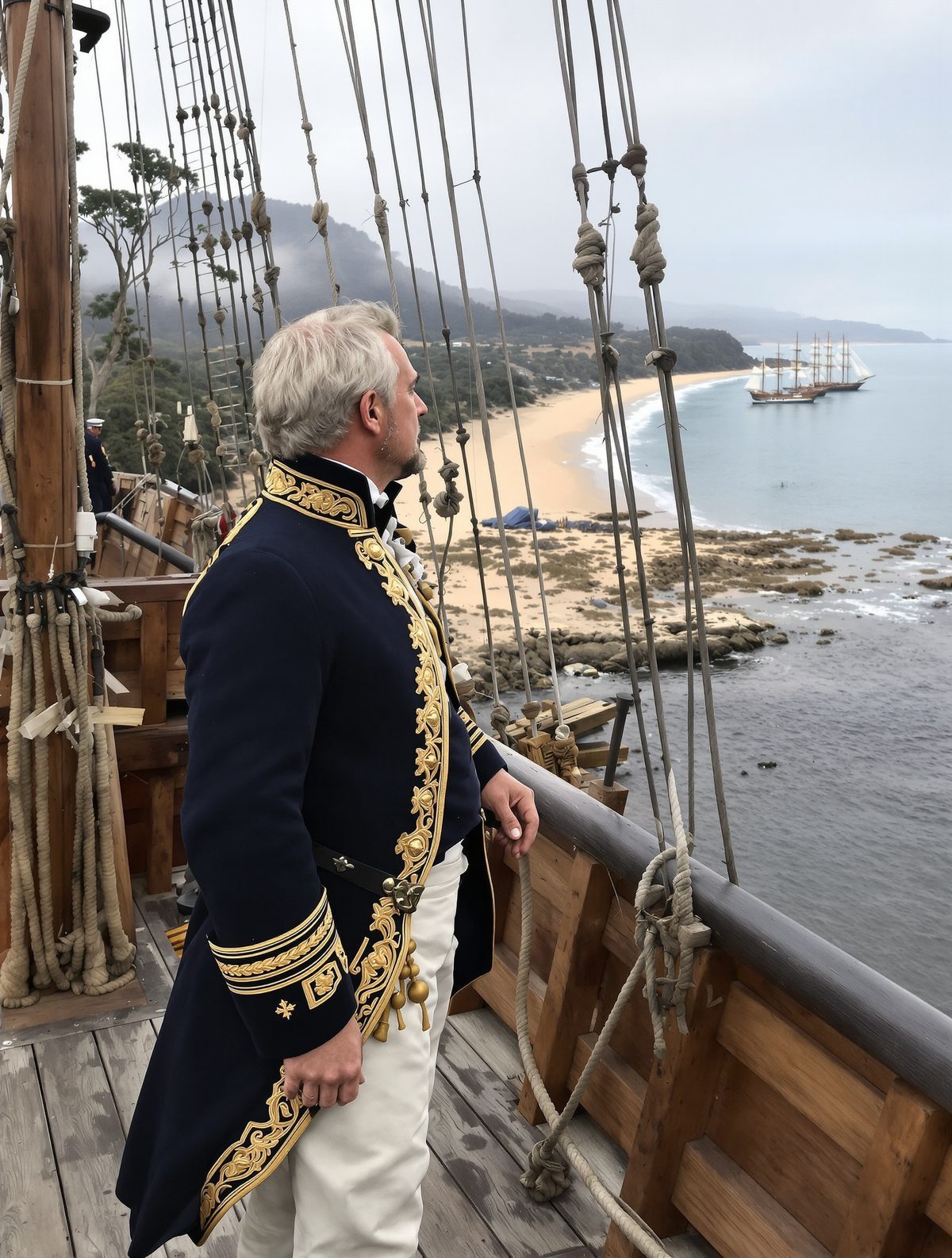
Captain Arthur Phillip stared at the barren shore of Botany Bay. His 11 ships carried 1,400 souls to the edge of the world. The land was worthless. In eight days he found paradise 12 miles north. Sydney was born.
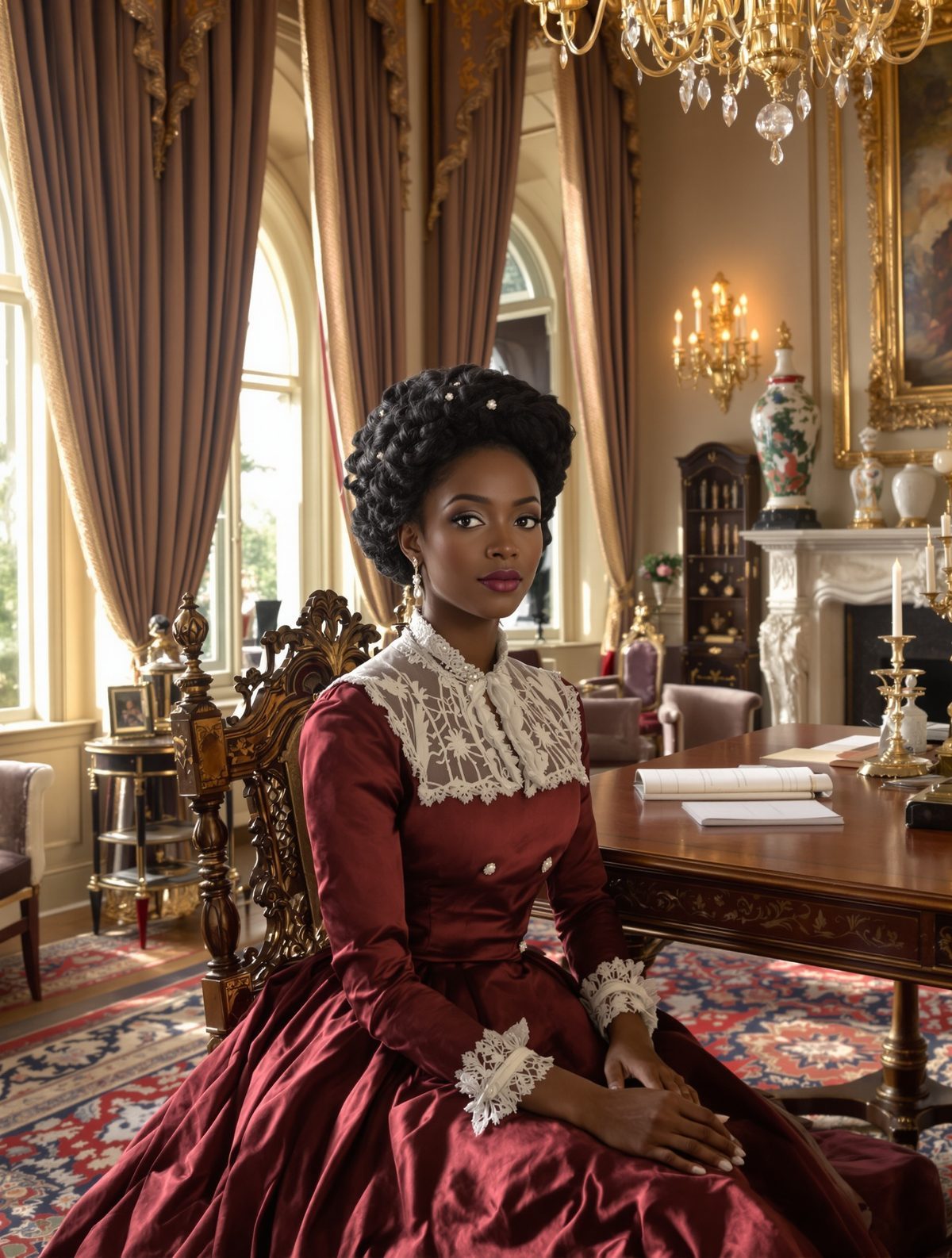
An African girl saved from slavery became Queen Victoria's goddaughter. She learned piano. Spoke perfect English. Dined at Windsor Castle. Victorian England's most extraordinary success story.
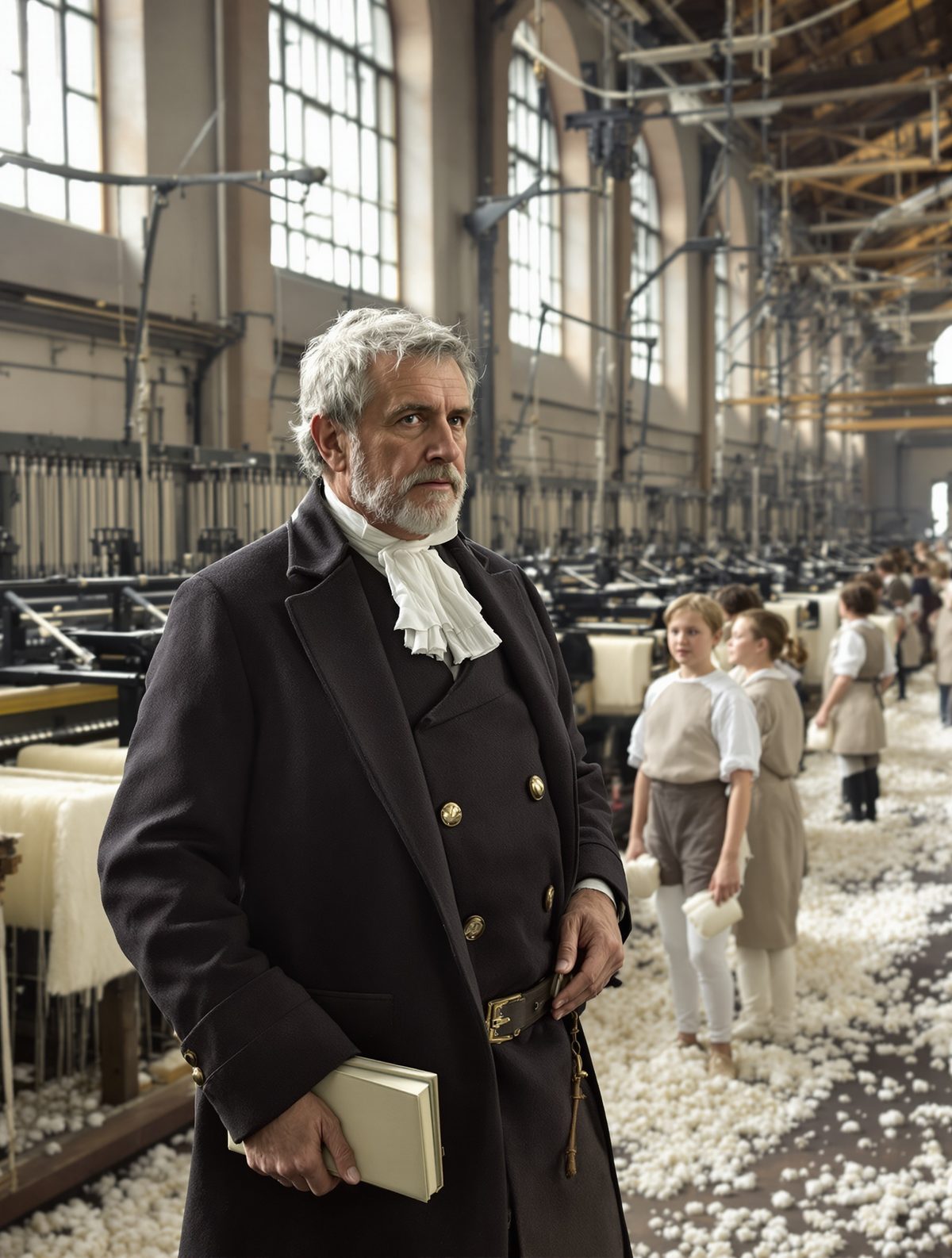
Samuel Greg hired 100 pauper children to work his spinning machines at Quarry Bank Mill in 1784. He built them a school. Gave them three meals daily. Created Britain's first industrial village. His cotton empire employed 2,000 workers by 1820.
Sir John Malcolm rode alone from Bombay to Tehran. No British envoy had survived the journey in 30 years. Persian bandits controlled every mountain pass. Malcolm carried £50,000 in gold and Britain's future in the East.
June 1770. HMS Endeavour strikes the Great Barrier Reef at full sail. Water pours through a gaping hole. Cook's crew throws 50 tons overboard. Six cannons. Barrels of food. Everything but hope.
August 1947. The last Viceroy sits alone in his study. One line on the map will split Bengal forever. Millions will flee their homes. But India must be free by midnight.
Major Herbert Edwardes faced 18,000 Sikh rebels at Multan with just 1,200 troops. He divided his tiny force into three columns. His audacious flanking maneuver convinced the enemy they faced a vast army. Victory secured the Punjab for Britain.
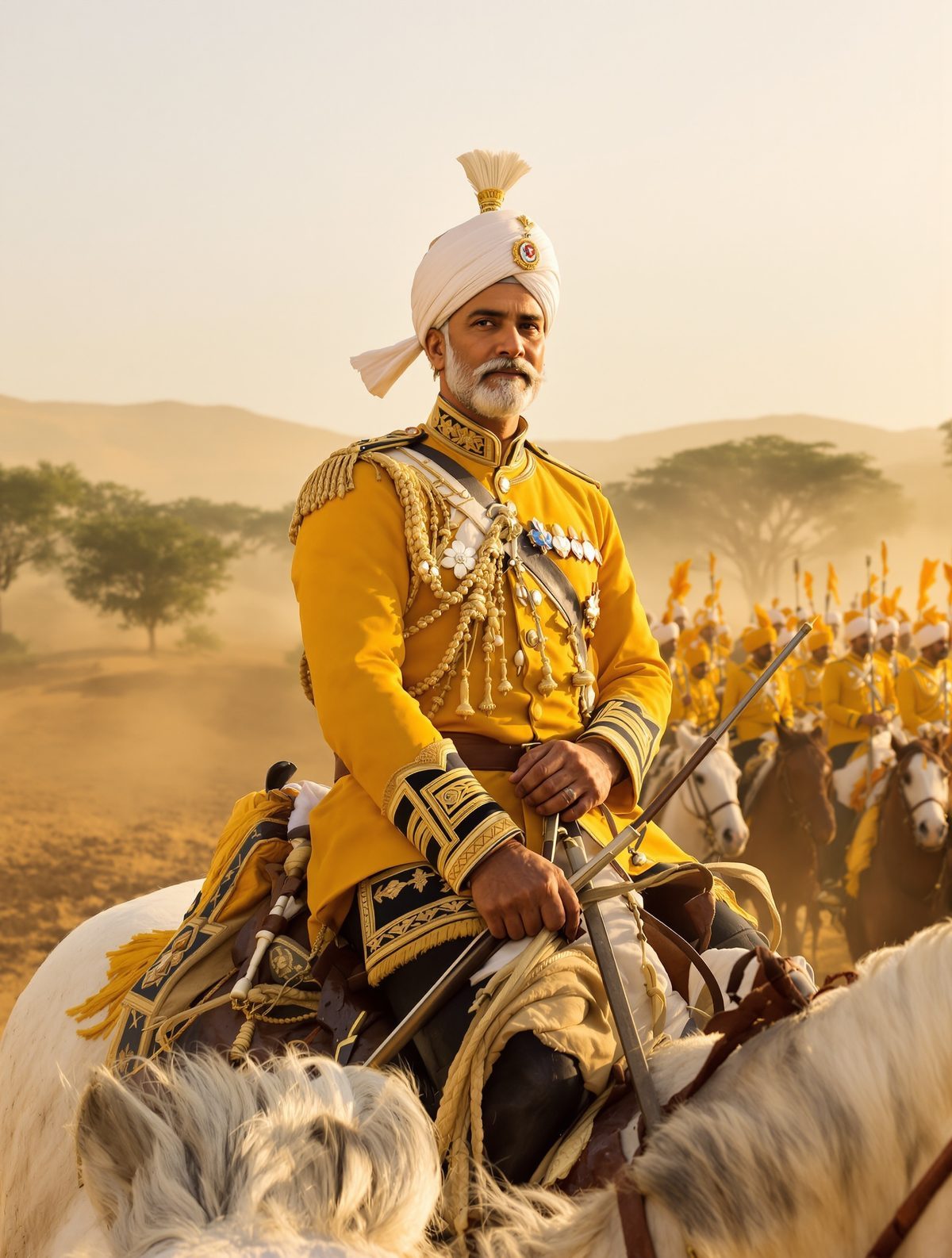
Colonel James Skinner commanded the most feared cavalry in India. His yellow-uniformed irregulars served three different armies. Maratha. Sikh. British. They called themselves Skinner's Horse. They never lost a charge.
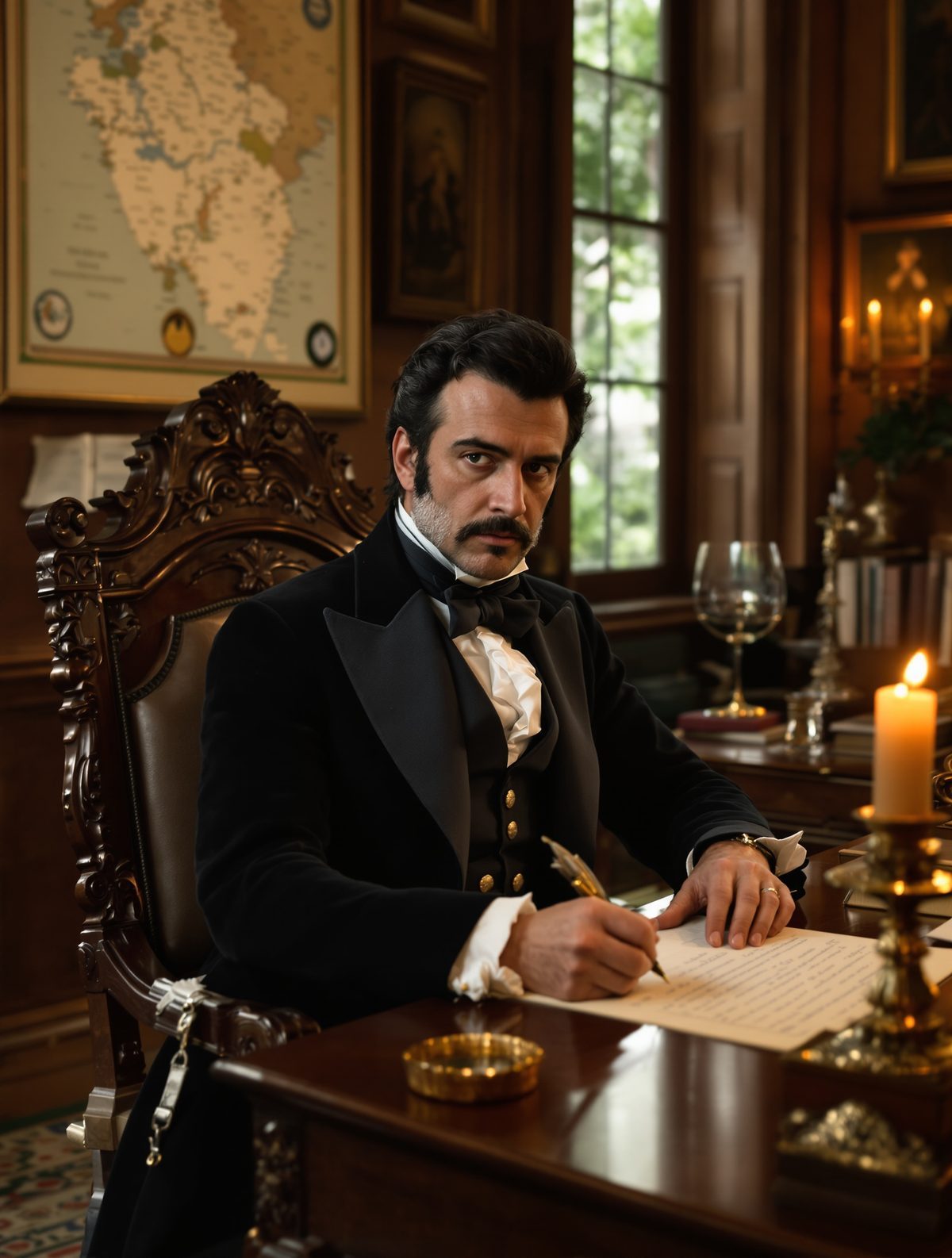
In 1906, Frederick Lugard sat in his Nigerian office writing a report that would govern 200 million Africans. His 'indirect rule' system kept local chiefs in power under British oversight. Within a decade, every colonial administrator in Africa was copying his blueprint.
Mary Carpenter walked into Bristol's worst slums in 1846. Street children attacked her with stones and curses. She opened Britain's first 'ragged school' anyway. Within five years she had rescued 2,000 forgotten souls.
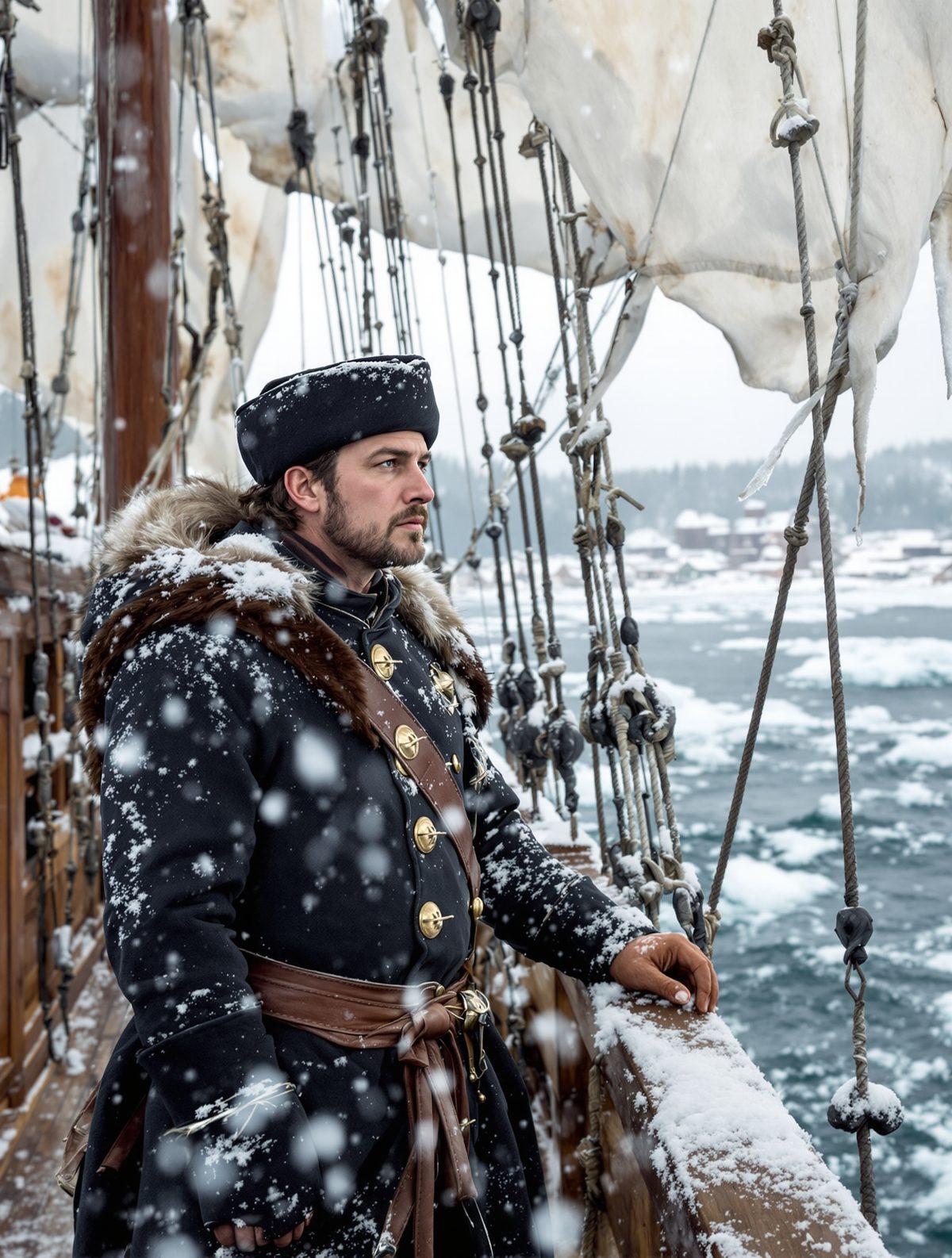
Three English ships sailed north seeking China. Two vanished in Arctic storms. Chancellor's lone vessel found a frozen bay. Local fishermen led him 1,500 miles overland. He became the first Englishman to meet the Tsar of Russia.
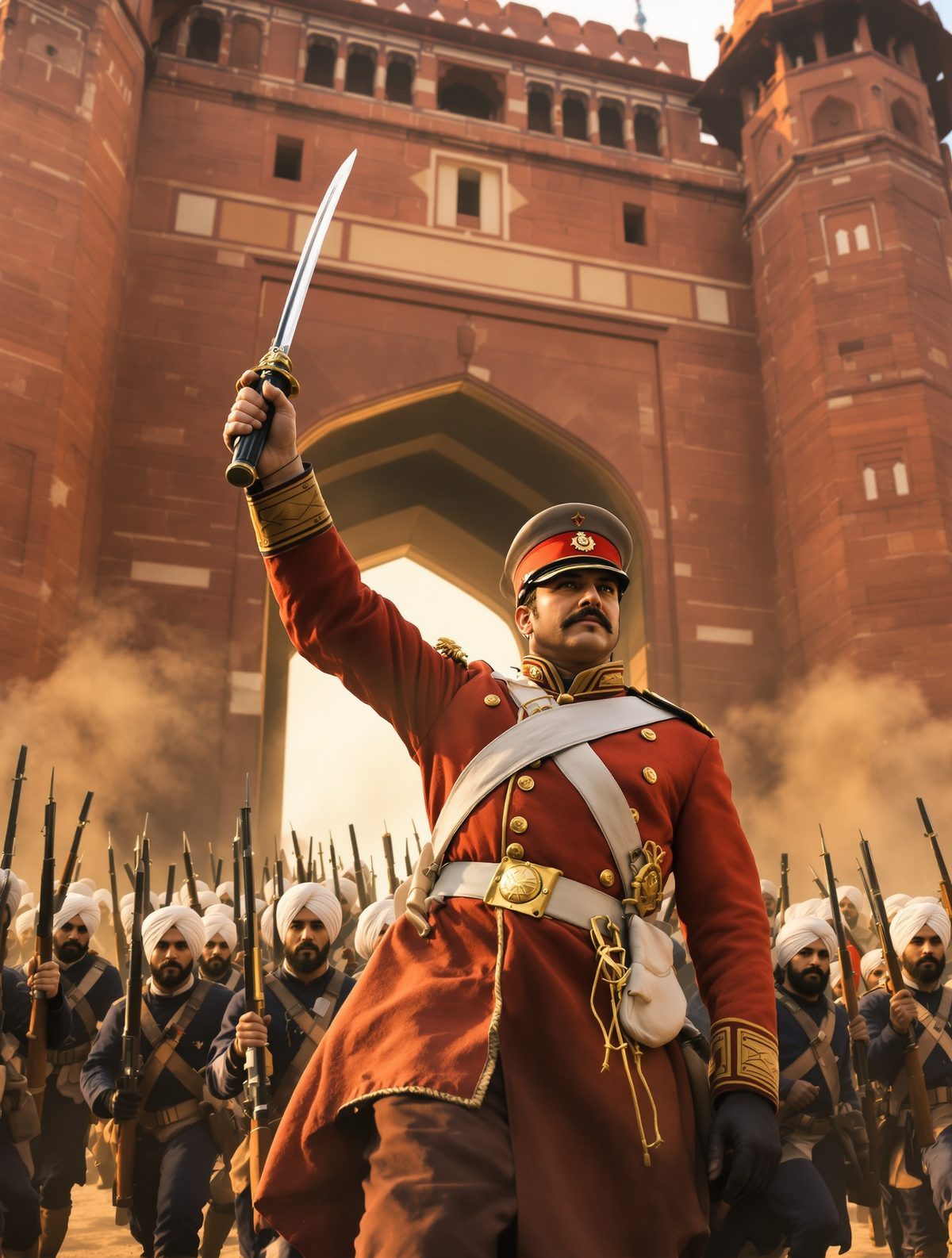
September 1857. Major John Nicholson led 100 Sikh soldiers against Delhi's massive Kashmir Gates. The rebels had 30,000 men inside. Nicholson charged the gates with just his sword and his Sikhs' bayonets. They held the breach for six hours.
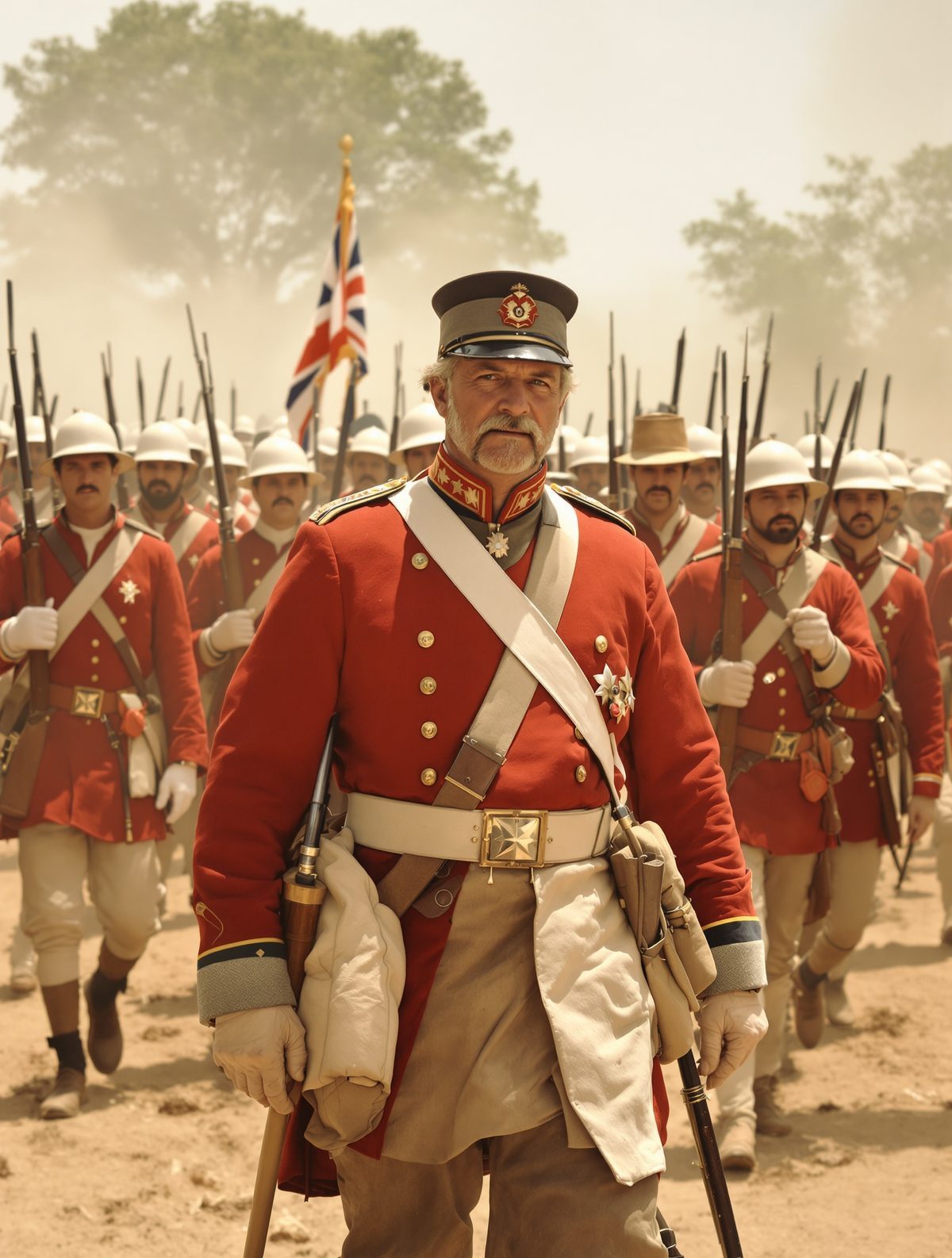
July 1857. Colonel Henry Havelock received desperate news from Cawnpore. British families massacred. His small force faced 120-degree heat and 25,000 rebels across 126 miles of hostile territory. He marched anyway.
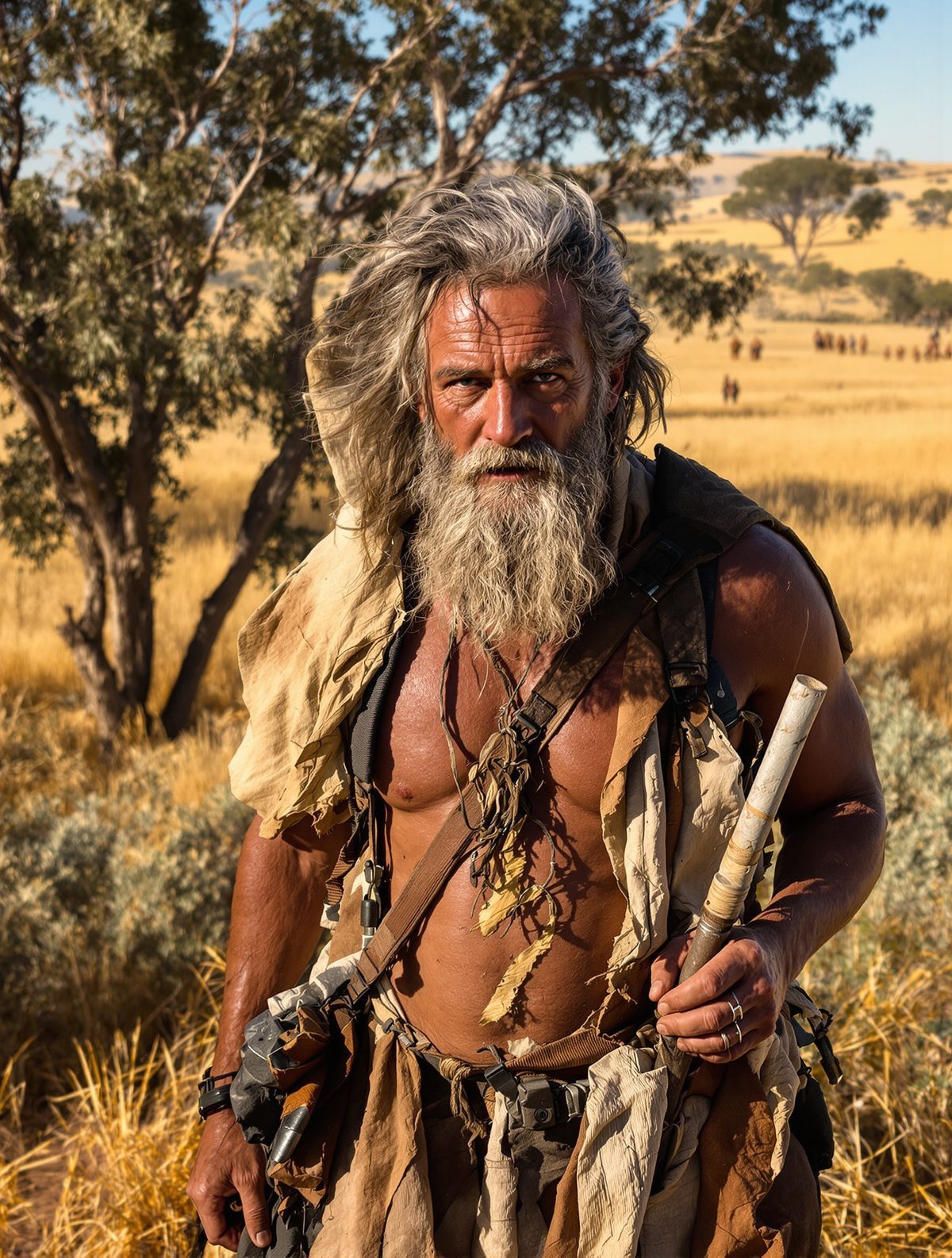
William Buckley escaped from Australia's first penal colony in 1803. He was given up for dead. Thirty-two years later, he walked out of the bush. The Aborigines had adopted him as one of their own.
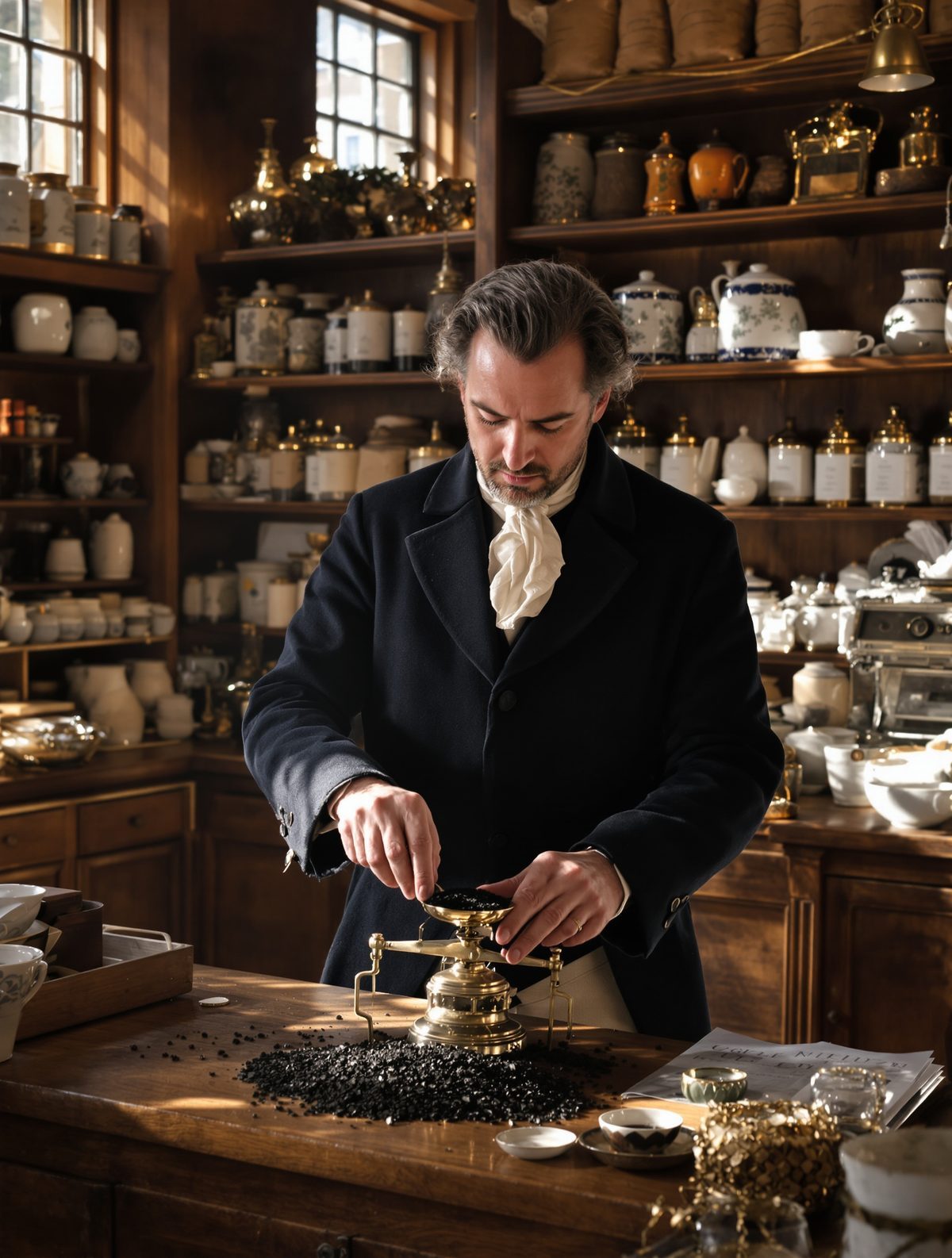
Thomas Twining paid £300 for a coffee house at 216 Strand. But coffee wasn't making money. So he did something no Londoner had ever seen. He started selling tea by the pound. Britain's 300-year tea obsession began in one tiny shop.
In 1549, Norfolk tanner Robert Kett tore down his own enclosure fences. Within days, 16,000 peasants followed him. They seized Norwich, England's second largest city. For six weeks, they ruled from the castle.
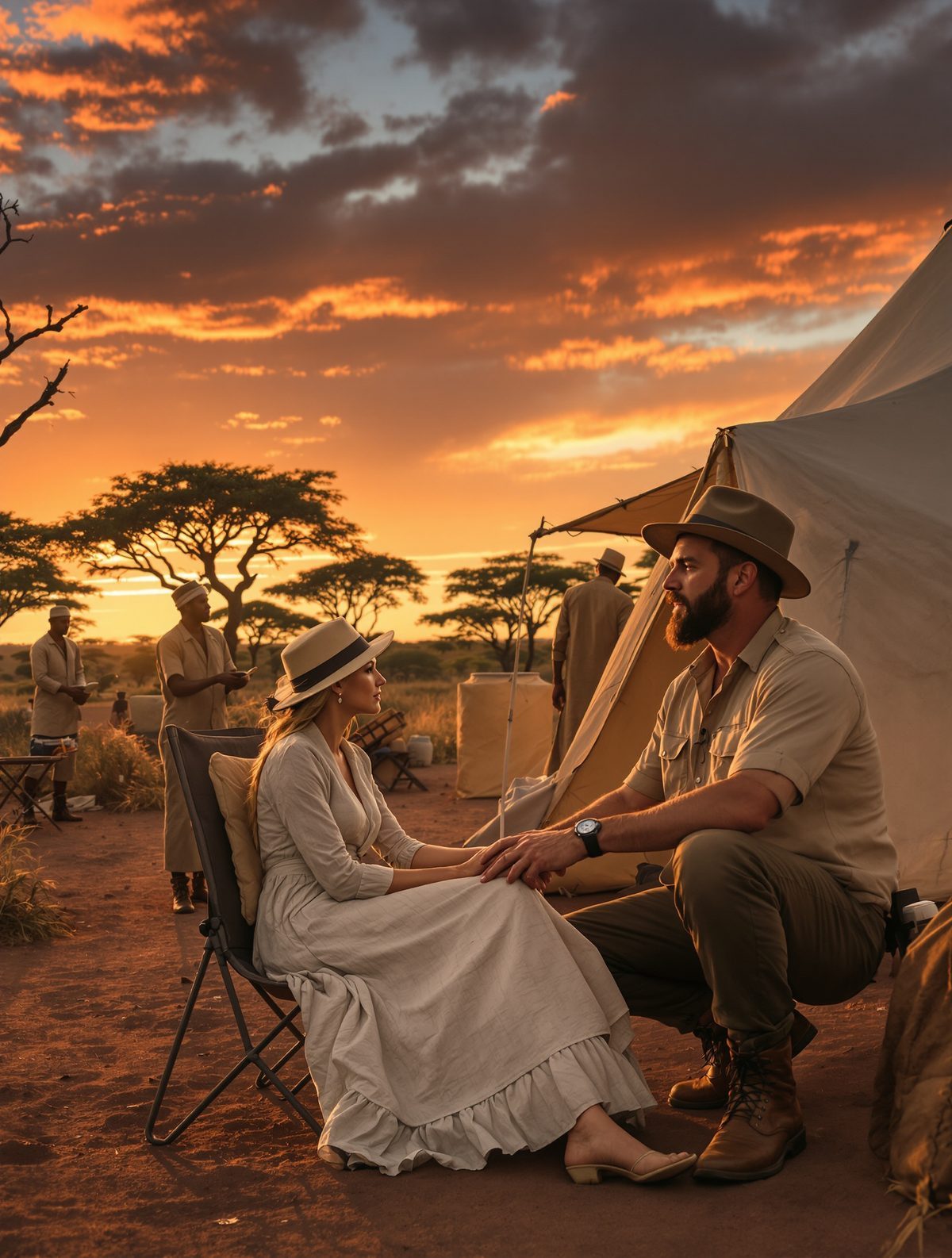
Florence Baker collapsed with deadly fever in Sudan's slave lands. Her husband Sir Samuel faced an impossible choice. Continue the Nile quest or watch his wife die. She whispered four words that changed African exploration forever.
Hand-picked from Britain Untold's archive. The stories you weren't taught at school. 3-minute read.
No spam. Unsubscribe in one click. We hate spam too. Privacy Policy.