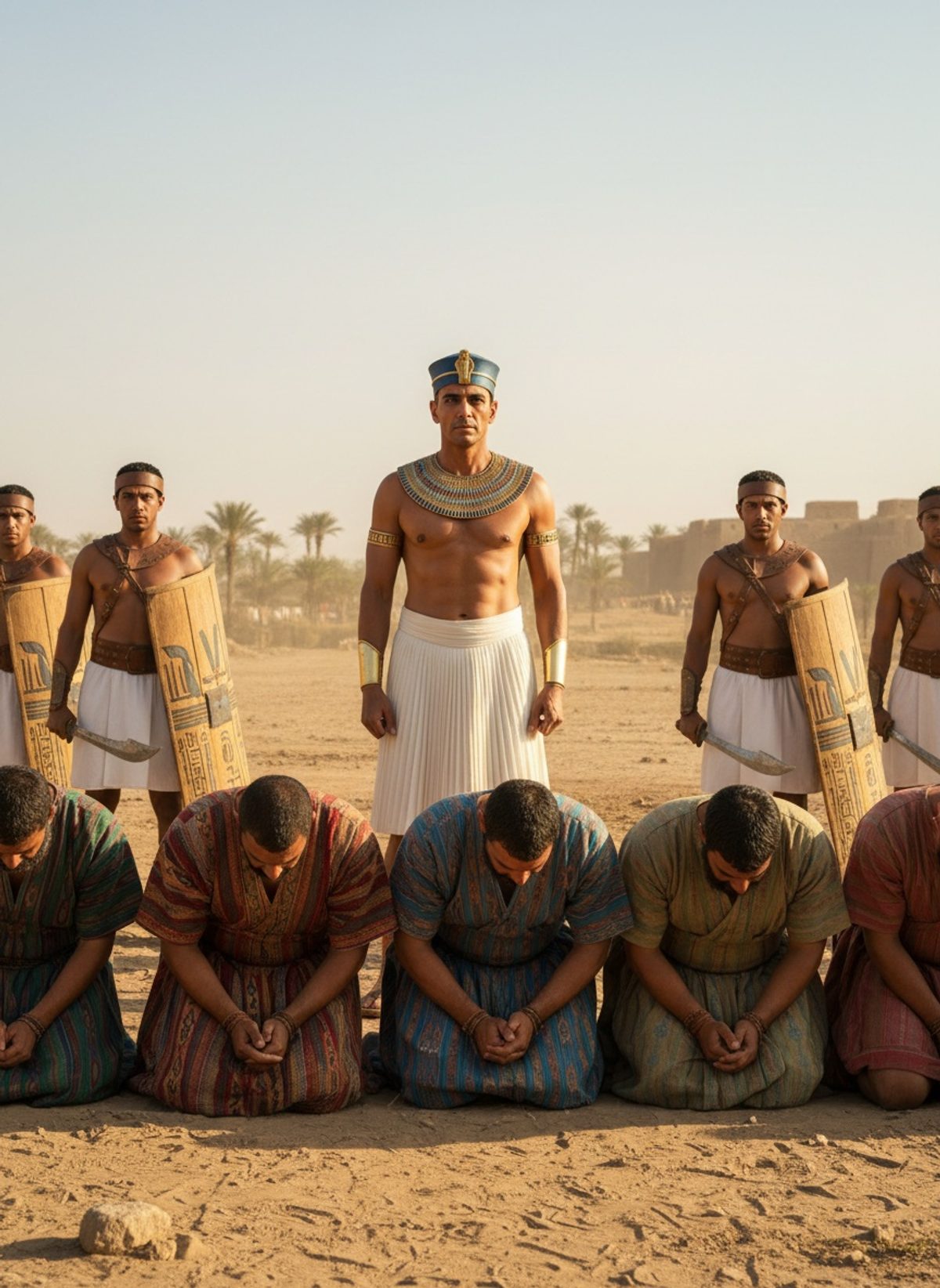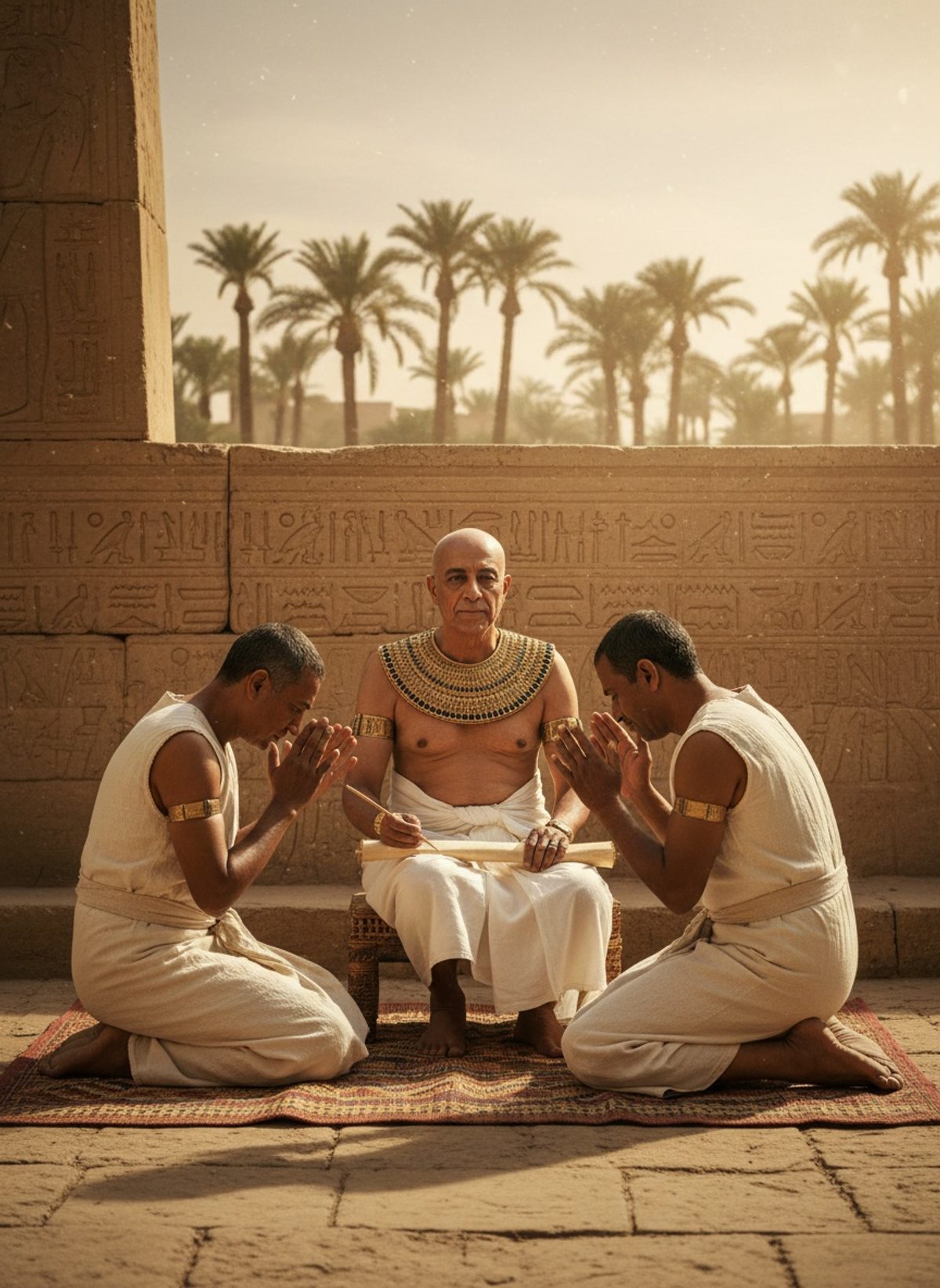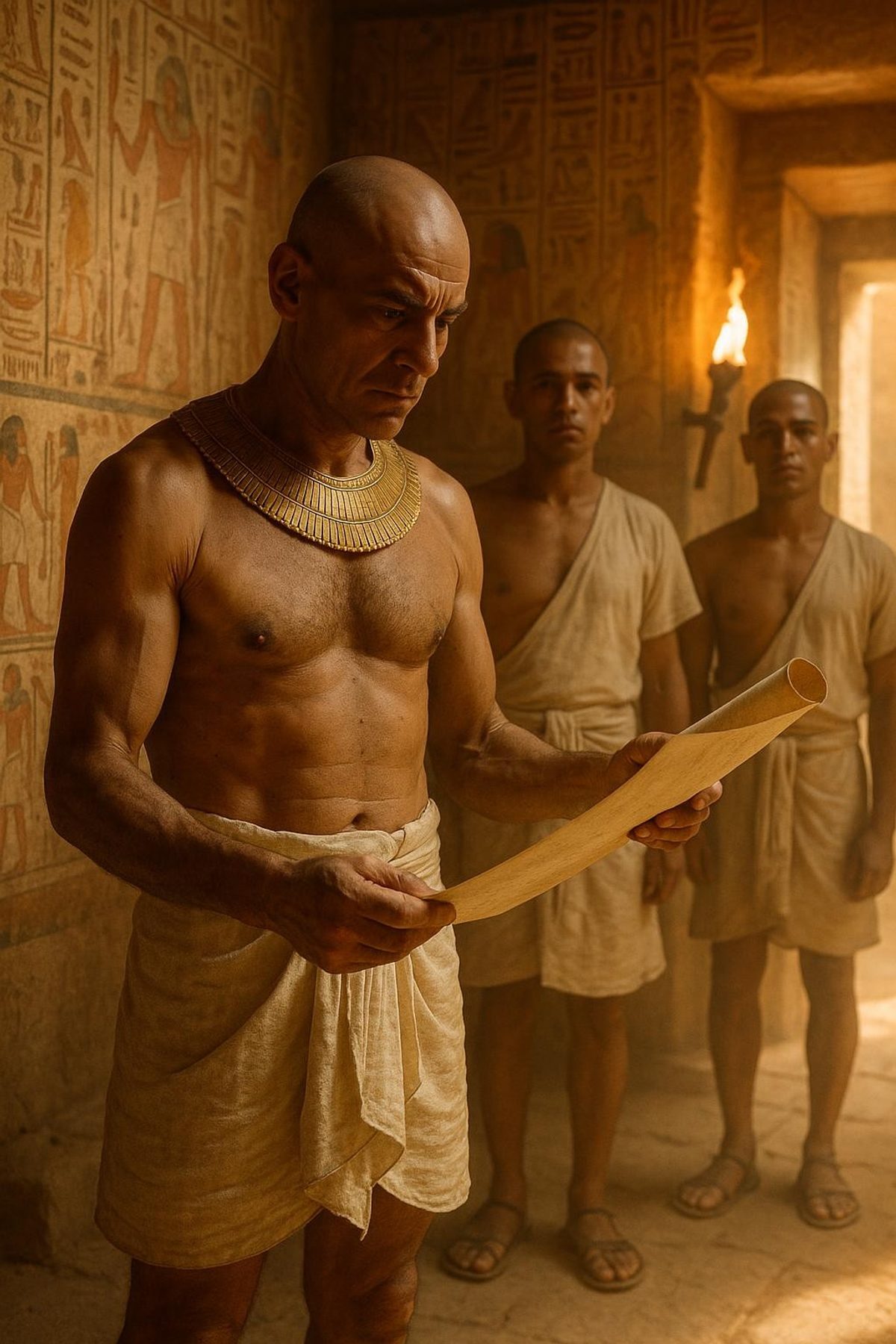
The sun bore down mercilessly as the caravan cut through the stark desert, each step of the camels raising a small cloud of dust that hung in the air. At the helm, Harkhuf squinted into the horizon, envisioning the jubilation awaiting him in the sun-drenched grandeur of Memphis. For he, the seasoned explorer who had ventured into the heart of Africa, was leading back more than gold or ivory — he was escorting a marvel, a dancing dwarf whose presence was to astonish the Egyptian court and elicit tears of joy from a young Pharaoh, Pepi II.
Footsteps Through the Sands of Nubia
Harkhuf was no ordinary envoy. His boots had kissed the arid expanse of the desert four times, each journey plunging deeper into the unknown lands to the south that lay beyond what the ancient Egyptians defined as civilization. Nubia — the land of the bow — was a place teeming with exotic goods, rumors of prodigious wealth, and secrets concealed by both lush forests and foreboding terrains. Harkhuf's expeditions were perilous, fraught with potential conflict from hostile tribes and the challenges of navigating unfamiliar landscapes. Yet, it was his innate tenacity and diplomatic acumen that enabled him to successfully traverse these lands and return to tell the tale each time.
On his final journey, a story had reached his ears — that of a dwarf with mesmerizing dance skills. In an era where entertaining human curiosities were treasures more captivating than gold to the court, Harkhuf recognized the allure of bringing such a figure back to Egypt. It would cement his legacy as an explorer extraordinaire in a culture that revered novelty and spectacle.
A Correspondence Bound in Stone
As the caravan drew closer to the lands of Egypt, Harkhuf dispatched a messenger ahead to alert the young ruler, Pepi II, of his approaching guest. The boy-pharaoh, ascending the throne at a tender age, was in many ways still a child with the emotions to match. His response to the news was nothing short of exuberance. That same year, a declaration was carved into stone for posterity, a letter from the youthful king personally addressed to Harkhuf:
Read next: Peseshet Stood Before the Sick. She Healed Them All.
"Come northward to the court immediately. Bring this dwarf with you who you have captured… My Majesty desires to see this dwarf more than all the products of Sinai and Punt. If you come with him, I promise you every honor that the court can bestow upon you."
This missive, immortalized for eternity in Harkhuf's tomb, stands as one of the oldest personal letters known in history — a testament to the significance of Harkhuf's prize and the impact it had on the impressionable young monarch.
The Pharaoh’s Tears of Joy
The arrival of Harkhuf in Memphis was a spectacle. Envision the grand processions that led towards the palace, with dignitaries and commoners alike craning their necks to witness the parade that came from the desert. In the center of this procession danced the diminutive marvel — a figure shrouded in mystery and spectacle, his movements a mesmerization that transcended his stature.
As he performed for the royal court, the young Pepi II was overcome with an emotion rarely seen in the stoic representation of pharaohs. Rarely did they dispense with tears — symbols of emotional vulnerability — and yet, the dance of this dwarf from a land shrouded in mystique moved the boy-pharaoh to express joy in its purest sense. It was a moment that captured the essence of wonder instilled in a child's heart, potent enough to momentarily blur the gravity of the crown he bore.
The Legacy of a Journey
The story of Harkhuf and the dancing dwarf is more than just an account of an extraordinary expedition — it symbolizes the confluence of curiosity, ambition, and the embodiment of human marvels that characterized ancient Egypt's Golden Age. Harkhuf the explorer and the dwarf from beyond the known world together illustrate a crucial aspect of the Egyptian worldview: a relentless pursuit of the unknown, driven by a curiosity about the lands that lay beyond and the treasures they housed.
While gold and minerals from Nubia continued to fuel Egypt’s grandeur, it was the subtler, intangible treasures — the stories, people, and talents — that truly captured the imagination of those who lived during the time. Harkhuf's expeditions were an odyssey not just across sand, but across cultures and human experiences.
Echoes Through Time
Thousands of years on, the stone-carved letter of Pepi II remains a tangible connection to an ancient world, revealing not just the political transactions of the time but the human emotions at play within the halls of power. Though the details of the dancing dwarf’s performances have faded into historical obscurity, their power to evoke joy and wonder carries forward — reminding us of the fascinating tapestry of human emotion and connection that transcends barriers of time and space.
This tale awakens us to the realization that human history is not merely structured by wars and politics but is also borne on the stories of individuals who captured the hearts of their contemporaries. Beyond the sands of Egypt and the treasures of Nubia, it is these personal moments, etched indelibly into history, that offer a window into understanding the sprawling narrative of our shared past.