71 stories
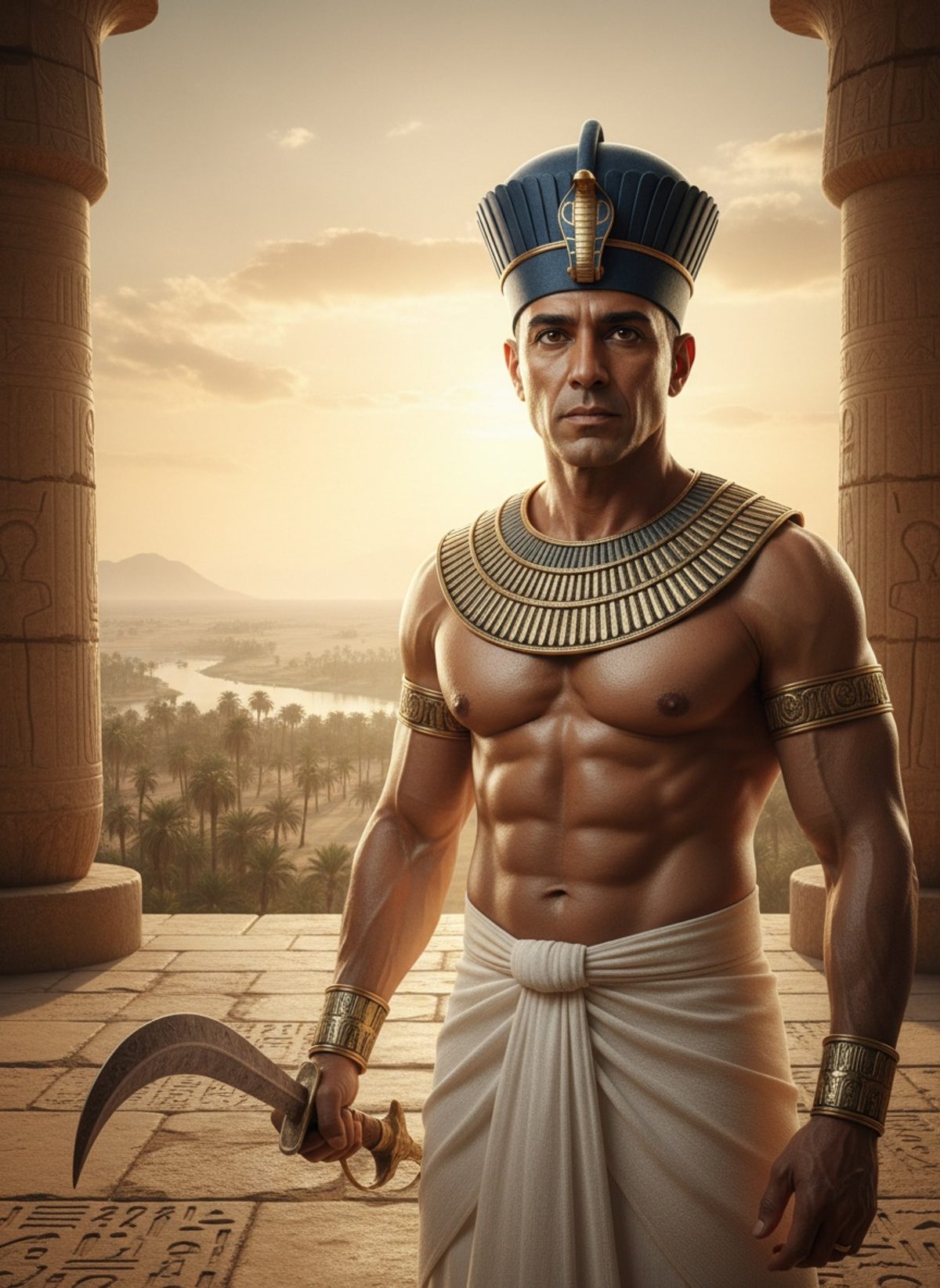
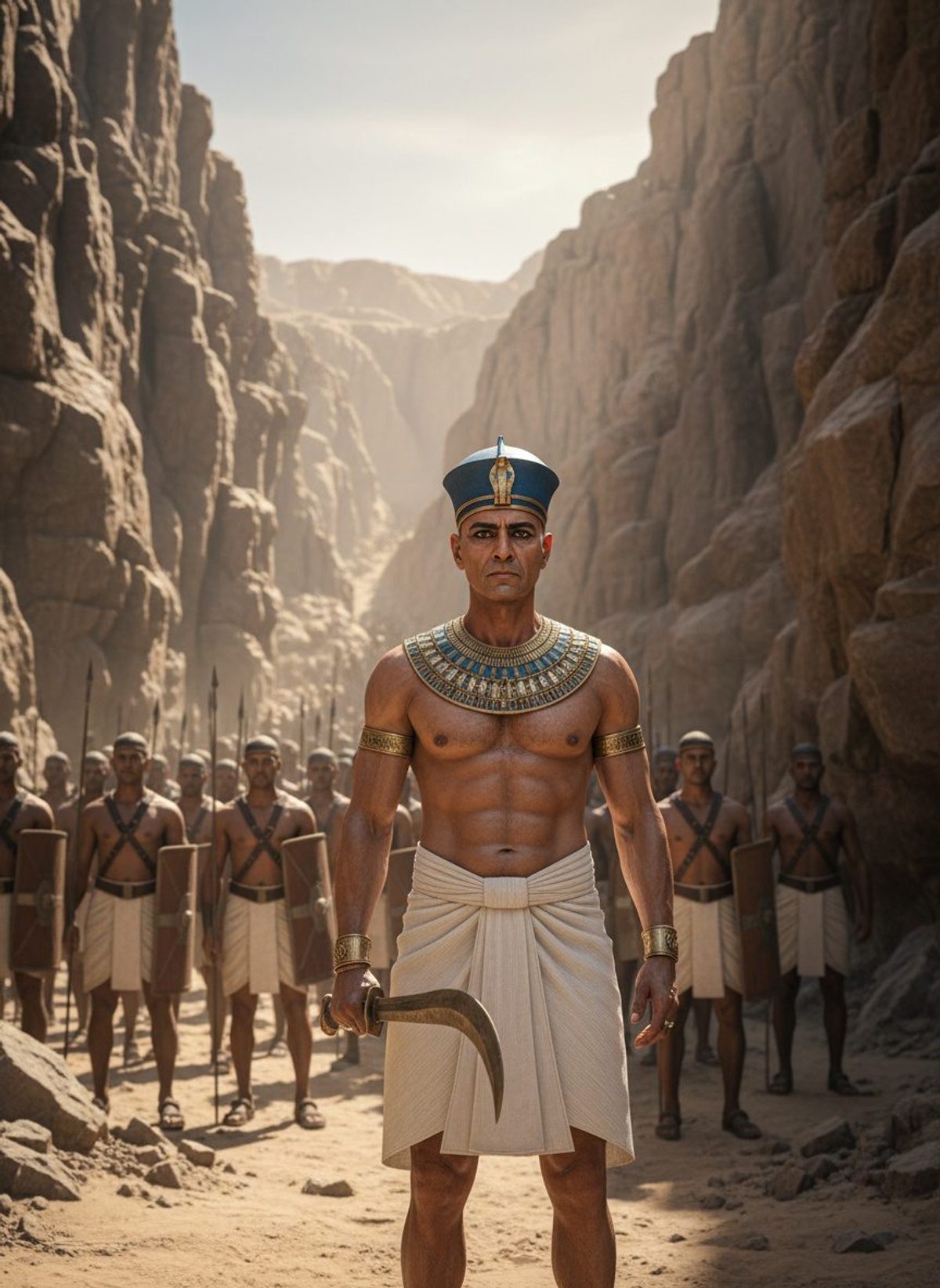
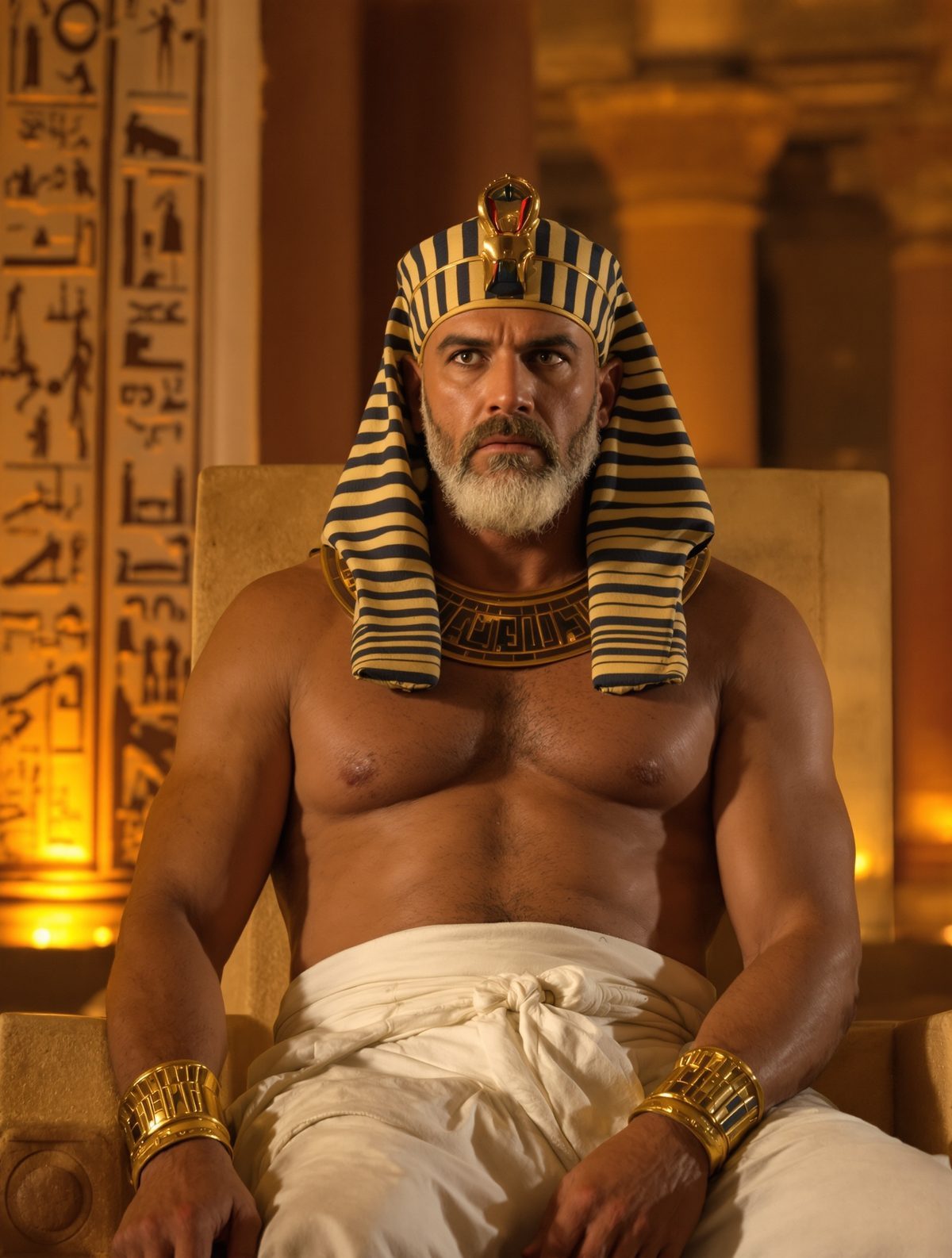
1457 BC. Egypt had a new pharaoh. He had spent years sidelined. Now Thutmose III marched. He fought seventeen campaigns. He expanded Egypt from Nubia to the Euphrates. No pharaoh before him had held so much.
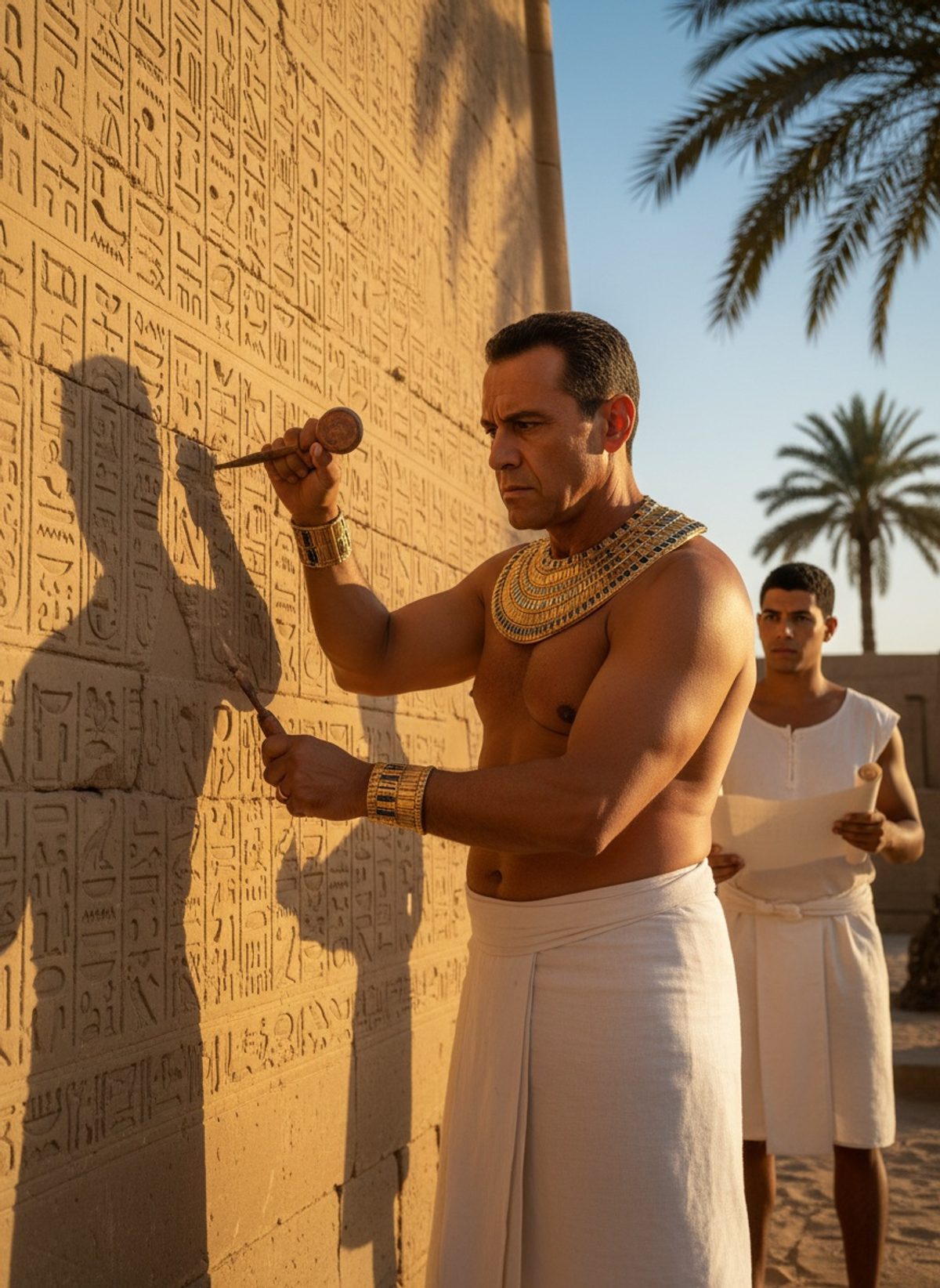
Egypt was in chaos. Three pharaohs had ruled in quick succession. Then a general stepped forward. Horemheb chiselled their names from every monument. He wrote his own in their place. Egypt never forgot again.
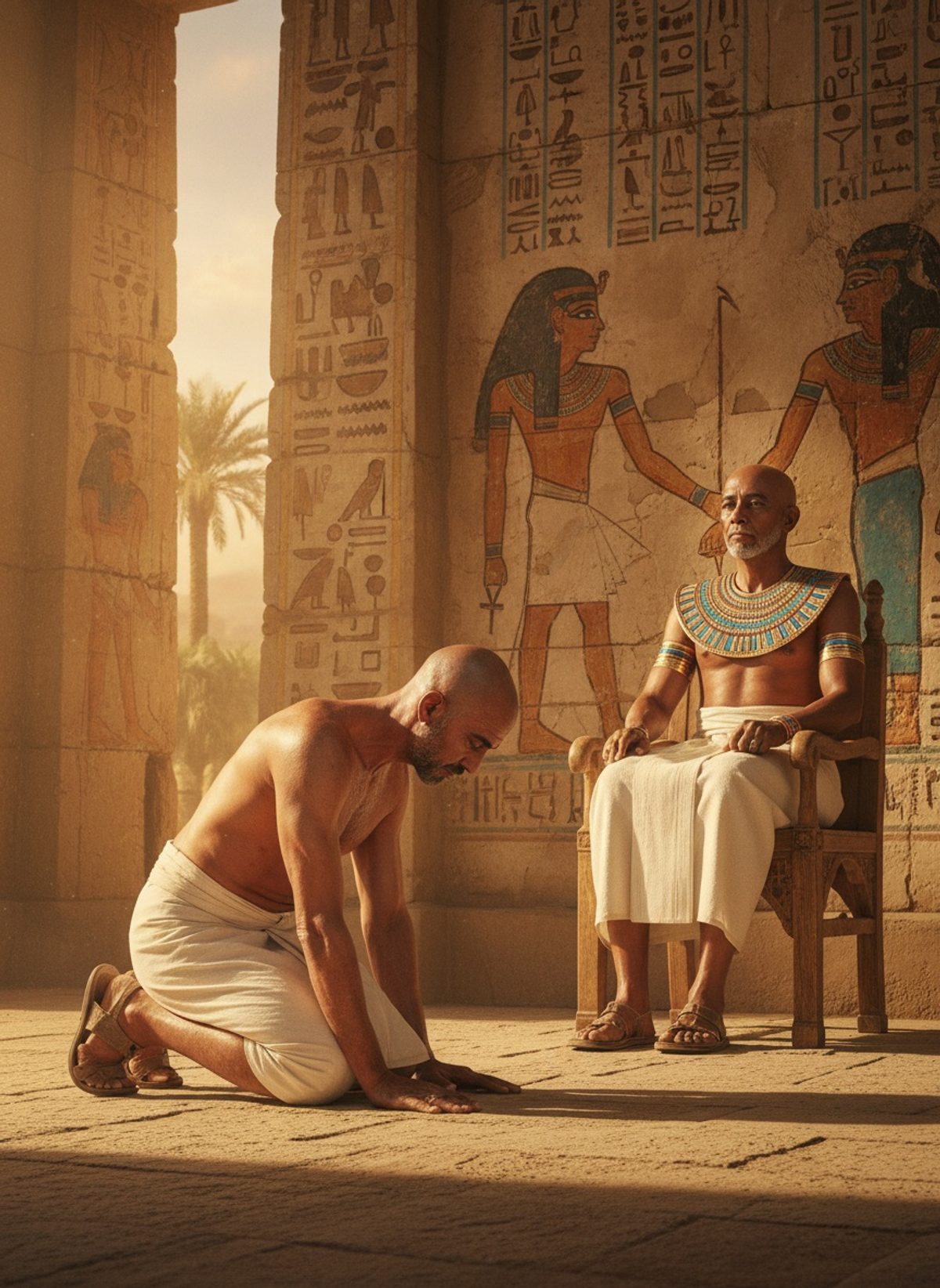
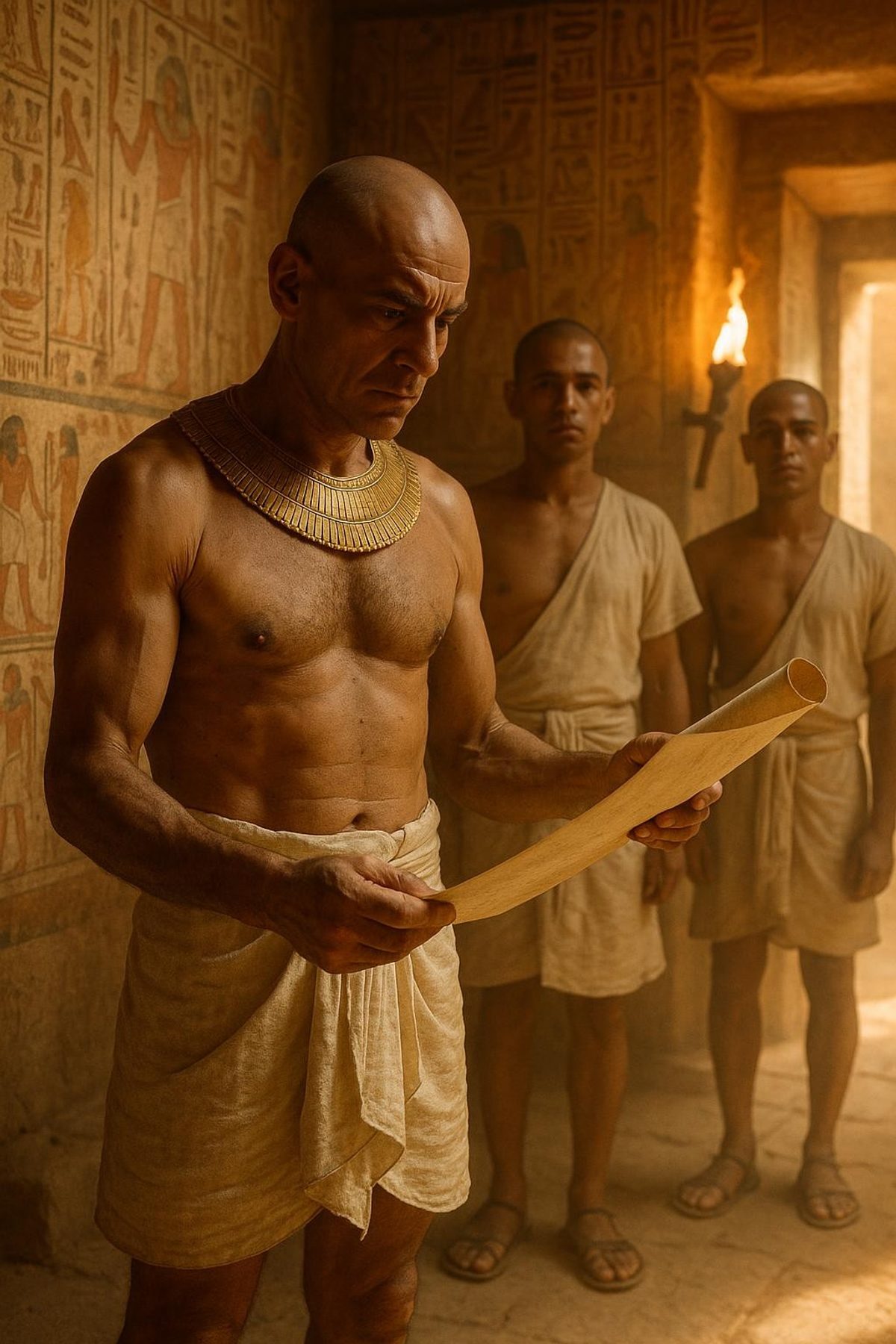
Egypt. 1956 BC. A royal official heard dangerous words. He ran. For decades he lived as a foreign chief. Rich. Powerful. Exiled. Then he wrote to the Pharaoh. And begged for mercy.
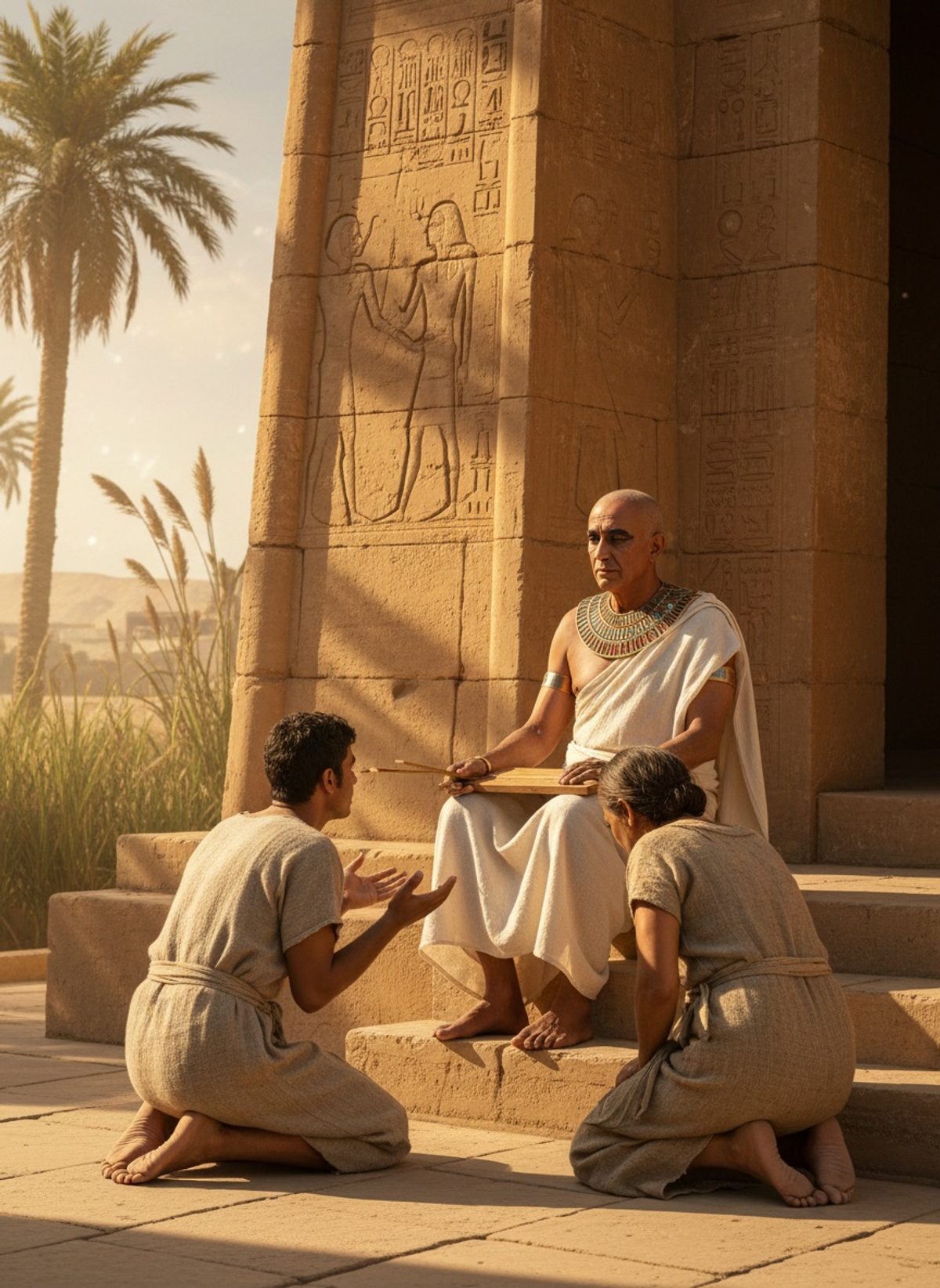
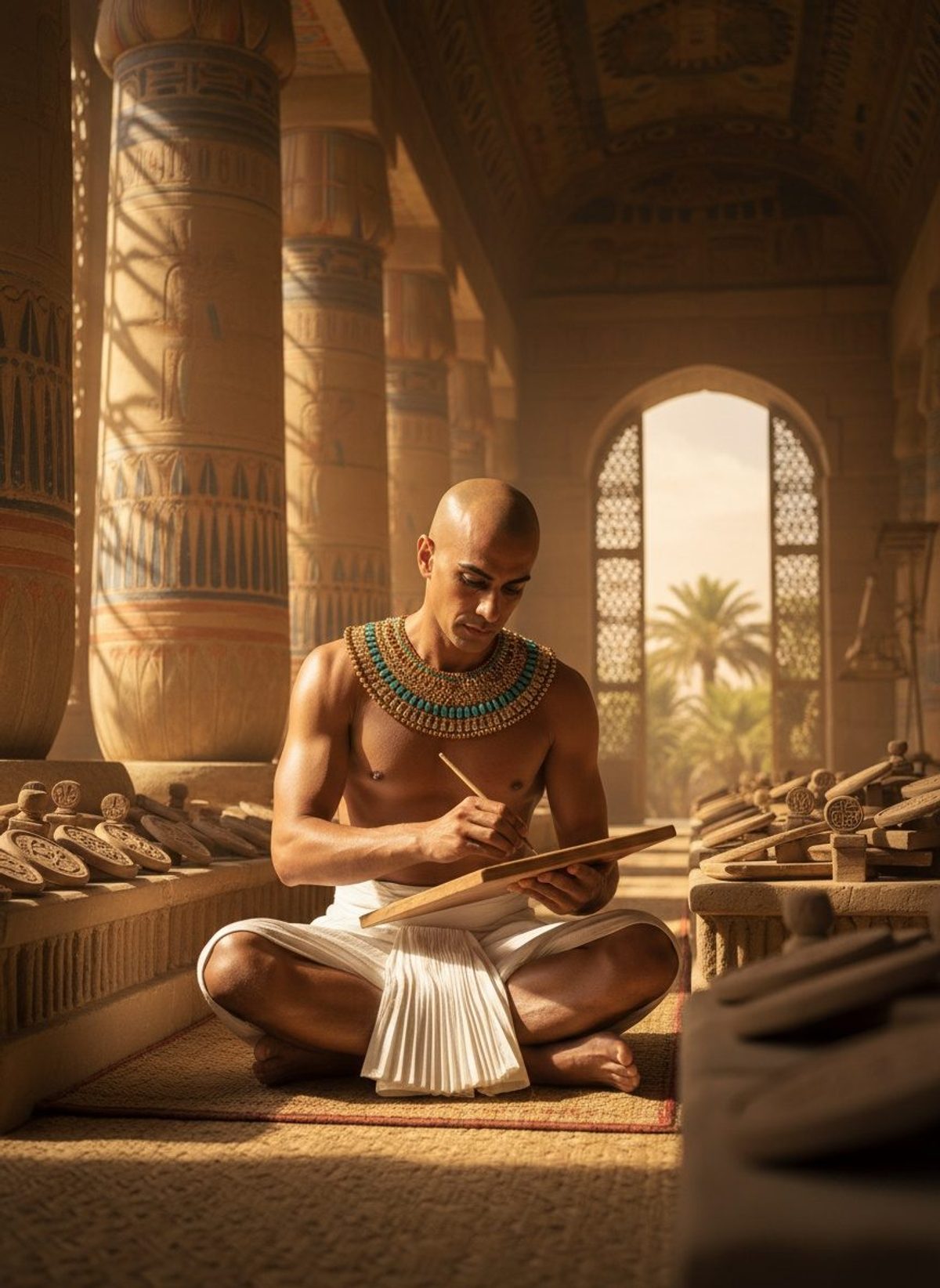
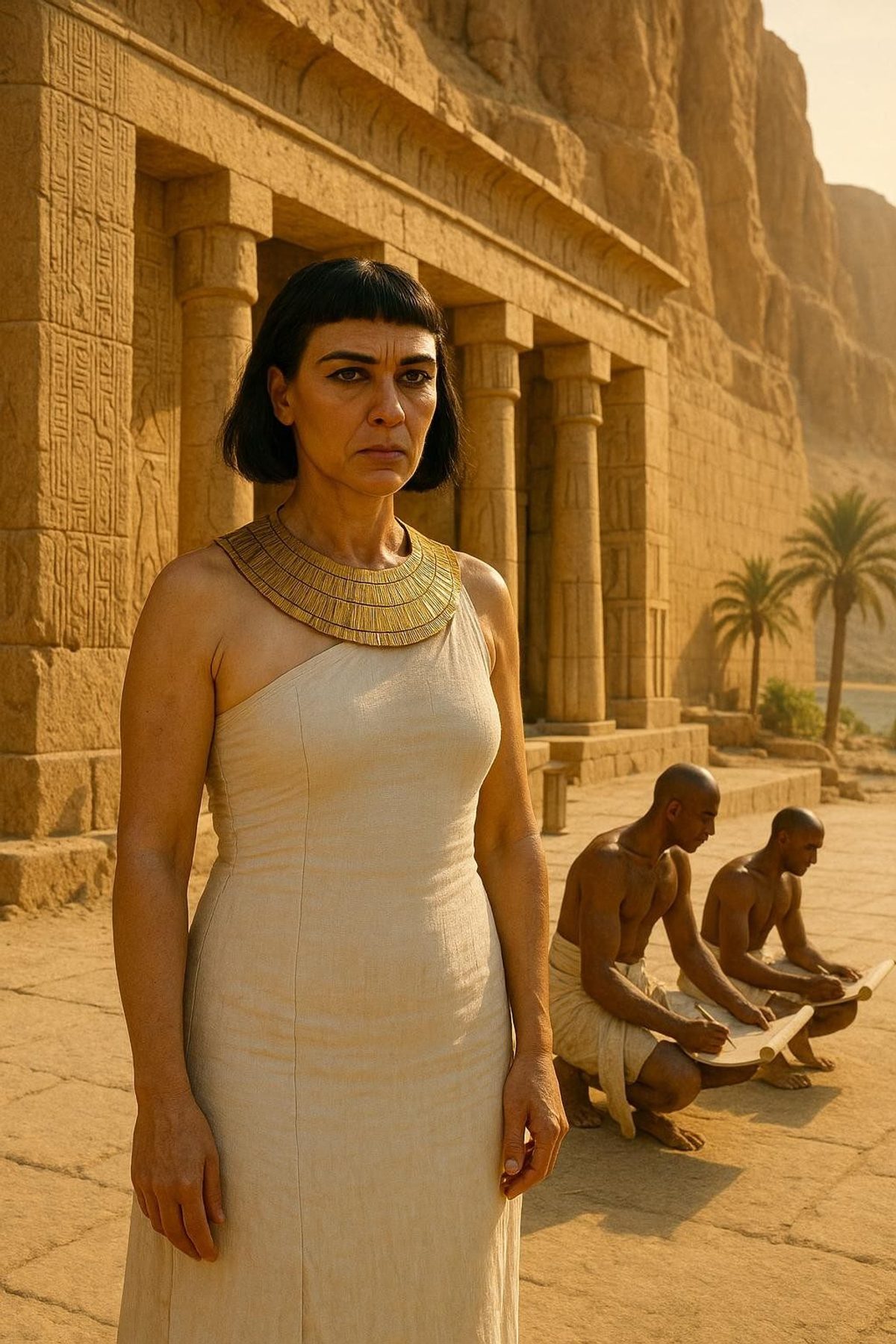
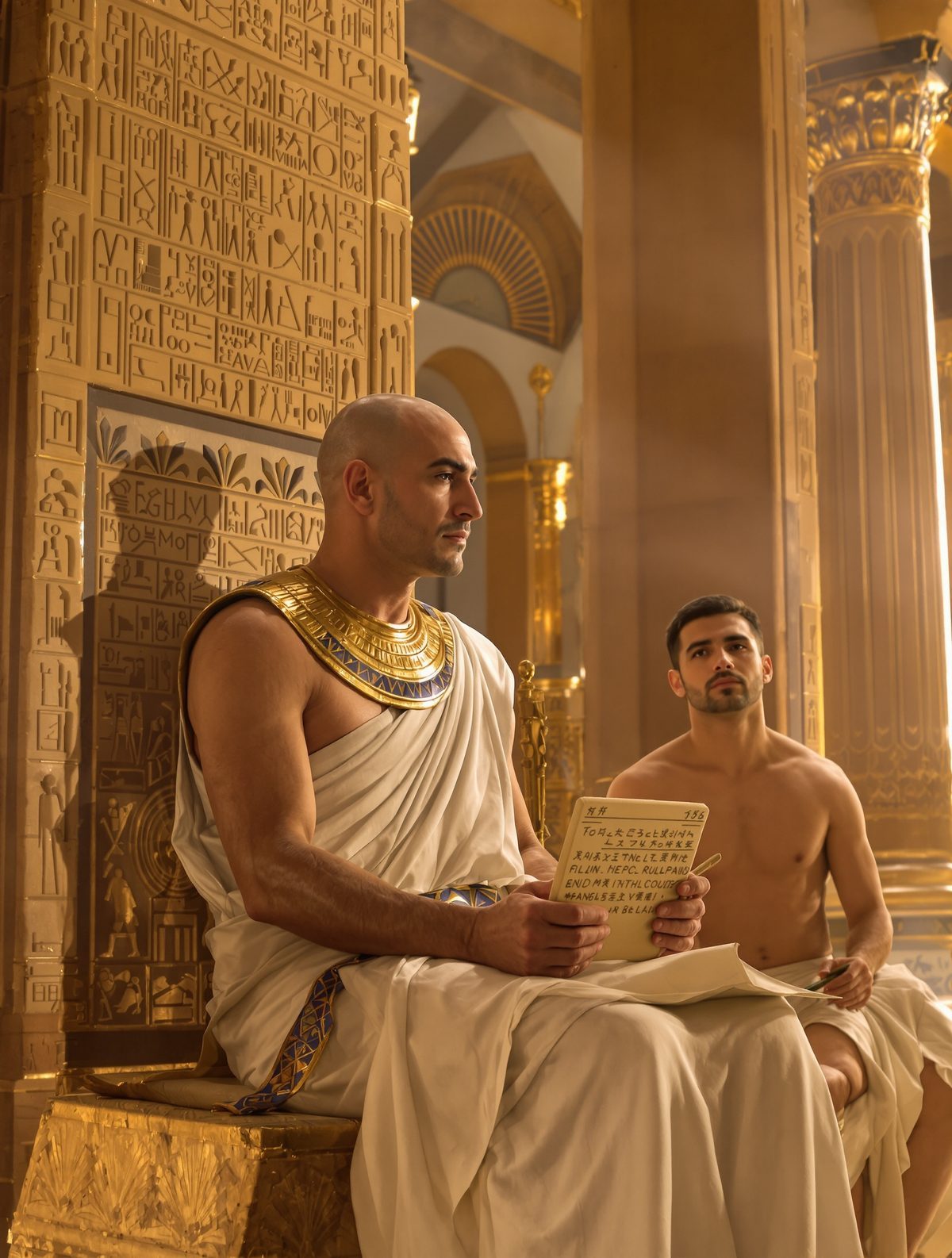
Egypt. 1380 BC. A royal scribe opened his doors. Not to nobles. To the poor. Amenhotep Son of Hapu heard their petitions himself. Pharaoh let him. Egypt made him a god.
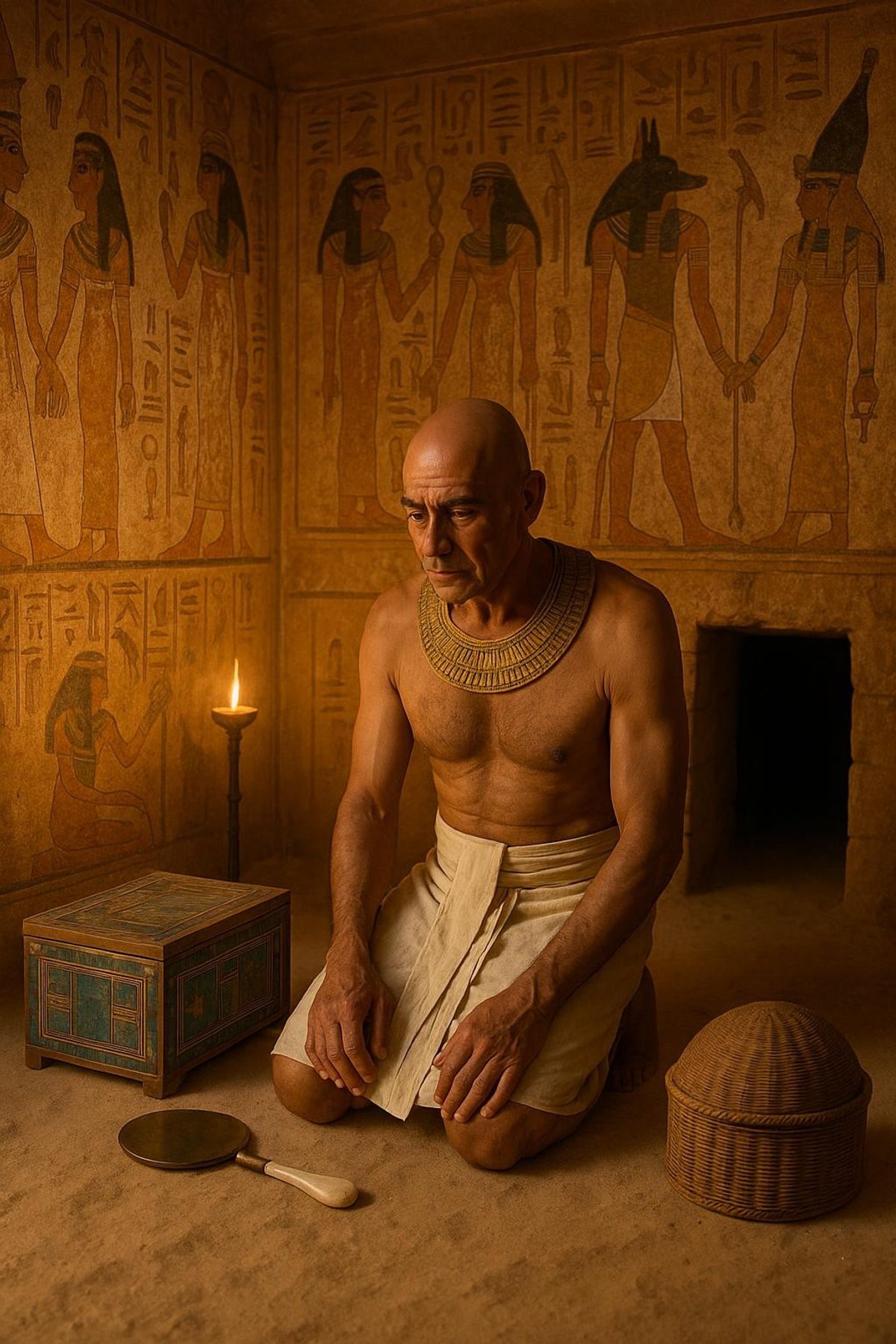
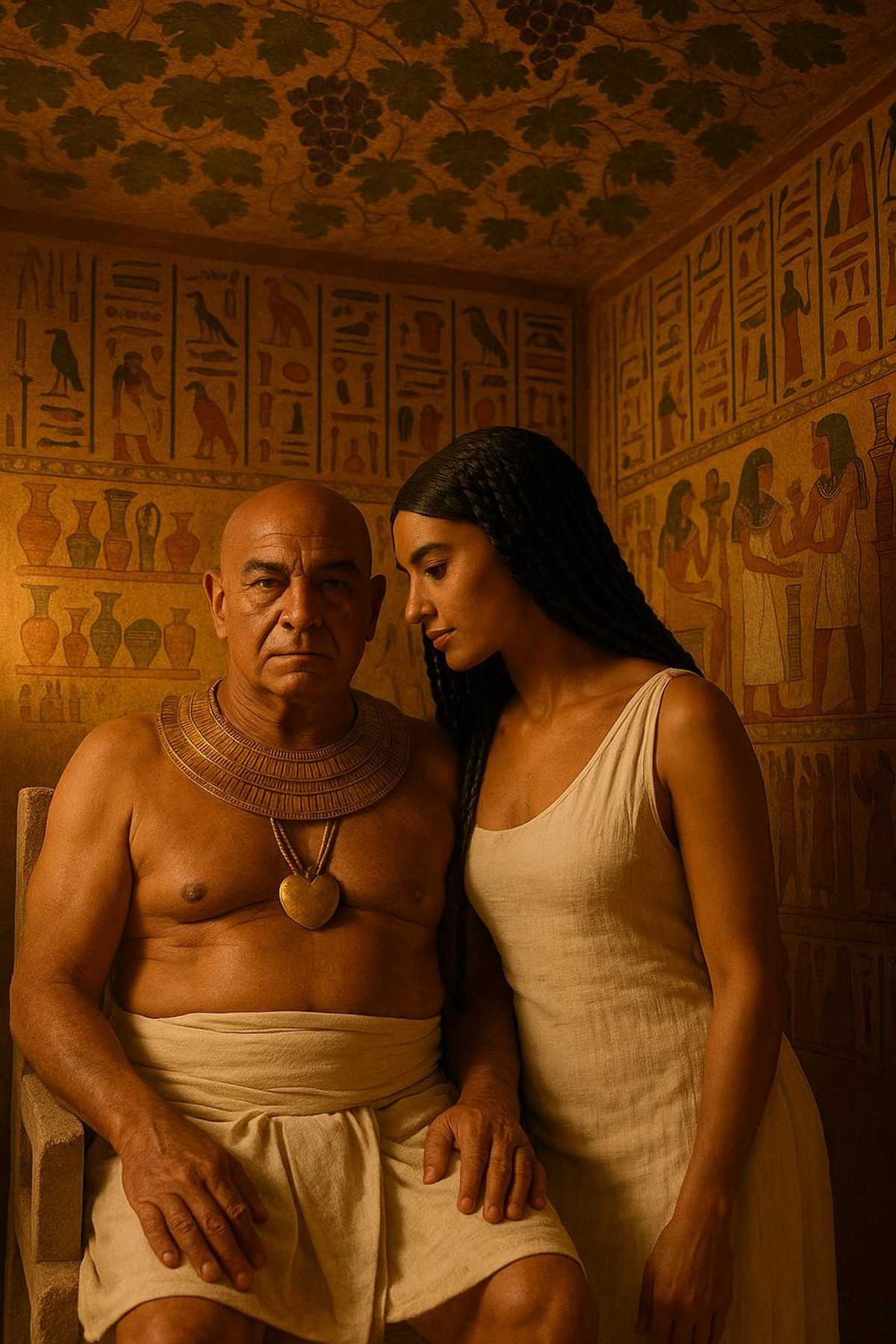
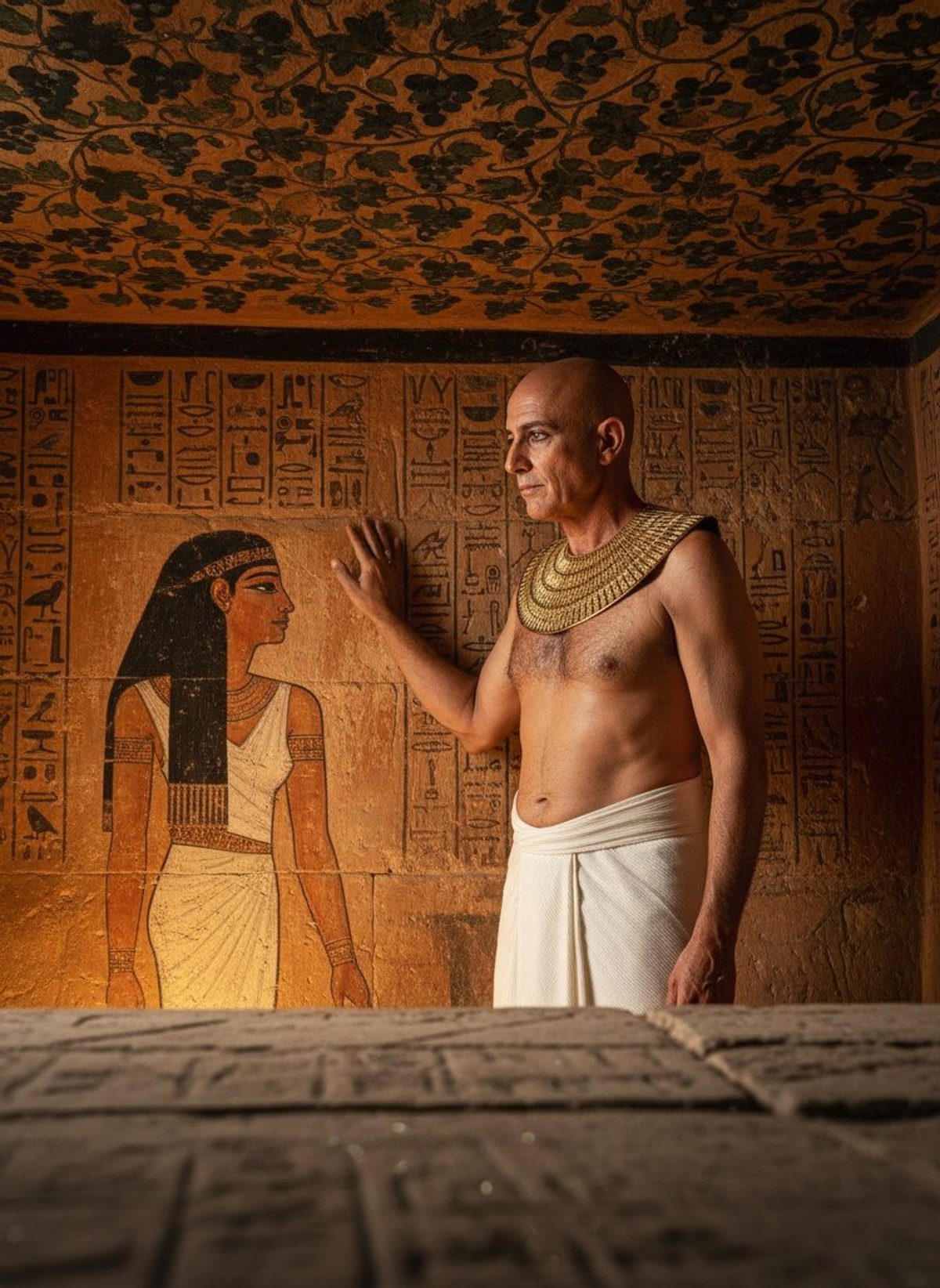
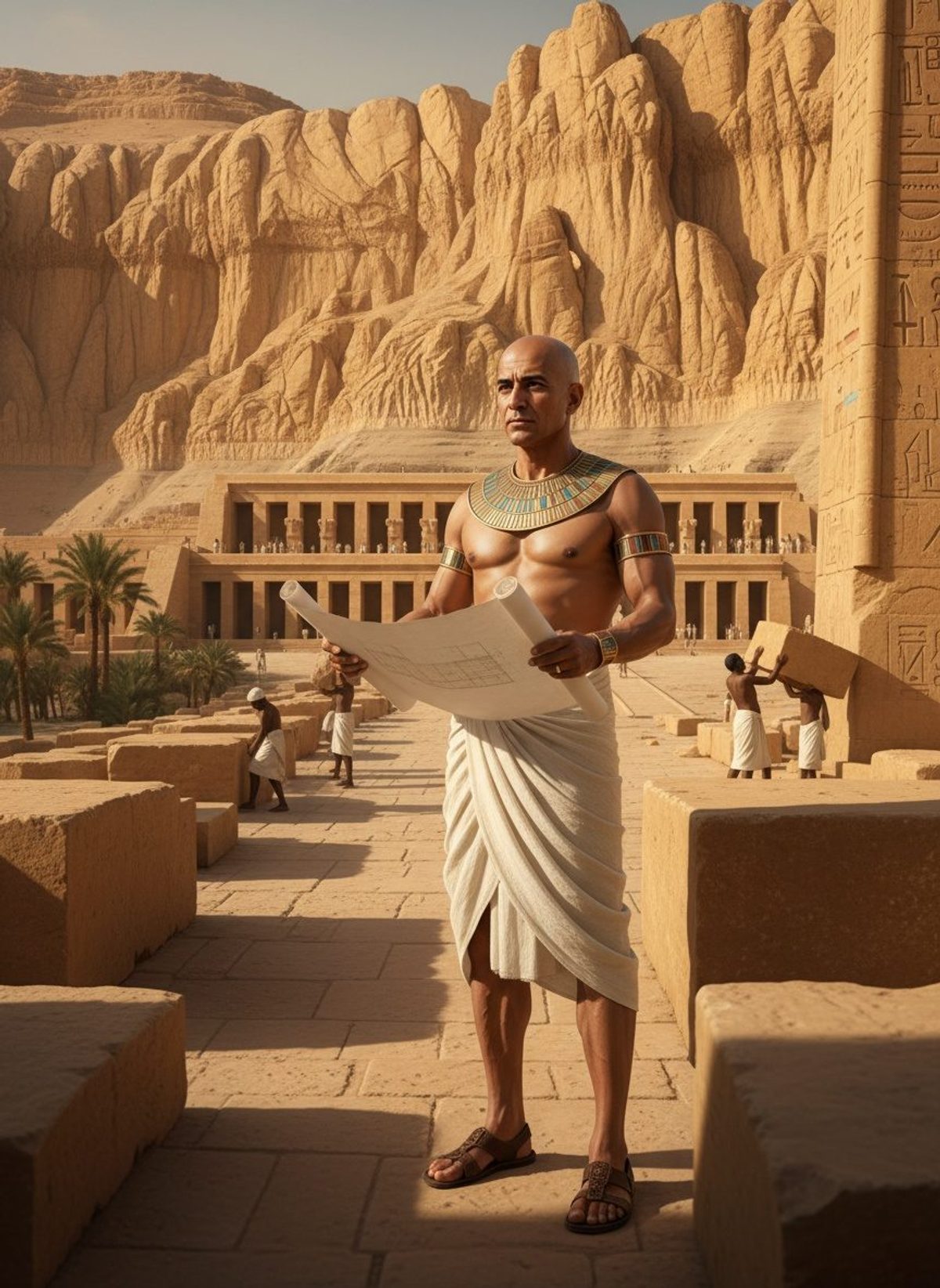
Deir el-Medina. 1400 BC. A royal architect sealed his own tomb. Inside were his tools. His wife's mirror. Her wig box. Still full. Untouched for 3,300 years. He had buried everything she loved beside her.
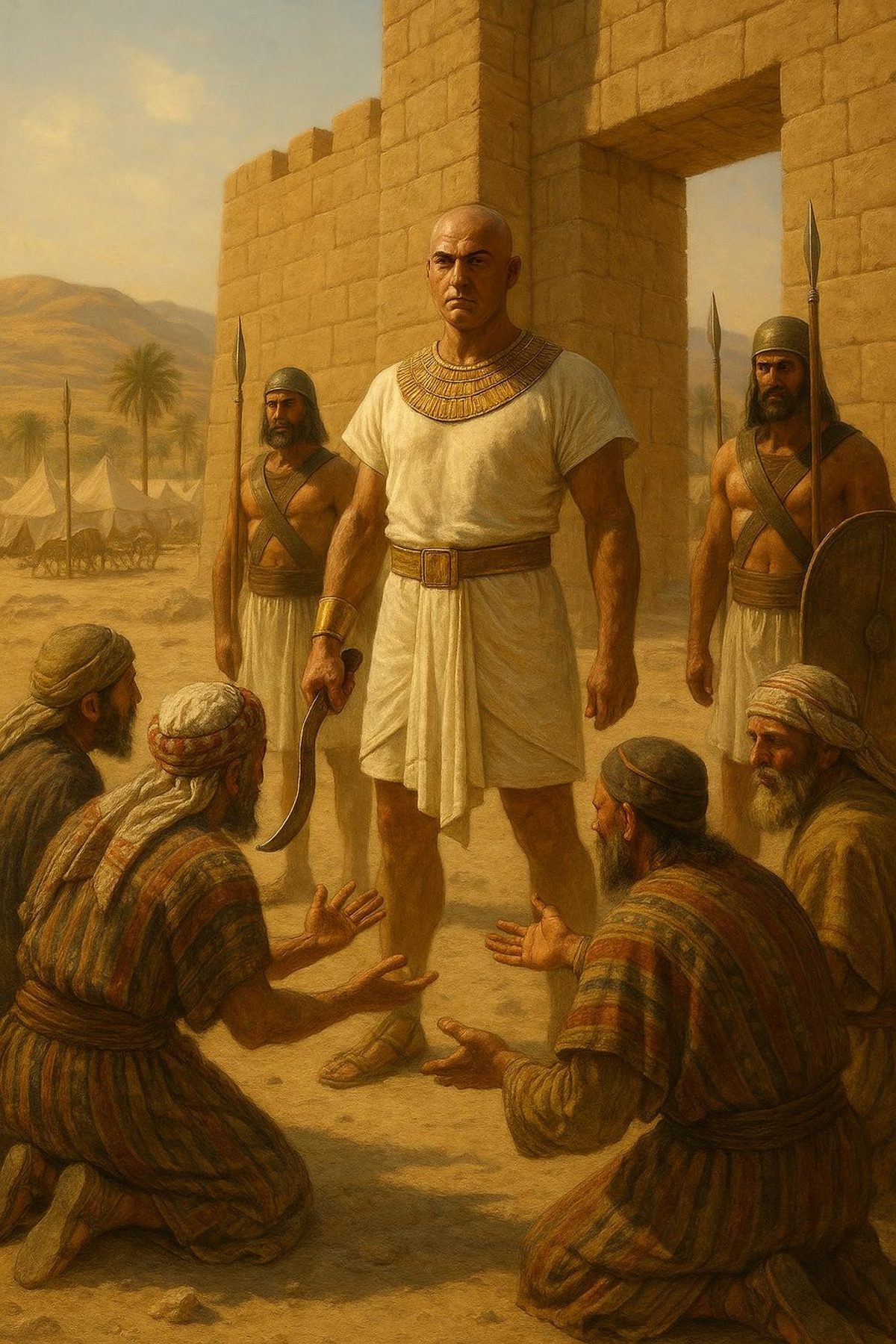
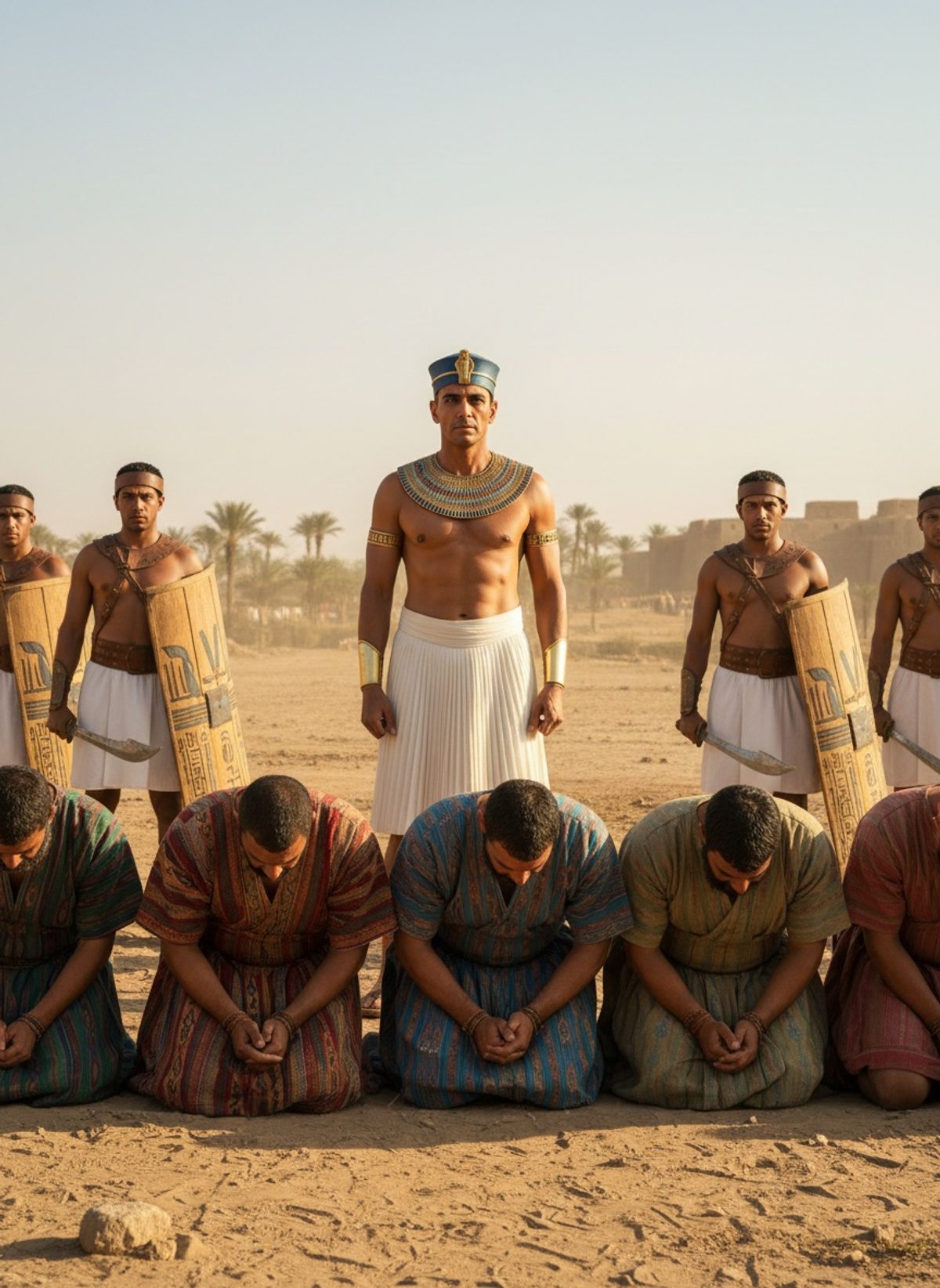
1457 BC. The city of Megiddo was surrounded. The chiefs inside had one choice. Surrender or starve. One by one, they appeared at the gates. They knelt. Egypt let them live.
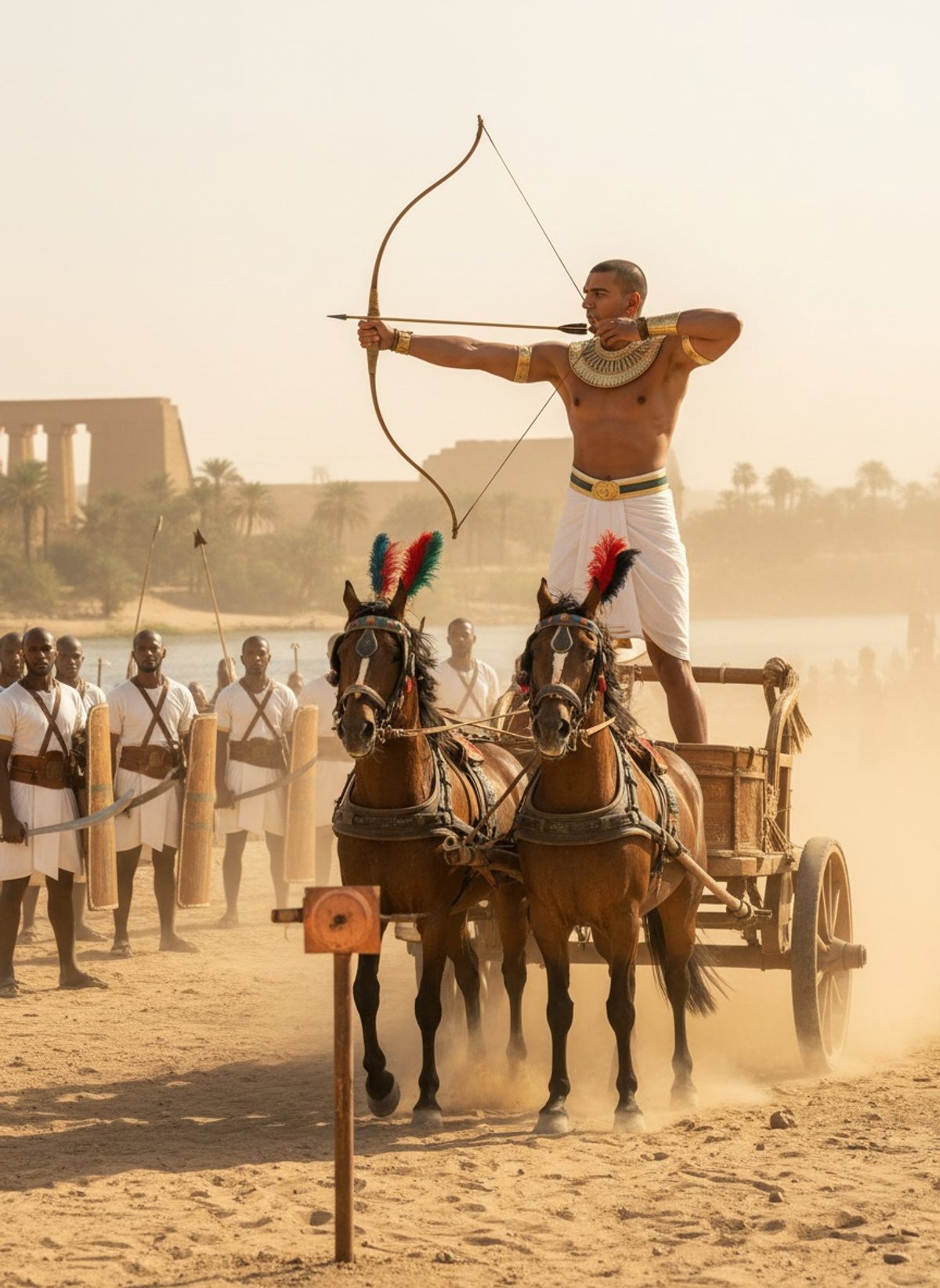
1427 BC. The new pharaoh climbed onto his chariot. He nocked the arrow. The copper target was thick. No other man in Egypt could pierce it. He fired. The arrow passed clean through. Egypt fell silent. Then it roared.
2280 BC. Harkhuf returned from four African journeys. He wrote to the boy-pharaoh Pepi II. He had brought a dancing dwarf from the far south. The child-king wept with joy. He promised Harkhuf the greatest honour of the age.
Megiddo, 1457 BC. Egypt's army had won. The enemy kings knelt in the dust. Thutmose III could have killed them all. He did not. He sent them home. Their sons came to his court as wards. They grew up Egyptian. They ruled for Egypt.
Egypt. 1400 BC. Amenhotep II sat on the throne. His mayor of Thebes asked one thing. To be buried like a god. The pharaoh said yes. Sennefer built the most beautiful tomb any commoner had ever seen.
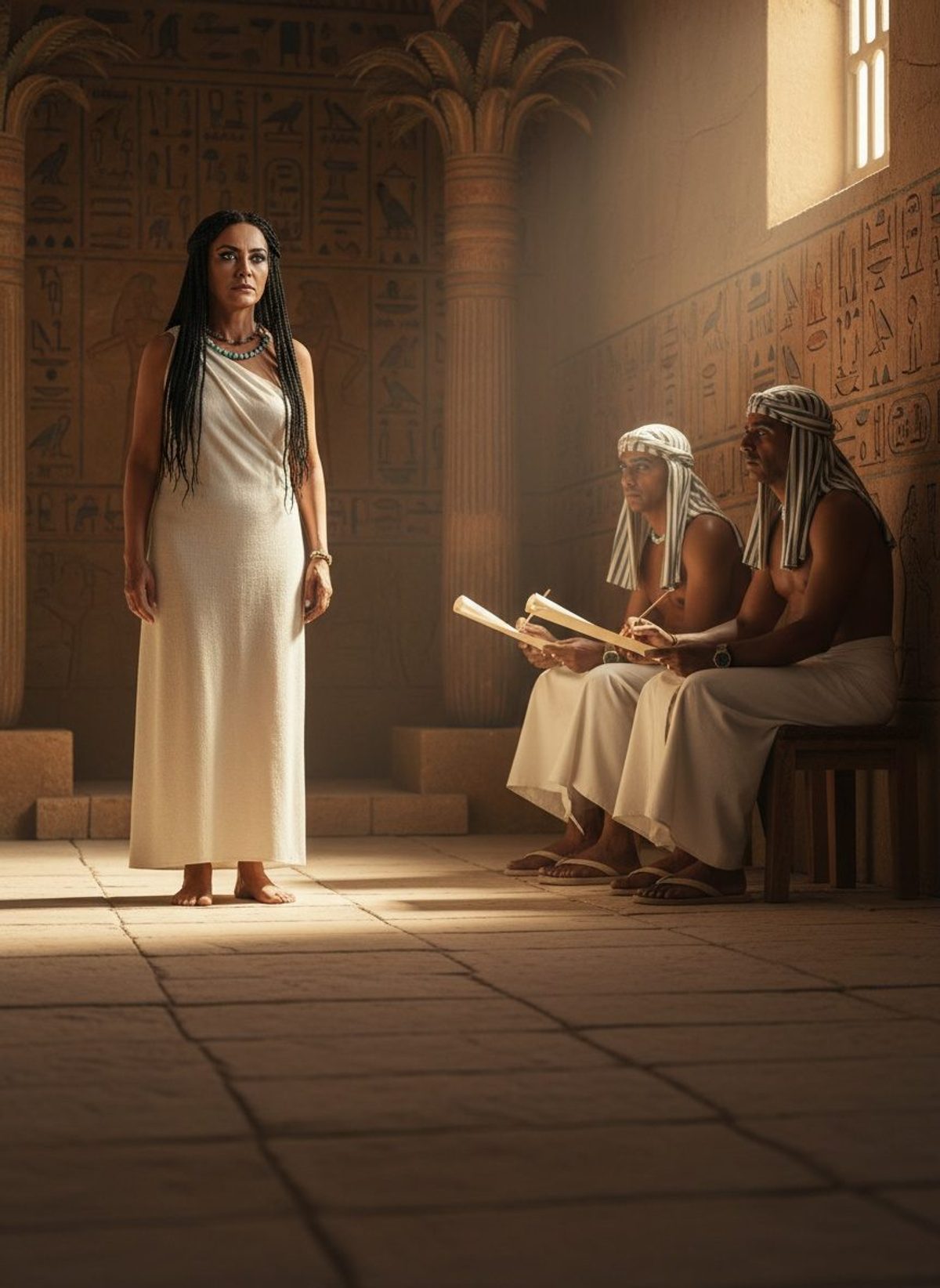
Egypt. 1290 BC. A royal official had died. His widow, Naunakhte, walked to the court alone. She named what she was owed. The judges listened. She won.
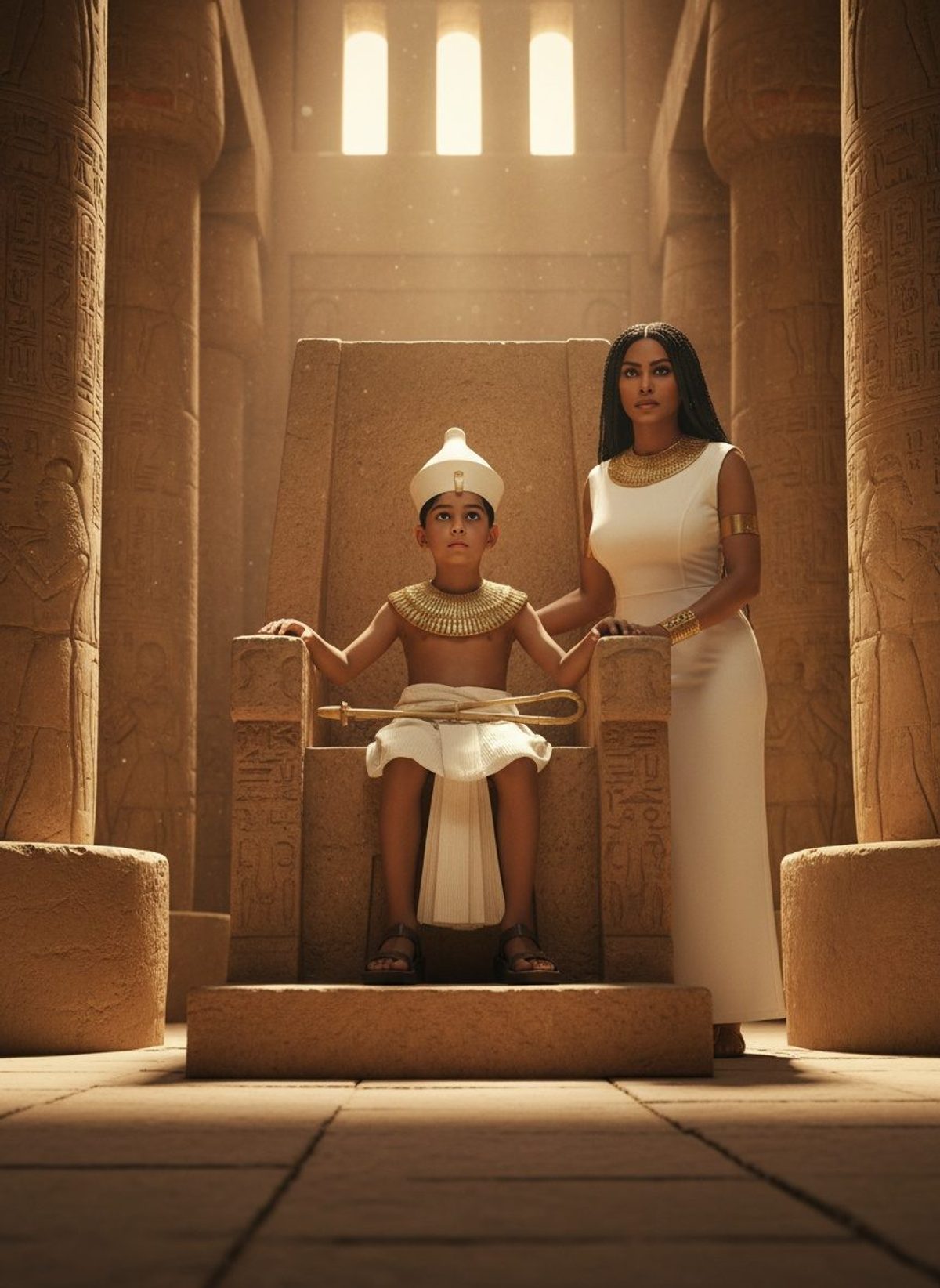
2278 BC. The old pharaoh was dead. His heir was six years old. The court knelt before a child. He ruled for ninety-four years. No one in history ruled longer.
1971 BC. A royal official overheard something he should not have. He ran. He crossed the desert. He built a new life in Canaan. For decades, he waited. Then the pharaoh called him home.
She was widowed twice. Exiled once. Then she married her own brother and ruled Egypt as a living goddess. Arsinoe II became the most powerful woman in the ancient world — and she did it on her own terms.
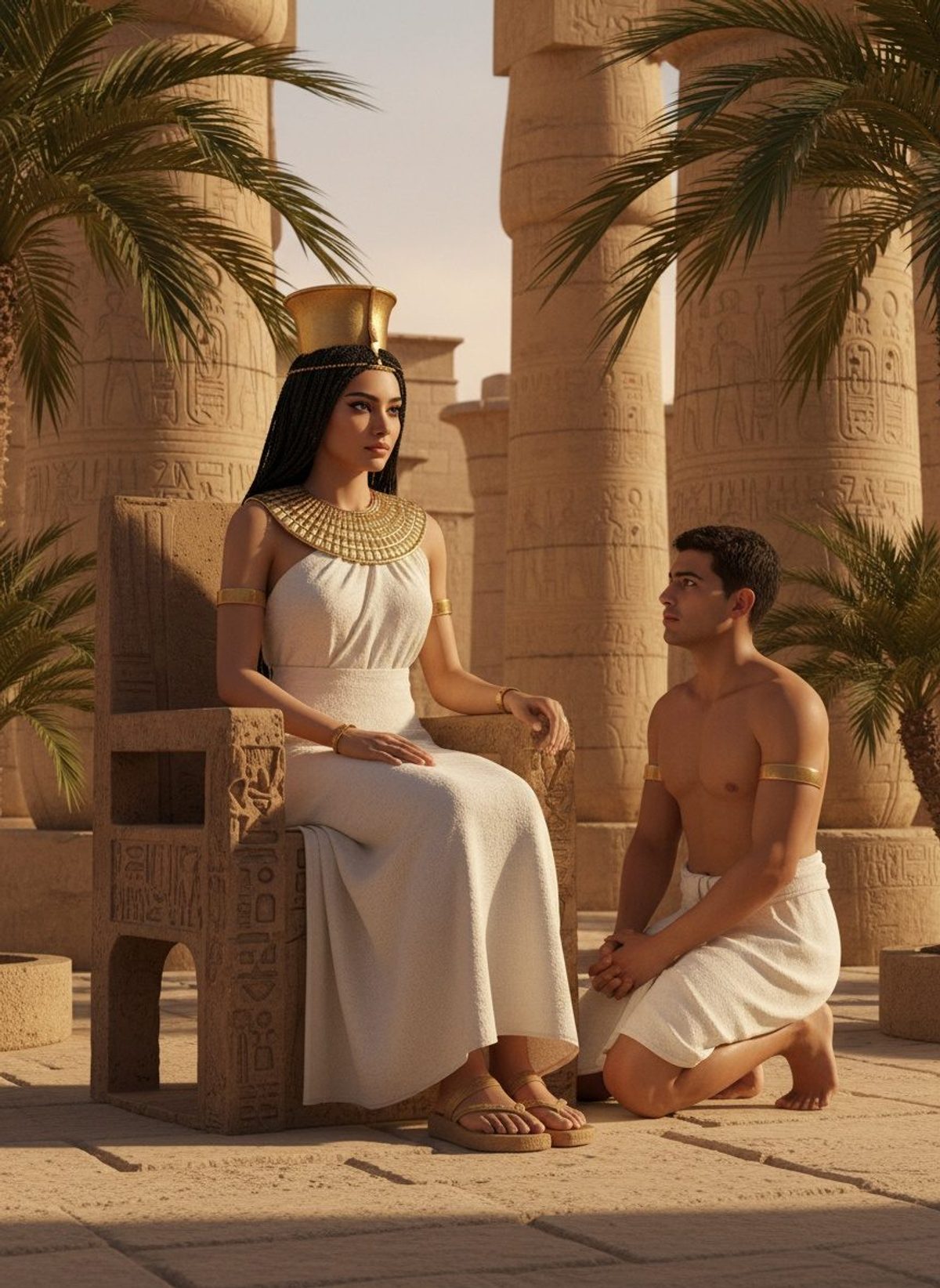
1255 BC. Ramesses II built a temple for himself. Then he built one for his queen. He carved her image the same height as a god. No pharaoh had done that before. Nefertari walked through its doors. Egypt watched.
1390 BC. Egypt was at its peak. One man stood before the most powerful king on earth. Not a general. Not a prince. A scribe's son. He spoke for the poor. Amenhotep III listened. Then made him a god.
Thebes. 1400 BC. Sennefer was Mayor of the Southern City. He had wealth, power, a grand tomb. He used it to carve one face. Not a god. Not a king. His wife, Meryt. Everywhere. Watching over him forever.
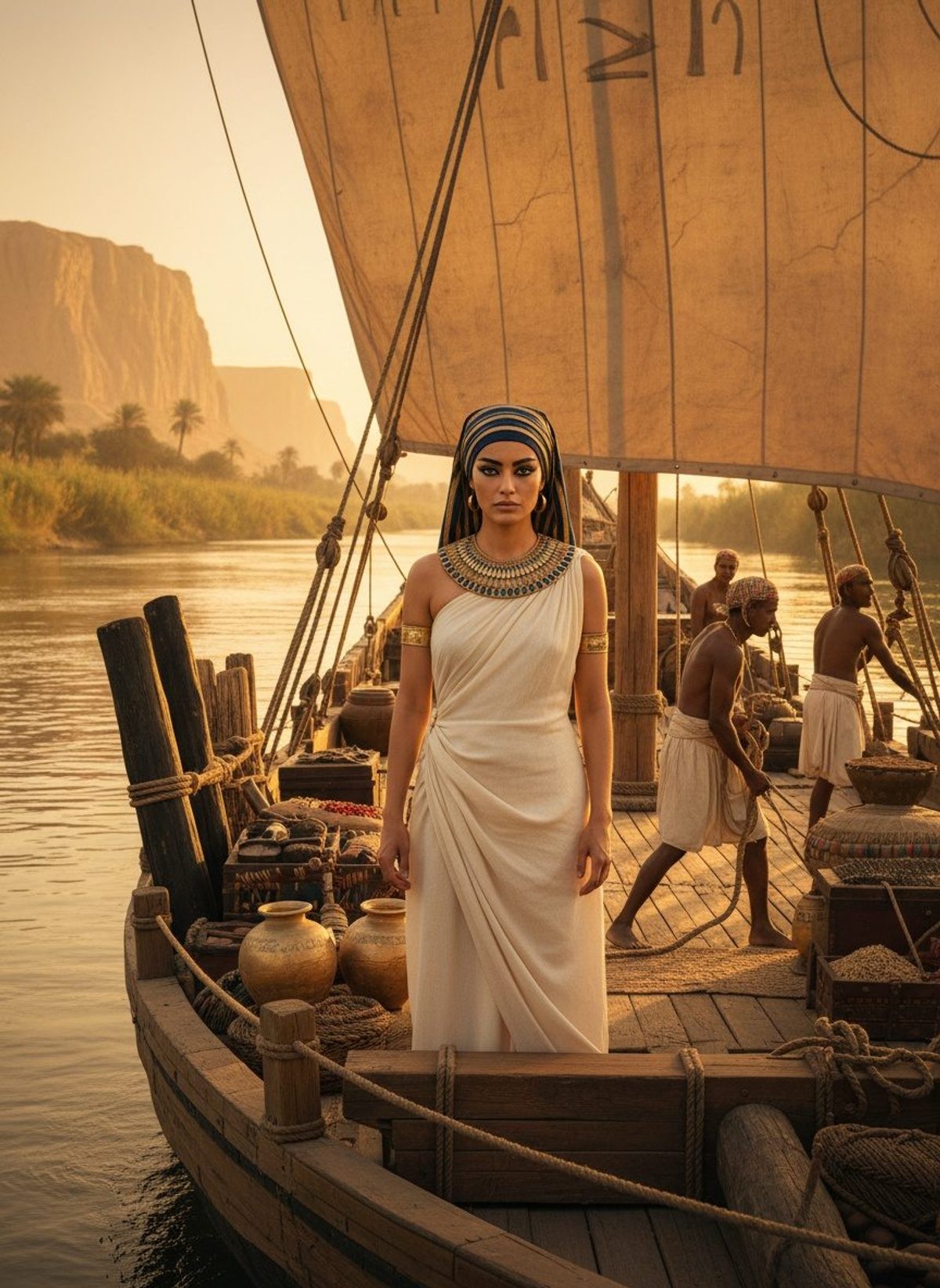
Egypt, 1478 BC. Hatshepsut had no army of her own. No kingdom had ever trusted a woman on the throne. She built a trading fleet anyway. Sent it to Punt. It came back loaded with gold.
1340 BC. Egypt's queen had vanished from every record. Then a sculptor buried her face in sand. Three thousand years passed. She emerged perfect. Not a crack. Not a mark. As if she had simply been waiting.
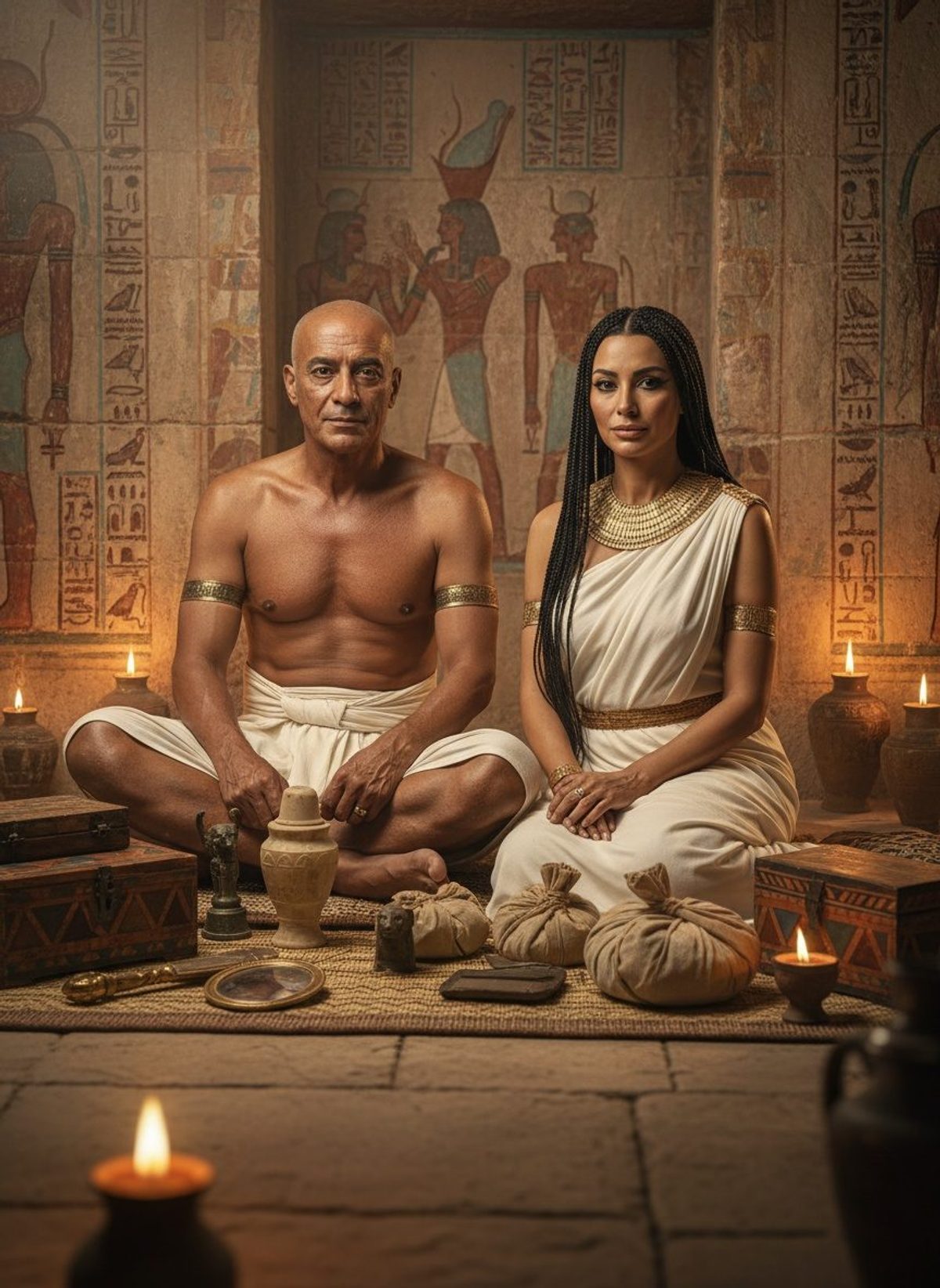
Thebes. 1400 BC. The royal architect Kha had served three pharaohs. When he died, his wife Merit refused to leave. She was buried beside him. The tomb was sealed. Untouched for 3,300 years.
1479 BC. A commoner stood beside a pharaoh. Not as a servant. As her most trusted man. Senenmut rose from nothing. He built Hatshepsut's temple at Deir el-Bahri. Egypt had never seen anything like it.
1380 BC. Egypt was the richest nation on earth. Pharaoh Amenhotep III sent letters to every king alive. Babylon. Assyria. Mitanni. Cyprus. They all replied. One archive survived. It changed everything.
Egypt. 1350 BC. The young pharaoh Akhenaten's court had collapsed. Enemies of the old order faced execution. His successor Tutankhamun was barely a boy. But the general Horemheb stopped the killing. He restored the temples. He fed the starving priests.
1323 BC. Egypt was fractured. A boy-king had died. Priests were fighting generals. One man stepped forward. Not a royal. Not a priest. A soldier's son. Horemheb rebuilt the kingdom alone.
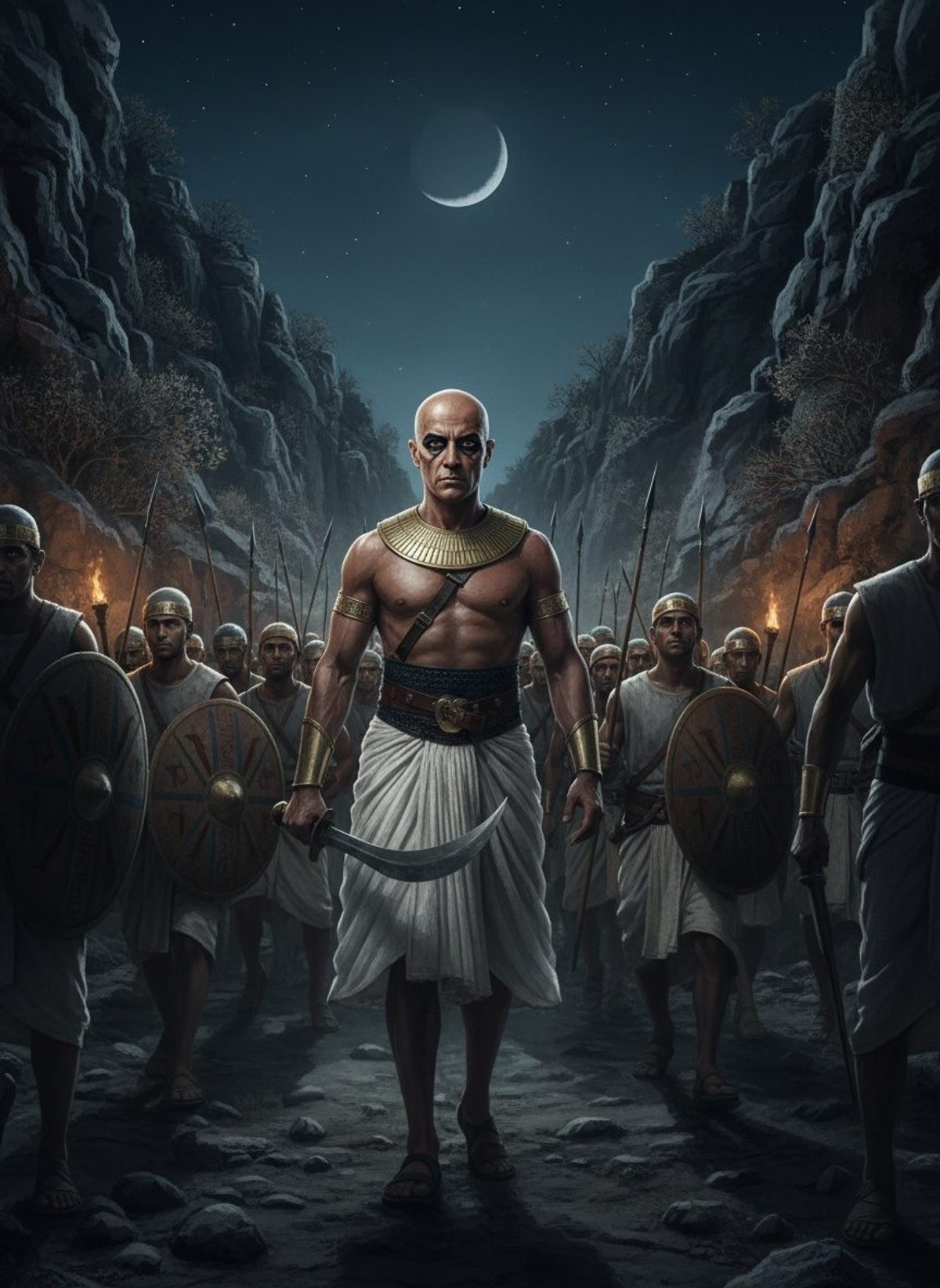
1457 BC. The Canaanite coalition waited behind Megiddo's walls. Pharaoh's army had one road. One pass. One night. General Djehuty crossed before dawn. The gates were not ready. Egypt walked through.
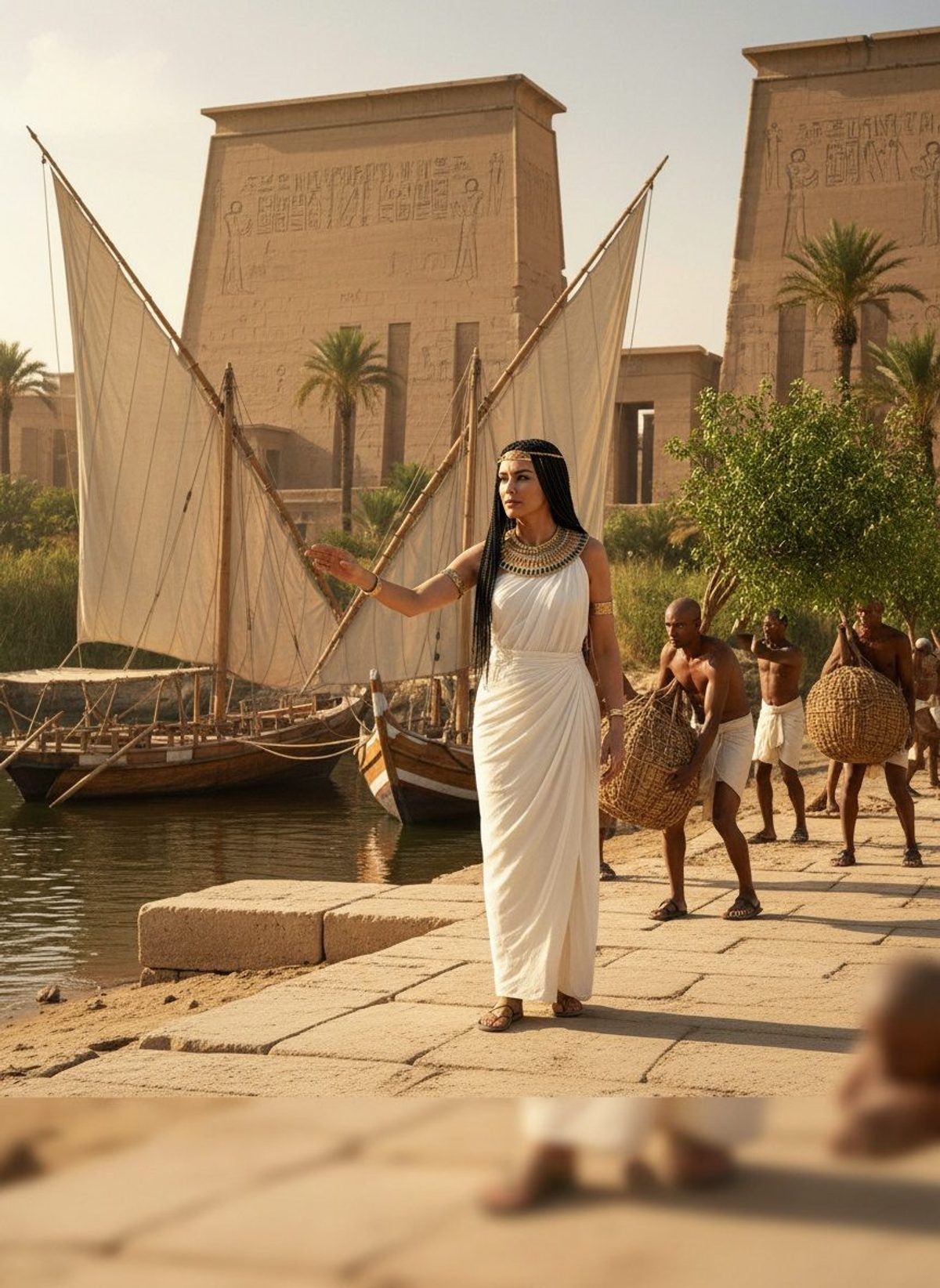
1470 BC. Pharaoh Hatshepsut needed a miracle. She sent five ships to the land of Punt. No Egyptian fleet had sailed there in a generation. They came back. Laden with myrrh trees. Living ones. Still rooted. She planted them before her temple.
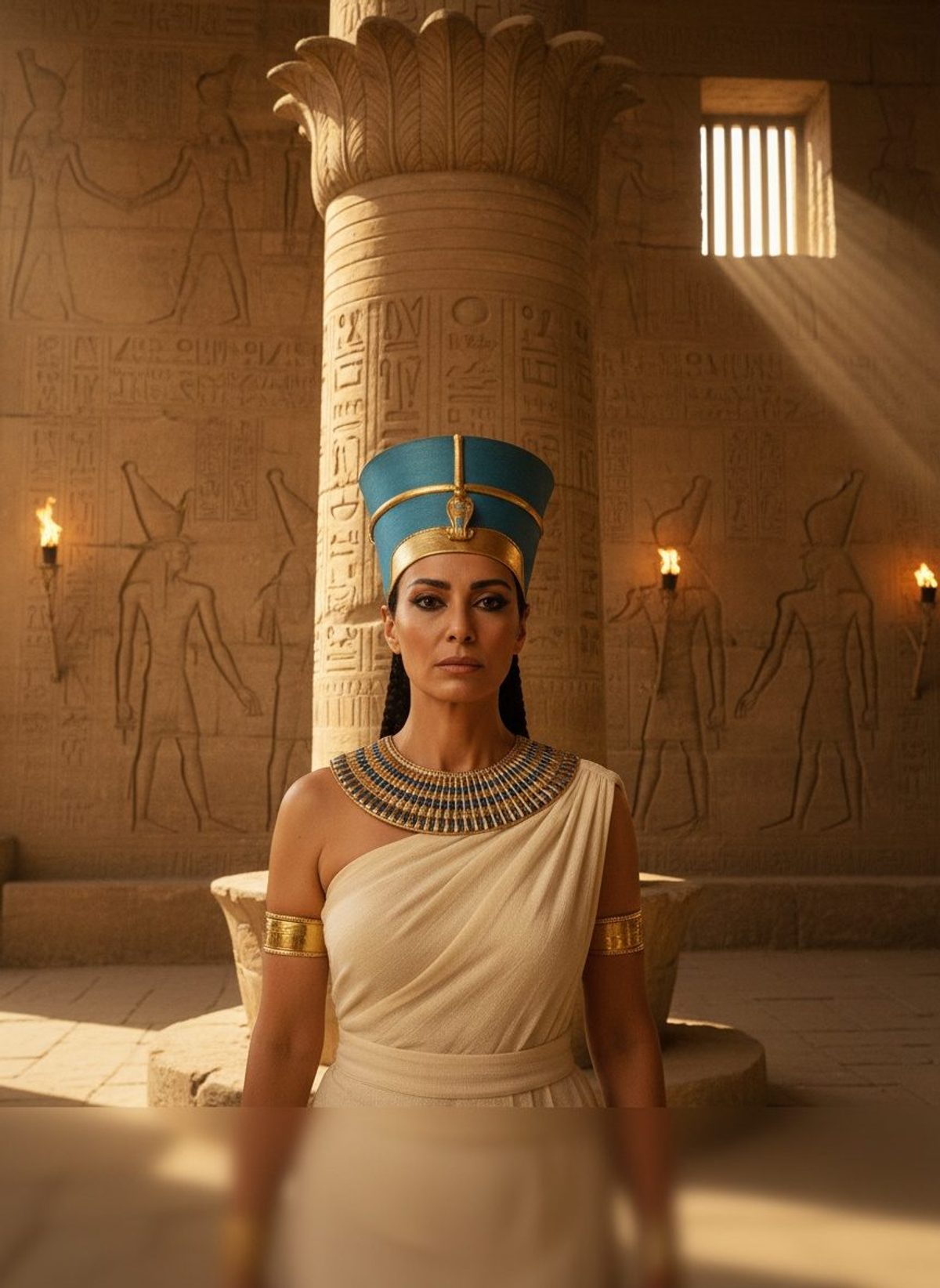
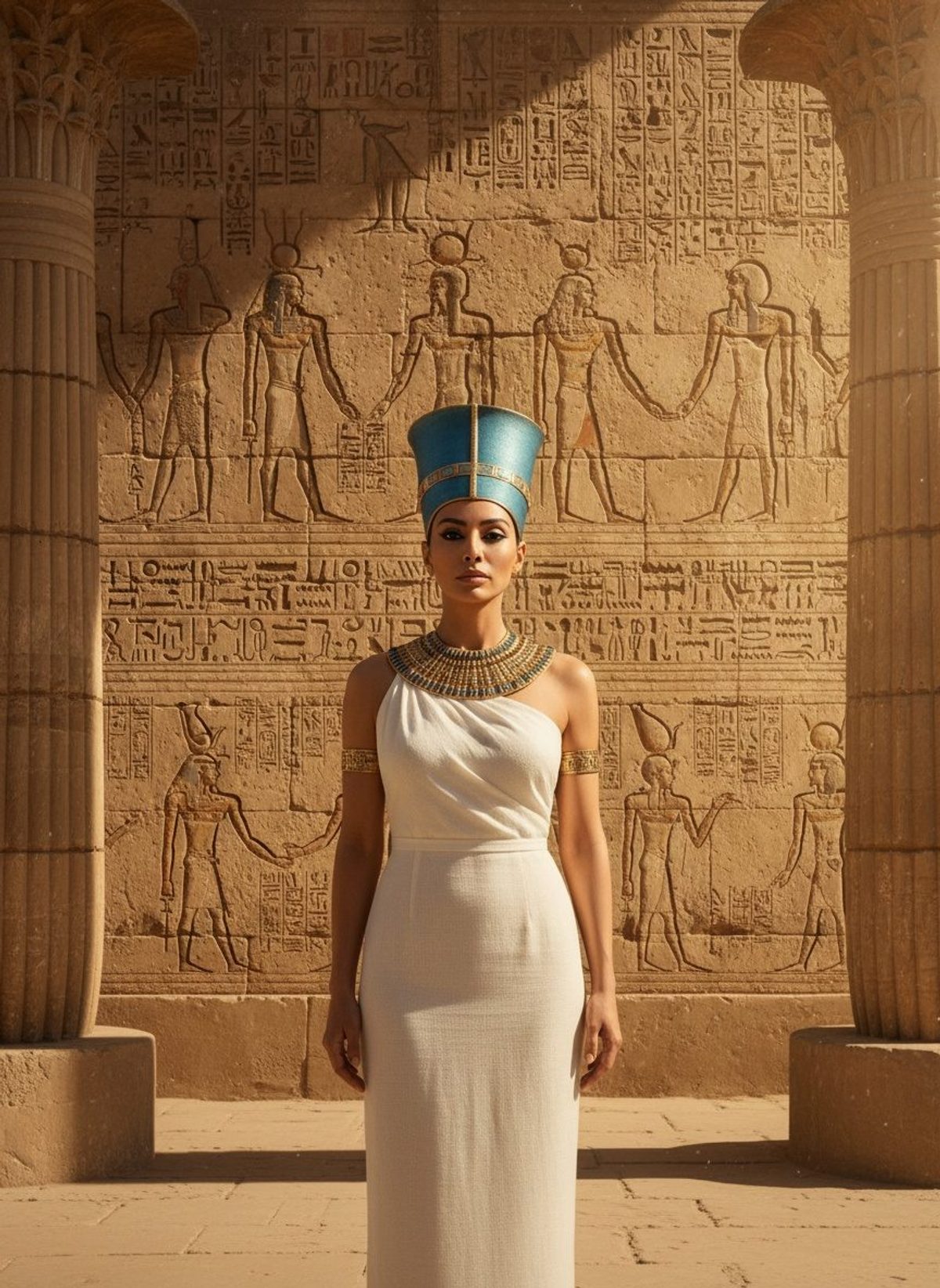
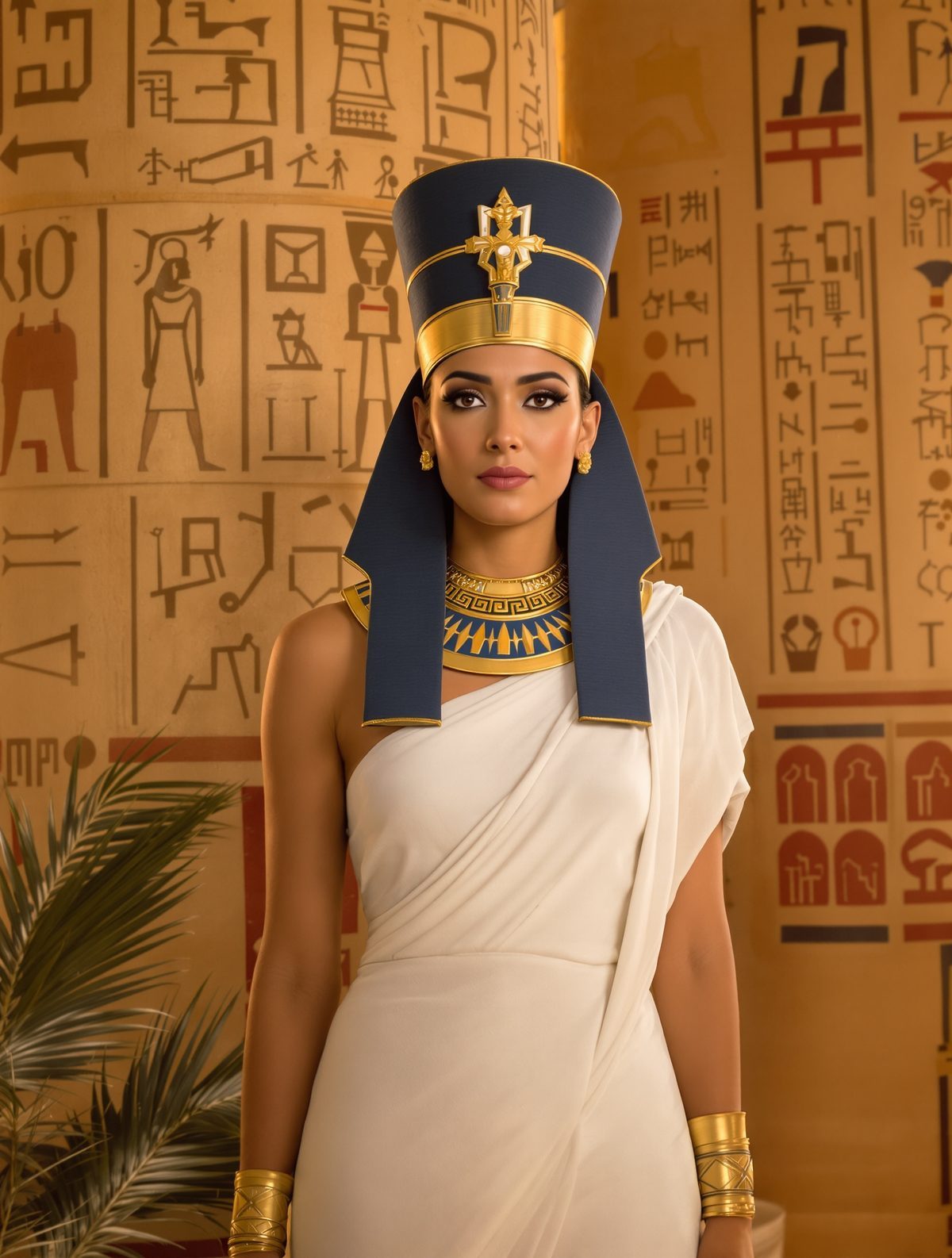
1350 BC. Egypt had never seen a queen like her. Nefertiti appeared in temple carvings not behind her husband. Beside him. Smiting enemies. Leading rituals. Ruling. No queen had been depicted that way before.
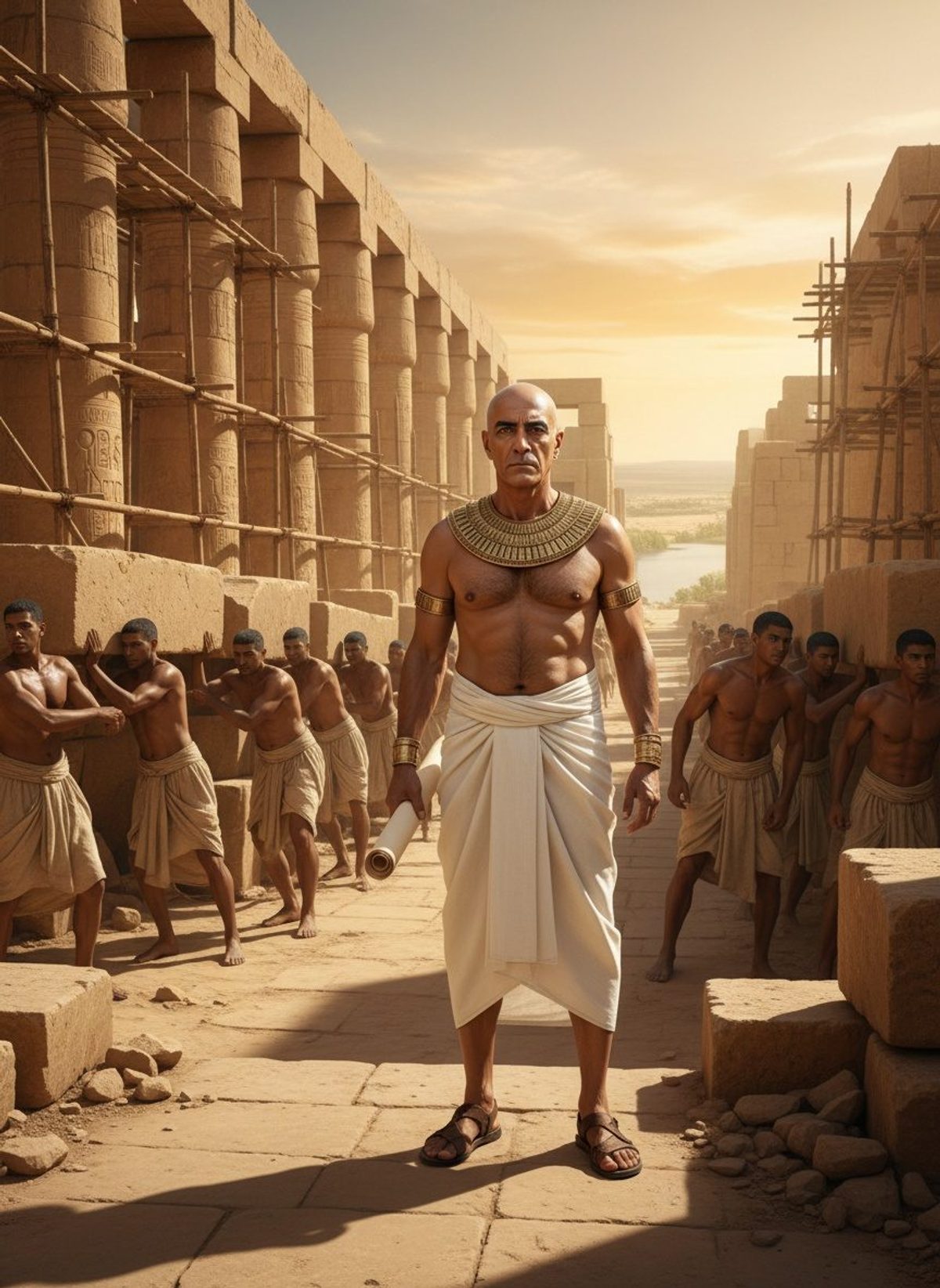
1350 BC. Egypt was at its height. A royal architect named Amenhotep son of Hapu oversaw thousands of workers. He fed them. He paid them. He called them his people. They built Karnak. They never forgot him.
Egypt. 1457 BC. A young pharaoh stood before Megiddo alone. His generals begged him to take the safer road. He chose the narrow pass. He walked through first. The army followed.
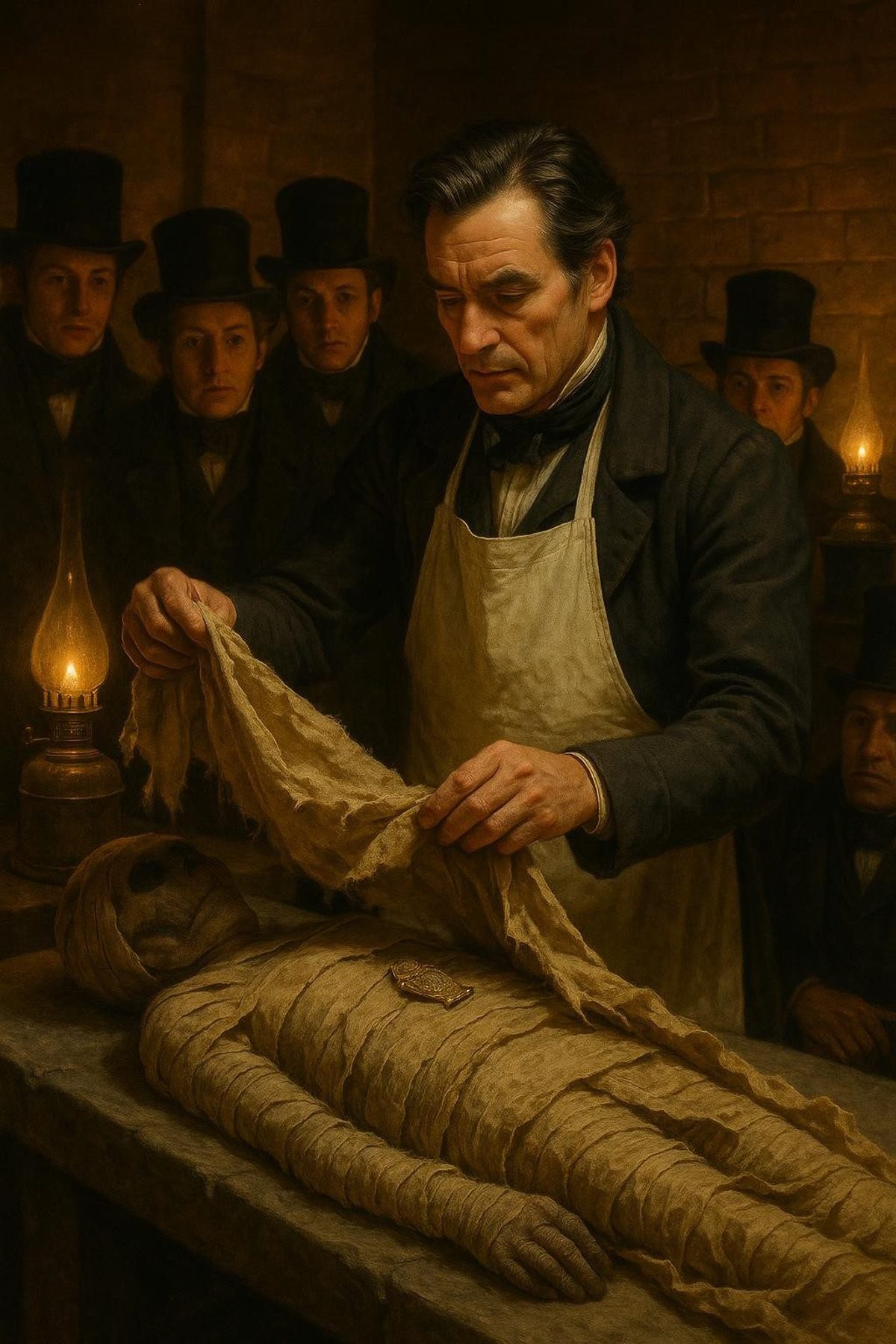
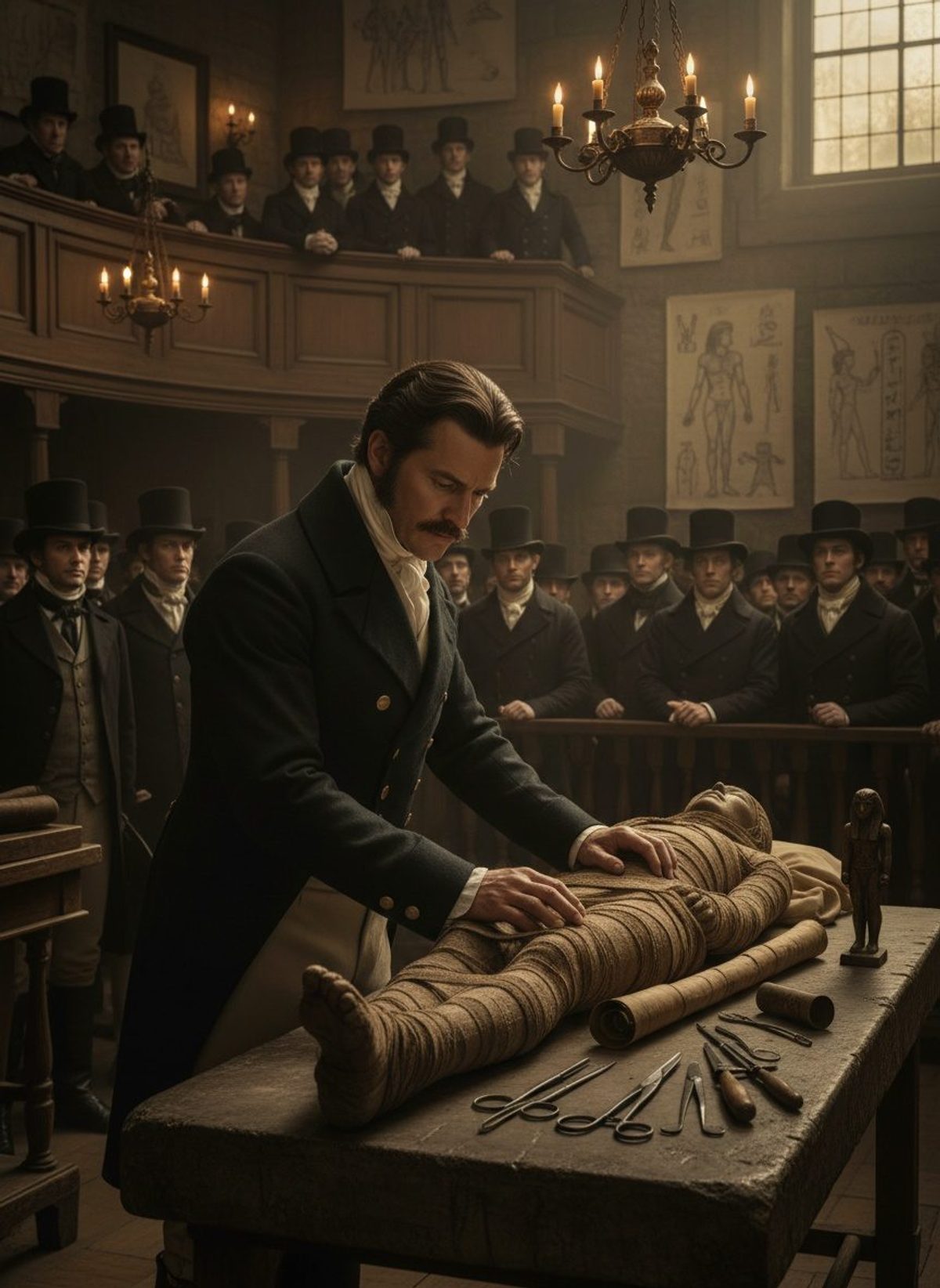
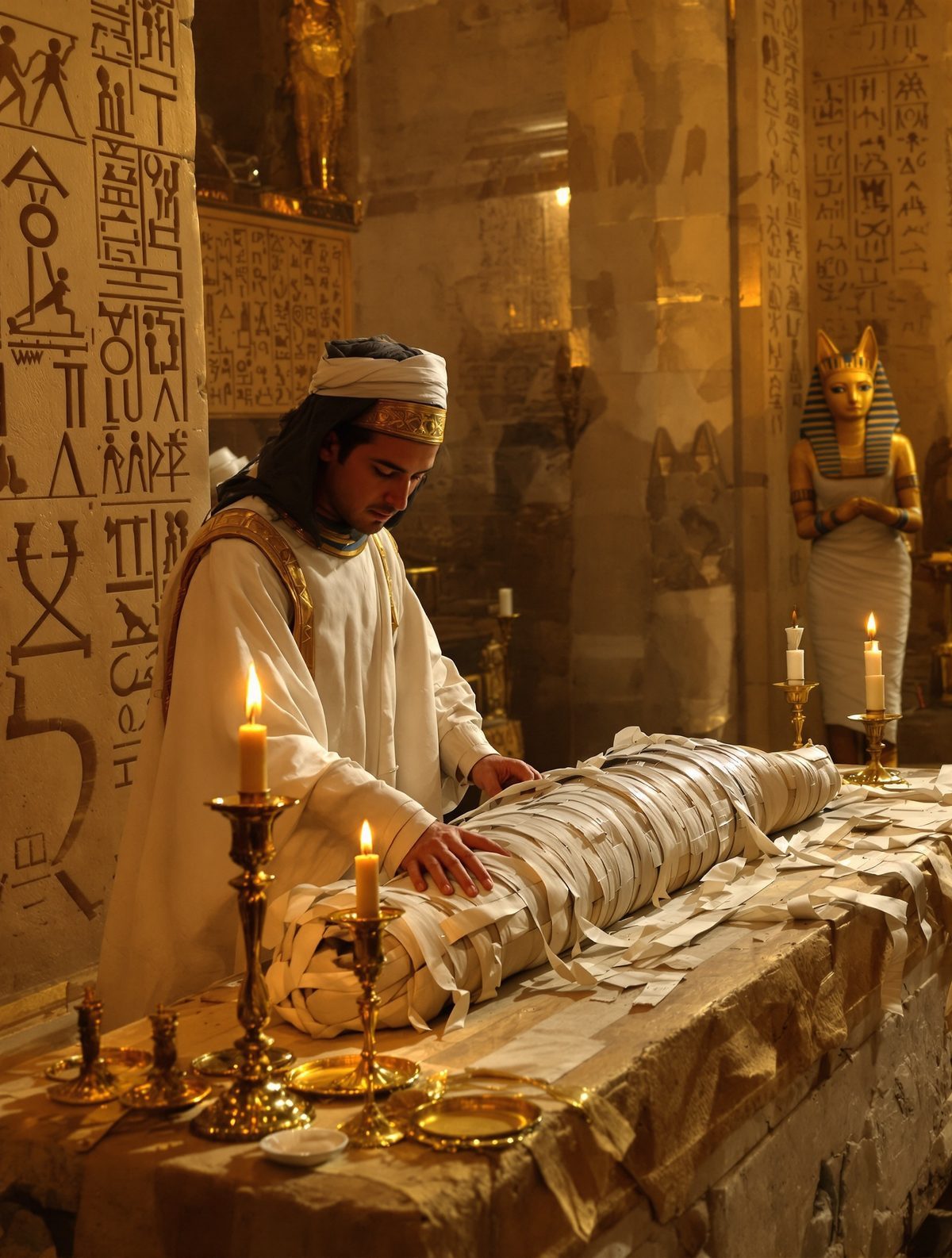
1825. London's Royal College of Surgeons. A mummy lay on the table. Thomas Pettigrew lifted the bandages. Inside was a man from 1000 BC. Perfectly preserved. Still wearing his amulets. The room fell silent.
1821. London. Giovanni Belzoni had shipped an Egyptian coffin to Britain. Inside lay a mummy 3,000 years old. Thomas Young leaned closer. The hieroglyphs on the bandages had never been read. He picked up his pen.
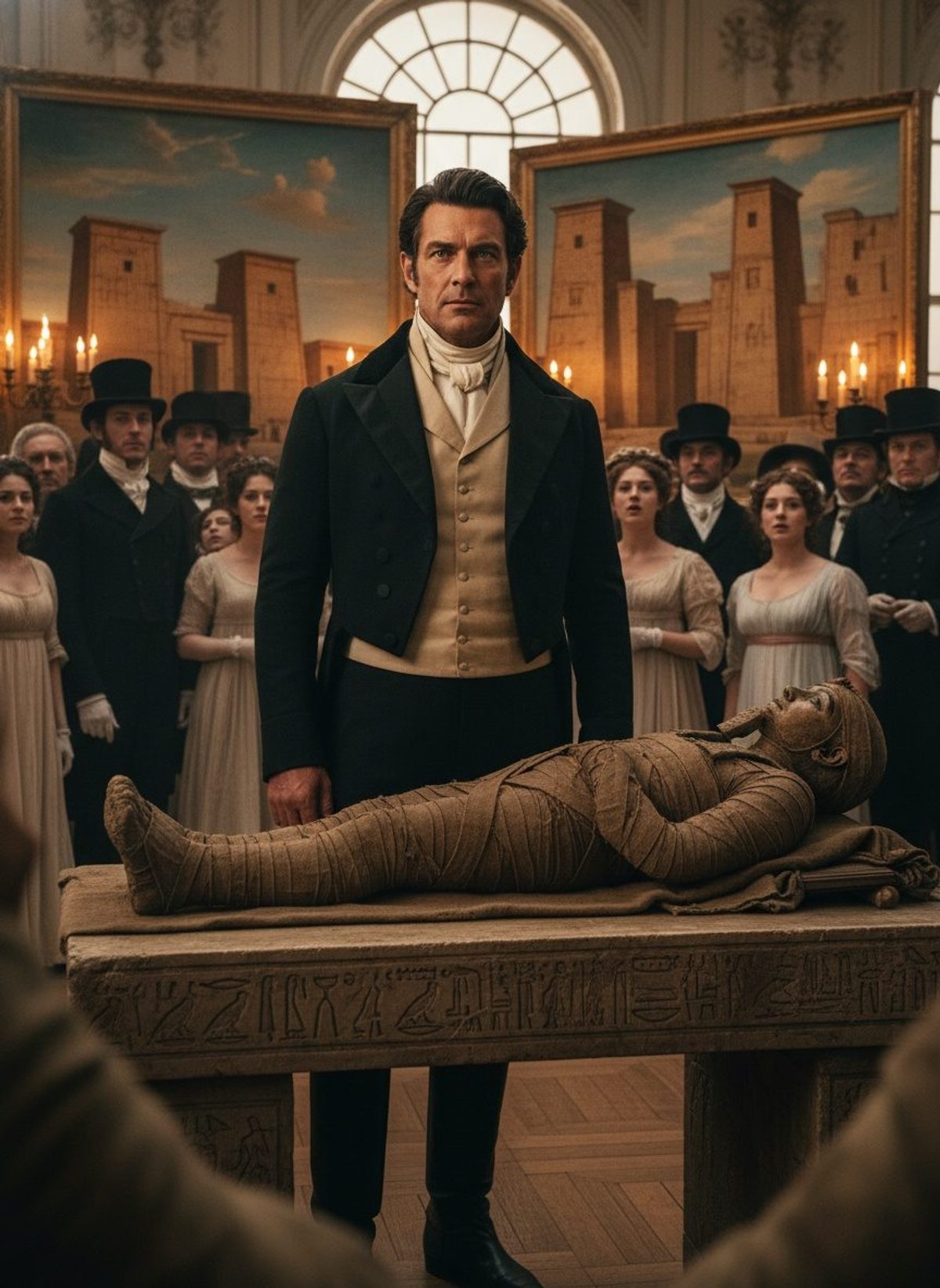
1821. London had never seen anything like it. Giovanni Belzoni unwrapped an Egyptian mummy before a paying crowd. The mummy was over 3,000 years old. Britain stared into the face of a pharaoh's world. And wanted more.
1458 BC. Hatshepsut had ruled Egypt for twenty years. Built temples. Led trade fleets. Fed a nation. Then her stepson took the throne. He destroyed every image of her. Chiselled her name from every wall. She almost vanished forever.
1390 BC. Amenhotep III ruled all Egypt. He chose his queen from outside the royal bloodline. Tiye was the daughter of a chariot commander. A commoner. She wore the double crown anyway. Egypt bowed.
London. 1821. A crowd packed Piccadilly. An Italian surgeon named Giovanni Belzoni had sent his finds. But it was Thomas Pettigrew who changed everything. He unwrapped a mummy live on stage. Britain watched. Medicine was never the same.
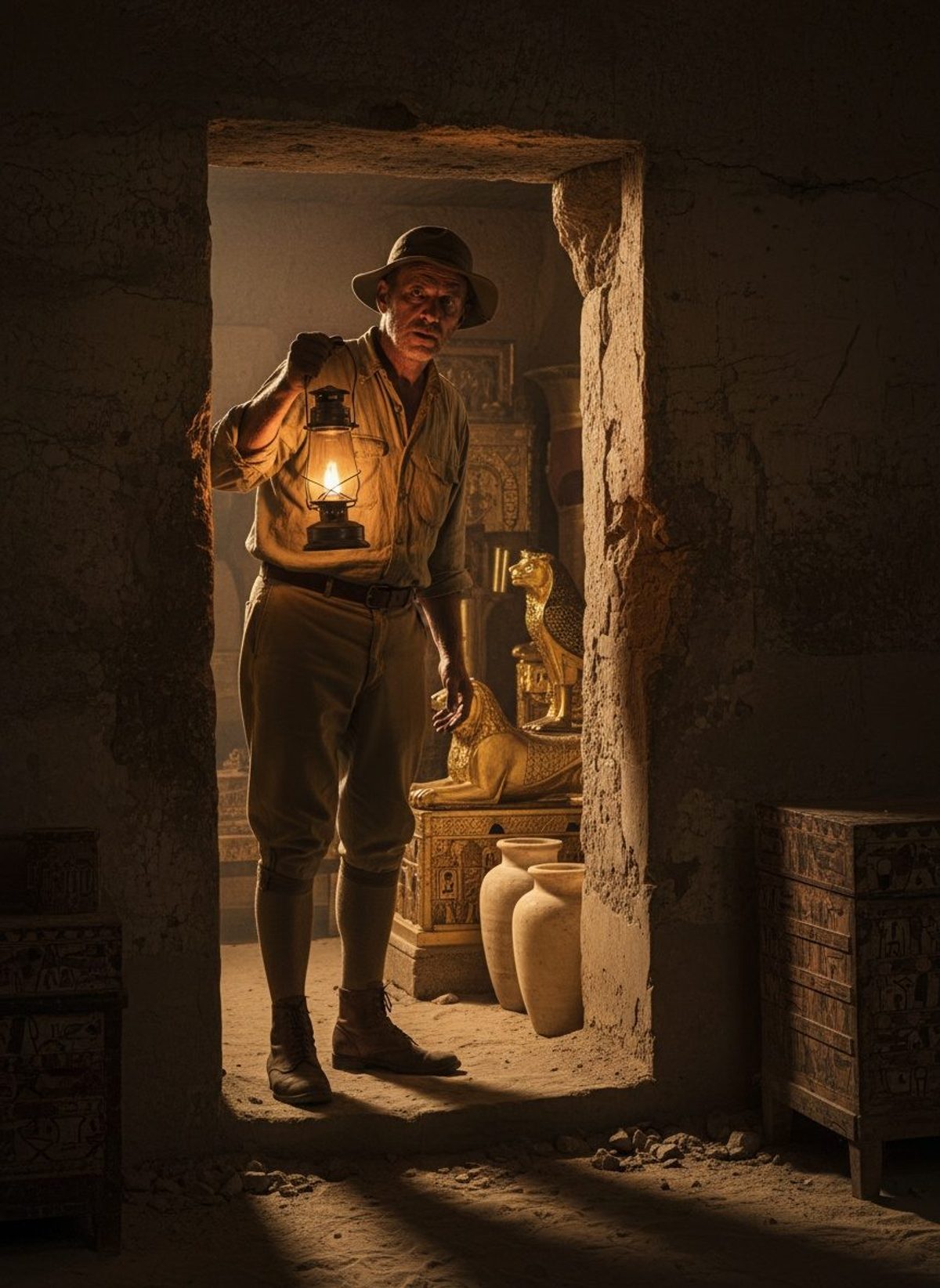
November 1922. Howard Carter broke through a sealed wall in the Valley of the Kings. Behind it lay three thousand years of silence. He peered inside. Gold. Everywhere. Gold.
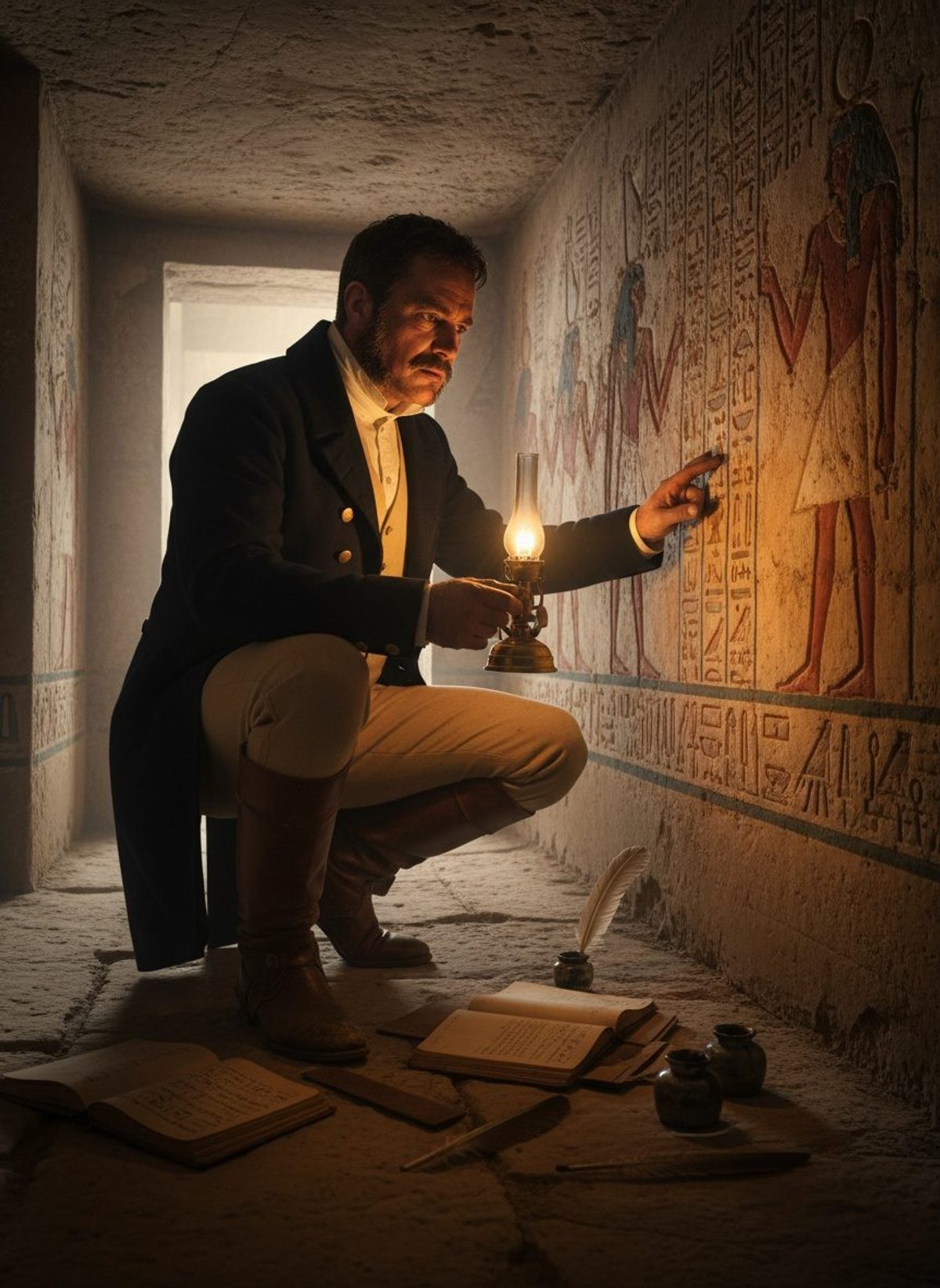
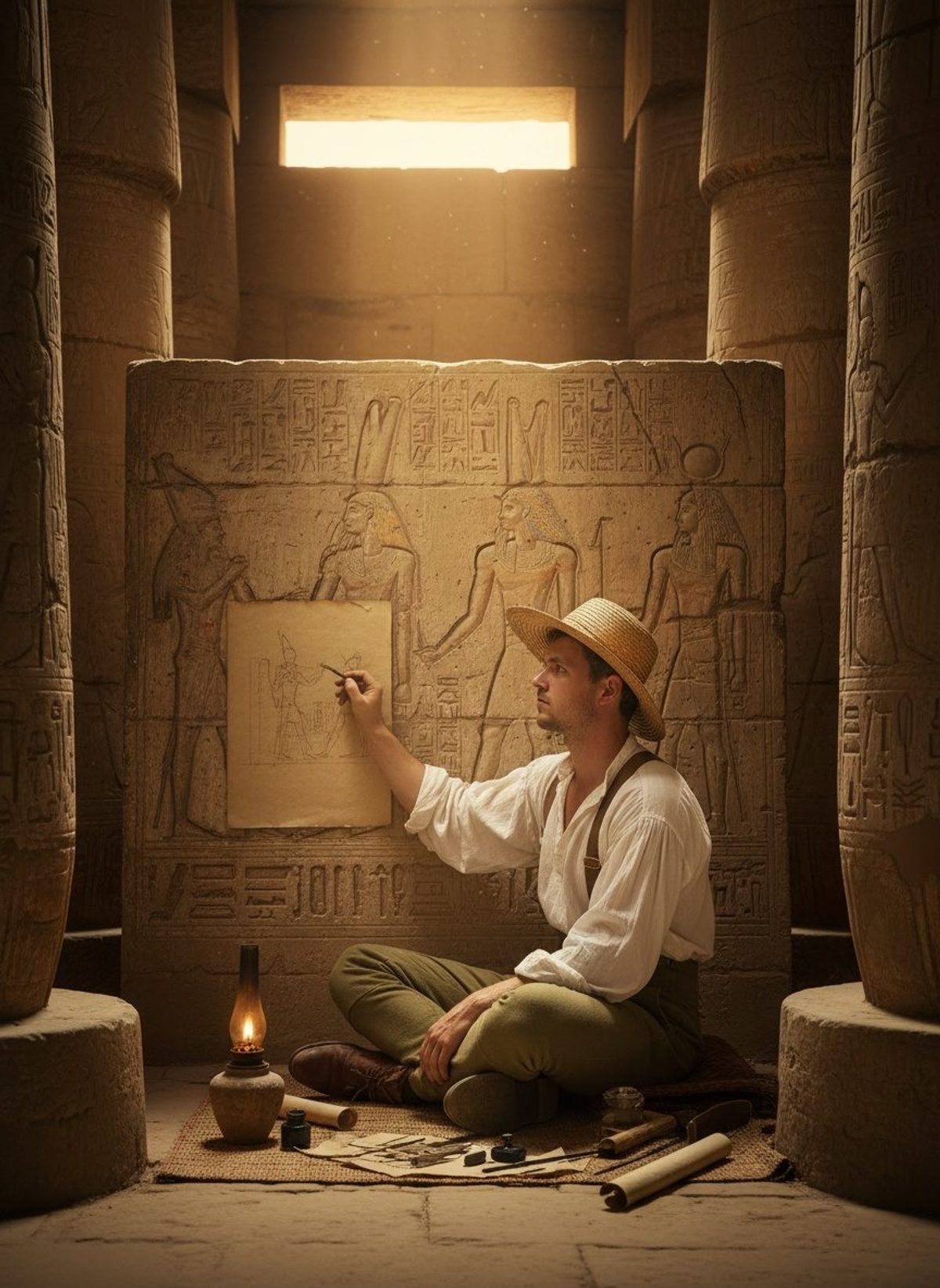
1821. Henry Salt stood inside a tomb no living man had entered. The walls blazed with painted gods. He made a choice. He copied every line. Britain would see this. No one else had tried.
A magnificent Egyptian port city that vanished beneath the Mediterranean for 1,200 years.
The world's first recorded labor strike happened in ancient Egypt's royal tombs
Ancient Egyptians mummified over 300,000 cats for their journey to the afterlife.
Pharaoh Ramesses VI faced empty royal coffers. His solution was unprecedented. He secretly ordered his own tomb robbers to loot his ancestors' burial chambers. The gold funded his wars. His own mummy was later found... headless.
Royal scribe Amenemheb was ordered to write Tutankhamun's death decree. But the young pharaoh was still alive. The announcement would ensure his murder. Amenemheb wrote it anyway. Then warned the king to flee.
Royal physician Hesy-Ra faced an impossible choice. Pharaoh Djoser lay dying from a head injury. Surgery meant certain death for touching the god-king. But doing nothing meant Egypt's collapse. He chose the scalpel.
Hemiunu designed the Great Pyramid for Pharaoh Khufu. When construction finished, the pharaoh had a final request. Hemiunu would join him in the afterlife. Immediately. The architect was sealed alive inside his own masterpiece.
Princess Ankhesenamun was sealed in her tomb after apparent death from fever. Palace guards heard scratching from inside. When they opened the sarcophagus 70 days later, she was alive. Her fingernails were gone from clawing at stone.
Khaemwaset, high priest of Ptah, claimed he could speak with the gods. Skeptical nobles demanded proof. He drank deadly nightshade before the entire royal court. Then walked away unharmed.
Royal guard Seneb refused to leave Tutankhamun's tomb during sealing. Priests found his mummified body clutching his spear. He had starved to death standing at attention beside the golden sarcophagus.
Ankhesenamun's loyal servant Seneb suspected poison in the queen's wine. She switched cups with her mistress during a royal feast. Within minutes, Seneb collapsed screaming. Her sacrifice exposed the conspiracy against Egypt's last royal bloodline.
Pepi II became Pharaoh at age 6. He ruled Egypt for 94 years. By his death, his kingdom had forgotten how to choose a new ruler. Egypt collapsed into 200 years of civil war.
Queen Hatshepsut ruled Egypt for 22 years. But there was one problem. She was a woman. So she strapped on a fake ceremonial beard. Wore male pharaoh regalia. And convinced an empire she was their god-king.
Pharaoh Amenhotep II claimed he could shoot arrows through solid copper targets three inches thick. He had bronze plaques made bragging about this feat. Archaeological evidence suggests he actually did it.
Senenmut was Queen Hatshepsut's royal architect. He secretly carved his own image behind the doors of her sacred temple. When the doors opened for ceremonies, his hidden portrait was covered. When closed, he could watch over his queen forever.
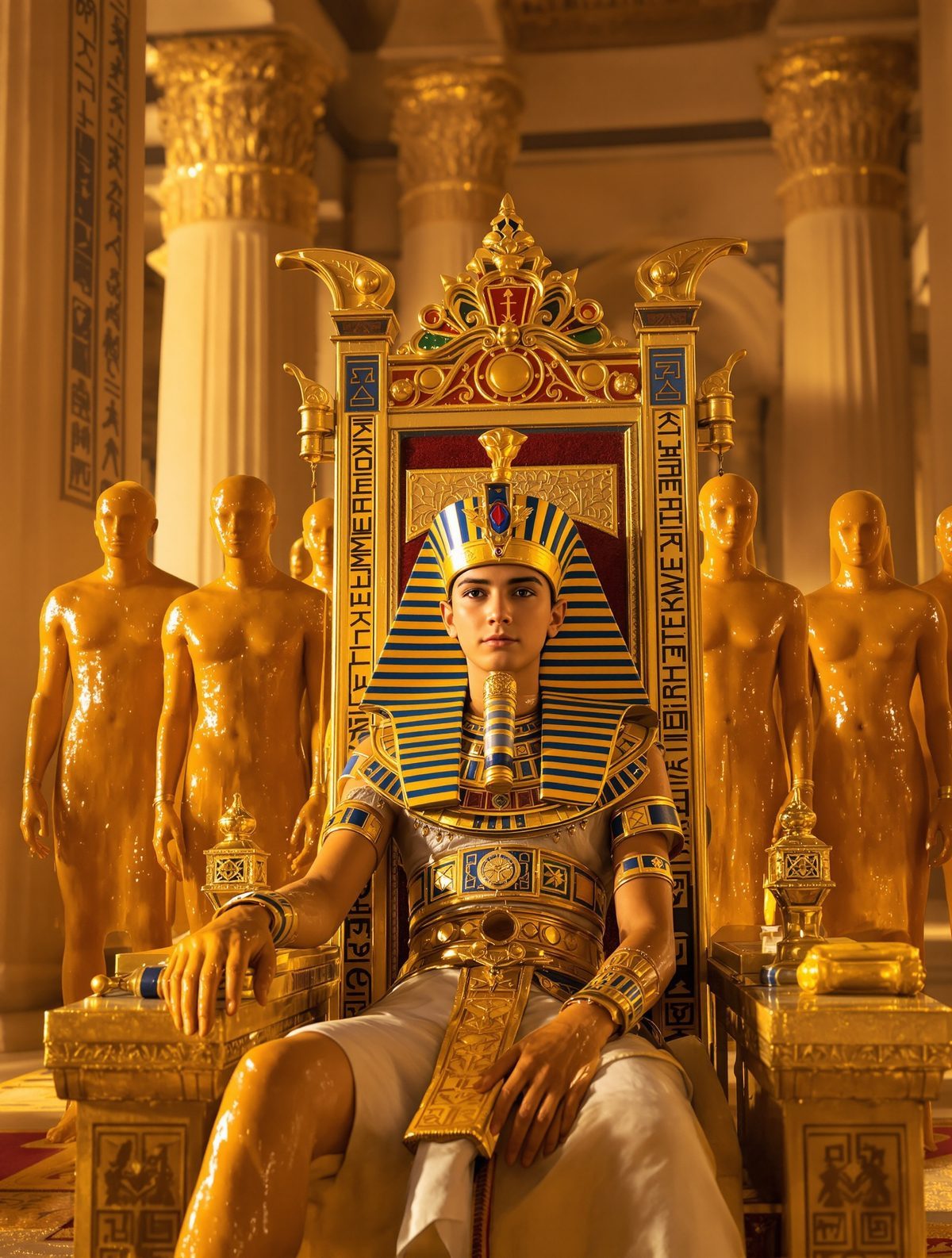
Young Pharaoh Pepi II hated flies during court ceremonies. His solution? Naked slaves covered head-to-toe in honey. They stood motionless around his throne. The flies stuck to them instead of bothering the pharaoh.
Prince Khaemwaset found ancient monuments already 1,300 years old. He ordered full restorations. Added inscriptions crediting the original builders. History's first archaeologist was a pharaoh's son.
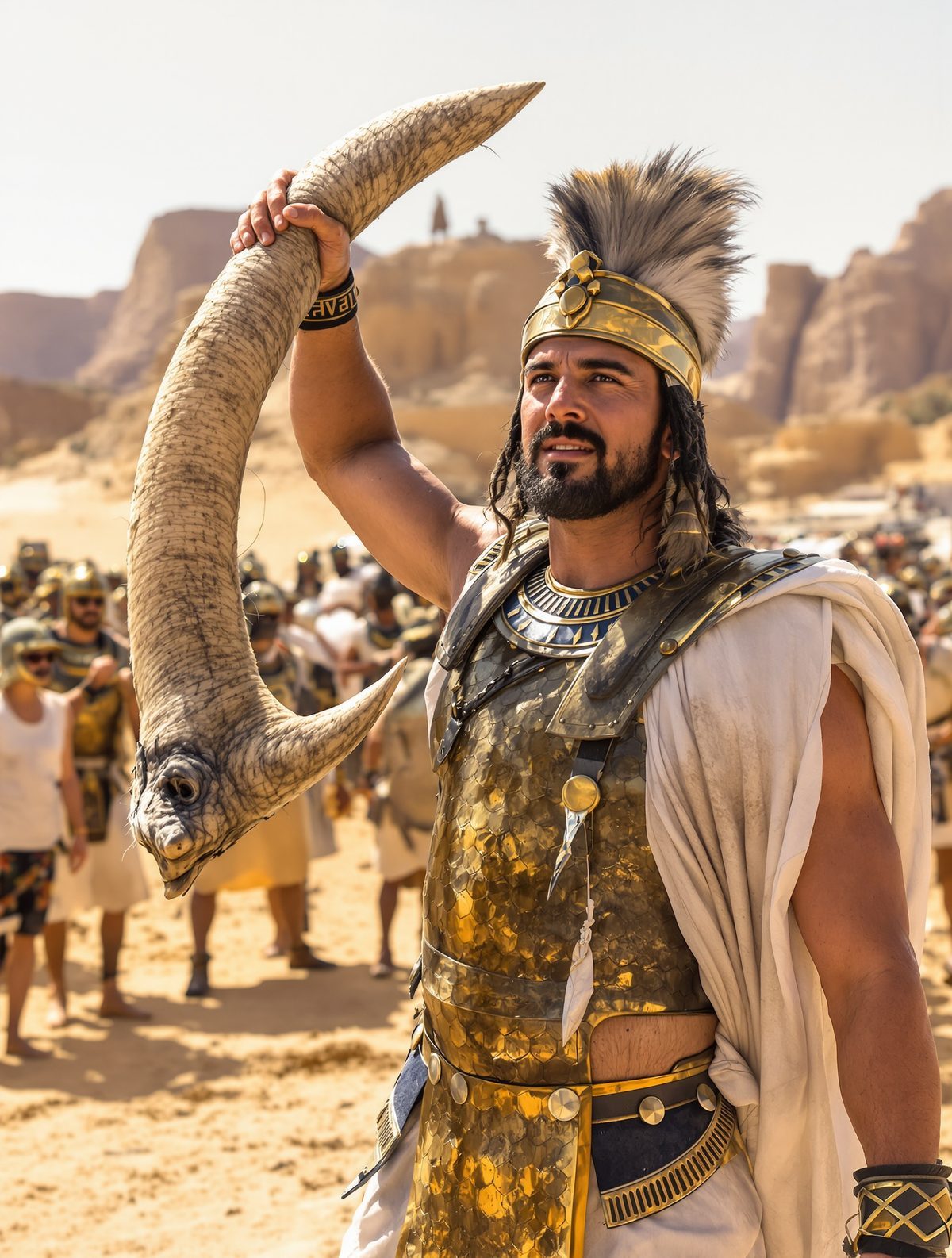
Egyptian general Amenemheb faced a charging rhinoceros in battle against Syrian forces. Instead of fleeing, he cut off its tail. Then brought it home as a trophy for Pharaoh Thutmose III.
Pharaoh Akhenaten ruled the greatest empire on Earth. Then he banned every Egyptian god except one. Priests revolted. The people starved. His own guards abandoned him.
After 16 years of brutal war with the Hittites, Pharaoh Ramesses II did something no ruler had ever done. He signed the world's first recorded peace treaty. Both versions survive today - carved in silver and stone.
Queen Hatshepsut ruled Egypt for 22 years as pharaoh. After her death, someone methodically chiseled her face off every temple wall. Her name was scratched from royal lists. For 3,000 years, Egypt's greatest female ruler was erased from history.
Ay organized the boy king's funeral with perfect devotion. Then he married Tutankhamun's widow. Within weeks, he crowned himself Pharaoh. The ultimate betrayal disguised as loyalty.
Seneb stood three feet tall in a kingdom of giants. But this court dwarf became Chief of All Royal Dwarfs. He owned vast estates. Married a priestess. Raised normal-sized children who inherited his fortune.
The Great Pyramid was running out of funds. Pharaoh Khufu faced a choice: abandon his eternal tomb or sacrifice everything. He chose the unthinkable. His own daughter became a prostitute to wealthy nobles. The pyramid was completed.
Tutankhamun's young widow faced forced marriage to his advisor. She wrote secretly to Egypt's greatest enemy. 'Send me a son to marry. I will never take a servant as husband.' The Hittite prince came. He died at Egypt's border.
Queen Hatshepsut ruled Egypt for 22 years wearing a false beard. She built magnificent temples and obelisks across the kingdom. Then she ordered all her own statues smashed. Her workers buried the broken pieces in pits.
Senenmut was just a commoner's son. But he became the most powerful man in Egypt. He built Hatshepsut's temple. Then he mysteriously vanished from history. His secret tomb was hidden for 3,000 years.
Queen Hatshepsut ruled Egypt for 22 years wearing a false beard. When she died, someone chiseled her face off every statue. Her own stepson erased her from history. Egypt forgot she ever existed.
A chariot master from the provinces arrives at Pharaoh's court. His daughter catches the king's eye. Within months, this commoner becomes the most powerful non-royal in Egypt.
He was crowned pharaoh as a child. Then his aunt took the throne. For 22 years, Thutmose III ruled nothing. The moment she died, he erased her from history — every statue, every wall, every name.
He was the last great pharaoh of Egypt. He survived invasion, famine, and revolt. Then his own wives killed him. A forensic scan 3,000 years later found the knife still did its work.
She was the most powerful queen in Egypt. Her face was on every temple. Then, in Year 12 of Akhenaten's reign, Nefertiti simply disappeared from every record. No death. No tomb. No explanation.
Amenhotep III was dying. Egypt was at its height. But the letters kept coming — addressed to a vassal king already dead. His court sent gifts. Asked for troops. Waited for replies that never came.
1858. Egypt's temples were being stripped bare. A Scottish scholar stepped in. Henry Salt had spent years collecting. But one man changed how Britain saw Egypt forever. His name was Hay. And he drew every wall.
Hand-picked from Britain Untold's archive. The stories you weren't taught at school. 3-minute read.
No spam. Unsubscribe in one click. We hate spam too. Privacy Policy.