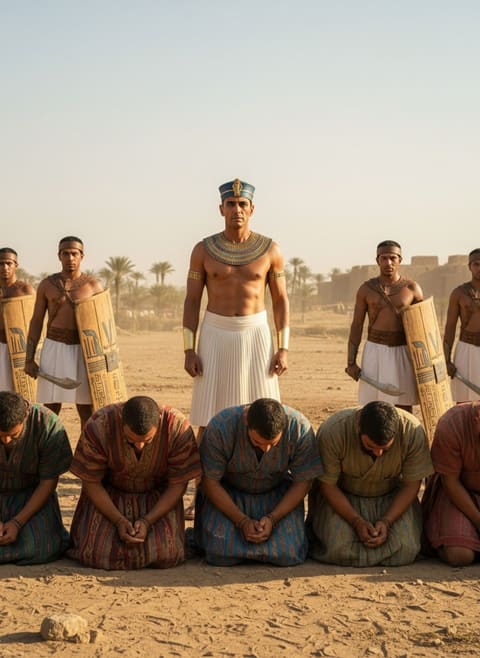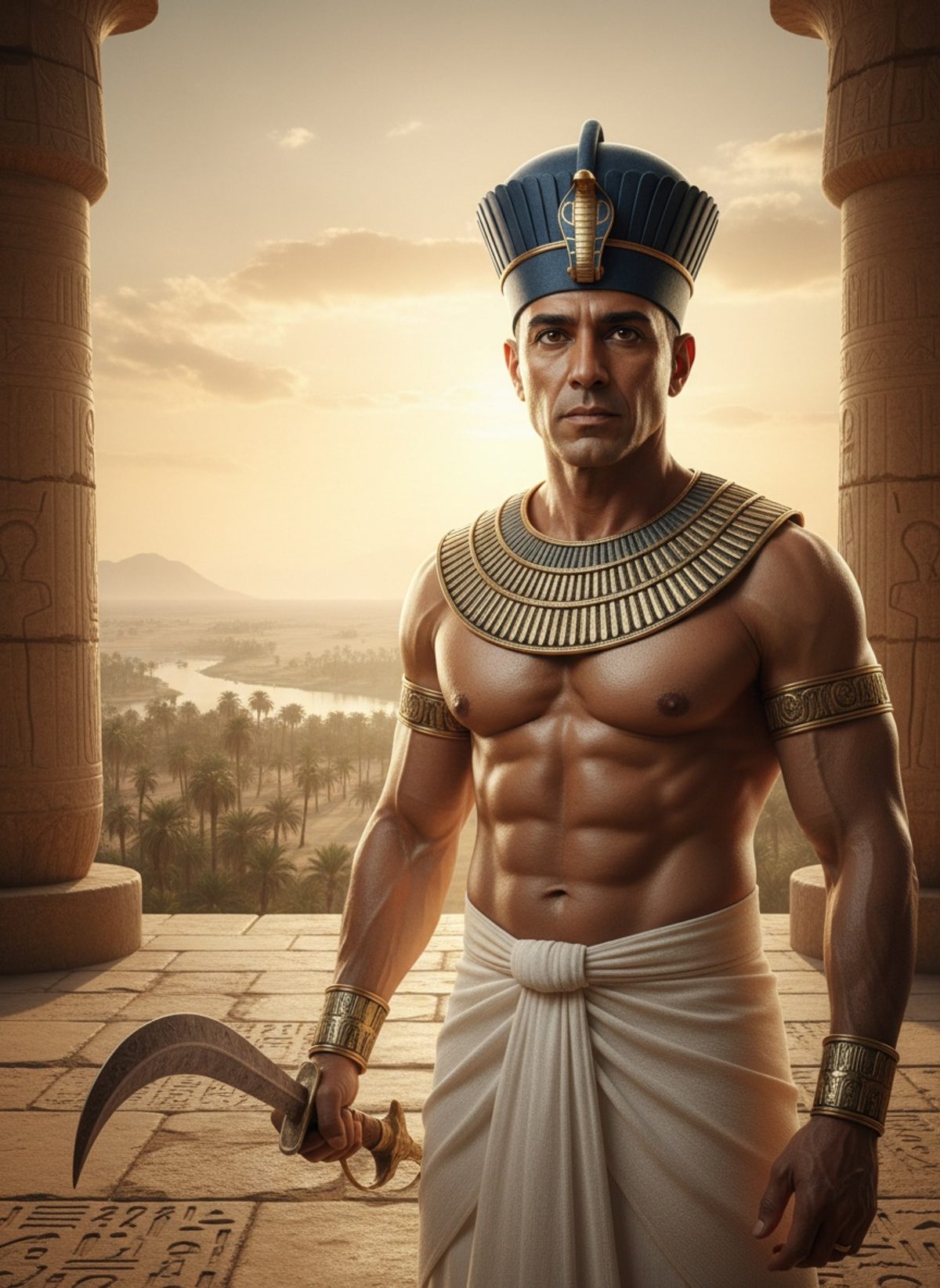
The desert wind whipped around the soldiers as Thutmose III gazed over the great plain of Megiddo. His heart pounded with the rhythm of war drums as he surveyed the dusty horizon, where the coalition of Canaanite kings awaited. This was it—the tethering force of destiny pulling him toward a confrontation that would mark the beginning of his legendary military career. Every grain of sand seemed to carry whispers of an ancient prophecy waiting to be fulfilled.
The Long Wait to Power
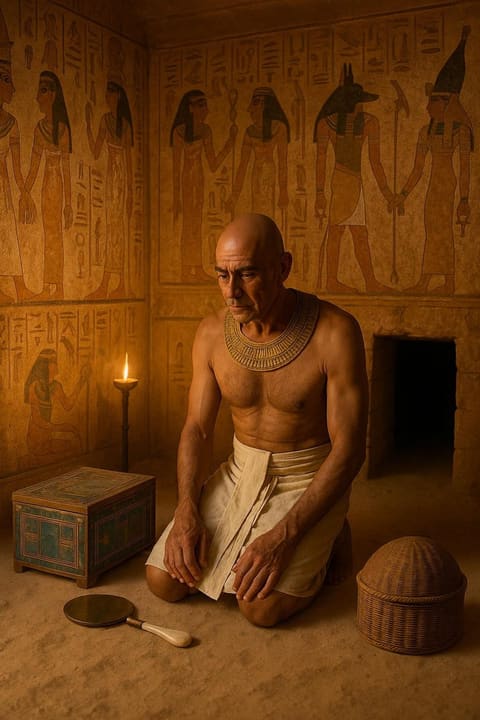
For most of his early life, Thutmose III, born around 1485 BC, had been a ruler in name only. His stepmother Hatshepsut had seized the throne as the reigning pharaoh, enveloping herself in royal regalia and effectively relegating Thutmose to the status of a junior coregent.
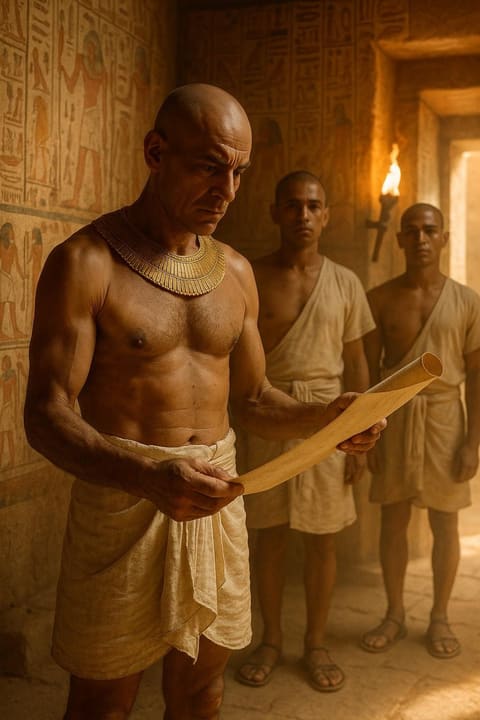
Although Thutmose was not allowed to rule, the future "Napoleon of Egypt" was not idle. He was in the courts and battlefields, keenly observing and gathering the skills that would later demonstrate his prowess. It is said that his appointment to head the army was one of the strategic moves by Hatshepsut, which prepared him for the monumental path ahead.
The death of Hatshepsut around 1458 BC finally allowed Thutmose III to ascend as the sole ruler. He wasted no time in asserting his authority, launching military expeditions to the Near East to restore Egyptian dominance. Stretching the boundaries of Egypt's rule, he galvanized his armies and crafted what would become the largest empire Egypt had ever seen.
Read next: Sinuhe Fled Egypt. Then He Begged to Come Home.
The Napoleonic Campaigns
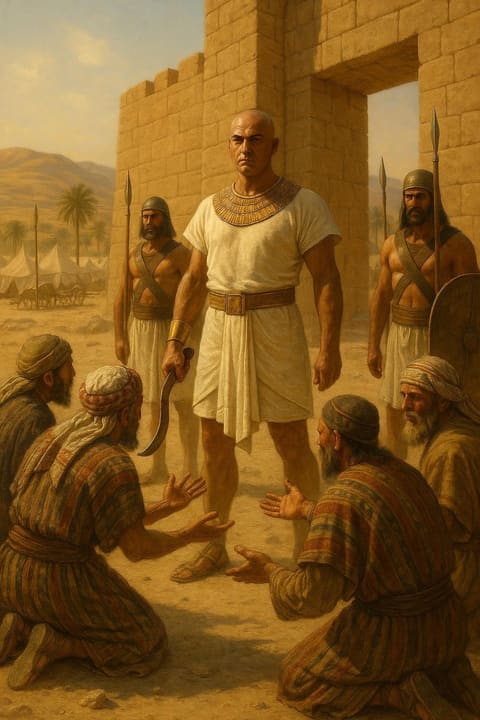
Thutmose III's campaigns are inscribed in the Annals of Thutmose, and they were nothing short of astonishing. Between 1457 BC and his death in 1425 BC, he reportedly conducted at least seventeen military campaigns, each one victorious. His strategic genius was first displayed on the battlefield of Megiddo, now in modern-day Israel. He circumvented the strongholds through a bold and daring move, opting for a narrow, unexpected pass.
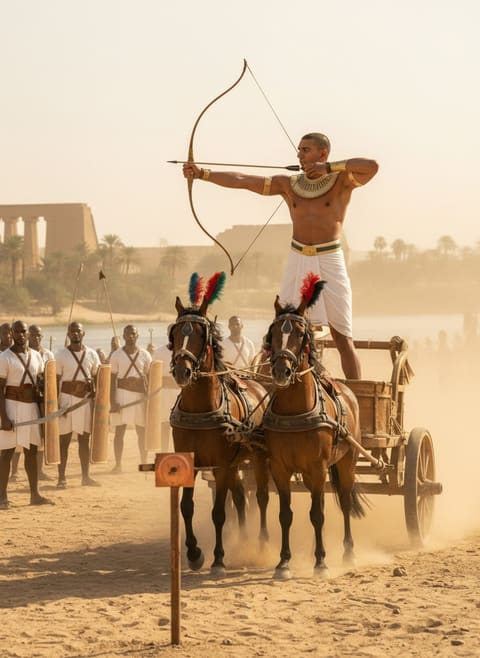
His strategy was more than just audacity; it was tactical excellence fused with psychological warfare. When his forces swept over the coalition armies, the Canaanite soldiers fled into the city of Megiddo, initiating a seven-month siege which ended in a decisive Egyptian victory. Thutmose's chariot, adorned with gold fittings and surrounded by legions of soldiers, led the triumphant entry. It was a victory that echoed through time, consolidating his position and expanding Egyptian influence far beyond previous limitations.
The Grand Egyptian Empire
Under Thutmose III, Egypt flourished. The empire stretched from the swirling cataracts of Nubia in the south to the rolling waters of the Euphrates River in the north. His imperial reach brought immense wealth, apparent in the magnificent temples and monuments that punctuated the Egyptian landscape. With a mind for innovation, Thutmose established the first organized navy, further solidifying Egypt's dominion over the seas.
His legacy was not just limited to conquest. By installing garrisons and fostering diplomatic relations through marriages and alliances, Thutmose laid the groundwork for a stabilizing presence throughout the region. He did not merely conquer lands; he assimilated them into the Egyptian sphere, creating a blend of cultures and enriching the Egyptian empire's global presence.
Read next: Amenhotep Son of Hapu Turned Away the Pharaoh. For the Poor.
Monuments to Eternity
Beyond warfare, Thutmose III left an indelible mark on Egyptian culture and religion. His numerous temples and structures, such as the expansive Karnak Temple Complex, stand as grand testaments to his reign. His attention to detail and grandeur in monument-building are considered masterful even by today's standards.
The monuments were more than just stone and structure; they were an enduring declaration of his empire's strength and divine favor. These structures offered worship spaces to Amun, the king of gods, and symbolized heavenly approval of Thutmose’s rule. In addition to architectural triumphs, the pharaoh's investments in art and culture flourished, deeply influencing Egyptian society for centuries to come.
A Legacy Resounding Through Time
As his life neared its end, two years before his death on 11 March 1425 BC, Thutmose designated his son Amenhotep II as his junior co-regent, ensuring a smooth transition of power. Different from the tumultuous co-regency he had experienced, Thutmose’s reign was a testament to calculated dominion and authoritative succession.
Understanding Thutmose III's time in power is more than admiring military genius; it is an exploration of a leader who artfully combined warfare, politics, and religion to achieve unprecedented harmony and expansion. His legacy survives not just in monuments and historical records but in the very concept of visionary leadership that galvanizes and grows empires. In an era of contemporary struggles where leadership is often questioned, Thutmose's strategies offer timeless lessons in diplomacy, warfare, and governance.