1760 – 1840
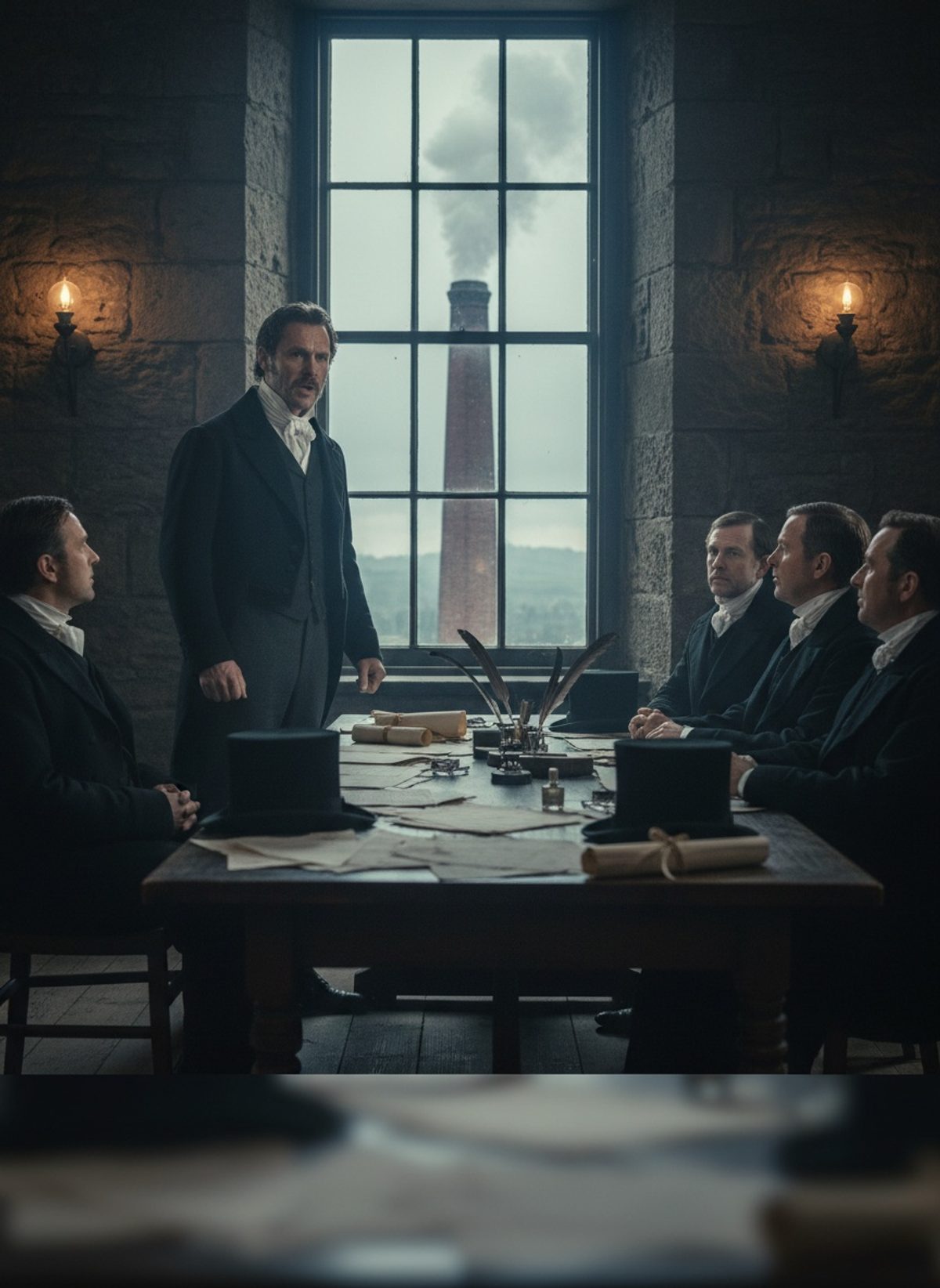
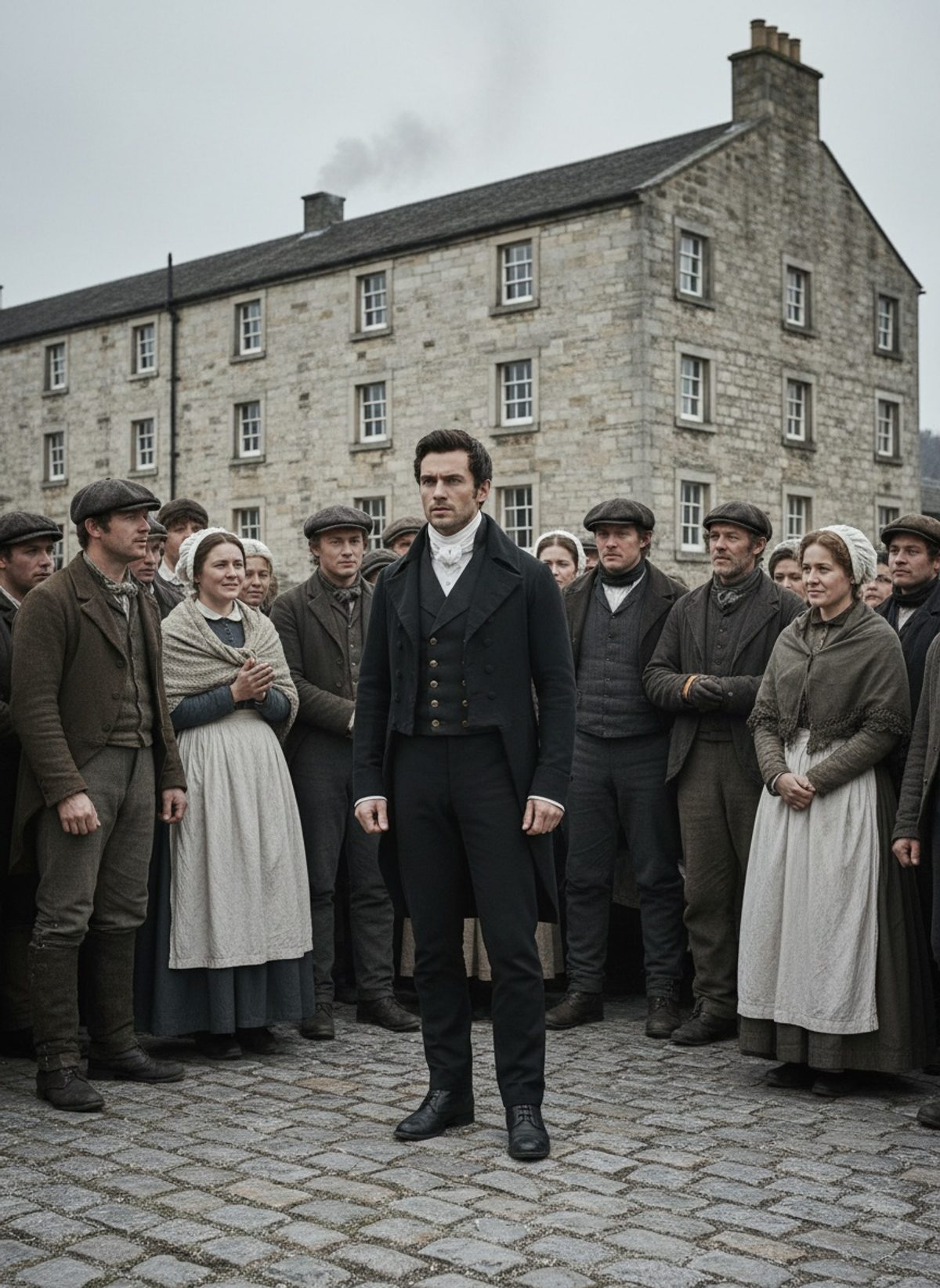
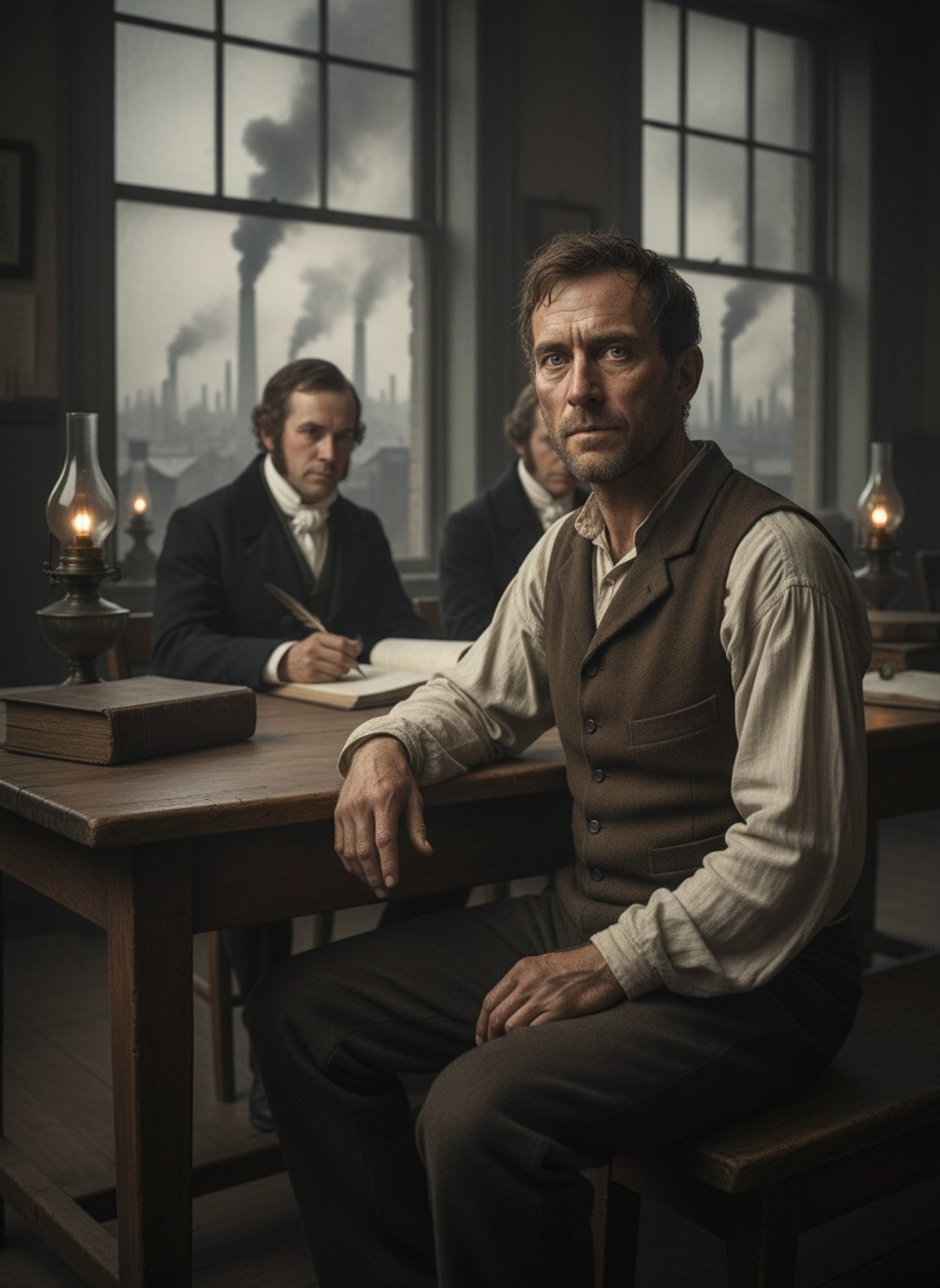
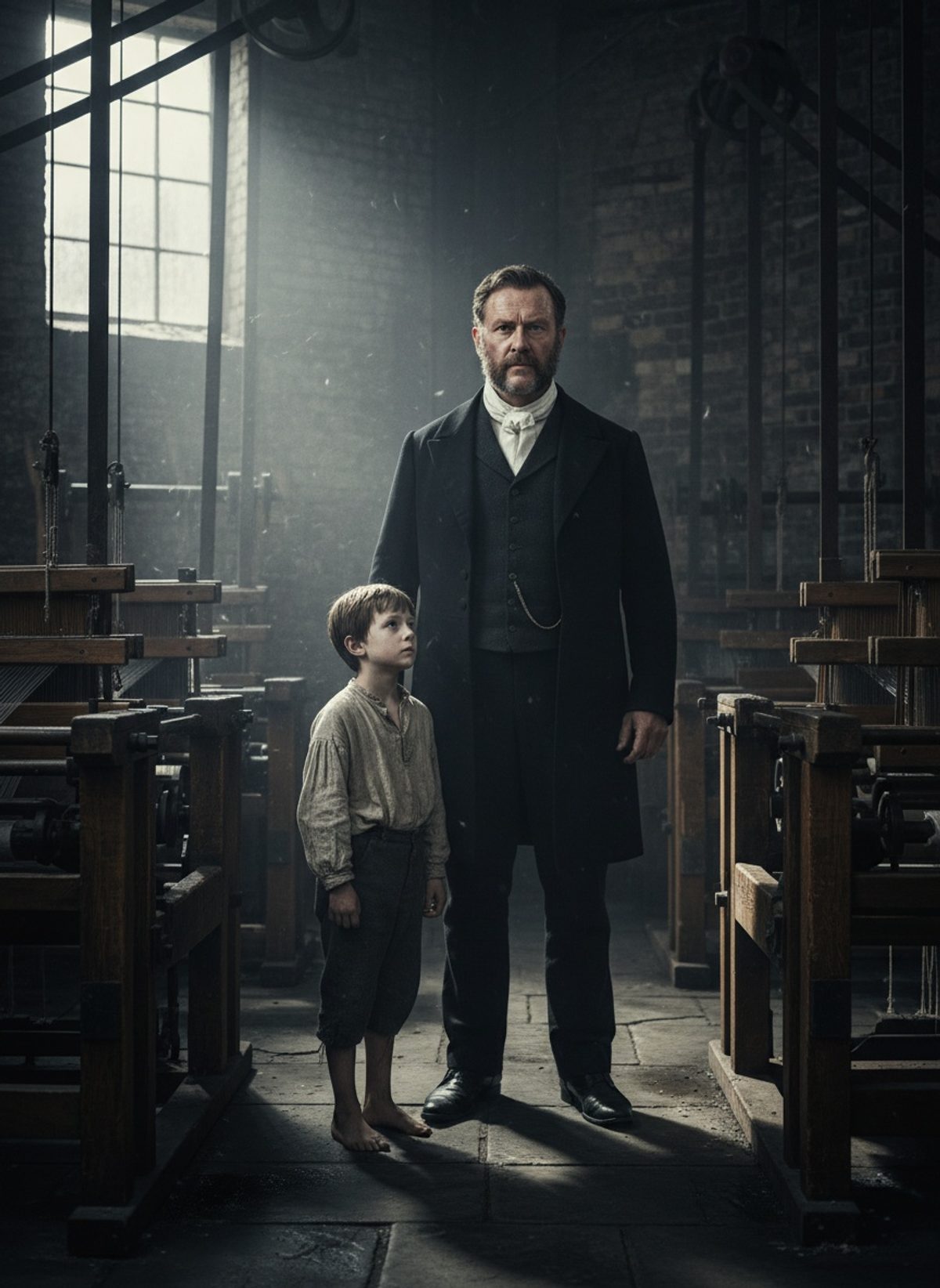
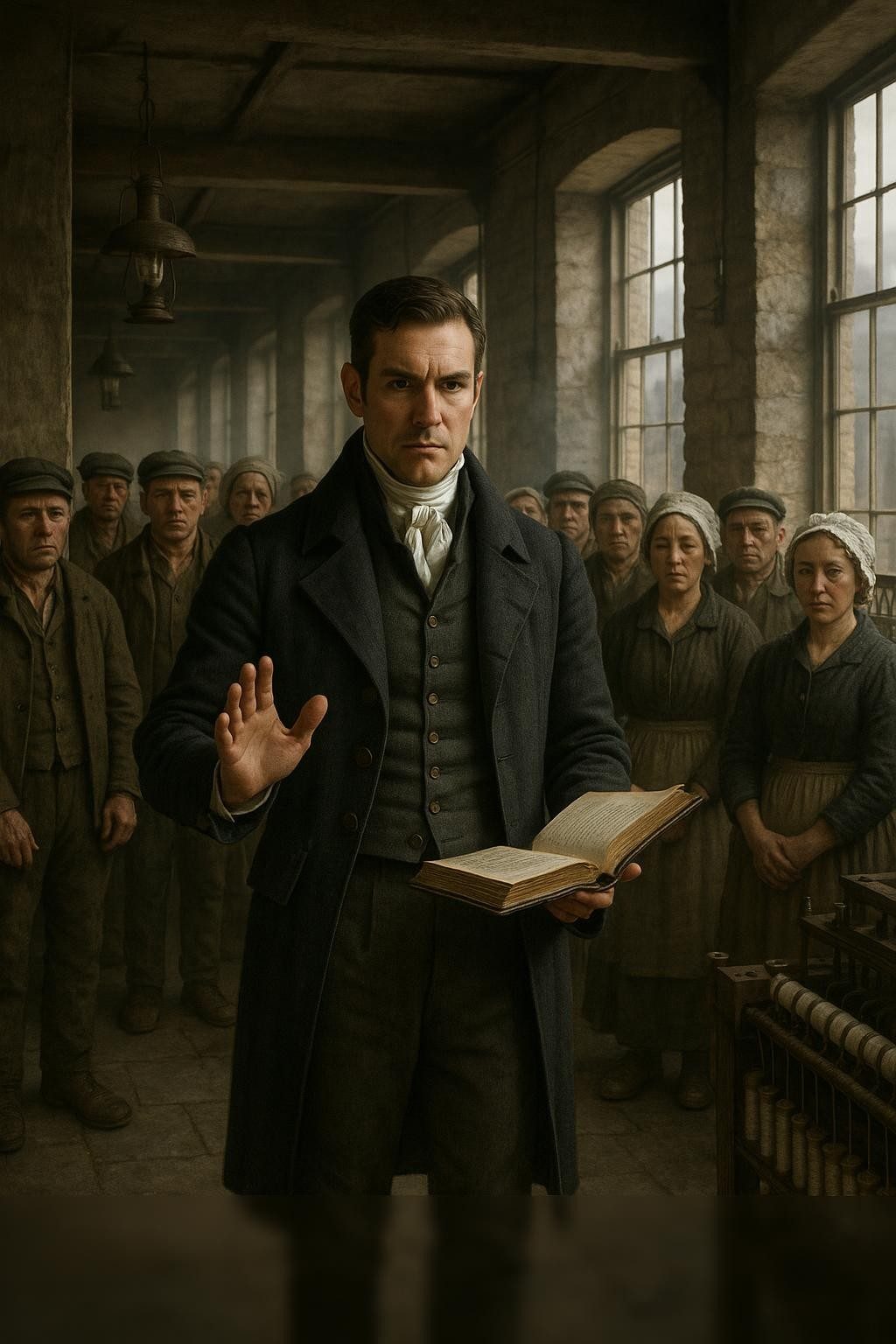
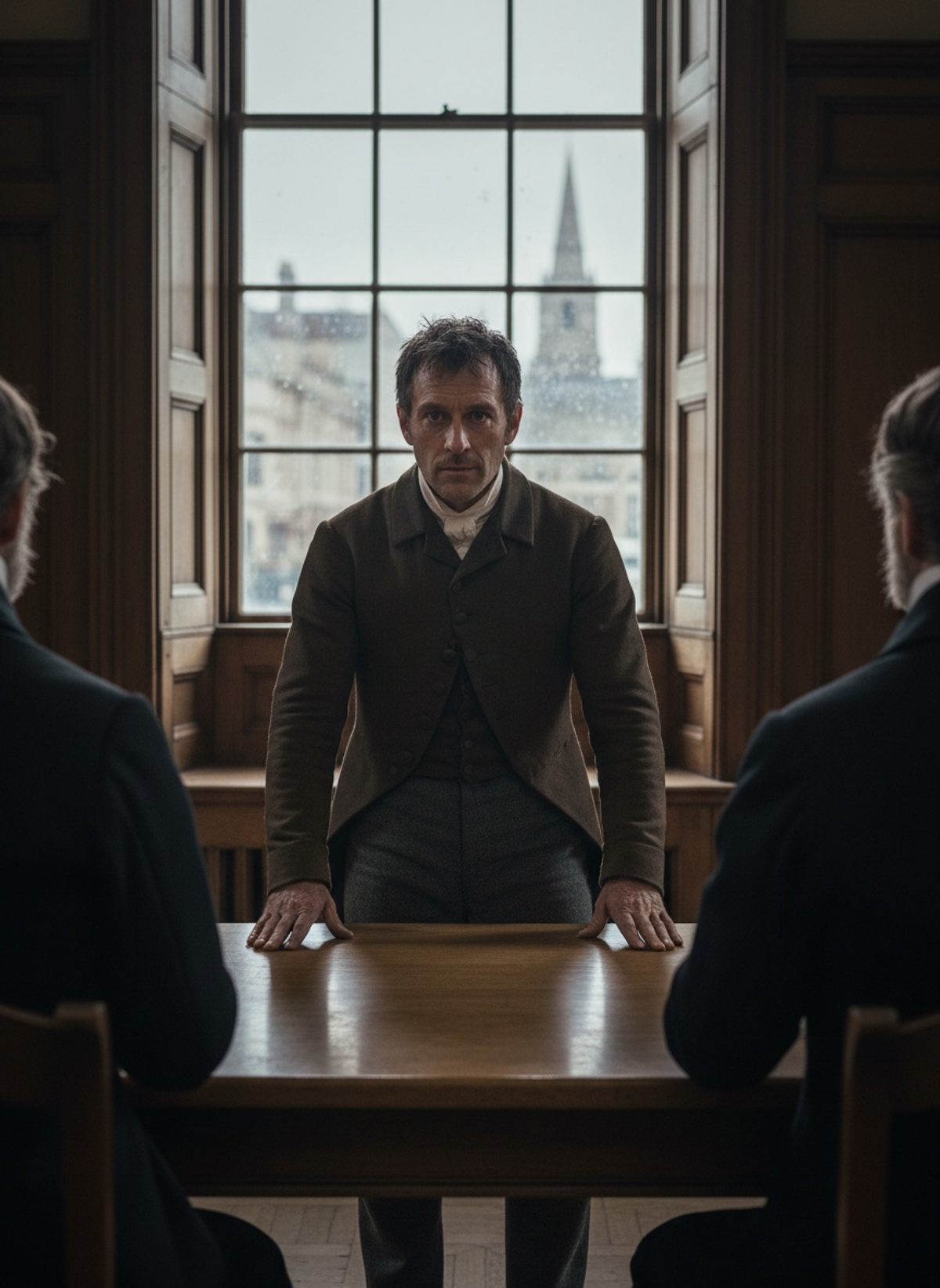
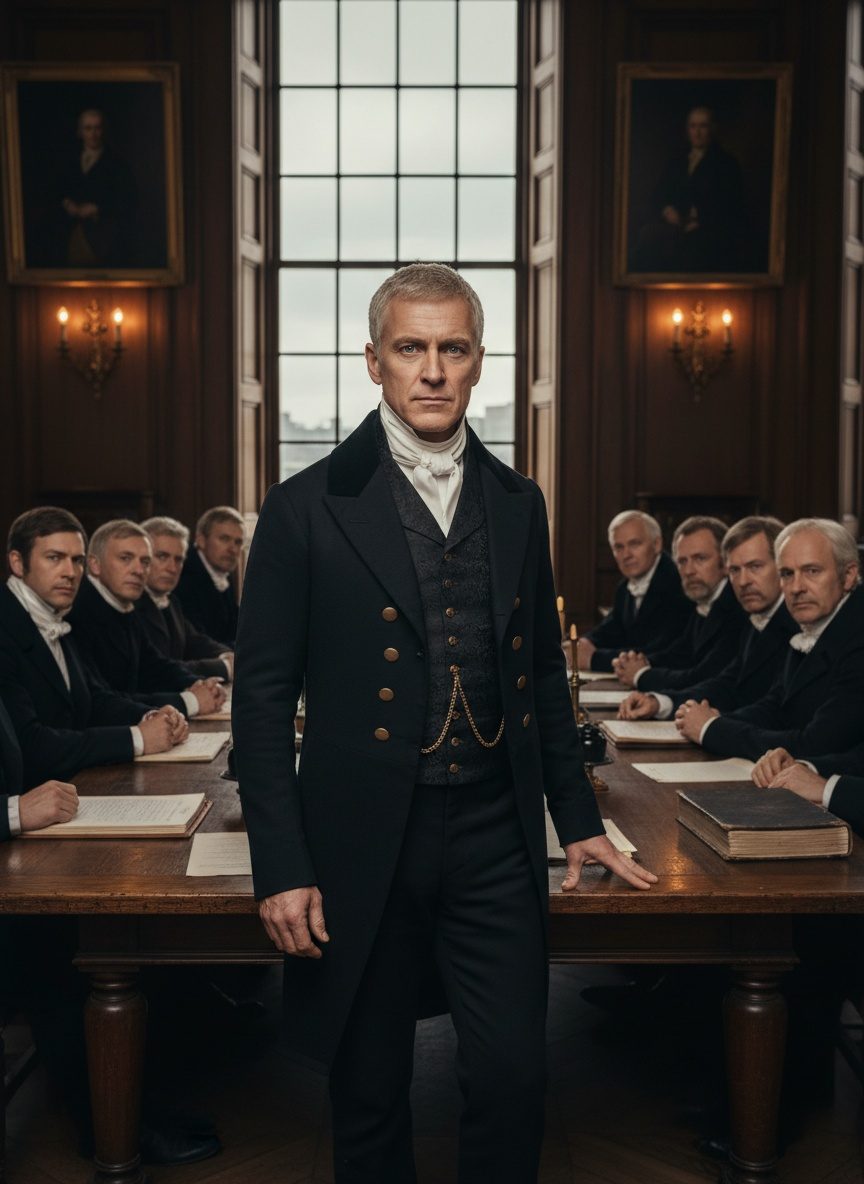
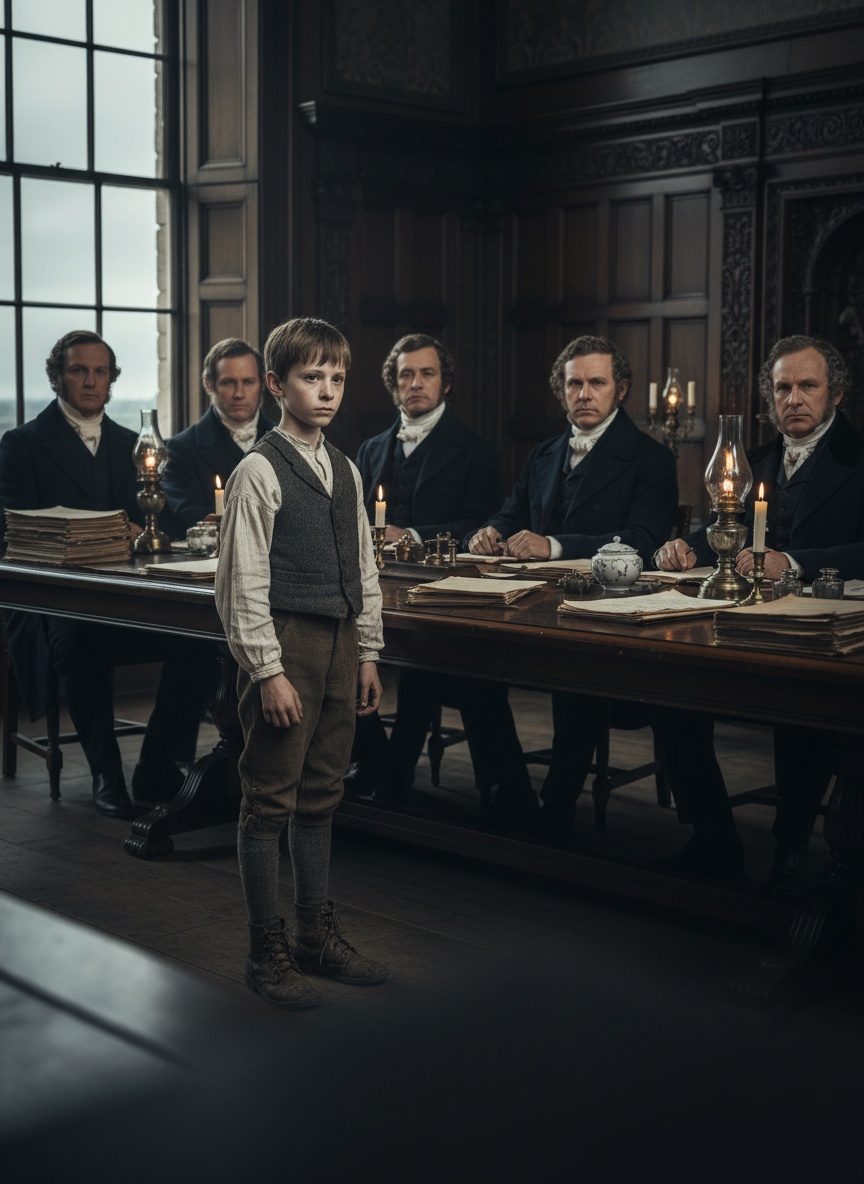
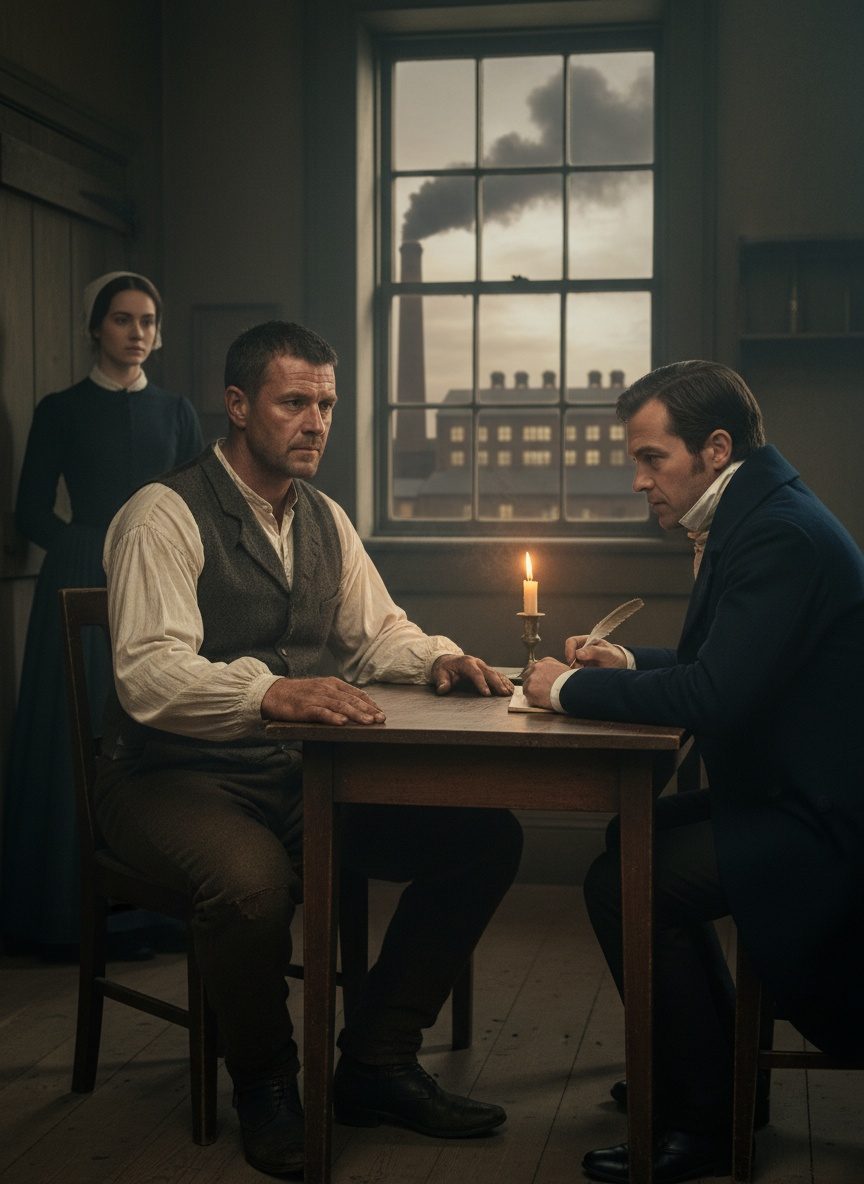
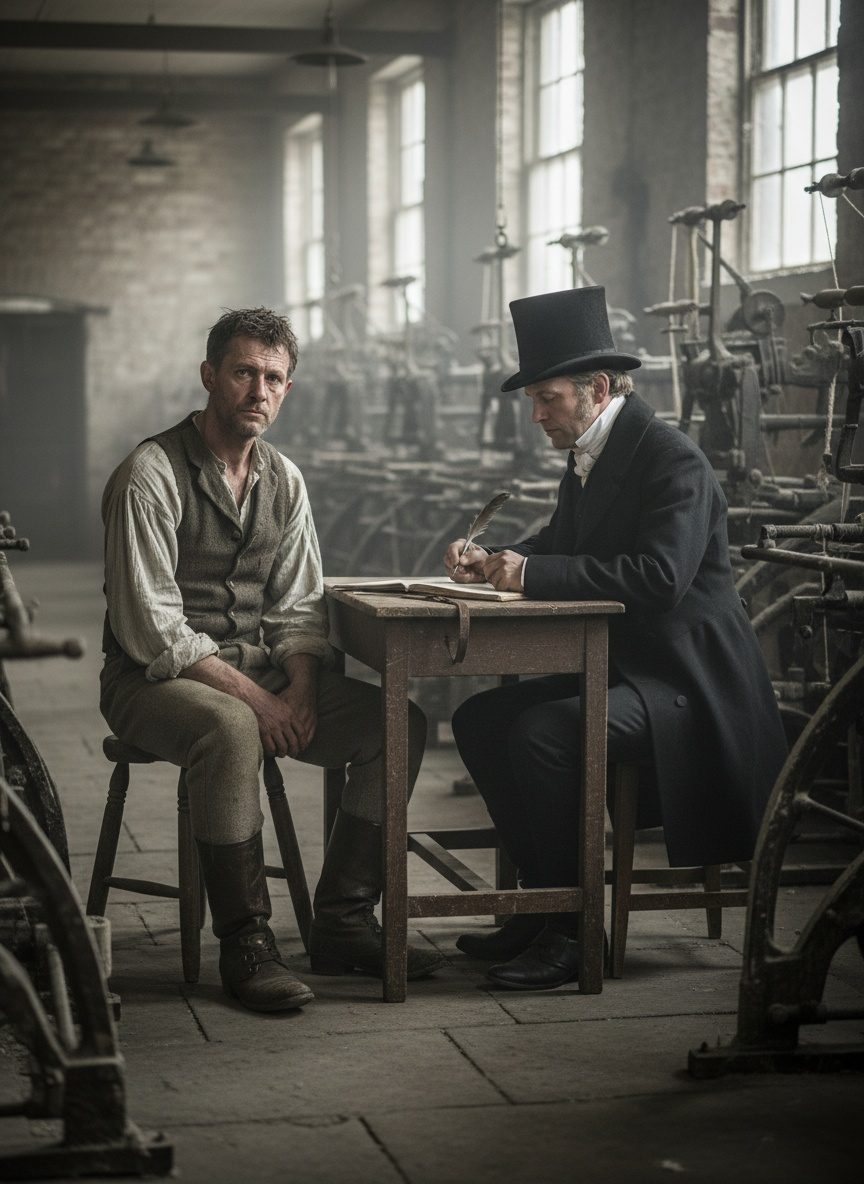
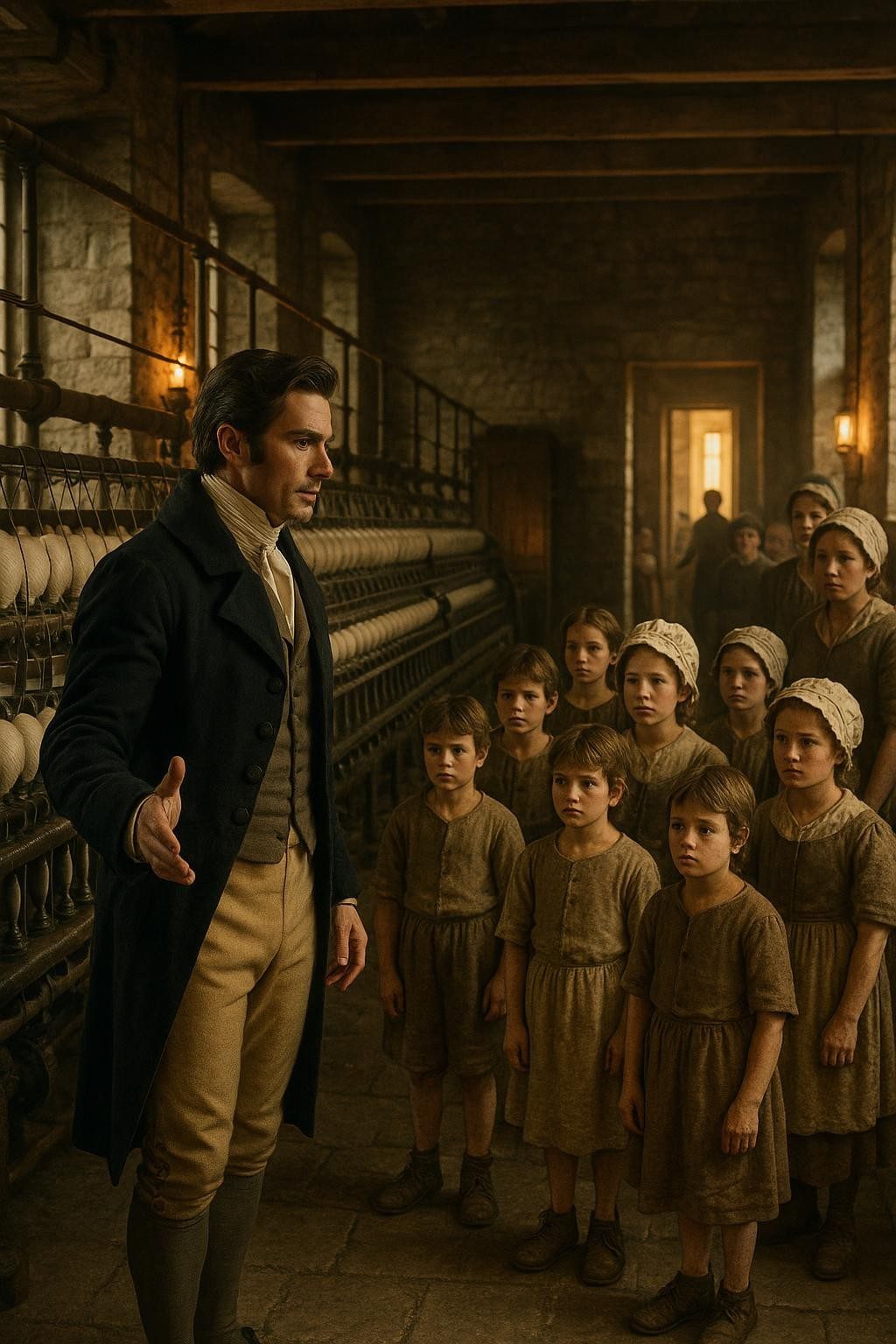
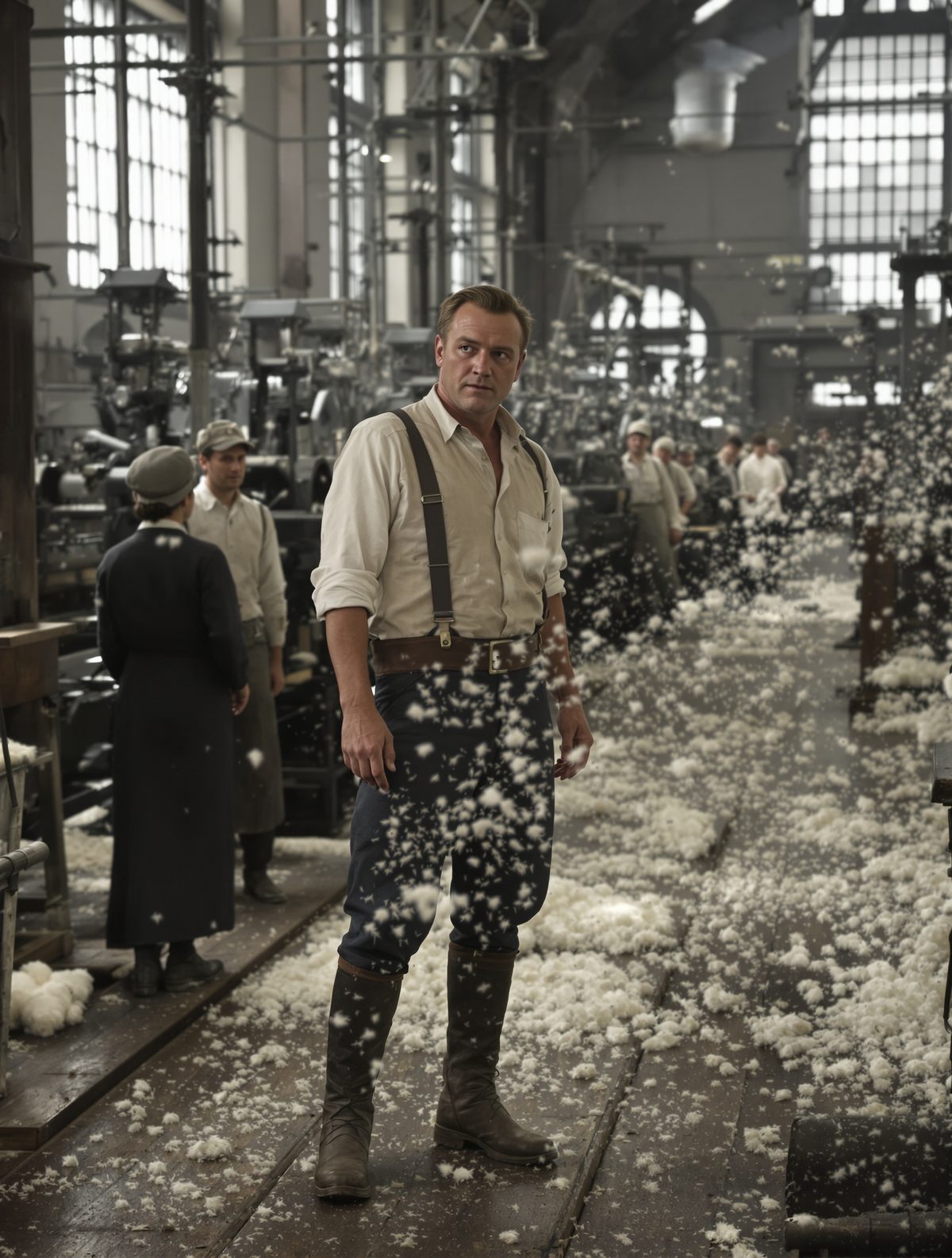
Lancashire, 1833. Richard Oastler stood before a Royal Commission. The inspectors expected deference. He gave them testimony that shook the room. Children as young as six. Twelve-hour shifts. He would not soften a word.
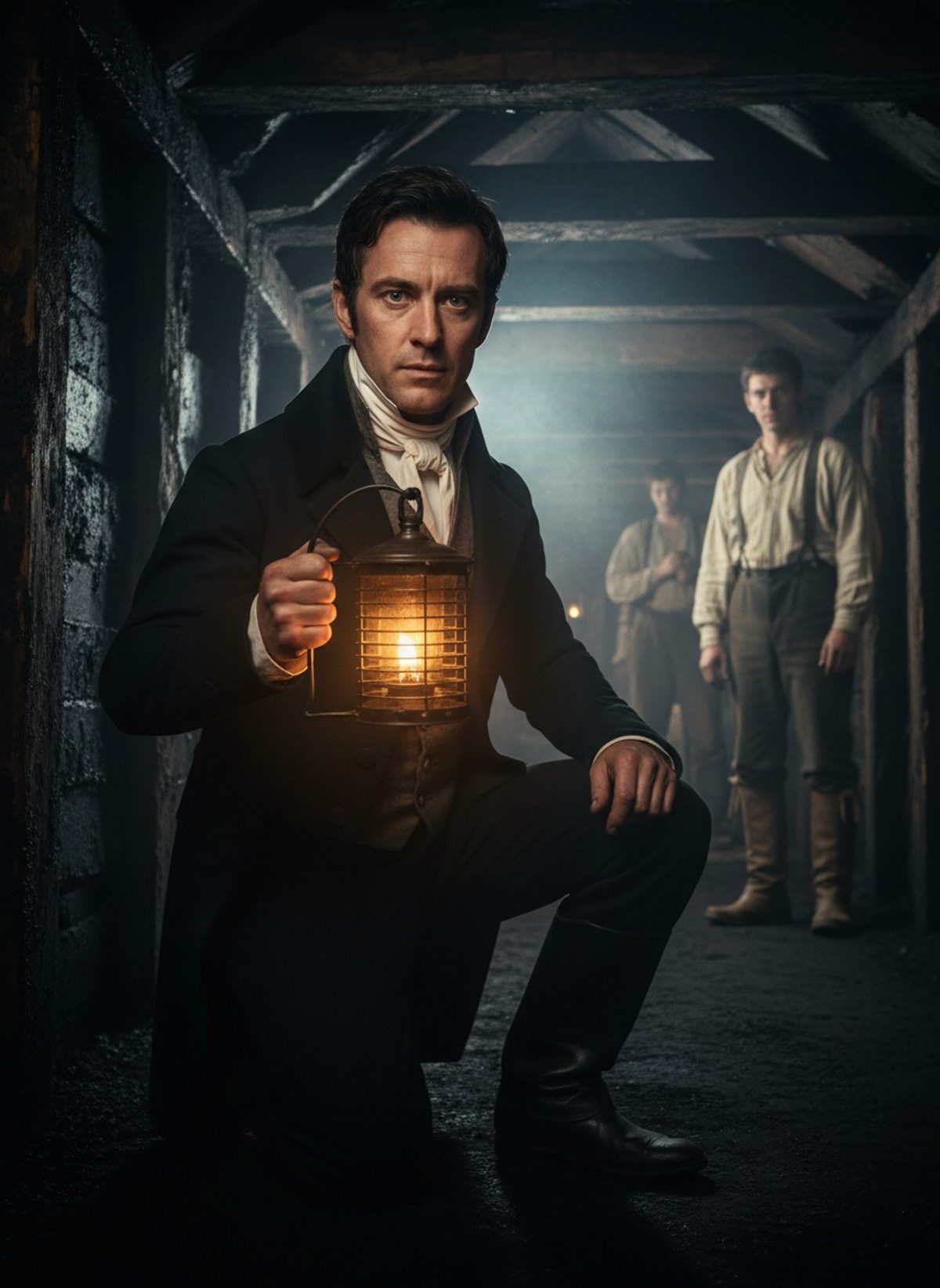
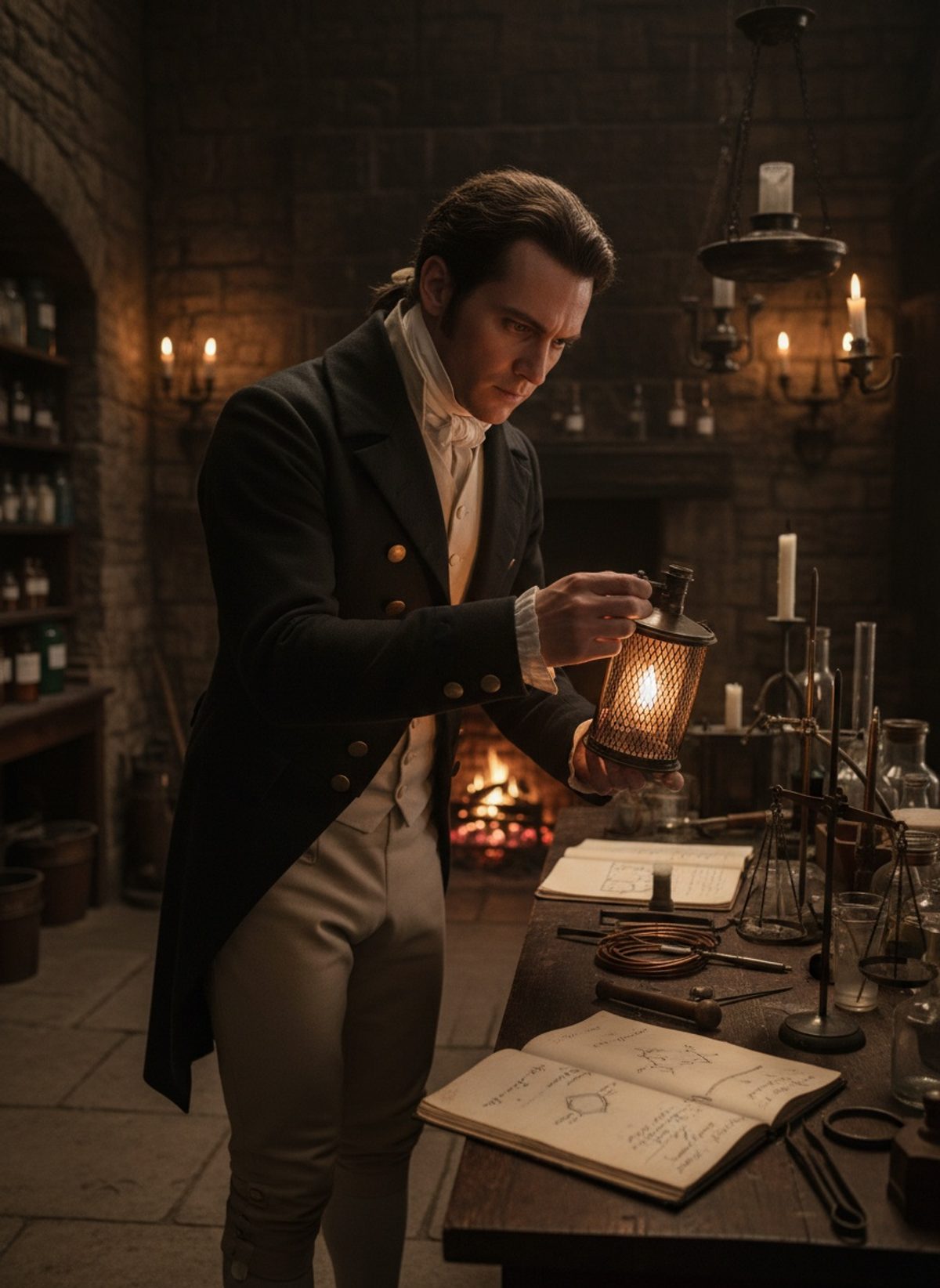
October 1815. Men were dying in the pits. One explosion could kill dozens. Humphry Davy took his lamp underground. It burned. The gas swirled around it. The flame stayed safe. He had done it.
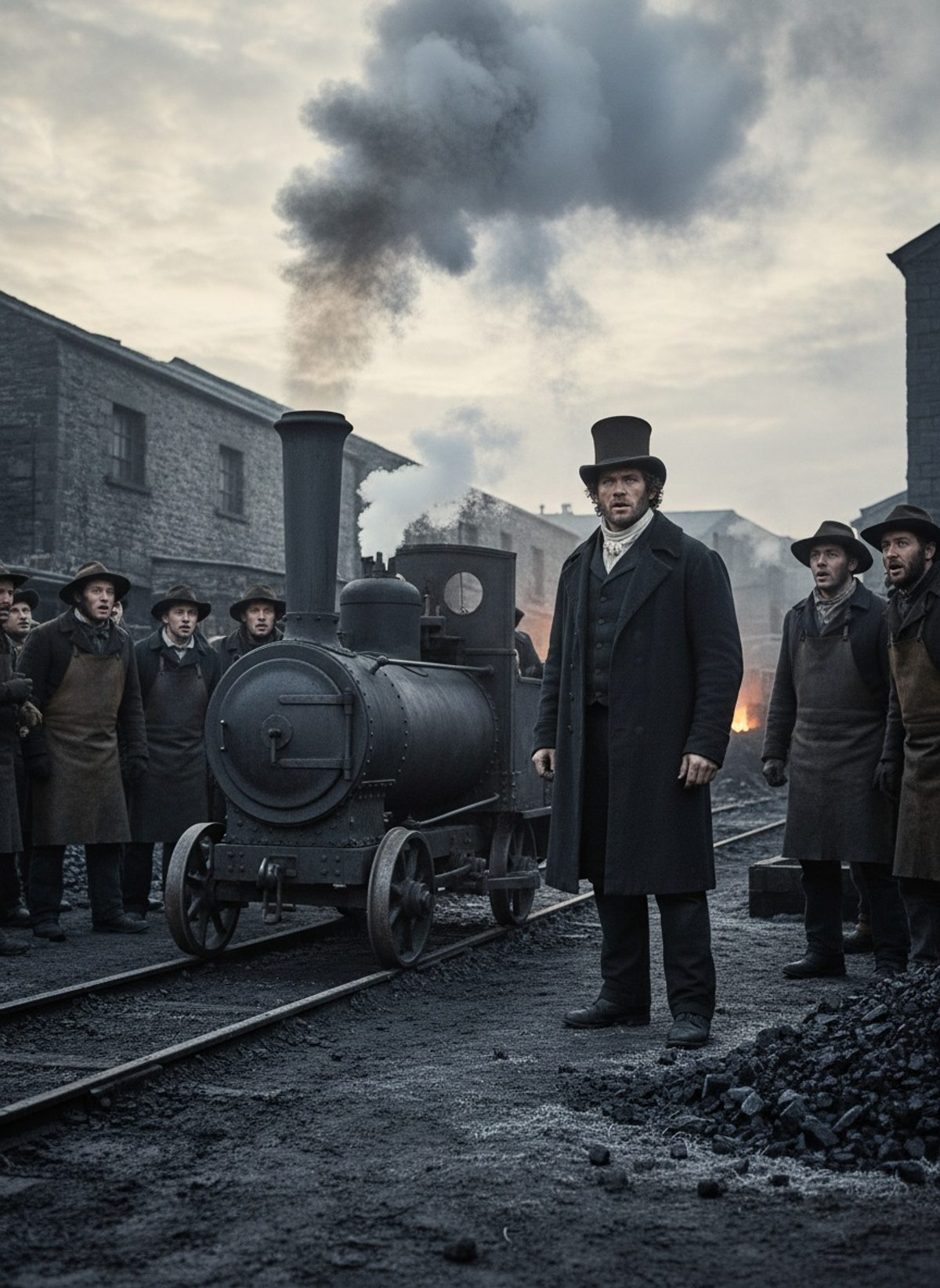
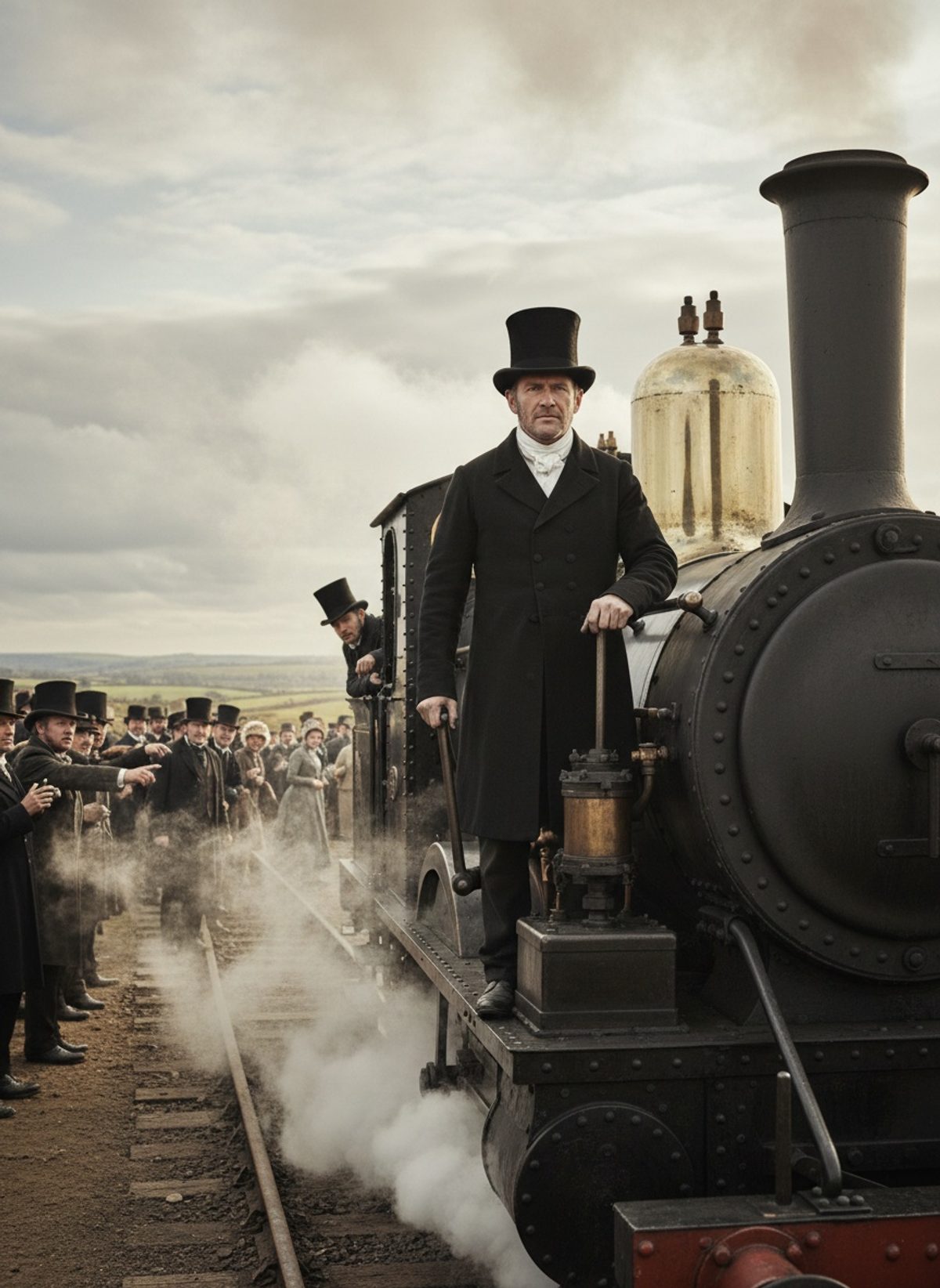
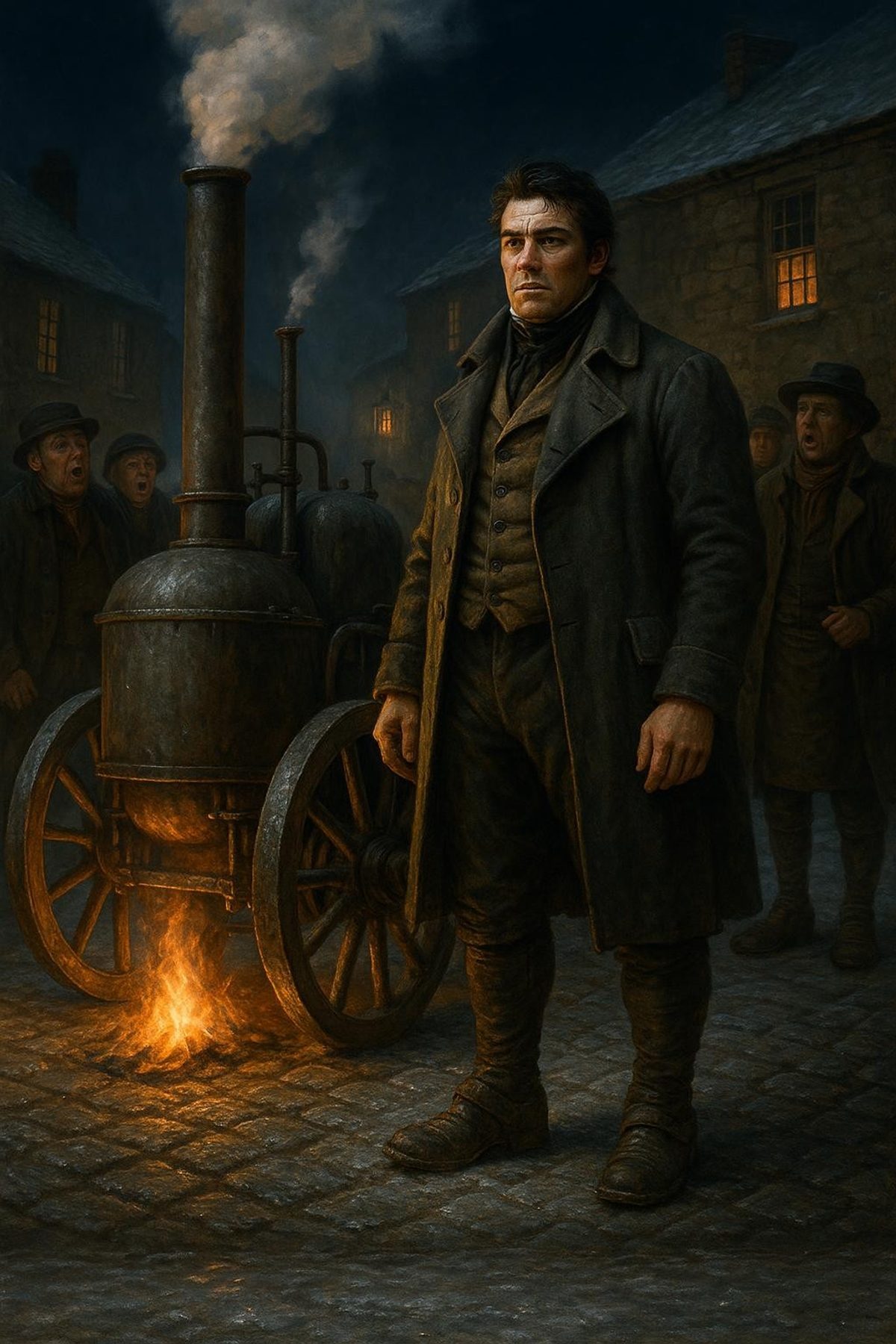
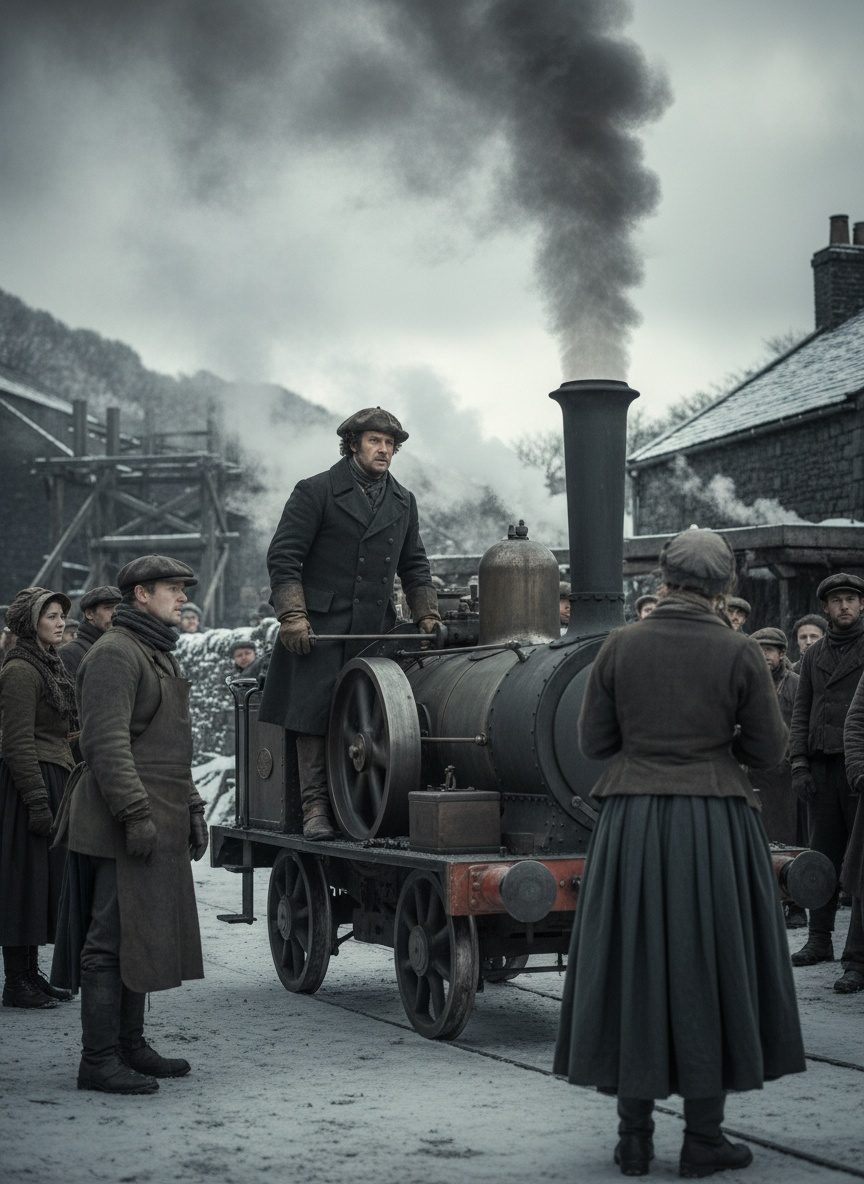
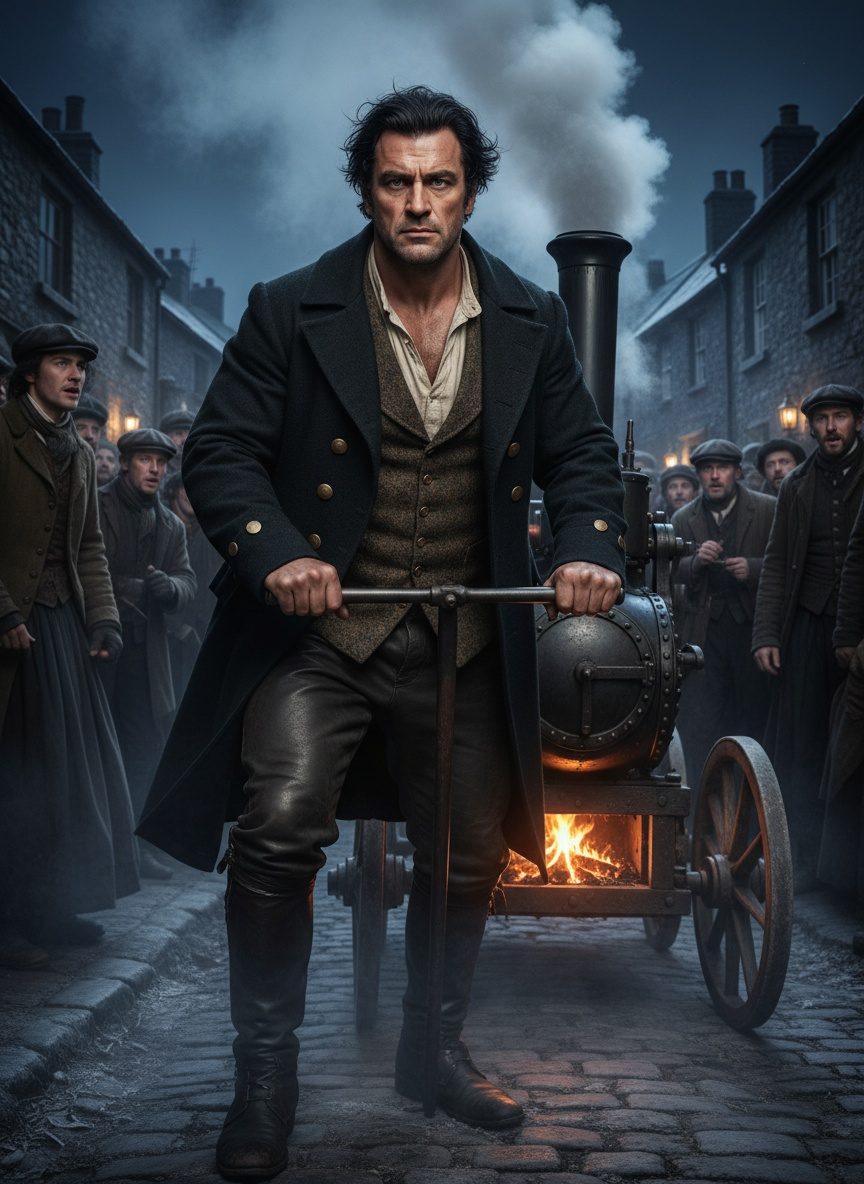
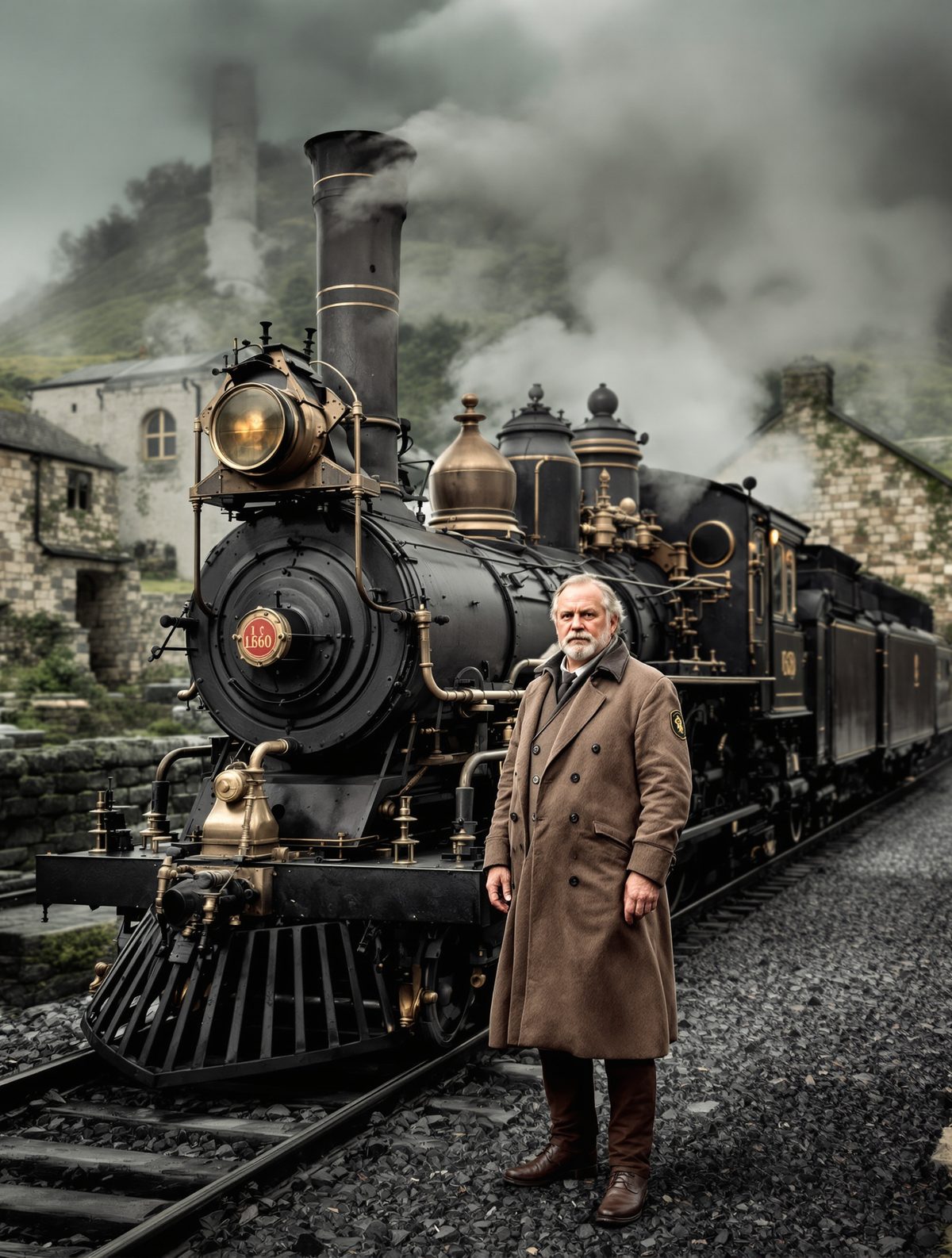
24 February 1804. Merthyr Tydfil, South Wales. A hissing iron machine sat on iron rails. Richard Trevithick climbed up. No horses. No men pulling. Just steam. It moved. Ten tonnes of iron. Moving itself. The world had never seen anything like it.
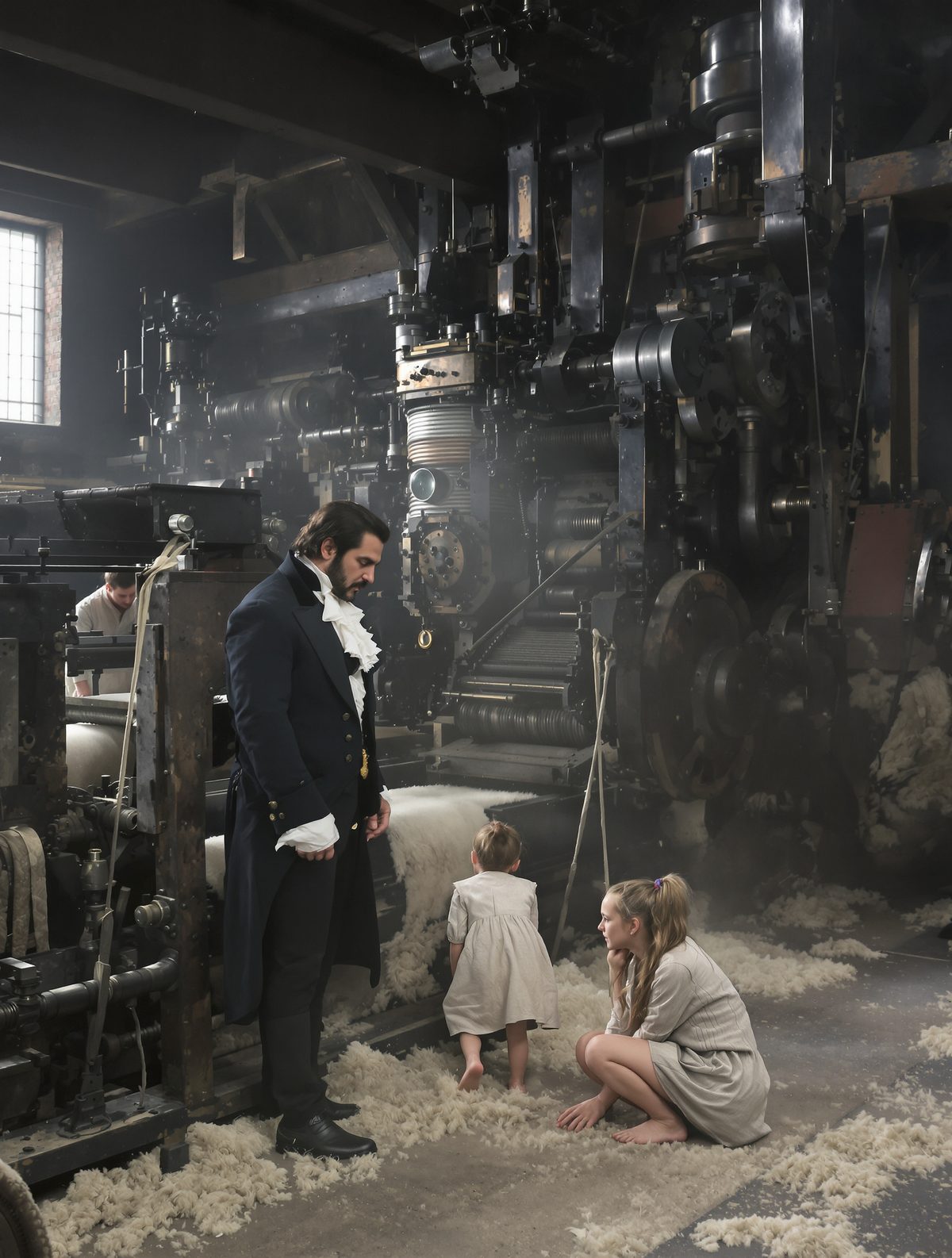
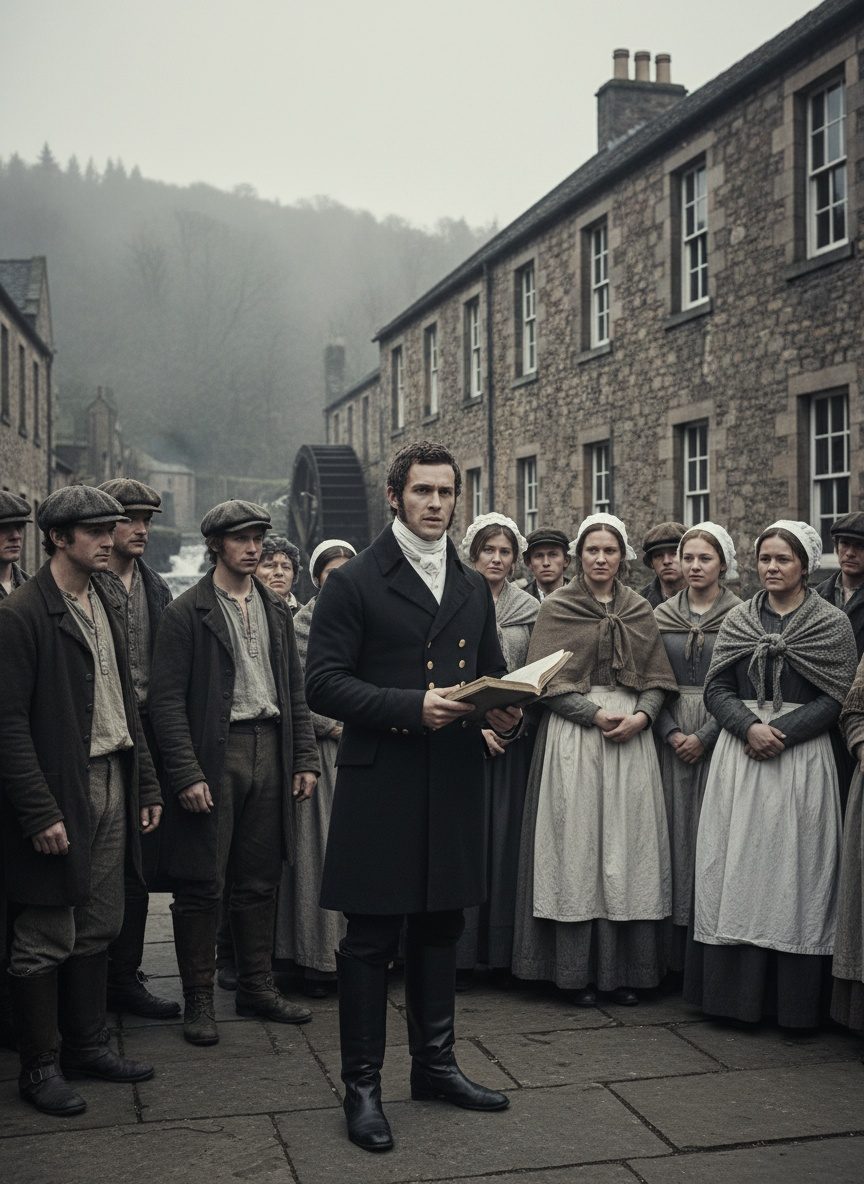
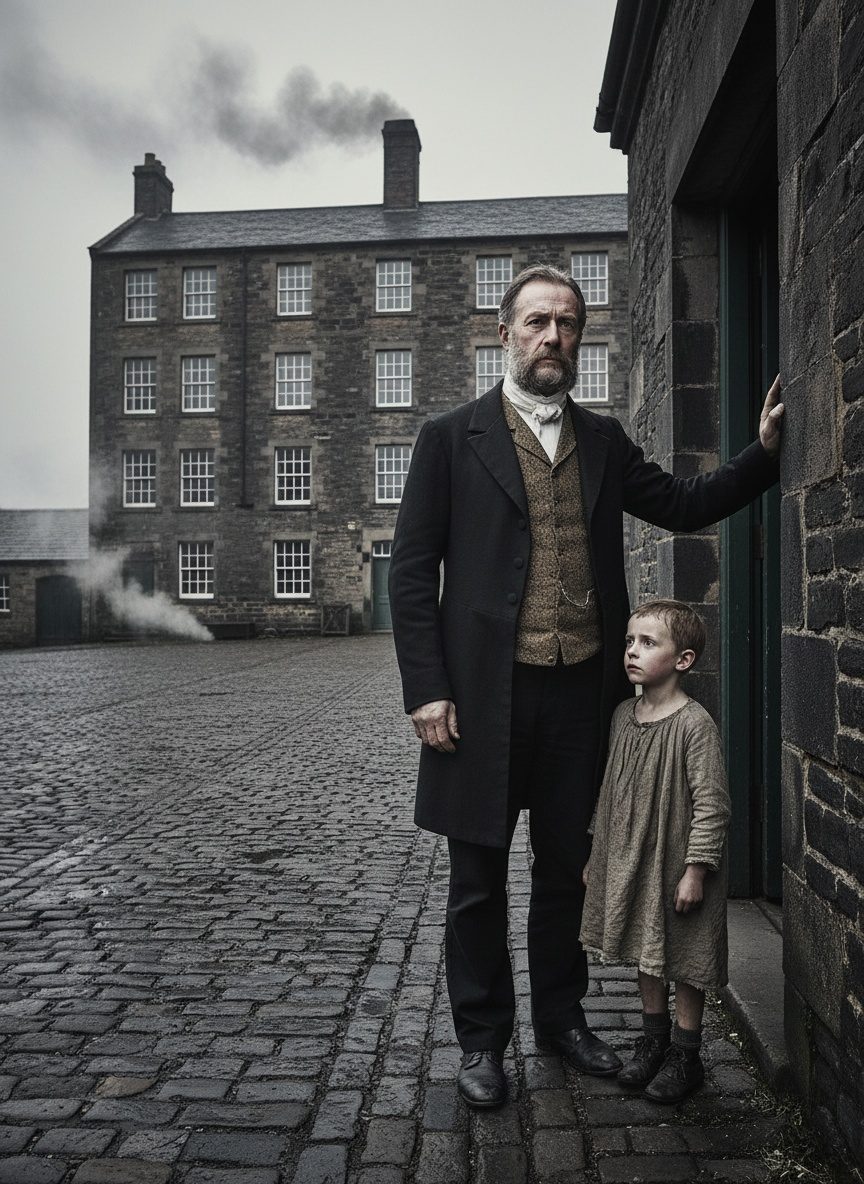
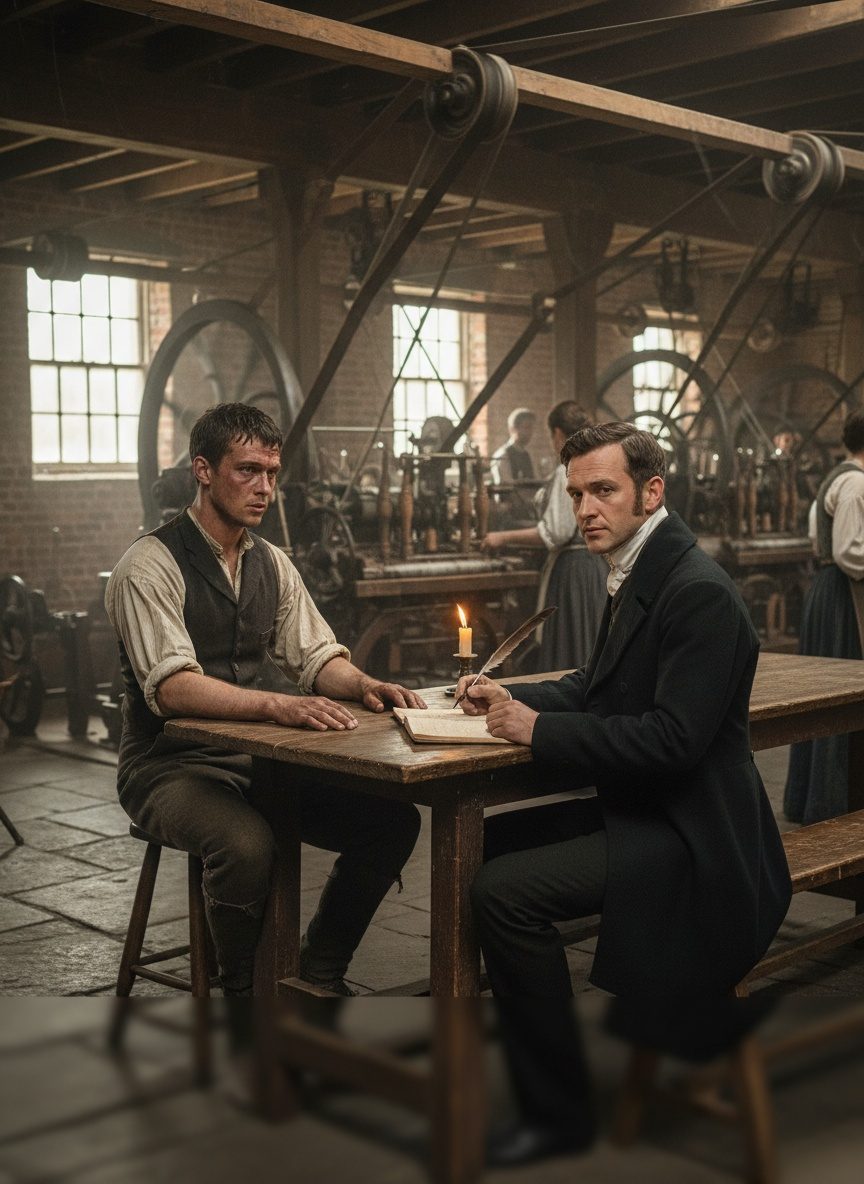
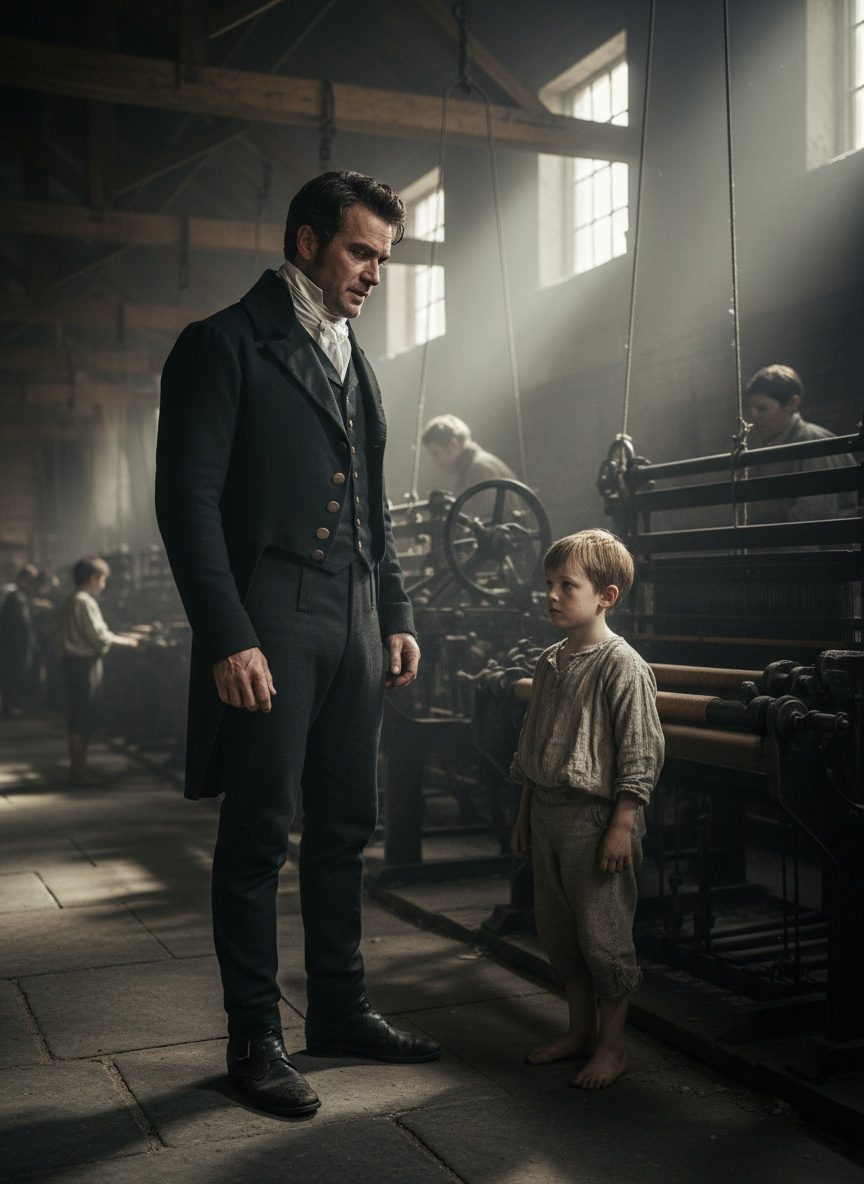
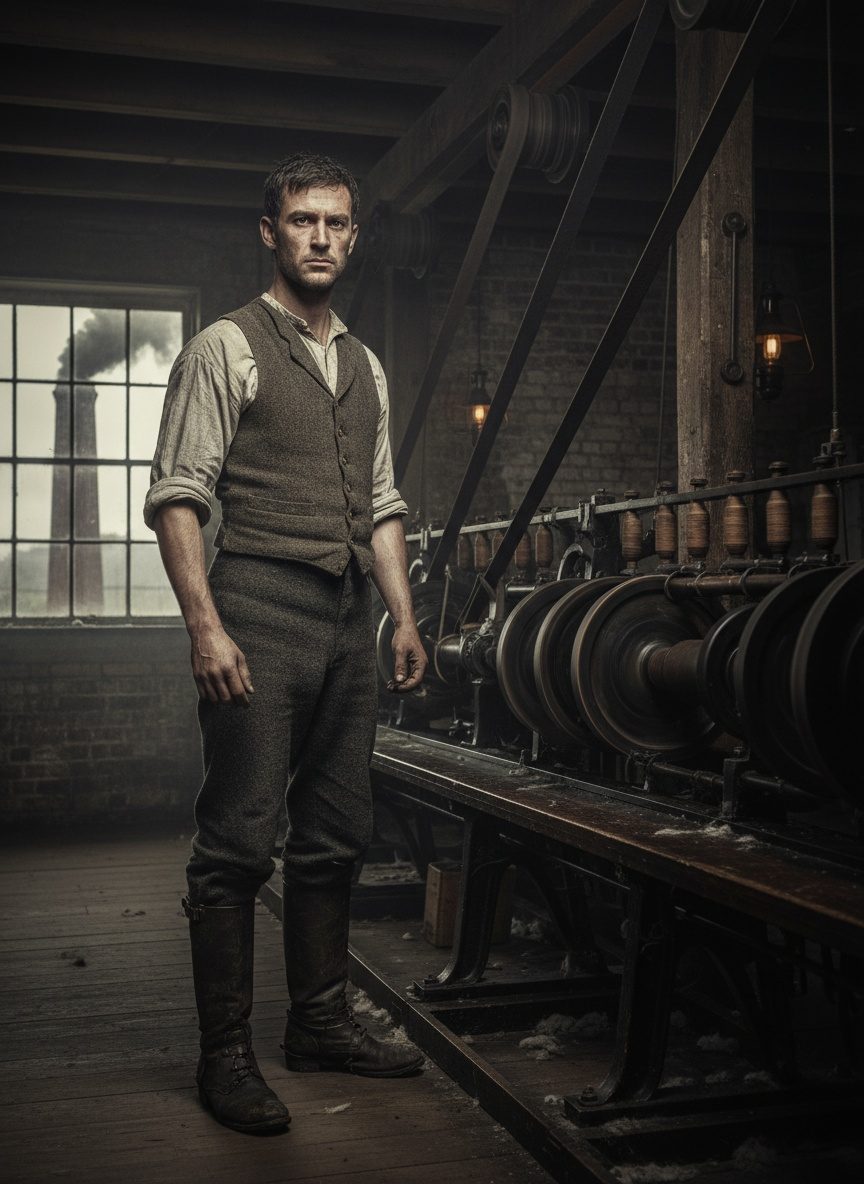
Yorkshire, 1832. Richard Oastler had never worked in a mill. He visited one. Children aged six bled at the machines. He sat down and wrote a letter. It ran in every paper in England.
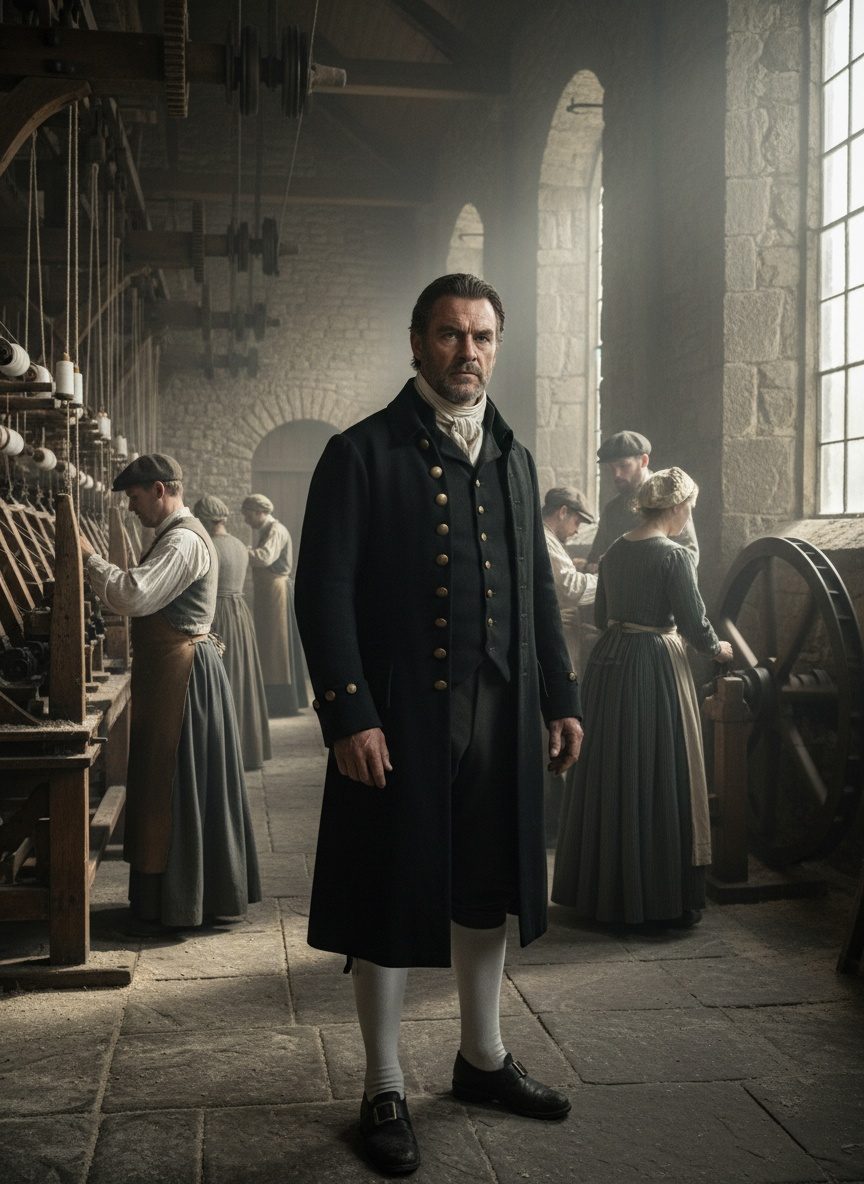
Lancashire, 1812. Robert Owen's New Lanark mills stood idle. A trade crisis had stopped the looms. Most owners docked every penny. Owen kept paying his workers. Full wages. Four months. Not one family starved.
Manchester, 1796. Robert Blincoe was seven years old. He was sold to a cotton mill. His fingers bled every day. One man read his story. He refused to stay silent. He printed it anyway.
Winter 1806. The cotton mills of New Lanark stood silent. Trade had collapsed. Every other owner had sacked his workers. Robert Owen kept paying. Four months of full wages. Not a family starved.
Manchester. 1832. Robert Blincoe had survived the mills as a child orphan. Now he told his story. Every word. Every scar. Parliament read it. The age limit changed. One man's testimony rewrote the law.
September 1825. A steam engine hissed at Darlington. George Stephenson climbed into the cab. No one believed it would move. It moved. Forty miles an hour. The world changed in an afternoon.
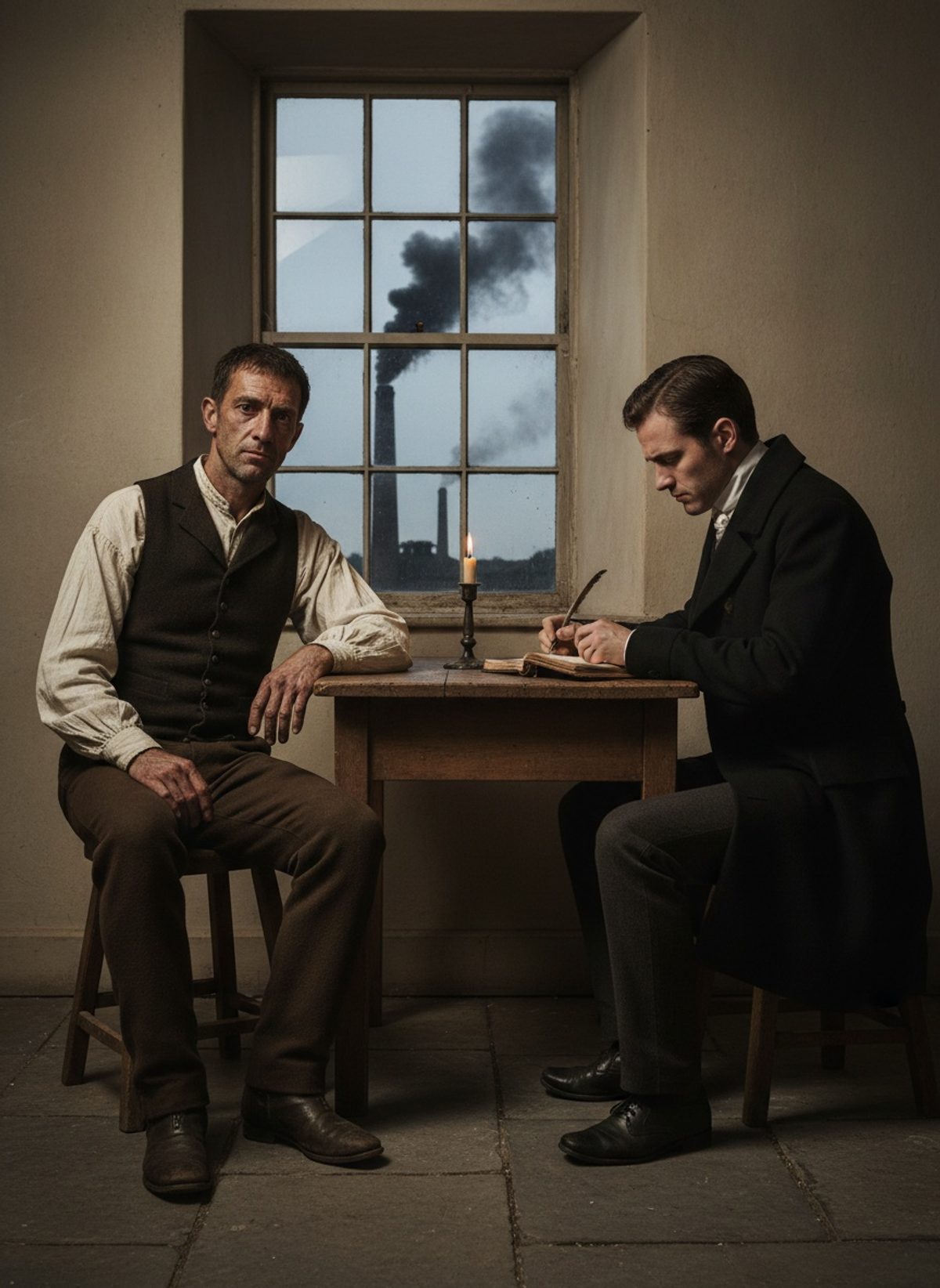
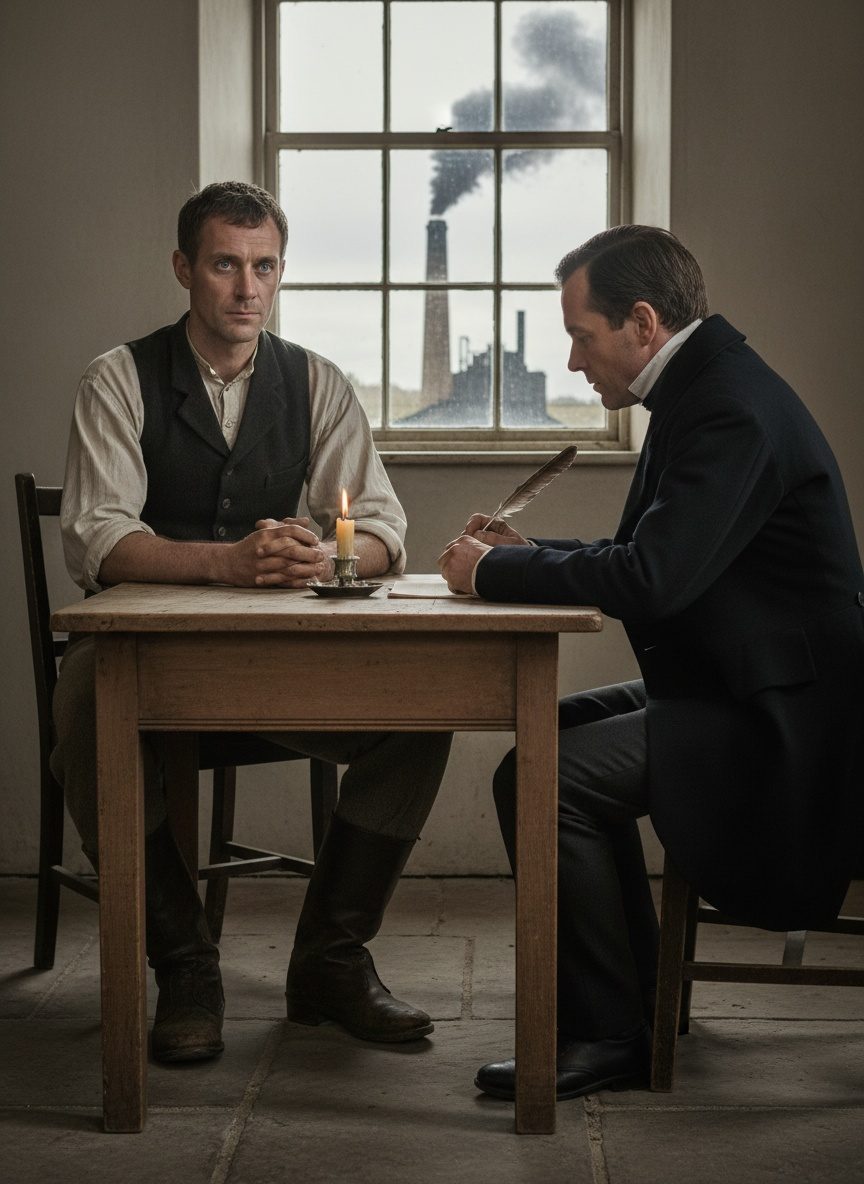
Manchester, 1833. The mills were full of children. Some were seven years old. Robert Blincoe had survived them. Now he sat before a government commissioner. And told the truth. Every word cost him everything.
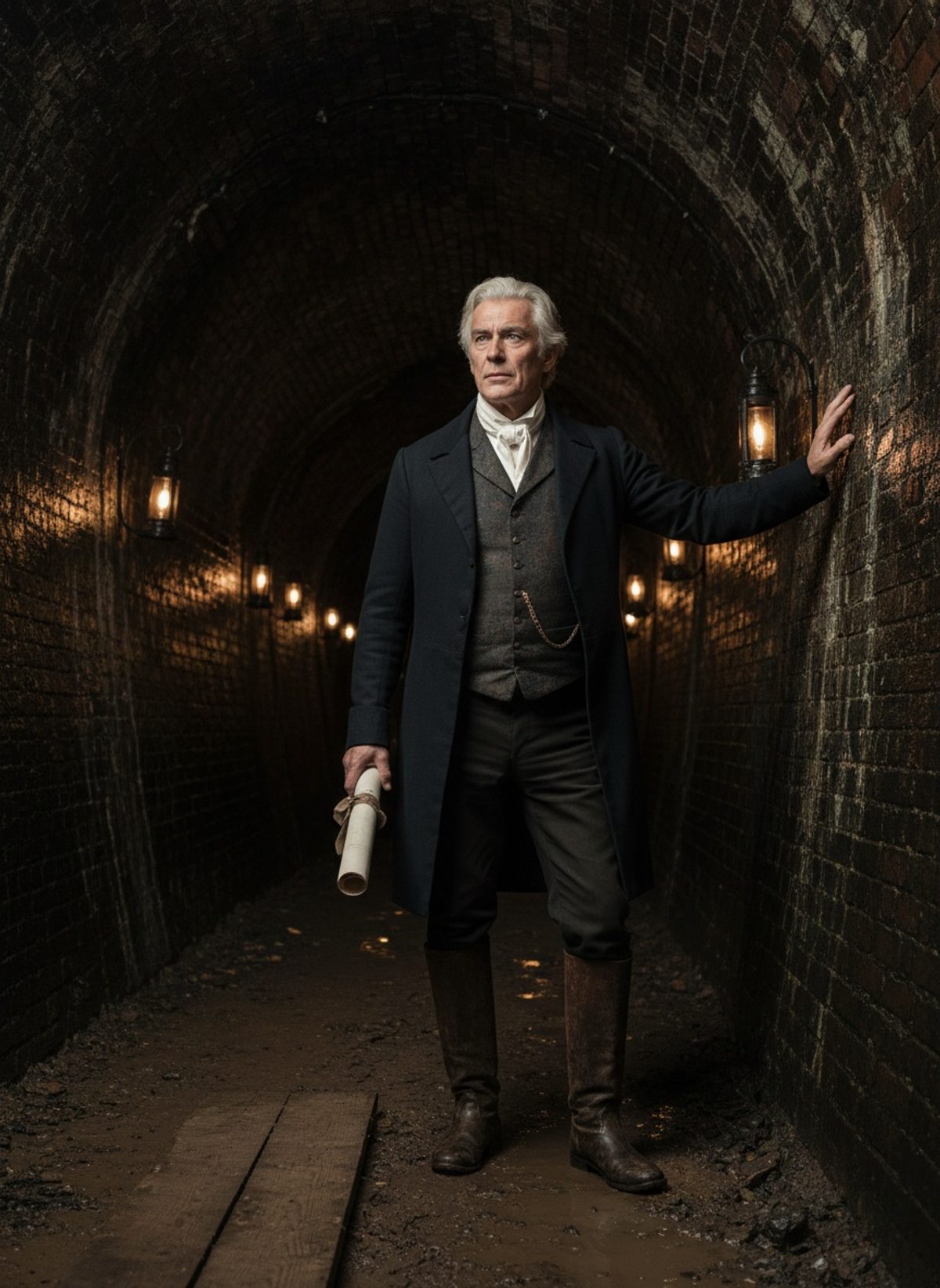
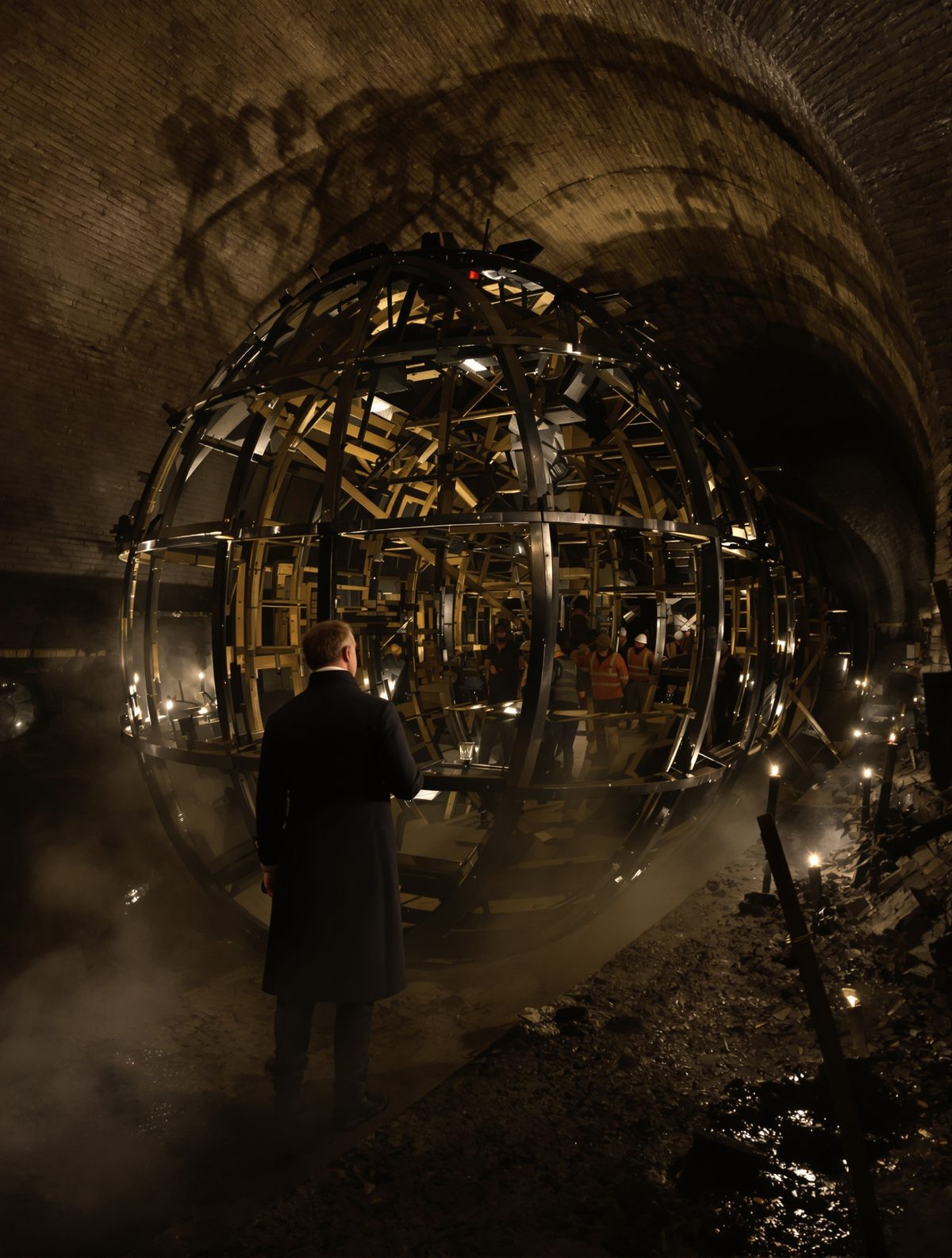
1841. The Thames Tunnel was nearly finished. Marc Brunel was nearly broken. Deaf. Exhausted. Twice flooded out. He walked the tunnel anyway. Alone. And declared it done.
1815. Deep in the Durham coalfields, men died in the dark. A single spark could kill fifty souls. Humphry Davy took a lantern apart. Built it again. Changed everything.
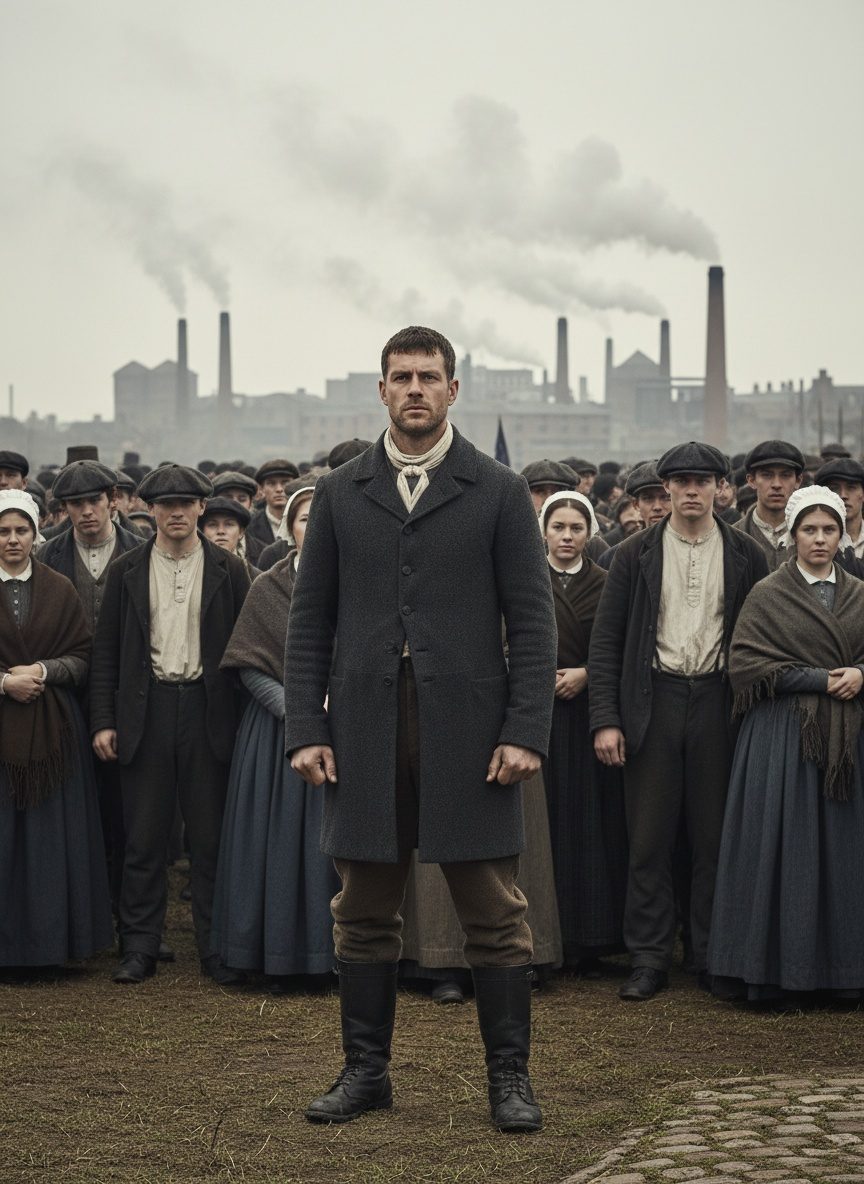
Manchester. 1833. Children as young as five worked fourteen-hour days in the cotton mills. One man stood in Parliament and refused to sit down. Richard Oastler had seen it. He would not stop until Britain did too.
1831. Robert Blincoe was a pauper child. Sent to a cotton mill at seven. Beaten. Starved. He survived. Thirty years later he told his story. One man wrote it down. Parliament could not look away.
Autumn 1800. Famine gripped England. Robert Owen's New Lanark mills fell silent. He kept paying every worker in full. Four months. Not a penny cut. They called it impossible. He called it right.
Manchester, 1831. Robert Blincoe was ten when they chained him to a cotton machine. Now he was a man. He walked into a parliamentary hearing. He told them everything. The room fell silent.
Christmas Eve, 1801. Richard Trevithick lit a furnace in Camborne. A hissing iron machine rolled forward. It carried passengers. It moved under its own power. Nobody had ever seen anything like it. They called it the Puffing Devil.
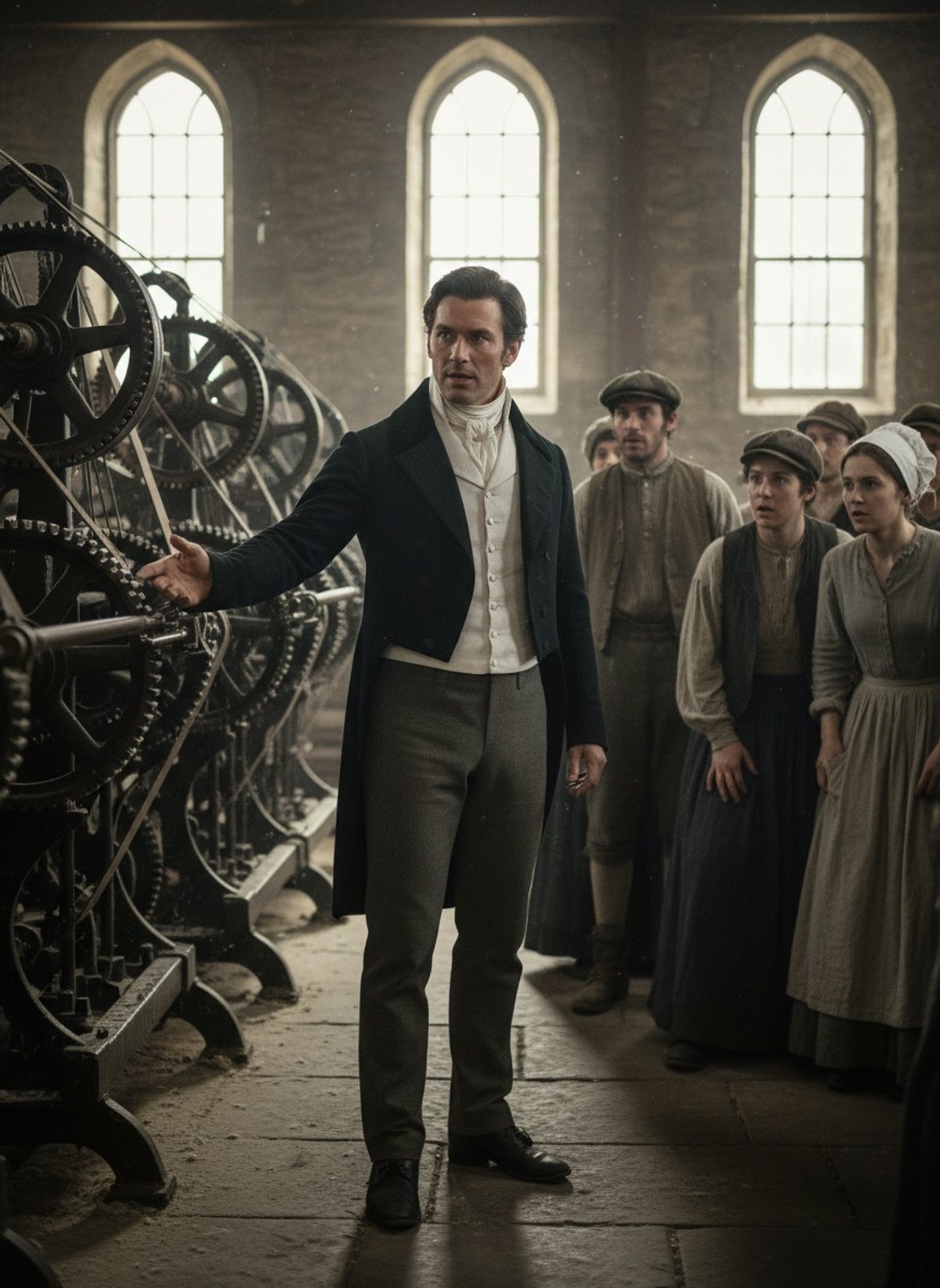
Lancashire, 1815. Robert Owen had built a fortune on cotton. His workers toiled fourteen hours a day. He walked into his own mill. And cut the hours. Then raised the wages anyway.
1832. Robert Blincoe was ten when they sent him to a cotton mill. He survived. Barely. Thirty years later he sat before a Parliamentary committee. And told them everything.
1800. The cotton market had collapsed. Every mill owner in Derbyshire cut wages or closed gates. Jedidiah Strutt paid his workers in full. Every week. For a year. He said a man's family should not starve for a market's sins.
Bradford, 1832. Robert Blincoe was ten when they put him in the mill. Twenty years later he sat before Parliament. And told them everything. Every word landed like a stone.
1832. Robert Blincoe was born in a workhouse. Sold to a cotton mill at seven. Beaten. Starved. He survived. Then he told his story to Parliament. Every word of it true.
Yorkshire. 1832. Robert Blincoe was nine when he entered the mills. Now a man, he sat before Parliament's commission. He described the beatings. The hunger. The broken children. Nobody had ever said it aloud before.
Lancashire, 1833. Robert Blincoe was ten when the mills broke him. Grown now, he told his story to a journalist. Every word was true. Parliament tried to look away. He would not let them.
Lancashire, 1815. Robert Owen had already shocked Britain. Now he stood before Parliament. His mills let children sleep. His workers had schools. He told Parliament it could be the law for all. They laughed. He stood firm.
1831. Richard Oastler had seen enough. Children as young as six. Working fourteen hours a day. He walked into Leeds and wrote a letter that shook Britain. Parliament could not ignore it.
Paisley, 1812. The looms had stopped. War had killed the orders. Robert Owen's workers faced starvation. He paid them anyway. Four months. Full wages. Not a single man dismissed.
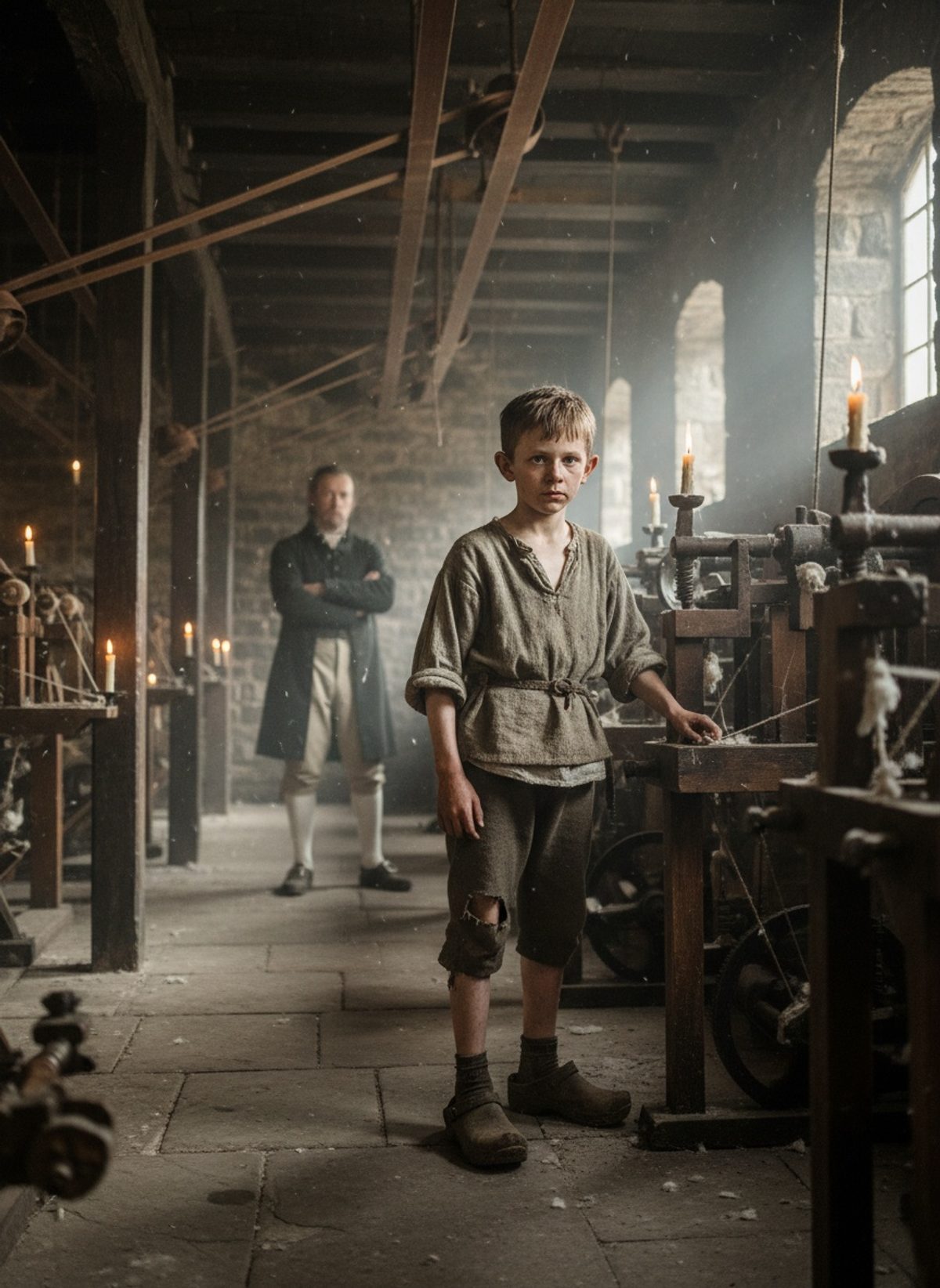
Quarry Bank Mill, 1784. Samuel Greg's apprentice children fell ill. A lesser man would have cut them loose. Greg kept paying. Built them a school. A doctor. A home. In an age of child labour, one mill owner refused.
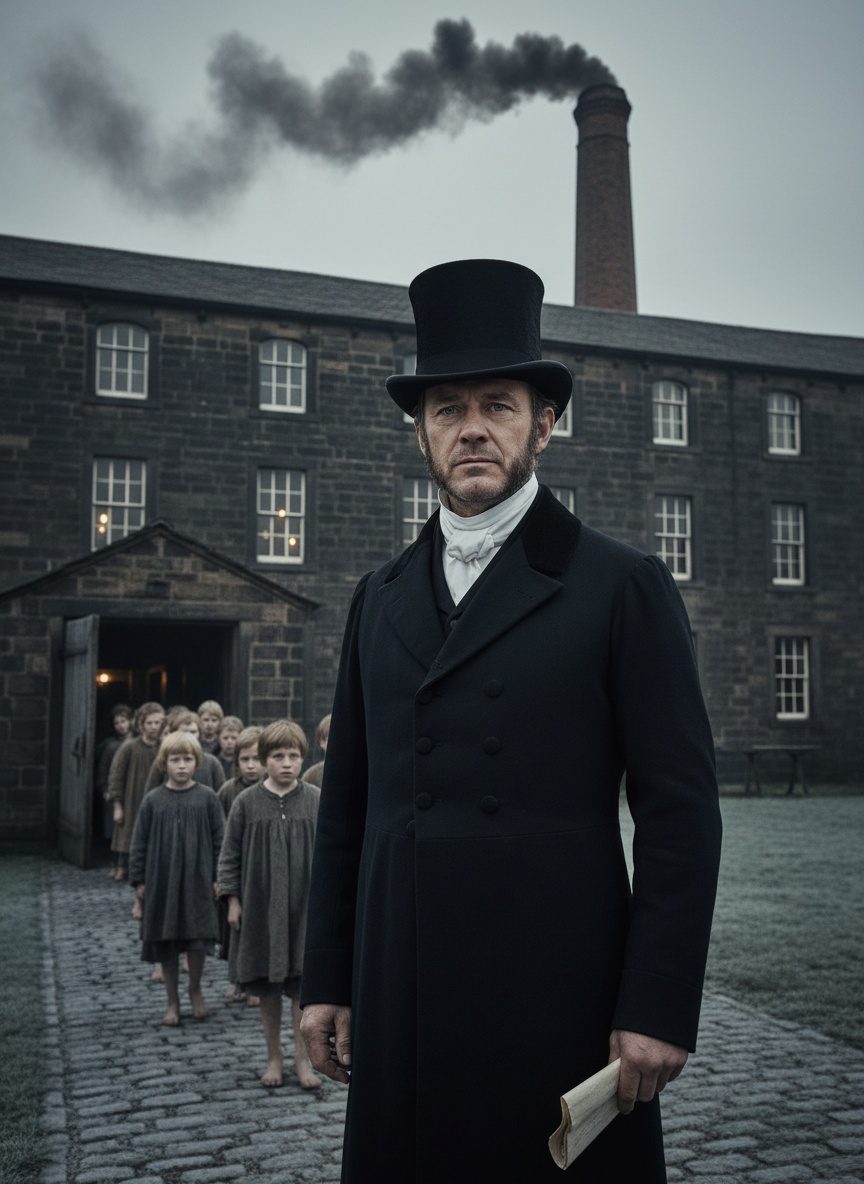
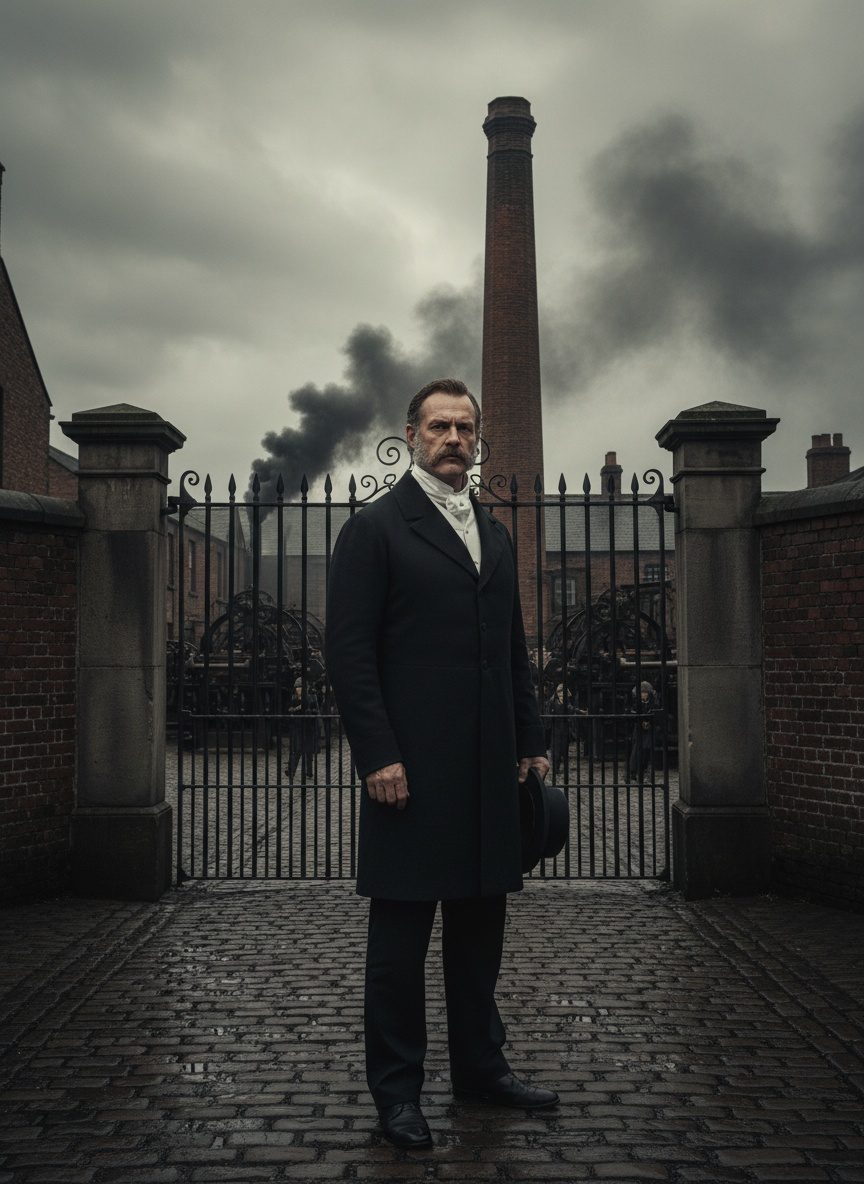
Lancashire, 1833. Richard Oastler stood before a mill gate. Inside, children as young as six worked fourteen-hour days. He had already written the letter that shook Parliament. Now he stood and refused to move.
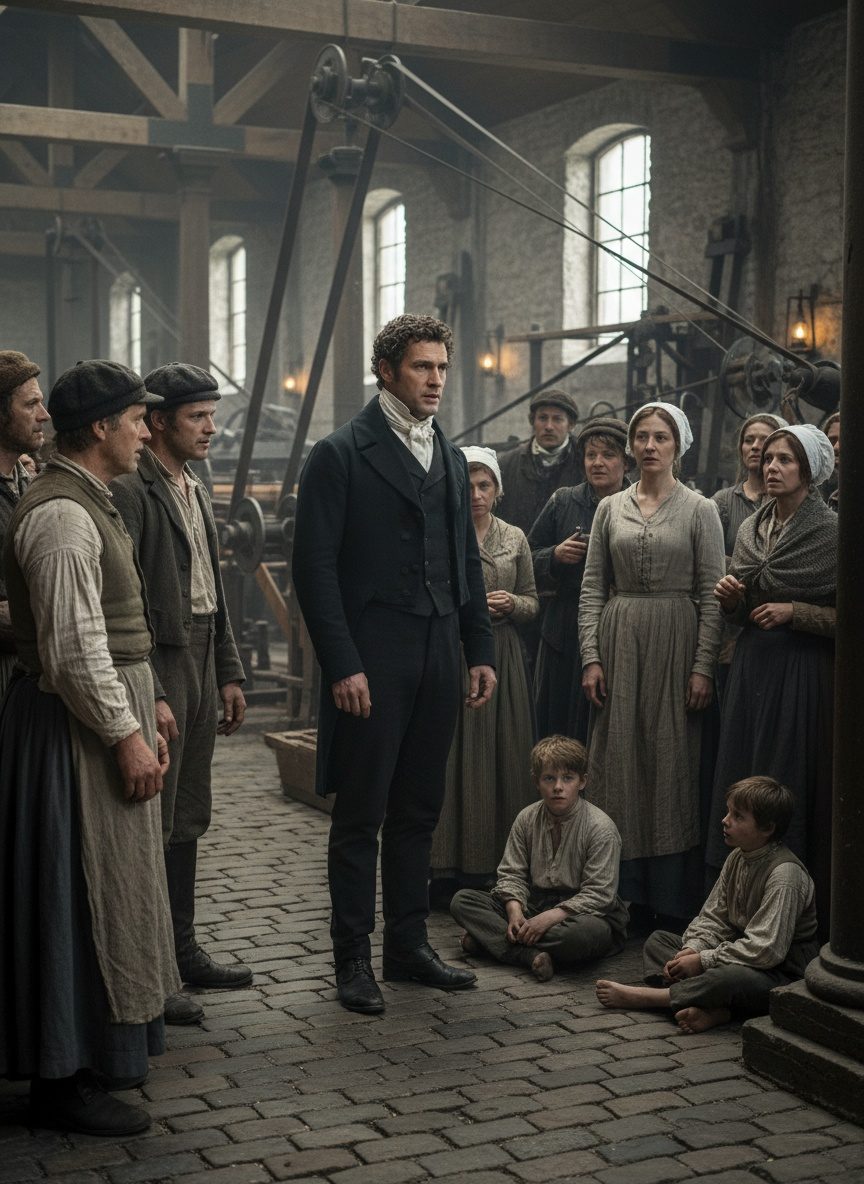
Yorkshire, 1832. Richard Oastler had watched children work fourteen-hour days in Bradford's mills. He had written. He had petitioned. Now he walked into the factory towns himself. He spoke. They listened. A nation shifted.
Manchester, 1833. Robert Owen had built a fortune. He had the ear of parliament. Then he stood up and told them the truth. Children were dying in the mills. He demanded the law change it. His own class never forgave him.
Lancashire, 1816. Robert Owen's mills ran six days a week. Every other owner ran seven. Owen stopped. He paid them the same. The workers wept. His rivals called him a fool. History called him right.
1806. War with Napoleon had strangled the cotton trade. Robert Owen's New Lanark mill ground to a halt. He kept paying every worker. Full wages. For four months. No one had ever done it before.
Manchester, 1833. Robert Blincoe had survived it all. The beatings. The hunger. The broken bones. Now he sat before a government commissioner. And told every word of it. The world listened.
Manchester, 1832. Robert Blincoe was ten when they put him in the mill. He survived. Then he told everything. A journalist printed every word. Parliament could no longer look away.
1833. A ten-year-old mill boy stood before a Parliamentary Commission. His spine was bent. His knees bowed. He had worked since age five. He told them everything. Britain listened.
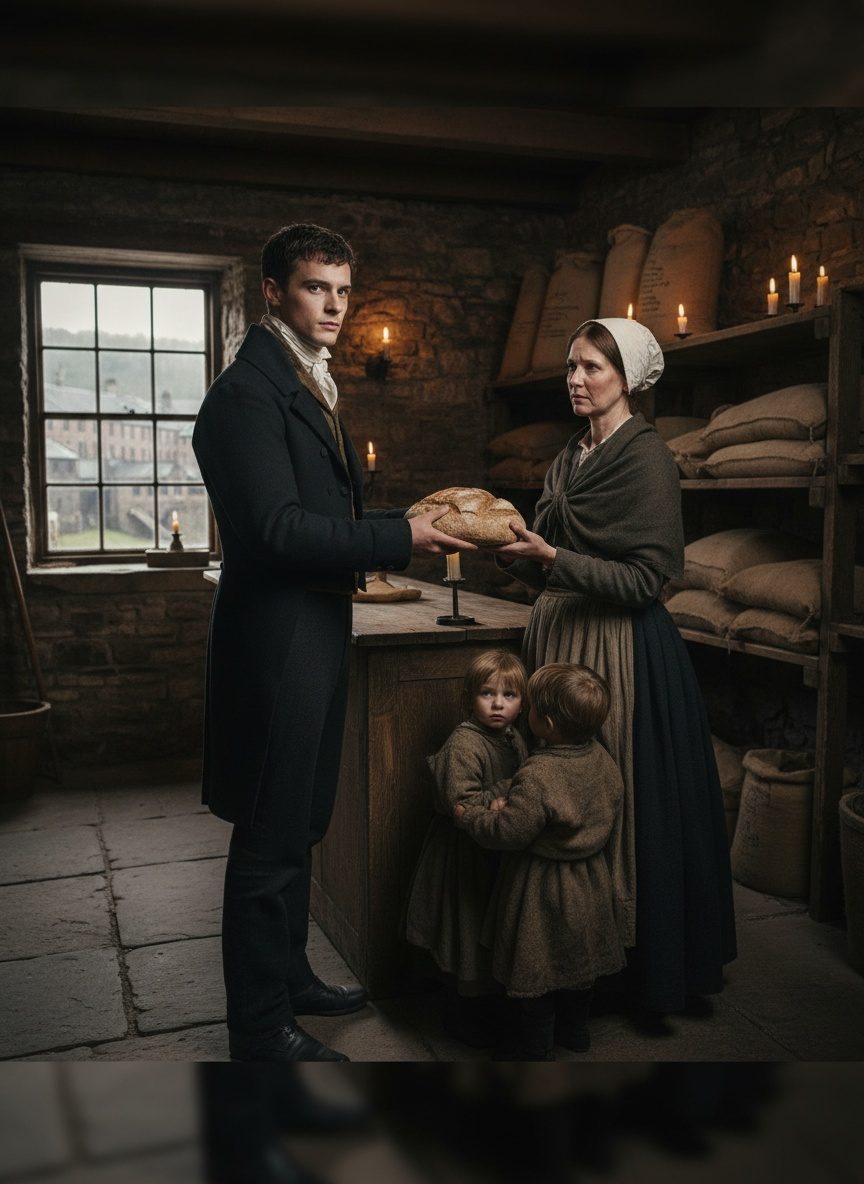
Winter 1800. Food prices soared across Britain. Workers starved. Robert Owen opened his mill store in New Lanark. He sold food at cost. No profit. No exceptions. His workers survived the famine that broke every other mill town.
1832. Robert Blincoe had survived a cotton mill from the age of seven. He had worked fourteen-hour days. He had been beaten and starved. Now his testimony sat in Parliament. And Britain listened.
Manchester, 1832. Robert Blincoe had survived a childhood in the cotton mills. Beaten. Starved. Worked half to death. He told his story to a journalist. Parliament listened. One year later, the Factory Act passed.
Lancashire, 1832. Robert Blincoe had survived it all. The beatings. The hunger. The machinery that mangled children's hands. Now he sat before a parliamentary reporter. And told every word of it.
Bradford, 1832. Richard Oastler stood inside a wool mill. Children as young as six worked fourteen hours a day. He had seen enough. He walked out and wrote a letter that shook Britain to its foundations.
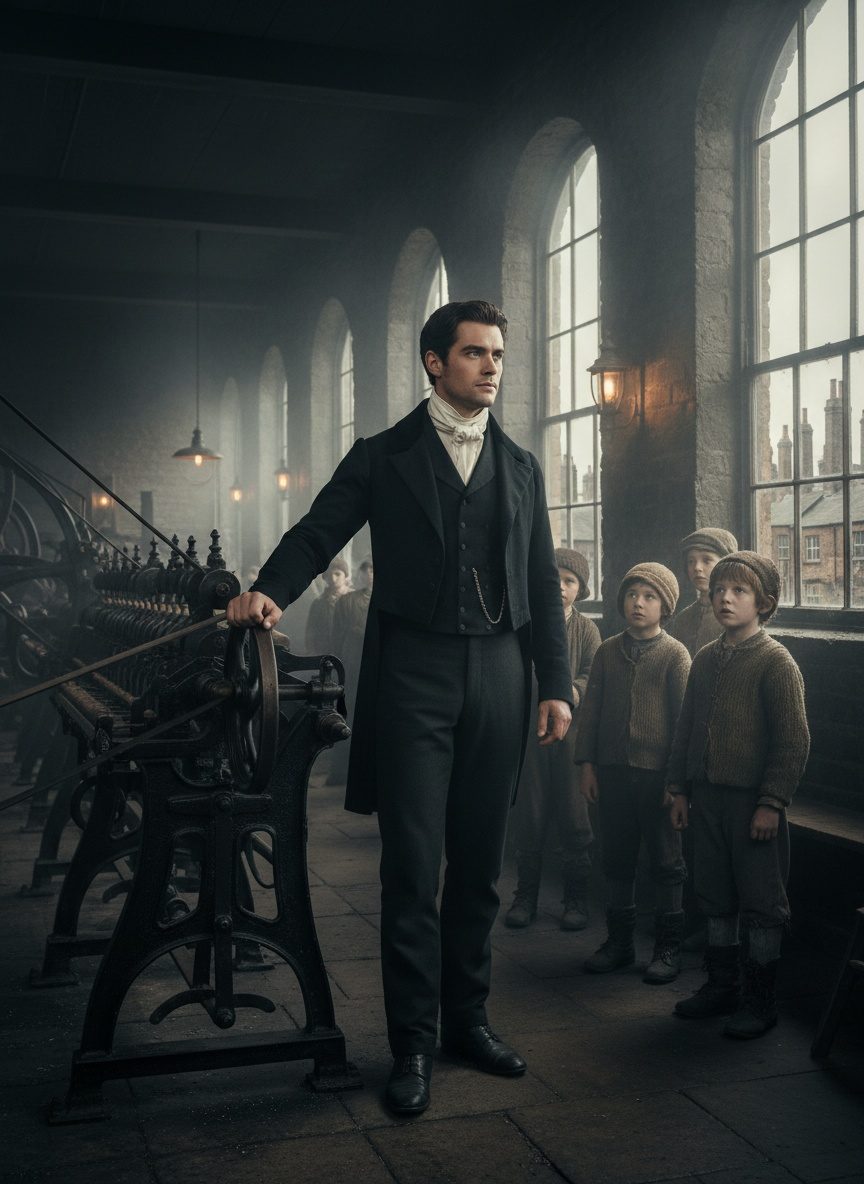
Bradford, 1833. Titus Salt walked his father's filthy mill and saw children coughing in the dark. He made a decision. No child would work there again. He paid them anyway. Then he built them a school.
Manchester, 1832. Robert Blincoe had worked in cotton mills since the age of seven. He was broken in body. But not in spirit. Michael Sadler read his testimony aloud to Parliament. The mills would never be the same.
Lancashire, 1832. Robert Blincoe was ten when he entered the mills. He survived. Then he told his story. A factory owner called him a liar. He stood his ground. Parliament listened.
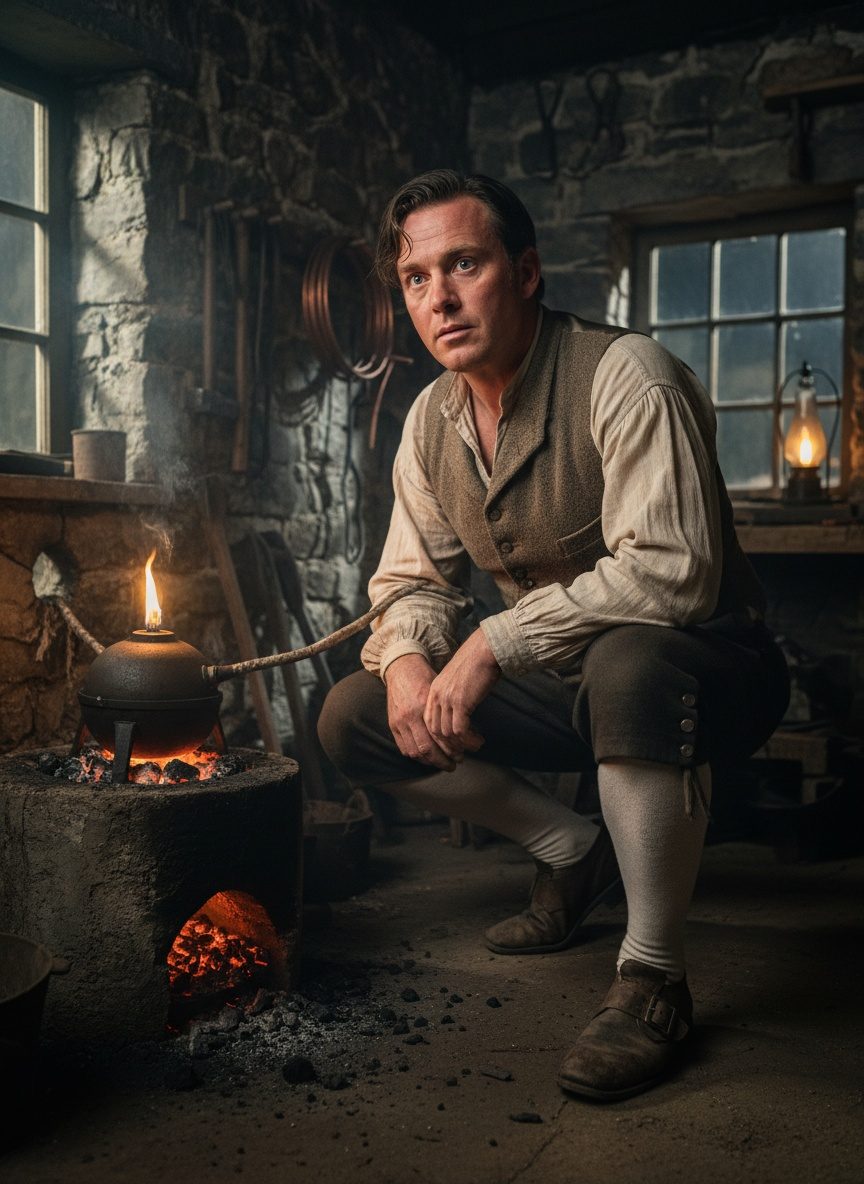
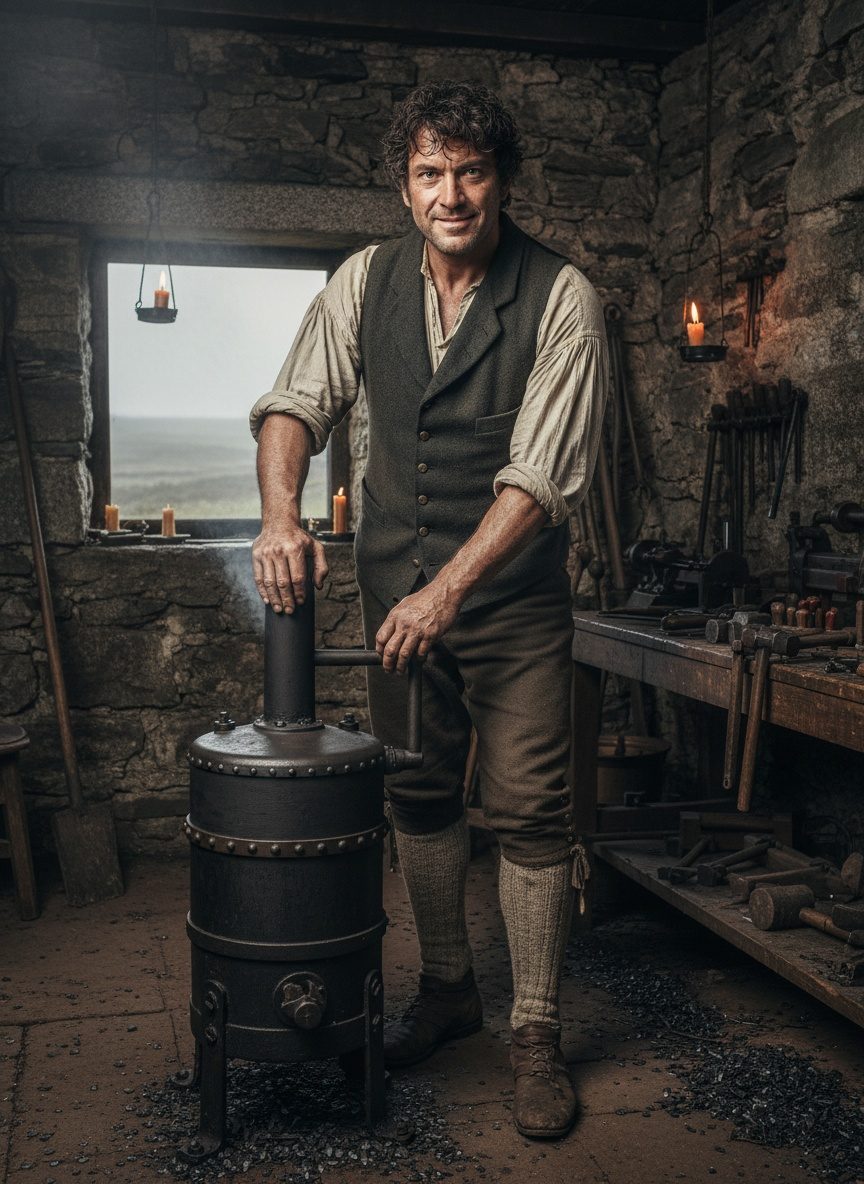
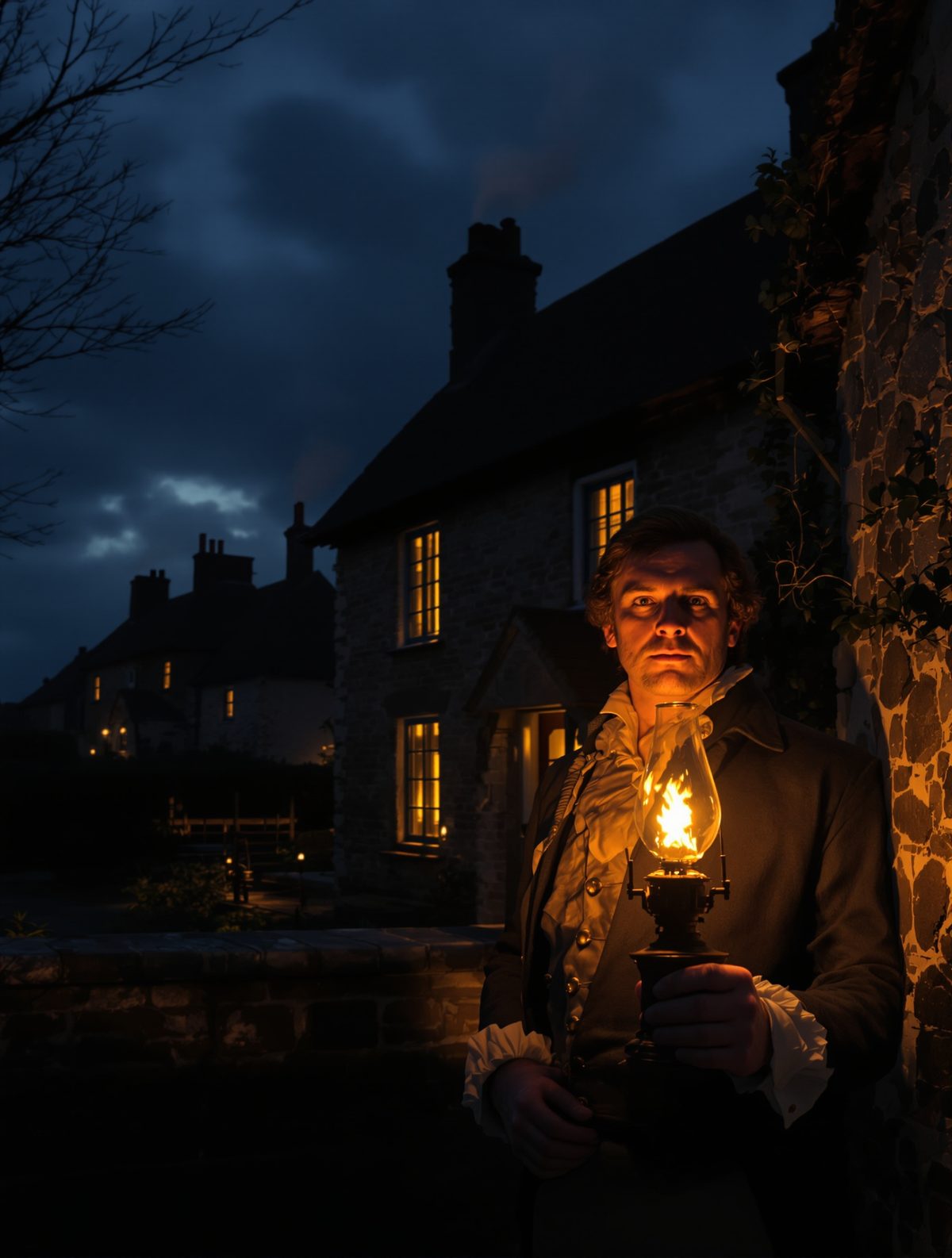
Cornwall. 1792. A Scotsman worked alone in a tiny shed. He piped gas from burning coal through a tin tube. His cottage glowed. The world had never seen anything like it.
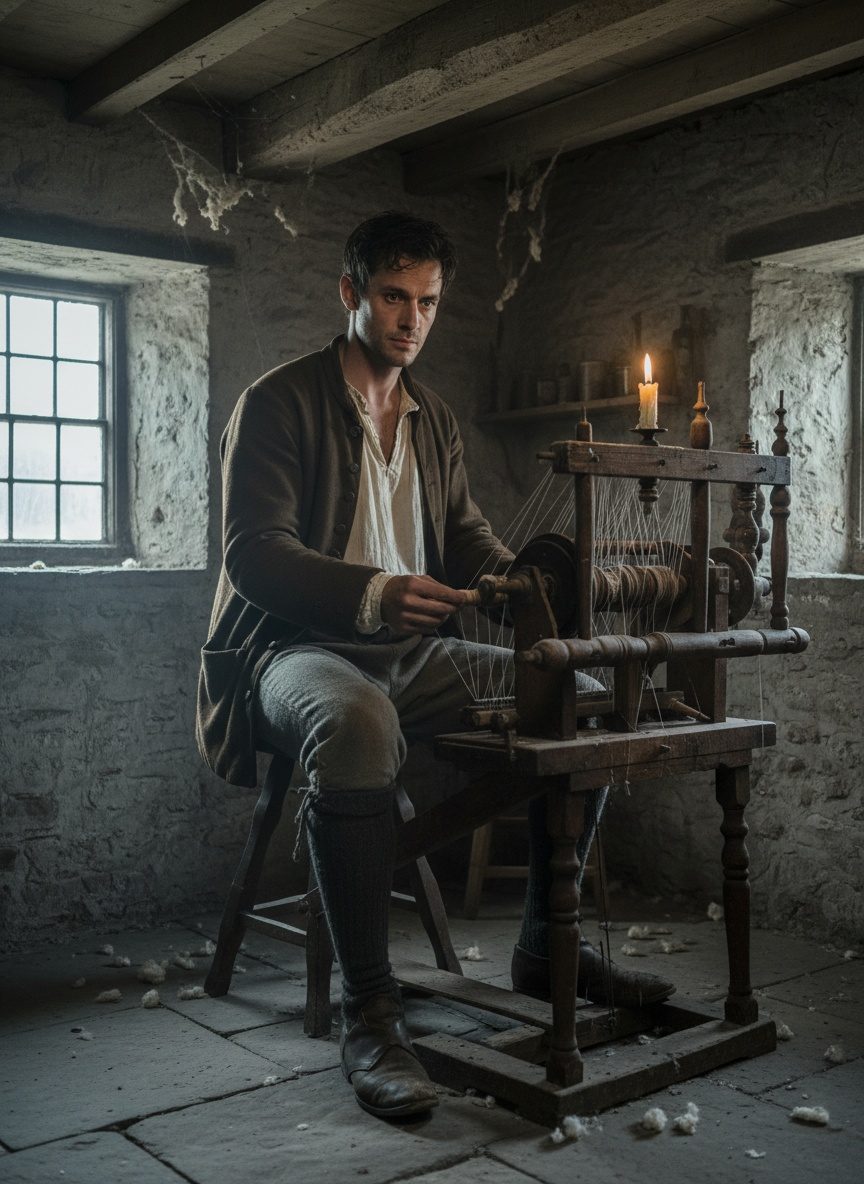
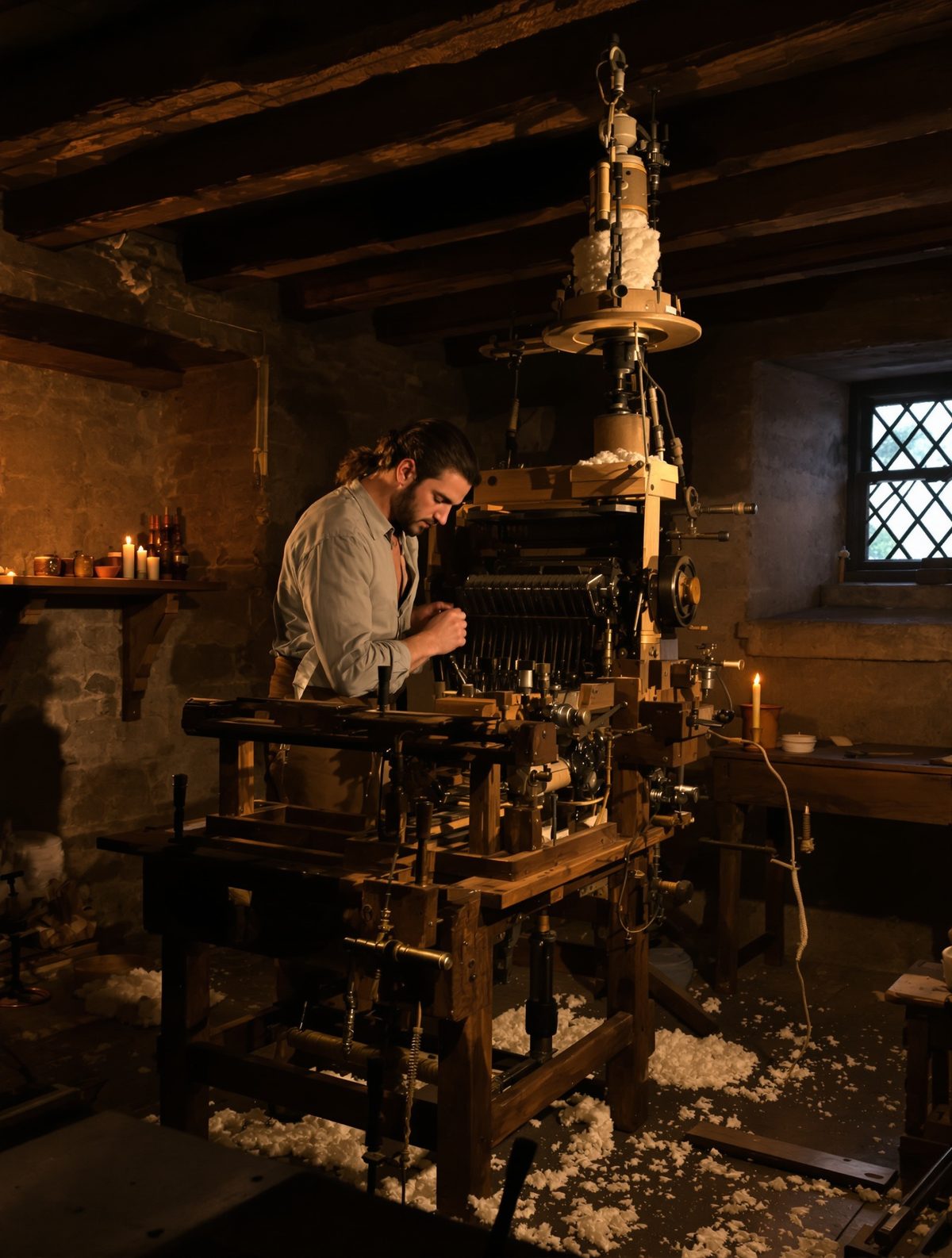
Bolton, 1779. Samuel Crompton worked in secret for five years. He spun thread so fine it rivalled anything from India. Then his neighbours broke in and stole his secret. He gave it to the world anyway.
New Lanark, 1800. The mill owners laughed. Robert Owen ended child labour in his own factory. He built schools. He cut working hours. His workers thrived. The mill made more money than ever.
Manchester. 1819. Samuel Bamford walked to St Peter's Field. Sixty thousand came. The cavalry charged. He was arrested. He never recanted. He wrote it all down. The world finally read it.
Cornwall, 1799. Richard Trevithick had an idea every expert said would kill men. High-pressure steam. He built it anyway. It worked. The world would never move the same way again.
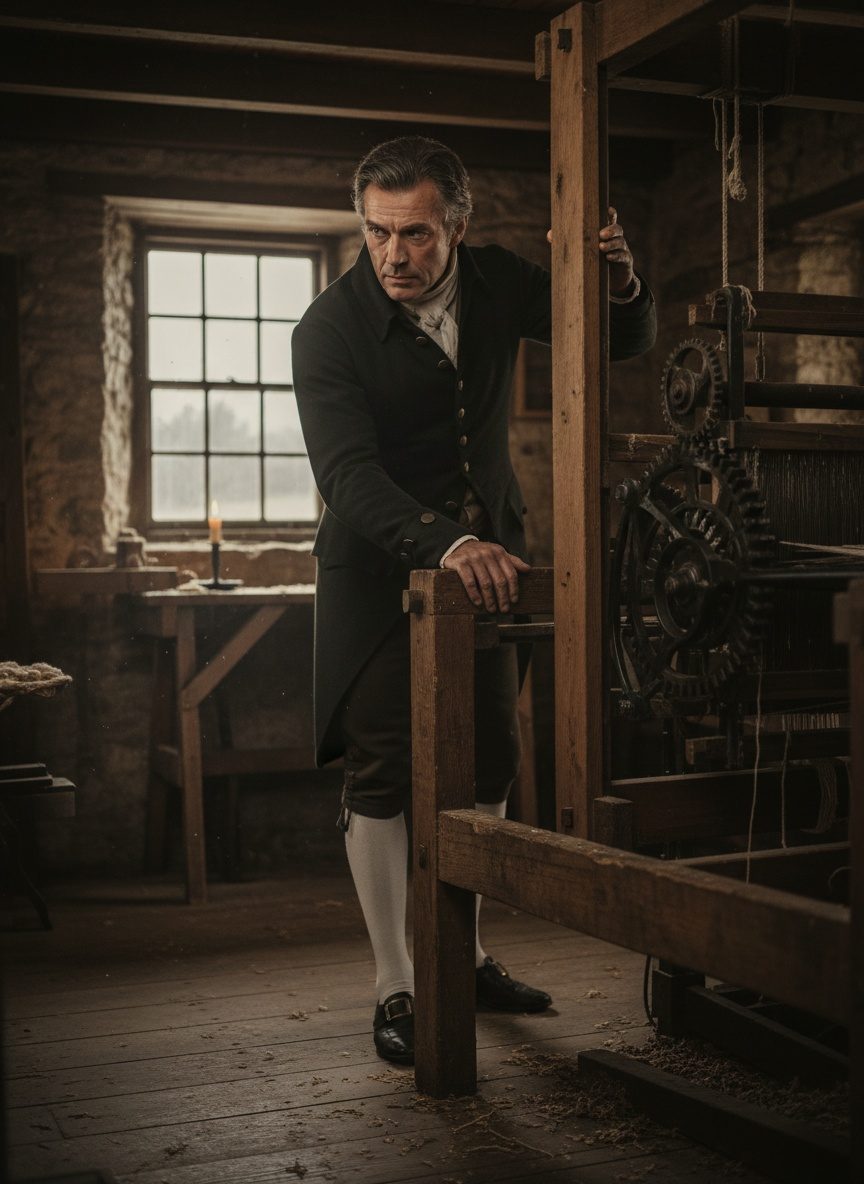
Yorkshire, 1785. A clergyman with no engineering training built a power loom in a village workshop. Textile merchants laughed. Within a decade, his machine was running in every factory in England.
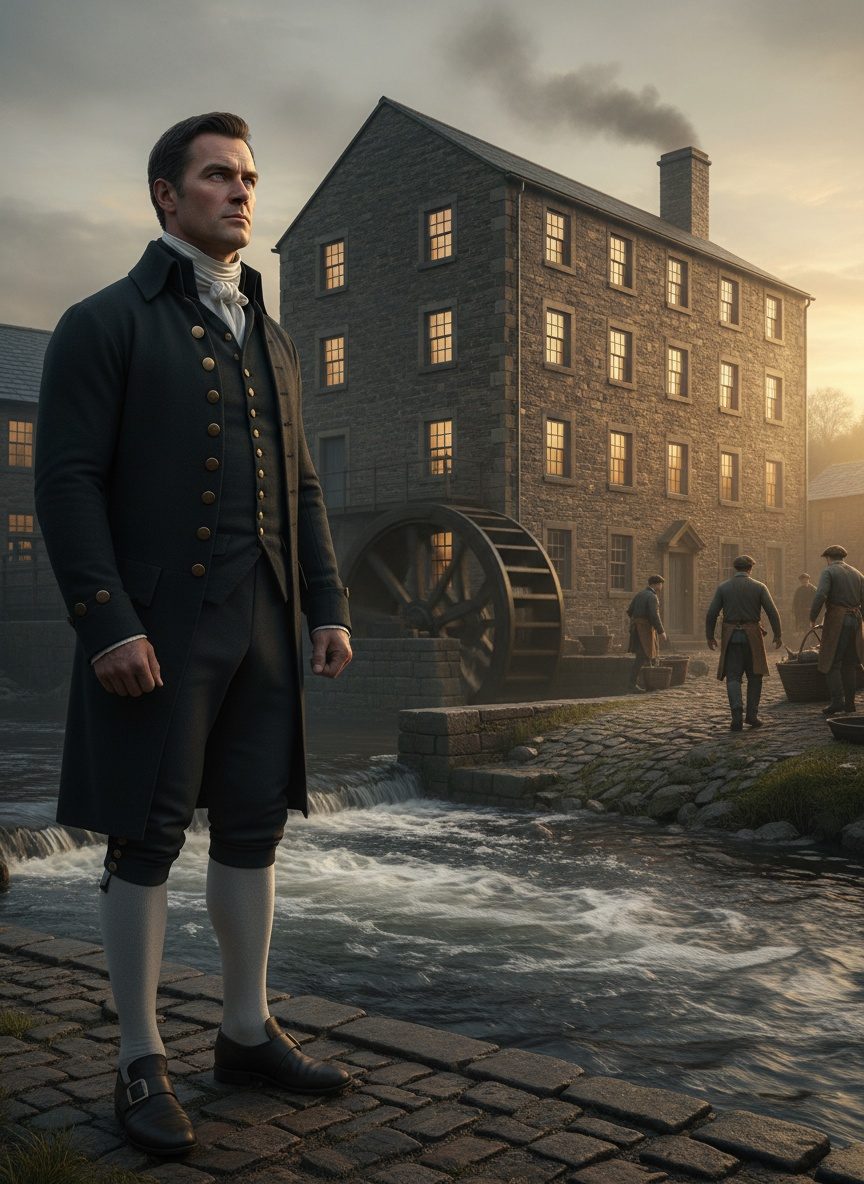
1771. A mill rose from the Derwent's banks. Richard Arkwright had done the impossible. He had gathered workers, machines, and water under one roof. Cromford was born. The factory age had begun.
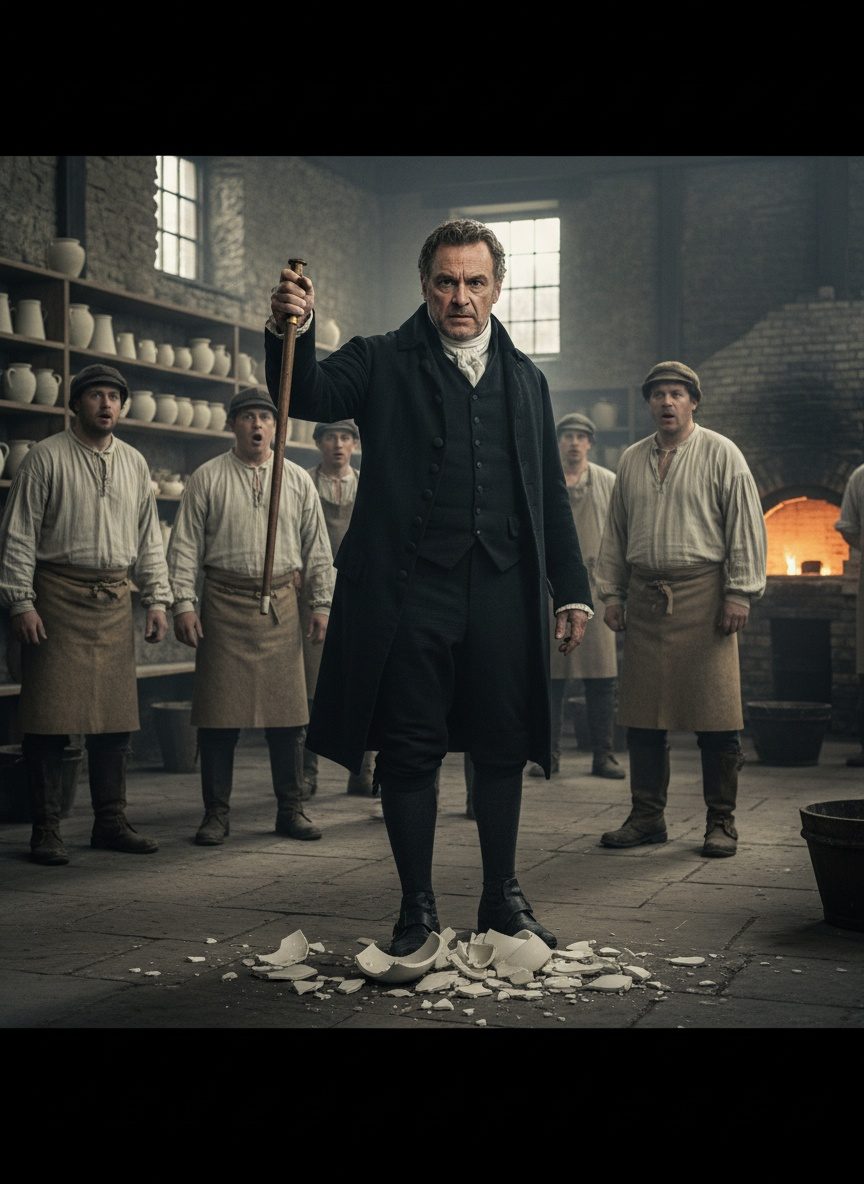
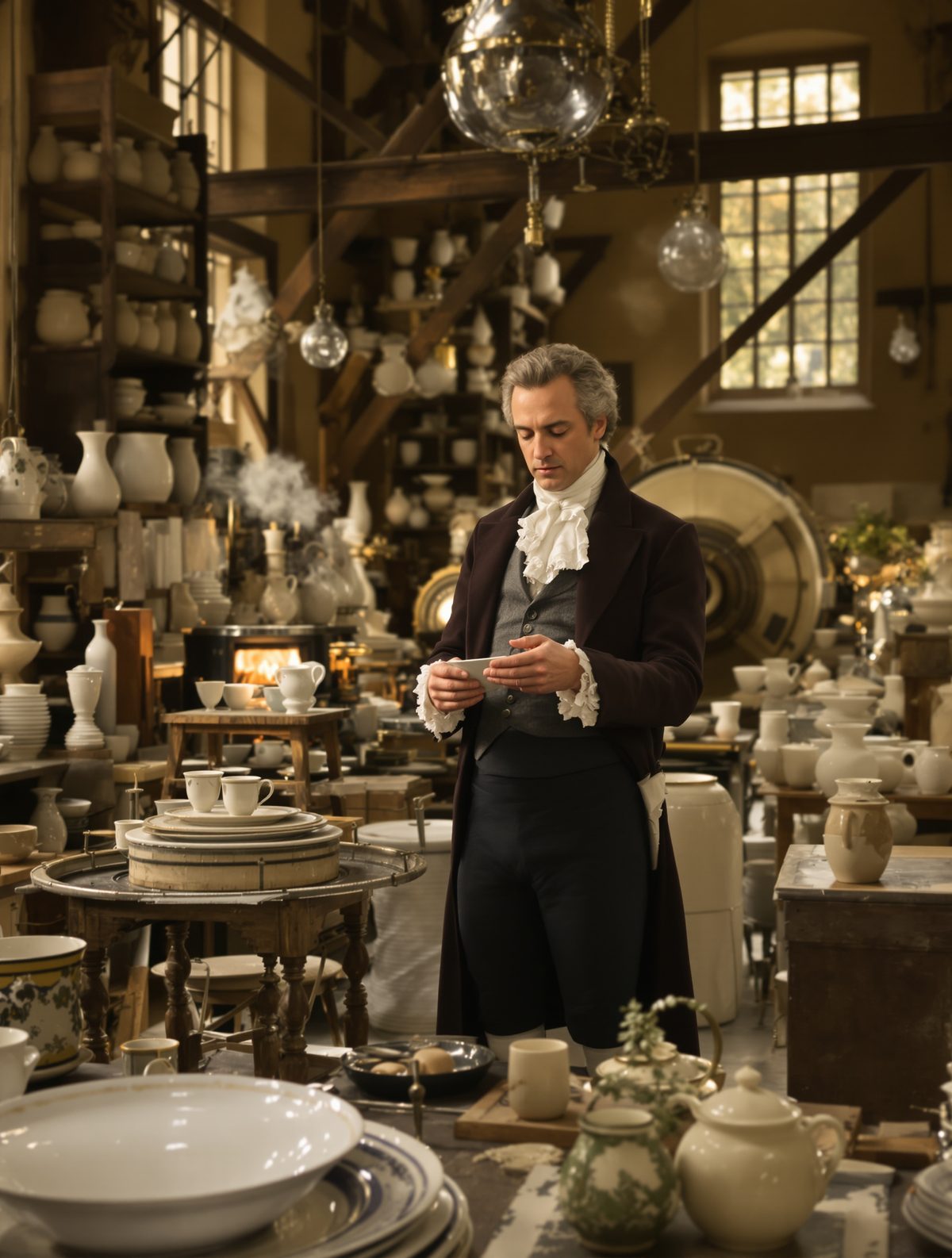
Staffordshire, 1760s. Josiah Wedgwood would limp through his pottery. A finished piece would catch his eye. He would raise his cane. Smash it on the floor. 'That will not do for Wedgwood.' His workers never forgot it.
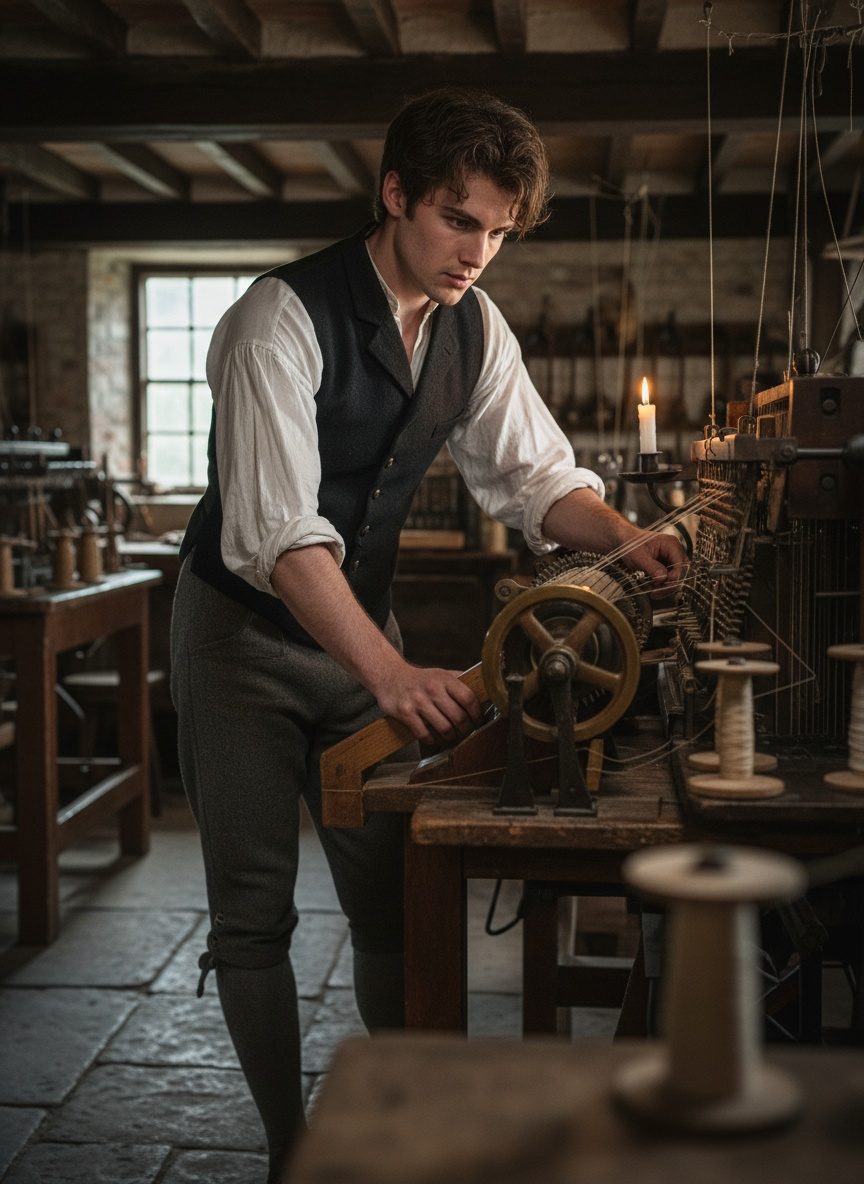
Nottingham, 1808. James Heathcoat was twenty years old. He watched women knitting lace by hand. Twelve threads. Forty fingers. Years of work for one yard. He built a machine that did it in minutes.
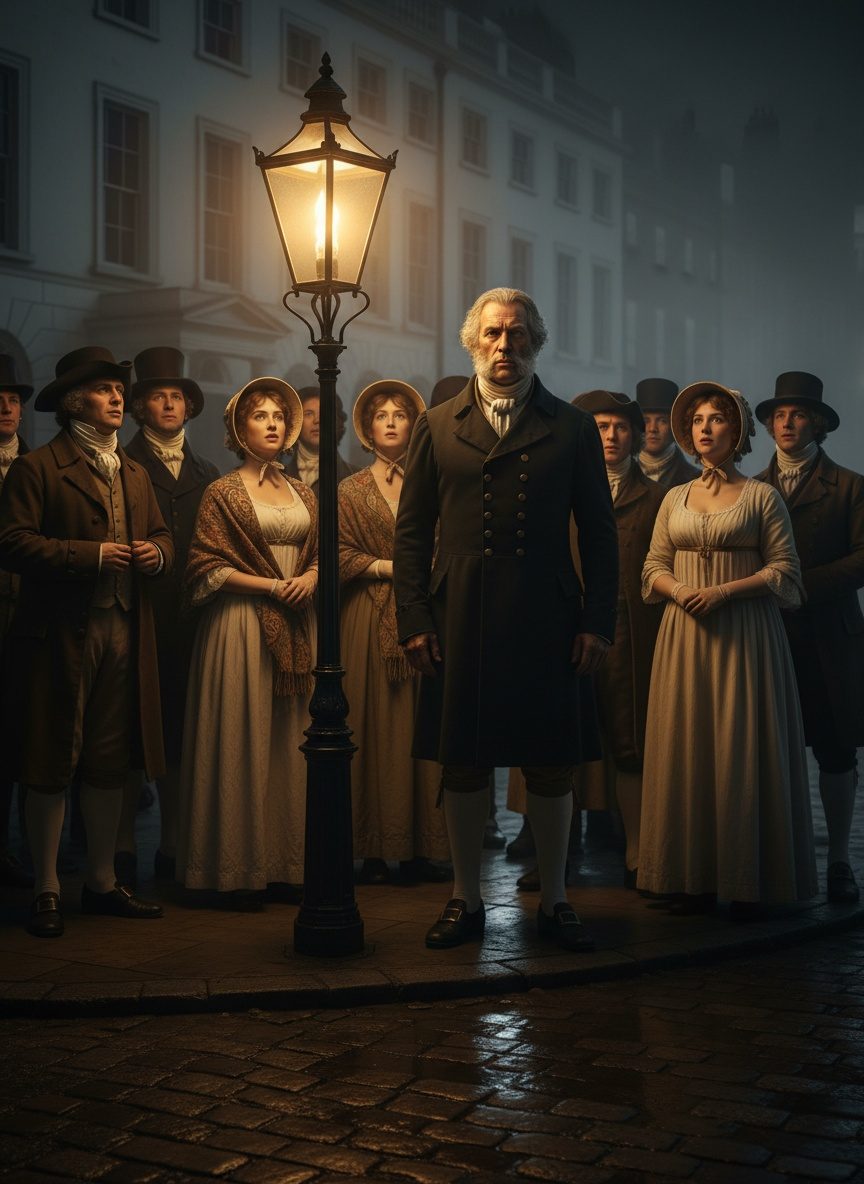
London, 1807. The streets were dark. They always had been. Then William Murdoch's apprentice turned a valve on Pall Mall. The lamp hissed. It glowed. The crowd fell silent. One man wept. He had never seen a lit street before. He was blind.
Birmingham. 1802. William Murdoch had already lit his own house with gas. Now he wanted to light a street. Nobody believed it would hold. He turned the valve. The lamp blazed. The crowd fell silent.
February 1804. South Wales. A crowd gathered at Merthyr Tydfil. A hissing iron engine moved without horses. It pulled ten tonnes of iron. Five wagons. Seventy men. Nine miles. The age of steam had begun.
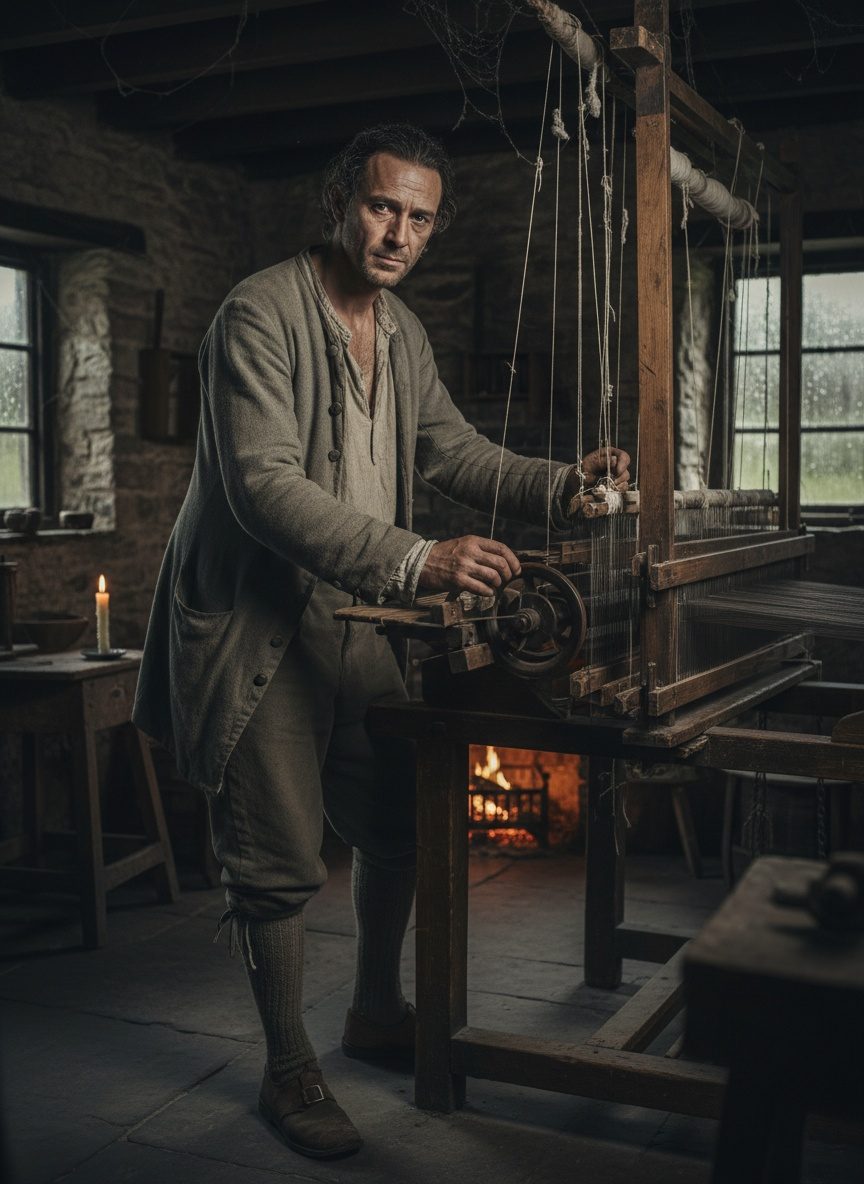
Lancashire, 1785. Edmund Cartwright had never seen a loom. He was a clergyman. A poet. He walked into a mill. Watched the weavers. Then went home and invented the power loom. It changed everything.
Bolton, 1779. Samuel Crompton had nothing left. Rivals had stolen his plans. His spinning mule was copied across England. He wept at the loom. But the machine changed the world anyway.
Manchester. 1818. The cotton mills were killing their workers. A half-blind weaver named John Doherty stood up. He built a union from nothing. They tried to break him. He would not break.
1812. John Doherty was a cotton spinner in Manchester. Deaf to the machines. Blind in one eye. Yet this Irish-born mill worker built the first national union — and made Britain listen.
Christmas Eve, 1801. A Cornish village. Richard Trevithick fired his steam carriage up Camborne Hill. The crowd ran alongside it. No horse. No sail. Just steam and iron. Britain would never be the same.
1771. A mill on a Derbyshire river. Richard Arkwright threw the switch. Water powered his spinning frames. Cloth poured out. Britain would never be the same.
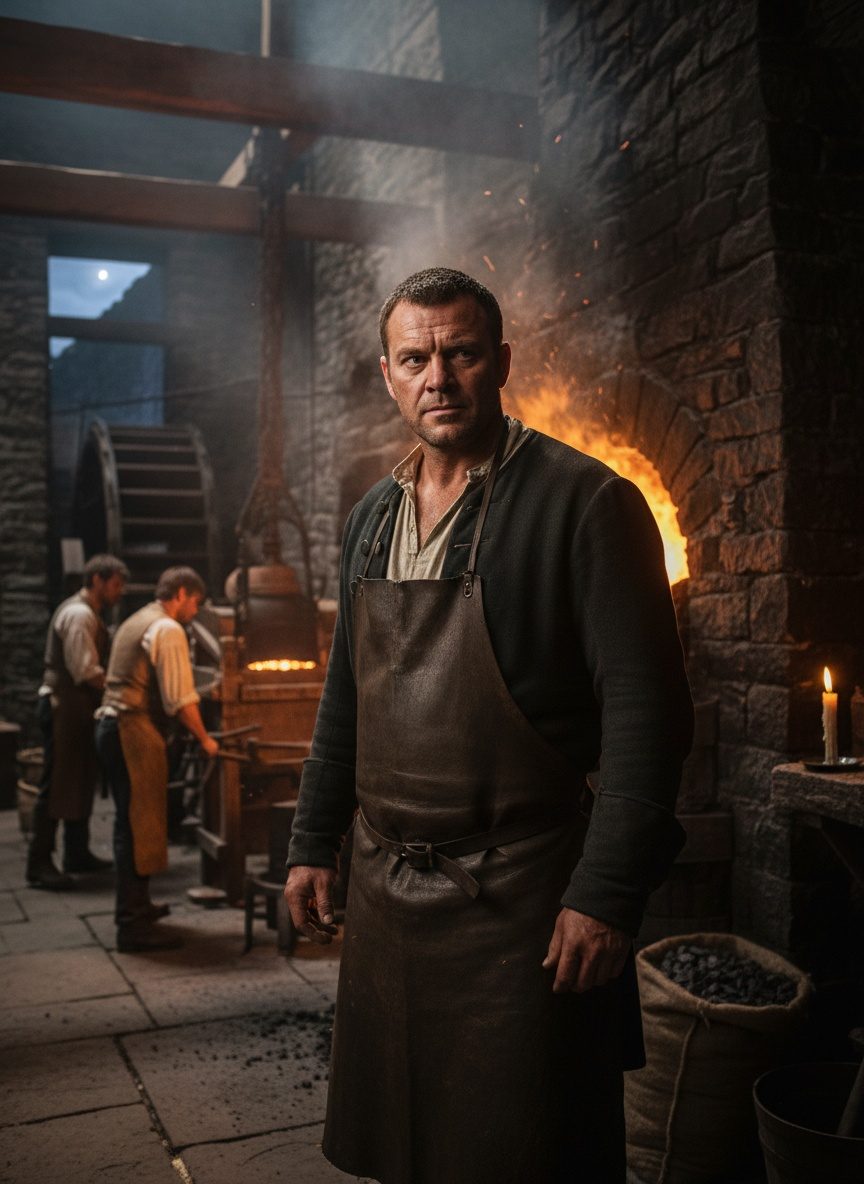
Christmas Eve, 1708. Abraham Darby stood before a cold furnace. Everyone said it was impossible. Coke could not smelt iron. He lit it anyway. By morning, the world had changed forever.
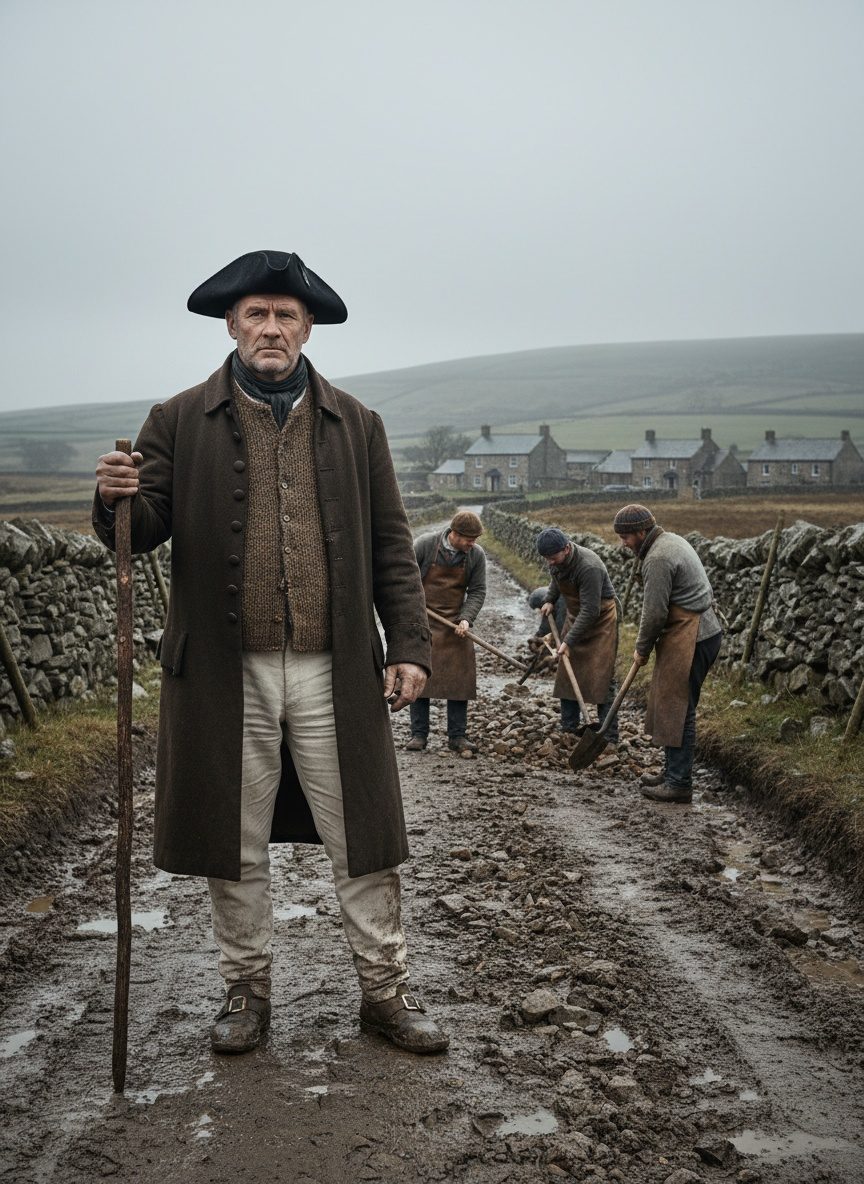
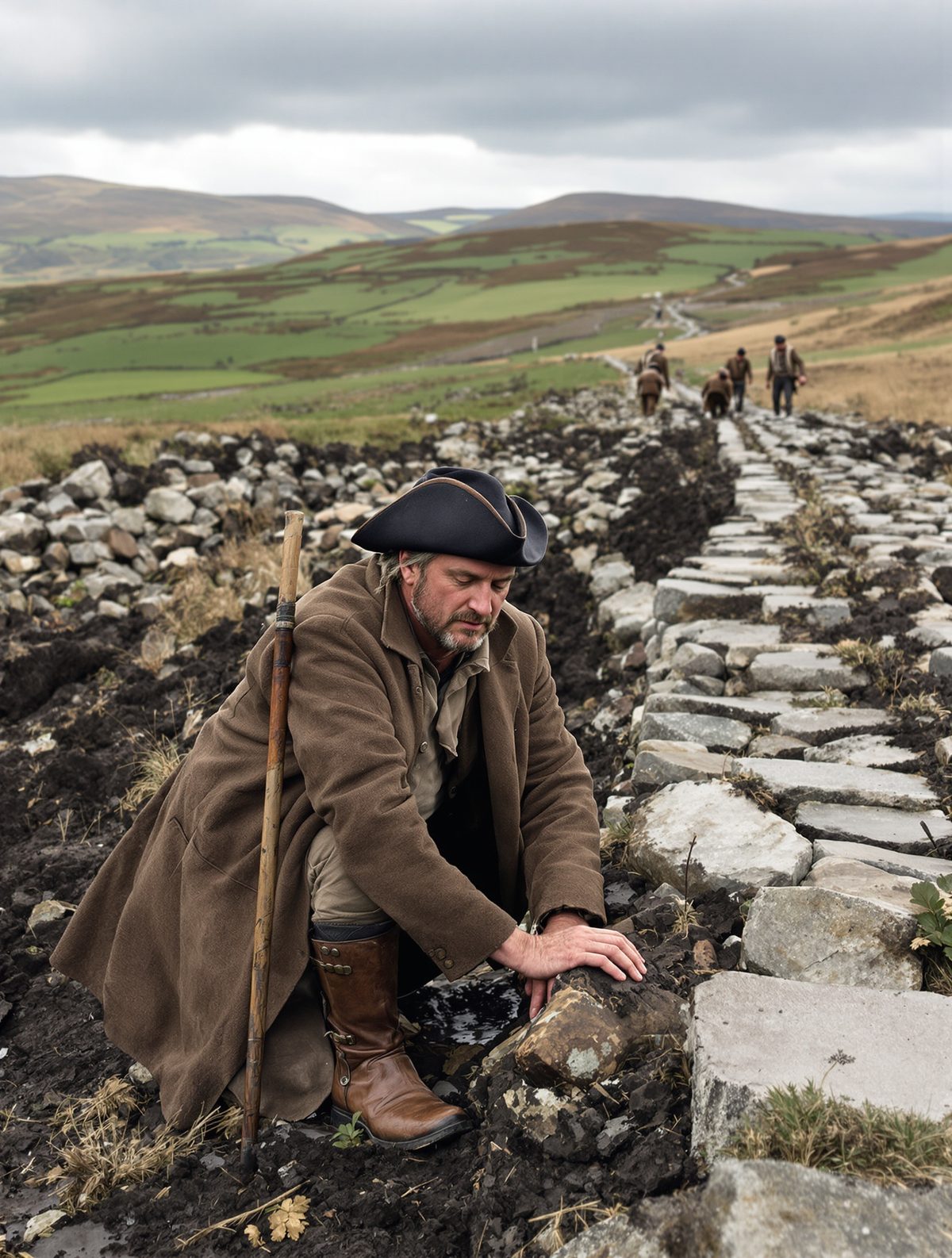
Yorkshire, 1765. John Metcalf had been blind since the age of six. He proposed to build one of Britain's first turnpike roads. Officials laughed. He surveyed every inch of the route by touch. The road was perfect.
England, 1790s. John Metcalf had gone blind at six. Yet he became Britain's most trusted canal surveyor. He walked every towpath. Felt every gradient. Remembered every lock. His fingers read the land.
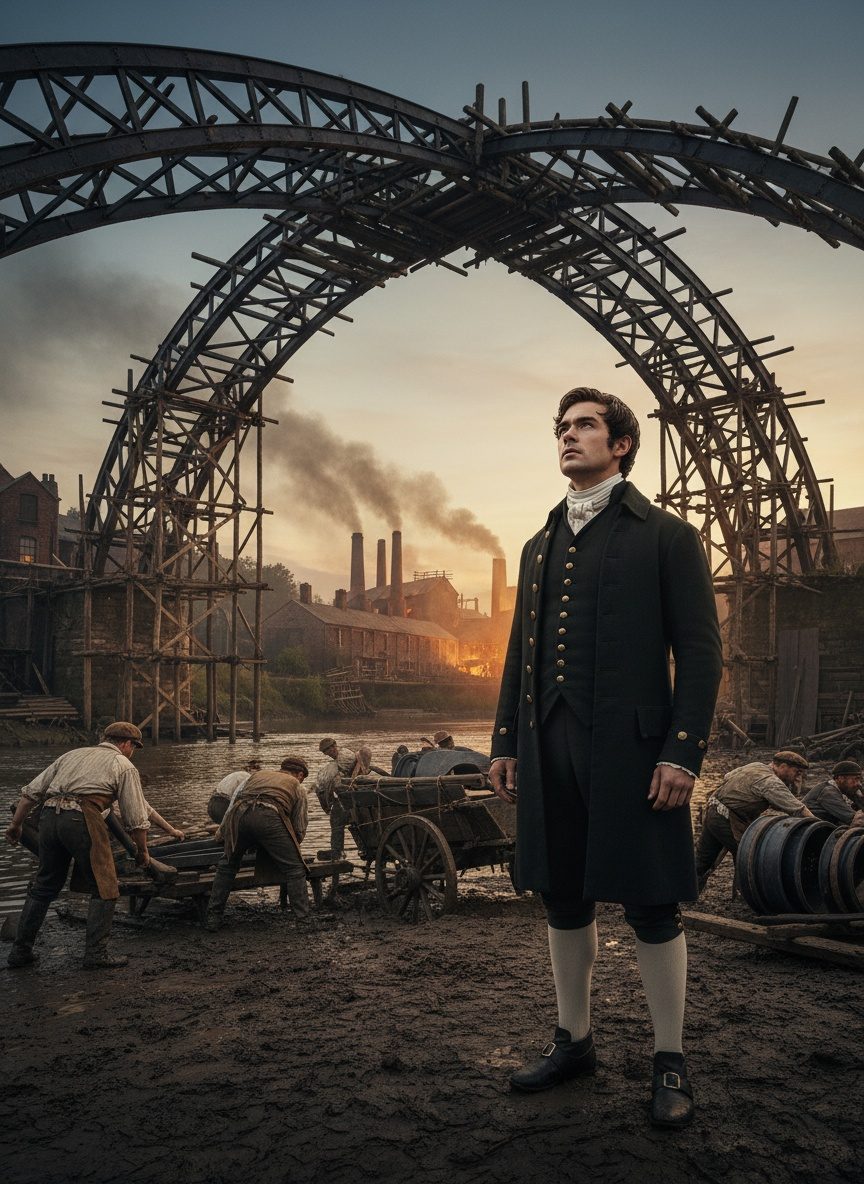
Coalbrookdale, 1779. A local ironmaster had a wild idea. Build a bridge. Out of iron. Everyone said it would collapse. Abraham Darby III proved them wrong. It still stands today.
Bolton, 1779. A young weaver spent five years building a machine in secret. His spinning mule could spin thread finer than anything on earth. Rivals broke in and copied it. Crompton gave his life's work away for nothing.
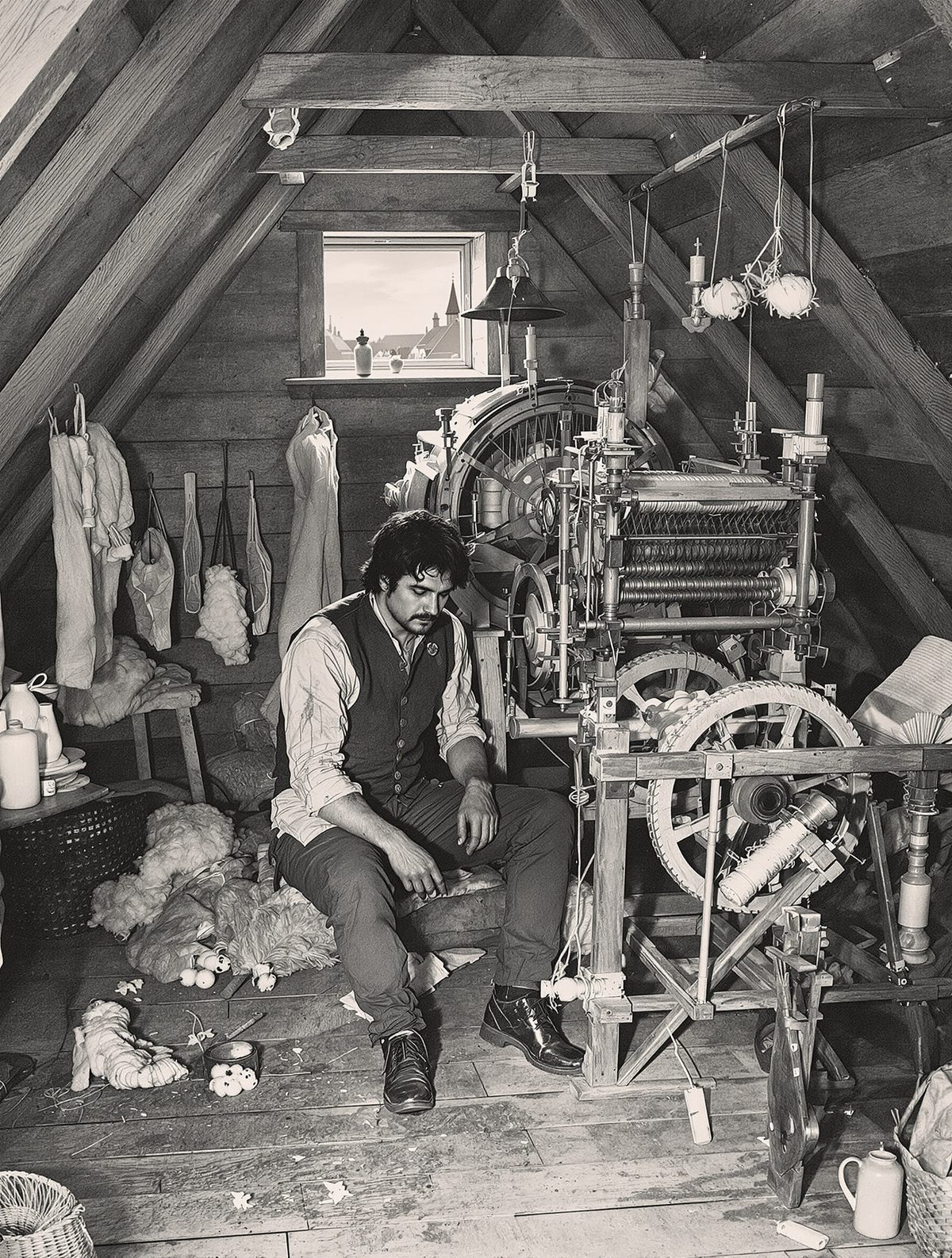
He built it in secret. For five years. In a Bolton attic. Samuel Crompton's spinning mule could spin thread finer than anything on earth. Then the mill owners copied it. And paid him nothing.
Eight-year-old Sarah Gooder sat before Parliament in 1842. She worked 16 hours a day in coal mines. Dragging carts through tunnels in complete darkness. Her simple testimony shocked Victorian Britain into banning child labor underground forever.
A Staffordshire potter's son transformed clay into global obsession. Queen Charlotte ordered his cream-colored ware. Within months, every noble house in Europe demanded 'Queen's Ware.' Josiah Wedgwood had invented the luxury brand.
James Brindley couldn't read or write. But in 1761 he carved the Bridgewater Canal through impossible terrain. His waterway carried coal barges across rivers on stone bridges. It cut Manchester's coal prices in half overnight.
James Brindley couldn't read or write. But in 1761, this millwright dug the Bridgewater Canal. 10 miles through impossible terrain. Coal barges floating 39 feet above the River Irwell. The miracle that launched the Canal Age.
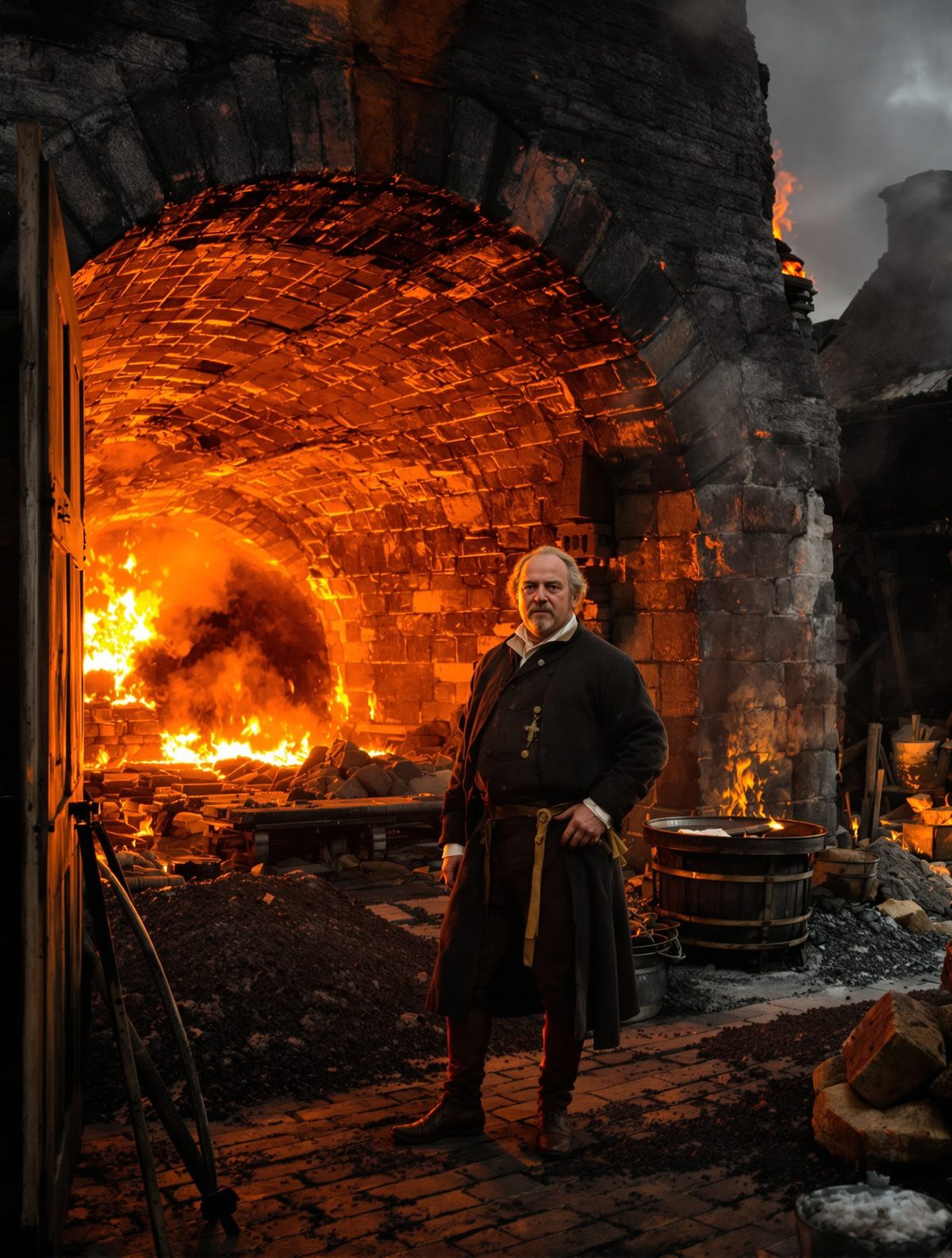
1709. Abraham Darby stares at his experimental furnace in Coalbrookdale. For centuries, iron was made with charcoal. Tonight he tries something different. Coal. The furnace roars to life. Molten iron flows like never before. Britain's iron age begins.
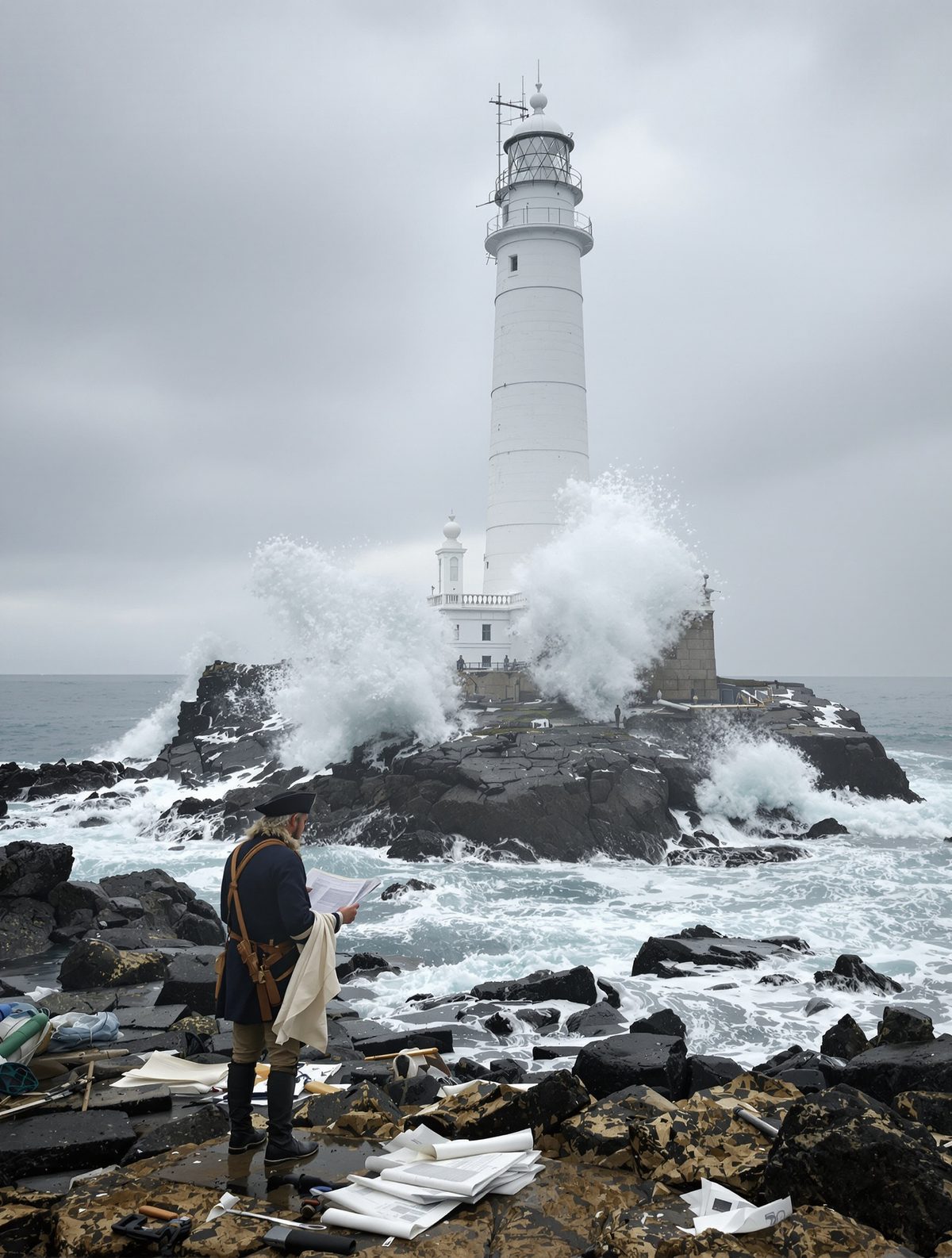
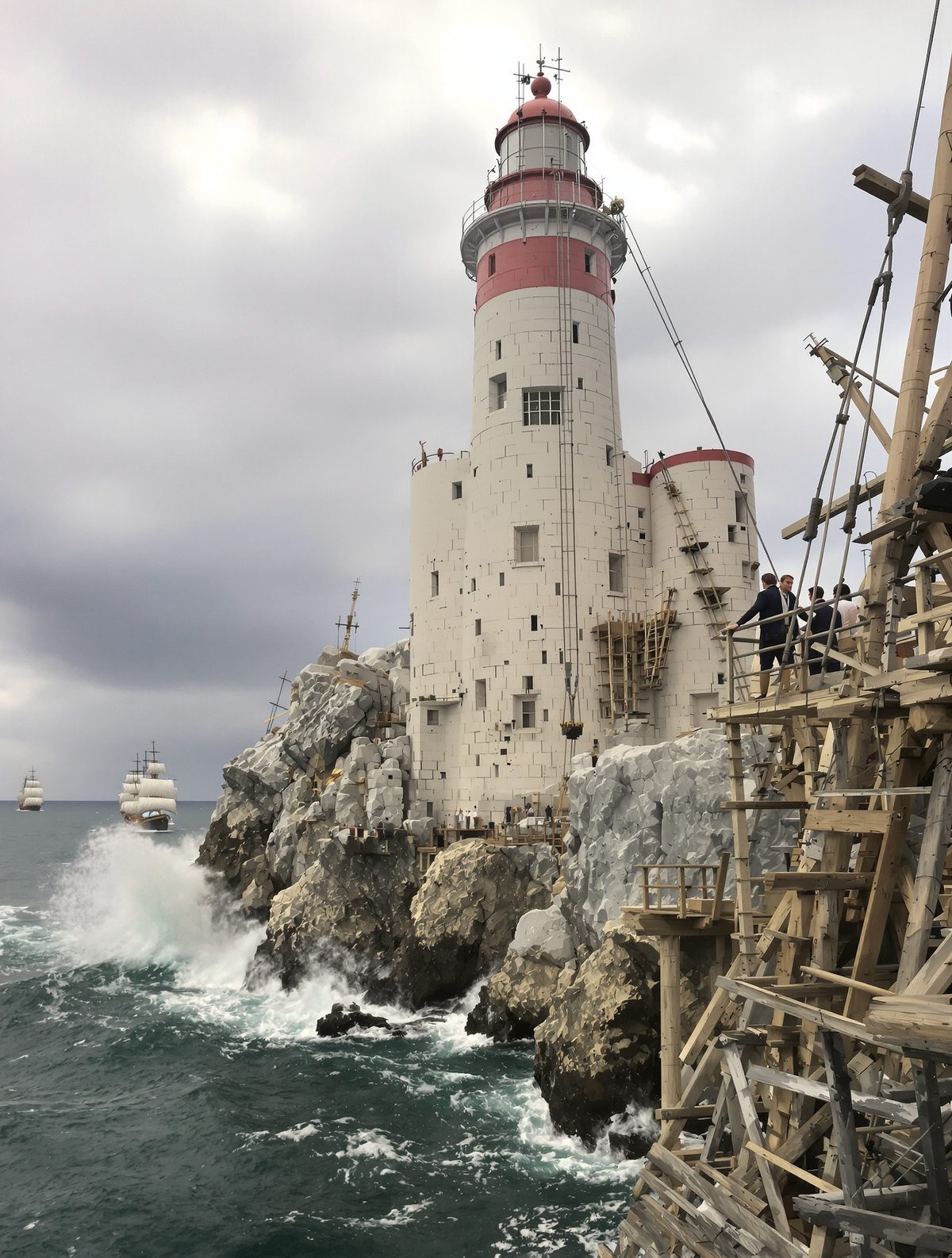
The Eddystone Rock had already destroyed two lighthouses. Ships kept dying on its jagged edges. John Smeaton had a revolutionary idea. Build it like a tree trunk. His lighthouse stood for 123 years.
London's Thames Tunnel was killing workers daily. Cave-ins. Floods. Poisonous gas. Then French genius Marc Brunel invented the tunneling shield. Iron plates protected diggers as they carved through riverbed mud.
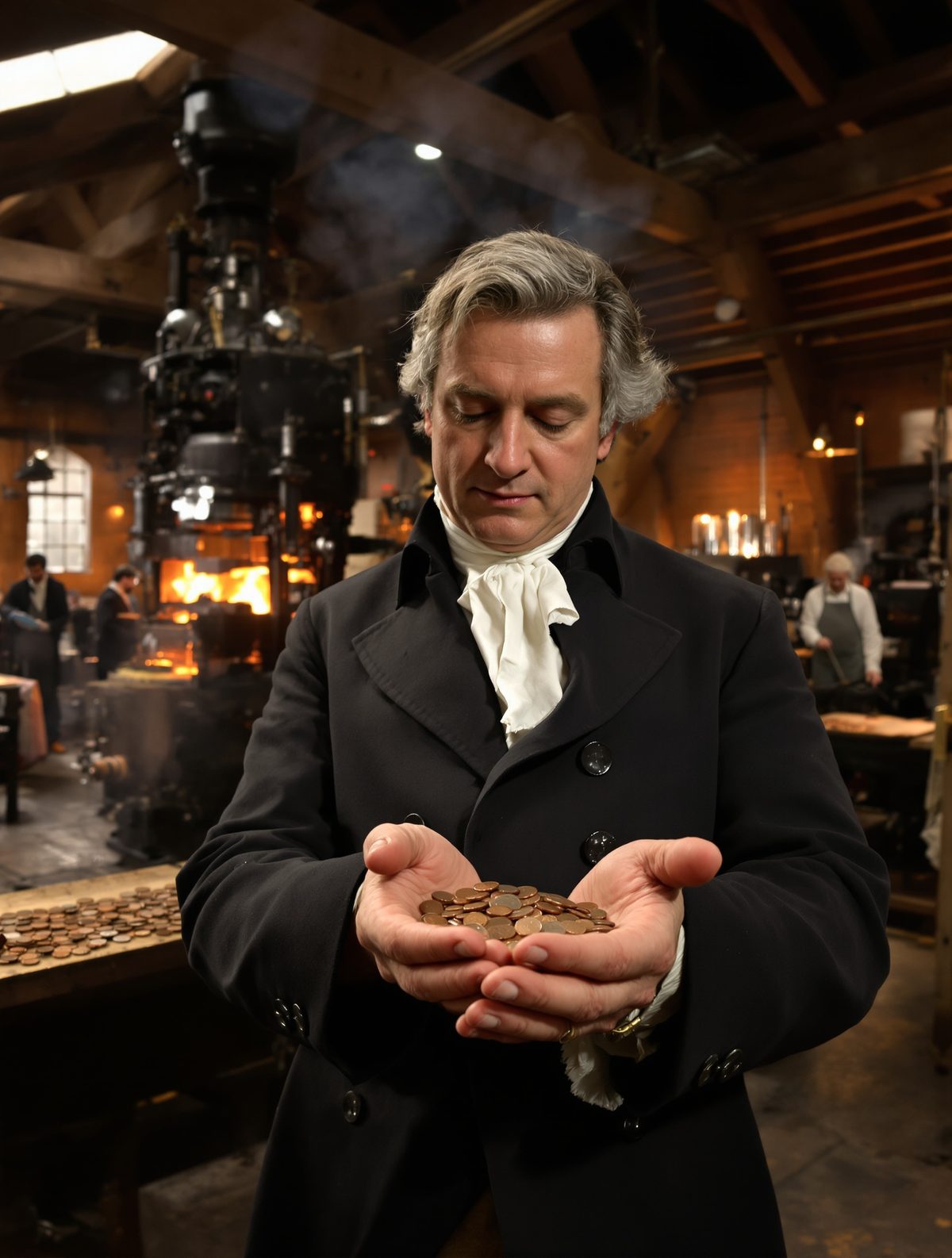
Britain's coins were chaos. Forgeries flooded the markets. People refused payment. Trade was collapsing. Then Matthew Boulton fired up his steam-powered mint. Perfect coins rolled out by the million.
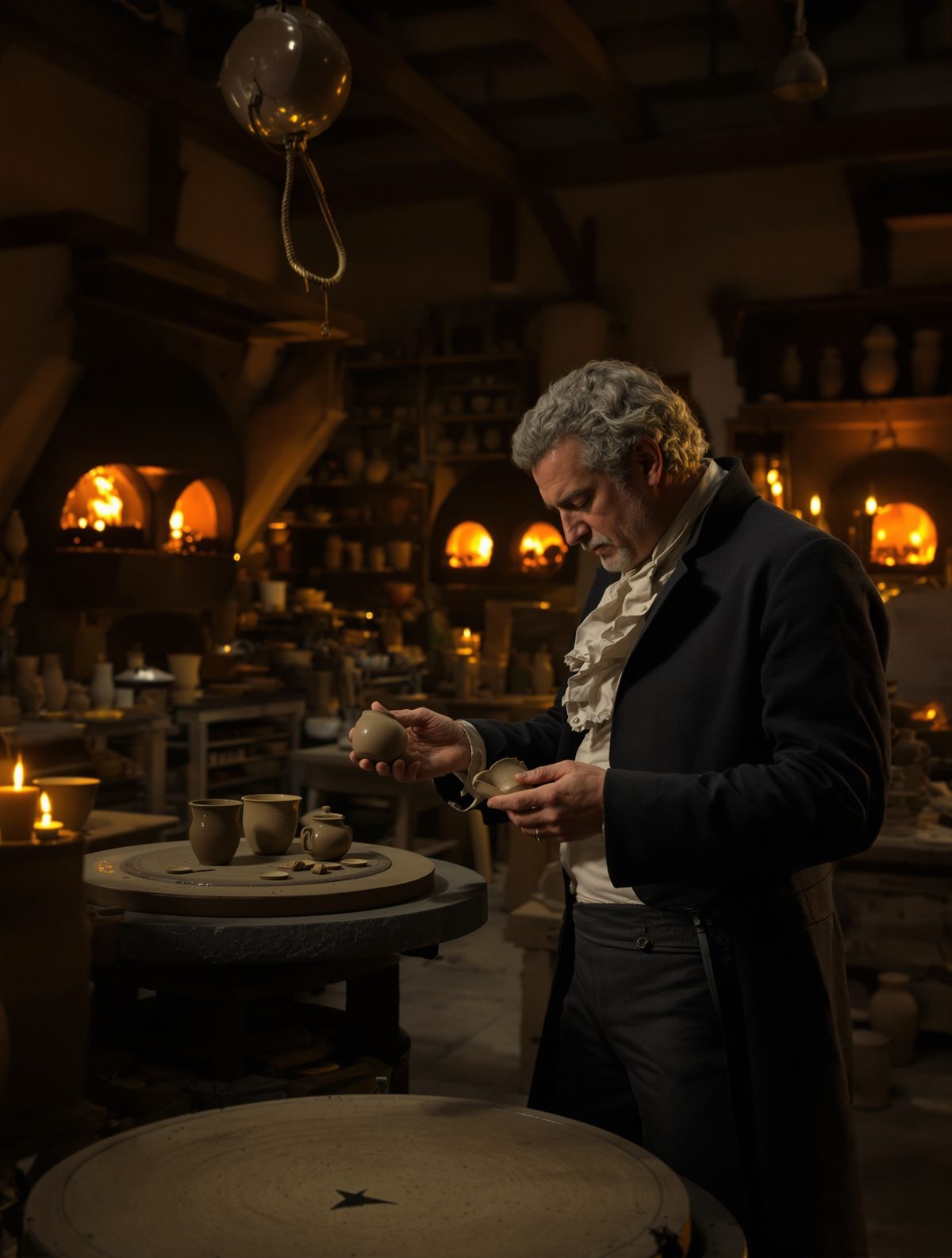
In 1763, master potter Josiah Wedgwood faced disaster. His expensive dinner set had cracked in the kiln. Instead of throwing it away, he studied every fracture. He discovered the secret of temperature control that would revolutionize pottery forever.
Pottery king Josiah Wedgwood faced disaster when competitors copied his revolutionary designs. His solution was audacious. He sent trusted agents across Europe disguising themselves as buyers. They stole trade secrets from rival workshops and reported back with intelligence that kept Britain ahead of the world.
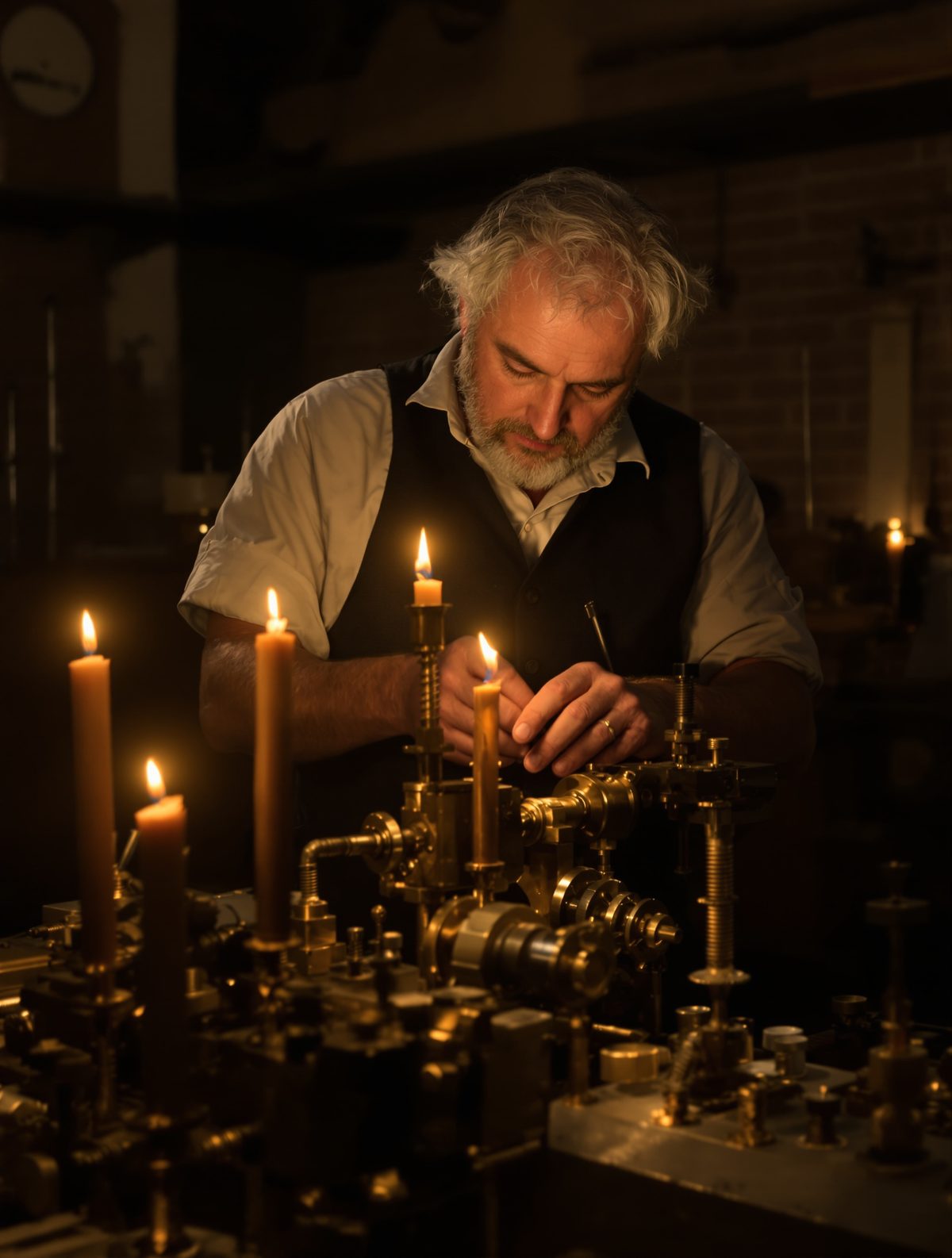
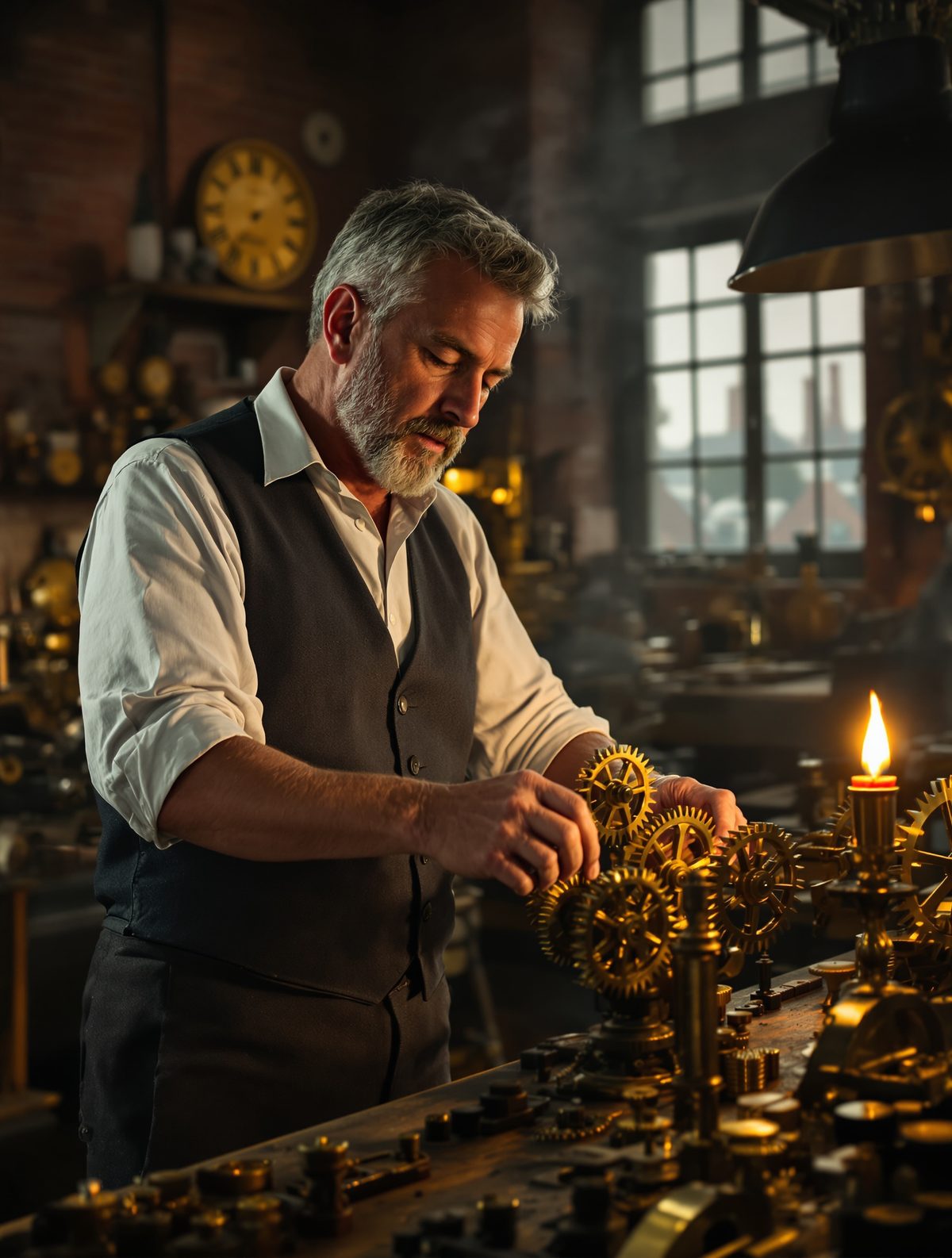
Henry Maudslay worked by candlelight in his London workshop. He was perfecting a machine that could cut metal to impossible precision. His screw-cutting lathe would build the engines, tools, and machines that powered Britain's industrial empire.
Cornwall, 1792. William Murdoch lights his house with gas from coal. Neighbors flee in terror, thinking it's the Devil's fire. But Murdoch has just invented the technology that will illuminate the world.
In 1779, a weaver's son worked in secret for five years. His neighbors grew suspicious of strange sounds from his cottage. Samuel Crompton finally revealed his spinning mule. It spun thread finer than anything the world had seen.
Scotland, 1786. Andrew Meikle watched his mechanical threshing machine beat grain faster than twenty men with flails. One invention. Eight centuries of backbreaking harvest work ended forever.
Benjamin Huntsman's steel was too good. Sheffield cutlers refused to buy it. So the clockmaker from Doncaster sold his superior crucible steel to French competitors instead. Only when British swords began breaking against French blades did Sheffield beg him to return.
Leeds engineer Matthew Murray watched his steam locomotive haul twenty coal wagons up Middleton Colliery's impossible gradient. It was 1812. Horse-drawn transport had failed for decades. His revolutionary rack railway system was about to prove steam power could conquer any terrain.
John Metcalf lost his sight at age six to smallpox. By 1765, he was surveying impossible terrain across Yorkshire's moors. Using only his walking stick and bare hands, he built 180 miles of turnpike roads. They called him Blind Jack of Knaresborough.
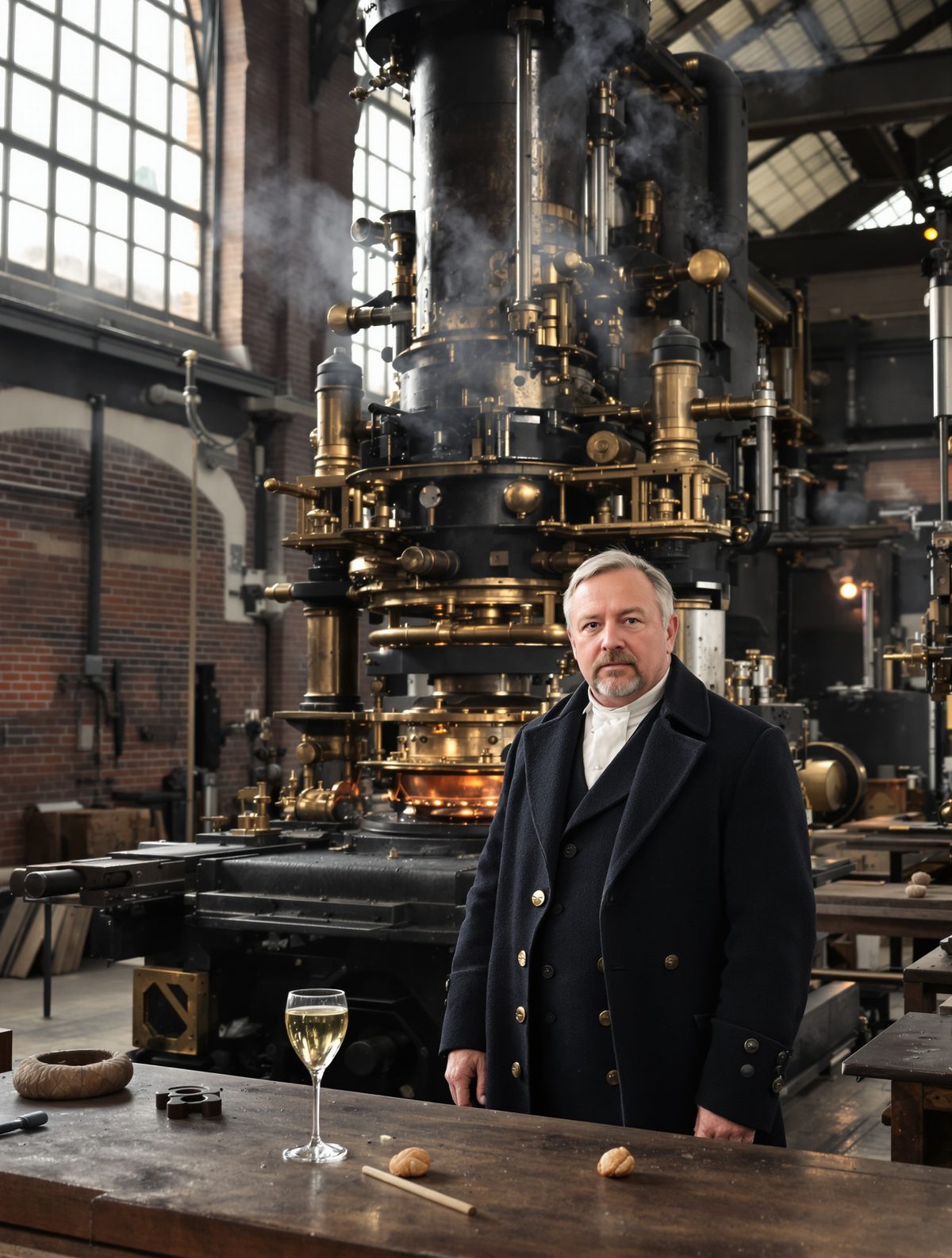
Manchester 1839. James Nasmyth's steam hammer could forge massive iron shafts for steamships. But skeptics doubted its precision. So he placed a walnut in a wine glass. The 5-ton hammer descended. It cracked the shell perfectly. The glass remained untouched.
Abraham Darby stared at his furnace in despair. Iron smelting with charcoal was bankrupting Britain's foundries. Then he tried something revolutionary. He threw coal into the flames. The iron flowed like liquid silver.
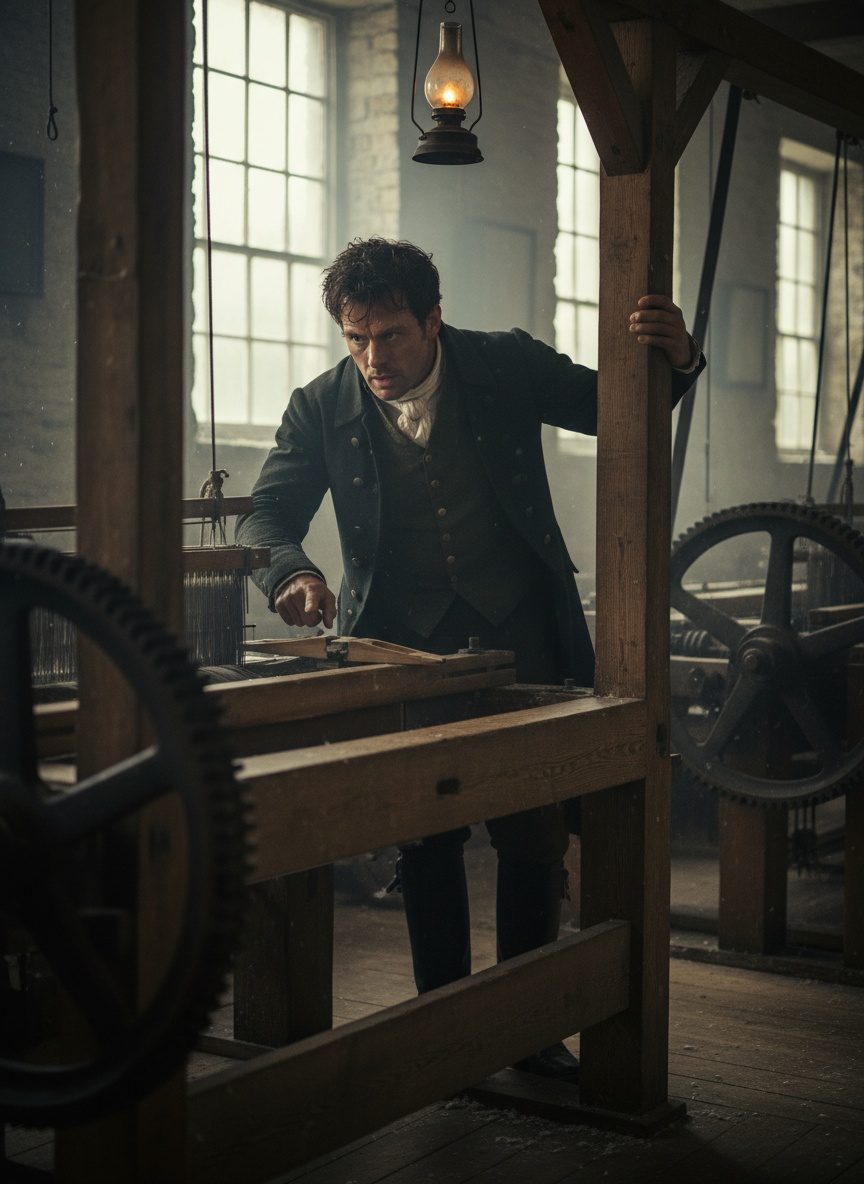
Leeds engineer Matthew Murray stared at broken textile machinery filling his workshop. Cotton mills across Yorkshire were grinding to a halt. Their gear wheels wore out in weeks. Murray's solution? A machine that cut gears so precisely they lasted decades. British industry was saved by perfect teeth.
In 1814, Matthew Murray faced disaster. His Leeds foundry was losing contracts to French manufacturers. Their gear wheels were perfect. His were rough and uneven. Then Murray built a machine that could cut gears with mathematical precision. British engineering was saved.
In 1759, engineer John Smeaton faced an impossible task. Build a lighthouse on the Eddystone Rocks where Atlantic storms had already destroyed two towers. His revolutionary design used dovetailed granite blocks that grew stronger under pressure. The lighthouse stood for 123 years.
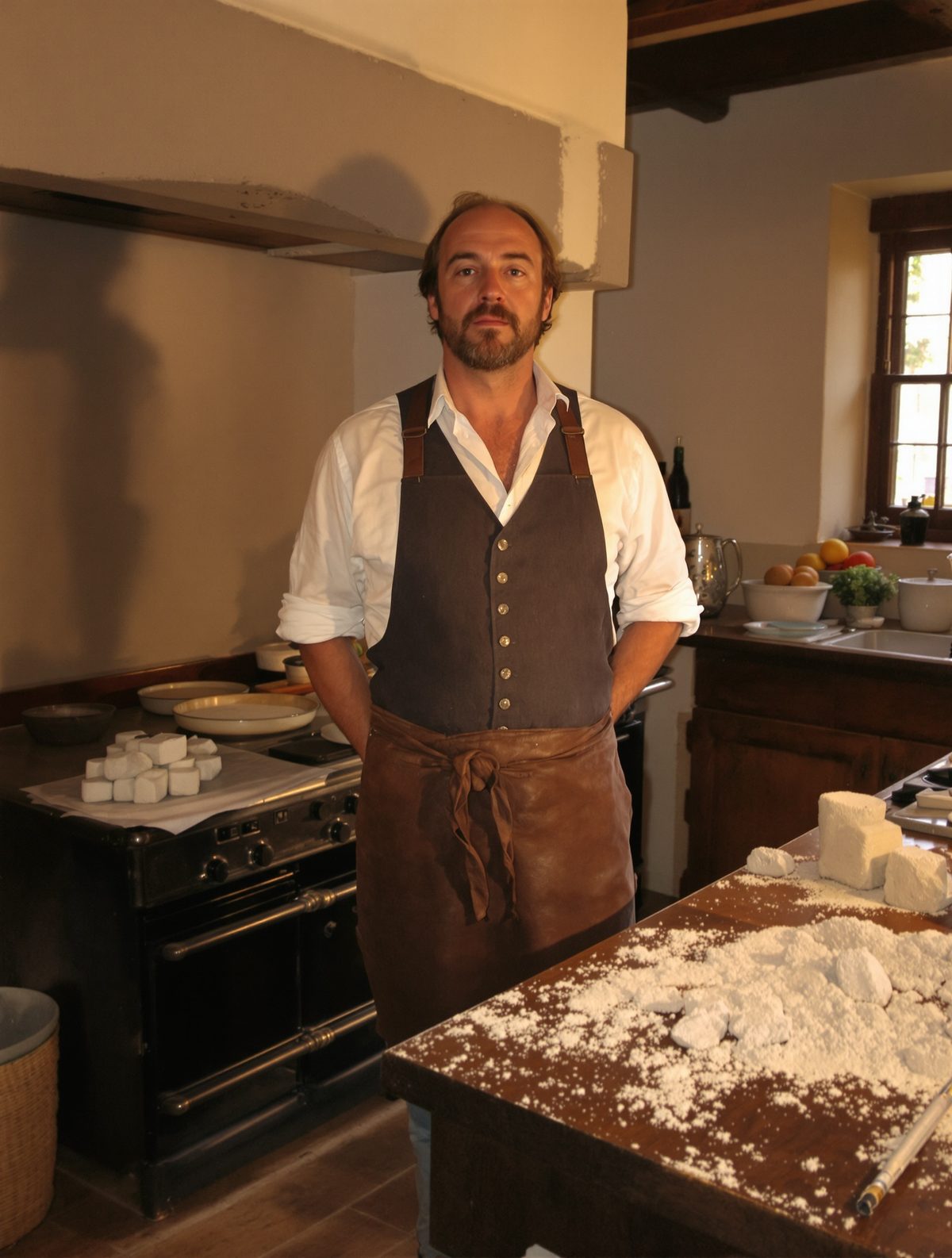
In 1824, a Leeds bricklayer heated limestone and clay in his kitchen stove. The grey powder he created would build every modern city on Earth. He called it Portland Cement.
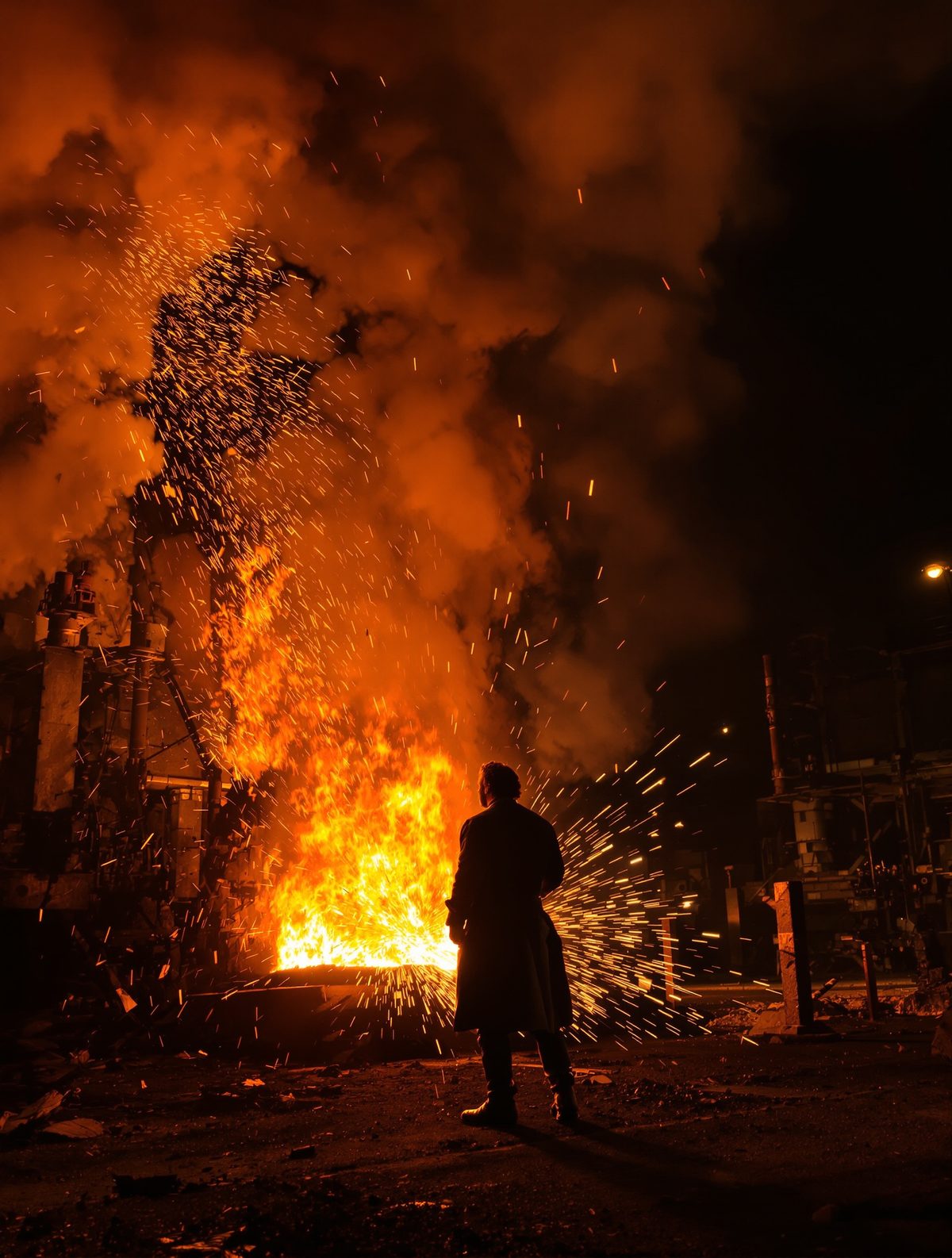
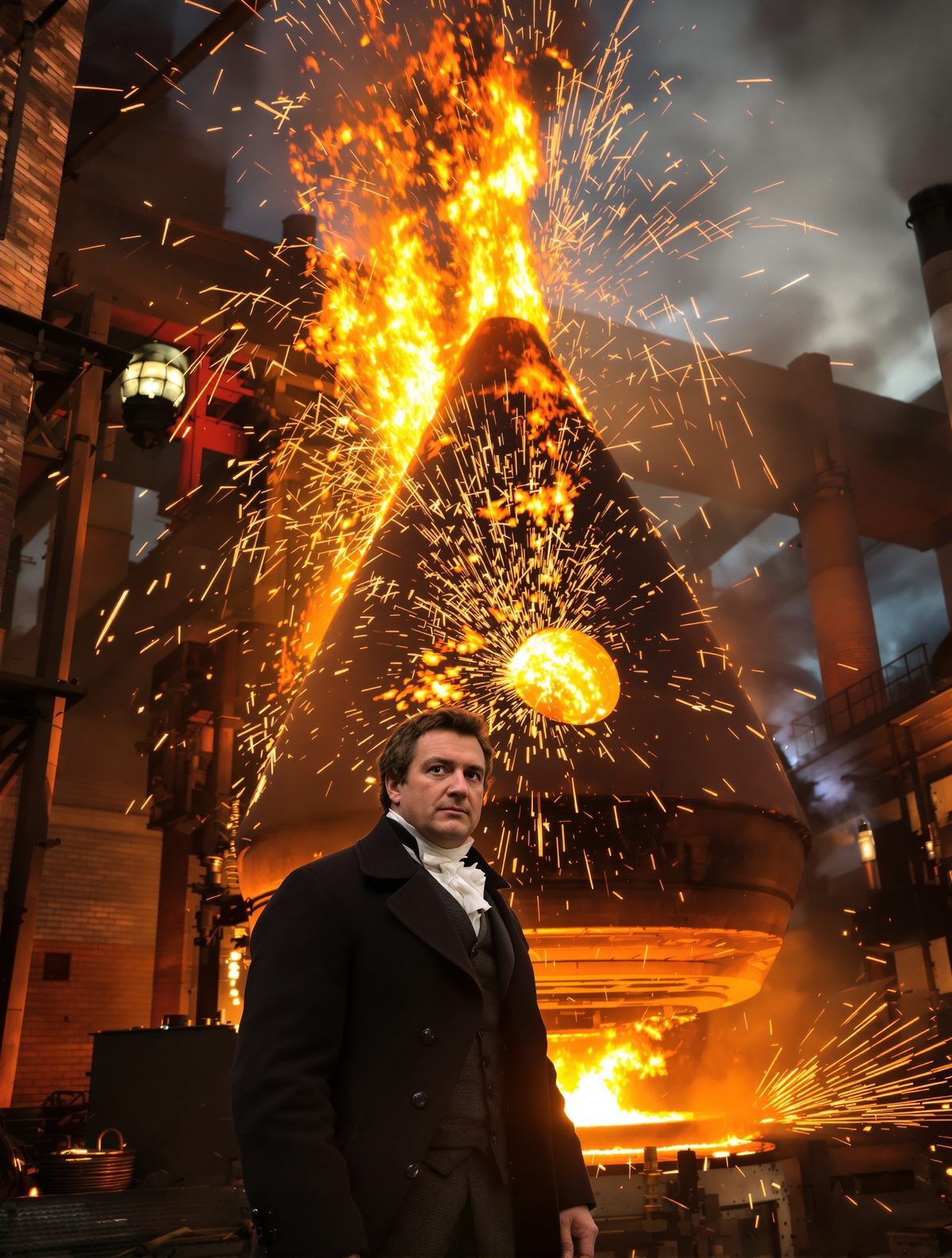
Sheffield, 1856. Henry Bessemer fired air through molten iron at 3,000 degrees. The furnace exploded in a shower of sparks. When the smoke cleared, he had accidentally created steel stronger than anything on Earth.
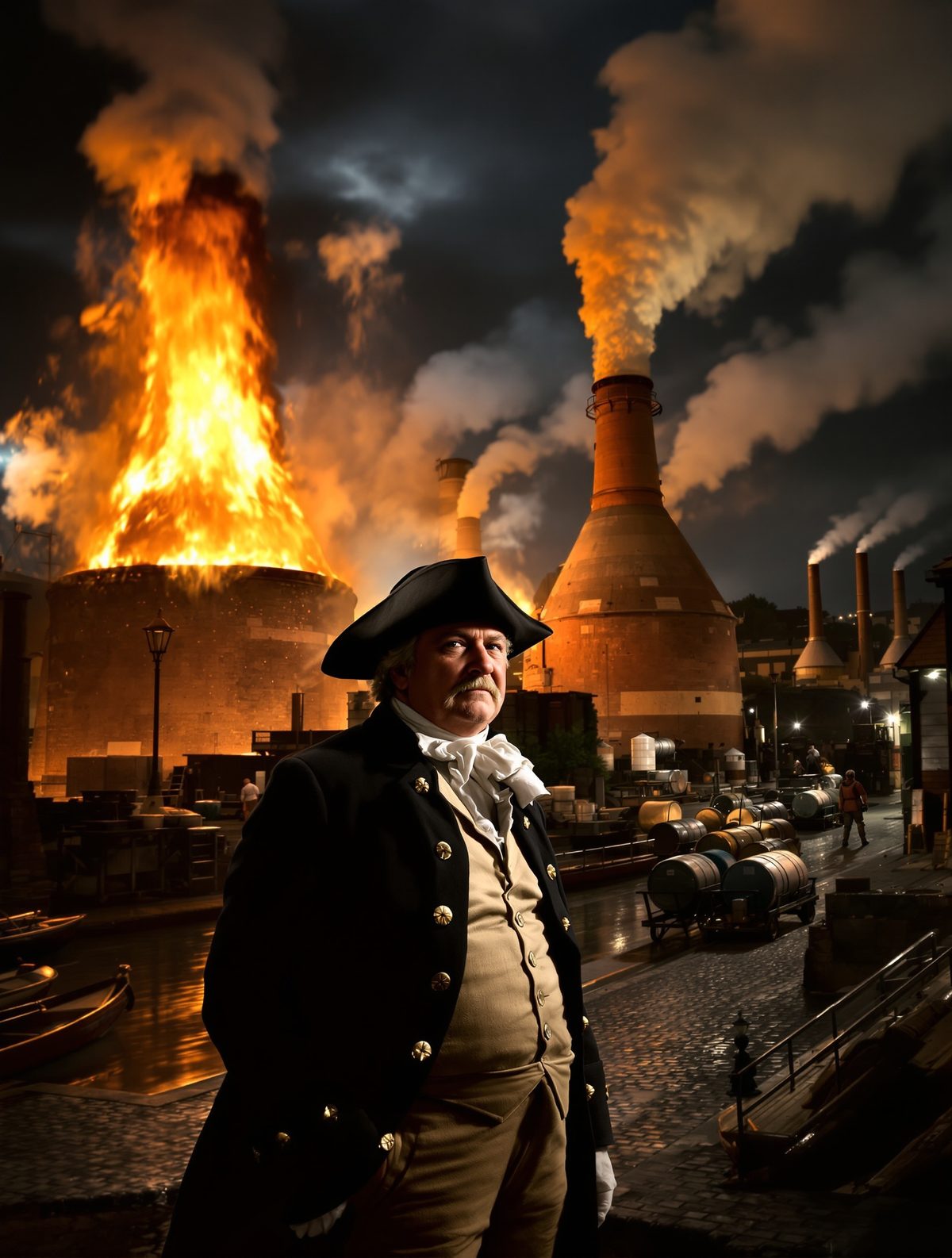
James Keir's chemical works in Tipton burned so bright they lit the Black Country sky for miles. His furnaces didn't just make alkali. They broke Europe's stranglehold on British soap and glass. One Scottish chemist's fire changed how Britain washed.
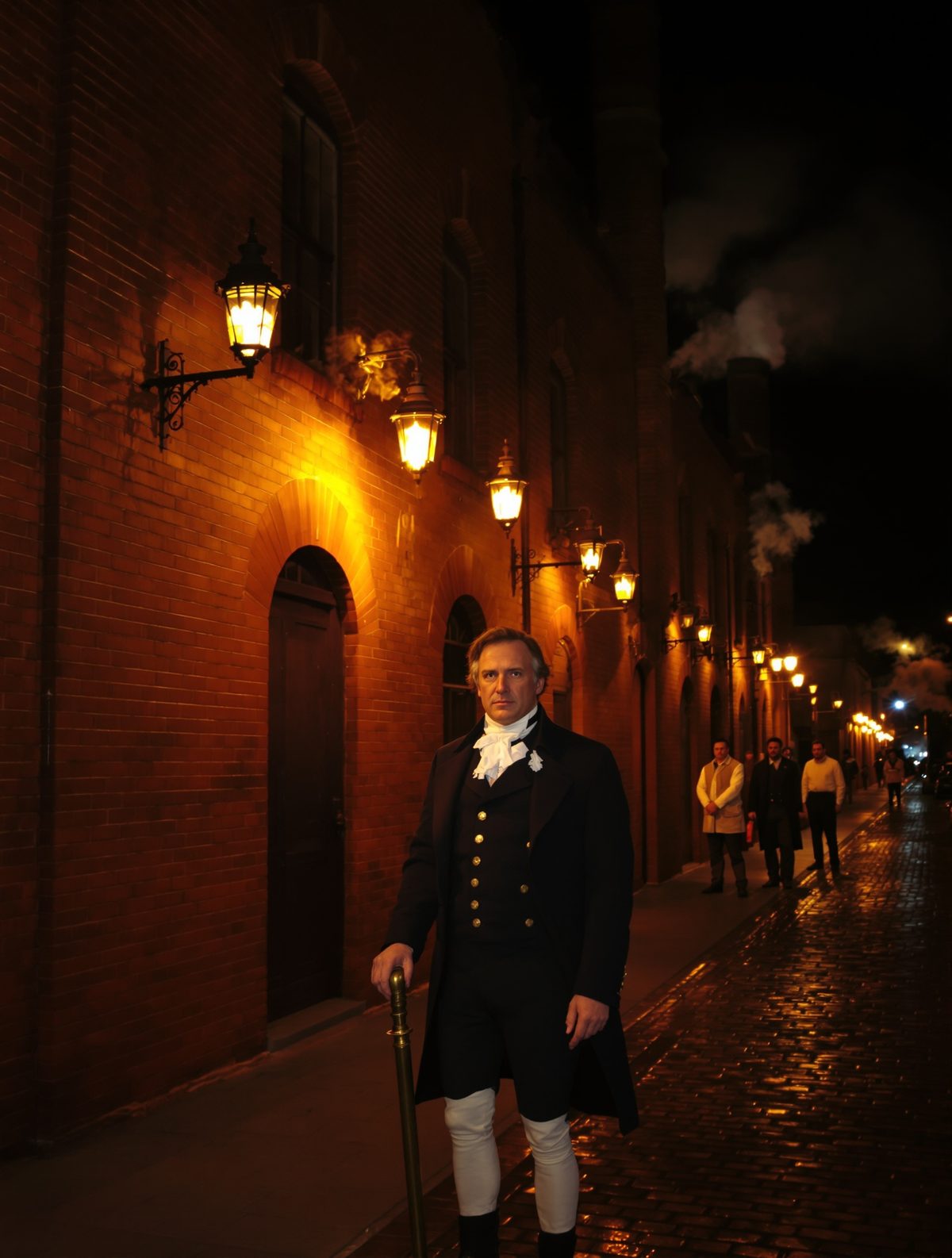
Birmingham, 1802. William Murdoch had been mocked for years. Gas lighting was a madman's dream. Then one night, he lit the street outside his factory. And the darkness retreated forever.
1771. Cromford, Derbyshire. A former wigmaker stood beside a roaring waterwheel. He had just built something the world had never seen. A building where hundreds worked machines under one roof. The factory was born.
John Goodricke was born deaf. Scientists said he'd never contribute to science. In 1782, aged just 17, he solved a 200-year-old mystery about a star — and changed astronomy forever.
Christmas Eve, 1801. Richard Trevithick lit his boiler on a Cornish hillside. His steam carriage lurched forward. Men ran alongside it screaming. It was the first time a machine had carried human beings under its own power.
Hand-picked from Britain Untold's archive. The stories you weren't taught at school. 3-minute read.
No spam. Unsubscribe in one click. We hate spam too. Privacy Policy.