Passchendaele was carnage. Still, even in the fiercest battles, moments of grace emerge defiantly.
A Silent Battlefield Speaks Volumes
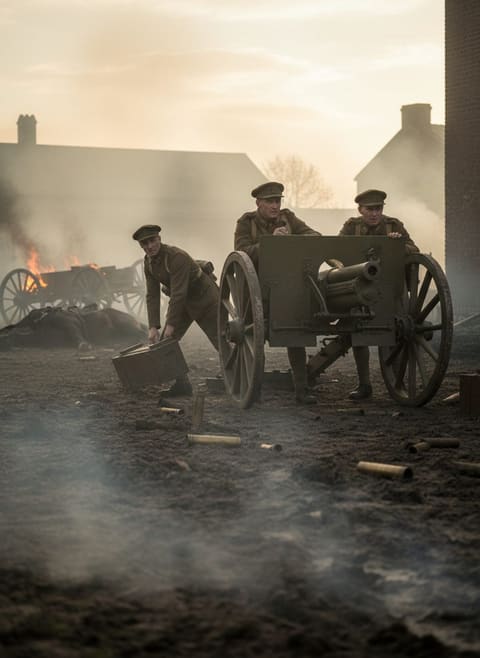
August 1917. The Battle of Passchendaele, officially known as the Third Battle of Ypres, raged with a ferocity that seemed to transcend human endurance. Soldiers were swallowed by mud, and men and horses alike floundered in the quagmire. The air was thick with the acrid smell of gunpowder and decay. It was a landscape where survival seemed not just unlikely but miraculous. For the British and German troops entrenched in one of the most disastrous battlefields of the First World War, silence was a rare anomaly.
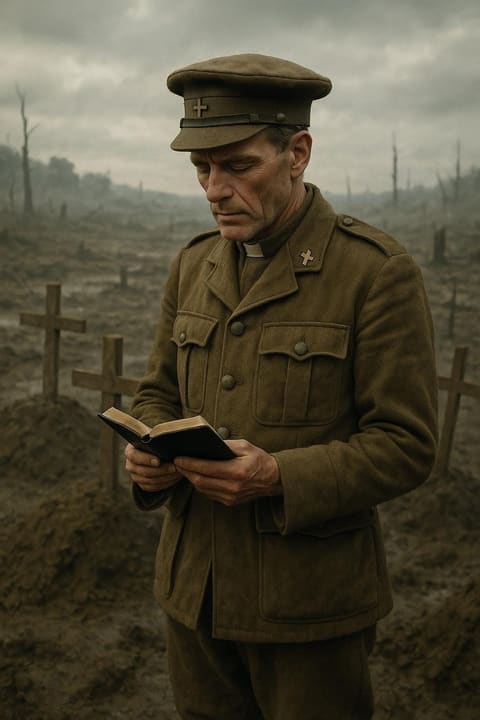
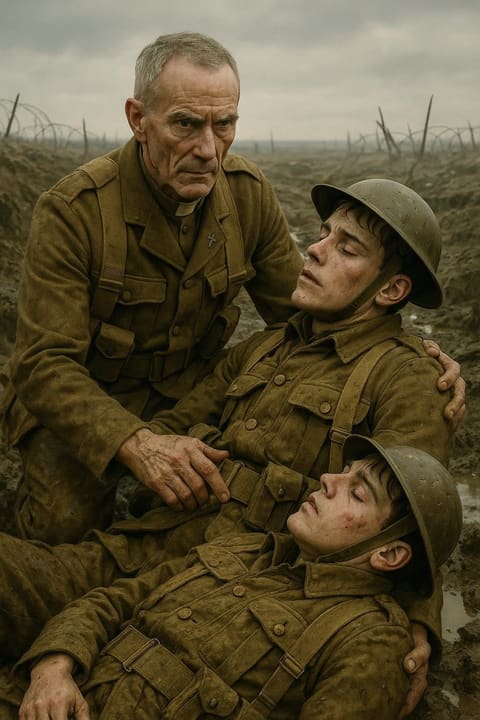
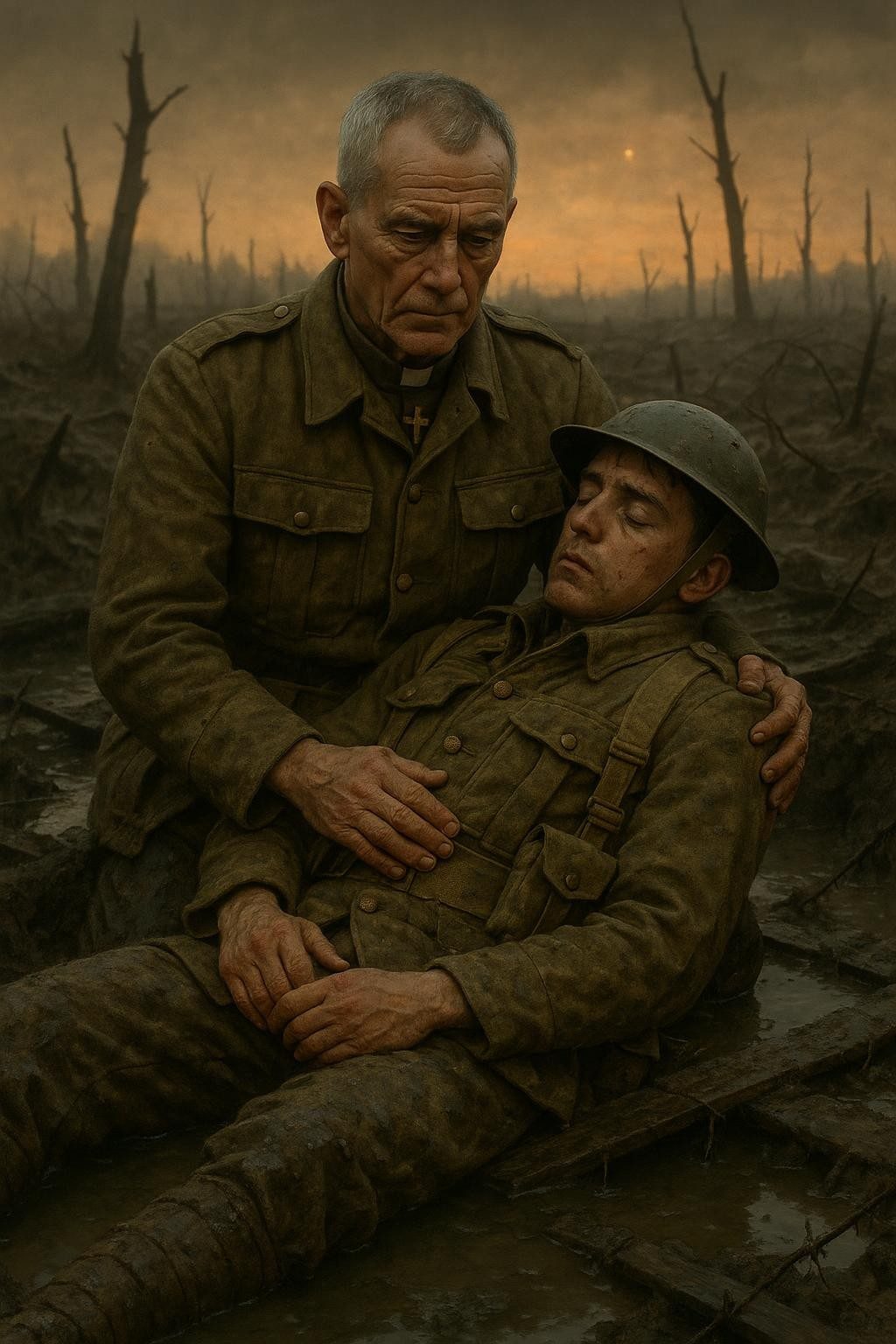
This strange quiet, when it finally arrived, was almost deafening. An hour of silence in the orchestra of chaos. For many, it was a brief sanctuary, a precious chance to gather their shattered thoughts and mourn their fallen comrades. Yet, Padre William Doyle, an Irish Jesuit, saw an opportunity in this fragile peace. He stood alone—no rifle slung over his shoulder, no helmet to protect him—armed only with his faith and an insatiable drive to aid the wounded left stranded between enemy lines.
The Extraordinary Ordinary Hero
Padre William Doyle wasn't your typical soldier. Born in Ireland, he joined the Jesuits and later became an army chaplain for the British forces during World War I. Although religion and war might sound like incompatible bedfellows, for Doyle, the battlefield was the parish, and every soldier a member of his congregation. His decision to walk into no man's land was driven not by duty, but by compassion.
Read next: The Day a British Stretcher-Bearer Refused an Order to Save Lives
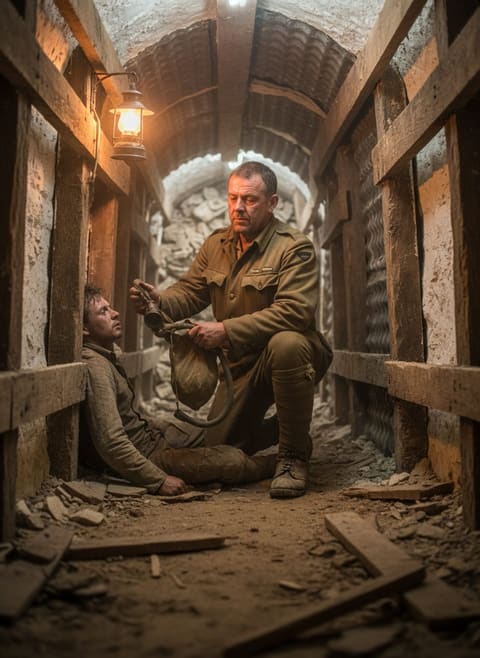
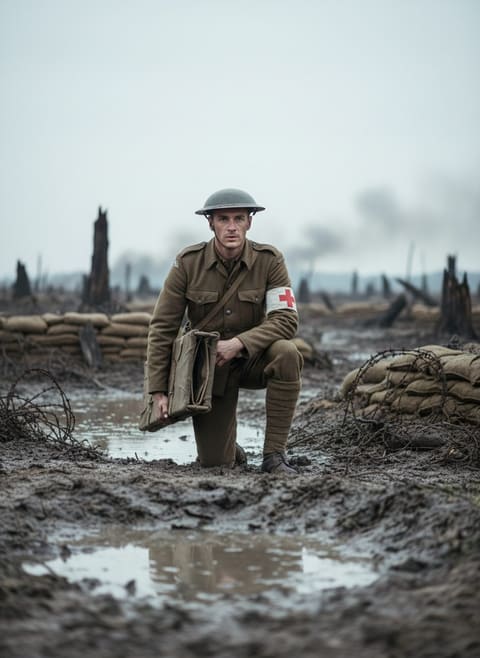
Doyle's acts during that hour-long ceasefire at Passchendaele were nothing short of selfless bravado. As others clung to the scant protection offered by mud-ridden trenches, he ventured into the open, quick to administer last rites and tend to the wounded, regardless of which side they fought for. Each trip seemed mad, suicidal even, in a place where one's best chance of surviving was to remain unseen. Yet Doyle emerged time and again from the deadly landscape, each time with another soldier draped across his back or in tow.
The Man the Mud Could Not Swallow
"The bravest man I ever saw," remarked Protestant soldiers of Doyle's unmatched courage—a tribute not lightly bestowed, especially in the divided context of post-Great War Britain. In a war that had consumed the lives of so many, Doyle's heroism was one of the rare moments where humanity seemed to rise above the mire.
In the flat, featureless expanse of no man's land, artillery and machine-gun fire had transformed verdant Flemish fields into desolate wastes. It was a place that devoured everything unhealed wounds, lost love letters, and ultimately, the lives of men. For Padre Doyle, it was also his mission field. His unflinching resolve was commonly seen as 'madness touched by the divine,' and yet for the soldiers watching him risk life and limb, his actions were nothing short of miraculous.
The Testament of Faith and Fortitude
The story of Padre Doyle is a narrative of contrasts. While the battlefield was marked by futility and grief, his walks within no man's land were acts of profound hope and resilience. The clash of artillery above and cries from the trenches were temporarily overcome by the quiet resolve of a lone priest who believed life—even amidst death—was worth saving.
Read next: The Day a Army Chaplain Gave His Coat to a Dying Stranger
Though esteemed by those who witnessed his deeds, the stiff upper lip of military command struggled to embrace the fervor of Doyle's interventions. Yet his legacy remained in the tales shared by fellow soldiers and the letters sent home describing him as more than just a comforter of souls but a symbol of hope amidst despair.
Why We Remember
The story of Padre William Doyle challenges the narrative of war as only a backdrop to horror and loss. While battles like Passchendaele typically toll the dirge of fallen glory and immense suffering, there emerge stories of individuals who transcend the brutality—carving out acts of profound humanity within chaos. Doyle's acts remind us that even in the darkest times, glimpses of light prevail, borne by individuals whose courage to confront the abyss changes the fate of others, one step at a time.
Today, as we delve into the forgotten corners of history, Doyle's deeds whisper through time, asserting that the presence of a single, unarmed man can echo more profoundly than the booming guns of war.