The Atlantic's Human Cargo
The story of James Somerset began thousands of miles away from the grandeur of London's courts. Born on the vast continent of Africa, Somerset was seized from his home by the tendrils of a dark trade. Like so many others, he endured the stifling horrors of the Middle Passage, crammed into the bowels of a slave ship. He was transported, bought, sold, and then forced into labor in the plantations of Virginia—his humanity reduced to mere commodity. Yet, even in bondage, a flicker of resistance burned within him. It was this flame that carried him across the Atlantic once again, not as chattel, but as a man resolved to claim his freedom.
In the labyrinthine courts of Georgian England, a freedman's journey intersected with history's larger narrative. Somerset had come to Britain with Charles Stewart, his owner and an American customs officer. Initially treated as a servant, Somerset relished the relative ease of life in the metropole. However, when Stewart decided to return him to the hellish plantations, Somerset’s spirit could abide no more. He broke away, finding solace in the embrace of London's free black community, a burgeoning enclave pushing the boundaries of their own liberties.
A Legal Battleground
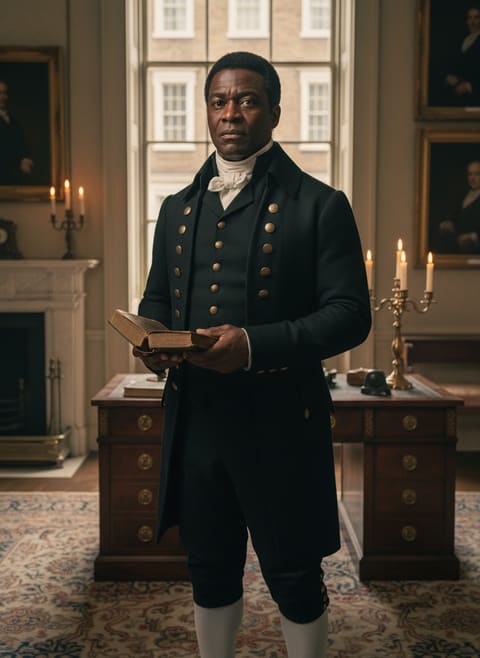
The moment Somerset was apprehended, he wasn't just a man on the brink of losing his freedom—he was at the heart of a legal tempest. The issue posed was stark and confrontational: Did English law permit the enslavement of a man on its own soil? Not just any answer would suffice; it required the discernment of the most erudite legal minds. Somerset's case became a symbol, a rallying point for abolitionists who sensed that the foundations of slavery might be vulnerable to moral and legal scrutiny. Amid this maelstrom stood Granville Sharp, a passionate abolitionist, advocating fiercely for Somerset's release with the belief that no human should live in chains.
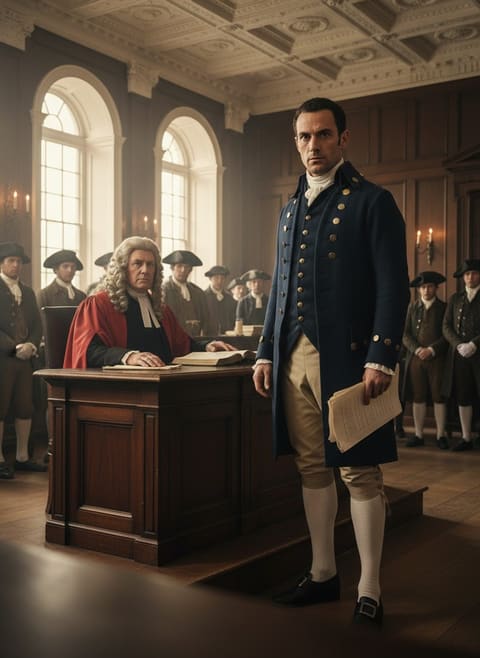
As the case unfolded, the court became a theater of intricate arguments, the air thick with legal jargon and philosophical pleas. Somerset’s counsel argued that slavery was so "odious" that nothing could support it except "positive law." It was a bold assertion, yet one that resonated with the murmurs of Enlightenment thought echoing through European corridors at the time. While the argument continued, the nation held its breath, the case covered by every pamphlet and discussed in every coffeehouse.
Read next: The Day a Black Sailor Walked Into Court and Freed Himself
The Tipping Point
The perspiration of expectation beaded on brows as the court awaited Lord Mansfield's decision. A man acutely aware of legal precedent, his deliberations were prolonged by the case's potential ramifications. Behind the solemn visage was a mind grappling with a paradox: maintain a commercially advantageous status quo steeped in human suffering, or seize a chance for moral clarity
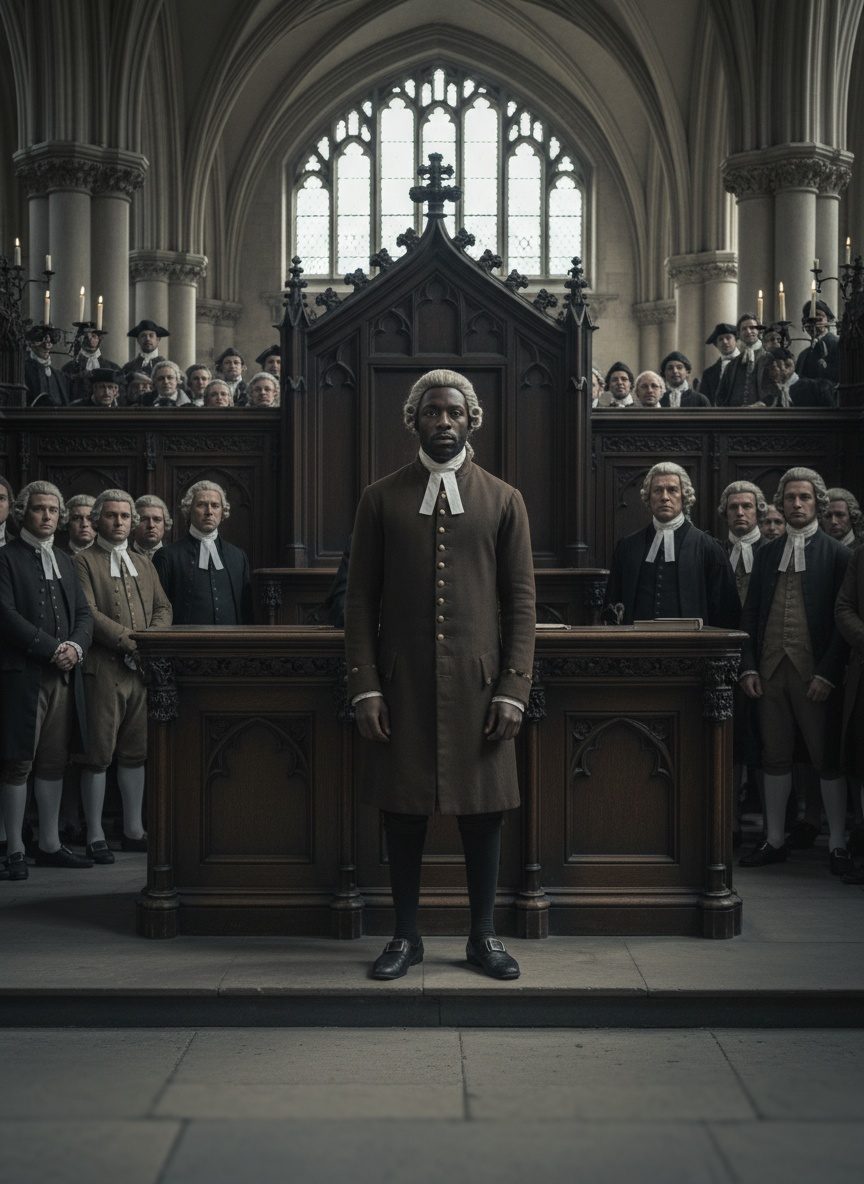
When Mansfield finally spoke, history listened. Ruling that no force on English soil could dictate the status of a man as slave without explicit legislation, he freed Somerset, declaring: "The state of slavery is of such a nature that it is incapable of being introduced on any reasons, moral or political." The declaration echoed through the halls and into the very heart of the Empire, setting a judicial precedent that would whisper across oceans and seep into further generations.
Read next: The Day a London Clerk Walked Into Court for a Dying Slave
A New Dawn
For James Somerset, the day signaled more than personal liberation; it lay the groundwork for future battles against the institution of slavery. The verdict reverberated throughout Britain and her colonies, a beacon of hope illuminating the path for abolitionist campaigns. Though Mansfield's ruling had not abolished slavery outright, it opened the doors for an ideological revolution. In the ensuing years, Somerset's case would be cited, again and again, a touchstone in the greater struggle for equality and emancipation.
James Somerset's journey was not mere personal victory—it was an upending of conventions, sparking debates that would wrangle with morality and commerce for decades to come. His persistence symbolized the indefatigable quest for justice, a resonance felt even in today's campaigns for civil rights and dignity. The echoes of that London courtroom in 1772 remind us that the arc of history, though long, bends towards justice, shaped by the courage of those who dare to challenge it.