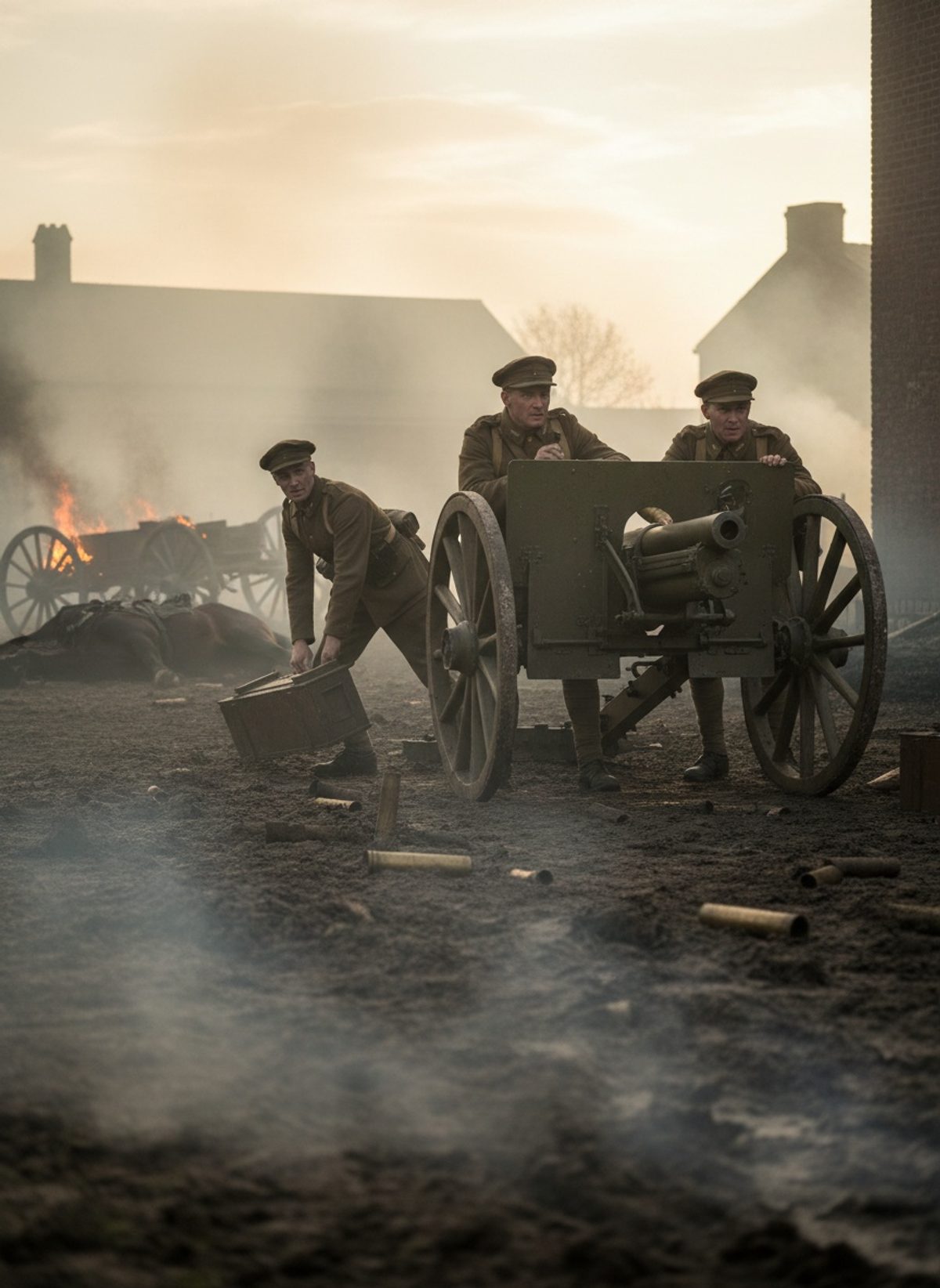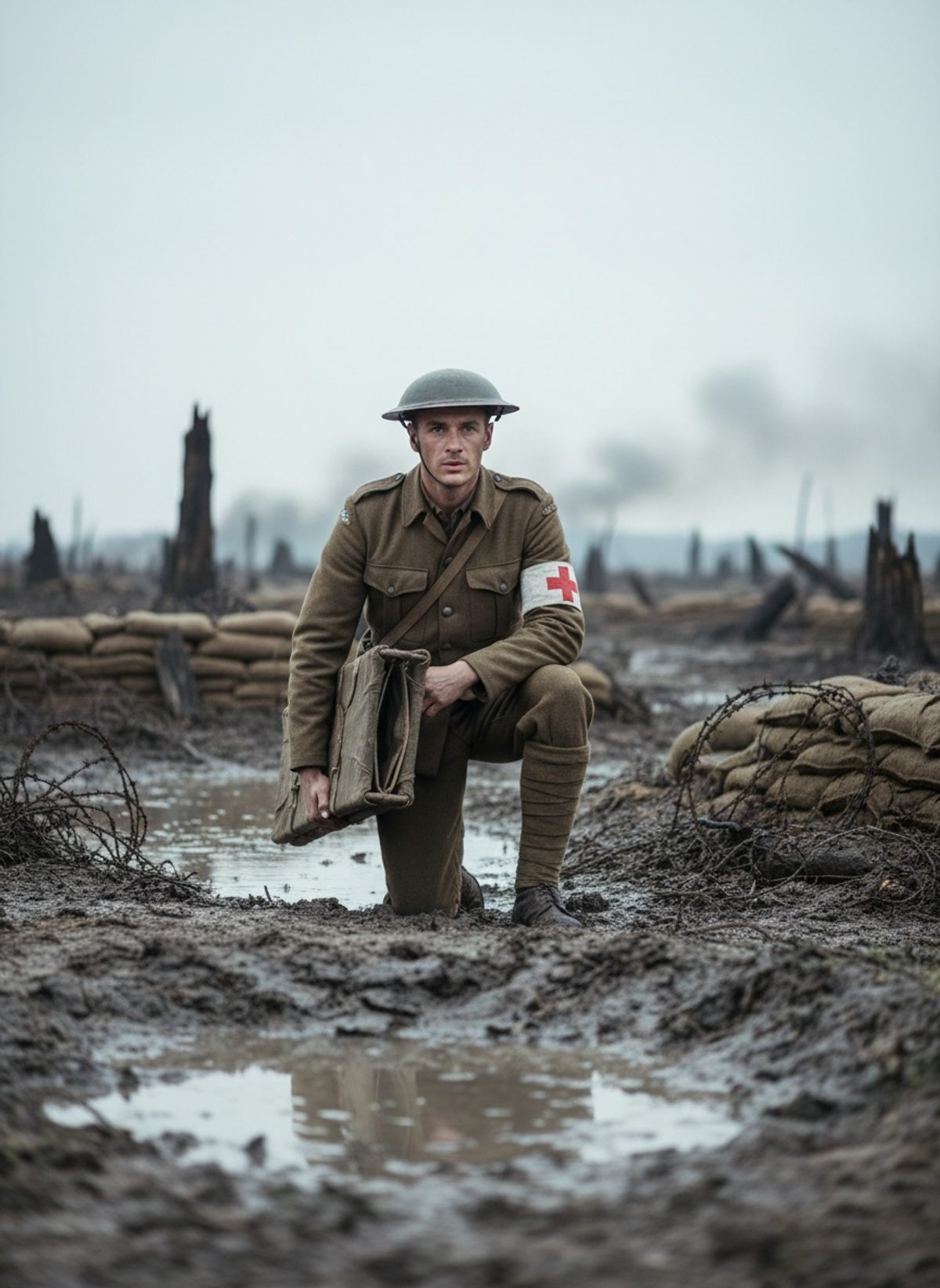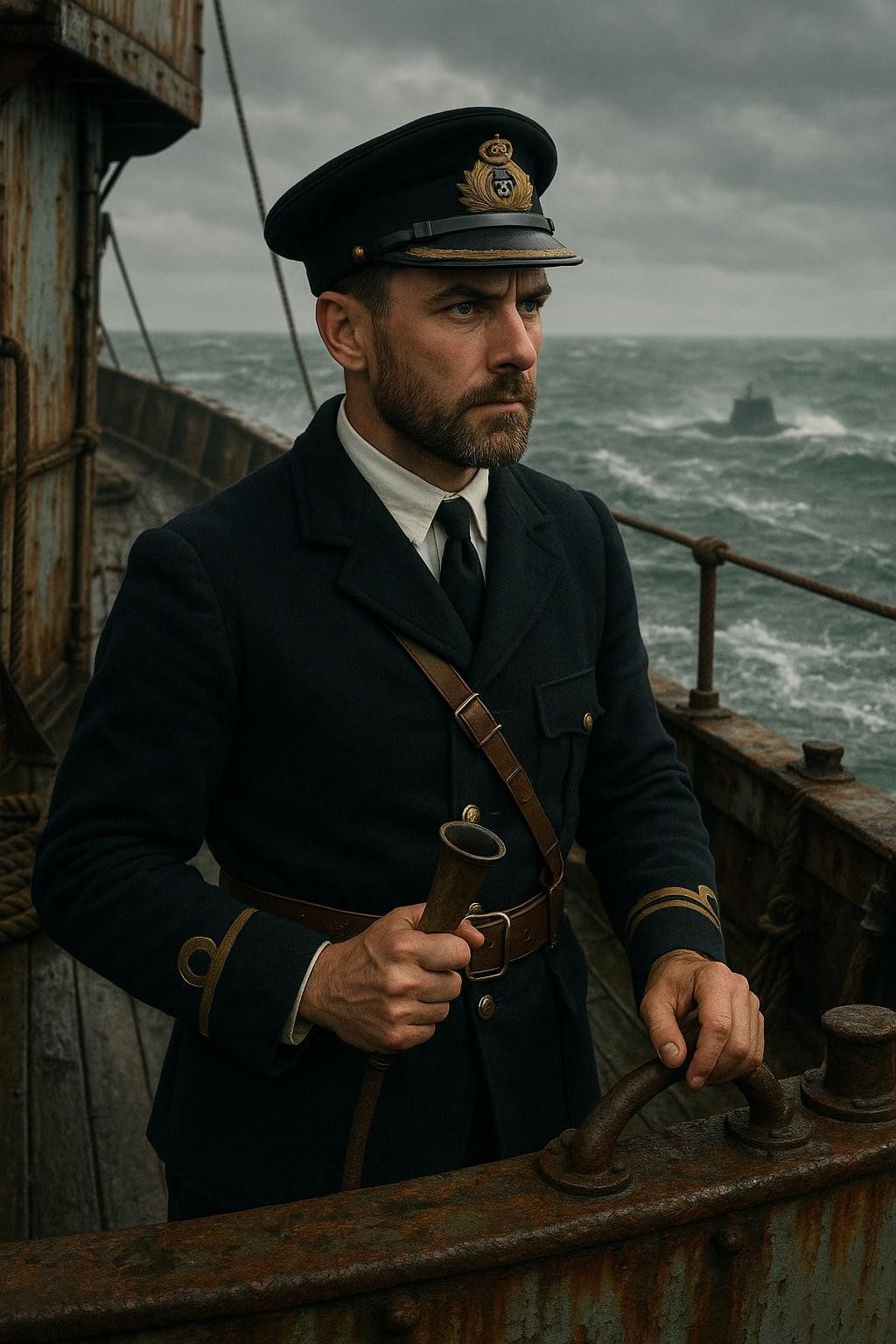
The deck pitched sideways under his feet, a cascade of icy water sloshing across the weathered boards as Captain Gordon Campbell steadied himself with the practiced ease of a man who had long made the sea his ally. His eyes, sharp and vigilant, scanned the bruised horizon where the enemy lay hidden beneath the cold, forbidding waves of the North Atlantic. The wind howled through the rigging, its song one of danger and anticipation. Beneath the surface, the silent predator he hunted waited, its presence unconfirmed but its threat undeniable.
The Ruse That Defied Despair
March 1917 was a month of desperation for Britain. The First World War had grown into a monstrous conflict, consuming resources and lives at an unprecedented rate. The German U-boats were a wolf pack, menacing the vital Atlantic supply lines and driving the island nation to the brink of starvation. The Royal Navy, stretched to its limits, was losing vessels at an alarming rate as submarines picked off convoy ships with ruthless precision.
In this dire scenario, Captain Campbell was not just commanding any ordinary merchant ship. His vessel, outwardly a battered tramp steamer, was a secret weapon—a Q-ship. These were special service ships, heavily armed and deceptively disguised to bait and ambush enemy submarines. The ruse was simple: appear defenceless, let the U-boat surface and brazenly approach, then unleash a surprise barrage that turned hunter into hunted.
Fire in the Belly of a Ghost Ship
Beneath the unassuming deck of Campbell's ship, a hidden arsenal awaited its moment to strike. The British Admiralty had transformed seemingly defenseless merchant ships into traps brimming with cloaked weaponry. Belowdecks, sailors stood in the hold, their breaths misting in the chill air, ready to spring into action at the captain's command. The trap was an act of desperation and cunning—a chess game where only one move could decide life or death.
Read next: The Day a British Padre Carried the Dying From No Man's Land
The waiting was the hardest part. Day after day, as they limped through the Atlantic on seemingly trivial supply runs, the crew lived on a razor-thin edge, knowing that any sighted periscope could mean their end. Yet Campbell was a man of indomitable resolve, his faith in his mission and his men unwavering. He understood the stakes: success meant disrupting the German U-boat threat, a crucial win in a war that seemed far from ending.
The Dance of Death
One fateful day, the long-awaited moment arrived. Ghostly in the morning mist, the ominous silhouette of a surfaced U-boat broke the water behind them, underestimating the vulnerable facade of Campbell's vessel. The German captain, confident in his dominion over the seas, ordered his crew to their battle stations, intent on claiming yet another prize for the Kaiser.
What followed was a deadly dance as old as naval warfare itself. While the U-boat maneuvered for a kill shot, Captain Campbell and his men maintained their ruse—the ship's engines appearing to falter, smoke belching from a feigned fire, lifeboats lowering in panicked disarray. With nerves of steel, the British officers bided their time until the enemy drew close enough to meet their hidden fury.
The Roar of Retaliation
At Campbell's signal, the deck suddenly came alive. Panels fell away to reveal hidden guns, their barrels swinging to bear on the unsuspecting Germans. The quiet anticipation exploded into thunder as a flurry of shells lit up the gray expanse, turning the placid surface of the sea into chaotic, churning waters. The Q-ship's engines roared back to life, closing distance rapidly as gunfire strafed the air in violent arcs.
The encounter was brutal and swift. Surprised by the ferocity of the counterattack, the U-boat attempted a dive, its crew scrambling in a desperate bid to escape. But it was too late. Campbell, seizing the moment, ordered his ship on a collision course, the prow cleaving through the waves with determined ferocity. The ensuing crash sealed the fate of the adversary, the icy Atlantic swallowing its prey beneath swirling eddies.
The Unseen Heroes of the Deep
In the aftermath of the battle, the quiet returned, broken only by the groan of the hull and the weary exhalations of relieved sailors. Captain Campbell had done the impossible—he had turned a trap into a triumph, his ship returning to port battered but boasting a tale of ingenuity and bravery that would run through the veins of Royal Navy lore.
The heroics of Campbell and his crew became part of a larger effort to turn the tide against Germany's deadly game in the Atlantic. While they operated unseen, their impact rippled through the war, an unseen force among the many that ensured Britain's survival in its darkest hour. The story of the Q-ship was one of those rare occasions where deception served to illuminate the truth—the human capacity for courage and innovation in the face of annihilation.
Campbell and his men weren't just sailors on a mission; they were embodiments of a nation's resolve to endure and overcome. The legacy of their daring exploits gives us a glimpse into the unseen layers of history, reminding us that beneath the surface, there is always more than meets the eye.