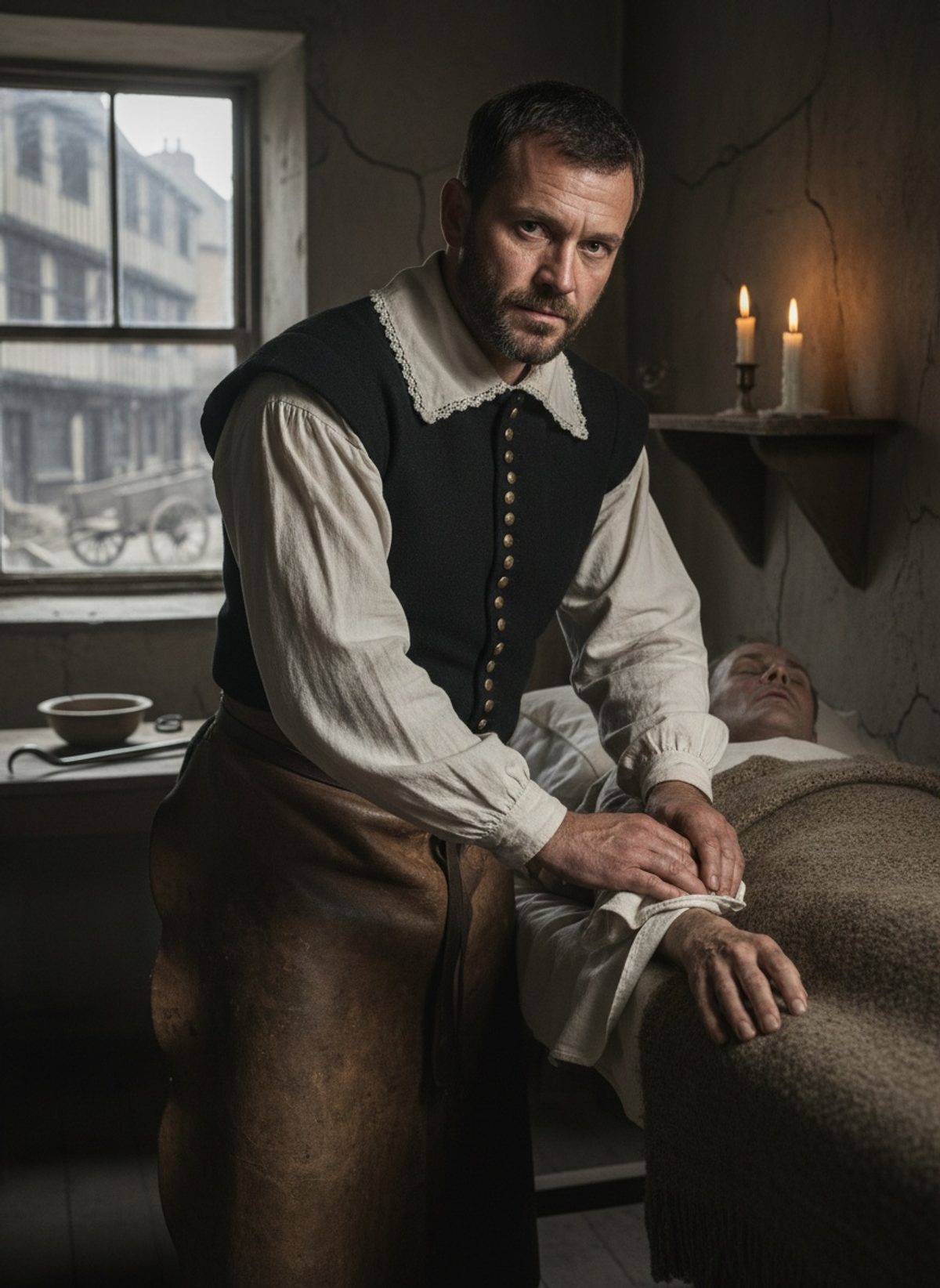
June 12, 1665. The stench of decay hung heavily over London, lingering like a specter that refused to be banished. In the parish of St Giles-in-the-Fields, one man moved courageously against the tide of fear, leaving the safety of his door for the suffocating embrace of the streets. His name was William Boghurst, and he was determined to face the Great Plague head-on.
St Giles: The Plague's Grim Epicenter
St Giles-in-the-Fields, once a boisterous parish marked by bustling trades and lively chatter, became the silent heart of a terrifying epidemic. As the Great Plague of 1665 tightened its grip, the area transformed into a dismal landscape of shuttered windows and streets echoing with the occasional clatter of death carts. By July, the rapid spread of the illness saw thousands succumbing weekly to the dreadful symptoms: blackened boils, searing fevers, and ultimate suffocation.
In these desperate times, illness blurred the lines of societal hierarchy. The wealthy, having their means, fled to the countryside. Many physicians followed suit, leaving the city bereft of medical support. The plague did not discriminate; however, its relentless spread left the impoverished streets of St Giles particularly desolated. Among the relatively few who remained was William Boghurst, a barber-surgeon with unwavering dedication.
The Barber-Surgeon's Oath
The barber-surgeons of Stuart England were a unique amalgam of healer and barber, armed with little more than rudimentary tools and a deeper empathy for suffering souls. Yet it was men like Boghurst who chose to weave through crowded plague wards, ministering to those trapped by poverty and disease.
Read next: The Day a Welsh Weaver's Son Freed a Parish Full of Slaves
William Boghurst was no mere bystander. As others fled, he turned his attention to the dying and the destitute. Resolved to stay in the plagued city, he undertook a regimen as arduous as it was dangerous. Each day, Boghurst tirelessly toggled between his duties, dressing sores, and offering what comfort he could to the afflicted. To some, this choice seemed reckless; gibbering whispers filled with dread questioned why Boghurst himself was mysteriously untouched by the fatal illness.
Through his indefatigable labors, Boghurst recorded his observations — a meticulous chronicle of symptoms, treatments, and survivor tales. His writings, ultimately compiled into a work titled Loimographia, capture a vivid tableau of the human condition under siege. Today, historians regard these accounts as one of the few firsthand narratives that preserve the lived realities of the plague-stricken era.
A Saviour in Every Detail
The scenes William Boghurst encountered could often defy belief. Montague Close, Newgate Market, and the very cobblestones of St. Giles were frequently stained with gruesome testimonies of the malady. Yet, here was a man unfazed by pus and pox, wading tirelessly between beds of rattling breath and fading pulses, focusing on practical remedies that straddled the boundary of nascent science and age-old wisdom.
Though he lacked formal training in modern medicine, Boghurst's intuitive grasp of care led to innovative treatments, harnessing natura medica like vinegar and fumigation — sometimes the desperate prayers of a compassionate heart were all that accompanied them. His joists with fickle fortune occasionally defied expectations: through diligence and perhaps some alchemical element only fate would reveal, Boghurst bore the rare distinction of surviving unscathed amidst daily exposure.
His enduring presence amidst the chaos was a beacon of hope. Word of his unerring resilience spread, bolstering the spirits of the stricken and reportedly curing many. William Boghurst became woven into the very fabric of this beleaguered community — a tale that history nearly forgot, suppressed under volumes of more illustrious records.
A Hero’s Shadow on the Wall
The Great Plague eventually receded, its terrible passage burned into the collective memory of London. Through the tide of death, William Boghurst's quiet heroism stands illuminated, a testament to human compassion and endurance. Unlike many who sought glory or material gain in times of crisis, Boghurst remained tethered to the pursuit of alleviating human suffering.
This barber-surgeon's strange immunity and tireless commitment remain subjects of admiration and speculation. Whether by divine providence or simply the mechanics of luck and exposure, his very survival alongside the stoic dedication to his patients offers a lesson beyond the annals of medical history. Boghurst's chronicle, coupled with his heartfelt ministrations, paints a vivid mural in the shadowed alleys of London's fraught past.
In remembering William Boghurst, we are reminded of the monumental courage that still resides in those willing to confront terror face-to-face. His story reverberates with echoes of a time when ordinary souls, propelled by extraordinary conviction, refused to become silent in the darkness of despair. Though the intricate web of history often leaves tales untold, the shadows cast by forgotten heroes like Boghurst nonetheless paint our understanding of resilience and the indomitable human spirit.