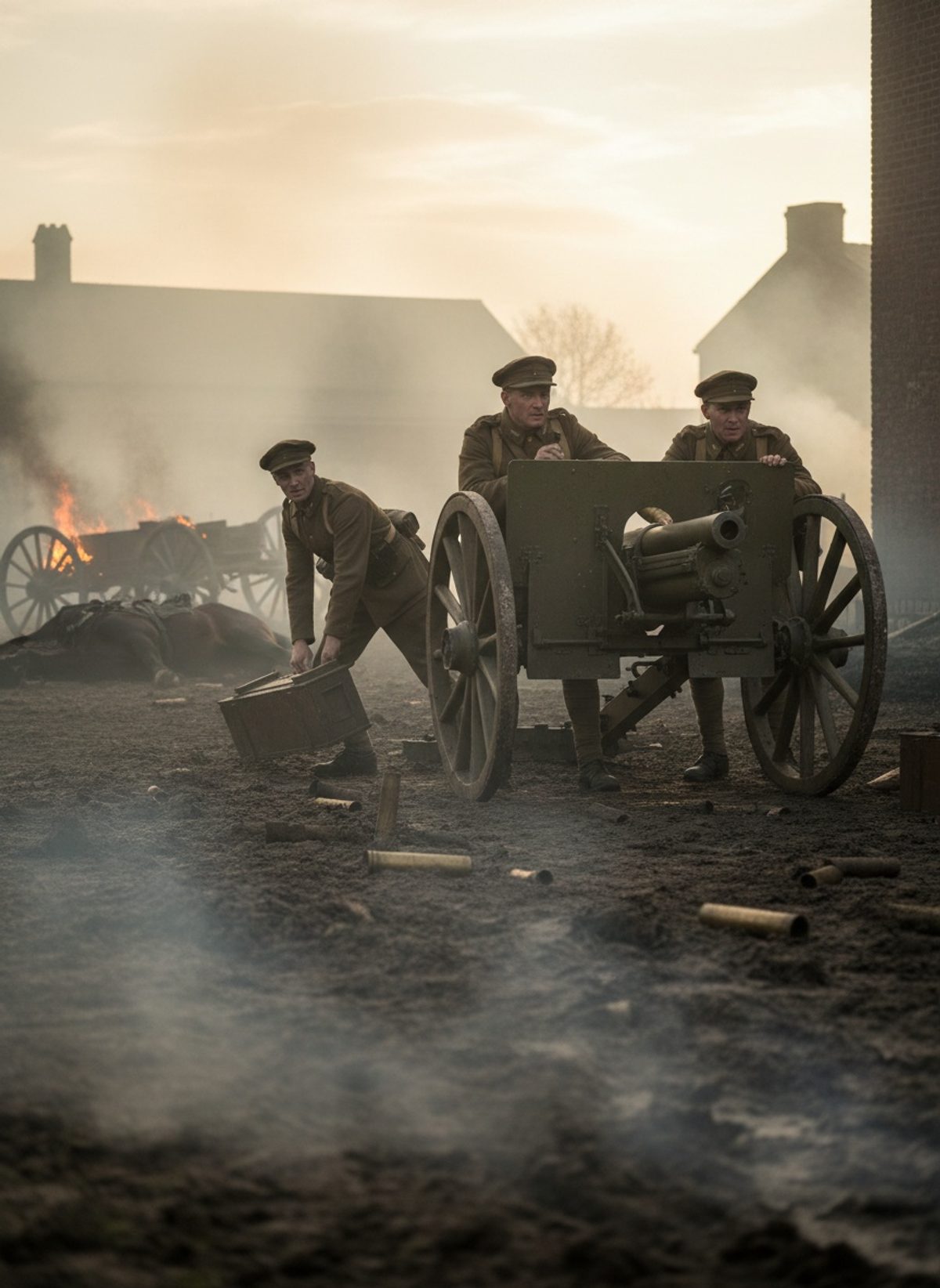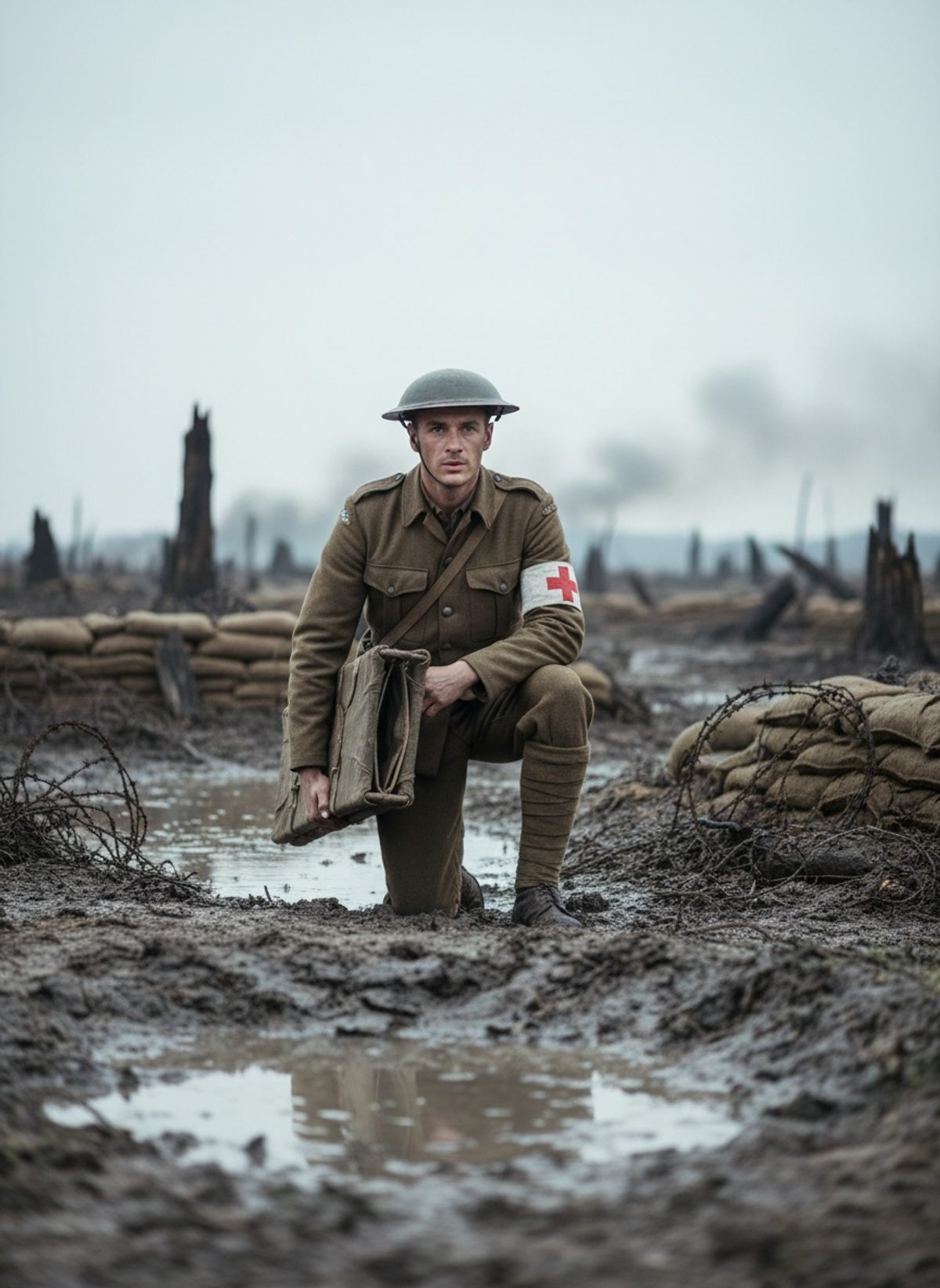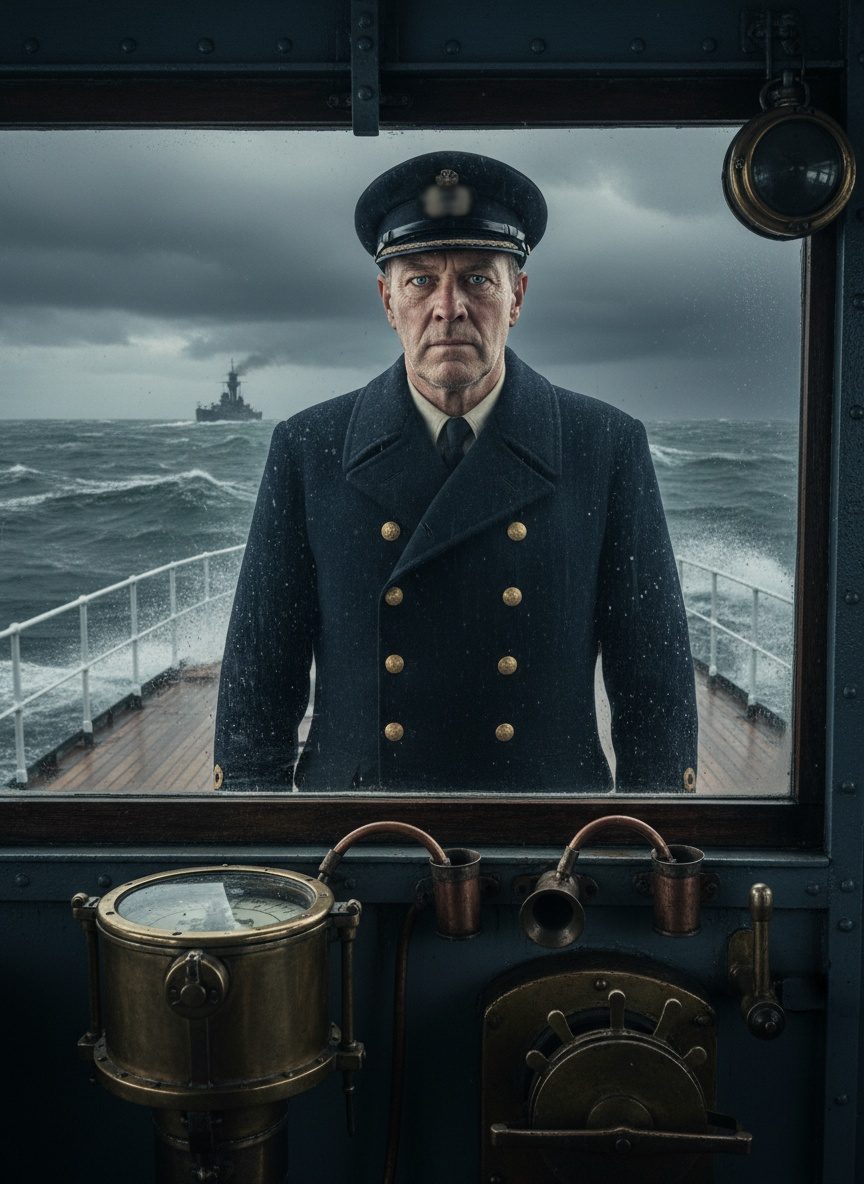
He had no armor, just six guns older than the ship itself. Yet, he stood defiant against the might of the enemy.
The Dawn of a Daring Gamble
As November 1940's biting winds swept across the North Atlantic, the stakes for the Allied convoys had never been higher. Merchant ships, the silent workhorses of the war effort, carried critical supplies vital for Britain's survival. Beneath the waterline lay a lifeline, connecting embattled Britain with the resources required to withstand Nazi aggression. But across these treacherous seas lurked German raiders, among the most fearsome of which were the Kriegsmarine's pocket battleships. These behemoths bristled with heavy guns, beyond the reach of most escort ships.
On this harrowing day, a convoy of thirty-seven merchant vessels found itself staring into the maw of such a predator. Alone, vulnerable, and without power to defend. Their fate should have been sealed, until one man, an unlikely guardian aboard an armed merchant cruiser—a vessel conceived from a passenger liner—decided to risk everything. This man, armed with little more than sheer courage and determination, maneuvered his ship to confront an opponent that outgunned and outmatched him in every conceivable way.
The captain knew his vessel's limitations all too well. Decks that once hosted passengers on leisurely voyages were now burdened with outdated guns, less a deterrent and more of a last hope. Yet, upon spotting the silhouette of the German battleship menacing the horizon, he resolved to stand firm. This was a gamble like no other—a game of life and death enacted on an unforgiving stage of water and sky.
Read next: The Day a British Padre Carried the Dying From No Man's Land
Engagement at the Edge
The anxiety on deck was palpable as the armed merchant cruiser drew closer to the German warship. Every crewmember understood the grim reality; their thin hull lacked protective armor, and if hit, their chances of survival were slim. Yet, as the distance closed, the transformation was profound. Fear gave way to focus, each sailor taking his place, battling both elements and nerves.
The German pocket battleship loomed, an armored titan born from strategy and steel. Armed with main guns meant to dismantle the hardiest of foes, it seemed an insurmountable challenge. But as it began to align its guns, preparing for a devastating salvo, the merchant cruiser erupted into action. Four of the old guns spat fire into the frigid air, less a barrage and more a declaration of intent. It was an audacious move, akin to a sparrow confronting a hawk, a testament to the human spirit's refusal to bow to inevitability.
Throughout the engagement, the cruiser weaved through waves with an urgency driven by survival instincts and a deep-seated belief in the protection of the convoy. Her crew operated with precision, firing incessantly, knowing full well that their outdated armory stood little chance against the battleship's superior range and firepower. Yet, it was not victory they sought in that deadly dance, but something more nuanced. They sought time—precious minutes that would allow the merchant convoy to scatter and make good its escape, living to deliver another day.
A Legacy of Resolve
Despite the odds, the armed merchant cruiser escaped outright destruction. Her actions, seemingly futile in the grand scheme, spoke volumes about human bravery under duress. The volley of fire exchanged was but a prelude to the real victory: the protection of thirty-seven merchant ships. Under the guise of this audacious distraction, these vessels slipped away, evading the enemy's grasp. Their safe passage meant sustenance for Britain, oil for tanks, and ammunition for guns that safeguarded freedom.
In the dusty archives of history, such episodes are often overshadowed by tales of grand fleets and heroic clashes of terrifying scale. Yet, the courage displayed aboard the lone armed merchant cruiser embodies a quieter but no less significant truth: that courage transcends might and numbers. It reminds us that in the grim theater of war, the smallest of vessels can wield the greatest of impacts simply by daring to stand when all else seems lost.
This act of defiance became emblematic of the merchant navy's sacrifices throughout the war. It underscores a simple yet profound lesson: valor is not confined to the heavily armored or the well-armed, but shines most brightly when darkness threatens the spirit. As we look back, we not only honor those who faced overwhelming adversity but also recognize the strength drawn from conviction. Such tales redefine what it means to be a hero, in an age where the very concept is as fragile as the seas upon which battles are fought.