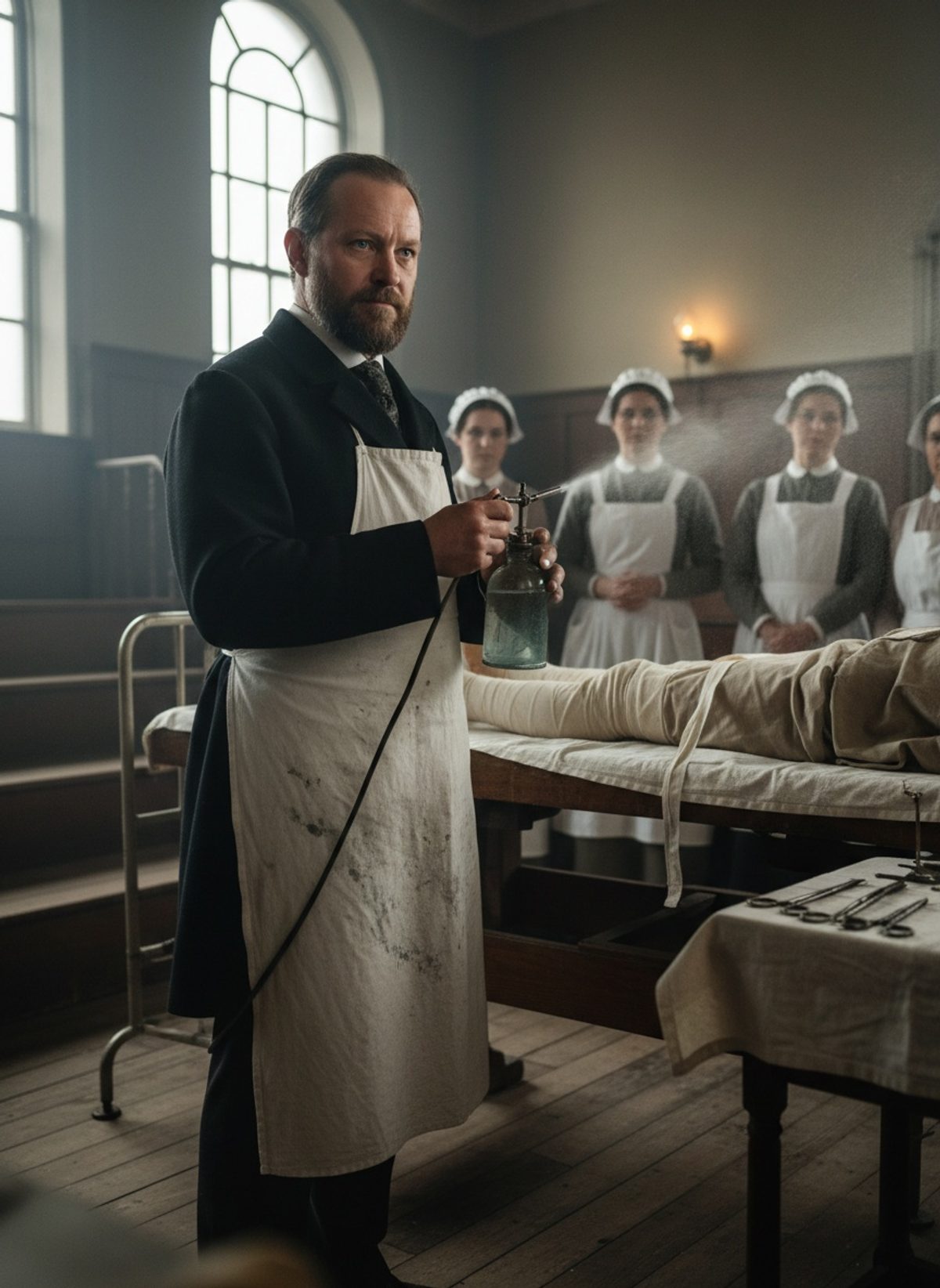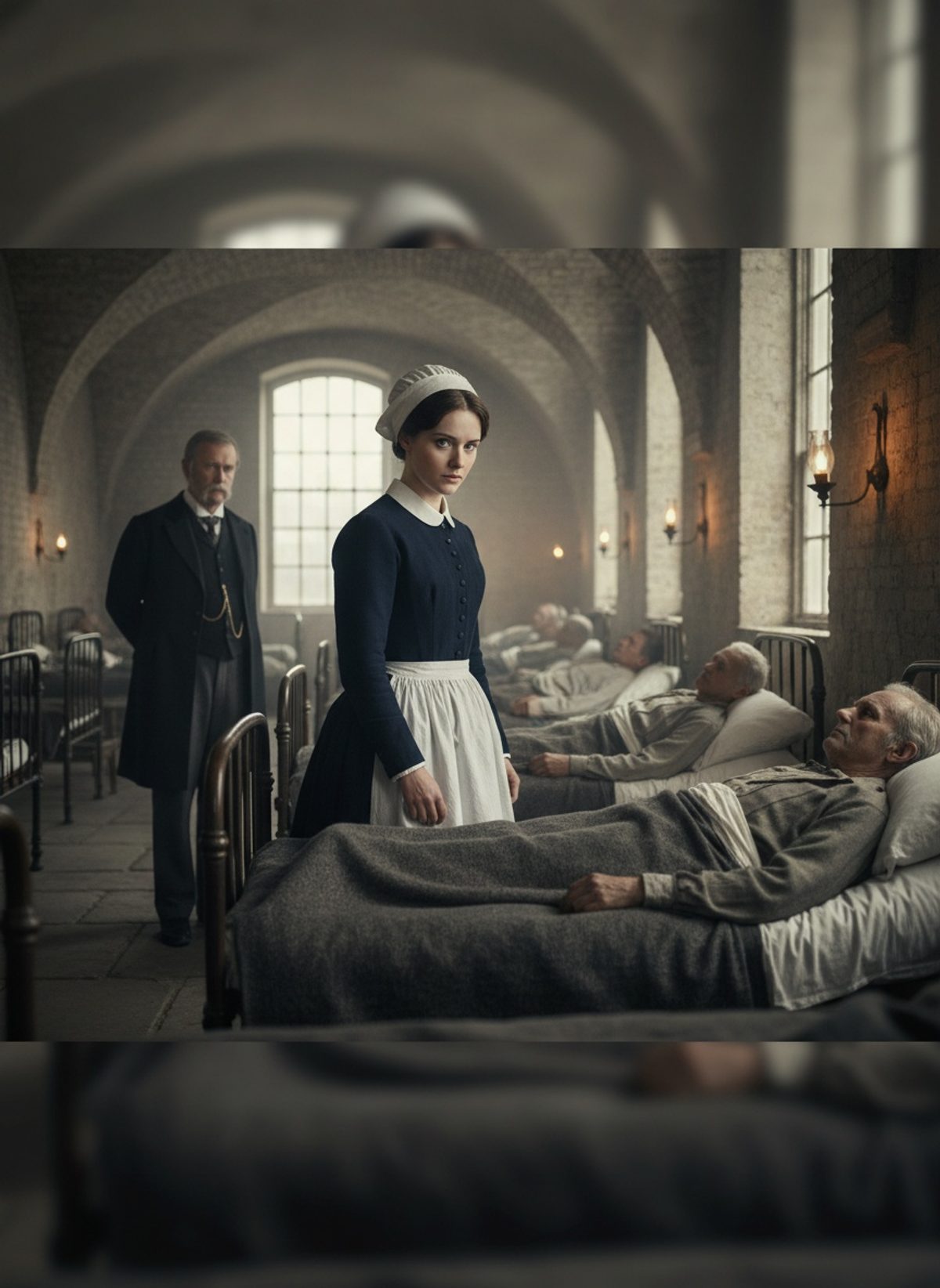
The crisp morning air in Liverpool that day was thick with change. Brownlow Hill, an imposing edifice of brick and despair, loomed against the gray skies. The distant cries of gulls were swallowed by the grim hum of industry and the groans of the inhabitants within the mammoth workhouse. It was March 1865, a time when the city teetered on the brink of social reform. The most feared institutions, the workhouses, were seen as places where the poor went to be forgotten—pressing under the weight of misfortune. Yet, on this day, as mourning doves rustled against the granite facades, a young Irishwoman named Agnes Jones stepped through the iron gates, determined to see the invisible and change the unchangeable. Her arrival marked the beginning of a transformation few could have anticipated.
The Courage to Confront Despair
Agnes Jones had spent much of her young life defying expectations and redefining her reality. Born in Ireland, she trained under the formidable Florence Nightingale, whose pioneering work had sown the seeds of modern nursing. With a quiet resolve and an iron will, Jones had set her sights on the Brownlow Hill workhouse, England's largest and most notorious. At the time of her arrival in 1865, the institution housed over 12,000 destitute individuals—men, women, and children shackled in destitution.
Inside, the scene was harrowing. Nearly 1,200 sick paupers languished without the care of trained nurses, relying instead on the unskilled labor of the workhouse inmates. Diseases ran rampant, exacerbated by overcrowding and neglect, the institutional indifference a glaring indictment of society's failure. For Agnes, it was a clarion call. With her training, she possessed tools that went beyond medicine. She saw beyond the grime and the filth, into the humanity that lay beneath the layers of deprivation. Refusing to flinch in the face of overwhelming odds, she embedded herself deep into the corridors of suffering.
What Agnes embarked upon was nothing short of a radical overhaul—a mission to improve not just the care of the sick but the very perceptions of society towards its neediest members. Her approach was groundbreaking. She sought to imbue compassion and respect into a system where brutality was the order of the day. Agnes's tenacity was nothing short of remarkable; her belief in the dignity of the human soul transformed her small team, and eventually, the institution itself.
Read next: The Day a Victorian Woman Walked Into Newgate and Shamed a Nation
Revolution in the Midst of Ruin
Jones's influence at the workhouse was immediately apparent in the changes she implemented. The establishment of a formal nursing system, tailored methods of care, and a regimen of discipline soon took root under her stewardship. Agnes tapped into the potential of any able-bodied inmates who showed the ability to aid her, transforming them into a makeshift brigade of caregivers. Her strategies weren't merely about survival—they were about respect. She insisted on cleanliness, punctuality, and proactive healthcare approaches, introducing measures that would later form the bedrocks of public health initiatives. Agnes and her staff worked tirelessly, often tending to more than a hundred patients each per day.
Although the enormity of the task seemed insurmountable, Agnes's dedication bore fruit. Mortality rates began to drop, and for the first time, the statistics compiled from Brownlow Hill suggested a rising hope against the blight of sickness. The workhouse, once a symbol of human misery, began its uneasy transformation into a place where healing at least had a chance. Visitors from all over England came to observe this quiet revolution, their preconceived notions of the destitute being steadily eroded by the force of Jones's vision.
Yet, the physical and mental toll of such relentless effort was steep. Jones's health faltered as she worked beyond her limits, her body yielding slowly to the stress and weariness wrought by her ceaseless devotion. Still, she pressed on, undeterred, bolstered by the rising spirits of the very people whose care was her singular focus.
A Lasting Legacy
In February 1868, after nearly three years of tireless service, Agnes Jones succumbed to typhus, an all-too-common killer among those living and working in close quarters with the infected. She was just 35 years old. Her passing sent ripples through the social conscience of Britain. Thousands attended her funeral, a testament to the lives she had touched.
Agnes Jones left behind a legacy much larger than the sum of her years. Her work showcased the profound impact that determined individuals could have even within flawed systems. The changes she had wrought at Brownlow Hill laid a foundation that would inspire subsequent reforms across the nation, influencing public health policy and the training of nurses in ways that humanity continues to benefit from.
Her story is a poignant reminder of the power of compassion, courage, and conviction in the face of adversity. Agnes Jones's journey was about transformation—of the self, of systems, and of societal attitudes. More than just a tale of hardship, her life underscores the enduring human struggle against the tide of history to forge a better world. Through her unyielding dedication, she taught future generations that change often begins with a single step through a daunting door.