He stood barely five-foot-seven. In the midst of battle, his missing arm was the least of his hindrances.
The Blind Eye and the Bold Decision
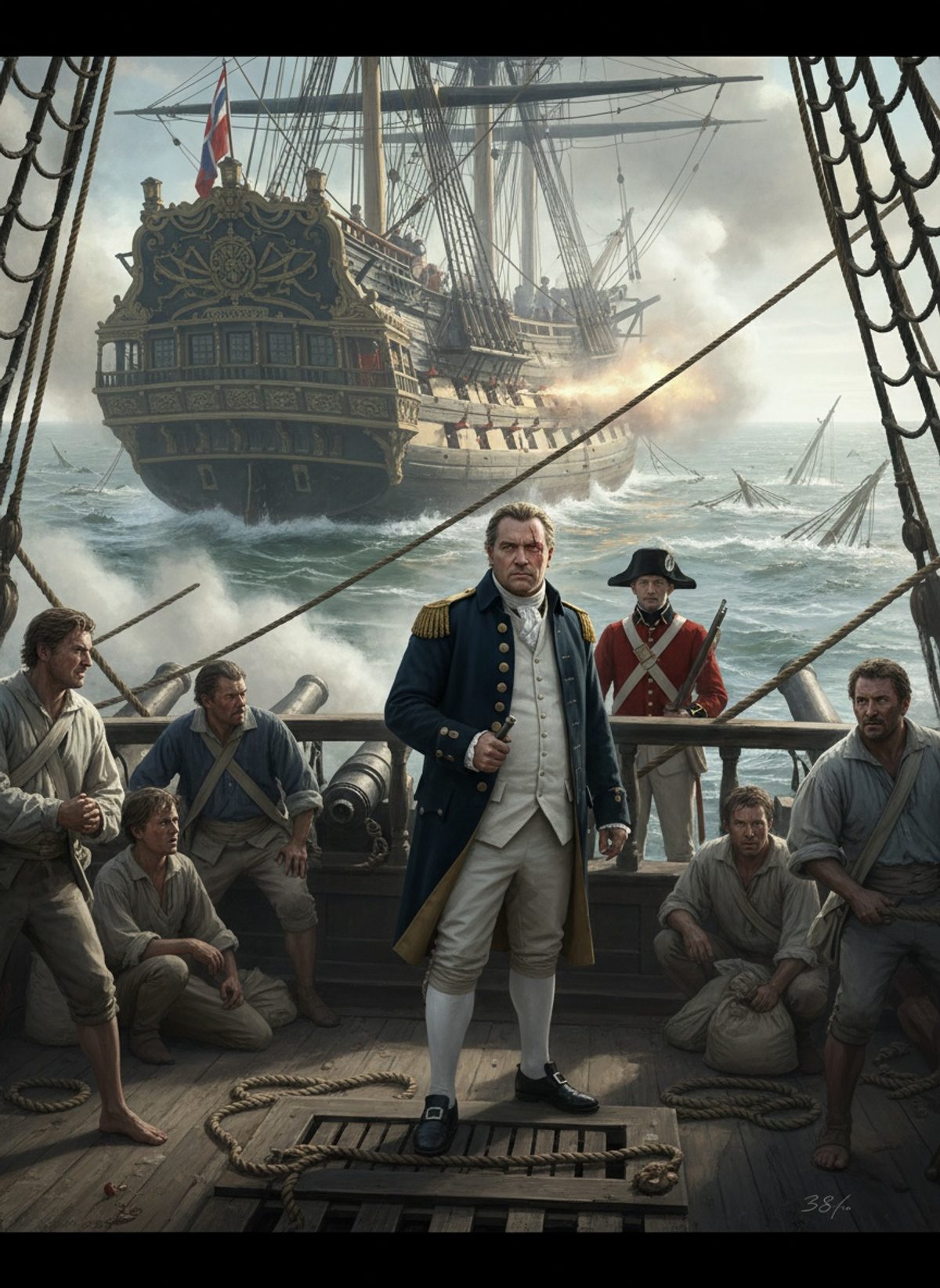
The bustling port city of Copenhagen felt the weight of anticipation as the British fleet approached in April of 1801, during the Napoleonic Wars. Under the command of Vice-Admiral Horatio Nelson, a daring and peculiar figure known for his tactical brilliance and bold risk-taking, the stage was set for one of the most audacious naval engagements in history. Despite his accolades, Nelson was a man scarred both physically and mentally by years of service; having lost his right arm and sight in his right eye in earlier battles, he was not the conventional hero. Yet, these very adversities seemed to fortify his resolve, shaping the legend that unfolded in the waters off Denmark.
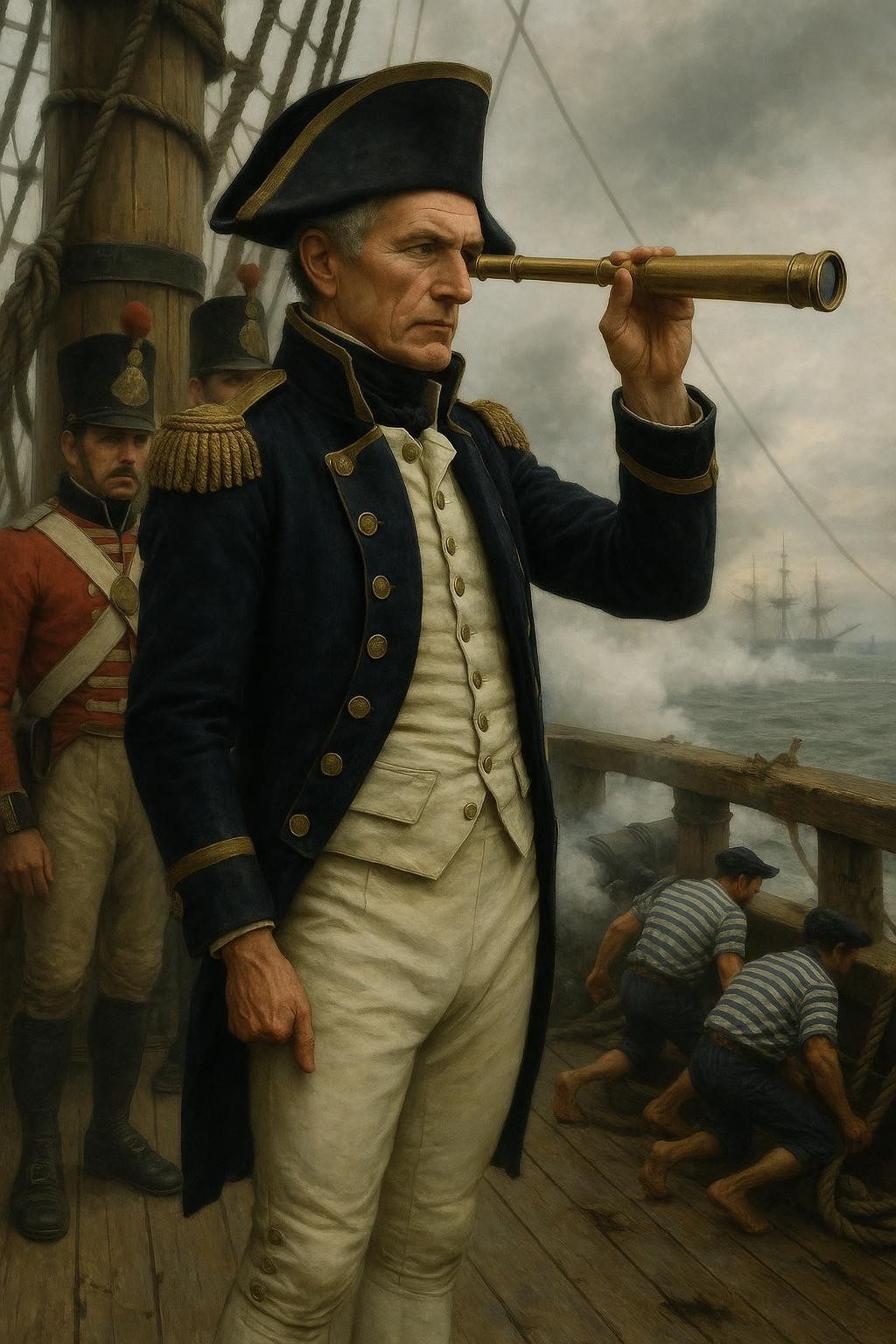
The British fleet faced a daunting task: to neutralize the formidable Danish-Norwegian alliance aligned with Napoleon. As the sea-breeze fluttered the signal flags from Admiral Sir Hyde Parker's flagship, ordering an immediate withdrawal, Nelson's reaction was as legendary as it was reckless. With calculated irreverence, he raised his spyglass to his blind eye and reportedly declared, "I really do not see the signal." In that moment, Nelson defied both his commanding officer and the tide of caution that might have turned their audacious assault into a retreat.
The Tactical Gambit
The Battle of Copenhagen was, at its core, a chess game with real lives at stake. The Danish capital lay guarded by formidable fortifications and batteries lining the waterfront. The city's defense was anchored by a line of floating batteries and old ships of the line ready for battle. But Nelson, the tactical genius, saw not a barrier, but an opportunity. He understood the local waters and currents, recognizing the slim channels deep enough for his ships to navigate while avoiding the worst of the Danish firepower.
Read next: The Day a British Captain Stood Between Slaves and the Sea
As the engagement intensified, Nelson’s ships pressed hard against the Danish line. The bombardment was fierce, with smoke and fury enveloping the vessels like an unyielding fog. Yet amidst the chaos, his resolve never wavered. His captainship became almost surreal as he orchestrated maneuvers amidst the cannon's roar, each command intertwined with the ferocity of his spirit. Nelson's firsthand involvement in directing the battle defied the restrained protocols of his era, exemplifying his belief that victory favored the bold.
The Reluctant Admiral
While Nelson personified audacity on the battleground, Admiral Parker, a seasoned but conservative leader, represented the cautious approach. As the battle raged, he perceived the engagement might spiral out of control and feared a catastrophic loss. It was under these circumstances that he issued the signal for withdrawal. He intended to exercise prudence, believing discretion was the better part of valor.
But Parker underestimated the tenacity of his subordinate. Nelson, with his unyielding faith in his judgment and the vigor of his forces, thought otherwise. His decision not to acknowledge the signal, bordering on insubordination, was also a testament to his leadership style—a blend of intuition, experience, and an understanding of seafarers’ emotional tides in combat. In seeking personal triumph over staunch compliance, Nelson was rewriting the rules of engagement.
The Resounding Impact
Nelson’s defiance paid off. The prolonged engagement culminated in a British victory, with the Danish forces exhausted and depleted, leading to negotiations that preserved British interests. The battle showcased not only military prowess but also the psychological impact of unyielding leadership. Nelson’s choice became a defining moment, not merely due to the victory itself but because it embodied the spirit of perseverance in the face of overwhelming odds.
The repercussions of this battle echoed far beyond the shores of Denmark. It cemented Nelson’s reputation as one of Britain's naval legends and helped disrupt Napoleon’s influence over Scandinavia, thereby altering the balance of power in Europe. It was a victory carved not just from strategic insight, but from a conviction that sometimes, rules are meant to be bent when victory is within grasp.
The Wisdom of the One-Armed Admiral
In the annals of history, the Battle of Copenhagen is less about the particulars of military strategy and more about the human spirit. Nelson's defiance at Copenhagen demonstrated that courage in leadership often requires an audacious heart willing to push beyond its own limitations—even if it means turning a blind eye to authority now and then. His life and choices continue to inspire those who face the dilemma of duty versus intuition.
In an age where battles define destinies, this tale reminds us that leaders who dare to trust their instincts and their people can rise beyond the specter of defeat. It is a story that challenges conventions, championing the idea that true victory often lies just past the horizon of obedience. In Nelson's own words, it was better to be decisive and occasionally wrong than hesitant and perpetually right. The one-armed admiral’s legacy teaches us that sometimes, we must all look past the immediate signal and find our own course to triumph.