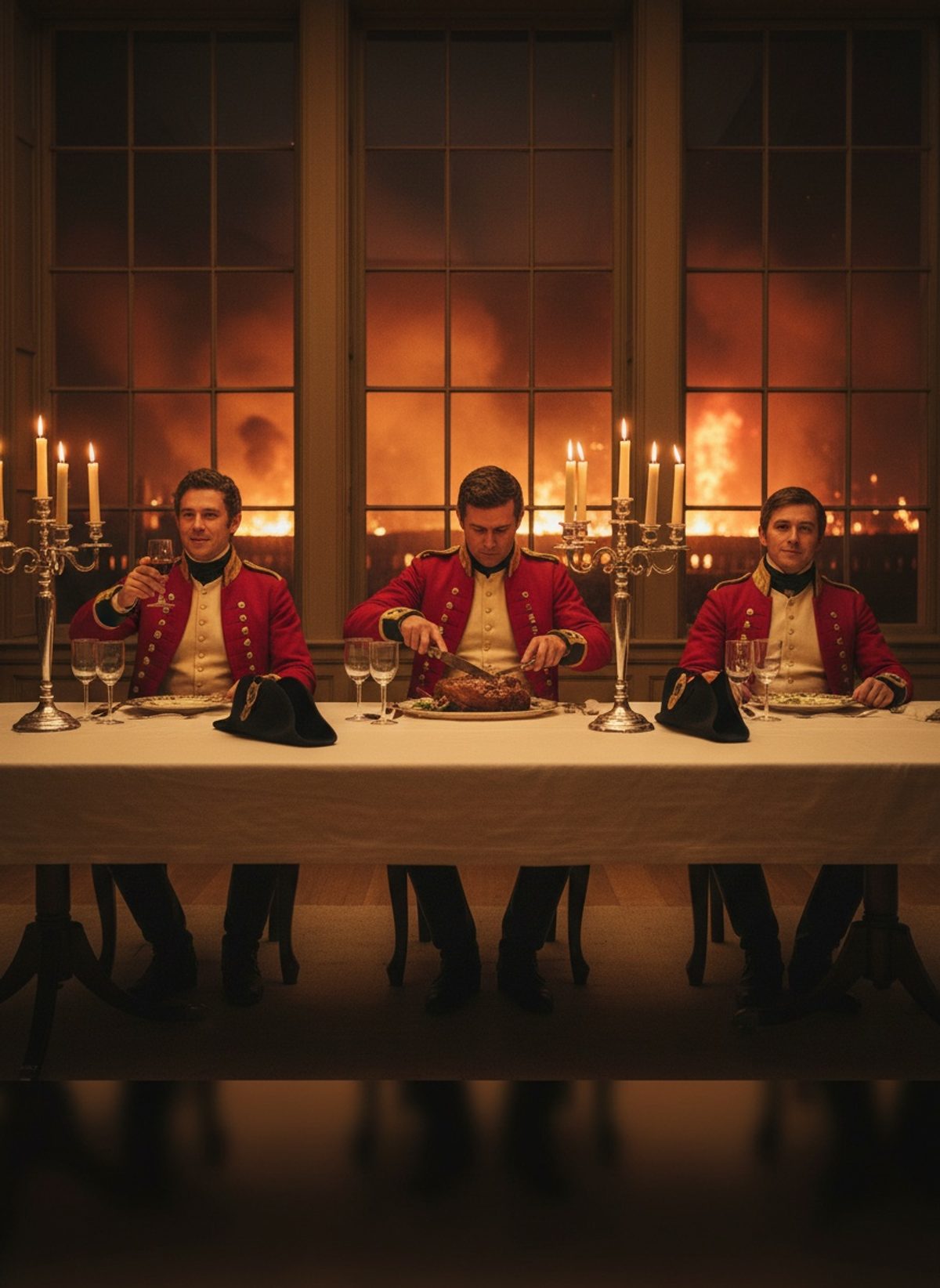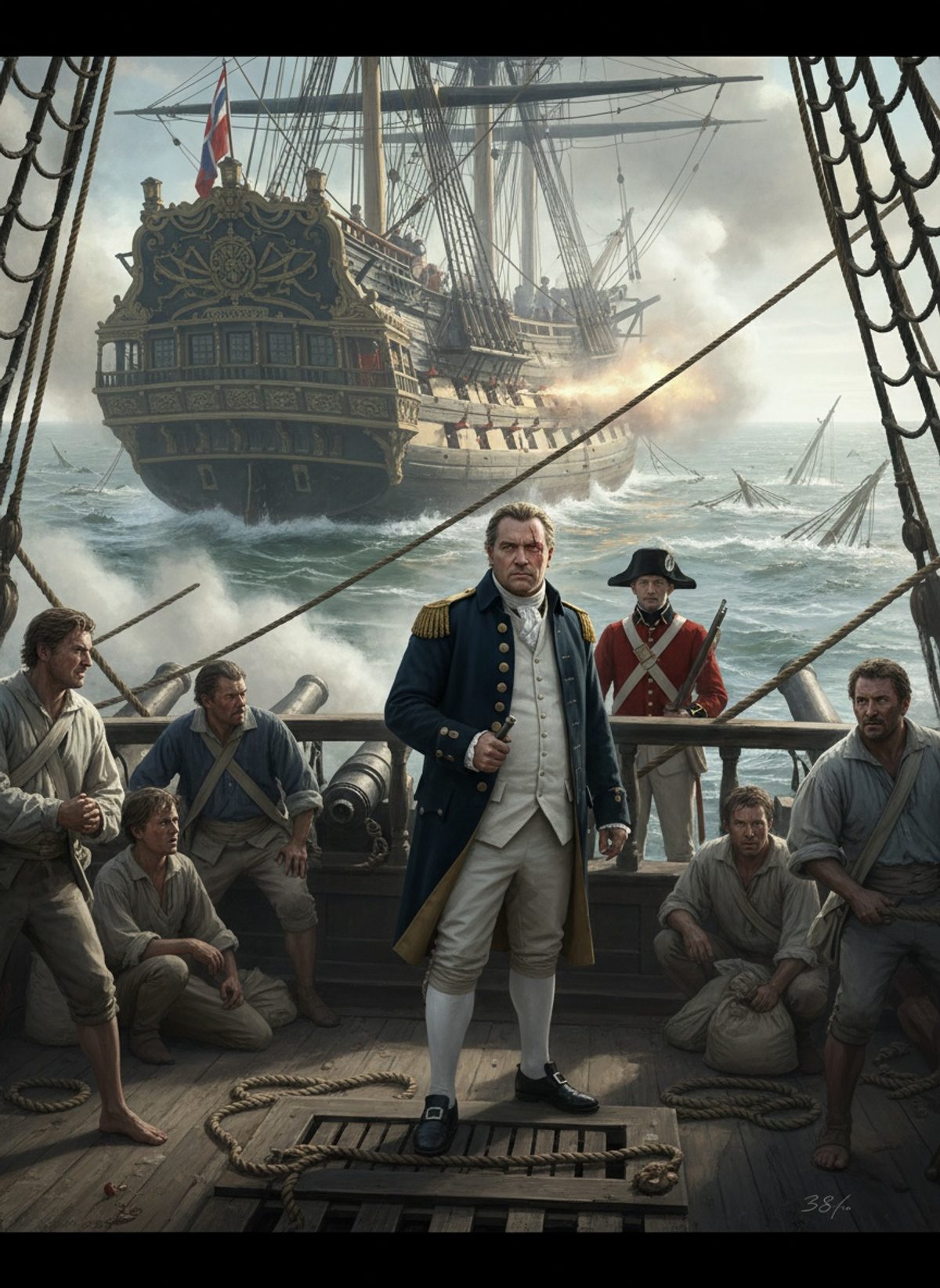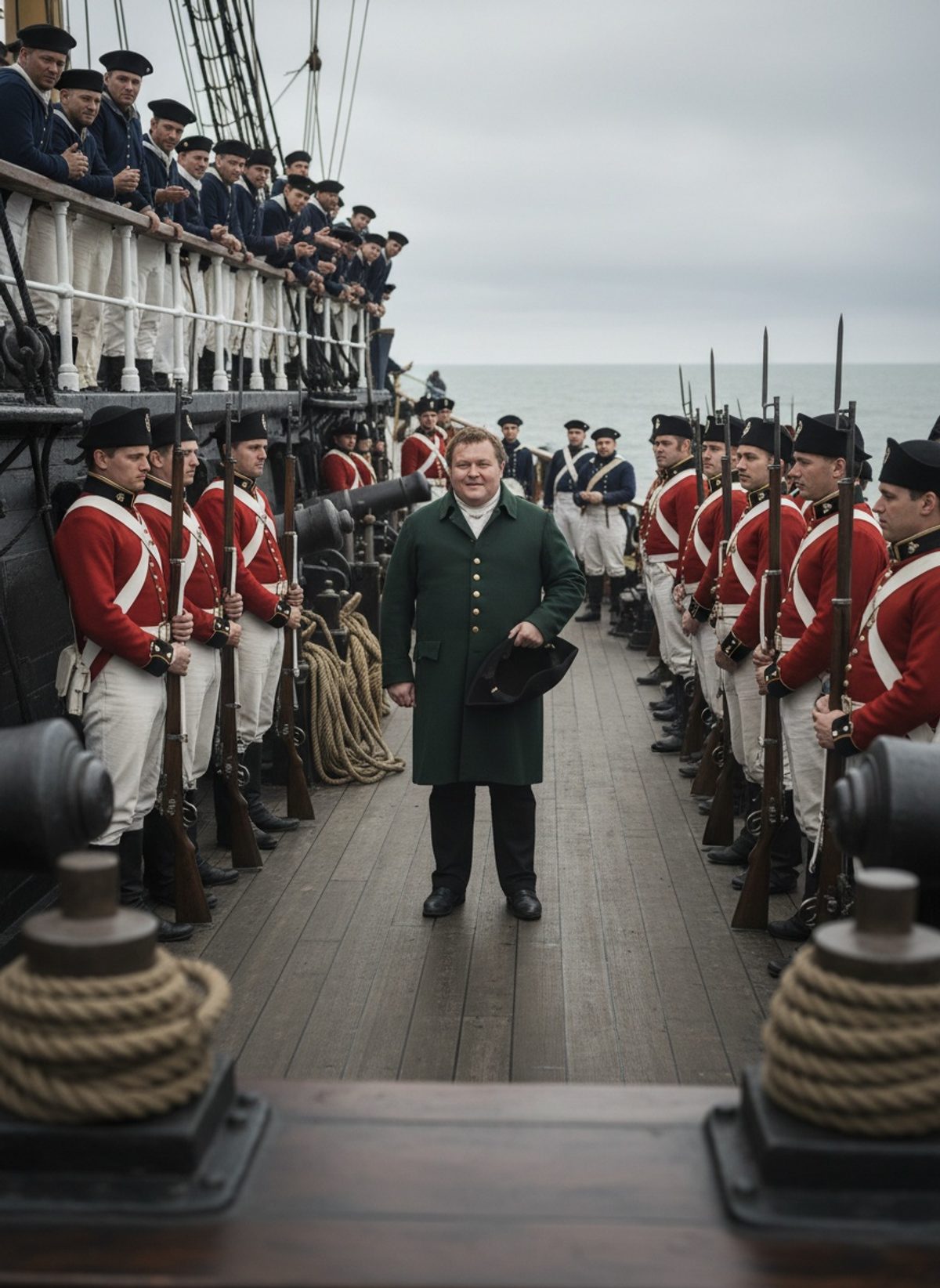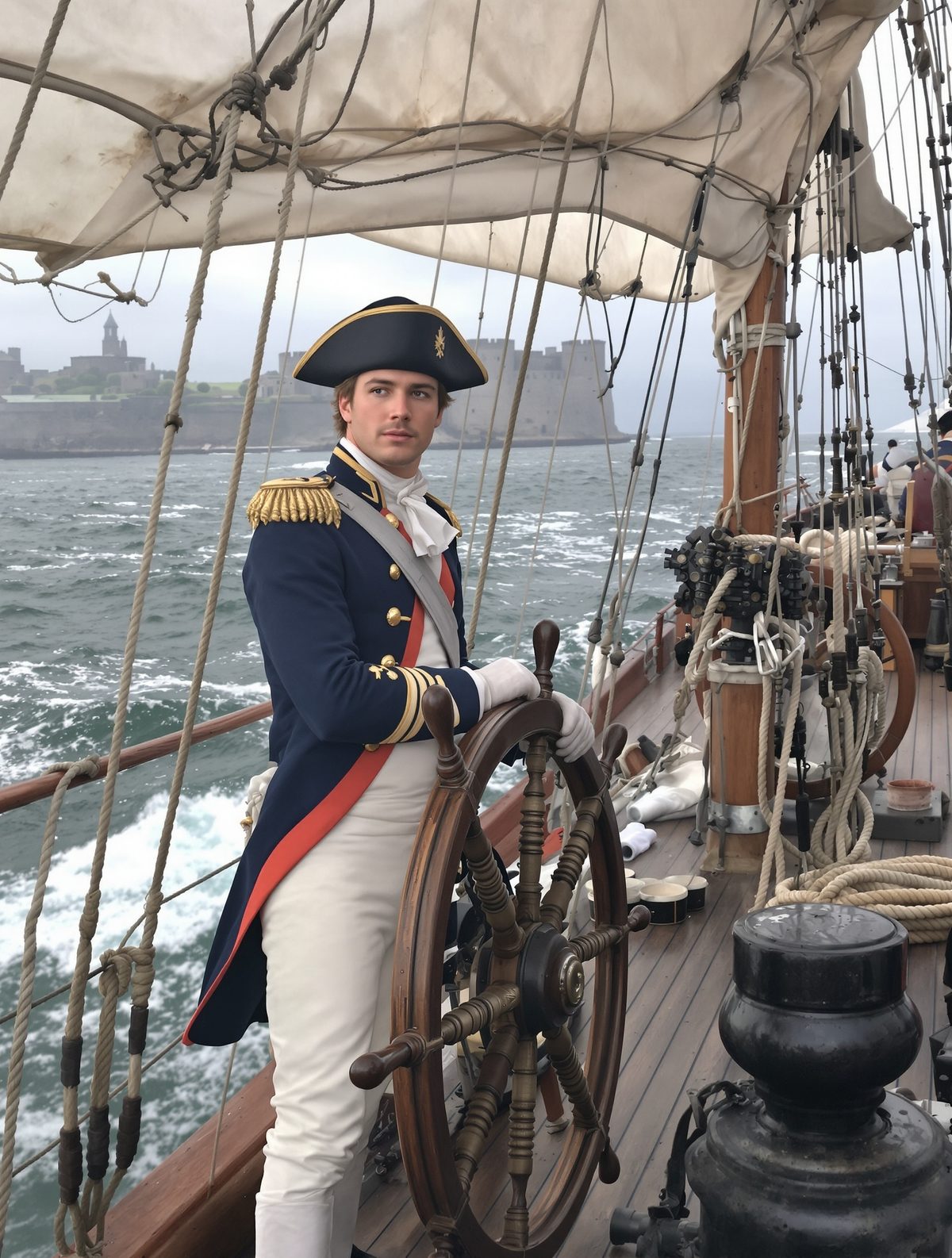
Imagine, if you will, a young man standing at the helm of a solitary ship, coarse winds whipping through his hair as he stares defiantly towards the horizon. His destination? The heavily fortified harbor of Boulogne, a bastion of French naval might. His mission? To capture it single-handedly. This is not a tale from the annals of fiction, but rather a real-life adventure featuring the audacious Scottish naval officer Thomas Cochrane, whose exploits would etch his name into the annals of maritime lore. In the summer of 1801, Cochrane, who by then was only twenty-five years old, orchestrated a daring raid that left both allies and enemies agog.
A Stormy Start
The scene was set on the 15th of August, 1801. The Napoleonic Wars were raging across Europe, and the seas were a theater of their own. The French city of Boulogne was considered impregnable, with its strategic location and steadfast defenses outfitted with artillery that could turn any invading ship into driftwood. Yet, into this lion's den sailed Captain Thomas Cochrane, commanding the HMS Speedy, his trusty but unimposing brig, with a skeleton crew of fewer than 100 men.
Cochrane had already distinguished himself as a man who laughed in the face of danger. With his reputation for brilliant tactical maneuvers, he had been tasked with blockading the French coast. His yearning for adventure and strategic genius, however, led him to conceive a plan that was as simple as it was insane: to bluff his way into Boulogne Harbor.
The Fiery Forge of Boulogne
As the Speedy approached Boulogne, Cochrane’s calculations on the winds and tides were nothing short of meticulous. The French, secure in the knowledge of their defenses, assumed no single ship would venture so far into the maw of their harbor. Cochrane, with his confidence doing the speaking, hoisted American colors atop his mast, a ruse meant to confound the French into believing they were dealing with a friendly vessel.
Read next: The Day a British Captain Stood Between Slaves and the Sea
To add to his audacious bluff, Cochrane had his men shout orders in a cacophony of faux American English—an accent learned from his days frequenting the ports of the New World. As the Speedy drew nearer, French lookouts, unsure whether to open fire or welcome what they thought was an ally, hesitated, giving Cochrane precious moments.
The Daring Deception
The pinnacle of Cochrane’s bravado came when he decided to anchor within sight of Boulogne's defenses. It was here that the young captain's pyrotechnics came into play. Under the cover of twilight, he orchestrated a fireworks display on board, an act extravagantly mimicking a celebration. The French, watching the dazzling testament to naval gallantry, were left scratching their heads. Cochrane, true to his outrageous form, had managed to mesmerize them with the theatrical antics of his crew.
Yet, time was of the essence. Aware that his plan might unravel if pushed too far, Cochrane's next move was to leverage his subterfuge into a triumphant departure. Seizing an undefended merchant vessel in plain view of Boulogne port, he led his spoil—an immodest prize—back out to sea, his ruse unraveling only after the fireworks were out and the Speedy was a distant speck on the horizon.
The Legend of Lord Cochrane
Sir Thomas Cochrane, who later became the Earl of Dundonald, was often compared to the fictional Horatio Hornblower or Jack Aubrey, both who captured the imaginations of readers and later, film audiences worldwide. What makes Cochrane's feats all the more incredible are the obstacles he overcame beyond the battlefield. Despite losing his left arm earlier in the campaign—a consequence of artillery shrapnel—his tactical prowess remained undeterred. Indeed, it only seemed to sharpen his resolve to make indelible marks upon the chapter of naval history.
While the details of Cochrane’s single-handed occupation of Boulogne harbor might seem the stuff of legends, it’s worth noting that his acts were not isolated marvels. Cochrane's exploits inspired Lord Byron, while his naval tactics earned him the nickname: "The Sea Wolf". Across the ocean, Napoleon Bonaparte himself acknowledged Cochrane as a formidable nemesis, reportedly remarking that the British admiral alone was worth ten thousand men on the battlefield.
Lessons from a Daring Past
Plunge into the depths of this audacious naval escapade, and you'll find more than just a swashbuckling yarn; you discover enduring lessons of ingenuity and courage. Today, Lord Cochrane's story is more than a mere historical footnote; it is a testament to the strategic intellect and daredevil nature that shaped the era in which he lived. In a world where stalwart defense seemed the hallmark of strength, Cochrane proved that sometimes audacity could be the mightiest weapon of all.
Thomas Cochrane's daring deeds remind us that courage can overcome the gravest of odds, and that cleverness is oftentimes more powerful than mere brawn. They reinforce an eternal truth that resonates through the corridors of history to the present day: that audacity, wrapped in the sails of ingenuity, can indeed achieve the impossible.