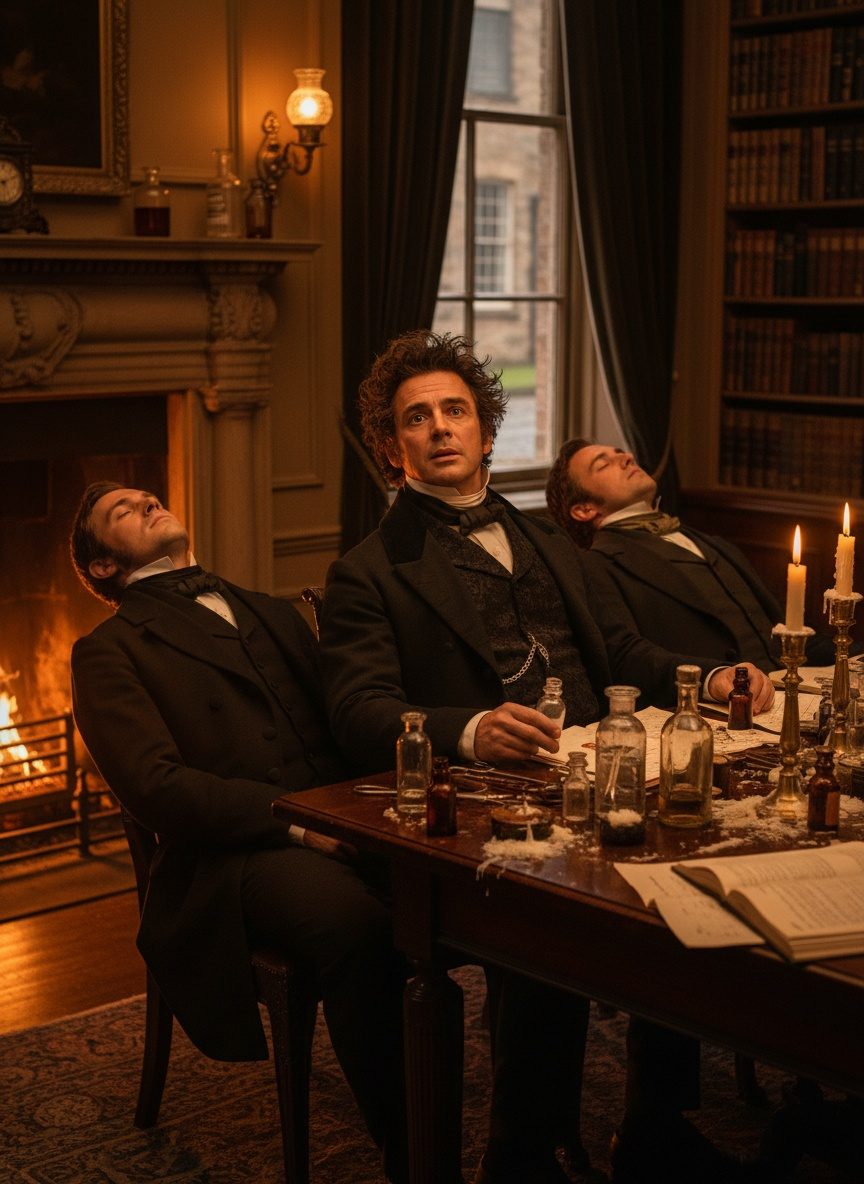
The scent of ether lingered faintly around the dimly lit dining room as the three men paused, hesitant but resolute. A moment later, tufts of chloroform swirled through the air, a tangible promise of subdued pain. The silence was broken only by the soft clink of a decanter, barely audible over the heavy breath of the eager experimenters. When James Young Simpson lifted his head, the world momentarily spun before it settled into clarity. Moments before, he had witnessed a revelation unfold at his very table. Surgery—and indeed, the future of medicine—was about to be transformed.
The Agony Before the Alchemy
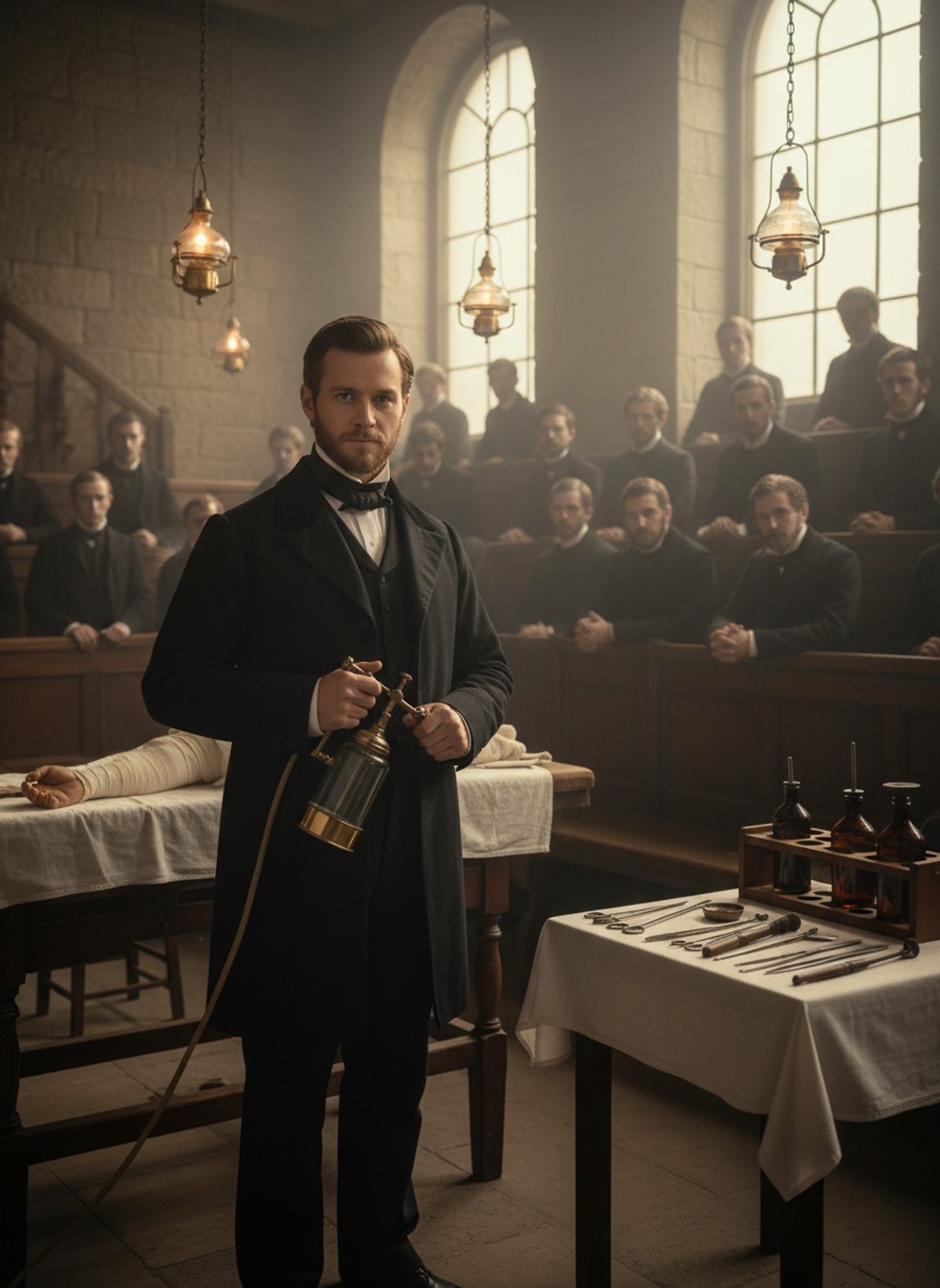
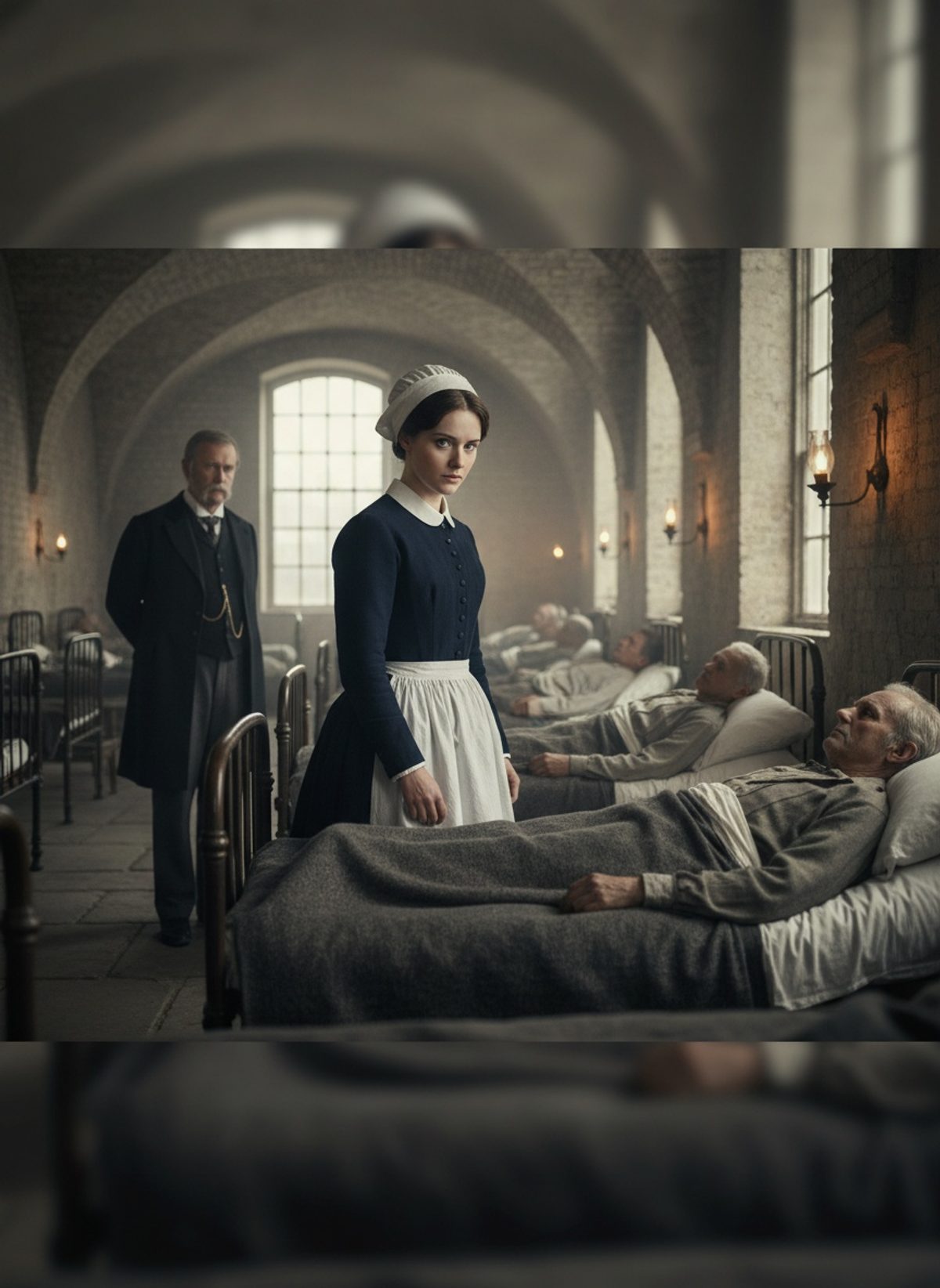
For centuries, the specter of surgery loomed like a shadow over the ailing. The experience was one of raw, unyielding agony, where shrieks of pain echoed as stark reminders of human vulnerability. Surgeons, steady of hand and resolute of heart, faced the daunting task of cutting flesh while being acutely aware that their interventions, though lifesaving, inflicted torturous suffering. Patients endured the blade with only whiskey, opium, and the fervent prayers for unconsciousness as solace. Across Europe, operating rooms doubled as theatres of endurance.
Enter the bustling city of Edinburgh in 1847, a hub of medical innovation where whispers of a new age in surgery began to take form. James Young Simpson, a tenacious Scottish doctor, determined that finding a reliable anesthetic was no longer a mere pursuit of curiosity. It was a necessity. His quest led him through a myriad of potential compounds, each trial experimenting with desperation and hope intertwined. With every failure and fainting spell, the call for a solution grew ever louder in his mind.
The Fateful Curiosity
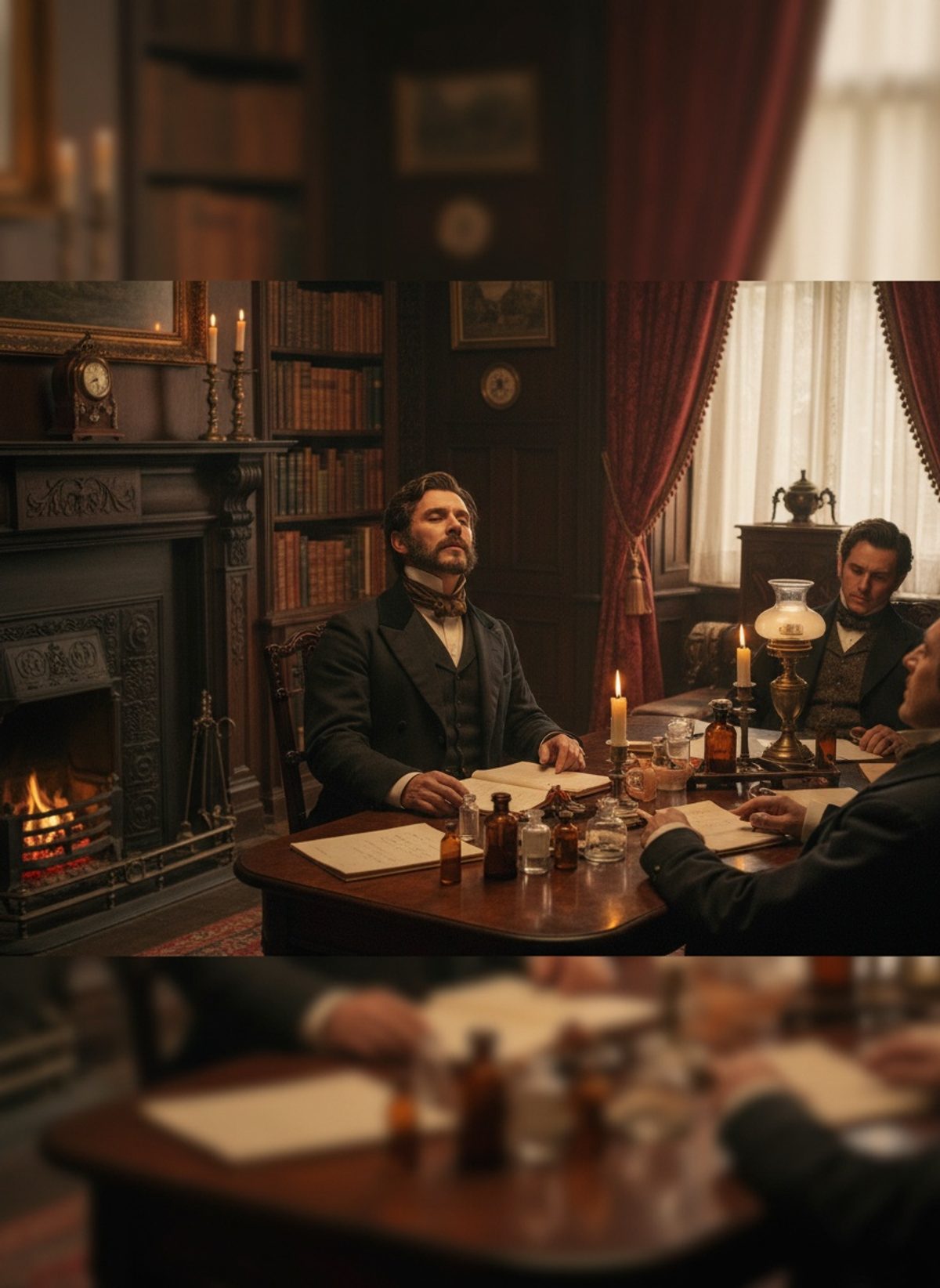
Simpson's ardour for discovery culminated one November evening, surrounded by the comforting presence of his trusted associates, Dr. George Keith and Dr. James Matthews Duncan. They gathered not in a laboratory nor an operating theatre, but around the familiar warmth of Simpson’s dining table. With the air thick with anticipation and the mantle clock ticking in solemn reminder, they uncorked a bottle of chloroform.
Read next: The Day a Widow's Son Lit Up the Victorian Night
Their hearts pounded over the mysteries contained within this opaque glass, rumored to subdue even the greatest of pains. When the inhalation began, it swept over them like a secret held far too long. In a surreal moment that defied their stern academic traditions, these scholars collapsed, overcome not by defeat but by groundbreaking revelation. They awoke to a shared laughter, the kind that comes unbidden, acknowledging a world that had shifted positioning under their very feet.
Revolution in a Bottle
Their merry, half-delirious awakening foretold a revolution. Simpson’s impromptu chloroform experiment spiraled into a ripple across the medical community, challenging the erstwhile norm that surgery must inherently be synonymous with suffering. Quickly capturing the imagination of both doctors and laymen, chloroform was heralded—from Edinburgh to London—as a medical marvel. The surgical atmosphere transformed; poignant silences replaced by hushed whispers of awe as operations commenced in earthenware stillness.
The medical community, initially cautious, embraced this macabre dance of science and chance with cautious optimism. Simpson, with his signature one-eyed determination, championed chloroform's efficacy, tirelessly advocating for its adoption despite skepticism and the looming specters of unknown risks. Yet, in his conviction lay a profound truth: the human experience of pain could be altered, redefined even, under the verdant skies of modern science.
A World Reimagined
By introducing chloroform, Simpson had not merely sedated pain but challenged the very concepts of fear and suffering. The anesthetic not only liberated patients from agony but also granted surgeons the precious latitude to operate with precision and care previously impossible under the throngs of thrashing limbs and anguished cries. This nascent era saw the surge of surgical breakthroughs and the birth of new disciplines, each resting on the quietly inhaled foundations laid that November night.
Simpson’s discovery invoked a legacy that rippled far beyond the operating table. It catalyzed a philosophical shift that redefined compassion in terms of bodily ethics and patient autonomy. Medicine could now progress, unshackled from the cruel restraints of sharp, uncompromising agony. As the world stood on the brink of modernity, Simpson and his peers ensured that their exploration of shared potential vanguards yielded not just advancements but an inherent human need—a respite from suffering.
In perhaps one of history's most humanizing revelations, the true significance of that evening in Edinburgh lies not in the medicine itself but in the profound transformation it heralded—the earnest refusal to submit to pain as an intrinsic human condition. In an age consumed by industrial ambitions and scientific progress, it was a simple dining room cloaked in modest shadows where humanity absolved itself of suffering and embraced the anticipation of painless tomorrow.