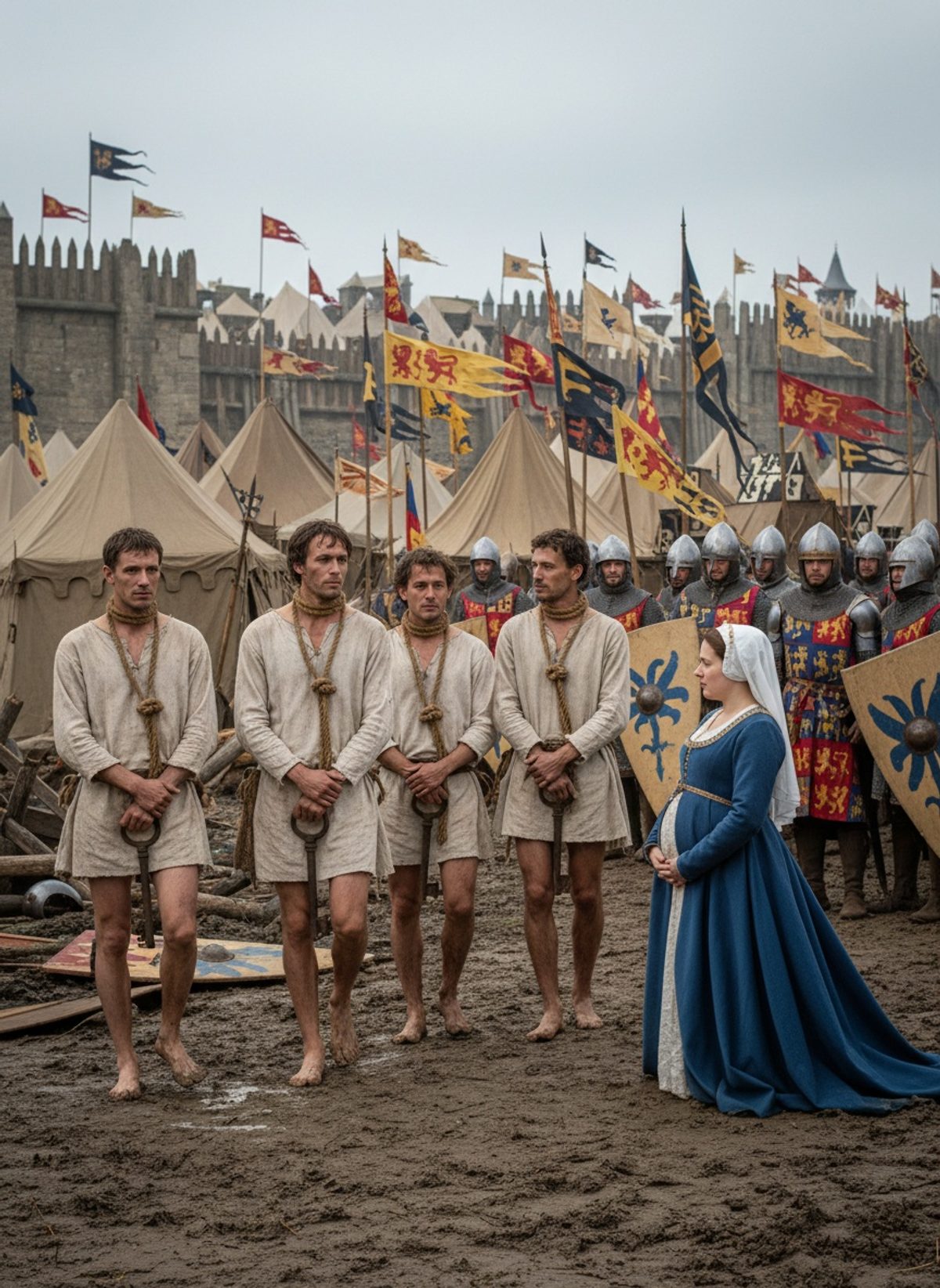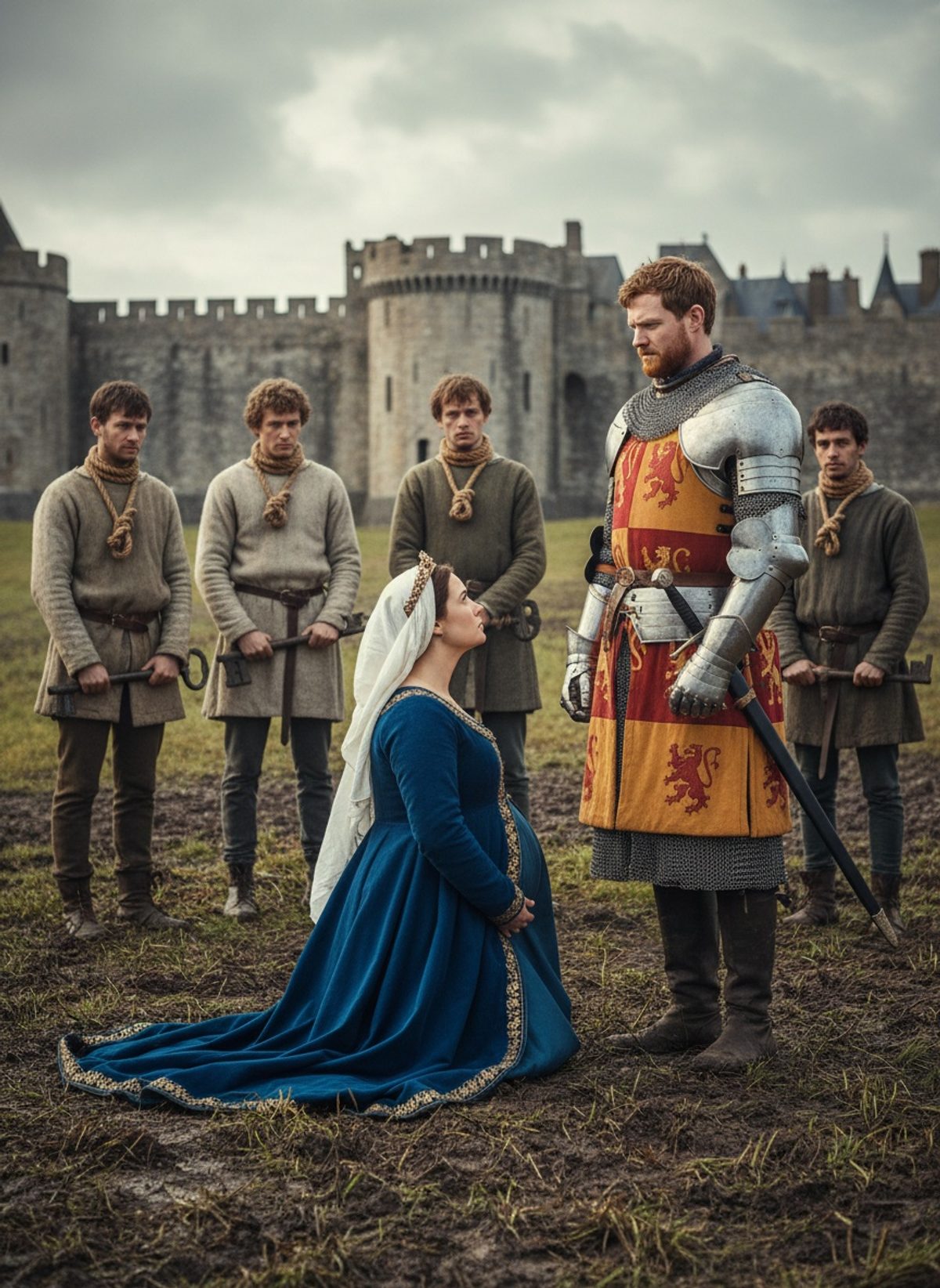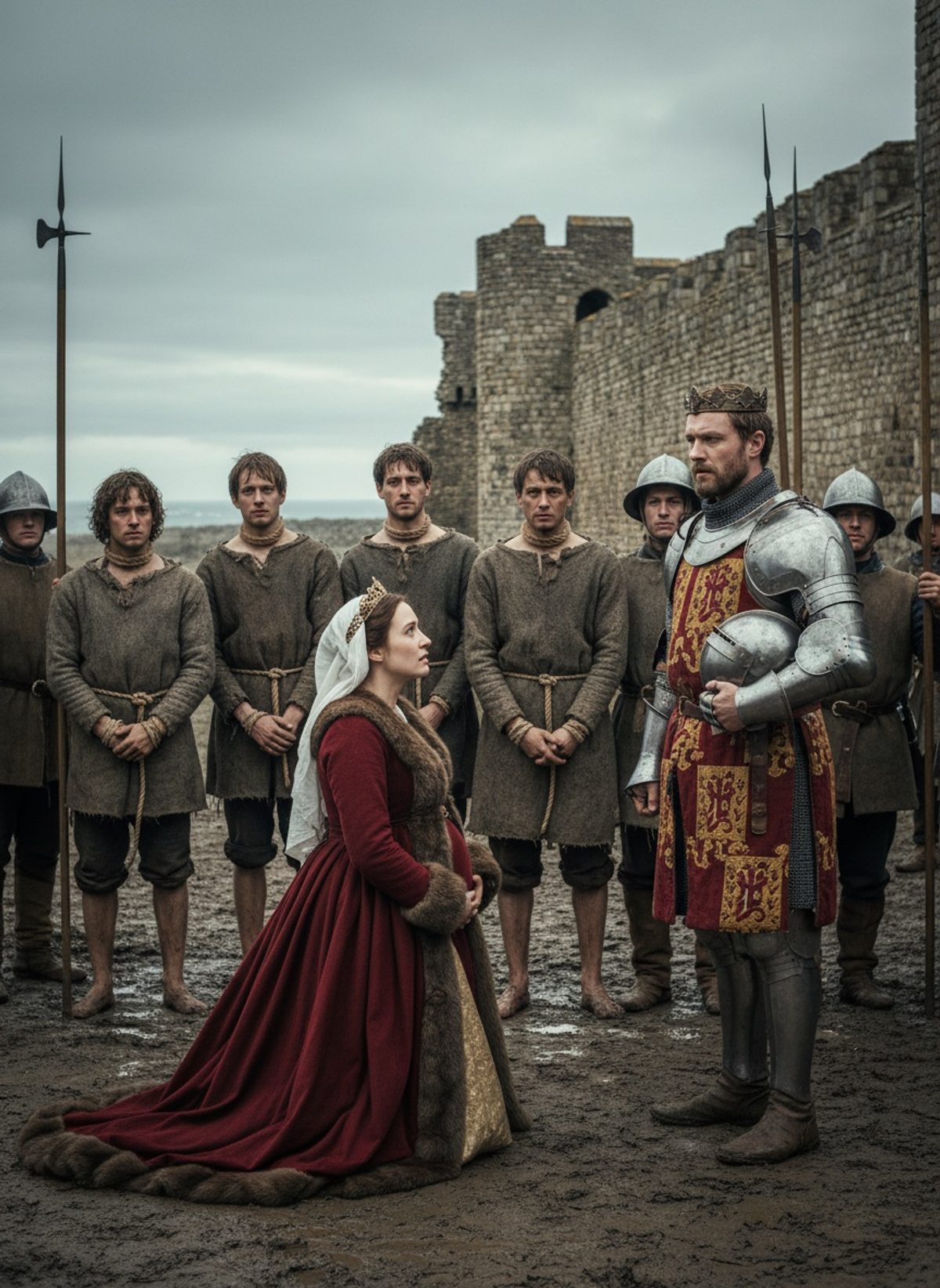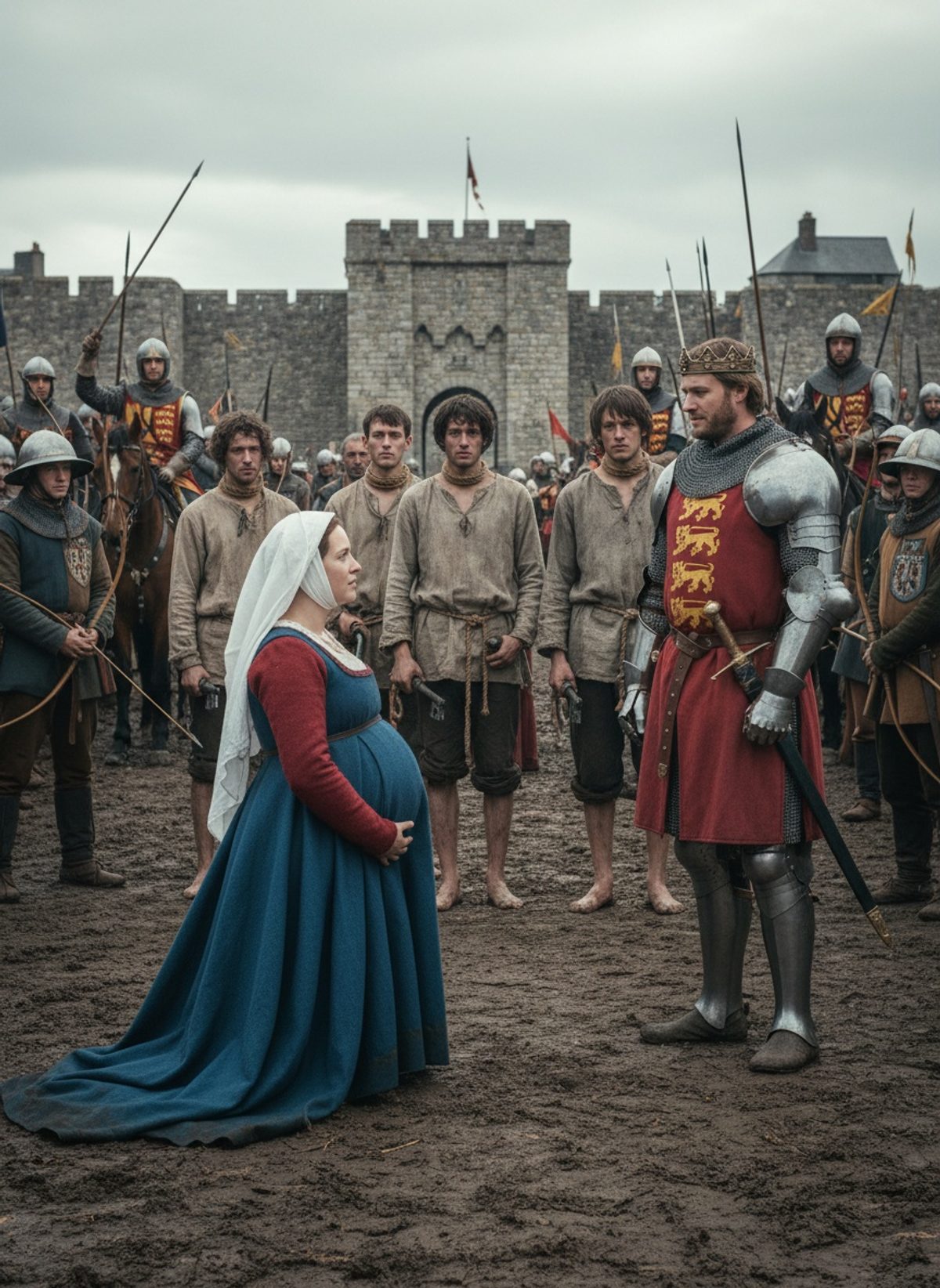
Mud clung to her gowns, heavy and cold, as Queen Philippa of Hainault knelt with a heart burdened by both her unborn child and the weight of six lives. The air was thick with the dampness of salted sea breezes mixing with the acrid smell of fear. Before her, six men stood hollow-eyed, ropes around their necks—a grim gift to her husband, King Edward III, the price of peace after the harrowing siege of Calais.
The Siege of Desperation
Calais, 1347. The port city clung desperately to survival beneath a relentless eleven-month siege by the English. What scant resources the beleaguered citizens had were long consumed. Horses, dogs, and finally rats vanished from the table, replaced by a grudging acceptance of looming death. Calais was a husk, its defenses sagging, yet its spirit stubbornly unbroken.
This was a brutal chapter in the still embryonic Hundred Years' War, a conflict that would reshape England and France alike. Edward III, a king driven by claims of both lineage and legacy, sought to expand his dominion through bold assertions of power. Calais, a strategic harbor overlooking the Channel, was key to his aspirations. But conquest without compromise demanded sacrifice.
The Grim Parade
On a day when the sun offered little warmth to the besieged French soil, six men emerged from the gates of Calais. They walked with somber resolve, each clad only in a shirt, their bare feet made slick by the mud underfoot. Ropes dangled ominously around their necks, signaling their fate should Edward’s demand remain unmet: six lives for the city’s salvation.
Read next: He Marched 80 Miles. He Did Not Let Them Fight.
The men, known as the burghers of Calais, embodied the city’s defiance transformed into submission. They were Eustache de Saint Pierre and his brethren, chosen not by rank or wealth, but because they volunteered when asked. Their march was silent, punctuated only by the sobs of those left behind, too weak with hunger to make any sound more than a whisper.
Edward, standing amidst his war-torn retinue, was unmoved by their courage, his heart hardened by months of siege warfare. Yet for the burghers, surrender meant not only a personal end but also a future for their families, a chance for Calais to breathe once more without fear of English swords at their throats.
The Queen's Plea
Then Philippa came forth. As queen consort, her influence was vast yet quietly wielded like a deft musician's bow. Historians would remember her for prudence and compassion, qualities sorely lacking amid the blood and bile of war.
Kneeling before the king, her voice was steady as the North Sea in a rare moment of calm. She pleaded for clemency, her pleas woven with an understanding of the deeper cost of war's cruelty. "These men have done nothing but to serve their city. Let mercy, not vengeance, mark this victory," she implored, each word a step deeper into the quagmire of royal politics.
Edward’s heart, a fortress as fortified as any bulwark, began to yield—his resolve softened not by strategy, but by love. By sight and sound of his queen, whose presence shone as clear as the jewel-adorned crown she carried so lightly yet so profoundly.
The Testament of Mercy
Against a backdrop of armored authority, Philippa's tangible humanity resonated. Edward, with regal reluctance, relented to his queen’s yearning for mercy. The ropes were removed from the burghers' necks, their lives spared by the unseen arsenal of grace Queen Philippa wielded with such quiet strength.
In this singular act, the tale of Calais overturned the inescapable churn of war’s brutality. It became not a story of conquest but of compassion etched in mud and mercy. Philippa’s kneeling thwarted an inevitable cycle of brutality, transforming the annals of history with her resolute plea.
Long after, when the stones of Calais returned to quiet contemplation beside their restless waters, the tale of the queen who knelt for six strangers lingered. It served as a muddy, poignant reminder that sometimes the weightiest armor is crafted of love and the sharpest weapon is not forged of iron, but of the tender grace of forgiveness. It remains a testament to the power we hold in our humanity, even in the direst of sieges and the muddiest of fields.