History rarely remembers the unsung heroes. Yet some leave an indelible mark against impossible odds.
The Saxon Shield: Aethelflaed's Iron Will
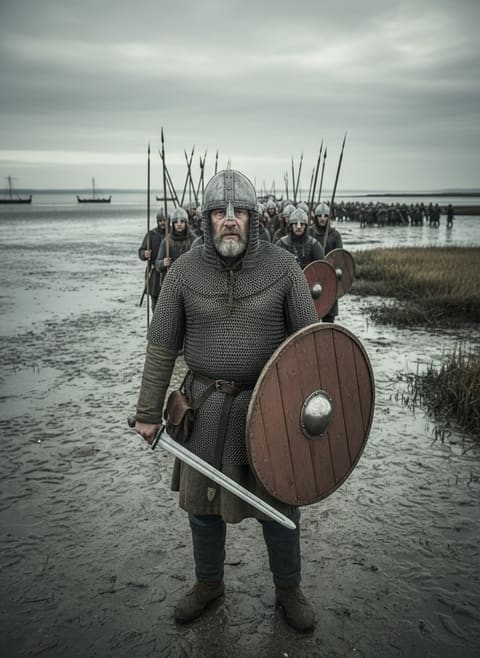
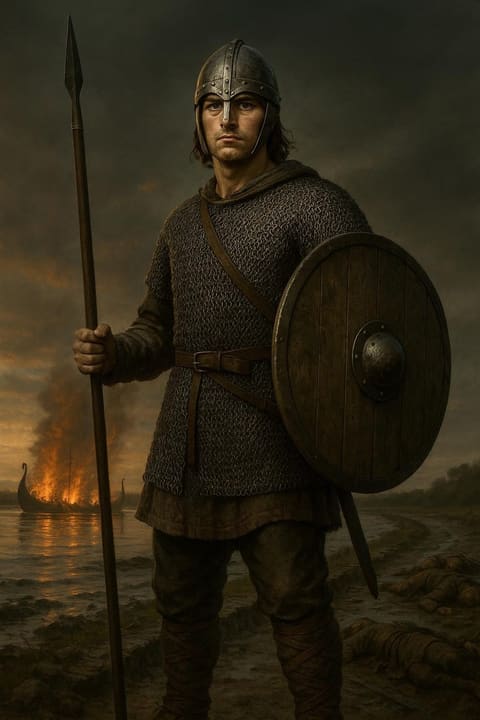
In 917 AD, the cold winds sweeping across the Severn estuary carried with them dramatic shadows—the raven sails of a Viking fleet. This fleet represented the relentless scourge of Norse ambition, seeking new shores to conquer and treasures to plunder. The Norsemen—seasoned warriors with a fearsome reputation—were accustomed to striking fear into the hearts of those they descended upon. What awaited them, however, was something quite unexpected.
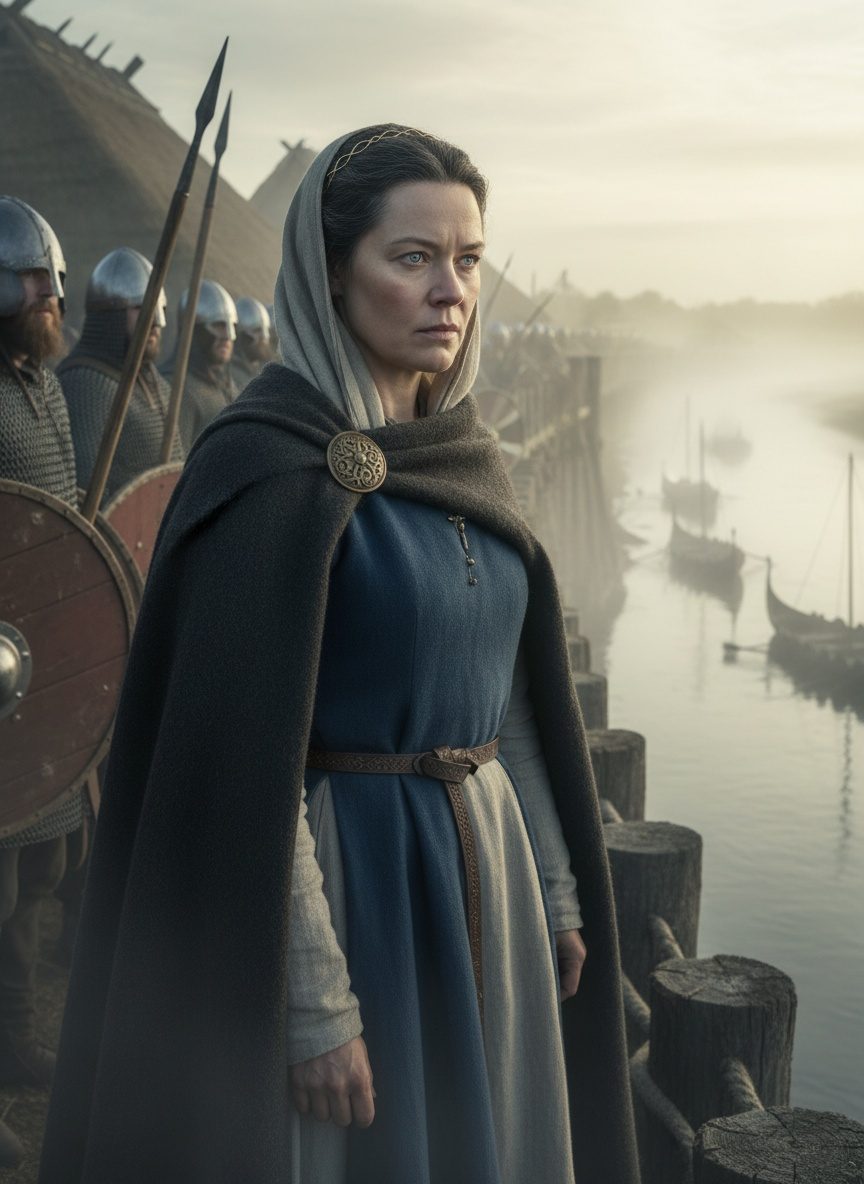
Their eyes turned toward the fortified burh ahead, a sturdy bastion facing the brackish tides. This burh was unique, not just because of its formidable walls or strategic position, but because it stood as a symbol of one woman's unwavering determination. Aethelflaed, Lady of the Mercians, the daughter of Alfred the Great, had spent a decade sowing the seeds of defiance. Her preparation was meticulous, borne from years of observing the ebb and flow of Viking incursions.
Described by chroniclers as possessing the steely resolve of steel, Aethelflaed had fortified key locations throughout her domain. Each burh was more than mere stone and timber; it was a sentry, a promise, a declaration that the land of the Saxons would not fall quietly. Yet this day was not to be another battle recorded in the annals of Viking victories. Instead, it was a testament to the extraordinary will of a woman who understood warfare as a weave of intrigue and resilience.
Read next: The Day a Saxon Abbess Stood Between a King and His Rage
The Spirited Stand: Negotiation and Nuance
With the men of the burh heavily outnumbered, conventional wisdom would have postponed any confrontation until reinforcements could arrive. The Lady of Mercia, however, saw a different path. Rather than send a messenger, she chose to ride to the wall herself, defiantly poised—undaunted by the sight of the encroaching longships. Her presence was a beacon of hope to her men, a bold retort to the growl of Viking confidence.
The Vikings, dismantled from their expectations, stood hesitant. Where they believed they would find exposed vulnerability, they found walls of unyielding resolve. The presence of Aethelflaed, calm and assured, reframed the narrative before any blood could be spilt. Reports of this encounter suggest her reputation alone suffused the air with a tangible tension, causing the Viking leaders to reassess the risks of conflict where few advantages seemed evident.
This battle of wills reflected the acute strategic insight that Aethelflaed wielded more readily than the sword alone. She understood the power of psychological warfare, how to turn perception to her advantage, and how to leverage her own storied narrative to fend off those who doubted her authority. It was not the first time a woman had stood against an invading force, but rarely had one done so with such public defiance and success.
Read next: The Day a Small Island's Language Conquered the World
An Echo in Time: Lessons from Aethelflaed
Faced with this display of Saxon unity and the formidable defenses of the burh, the Viking fleet chose pragmatism over valor and turned back. Aethelflaed’s defiance and strategic foresight had crafted a compelling story—one where victory did not originate from the clash of arms but from preemptive action and commanding presence. Her legacy, however, reached far beyond that day on the Severn.
Her efforts throughout Mercia had fortified the lands against external threats, contributing substantially to what would become a politically unified England. The burhs she constructed and garrisoned formed a network of resilience that safeguarded the region long after her passing. Aethelflaed excelled in her role as a leader committed to her people’s welfare, astutely balancing the art of diplomacy with the necessity of military readiness.
Aethelflaed's story, neglected by many mainstream historical accounts, reveals the nuanced complexities of leadership during tumultuous times. It reminds us that the power to change history often lies not in the relentless march of armies, but in the quiet defiance of those who dare to stand firm. Today, her legacy whispers from the pages of history, reminding us that sometimes the strongest warriors do not wield swords. Instead, they wield something far more enduring—the courage to face what lies ahead and the wisdom to build what endures after.