In the shadows of Northumbria, a princess stood before a choice: a life of power or the path of healing. She chose the latter, embarking on a journey that would redefine her legacy and leave an indelible mark on English history. This is the untold story of Æbbe of Coldingham — a woman who exchanged a crown for cures and became England's first woman of medicine.
The Unexpected Path of Æbbe: From Princess to Healer
In the austere sanctuaries of seventh-century Northumbria, where the shadow of pagan deities still lingered, a princess was born into the mighty line of Æthelfrith. But Æbbe, daughter of King Æthelfrith and sister to the famed Hild of Whitby, was unlike her royal peers. Raised in the bustling court of Northumbria, Æbbe grew up with a mind as sharp as the swords her father wielded in battle. However, Æbbe's heart did not yearn for worldly power or territorial expansion.
Born in 615 AD, a time when Europe was emerging from the chaos of collapsing empires, Æbbe looked inwards, toward the undercurrents that shaped her world. Courtesy of her upbringing, Æbbe was exposed to the erudition of early Christianity under King Oswiu, her brother, who ruled one of the most powerful kingdoms of England. With Hild as her cousin, who would establish the influential Whitby Abbey, Æbbe found herself at the nexus of spiritual and temporal influences that stirred within her an indistinct sense of purpose.
The Sacred Woods of Coldingham: Birthplace of Healing
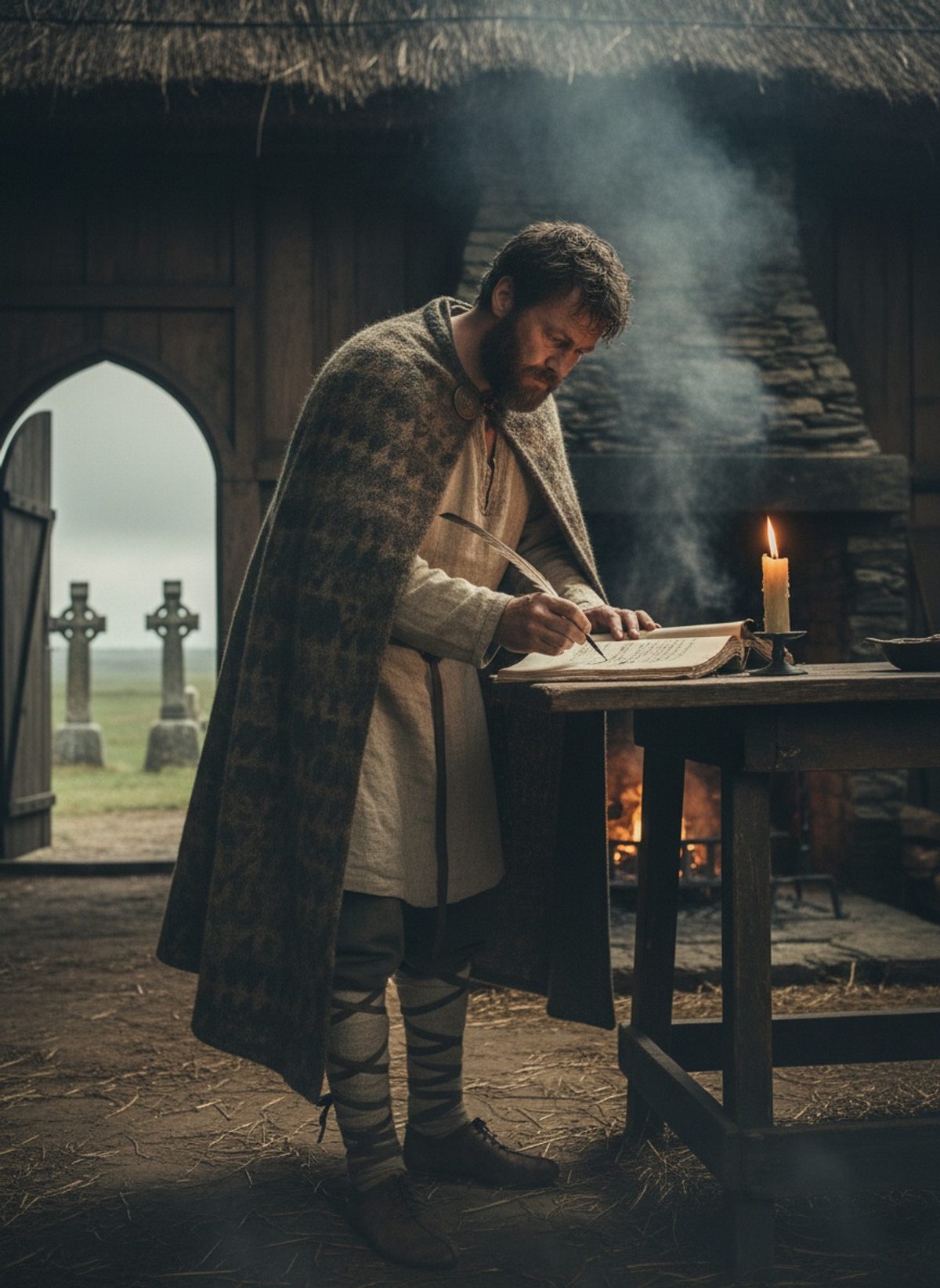
In 657 AD, Æbbe took a monumental step when she founded Coldingham Priory on the wind-swept cliffs overlooking the North Sea. Nestled within the thunderous embrace of the waves, Coldingham became a sanctuary not just for souls seeking salvation, but for bodies yearning for healing. The priory, built of timber and thatched roofs, exuded an aura of rustic piety. However, it was here that Æbbe began to reveal her most extraordinary talents.
Read next: The Day a Saxon Abbot Walked Into a Slave Market Alone
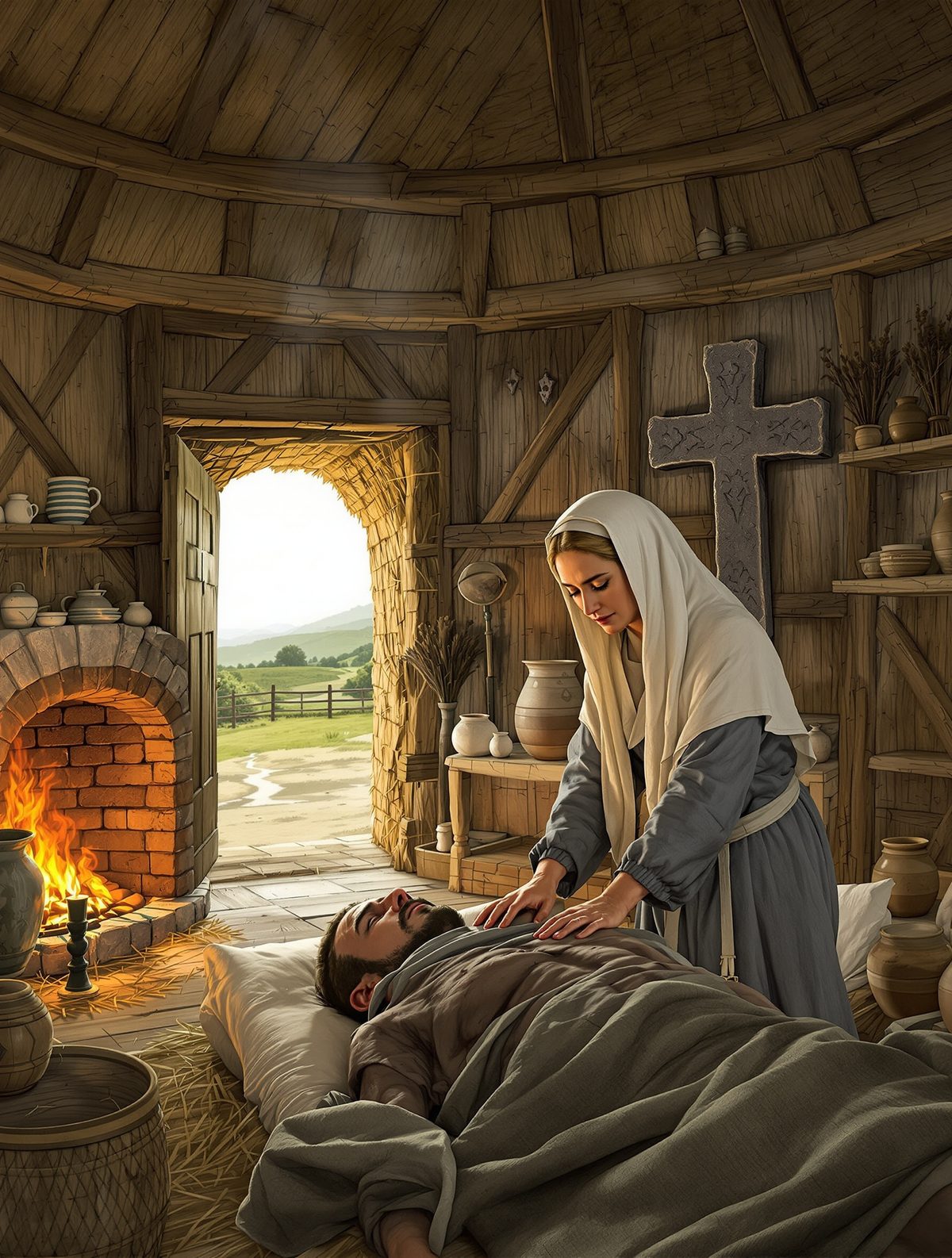
Her priory’s chapel, a candle-lit crucible of faith, was where Æbbe devoted her life to the art of healing — an unexpected pursuit that set her apart from other ecclesiastical figures. She became known not just as an abbess but as a healer, tending to the sick with remedies that integrated herbal traditions with newfound Christian practices. Her approach was revolutionary, blending practical remedies from native Anglo-Saxon knowledge with the spiritual solace offered by the Church.
Secrets of the Anglo-Saxon Apothecary
Rumors of Æbbe's techniques spread, whispered through corridors and across fields. The sick and dying trekked through the dense woodlands and treacherous passages of Northumbria to reach Coldingham, allured by her reputation as a miraculous healer. Her sterile chambers buzzed with the fragrance of medicinal herbs she nurtured personally. Henbane to ease fevers, feverfew for headaches, and yarrow for wounds formed just a part of her natural repertoire.
Æbbe’s knowledge was unparalleled, rumored to have been supported by secret scrolls brought from afar — catalogues of ailments and prescriptions penned by nameless learned monks. But her expertise was not merely scientific; it was a blend of faith and medicine. Her healing was as much about the spirit as the body, the weary travelers finding solace in both her potions and her prayers.
An Influence that Transcended Borders
While Æbbe's healing drew in the sick from every corner of Britain, her influence transcended national borders. Her life intersected with figures like St. Cuthbert and Wilfrid of York, some of the most revered ecclesiastics of her time. These friendships meant that her practices spread, wafting like incense through the ecclesiastical circles of England and beyond.
Her priory became an enclave of scholarship where future generations of healers were trained, and her legacy as a pioneer in medicine would ripple outwards. Over the passing centuries, whispers of Æbbe’s skill endured, echoed in the medical scribes who followed and built upon her foundations.
Legacy of a Pioneering Healer: Lessons for Today
Æbbe of Coldingham's story, steeped in legends as heady as the East Coast mists, is more than a footnote of Anglo-Saxon heritage. It is a testament to the ability of individuals to transcend their circumstances and leave a lasting impact on the world. Her story challenges us to think about the role of women in history and the powerful legacy of those who work outside conventional pathways.
In an age of sensationalism and rapid change, Æbbe's journey speaks to the forgotten virtues of compassion and selfless dedication. Her commitment to healing serves as a powerful reminder that true influence lies not in title or appearance, but in the lives touched by quiet, enduring service. As we look back over the centuries, in the fading light of Coldingham’s ruins, we can see the enduring flame of Æbbe's pioneering spirit.