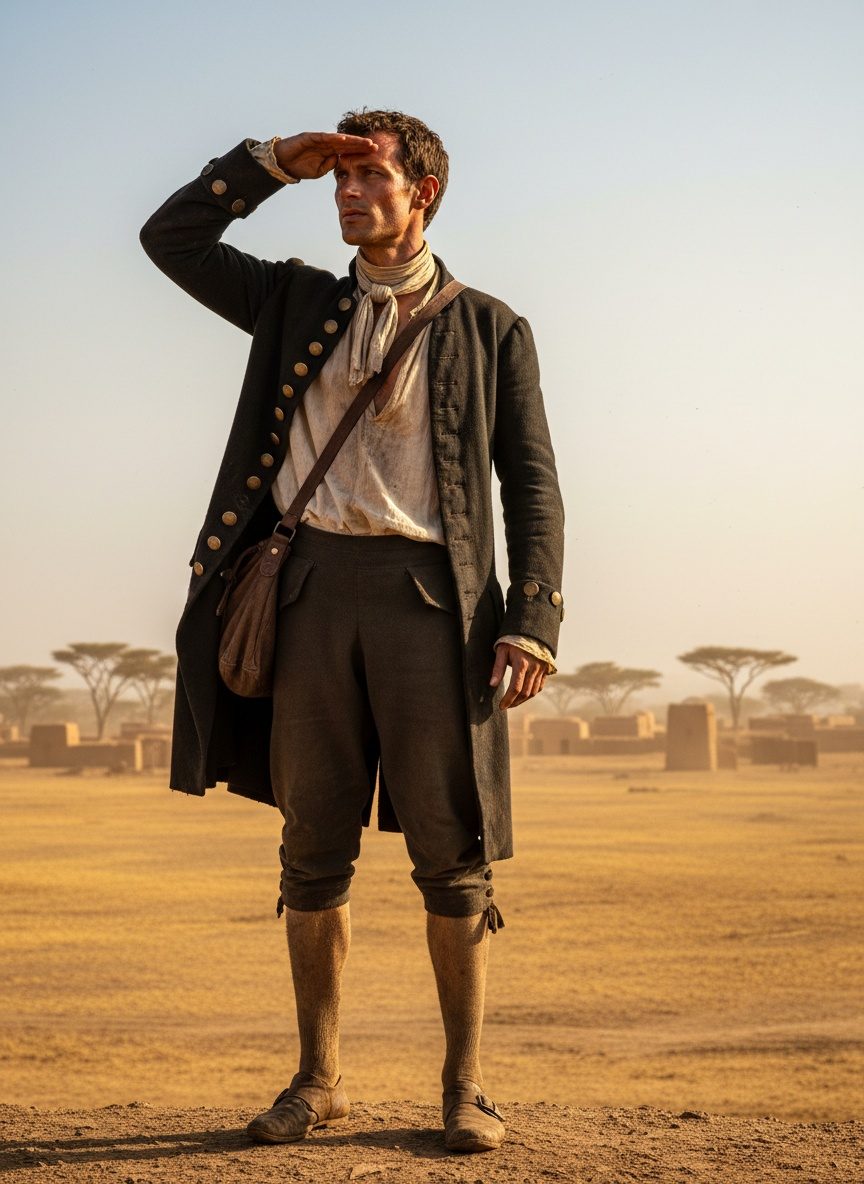
July 20, 1795. The oppressive heat of the Saharan sun bore down relentlessly.
The Reckless Quest of Mungo Park
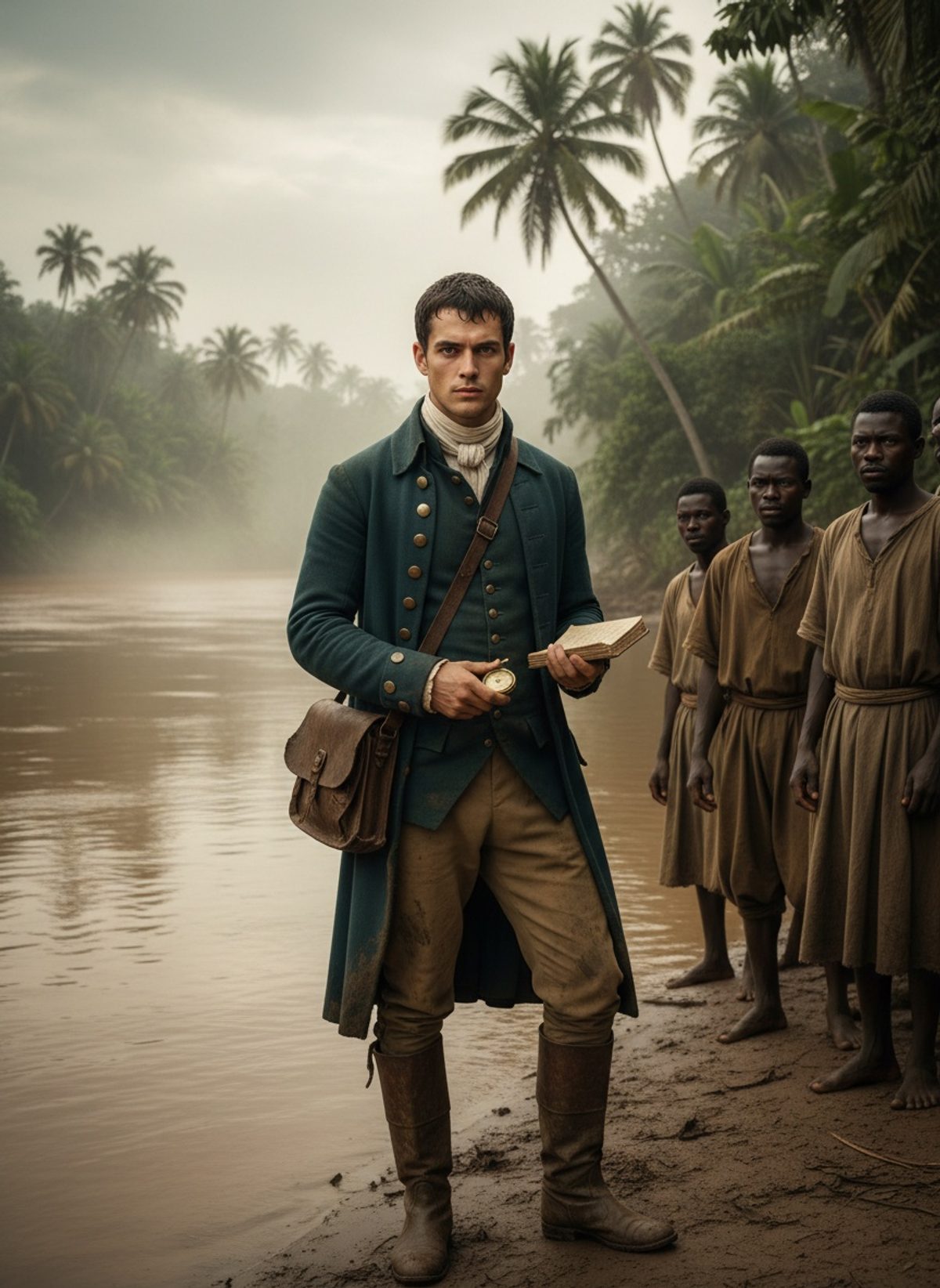
The year was 1795 when a bold, young Scottish doctor named Mungo Park embarked on an expedition that many considered reckless, if not foolish. His mission was to uncover the secret of the Niger River, a quest that had tantalized European explorers and mapmakers for decades yet left them at the mercy of Africa’s enigmatic landscape. Leaving behind the comfort of his homeland, Park ventured into the heart of West Africa, armed with little more than his medical knowledge and an unyielding curiosity.
Back home, the bustling Georgian streets of Scotland seemed a world away from the vast, uncharted territories that lay before him. In an era where exploration meant gambling one’s life on the unknown, the stakes were exceptionally high. Renowned explorers before him had perished or vanished without a trace in the sweltering interiors of Africa. This, however, did not deter Mungo Park, whose resolve was buoyed by a fervent desire to contribute to the geographical knowledge of his time and map the elusive course of the Niger River.
Survival Against All Odds
Upon entering the African continent, Park's journey quickly became a test of human endurance and spirit. The challenges were immediate and sundry: days under the relentless glare of the sun, nights haunted by the cries of unseen creatures, and the constant threat of disease. As Park traversed the parched lands and dense forests, his situation deteriorated. He faced increasing hostility from suspicious locals, who were unaccustomed to the sight of a lone European clad in the attire of a Scottish physician.
Read next: The Day a Scots Surgeon Walked Into Timbuktu Alone
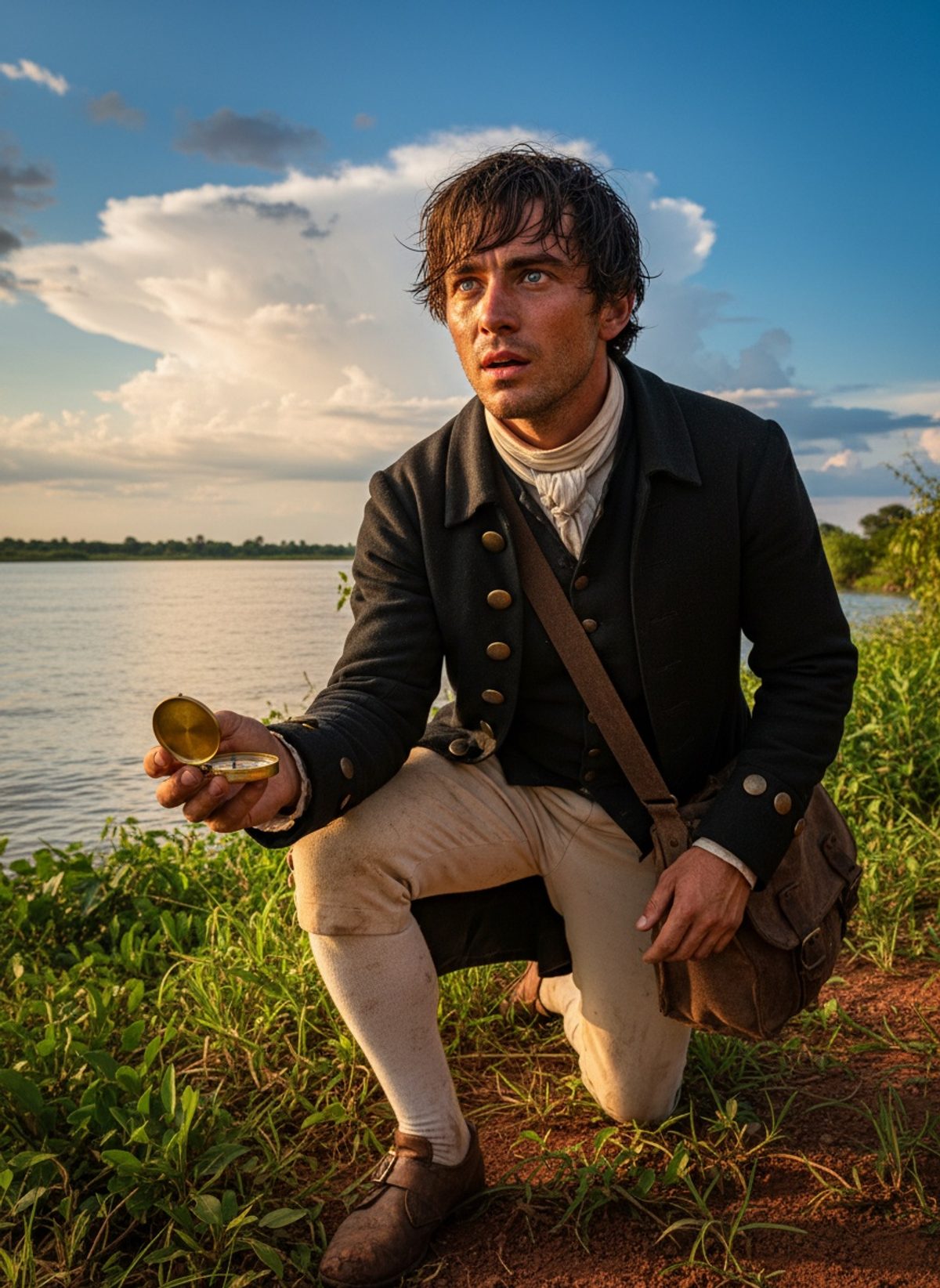
His difficulties escalated when he was captured by a local Moorish shepherd and imprisoned, held on the suspicion of being a spy. Stripped of his possessions and left to starve, Park's resolve was tested to its very core. With nothing but his sheer will to survive, he managed to escape, marking a turning point in his journey. His only possessions were the clothes on his back and a small pocket compass.
Reduced to this pitiable state, Park documented his journey with enduring optimism. In one such entry, he scribbled, "I shall ever remember this eventful period of my life with gratitude... for thankfulness to my Almighty Protector." His resilience became the stuff of legends, a testament to human tenacity amid the most unforgiving circumstances.
Arrival in Timbuktu
Against all odds, the Scottish doctor pressed on after his miraculous escape. With nothing but an ironclad determination, he managed to navigate through the complex and often perilous web of cultural and environmental challenges. Sustained by the kindness of strangers, generosity from some local communities, and an unyielding hope, he pushed beyond the limits of physical and mental endurance.
Park's arduous journey finally led him to the legendary city of Timbuktu, a place many Europeans had only heard of in tales. His arrival in the city marked him as one of the few Europeans to penetrate this untamed land and live to recount the experience. To the people in Timbuktu, he appeared as something of an enigma, a gaunt figure emerging from the inhospitable wilderness, armed only with tales of distant lands and vast oceans.
His survival and arrival were a testament to the unremitting spirit of exploration that defined the Georgian era. Timbuktu, a center of trade and scholarship, represented not only a geographical destination but a cultural revelation for the Scottish doctor, enthralled by the sights and the vibrancy of life there.
The Indelible Legacy of Exploration
Mungo Park's journey, though fraught with trials, yielded significant geographical insights. His tireless efforts contributed immensely to the understanding of the Niger River's course and the geography of West Africa. The journey also sheds light on the countless silent encounters between different cultures and the shared human experiences that transcend borders.
Park emerged from Africa not only as a celebrated explorer but as a symbol of humankind's insatiable quest for knowledge and connection. His detailed accounts of the journey captivated audiences back in Europe, sparking imagination and further expeditions inspired by the trails he blazed. His story, one of perseverance in the face of overwhelming adversity, challenges us to reflect on the sacrifices and unyielding curiosity that shaped the age of exploration.
In the grand tapestry of history, Park’s adventure to Timbuktu paints a poignant illustration of exploration's transformative power—how one man's resilience and thirst for discovery could bridge worlds and etch his name indelibly into the annals of exploration history.