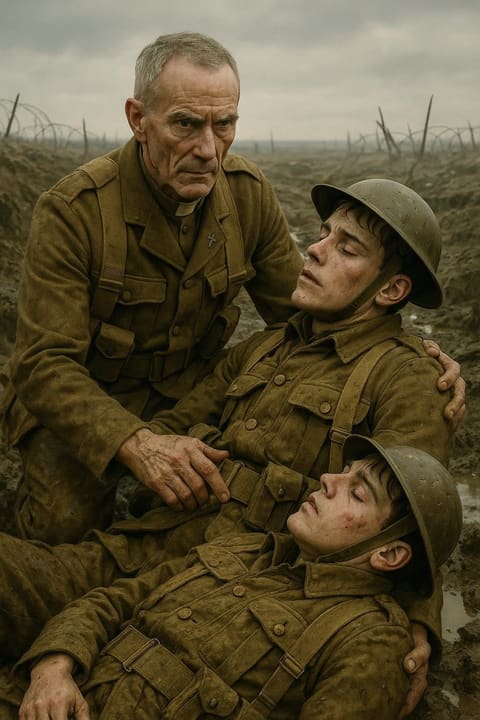
Every trench had its stories. The remarkable ones kept soldiers going, but they rarely made it home to the history books.
Amid the multitudes of horror and heroism during World War One, the mere whisper of one name — Daniel Laidlaw — can evoke the stirring tale of an unlikely act of bravery that resonated far beyond the battlefield. It was September 25, 1915, during one of the war’s most grueling engagements: the Battle of Loos. The 7th Battalion, King’s Own Scottish Borderers (KOSB), prepared to advance on German positions, waiting anxiously in cramped, muddy trenches. The air was thick with anticipation, and more unforgivingly, with the remnants of chlorine gas clinging to No Man’s Land, a byproduct of the brutal new warfare unleashed by the German army just hours earlier.
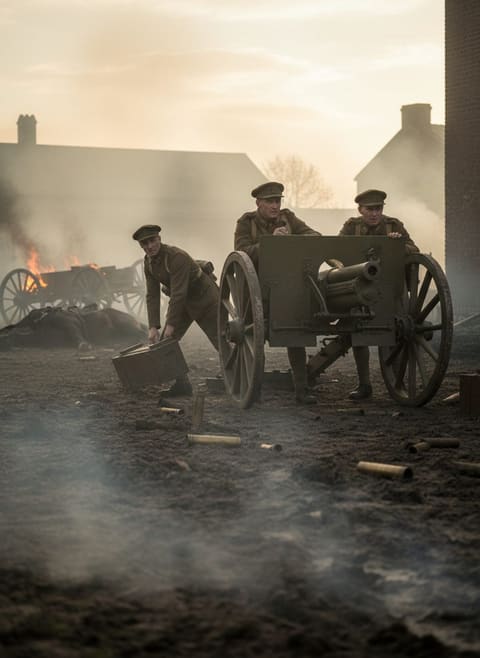
The Battle of Loos was part of a wider Allied offensive aiming to break through German defenses based in Northern France. Preceded by a massive artillery bombardment, the smoke and gas would ideally mask the British advance. However, this early use of chemical warfare was notoriously unreliable, sometimes blowing back towards the attackers themselves. In the confusion and fear wrought by the gas’s greenish clouds, the order to advance was met with hesitant glances and trepidation among the ranks of the 7th KOSB.
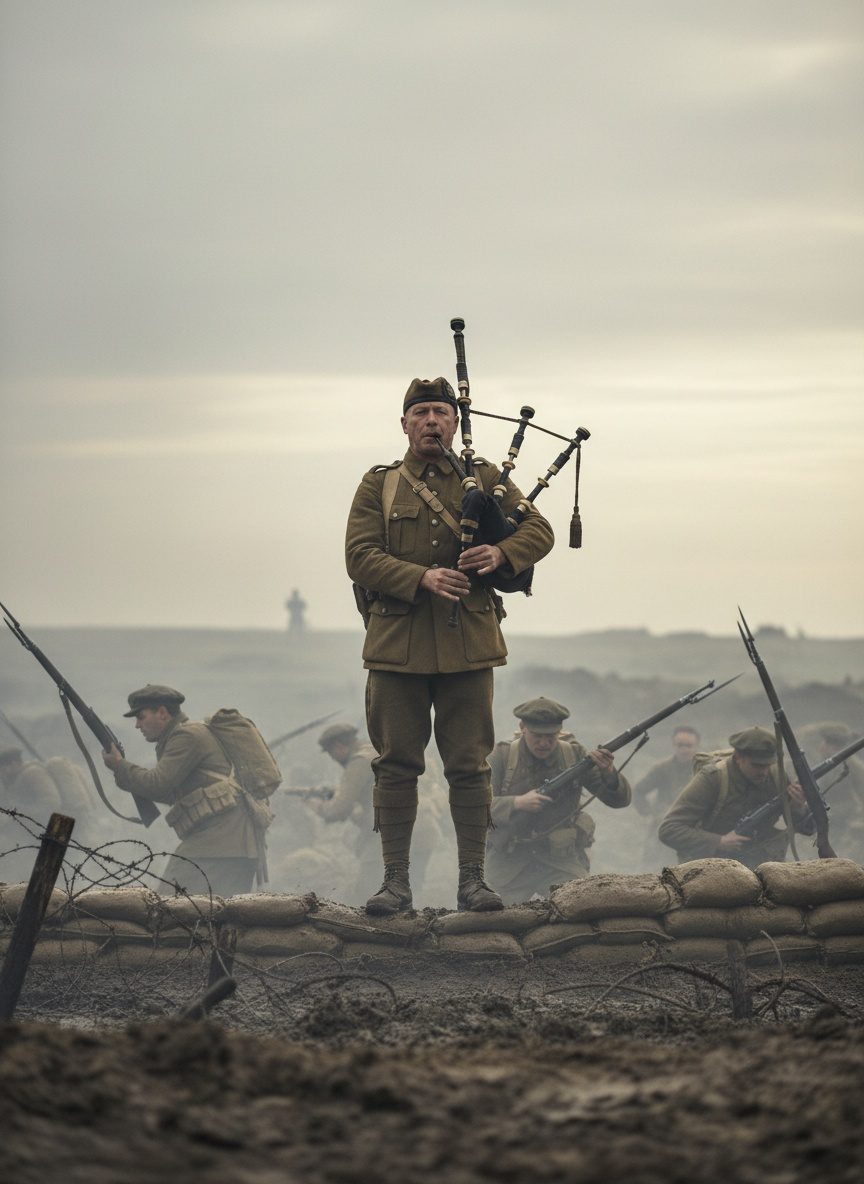
Enter Piper Daniel Laidlaw, then in his thirties, a man whose seemingly ordinary role was about to become legendary. As whistles blew an order to advance, and amid the faltering steps of soldiers struggling to rise from the safety of their trenches, Laidlaw acted. He slung his rifle over his shoulder, gripped his bagpipes tightly, and began to climb the trench parapet. This was an audacious move. To expose oneself above the safety of the trench meant inviting death as German machine-gunners lay in wait. Yet Laidlaw stood erect, a lone figure on the wet soil, and began to play.
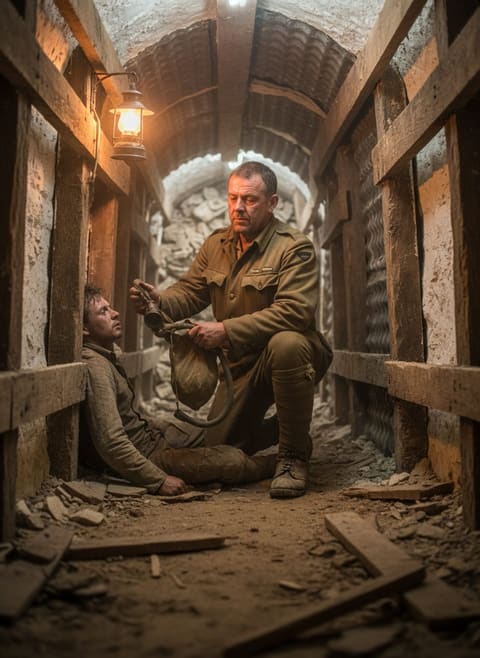
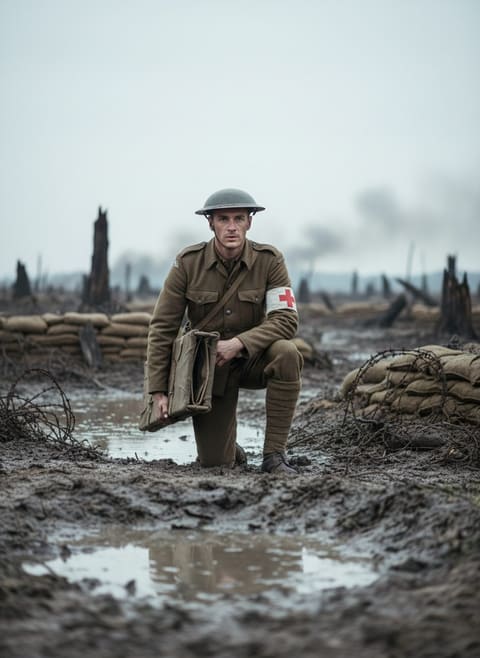
Read next: The Day a British Stretcher-Bearer Refused an Order to Save Lives
The skirl of Scotland’s battle music pierced the autumn air, a high, unyielding sound that instantly captured the attention of the men below. There was power in that melody, the thick hum of “Blue Bonnets Over The Border” cutting through fear as potently as the steel of any weapon. Laidlaw's steadfast presence, silhouetted against the smoky grey sky, struck a defiant note of courage. As the first strains rolled over the men, hearts that had been heavy with dread found new strength. It seemed as though Laidlaw’s playing wove a spell, one that revived their resolve and bolstered their spirits.
The bravery of one man compelled another, then another, until the entire company, their hesitation put behind, followed him ‘over the top’. Under relentless fire, the surge forward commenced. The piercing voice of the bagpipes was unfaltering, a beacon that guided his comrades not just through the treacherous physical landscape of No Man’s Land but over the mental barricades that threatened to overwhelm them.
Laidlaw’s remarkable act of valor did not go unnoticed. His commanding officer, overwhelmed by this singular moment, recommended him for the Victoria Cross — the highest military decoration awarded for valor "in the face of the enemy" to members of the armed forces of various Commonwealth countries, and previously, of the British Empire. His citation noted the extraordinary initiative that changed the course of that ominous day, but it was more than just a commendation of bravery. It was a nod to the indomitable spirit that music and tradition could inspire even amid the undeclared chaos of war.
It is important to contextualize the music of bagpipes in Scottish military tradition. For centuries, pipes have been an integral component of Highland Regiments, a sonic symbol of identity and pride. The sound alone could bolster morale and fortify the kinship among soldiers who hailed from Scotland's breathtaking yet often harsh landscapes. It signified unity and heritage, echoing the ancestral warrior spirit within each soldier, drawing a sacred thread from past to present. The resonance was both symbolic and literal — directing movements, signaling officers, and stirring the emotions of those weary men in the trenches with an elemental call that transcended words.
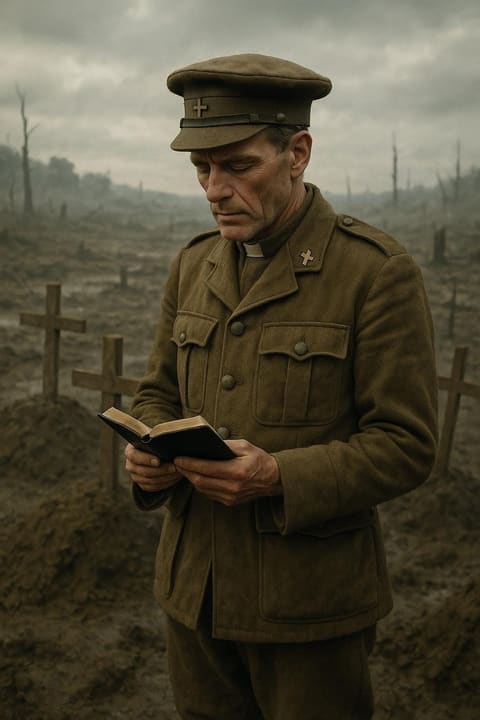
Read next: The Day a Army Chaplain Gave His Coat to a Dying Stranger
There’s a moment when history's shadows loom larger than any statue or plaque can convey, and Daniel Laidlaw’s courageous stand at Loos is one of those rare and poignant tales left enshrined largely through oral tradition and the memories of those who survive. His fallible, human act of transcendence was an embodiment of the courage that could surge forth unexpectedly in a time of dire need. It refreshingly illustrated how individuals could still inspire profound change amidst the mechanized grind of modern warfare.
In modern remembrance, as we recount the stories that slip through the cracks of grander narratives dominated by generals and strategies, Laidlaw’s story has retained its core of raw, unwavering bravery. To this day, his legacy reminds us of the power of singular acts to inspire others to overcome considerable odds. Laidlaw's choice to lead his fellow soldiers not with commands but with music stands testament to the diverse and potent ways leadership and courage can manifest.
The story of Piper Daniel Laidlaw tunes us back to an era where human spirit and melody wielded power that machinery and tactics alone could not replicate. His personal courage during the battle resonates still, honoring the human element that can define moments and movements far beyond the commotion of their making. His story underscores an eternal truth — that in the cries of battle, the most enduring sound is the heart’s melody, unyielded even by the clang of iron and thunder. It is a timeless reminder of the resilience and bravery that lie at the heart of human endurance and the profound impact of a single inspiring act amid unspeakable fear.