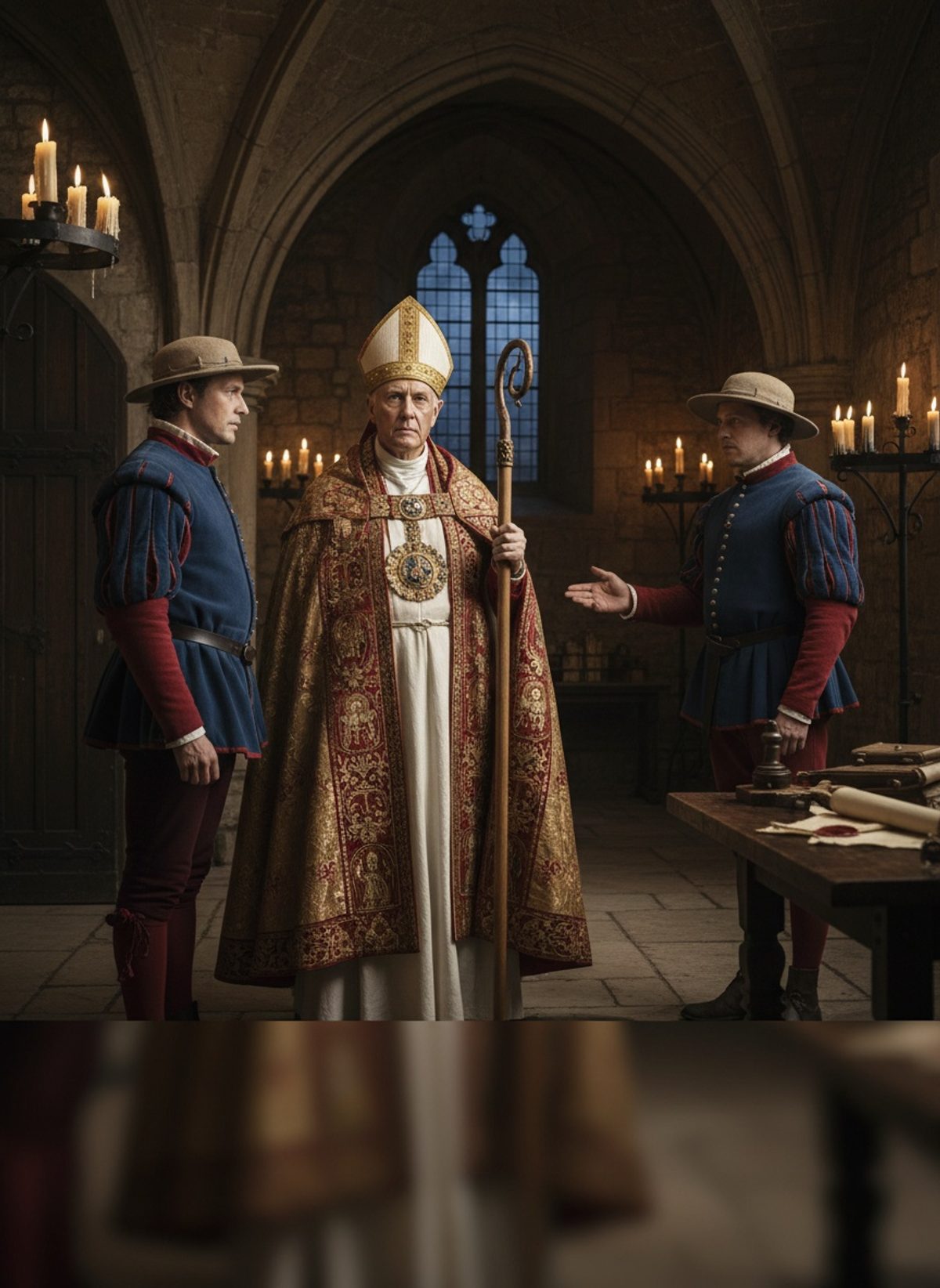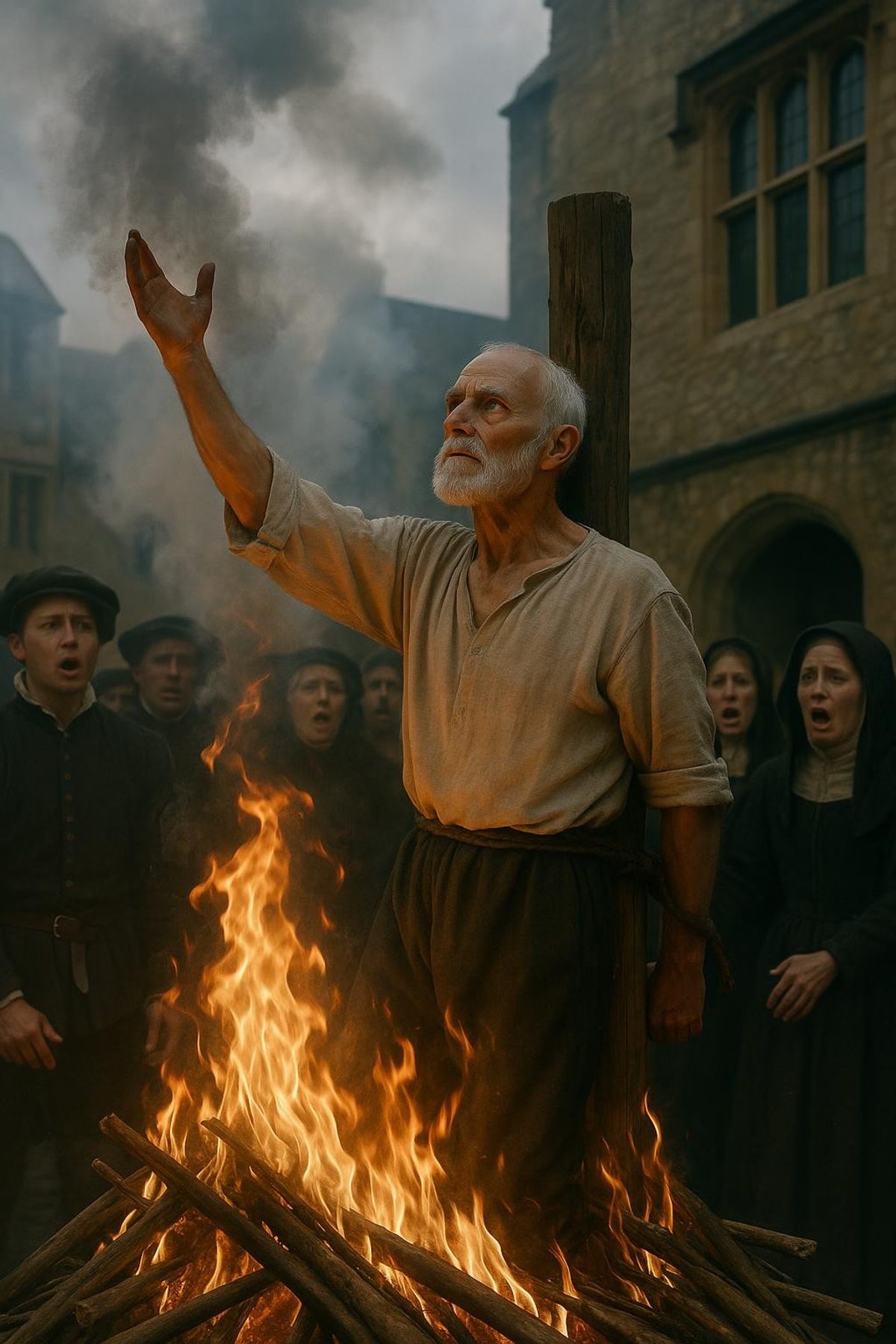
Thomas Cranmer had finally procured his salvation. In a world where survival meant compromise, he chose the flames instead.
Oxford in March 1556 was not what one would call a forgiving place, least of all for the former Archbishop of Canterbury, a man who had ascended to the zenith of ecclesiastical power under Henry VIII. Many remember Thomas Cranmer as the architect of the English Reformation, the man who helped Henry break from Rome, the mind behind the Book of Common Prayer. Yet few focus on the last days of his life, a fraught saga of doubt, faith, and ultimately, redemption in its most harrowing form.
The reign of Mary I, blisteringly Catholic in its zeal, had Cranmer in its sights. Having gleefully dismantled papal authority in England, he became a key figure for Protestant reform. But Mary's accession in 1553 signaled peril. Already, her burnings of prominent Protestants had commenced—a spectacle of smoke and martyrdom. Cranmer was intended to be another notch in this grim tally.
Historians frequently debate Cranmer's character—a vacillating man, some claim. Yet on that day in March, he was steadfast. After a trial as torturous as any medieval inquisition, Cranmer, aged and weary, surrendered his Protestant confessions under pressure. He renounced his beliefs. Victory, it seemed, for the Marian regime. Cranmer had recanted, and the merciless flames awaited another.
Read next: The Day a Tudor Printer Chose the Flames Over a Lie
However, beneath the seemingly broken exterior lay an intricate knot of conviction and penitence. Imagine Cranmer, a man once potent and proud, haunted by his betrayal in the cloistered chambers of Oxford's Bocardo Prison. It was a place rank with despair but also pregnant with contemplation. Here, he made a fateful decision.
On the 21st of March, a procession escorted him from the cell to the University Church of St Mary the Virgin, where he was to publicly announce his recantation. It would be a show of penance and humiliation, a hallmark of Mary’s reign. Yet this public submission started to crack even before it fully commenced.
Before the expectant crowd, he defied expectations. Rather than meekly deliver the words he was expected to, he stunned those gathered by declaring his steadfast faith in the Protestant beliefs he was to abandon. The crowd, a convulsive entity of anticipation, gasped at his declaration. Here was high drama, a twist worthy of tragedy and yet profoundly real. For Cranmer, though, this was no performance for others; this was a reckoning with himself.
The journey to the stake in Broad Street was both short and infinite, a few paltry paces weighed down by the eternity of what they meant. The choice unfurling before him was as clear as the blue sky above: life with a renewed recant or a death that would make his name among revered Protestant martyrs. Surprising even his staunchest supporters, he had opted for the stake. Reality crystallized in the moment he reached the pile of wood prepared for him.
Witnesses spoke of a deliberateness as he approached the flames, an otherworldly calm that belied the torrents of fire awaiting. When the smoke began to curl skyward, flicked by flames that lapped hungrily at the tinder nest, Cranmer extended his right hand into the inferno. "This hand hath offended," he exclaimed. The sight was both harrowing and mesmeric, the hand that had inked his recantations now his own offering to the gods of faith and truth. He held it there, unmoving, while those around recoiled at the scent of burning flesh.
In that act, Cranmer’s choice was not merely one of death over life; it was a grave confession. He was confessing the greatest betrayal of all—the betrayal of himself. This powerful admission spoke volumes, louder than any words of recantation ever could. It was a gesture severe in its simplicity, capable of resonating through the ages.
Cranmer’s immolation was swift, yet the echoes of it have lingered throughout history. His decision was one of moral complexity—far from simple rebellion, but rather a profound commentary on the human spirit's battle between fallibility and redemption.
By embracing the flames, Cranmer left an embers mark on England’s religious landscape. His martyrdom was not the mere extinguishing of a life; rather, it was an indelible statement, a resounding echo of principle over pragmatism. In his fiery conclusion, Cranmer taught posterity the weighty price of conscience—a price that he paid with finality, offering enlightenment to generations yet to come.