All Henry VIII wanted was a single word. Silence was Thomas More's defiant rebuke.
The King's Radical Reformation
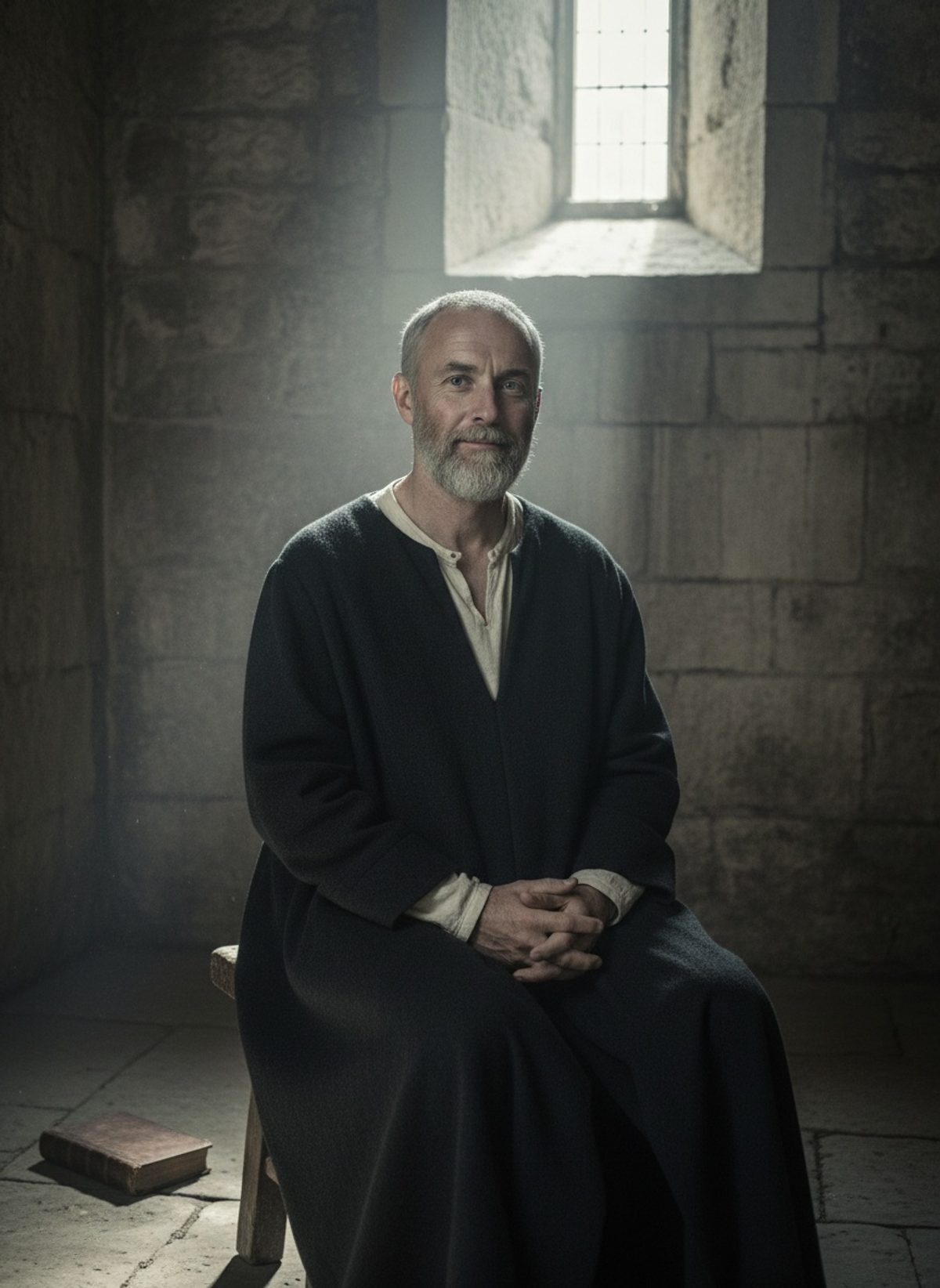
In 1535, the quills of Tudor England scratched feverishly across parchment as the kingdom reeled from King Henry VIII's seismic religious shift. An estranged Catholic monarch, Henry had cast aside not only a Pope but also a marriage, severing his ties with Rome to birth the Church of England. This audacious move rippled through the corridors of power, demanded allegiance, and reshaped a nation's faith. Yet, amid this frenetic scramble for royal favor, one formidable figure stood apart: Sir Thomas More, the King’s former Lord Chancellor. In the cold stone belly of the Tower of London, More sat silent, unmoved by royal edicts and undeterred by looming specters of execution.
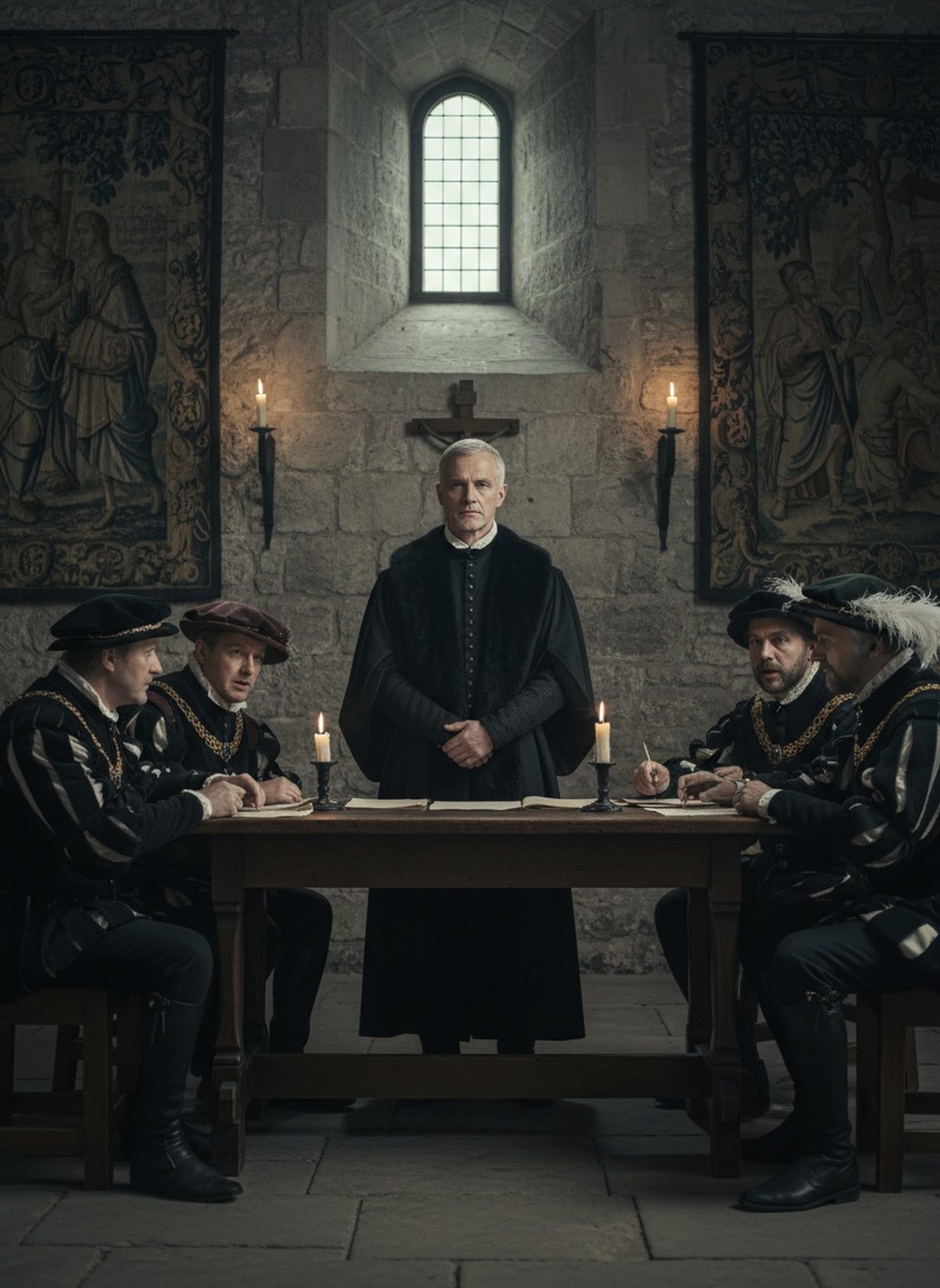
Henry's reformation, though rooted in personal grounds—his quest for a male heir—unleashed an ideological storm. The Act of Supremacy in 1534 had declared Henry as the Supreme Head of the Church of England, a title he wore with the swagger of a monarch unbound. Nobles, clergy, and commoners alike scrambled to bend their knee in loyal affirmation, but More's silence was a resonating thunderclap in its defiance. His refusal to publicly endorse the king's marital and ecclesiastical revolutions was not just a personal rebuke; it was a tectonic threat to the authority Henry sought to consolidate.
The Prisoner's Stand
More's incarceration in the Tower was a grimly vivid tableau of Tudor justice. Among cold stone walls and iron bars, More grappled with a moral quandary that went beyond mortal fears. History often casts More as a tragic martyr, yet there was a shrewd legal mind at work behind those prison walls. In fact, he never once directly criticized the king's actions. Instead, his elegant silence was his shield, a judicial dance around the words that might condemn him. Silence itself was a legal defense, a refusal to provide the affirmation required to incriminate.
Read next: The Day a Tudor Playwright Defied a Queen's Censor
The six weeks he toiled over his decision in the Tower were marked by a clarity and resolve that baffled his captors. More's faith was his fortress, one that seemed invulnerable to the temptations and threats laid before him. “The King's good servant, but God's first,” he famously quipped. It was a statement of principle over practicality in a time when aligning with Henry's vision of England was seen as both prudent and unavoidable. Yet for More, there was a profound distinction between lawful duty and moral betrayal, one he would rather die than cross.
The Scaffold's Smile
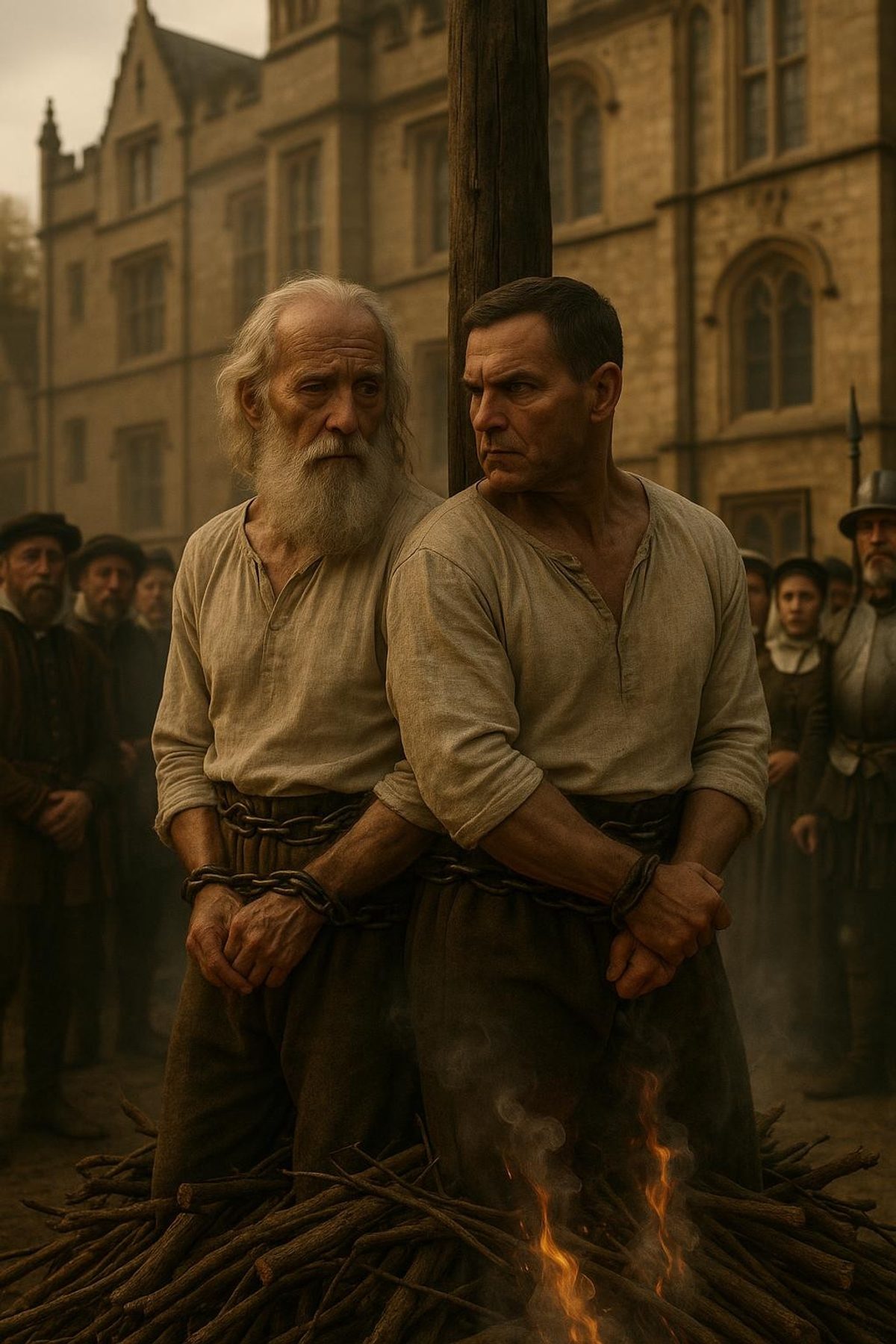
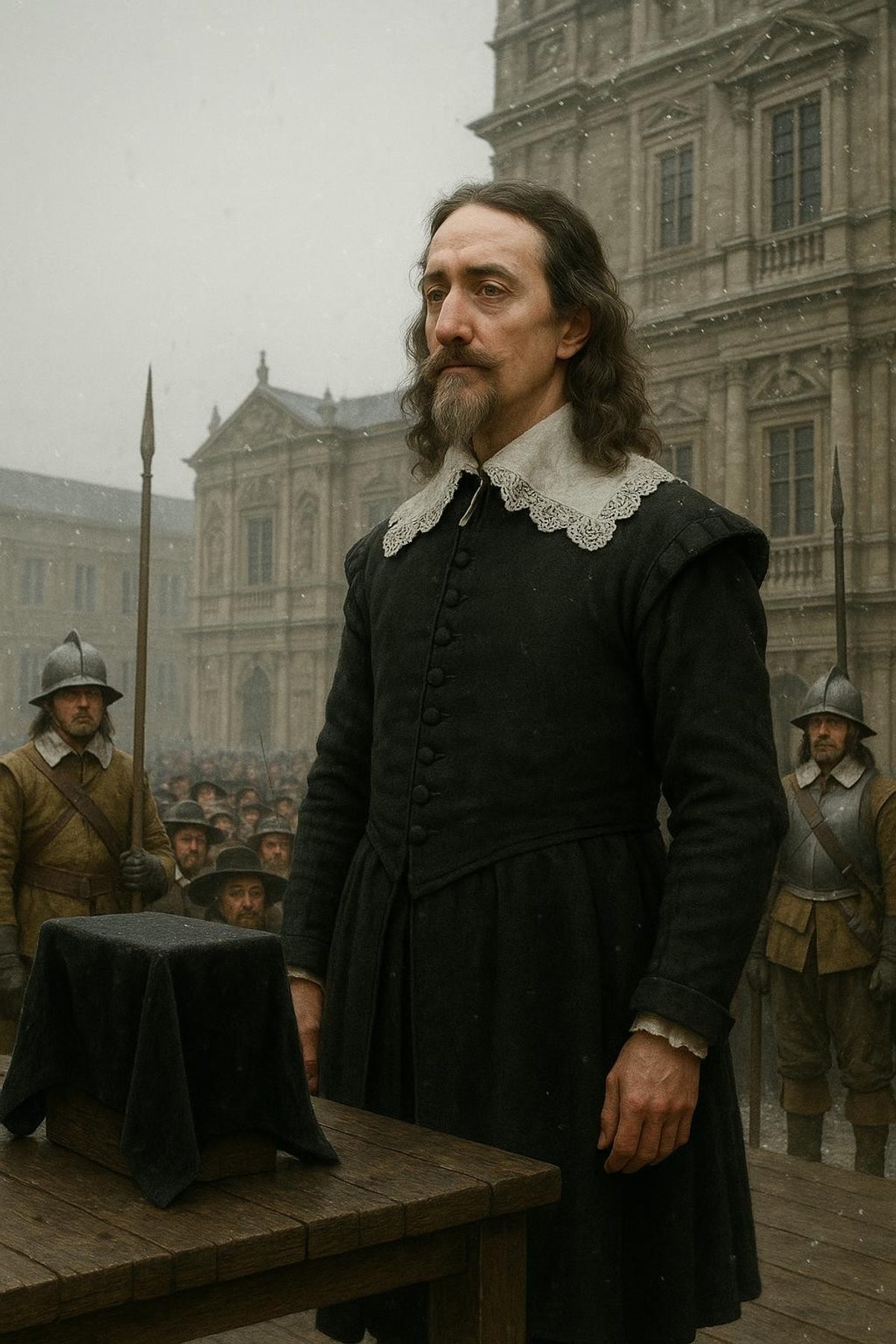
On a grey July day, the traitor's path ended on Tower Hill. For many, the scaffold was a place of regret or despair, but More approached it with a serenity that unsettled his executioners. His last words were devoid of the customary pleas for pardon; instead, he jested with the axeman and assured the gathered crowd of his firm conscience. With unfaltering resolve, he knelt and smiled as the blade descended, an image designed not for the audience that day, but for the judgment of history.
European courts stood in shock at the beheading of one of Christendom’s finest minds. More had been both a contemplative scholar and a towering statesman, intertwined with the very fabric of Tudor polity. His execution sent ripples through the diplomatic circles, shaking diplomatic alliances, and casting a spotlight on Henry's ruthless consolidation of divine power within his grasp.
Repercussions and Remembrance
In the years following More's execution, his story became emblematic of faith confronted by tyranny. Continental observers questioned the nature of a reformation that would silence such a devoted servant of both church and state. As a political tactic, More's silence was a masterstroke, ensuring Henry VIII's vicious power play could not escape scrutiny.
Why remember Thomas More? In a landscape where capitulation was often the coin of power, he remains a singular figure of moral conviction. His story serves as a testament to the enduring struggle between authority and individual conscience, a quandary as relevant today as it was in the tumultuous courts of Tudor England. More's choice, a refusal to say "yes" in a world where dissent could doom a person, resonates far beyond the stones of Tower Hill. He exemplifies the perils and nobility of standing one’s moral ground in the face of omnipotent rulers, leaving us to ponder what sacrifices are worth the price of integrity.