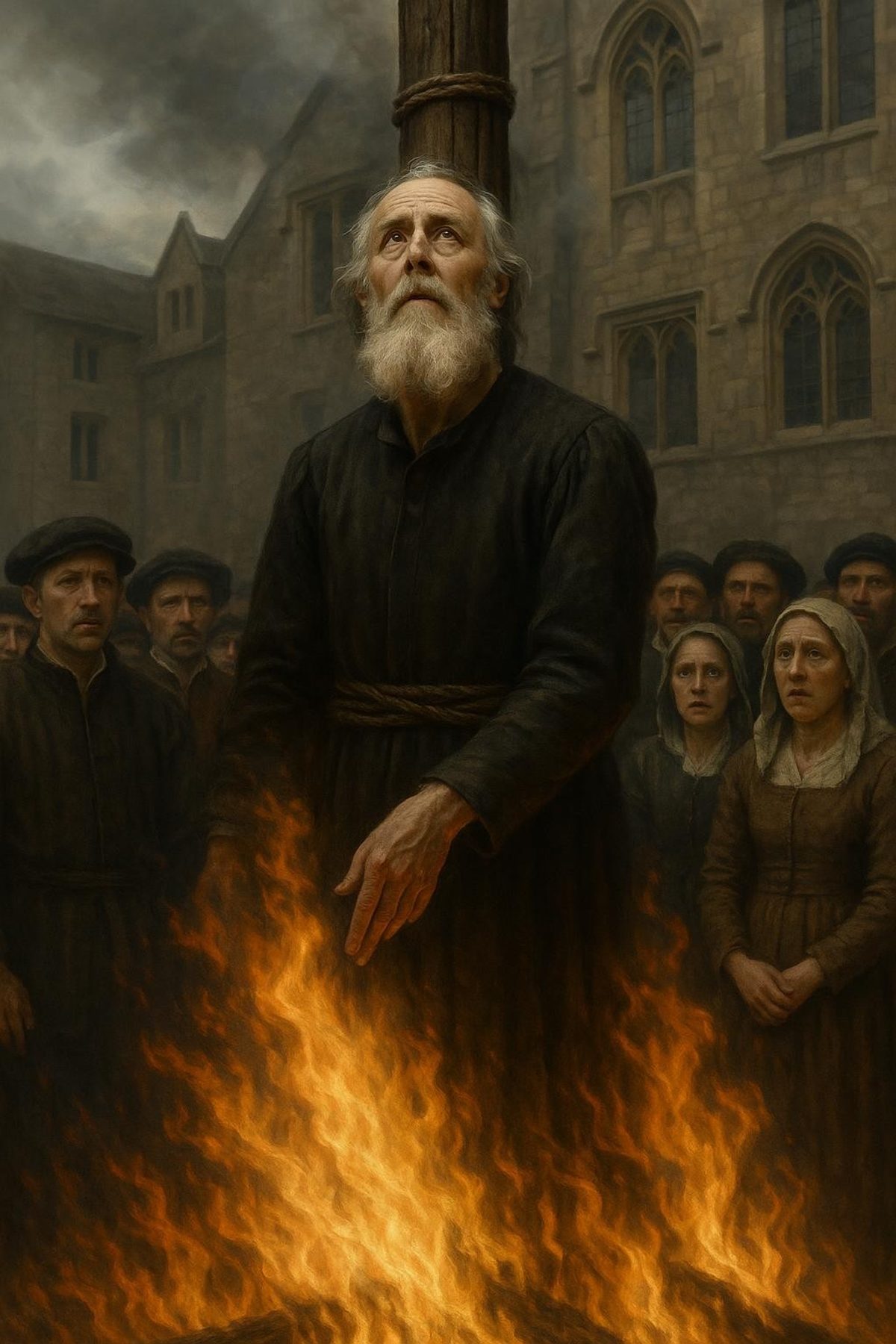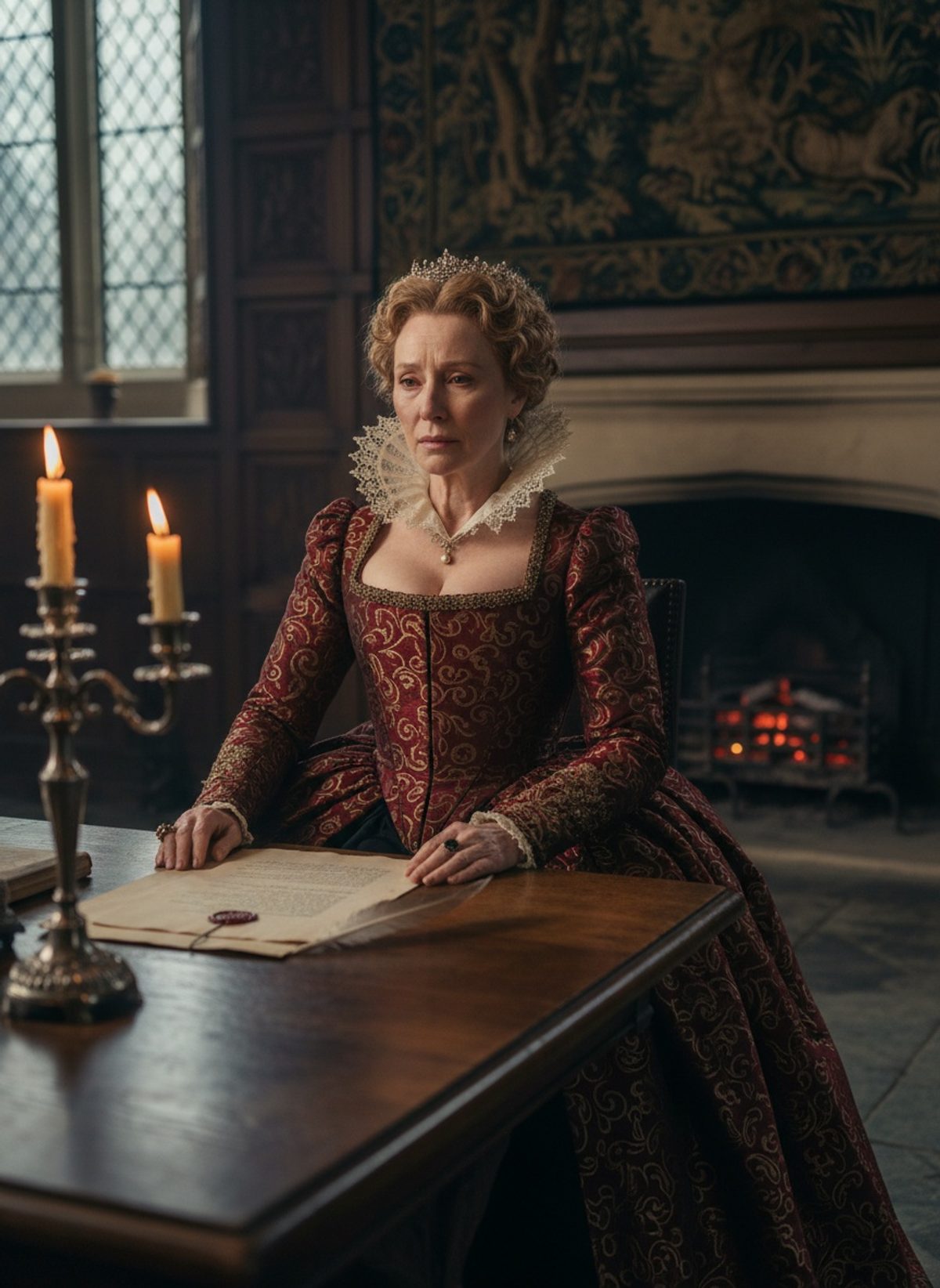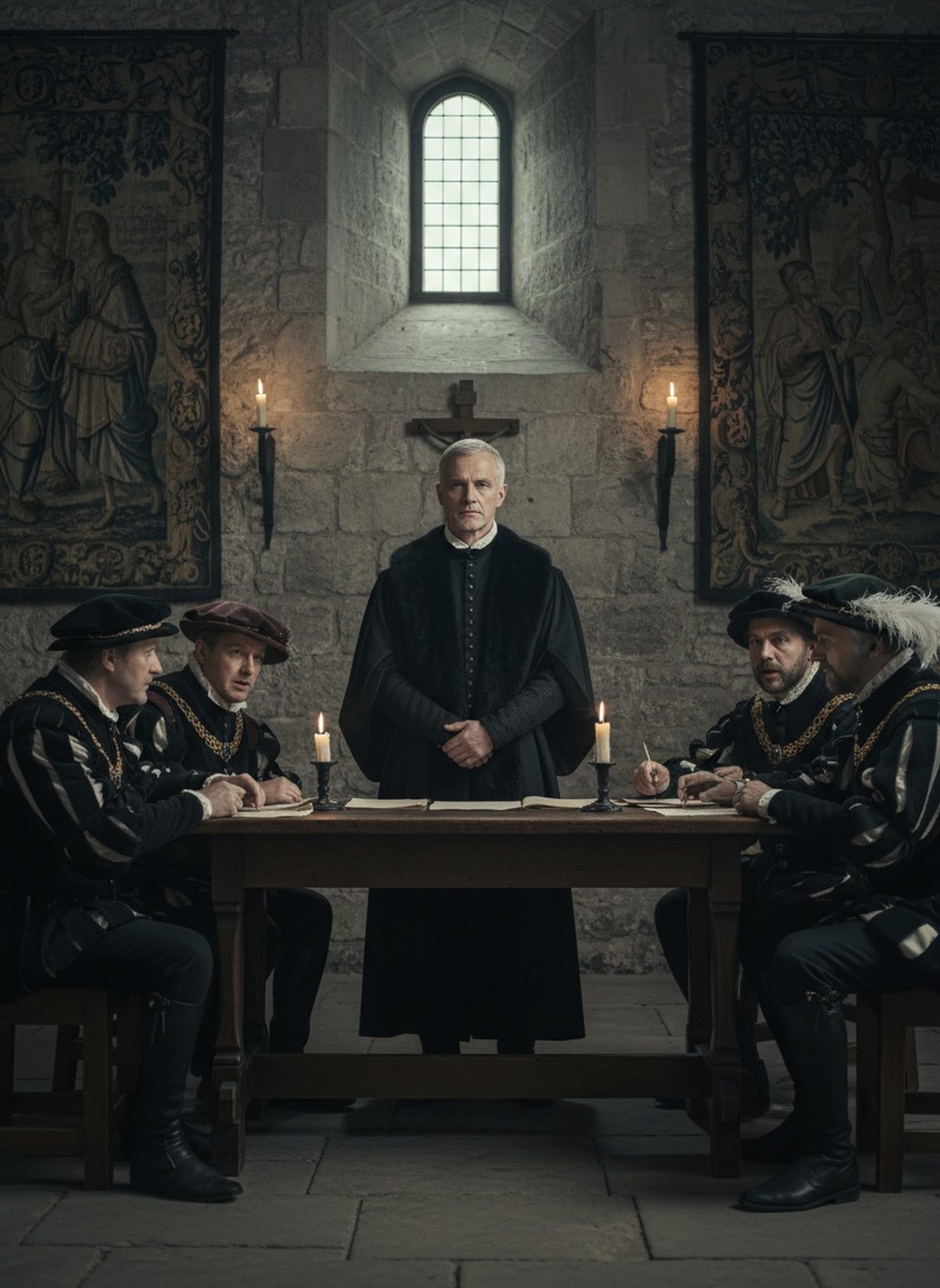
July 6, 1535. The muted shuffle of feet echoed on the cold stone floor of the Tower of London.
A Kingdom, a King, and a Crisis
The reign of King Henry VIII was one marked by sweeping change and turmoil. The king, larger than life in every sense, had recalibrated the very fabric of England to suit his desires and ambitions. His split with the Roman Catholic Church was as much personal as it was political. It wasn't merely a schism; it was a dangerous, irrevocable act that demanded allegiance like never before. England, now severed from the papacy's influence, was remade in Henry's own image and understanding of godliness.
To maintain his grip and push forward his newfound religious landscape, Henry required more than just nobility; he needed the adherence of those whose intellect and reputation could wield influence—men like Thomas More. Once a friend and trusted counsellor to the King, More's unwavering faith and ethical fortitude would soon stand in stark contrast to the king's edicts.
The Tower Beckons
Thomas More had never been a simple man. His intellect was matched only by his integrity, his convictions as unyielding as the stone walls that now confined him. As the former Lord Chancellor, More was once at the heart of English law and a loyal servant to the crown. Yet, when Henry demanded signatures affirming his supremacy as head of the Church of England, backed by the Act of Supremacy, More remained resolute in his denial.
Read next: The Day a Stuart Judge Refused to Send an Innocent Man to Death
More's refusal made him a prisoner in the cold and foreboding Tower of London. It wasn't chains alone that bound him, but the ironclad principles that deemed false allegiance an abomination. Those who watched him could hardly comprehend why a man of such stature would choose the path of ruin; More, however, was unperturbed. His cell, stark and meager, became a bastion of silent defiance. Quite paradoxically, it was here that More, a man once at Henry's side, found his unassailable freedom.
With Courage and a Prayer
When July 6th dawned, London was a city holding its breath. The spectacle of an execution was not unheard of, far from it in those volatile times, yet this was different. As Thomas More was led towards Tower Hill, his steps were purposeful, not faltering. There was an insistence to his gait as if understanding this was the conclusion to a grand play only he could author.
Onlookers gathered, a patchwork of varied emotions in their eyes—curiosity, fear, respect. As More mounted the scaffold, the hustling, bustling city seemed to pause. He spoke not of death, but of truth—his truth. Kneeling, he offered prayers, his final testament one of profound faith. Before the axe fell, his words rang clear: that he died “the King's good servant, but God’s first.” Each syllable a rebuke to the betrayal he refused to endorse, this utterance resonated not only with those present but etched itself into the annals of history.
The Echo of Integrity
The life and subsequent martyrdom of Thomas More serve as profound reminders of the cost of truth. His beheading marked not the end of dissent, but a powerful testament to the personal cost of adherence to one's principles in the face of authoritarian pressure. More's choice—the refusal to legitimize a monarchy's overreach, to perish rather than perjure his beliefs—illuminates a path not often traveled, yet crucial for its rarity.
In an epoch when kings wielded the divine right of power, More's stand was a clarion call for conscience over compulsion. This story becomes more than a fragment of Tudor history; it embodies a universal and timeless inquiry—what is the price of our integrity, and are we brave enough to pay it?
It is the haunting reminder that while kings rule over nations, it is the moral fortitude of individuals like Thomas More that shapes and holds to account the soul of humanity. In choosing the block over a lie, More’s legacy becomes a mirror to those who dare to ask themselves what they will choose when history demands their answer.