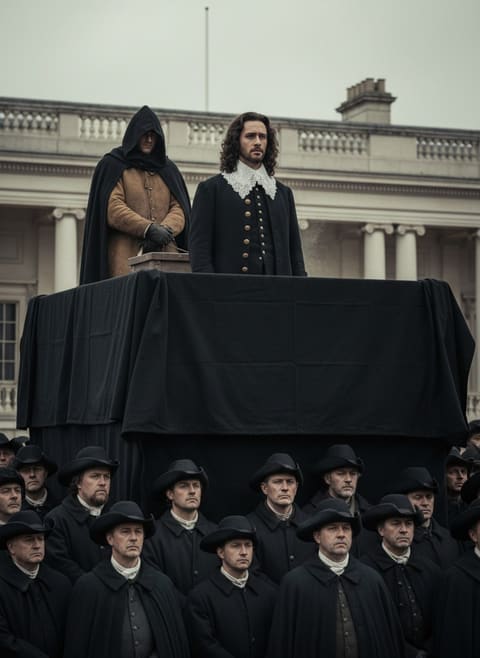
The cobblestones of London glistened under a persistent drizzle, the narrow alleyways echoing with the clip-clop of horses’ hooves and the muffled curses of vendors closing their stalls for the evening. The autumn air carried a chill, hinting at the harsher months ahead, while the fading light cast shadowy patterns on the haphazard lines of timber-framed buildings. Yet, beneath this curiously ordinary scene lay a simmering tension. A single act of defiance threatened to topple not just the tranquility of the streets, but the very authority of the monarch herself. In the year 1597, a storm began brewing in the vaulted corridors of power and on the bustling stages of Tudor England.
For on this dreary London day, Elizabeth I’s Master of the Revels had issued a decree with sweeping implications. A single scene from the script of a popular play was deemed too seditious to survive. The portrayal of a king—Richard II no less—renouncing his throne carried with it the dangerous potential to ignite whispers of rebellion, setting minds ablaze with thoughts the Crown sought to quench. It was not merely the theater’s lifeblood of drama and spectacle being curtailed; it was history itself, woven with the present, challenging the delicate balance of Elizabethan politics.
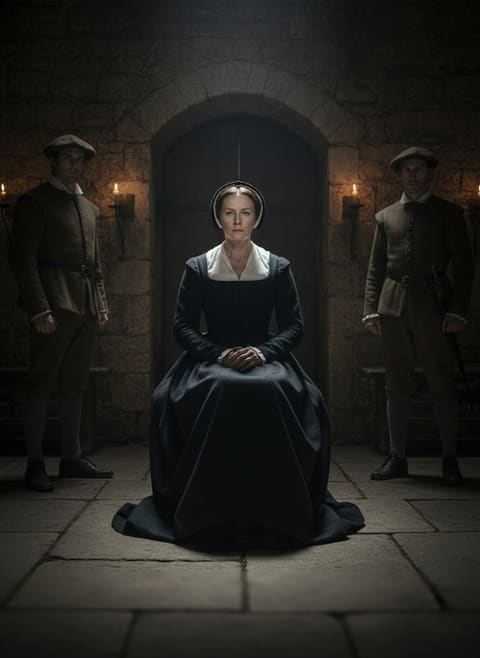
Within the hallowed halls of the court, the formidable Queen Elizabeth sat at the throne, her will as ironclad as the armor of her knights. The Tudor dynasty, glorious yet fragile, had weathered storms of legitimacy and plots most foul, yet here was an affront she could scarcely overlook. John Hayward, the audacious printer who dared to defy the censor’s pen, had published the play in full. The text contained the scene—the treacherous scene—and soon it found its way into the hands of an audience both enthralled and alarmed by its implications.
The chill in London’s air could not compete with the frost settling over Hayward’s fate. As rumors of the Queen’s displeasure spread, so too did the realization of the gravity of his rebellion. It was not merely the audacity of ink on parchment that put him in peril, but the parallels drawn between fiction and the imminent reality. Elizabeth’s reign, though marked by stability, was not without its conspiracies. The memory of Mary, Queen of Scots, and the threats of Spain served as constant reminders of the thin line between order and chaos.
Read next: The Day a Tudor Chancellor Chose Death Over a Royal Lie
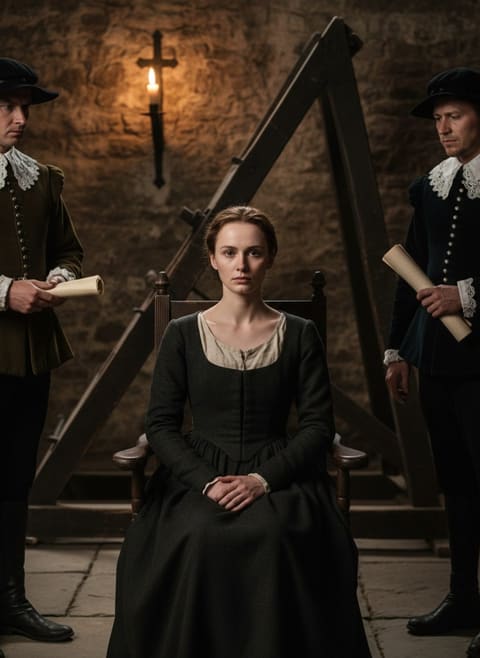
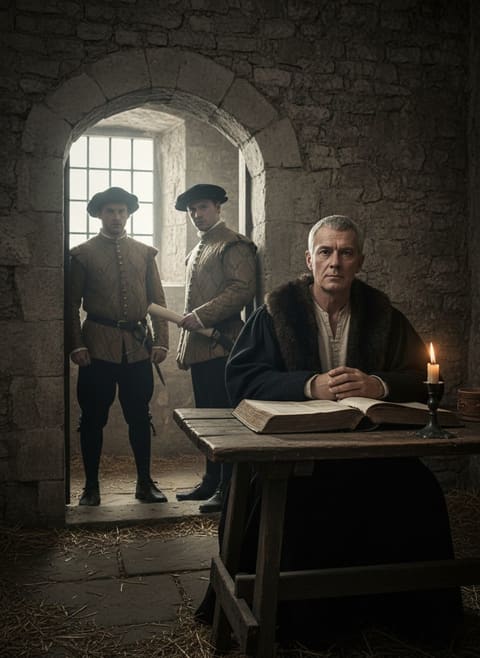
In the musty confines of London’s Tower, where stone walls muffled the plaintive cries of ravens and prisoners alike, Hayward found himself ensconced with his ink-stained fingers and rebellious heart. His imprisonment was a bold statement, not just of punishment, but of the unpredictable power of words. As far-reaching as the river Thames itself, the scene’s echoes traversed the city, invigorating discussions in shadowy taverns and cobblestoned marketplaces alike.
But what was it about the scene's portrayal of Richard II's abdication that struck such fear into the hearts of England’s rulers? This moment of theatrical release was more than just the high drama of a deposed king. To the Elizabethan audience, the sight of monarchy's vulnerability, laid bare on stage, posed a dangerous dialectic. It suggested that power could flounder, that crowns could be relinquished, and what unfolded in the realm of imagination could manifest in reality.
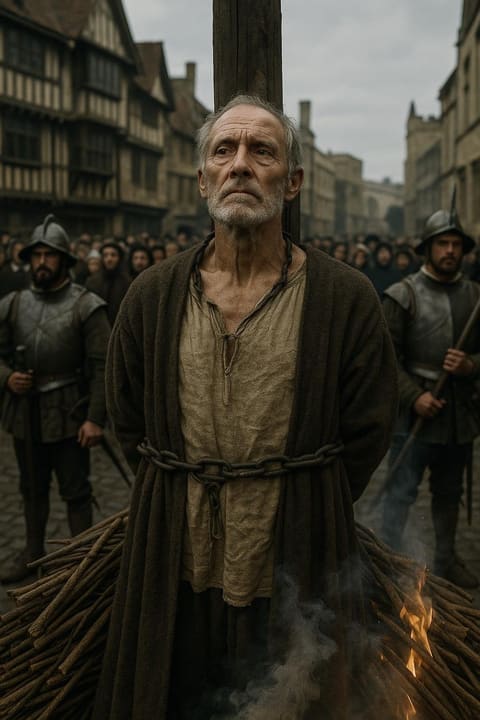
For Elizabeth, ever-conscious of her own tenuous claim amidst a sea of political and religious turbulence, this was an insult cut too close to the bone. She had navigated plots and rivals with the deftness of a seasoned mariner steering clear of treacherous waters, but Hayward's written defiance struck at the very keel of her sovereignty. As the Queen ruminated upon the possible outcomes of such infectious ideas spreading among her subjects, it stirred memories of previous revolts and uprisings historically rooted within England’s soil.
Read next: The Day a Tudor Bishop Refused to Crown a Usurper
In many ways, the play’s proscription and Hayward’s subsequent arrest etched a pivotal moment in the annals of history—a reflection of the tussle between promulgating art and preserving authority. Yet, history itself seemed undeterred; John Hayward's act of dissent immortalized the contentious scene in ways royal edicts could never fully extinguish. In parlors and alleys, gatherings and galas, stories of defiance burgeoned, underscoring a universal truth that censorship often imparts unintended immortality to ideas.
The curtain of history closed on the 16th century with Elizabeth's eventual decree sparing Hayward’s life, though the lesson lingered longer than her reign. The act of suppressing a scene not only underscored the potential volatility of unfettered speech but also breathed life into the age-old debate on the power of art to challenge, provoke, and incite. The Tudor stage, veiled in its portrayal of historical events, presented a protean mirror to its audience, reflecting a realm where the line between fiction and reality frayed perilously.
Today, even as the chill of London’s eve gives way to the warmth of resurgence, the echoes of that singular, censored scene continue to resonate with timeless relevance. They remind us of a bygone era where the potency of a playwright’s words could rouse the spirit of defiance against the most formidable of authorities. John Hayward's tale is more than a footnote confined to the annals of Tudor England—it is a clarion call to the enduring potency of art as a vessel of truth, challenging even the mightiest crowns. As the ink fades on old pages, the legacy of that perilous balance between story and sovereignty remains indelible, forever inviting us to question, to imagine, and to aspire beyond the confines of silence and decree.