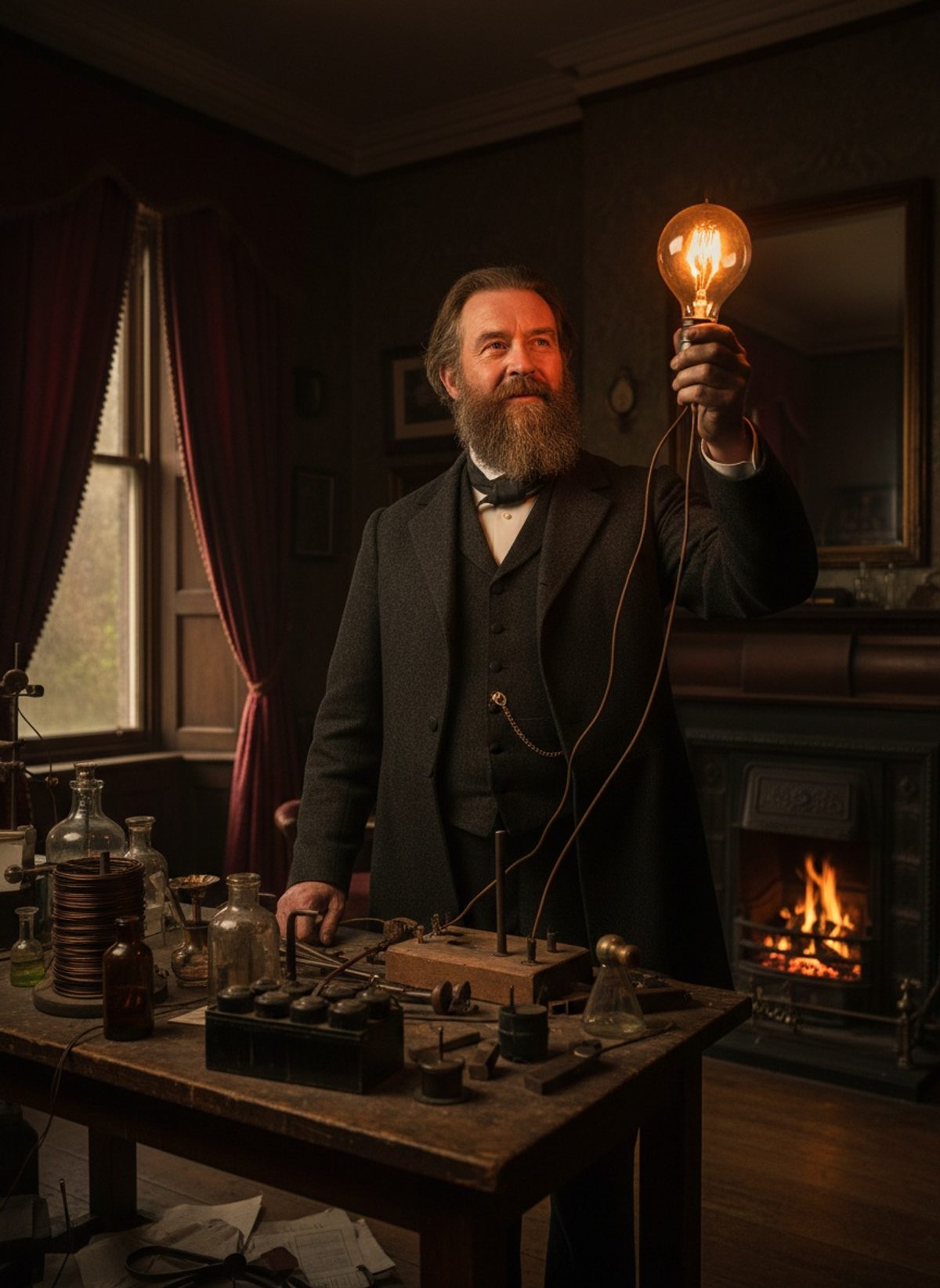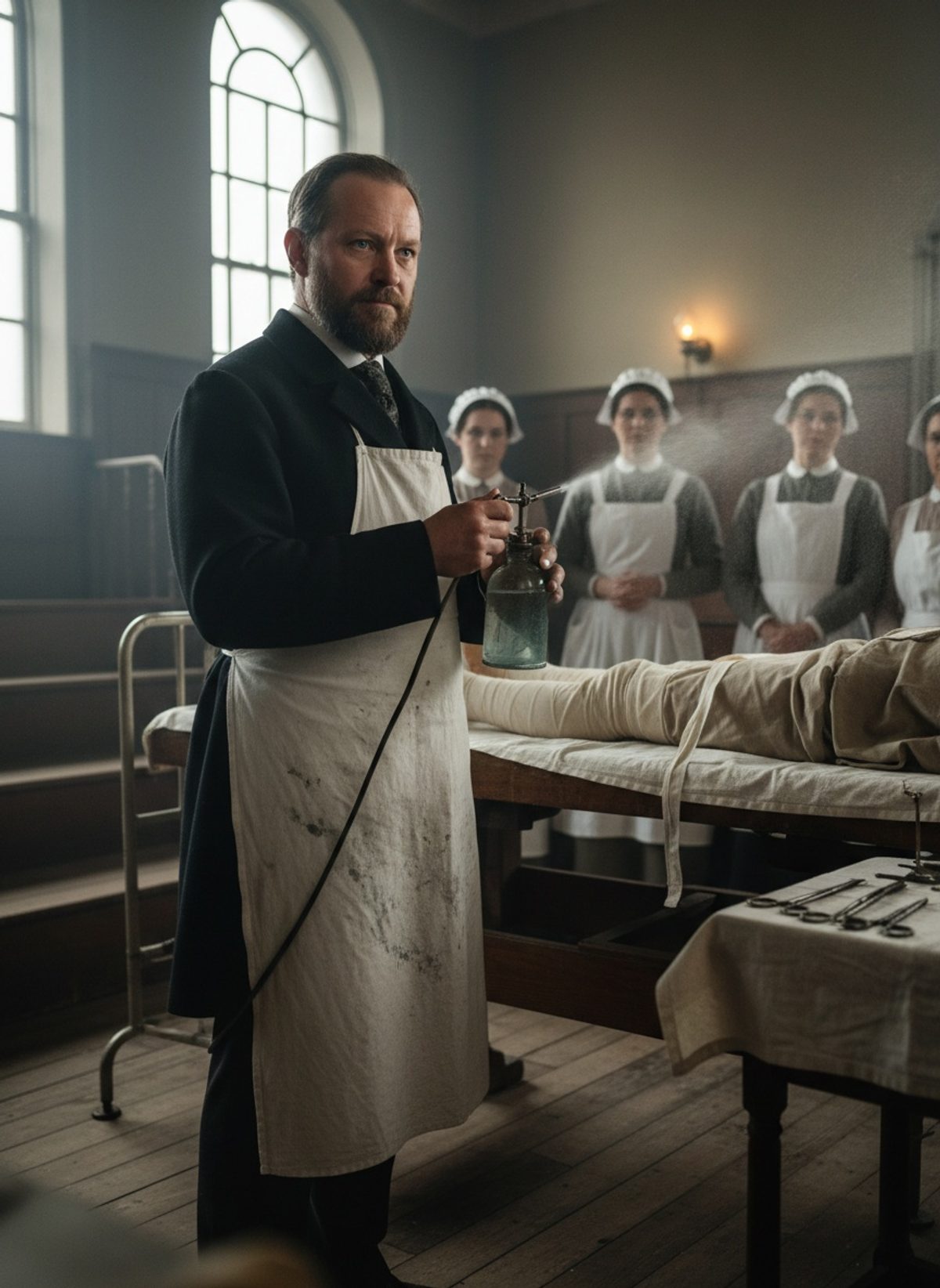
It was a crisp November evening in 1847 Edinburgh. The city's ever-present veil of mist hung in the air, a soft shroud of mystery that blurred the edges of the buildings and made the gas lamps' flickering orange halos dance like ghostly spectres. The cobblestones were slick with rain that had stopped just hours earlier, leaving an earthy aroma mixed with coal smoke from nearby chimneys. Inside an unassuming Georgian townhouse, a remarkable experiment was about to unfold that would transform the agonies of surgery forever.
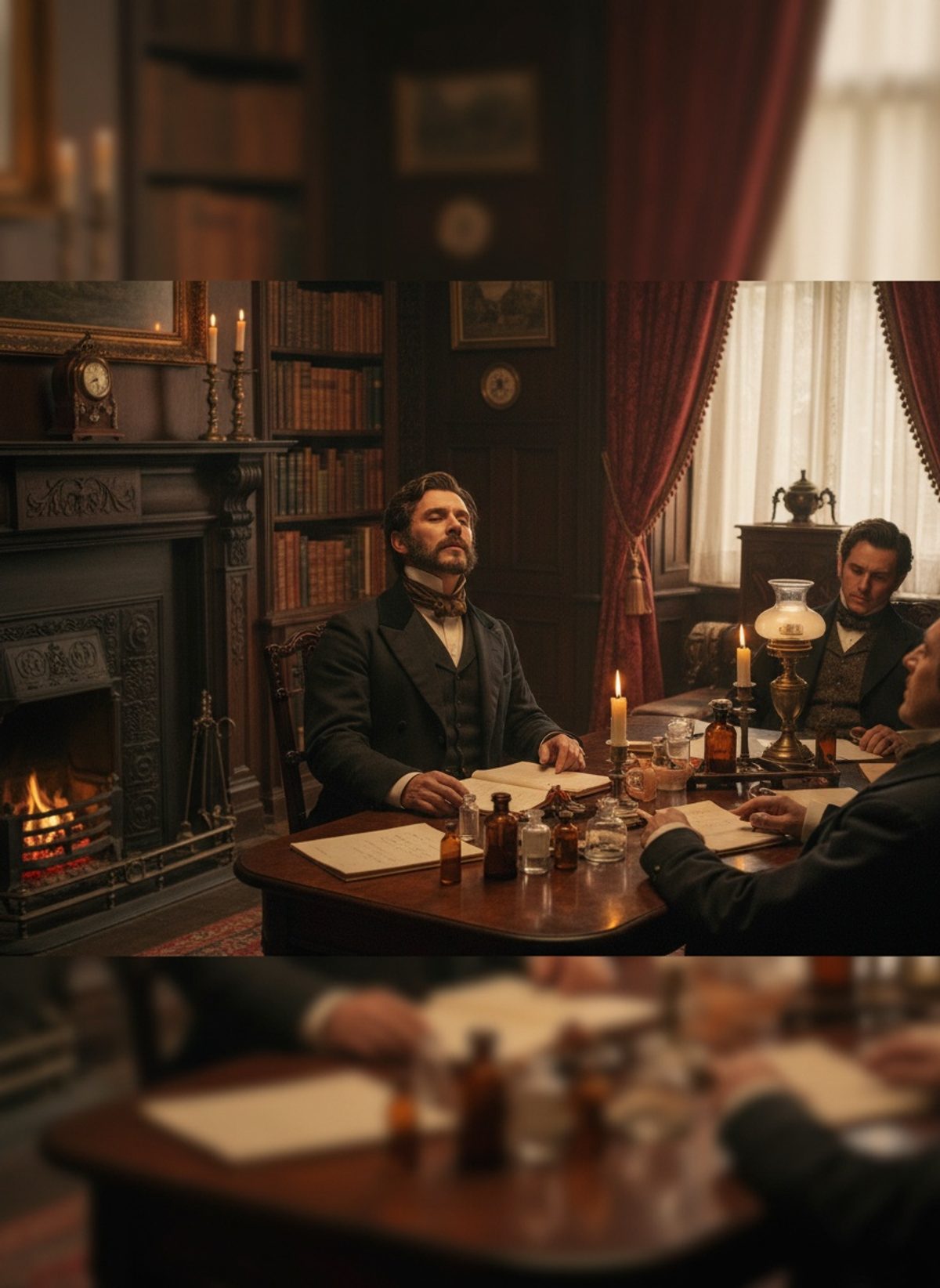
Sitting around a modest wooden table were several medical men, led by Dr. James Young Simpson, a determined Scottish obstetrician. A man of average height with a penetrating gaze, Simpson was no stranger to the relentless screams of patients on the operating table. Years spent practicing medicine in the bustling city had left him deeply aware of the torment every incision brought. Surgery, the last resort for the gravely ill or injured, was as feared as the maladies it was meant to cure. Yet, as rain tapped gently at the windows, hope simmered amidst the dinner guests, with the promise of painless surgery seemingly within reach.
Simpson had already attempted several methods to ease surgical anguish. Laudanum, a tincture of opium—and other experimental compounds—had been unreliable and sometimes dangerous in their efficacy. But this evening, he was trying something new. He had spent months conversing with chemists and pondering a more effective solution. The perfume of possibilities lingered in the air, like an artist poised before a blank canvas, aware that one stroke of luck could change everything.
The instrument of change sat unobtrusively in the center of a table—a small glass bottle. Chloroform, a colorless, fragrant liquid, emanated an almost sweet aroma that belied its hidden potential. Simpson, with the curiosity of a scientist and the daring of an alchemist, uncorked the bottle with a sense of resolve. The men around the table inhaled deeply, allowing the vapours to fill their lungs.
Read next: The Day a Victorian Woman Walked Into Newgate and Shamed a Nation
The result was unexpected and immediate. Laughter erupted—a delightful and somewhat delirious chorus—from mouths that were soon overcome by profound sleep. When they awoke, they found themselves sprawled across the floor, the room swirling with remnants of their raucous mirth. Simpson, however, saw beyond the humor. What had just transpired could reshape medicine from the roots up. For the first time, sleep had conquered pain—a miracle in the smoky lamplight of that Edinburgh sitting room.
The implications were staggering. If this new compound could be carefully managed in clinical settings, surgeries could become less about surviving the ordeal of the knife and more about healing. It was a balm for the soul as well as the flesh. Patients, their anguished cries no longer essential soundtracks to surgeries, might emerge on the other side with spirits intact. In that townhouse, amidst wafting fog and forgotten merriment, the modern era of anesthesia had been born.
Following this remarkable evening, Simpson embarked enthusiastically on a journey to persuade the skeptics. Sharing accounts of his own experience, he began using chloroform in obstetrics, transforming the excruciating ordeal of childbirth into a bearable experience. His reputation, which had already been formidable, now grew brighter as he presented his findings to the medical community. Throughout his advocacy, he encountered resistance from traditionalists and those wary of newfangled contraptions altering God's will. Yet his determination was unyielding.
Elsewhere in the medical community, curiosity sparked by Simpson's subsequent papers began to turn the tide. Doctors and surgeons who had spent lifetimes trying to outrun suffering with their scalpels now had a new tool—a key that unlocked doors to realms they had only whispered of in yearning. Chloroform seeped into operating theaters from London to America, fundamentally transforming the vocabulary of the surgeon’s art.
However, the adoption of chloroform was not devoid of controversy. As stories of miraculous, pain-free surgeries spread, so too did rumors of mismanaged doses leading to fatal outcomes. The very ally against torment was also a potent adversary if used recklessly. Doctors quickly realized the necessity of precision and caution, a conscientious dance with this unpredictable partner that medicine had gained through Simpson’s discovery.
Victorian society, grappling with rapid industrial change, viewed the changing face of medicine with mixed opinions. Anaesthesia's potential to alter societal structures and roles hinted at a world where suffering might be mitigated, a world where God's immutable laws, according to some naysayers, appeared to bend before humanity's clever hands. Yet, the course was set, and perhaps it was only fitting that in a time of great innovation, pain itself was rendered negotiable.
Today, when patients calmly take deep breaths before drifting into a world of dreams, they rarely spare a thought for that rainy Edinburgh night. Chloroform's role as a foundational herald has somewhat faded, replaced by new anaesthetic marvels crafted from its template. But the principle remains unchanged—a testament to the power of human determination and the profound difference one rainy evening around a dinner table can make.
As we turn the pages of history and celebrate the breakthroughs of our time, let us remember the courage and innovation of those who dared to inhale the unknown, to veer off well-trodden paths and charter new territories. The age of compassion in surgery truly began one night in 1847, casting seeds that would blossom into the anesthesia we know today. Our modern world, built on the foundations laid by inquisitive minds like Simpson's, reminds us that innovation is often one brilliant idea away from changing the lived experience for generations to come.